0%

Choosing the best Quartz Glass Bell Jar in 2026 starts with the work it must perform. Global buyers may need a clear chamber for laboratory equipment, a protective cover, or a component in a controlled process. The right choice depends on dimensions, operating conditions, and how the jar will be handled. Small details matter. A rim that does not match its base, for example, can make an otherwise suitable jar impractical.

This guide examines the features worth checking before requesting a quotation. It covers quartz material and clarity, dimensions, wall thickness, edge finish, temperature requirements, and compatibility with connected equipment. It also considers supplier communication, sample inspection, packaging, and product documentation. Ask for measurable specifications rather than relying on photographs alone. Confirm whether the quoted product matches your intended use, and review relevant quality records where available. No single specification tells the whole story; product pages can leave important questions unanswered. That uncertainty deserves attention.

The word “best” is not a universal rating. A jar suited to one setup may be unsuitable for another, even when both look similar. Buyers should compare verified details, discuss limitations with the manufacturer, and avoid assuming that every quartz product has identical properties. This article offers a practical framework, not a substitute for application-specific engineering review. With careful checks, readers can narrow their options and make a more informed purchasing decision.
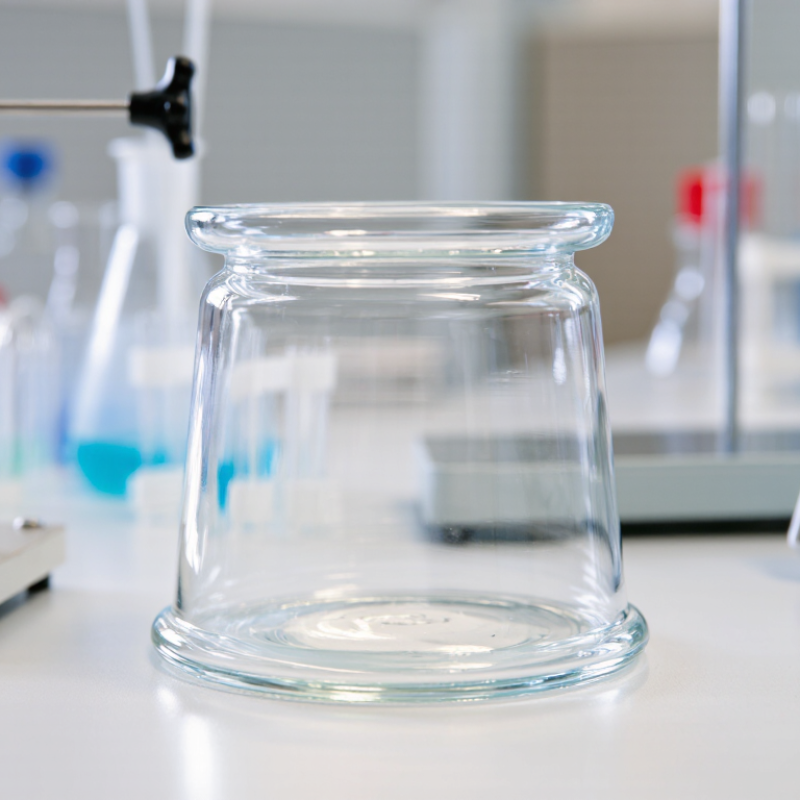
Best Quartz Glass Bell Jar 2026 for Global Buyers?

What a Quartz Glass Bell Jar Is and How It Is Made

A quartz glass bell jar is a transparent enclosure made from high-purity silica, not ordinary window glass. It allows a process or specimen to be observed while the enclosure resists heat and many chemical exposures. Makers typically fuse silica powder or selected quartz feedstock at very high temperatures, then shape the softened glass by forming or machining. The piece is annealed to reduce internal stress, trimmed, and inspected for bubbles, cracks, and uneven walls. Not decorative. Its rim must sit flat against the sealing surface.

NIST material-property data place fused silica’s room-temperature linear thermal expansion near 0.5 parts per million per kelvin. This low expansion helps limit dimensional change during heating, though it does not make a bell jar immune to thermal shock. A cold jar exposed to a hot point can still crack. Small details matter. Wall thickness, rim geometry, and surface finish affect handling and sealing; buyers should request drawings, material specifications, and inspection records. Industry practice also distinguishes fused silica from crystalline quartz, since their processing and optical behavior differ. A useful specification states the intended temperature range and pressure conditions, rather than relying on “high temperature” alone. Even careful manufacturing leaves trade-offs: thicker walls improve robustness but add weight and may reduce visibility.

Key Properties of Quartz Glass for Bell Jar Applications

Quartz glass bell jars are valued for staying stable through rapid temperature changes. Fused silica has a very low thermal expansion, about 0.55 × 10⁻⁶ per kelvin. ASM Handbook, Volume 2, lists this figure for fused silica and gives a softening point near 1,665°C. These values explain why a jar can tolerate hot process conditions better than many ordinary glasses. They do not mean it is immune to thermal shock. Uneven heating still matters.

Purity also matters. High-purity quartz glass can provide strong ultraviolet and visible-light transmission, while surface contamination or bubbles may reduce optical clarity. Its chemical resistance suits many laboratory and semiconductor process environments, but hydrofluoric acid attacks silica. Hot alkaline solutions can also damage it. Handle with care. For vacuum service, inspect the rim and sealing surface for chips, then match the seal design to the operating temperature and pressure. Wall thickness and support points need attention too. A thick wall may feel reassuring, yet it can increase thermal gradients. That trade-off deserves review for each bell jar’s actual duty cycle.

Common Designs, Dimensions, and Performance Features

Quartz glass bell jars commonly use a domed body with an open, ground rim or a wider flange for sealing. Some designs include a side port for tubing or instruments. Compact models may measure about 100 mm across, while larger chambers can exceed 300 mm; these are illustrative sizes, not a universal range. Check the supplier’s drawing for internal height, wall thickness, port position, and usable opening.

Fused silica tolerates high temperatures and rapid temperature changes better than many ordinary glasses, but it is not immune to thermal stress. Avoid uneven heating. Ultraviolet transmission depends on quartz grade and wall thickness, so ask for measured data when that feature matters. A quartz body alone does not establish a safe vacuum rating. The flange, seal, and wall geometry all affect performance.

Fit matters. Measure the mating surface and allow room for clamps, cables, or samples before ordering. A polished dome can look precise yet still sit poorly on a mismatched base. That detail is easy to overlook. I would also confirm whether the stated dimensions are internal or external; listings do not always make this clear.

How to Select a Quartz Glass Bell Jar for Your Application

Choosing a quartz glass bell jar starts with the process, not the catalog photo. Define the working temperature, atmosphere, pressure conditions, and usable interior space. A jar used for heating needs different considerations from one used mainly for visual access. Fit matters. Measure the flange and check how the lid, gasket, or support will contact the glass.

Ask for the glass grade, wall thickness, dimensional tolerances, and recommended operating limits. “Quartz glass” can describe products with different compositions and properties, so request a technical datasheet rather than relying on the name alone. Check whether the jar can withstand your heating and cooling cycle. Rapid temperature changes may create stress, especially near thick edges or unevenly heated areas. A small detail matters: a narrow rim chip can affect safe handling and sealing.

Consider how the jar will be cleaned, moved, and inspected. Clear glass helps you see samples, but surface marks can make inspection harder. Confirm that the dimensions match your equipment and that replacement parts are available. If the application is unusual, ask the supplier specific questions and test a sample under controlled conditions before purchasing several units. I would not assume a listed maximum temperature guarantees suitability for every setup; the actual cycle and support arrangement deserve review.

Global Buyer Checklist for Quality, Suppliers, and Shipping

For a quartz glass bell jar, compare measurable specifications, not appearance alone. Request a drawing showing inner diameter, height, wall thickness, flange flatness, and dimensional tolerances. Ask how the supplier controls annealing and checks for bubbles, inclusions, scratches, and edge chips. For vacuum use, require a documented pressure rating and test method; clear glass is not proof of safe performance. Small details matter.

Evaluate suppliers through traceability and repeatability. Request material certificates, inspection records, sample approval, and written procedures for handling nonconforming parts. Confirm whether each batch can be linked to its production and inspection records. Ask for lead time, minimum order quantity, replacement terms, and photographs of the actual packing method. A polished sample helps, but it does not guarantee the next shipment will match. I would also verify that quoted tolerances appear on the final inspection report.

Shipping deserves its own checklist. UNCTAD’s Review of Maritime Transport 2024 reports that over 80% of world merchandise trade by volume travels by sea, making transit planning relevant even for specialized glassware. Specify individual cushioning, a rigid outer crate, moisture protection, and clear handling labels. Agree on who arranges insurance and what evidence is needed for a damage claim. Request a pre-shipment photo set. It is not a substitute for inspection, but it can expose weak packing before dispatch.

FAQS

What is a quartz glass bell jar?

It is a transparent enclosure made from high-purity silica. It lets users observe a process while resisting heat and many chemical exposures.

How is a quartz glass bell jar made?

Silica is heated until softened, then formed or machined. The glass is annealed, trimmed, and inspected for bubbles, cracks, and uneven walls. Not decorative.

Does quartz glass resist thermal shock?

No. Its low thermal expansion helps limit dimensional changes, but sudden heating can still cause cracks. A cold jar can fail near a hot spot.

What should I check before choosing a bell jar?

Define temperature, atmosphere, pressure, and usable interior space. Measure the flange and check how the lid, gasket, or support contacts the glass. Fit matters.

What product details should I request?

Ask for the glass grade, wall thickness, tolerances, and operating limits. Request technical data and inspection records, not just a general “high temperature” claim.

How do wall thickness and rim condition affect use?

Thicker walls may improve robustness, but they add weight and can reduce visibility. A small rim chip can affect handling and sealing. Easy to miss.

How can I check whether a jar suits my heating cycle?

Compare its recommended limits with your actual heating and cooling pattern. Uneven heating and thick edges may increase stress. A maximum temperature alone is not enough.

Should I test a sample before ordering several jars?

For unusual setups, test one sample under controlled conditions. Check dimensions, visibility, cleaning, and replacement-part availability. I would not assume every listed limit fits every setup.

Conclusion

A Quartz Glass Bell Jar is a protective enclosure made from high-purity fused quartz, shaped and finished for applications that require visibility, thermal stability, and resistance to many chemicals. Its performance depends on factors such as material purity, wall thickness, surface finish, sealing design, and the manufacturing process. Common options vary in height, diameter, rim style, and connection features, so buyers should match dimensions and operating requirements to the equipment and environment where the jar will be used.

When selecting a Quartz Glass Bell Jar, consider temperature conditions, pressure or vacuum requirements, chemical exposure, optical clarity, and dimensional tolerances. Compare supplier specifications, inspection records, packaging methods, and shipping arrangements before placing an order. Clear communication about drawings, acceptance criteria, lead times, and handling requirements can help global buyers reduce damage risks and ensure the product is suitable for its intended application.

Elowen

Elowen

Elowen is a dedicated marketing professional with a strong understanding of product strategy, customer needs, and digital communication. As a key contributor to the company’s content and growth initiatives, Elowen regularly updates its professional blog with practical insights, educational......