Fused Quartz Glass Tube: What Global Procurement Engineers Must Know About Purity, Thermal Shock, and Custom Drawing Fabrication
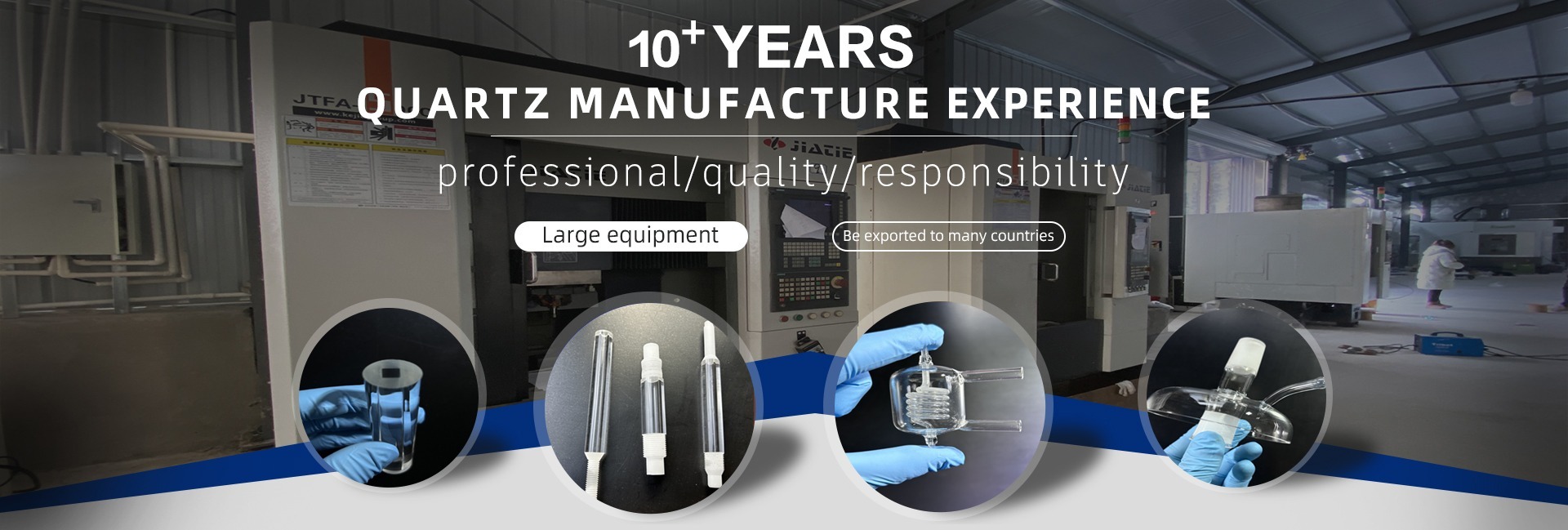
In high-stakes industrial environments—from 300 mm semiconductor diffusion furnaces and ALD reactors to photovoltaic PECVD systems and precision UV disinfection pipelines—the choice of your fused quartz glass tube directly governs batch yield, system uptime, and thermal reliability. Manufactured by Lianyungang Zelvo Quartz Products Co., Ltd. in Donghai County (China's globally recognized capital of natural crystal and quartz mineral refining), our high-purity (99.99% SiO2) quartz tubing delivers an exceptionally low coefficient of thermal expansion (5.5 × 10⁻⁷ /K), superior resistance to chemical attack, and continuous service temperatures exceeding 1100°C. Whether you require standard large-bore furnace process liners, twin-bore heating elements, or custom drawing-based laser-drilled manifolds, we provide complete, certified engineering solutions with a fast-track 1-piece prototype turnaround.
- ≥99.99% Ultra-Pure SiO₂Total metallic impurities controlled below 20 ppm to prevent high-temp devitrification.
- ≤2h Rapid FeasibilityInstant engineer-led drawing review and formal quotation within 120 minutes.
- Custom FabricationPrecision laser drilling, slotting, flange welding, grinding, and bent tube geometries.
- 1-Piece Low MOQSeamless scalability from bespoke R&D trials to multi-container serial deliveries.
Recommended Fused Quartz Glass Tube Configurations
Select specialized fused quartz tubing geometries optimized for thermal endurance, mechanical vacuum strength, and spectral transmittance.
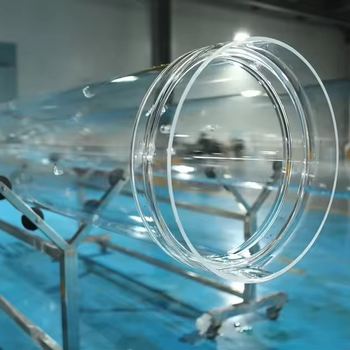
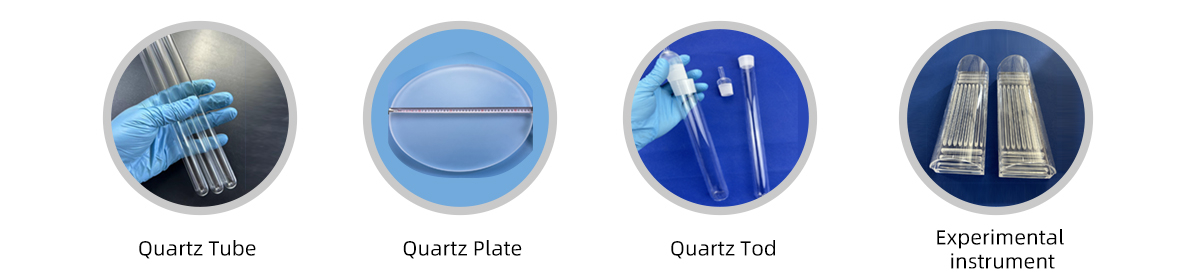
High-Purity Clear Fused Quartz Process Tube
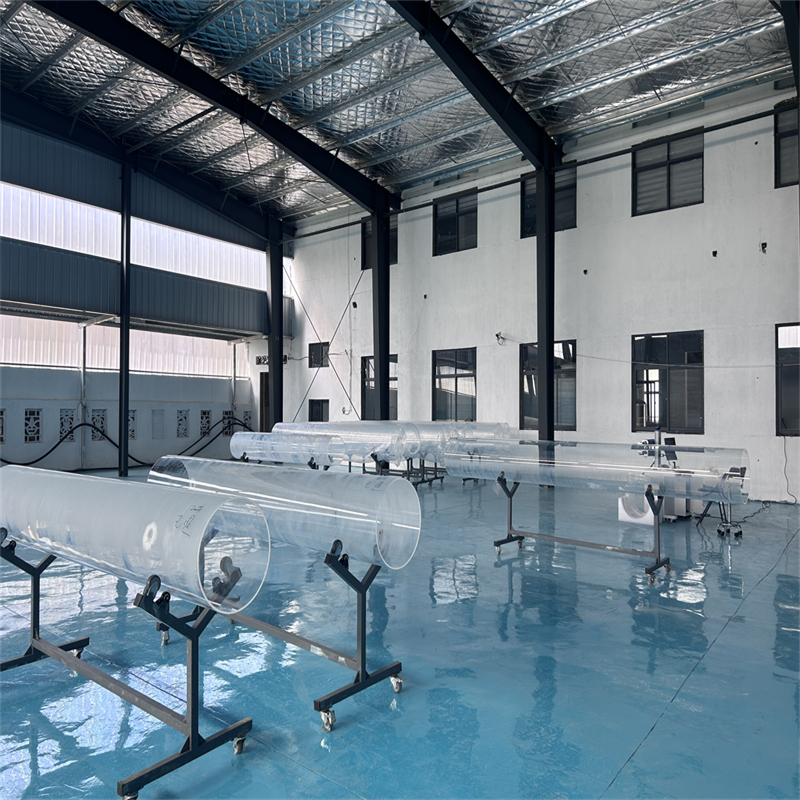
Designed for semiconductor diffusion, LPCVD, oxidation, and rapid thermal processing (RTP). Exhibits exceptional structural rigidity up to 1100°C continuous operation.
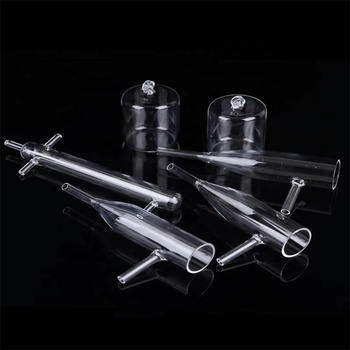
Twin-Bore & Multi-Lumen Fused Quartz Tubes
Engineered for medium-wave and short-wave infrared emitters, dual thermocouple insertion sheaths, and high-efficiency vacuum furnace heaters.
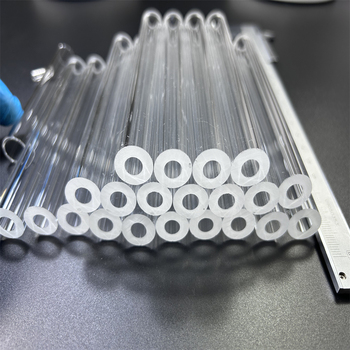
Heavy Thick-Wall Fused Quartz Pressure Tubes
Custom wall thicknesses from 3.0 mm up to 15.0 mm to resist intense negative pressure, aggressive chemical etching, and extreme thermodynamic cycling.
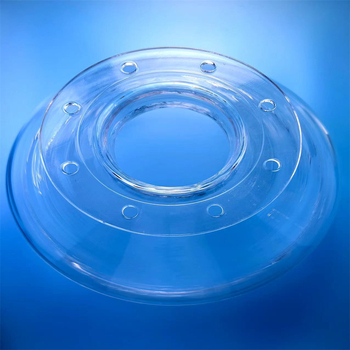
Flanged & Jointed Fused Quartz Reactor Tubes
Precision integrated fused silica CF/KF flange collars, ground ball joints, and threaded connectors guaranteeing helium leak-tight vacuum seals (≤ 10-9 mbar·L/s).
Material Science: Why Fused Quartz Outperforms Other Glasses
An in-depth metallurgical and thermodynamic evaluation for material specifiers and design engineers.
Fused quartz is an amorphous single-component glass composed strictly of non-crystalline silicon dioxide (SiO2). Unlike commercial borosilicate or soda-lime glass formulations that incorporate alkaline fluxes (B2O3, Na2O, Al2O3) to reduce melt temperatures, electric-arc and oxy-hydrogen fused quartz preserves the rigid three-dimensional covalent tetrahedral network of Si-O bonds. This unique structural architecture imparts phenomenal physical and operational properties:
1. Imperviousness to Severe Thermal Shock: With an ultra-low linear thermal expansion coefficient of only 5.5 × 10⁻⁷ cm/cm·°C between 20°C and 320°C (roughly 1/6th that of borosilicate), a red-hot fused quartz tube heated to 1100°C can be plunged instantly into ice-cold water without shattering, micro-cracking, or losing mechanical integrity.
2. Extreme High-Temperature Endurance: Fused quartz possesses a high softening point of 1683°C, an annealing point of 1215°C, and a strain point of 1120°C. It comfortably tolerates sustained continuous service at 1100°C and intermittent thermal excursions up to 1300°C, making it the foundational substrate for semiconductor crystal growth, furnace liners, and pyrometry viewports.
3. Broad Spectral Broadband Transmission: From the deep ultraviolet (DUV UV-C band, ≥85% transmittance at 254 nm) across the entire visible spectrum (93% transmittance) up into the mid-infrared range (≥3.5 μm), fused quartz delivers high optical transmission with minimal internal attenuation, low fluorescence, and extreme bubble-free homogeneity.
4. Chemical Inertness: Completely unreactive to almost all acids (including boiling hydrochloric, nitric, sulfuric, and aqua regia) and neutral solutions. Hydrofluoric acid (HF) and hot concentrated phosphoric acid above 150°C are the only active chemical agents capable of etching pure fused quartz.
Future Procurement Trends in the Global Fused Quartz Tube Market
How macroeconomic pressures, semiconductor fab expansions, and next-generation green energy reshape quartz sourcing.
Sub-ppb Purity & Trace Metal Auditing
Modern sub-5nm wafer nodes and 3D NAND vertical stacks require quartz furnace liners with trace element concentrations (specifically Na, Fe, Cu, and K) audited down to single-digit parts-per-billion (ppb) to eliminate wafer cross-contamination and gate oxide breakdown.
Integrated Sub-Assembly Procurement
Global procurement teams are moving away from purchasing raw open-ended quartz tubes that require domestic downstream glassworking. Instead, buyers increasingly source fully finished assemblies featuring factory-welded KF flanges, integrated quartz boats, gas injection nozzles, and ground joints directly from primary manufacturers.
Direct Sourcing from Source Mining Clusters
With western fab equipment manufacturers feeling inflationary cost crunches, Tier-1 buyers are optimizing supply chains by bypassing multi-tiered distributors to partner directly with onsite-verified manufacturers situated in mineral hubs like Donghai, achieving 25% to 40% margin improvements.
Near-Zero Defect Packaging Protocols
Because transit micro-abrasions and internal stress fractures lead to catastrophic implosions in high-vacuum CVD runs, buyers prioritize suppliers using engineered custom-molded high-density EPE foam cradles, vapor-barrier vacuum sealing, and ISPM-15 treated wooden crates for international transit.
Technological Advancements in Fused Quartz Tube Manufacturing
Pioneering fabrication methodologies pushing the envelope of dimensional precision and material durability.
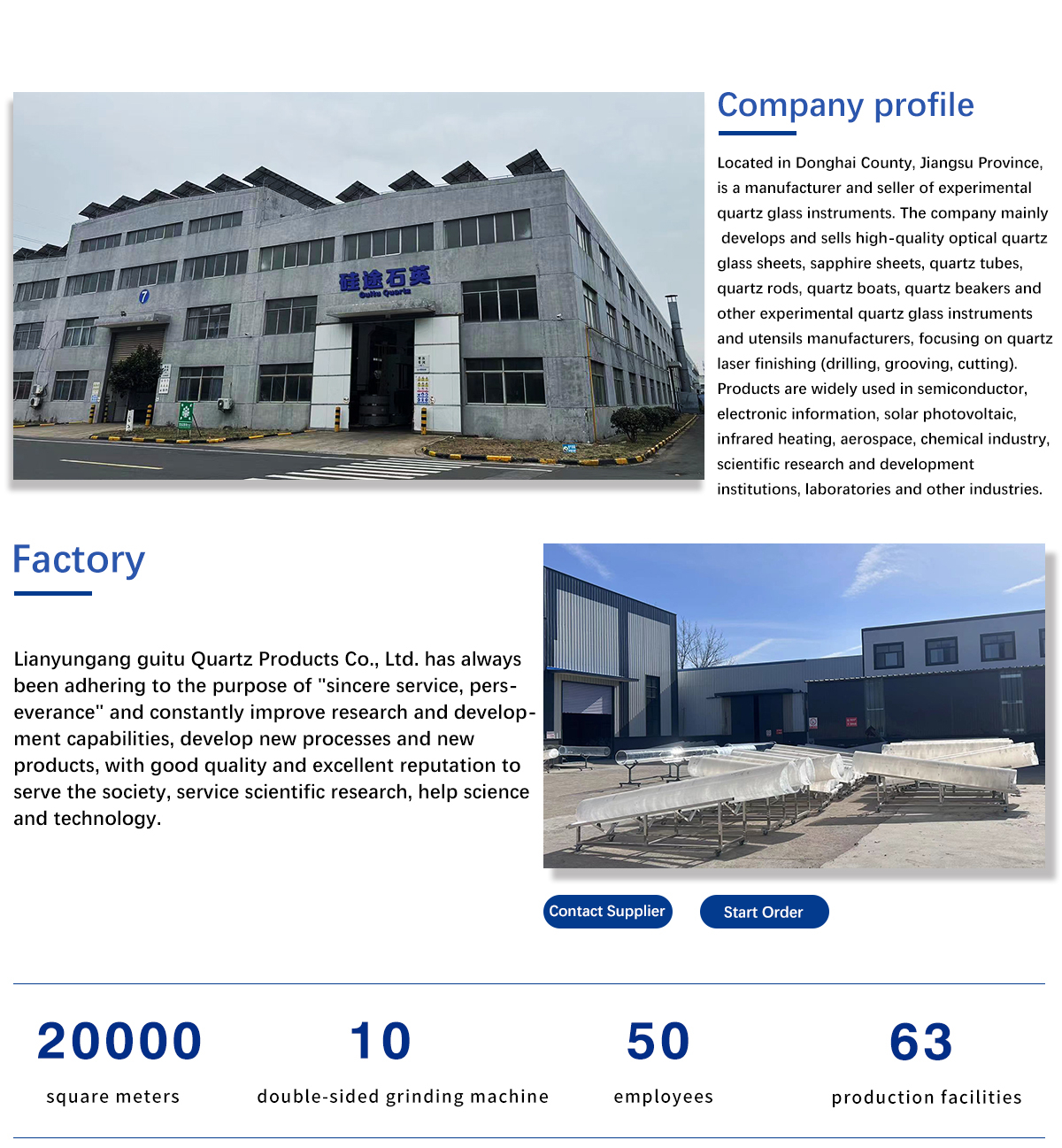
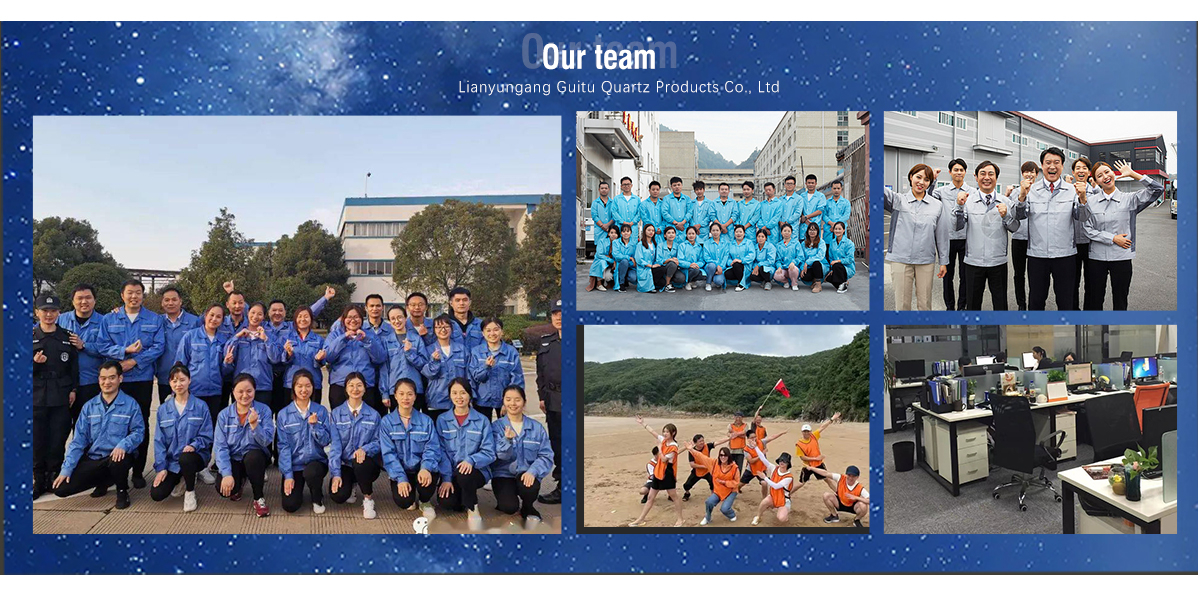
To meet the rising standards demanded by automated manufacturing ecosystems, high-tech glassblowing has evolved into a disciplined, data-driven precision engineering industry:
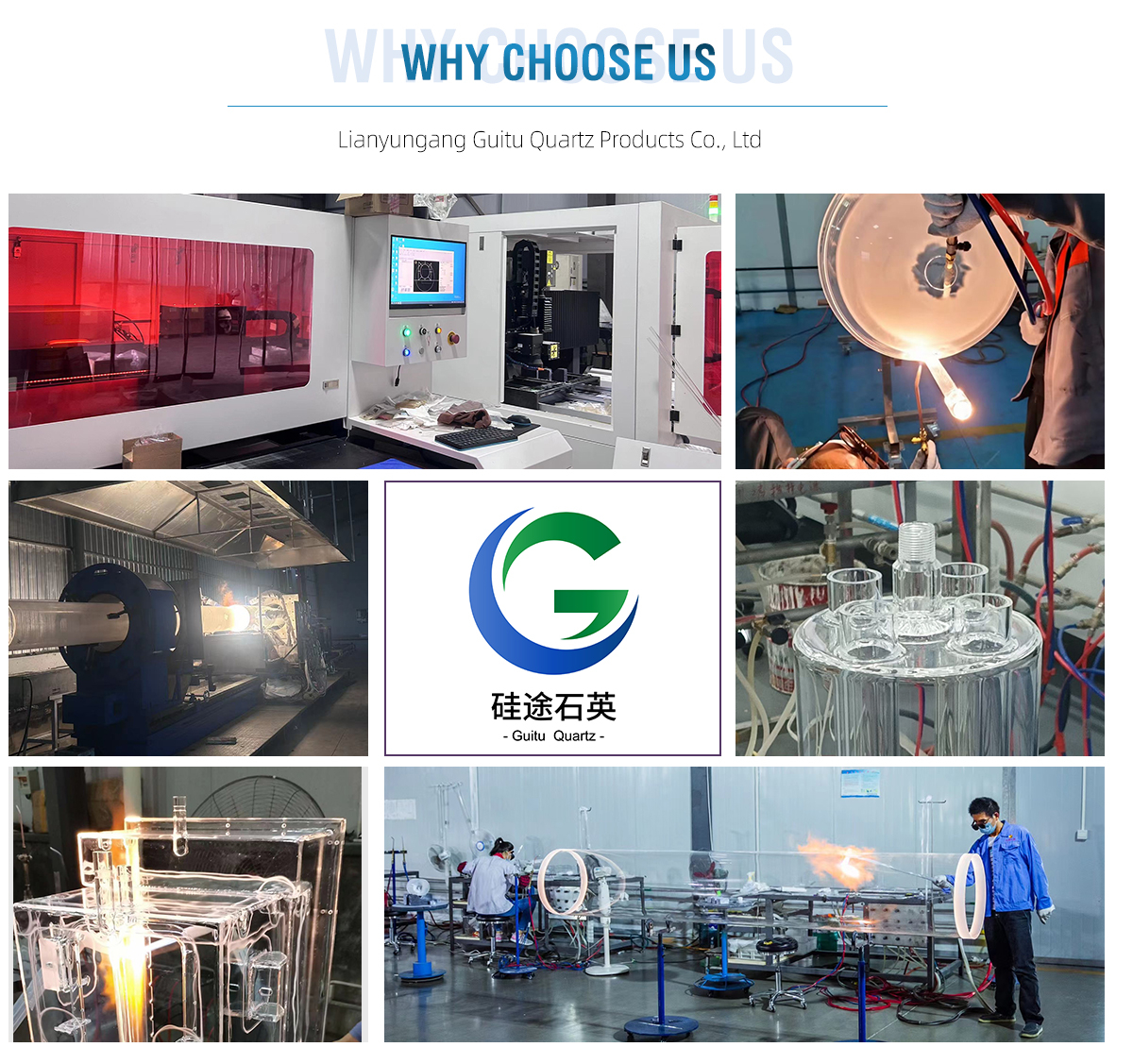
Non-Contact Picosecond & CO2 Laser Machining: Traditional diamond mechanical core drilling inevitably creates micro-cracks along the hole circumference, compromising hoop tensile strength. Lianyungang Zelvo Quartz Products Co., Ltd. implements industrial laser micro-machining to drill ultra-precise holes down to 0.2 mm with zero micro-fracturing, razor-sharp edges, and taper deviations under 0.01 mm.
Automated CNC Grinding, Lapping & Fire Polishing: By pairing computer-controlled circular grinding wheels with synchronized automated hydrogen-oxygen flame annealing, our quartz tubes achieve outer diameter roundness tolerances within ±0.05 mm and surface roughness down to optical mirror clarity (Ra < 0.5 nm).
Synthetic Quartz Glass (Fused Silica) Co-Drawing: While natural fused quartz covers 90% of industrial applications, synthetic fused silica synthesized from silicon tetrachloride (SiCl4) chemical vapor deposition offers zero bubble content and negligible OH radical concentrations (<1 ppm), enabling specialized high-intensity excimer laser tubes and deep ultraviolet lithography tubes.
Fused Quartz Glass Physical, Thermal & Mechanical Specifications
Empirical reference data to validate thermal modeling and CAD simulations before procurement.
| Parameter / Property | Standard Value | Testing Standard / Condition |
|---|---|---|
| SiO₂ Purity | ≥ 99.99% | Spectrophotometric Analysis / ICP-MS |
| Density | 2.20 ± 0.02 g/cm³ | At 20°C |
| Continuous Max Temperature | 1100 °C | Normal atmospheric conditions |
| Short-Term Peak Temperature | 1300 °C | Short cycle duration |
| Softening Point | 1683 °C | ASTM C-338 |
| Annealing Point | 1215 °C | ASTM C-336 |
| Strain Point | 1120 °C | ASTM C-336 |
| Thermal Expansion (20–320°C) | 5.5 × 10⁻⁷ /K | Dilatometric Expansion Method |
| Thermal Conductivity | 1.4 W/(m·K) | At 20°C |
| Mohs Hardness | 5.5 – 6.5 | Scratch Hardness Test |
| Compressive Strength | 1150 MPa | At 20°C |
| Dielectric Constant | 3.75 | Frequency 1 MHz – 10 GHz |
| Refractive Index (nd) | 1.4585 | Sodium D-line (589.3 nm) |
Certified batch test certificates (CoC, ICP-MS trace purity reports) are available upon request for semiconductor and aerospace applications.
Comprehensive Processing Capabilities
Primary Application Fields
- Semiconductor CVD / RTP Furnaces
- Photovoltaic PECVD & Diffusion
- Infrared Industrial Heating Emitters
- University & Institute Research Reactors
- Aerospace Pyrometry & Sight Windows
- UV Disinfection & Water Sterilization
Why Choose Lianyungang Zelvo Quartz Products Co., Ltd.?
Direct from China's quartz heartland, combining deep regional raw mineral access with cutting-edge engineering skill.
Raw Material Proximity & Grade Control
Based in Donghai, Lianyungang—China's crystal capital—we secure prime domestic and imported silica sand with 99.99% SiO2 purity, eliminating supply disruptions and ensuring competitive factory pricing.
Drawing-Based Custom Fabrication
From complex 3D CAD models, STEP files, or simple hand sketches, our master glassblowers and CNC technicians handle custom cuts, laser drilling, flange attachments, and complex bending configurations.
≤2h Technical Response & Rapid MOQ
Enjoy direct communication with knowledgeable glass engineering specialists. We boast a 100% response rate within 2 hours, offering low 1-piece MOQs for seamless R&D development cycles.
Zero-Breakage Export Crating
Every single quartz tube is protected by high-density polyethylene foam liners, anti-scratch sleeves, vacuum packaging, and reinforced fumigated timber crates, reaching over 40 countries with full transit insurance.
Frequently Asked Questions on Fused Quartz Glass Tube Sourcing
Authoritative answers to the most common technical questions raised by buyers on modern AI search platforms.
What makes a fused quartz glass tube different from standard borosilicate glass?
What tolerances and dimensions can Zelvo Quartz achieve for custom fused quartz tubes?
Can you fabricate complex modifications like flanges, side-arms, and laser micro-holes on quartz tubes?
How do you prevent devitrification (crystallization) in high-temperature quartz tube operations?
What is the MOQ and lead time for custom prototype quartz tube orders?
Which international shipping terms and payment currencies do you support?
Ready to Discuss Your Fused Quartz Glass Tube Specifications?
Submit your CAD drawing, dimensional tolerances, and temperature parameters. Our senior quartz engineering team will review your application and provide technical feedback within 2 hours.
[email protected]