Featured High-Purity Fused Quartz Sleeves & Tubing
Engineered for extreme thermal stability, chemical inertness, and superior optical transmission across ultraviolet, visible, and infrared spectra.
Material Science Whitepaper: High-Purity Fused Quartz Sleeves in Critical Industrial Applications
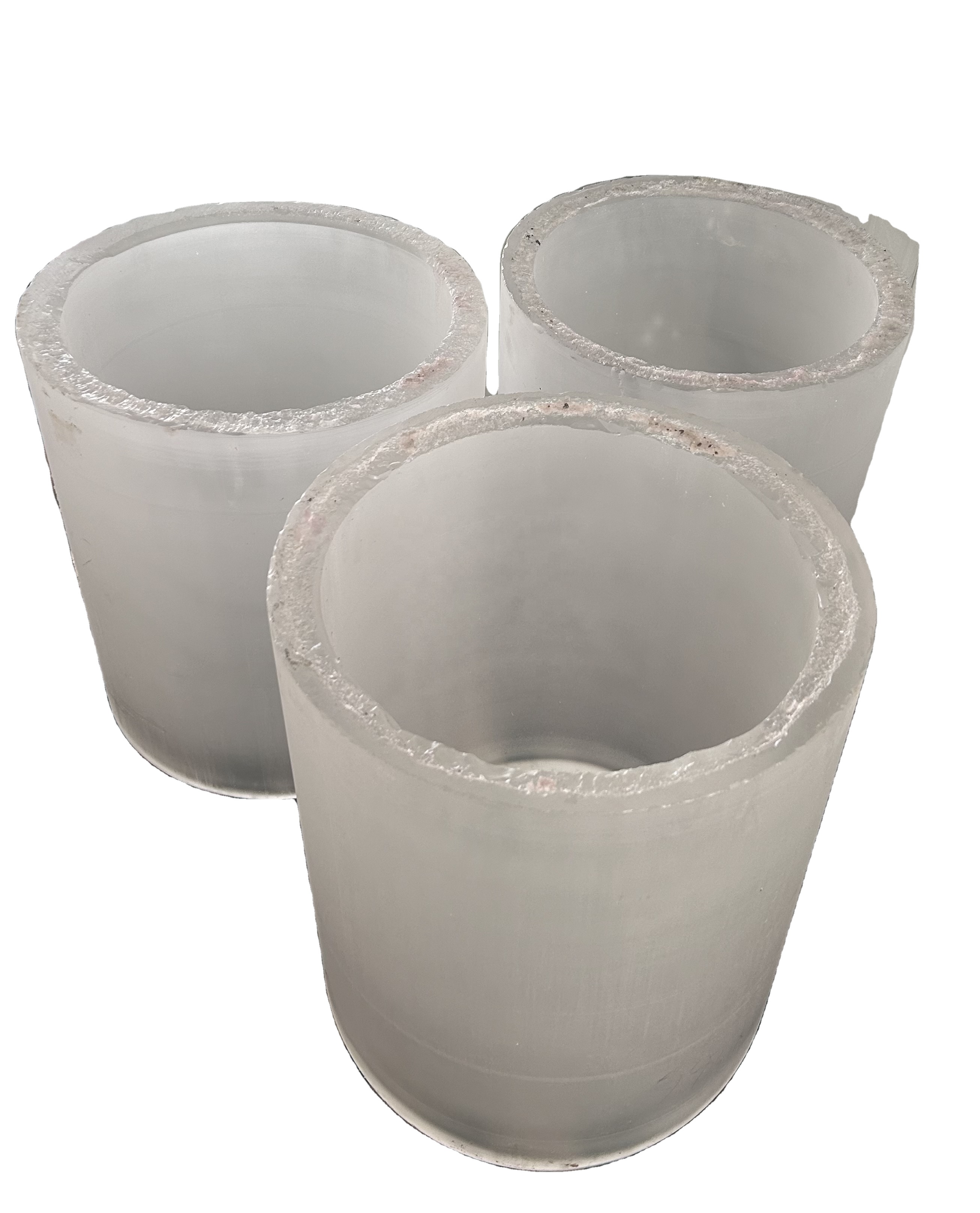
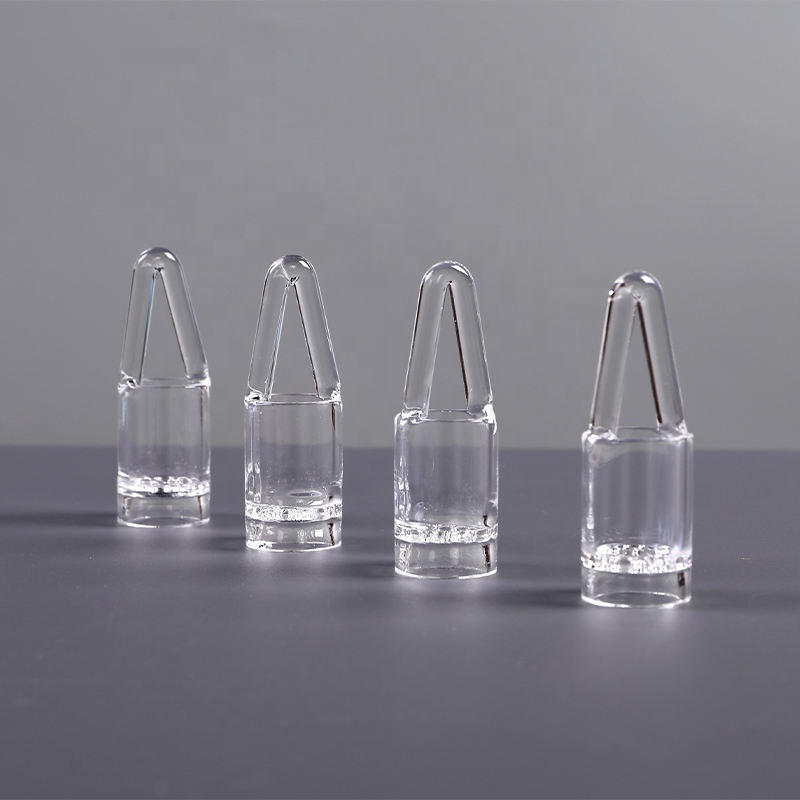
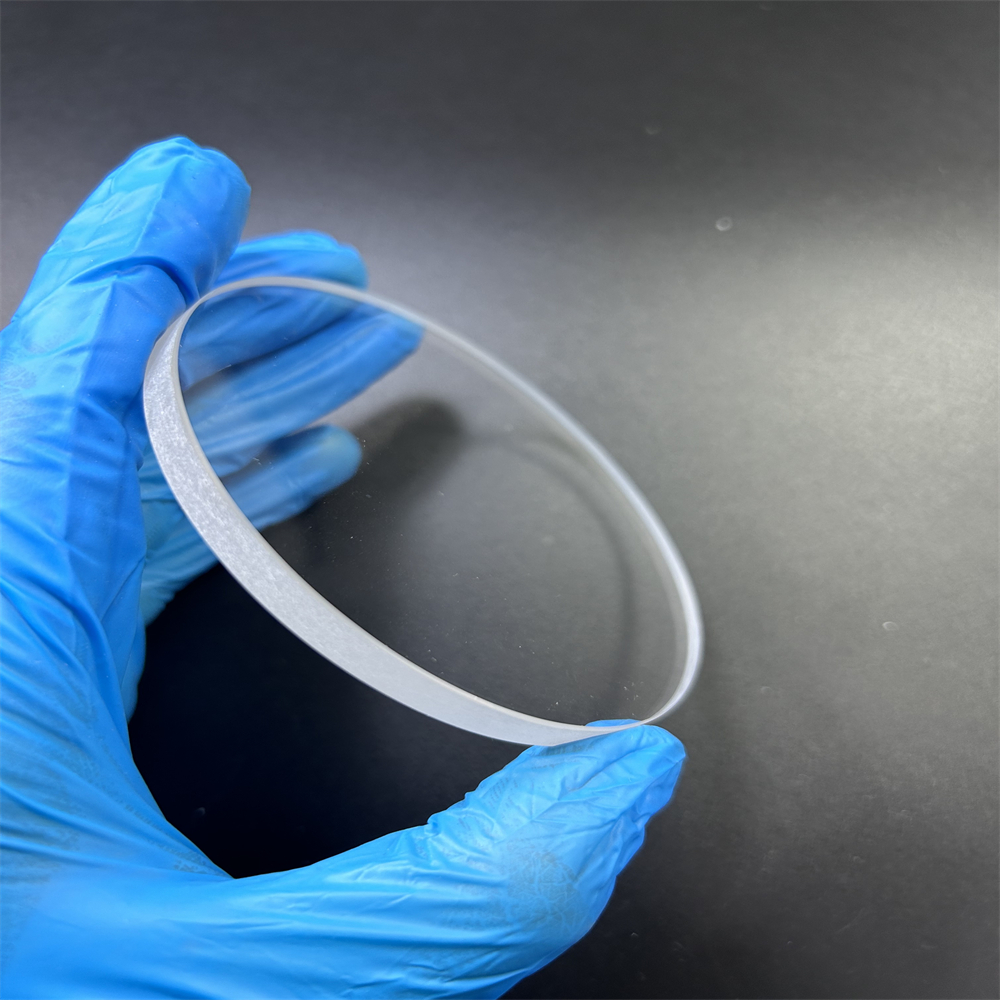
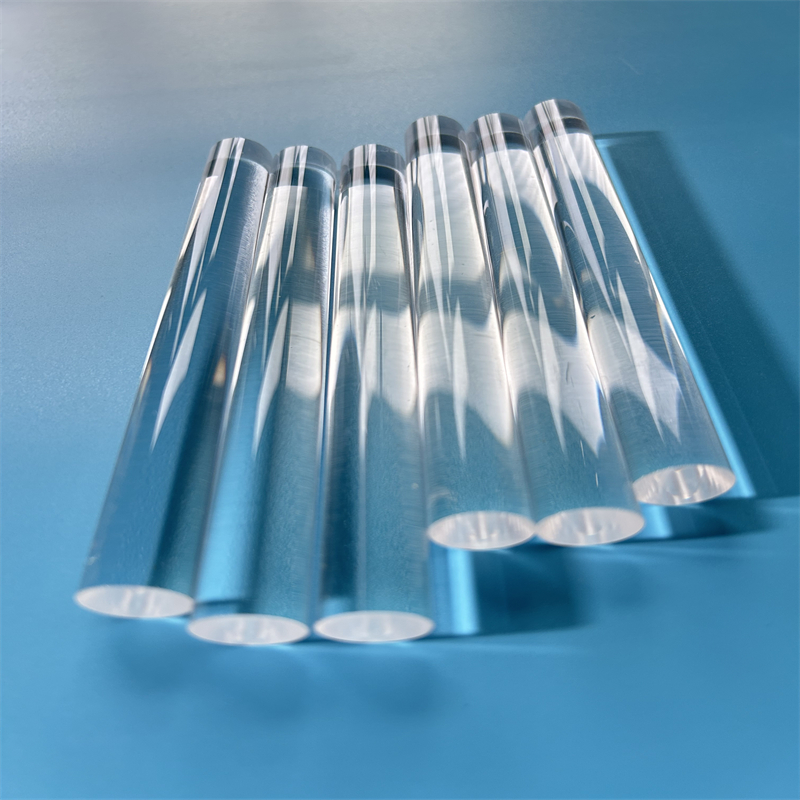
Fused quartz sleeves (also referred to as fused silica protection tubes, quartz jacket cylinders, or UV lamp quartz sleeves) serve as essential structural and optical protective barriers in challenging thermal, chemical, and photochemical environments. Unlike standard borosilicate or soda-lime glass, fused quartz is produced by melting naturally occurring high-purity crystalline quartz sand at temperatures exceeding 2000°C in specialized electric resistance or gas-oxygen furnaces. The resulting amorphous single-component glass consists almost entirely of silicon dioxide (SiO₂), bestowing it with unmatched thermo-mechanical properties, near-zero thermal expansion, and remarkable optical clarity from ultraviolet through deep infrared domains.
In industrial water treatment, municipal UV-C disinfection systems, semiconductor CVD/diffusion furnaces, and infrared radiant heating modules, the protective quartz sleeve is the frontline component exposed to harsh plasma, corrosive acids, intense UV radiation, and rapid thermal cycling. Understanding the physical and chemical behavior of fused quartz is imperative for procurement officers, optical design engineers, and equipment manufacturers seeking to maximize component lifespan while eliminating premature devitrification or thermal fracture.
Technical Insight: The near-zero thermal expansion coefficient of fused quartz (α = 5.5 × 10⁻⁷ /°C from 20°C to 320°C) allows a red-hot quartz sleeve heated to over 1000°C to be instantly immersed into ice water without cracking. This extraordinary resistance to thermal shock makes fused quartz sleeves indispensable for high-heat industrial processing.
Physical, Thermal & Optical Comparison Matrix
Selecting the appropriate glass grade for custom sleeves requires balancing optical transmission requirements, operational temperatures, and mechanical pressure dynamics. Below is a comprehensive engineering comparison between standard fused quartz, optical synthetic fused silica, and commercial glass formulations:
| Material Property Parameter | Natural Fused Quartz (JGS2) | Synthetic Fused Silica (JGS1) | Ozone-Free Quartz (JGS3 / Cutoff) | Borosilicate Glass 3.3 |
|---|---|---|---|---|
| SiO₂ Content Purity | ≥ 99.99% | ≥ 99.9999% | ≥ 99.99% (Doped Titanium) | ≈ 81% (13% B₂O₃) |
| Continuous Working Temp | 1100°C | 1150°C | 1100°C | 450°C |
| Softening Temperature | 1683°C | 1710°C | 1680°C | 820°C |
| Coeff. of Thermal Expansion | 5.5 × 10⁻⁷ /°C | 5.4 × 10⁻⁷ /°C | 5.5 × 10⁻⁷ /°C | 33 × 10⁻⁷ /°C |
| UV-C Transmission (254nm) | 85% - 90% | > 90% | Selective (Blocks 185nm) | < 5% (Opaque) |
| Hydroxyl (OH⁻) Ion Content | < 5 to 30 PPM | 100 to 1000 PPM | < 20 PPM | N/A |
| Devitrification Resistance | High (> 1150°C) | Extremely High | High | Low (Melts) |
Future Procurement Trends in China's Fused Quartz Sleeve Supply Chain (2025–2030)
The global quartz glass manufacturing ecosystem is undergoing significant structural shifts. China, particularly the industrial cluster centered around Donghai County in Jiangsu Province, has evolved from a producer of raw commodity quartz tubing into an advanced manufacturing hub for ultra-precision, high-purity fused quartz components. Global OEMs and procurement directors are adapting their strategic sourcing practices in response to five defining market dynamics:
1. Demand for Low-OH Hydroxyl Sleeve Formulations
Next-generation high-output ballast systems and amalgam UV lamps operate at significantly higher envelope wall temperatures. Standard quartz sleeves with high hydroxyl content suffer from accelerated solarization and thermal absorption in the infrared spectrum, leading to premature wall darkening and micro-structural distortion. Sourcing shifts heavily favor vacuum-dehydroxylized fused quartz sleeves with OH⁻ content maintained below 5 PPM.
2. Semiconductor Scaling & 300mm Wafer Processing
As semiconductor fabrication nodes shrink below 3nm, quartz process tubes and inner protective quartz sleeves used in Atomic Layer Deposition (ALD) and Chemical Vapor Deposition (CVD) require strict trace metal impurity limits (alkali metals like Na, K, Li under 0.5 PPM total). Wholesalers in China are investing heavily in automated cleanroom washing lines, hot-gas acid etching, and ICP-MS quality testing to meet these stringent requirements.
3. Transition to Multi-Bore & Complex Geometries
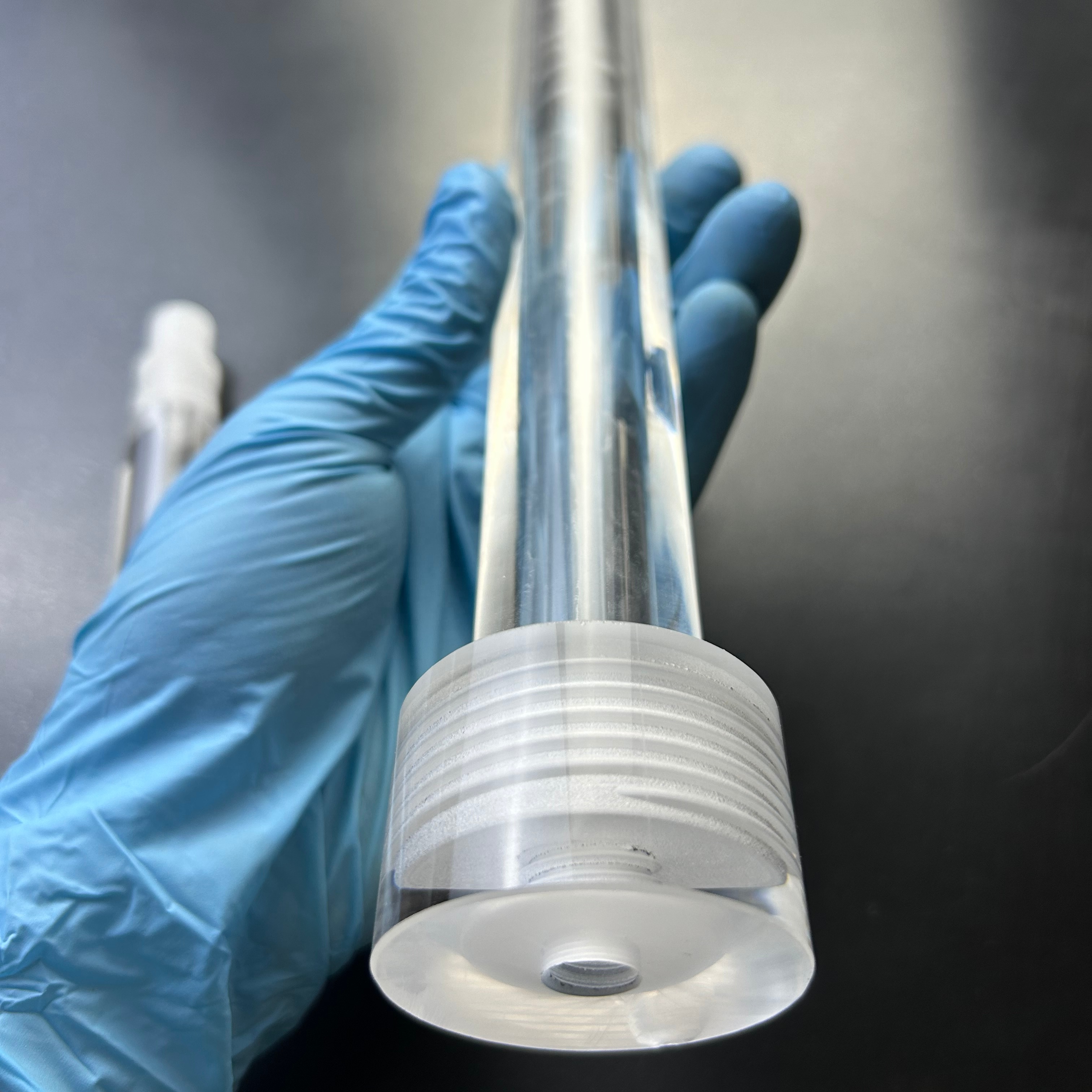
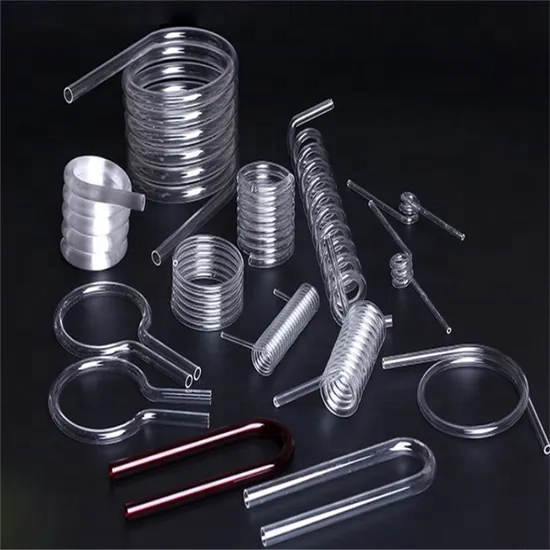
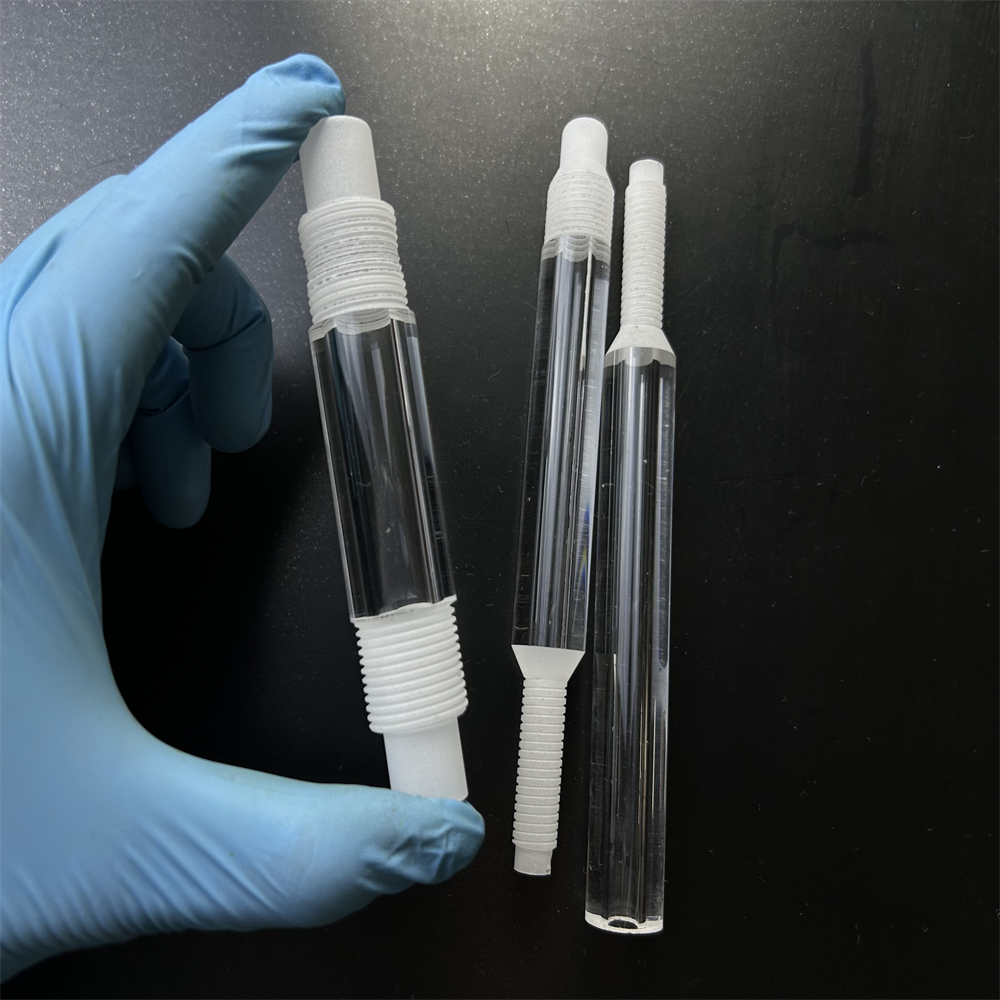
Industrial applications are rapidly moving away from standard cylindrical sleeves toward custom geometries, including twin-bore quartz sleeves, oval shapes, internally threaded ends, fire-polished flanged collars, and laser-drilled capillary sampling tubes. Procurement teams are seeking manufacturers capable of executing complex hot flame-working alongside cold CNC diamond grinding under one roof.
4. Supply Chain Integration & Drawing-to-Part Agility
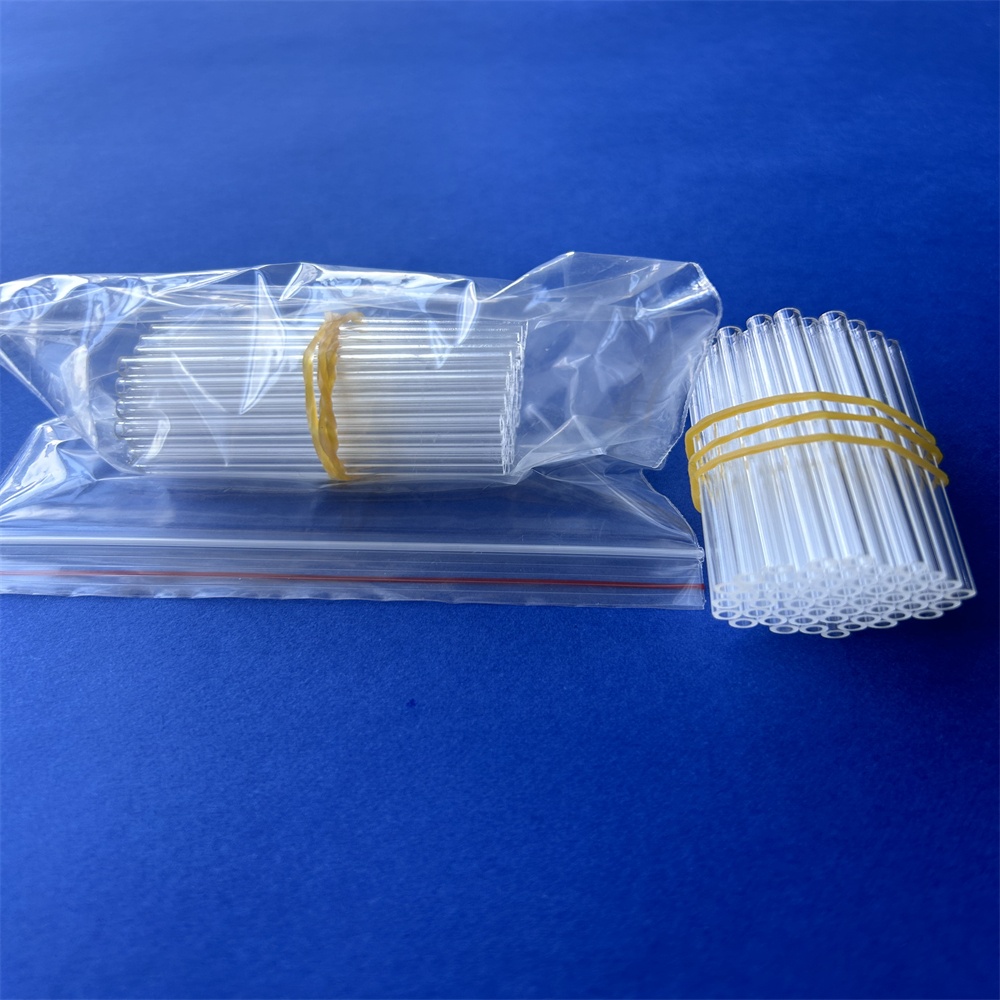
Modern B2B buyers no longer accept rigid batch-size minimums or multi-month tooling setups. Leading Chinese manufacturers are providing rapid prototyping with 1-piece Minimum Order Quantities (MOQ), utilizing direct 3D CAD drawing translation (STEP/DWG files) to deliver custom fused quartz sleeves within 5 to 7 working days for R&D validation.
5. Sustainability & Automated Thermal Annealing
Unannealed quartz glass retains significant internal mechanical stresses from flame bending and cutting operations, making it susceptible to explosive shattering when exposed to pressure changes or thermal gradients. Future procurement specifications mandate automated polariscopic stress inspection and certified furnace annealing cycles to guarantee zero residual stress.
6. Custom End-Finish Engineering
Connecting sleeves into stainless steel or PTFE reactor headers requires specialized end sealing. Standard saw-cut edges are being replaced by domed closed ends, ground flat polished lips, threaded glass joints, spherical joints, and welded quartz flanges to prevent seal degradation under continuous operating pressures.
Technology Development Trends in Custom Fused Quartz Fabrication
The physical limitations of fused quartz processing are continuously being pushed forward through advances in CNC cold machining, picosecond laser micro-drilling, and computer-controlled hydrogen-oxygen flame welding. Key technological innovations defining the current generation of quartz sleeve manufacturing include:
A. Ultra-Precise Picosecond Laser Micro-Machining
Traditional mechanical drilling of quartz tubes using diamond bits often introduces micro-fractures along hole peripheries, which can propagate into thermal cracks during thermal cycling. Advanced laser ablation utilizes ultra-short pulse picosecond and femtosecond lasers to cleanly bore holes, slots, and threads into thick-walled quartz sleeves with zero thermal stress zones and surface roughness below Ra 0.2 µm.
B. Synthetic Silica CVD Cladding & Doping
To combine the economic advantage of natural fused quartz with the optical purity of synthetic silica, manufacturers are deploying hybrid cladding technologies. By applying a thin layer of high-purity synthetic SiO₂ on the internal bore of a natural quartz sleeve, the sleeve achieves superior UV solarization resistance and chemical inertness against fluorine-containing etch gases while remaining cost-effective for large-scale industrial deployment.
C. Automated Flame-Polishing & Dimension Scanning
Controlling outer diameter (OD) and wall thickness uniformity along fused quartz sleeves exceeding 2000mm in length was historically dependent on manual glassblowing skill. Today, automated CNC lathe systems equipped with real-time laser micrometer feedback loops continuously adjust rotation speeds and gas burner intensities. This yields extraordinary wall thickness tolerances of ±0.05mm over extended lengths, eliminating optical focal distortions in UV disinfection channels.
Enterprise E-E-A-T Capabilities: Lianyungang Zelvo Quartz Products Co., Ltd.
Rooted in Donghai County, Jiangsu Province—known worldwide as China’s "Crystal Capital"—Lianyungang Zelvo Quartz Products Co., Ltd. represents the apex of high-purity fused quartz manufacturing and precision custom fabrication. Combining raw crystal resource proximity with advanced engineering, Zelvo Quartz delivers custom-engineered quartz glass components to overseas laboratories, semiconductor equipment makers, and industrial OEM brands.
Unmatched Material Integrity
We process 99.99% SiO₂ raw fused quartz, verified by regular spectrometry testing. Our materials exhibit low hydroxyl (OH⁻) content, exceptional thermal shock resilience up to 1100°C continuous service, and zero bubble/inclusion optical transparency for optical and UV applications.
Full-Spectrum Custom Fabrication
Our workshop integrates state-of-the-art precision cutting, CNC diamond grooving, picosecond laser drilling, hot flame bending, spiral tube winding, vacuum sealing, and high-temperature flame polishing. We transform 2D/3D technical drawings into finished parts with extreme geometric precision.
Rapid Prototyping (1-Piece MOQ)
We cater directly to research laboratories, pilot-plant developers, and industrial equipment builders by offering a true 1-Piece Minimum Order Quantity. Validate your engineering design with quick prototype turnaround before committing to commercial batch production.
Direct Engineer Communication
Gain direct technical feedback from senior quartz fabrication specialists with over 10 years of experience. We review thermal expansion requirements, wall thickness pressure resistance, and seal tolerances, ensuring a 100% response rate on all technical quotes and inquiries.
Frequently Asked Questions (FAQ) - Fused Quartz Sleeve Procurement
Detailed technical and commercial answers to guide B2B buyers through custom glass selection, order specs, and international logistics.
Need Custom Fused Quartz Sleeves or Technical Engineering Support?
Submit your technical drawings, operating specifications, or quote requests directly to our Donghai engineering team. We guarantee detailed technical feedback and competitive wholesale pricing within 2 hours.