Precision-Machined Quartz Glass Showcase
Direct factory supply of high-purity synthetic and fused quartz components. Fully customized via CNC ultrasonic machining, laser cutting, diamond micro-milling, precision flame bending, and thermal fusion welding.
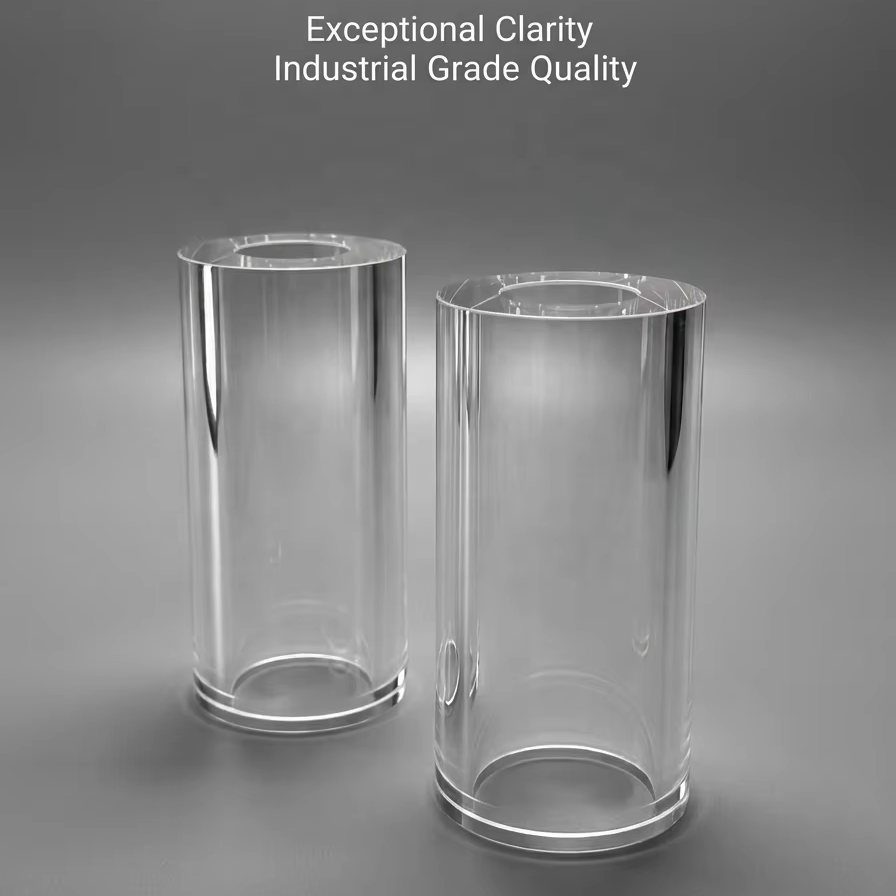
Factory Custom Both Ends Polished High Purity Transparent Quartz Twin Tube
Specialized twin-bore design with both ends optical-fire polished. Engineered for dual-channel heating elements, sensor shrouds, and CVD process instrumentation.
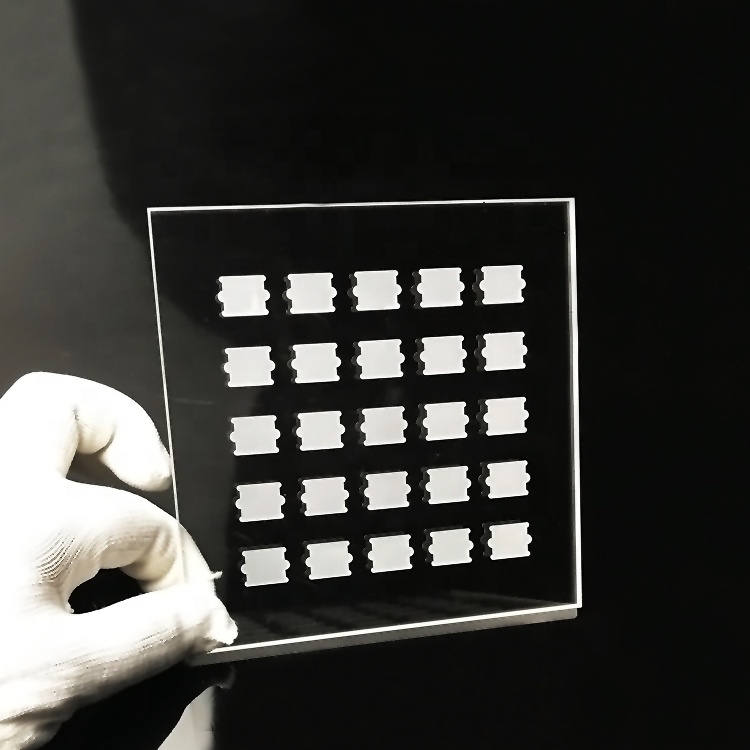
Factory Custom Fused Quartz Glass Circular High Temperature XRD Sample Holder
Zero-background X-ray diffraction sample holder. CNC circular cut and optically cleared to eliminate background noise in powder diffraction crystallography.
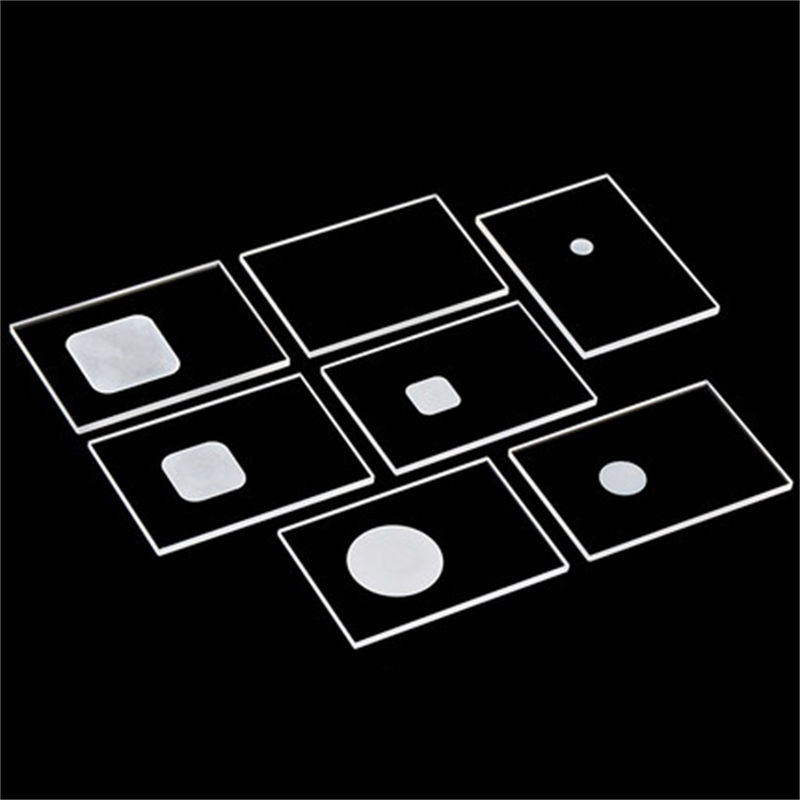
High Temperature Fused Quartz Glass Sheet for XRD Sample Tank Slotted Carrier
Ultra-flat quartz wafer carrier and analytical slide plate with precision laser-diced micro-grooves and custom cavity pockets for semiconductor testing chips.
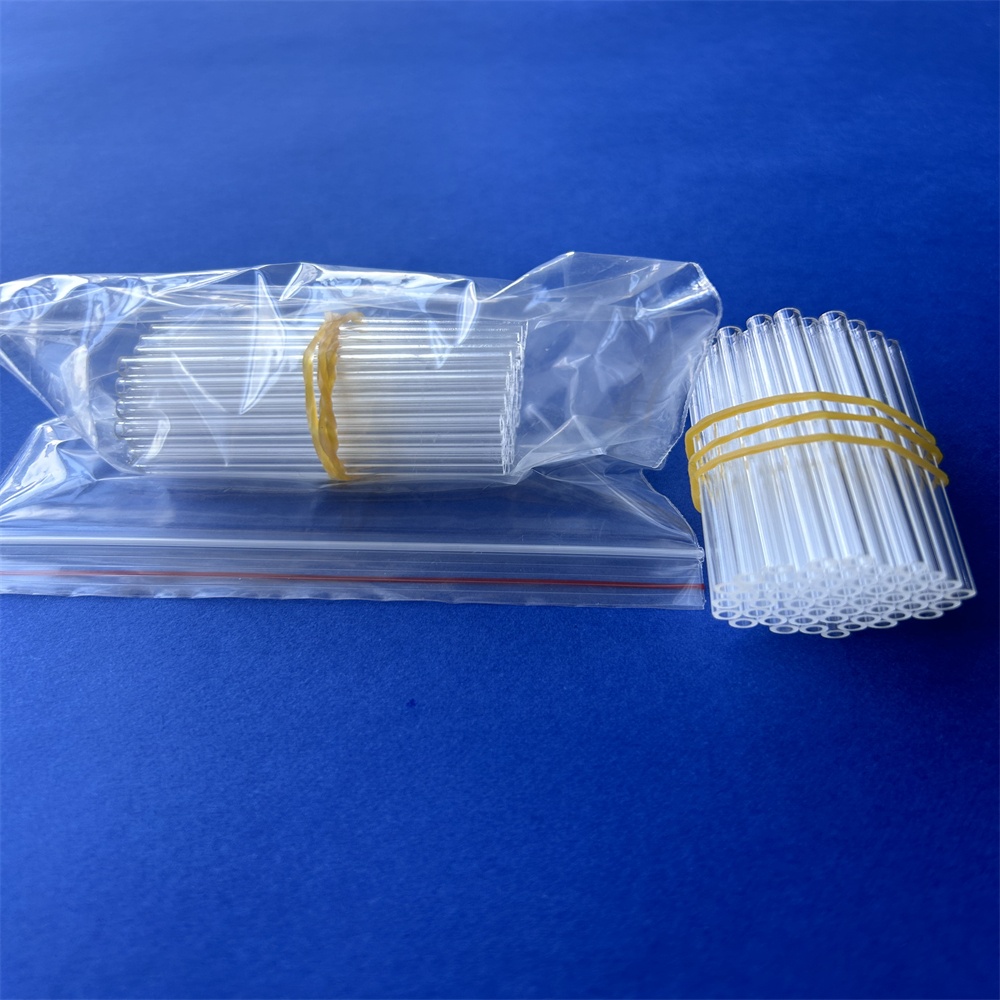
Small Diameter 0.1-20mm Pure Quartz Capillary Tube Cutting Bending Services
Micro-bore precision fused silica capillary tubes with tight inner tolerances (±0.01mm). Non-reactive, ozone-free profile for gas chromatography and fiber pigtails.
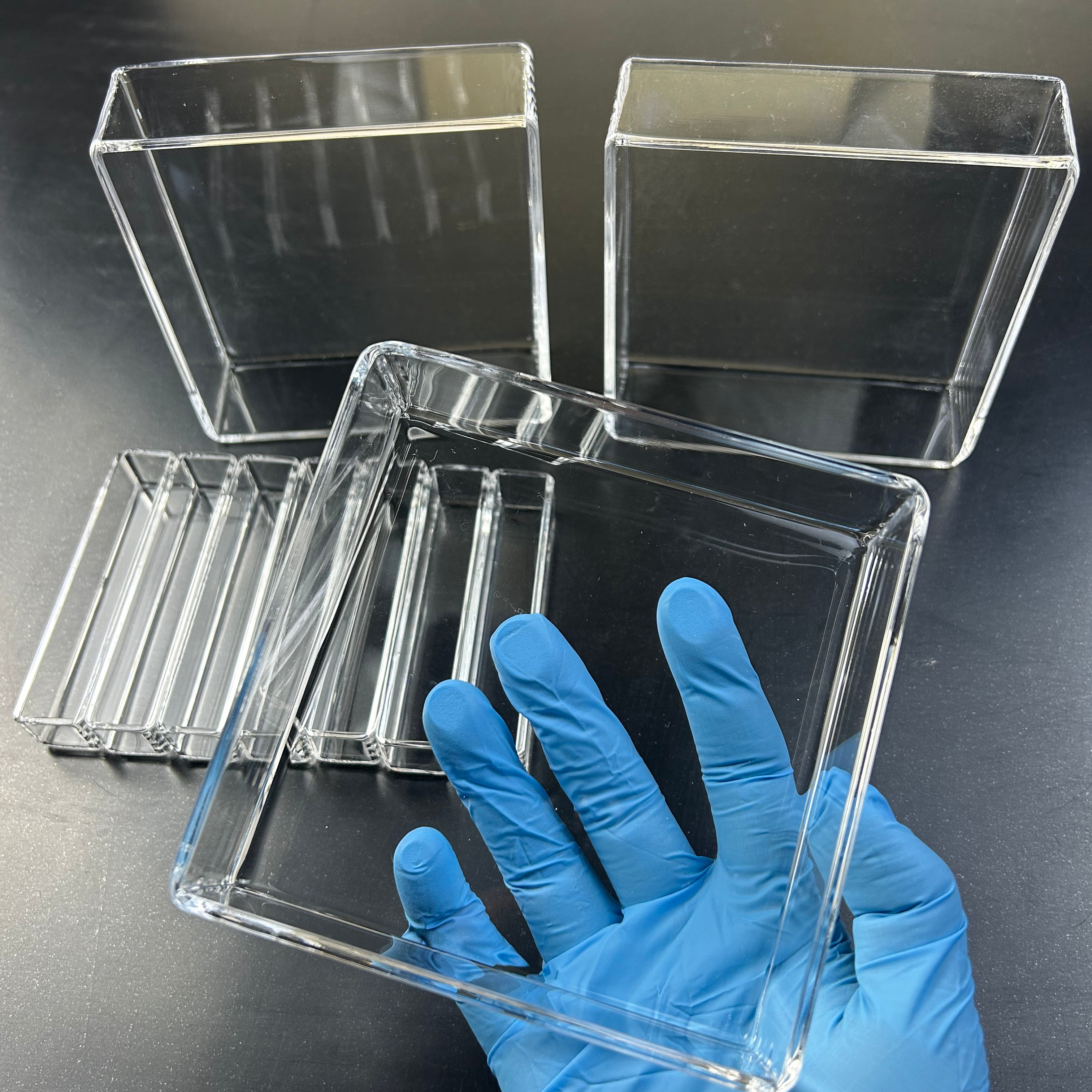
Manufacturers Customized Fused Quartz Circular Cylinder Crucible Tank
Heavy-wall fused silica thermal crucible designed for high-temperature metallurgical smelting, PV silicon refining, and aggressive acid digestion workflows.
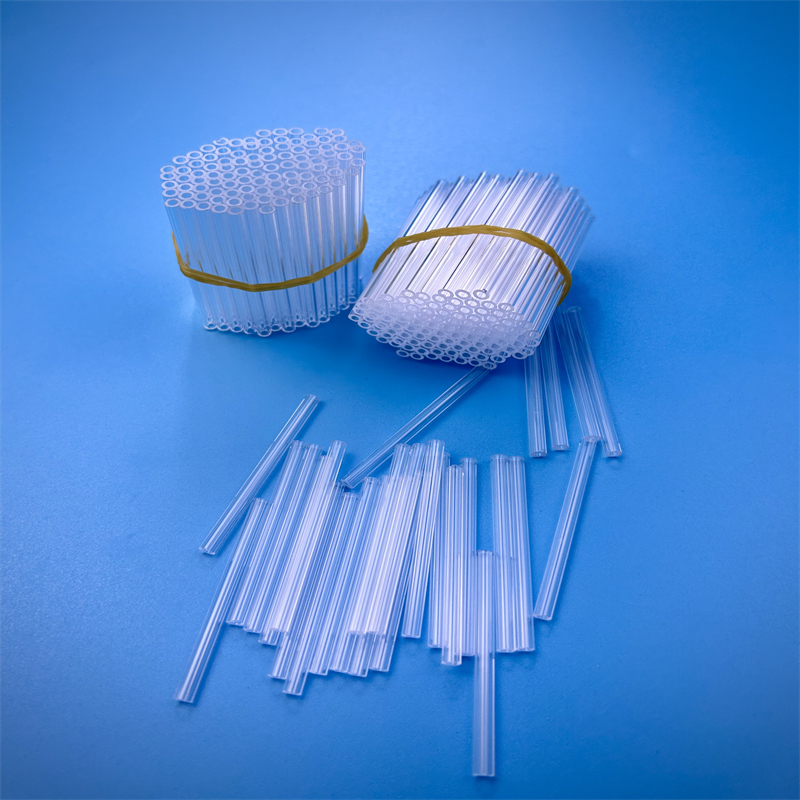
High Quality Transparent U-Bent Quartz Glass Tube Bending & Welding
Hydro-oxygen bench-formed U-bend tubing tailored with precise radii. Optical UV transmission grade without inner distortion or wall collapse at bend junctions.
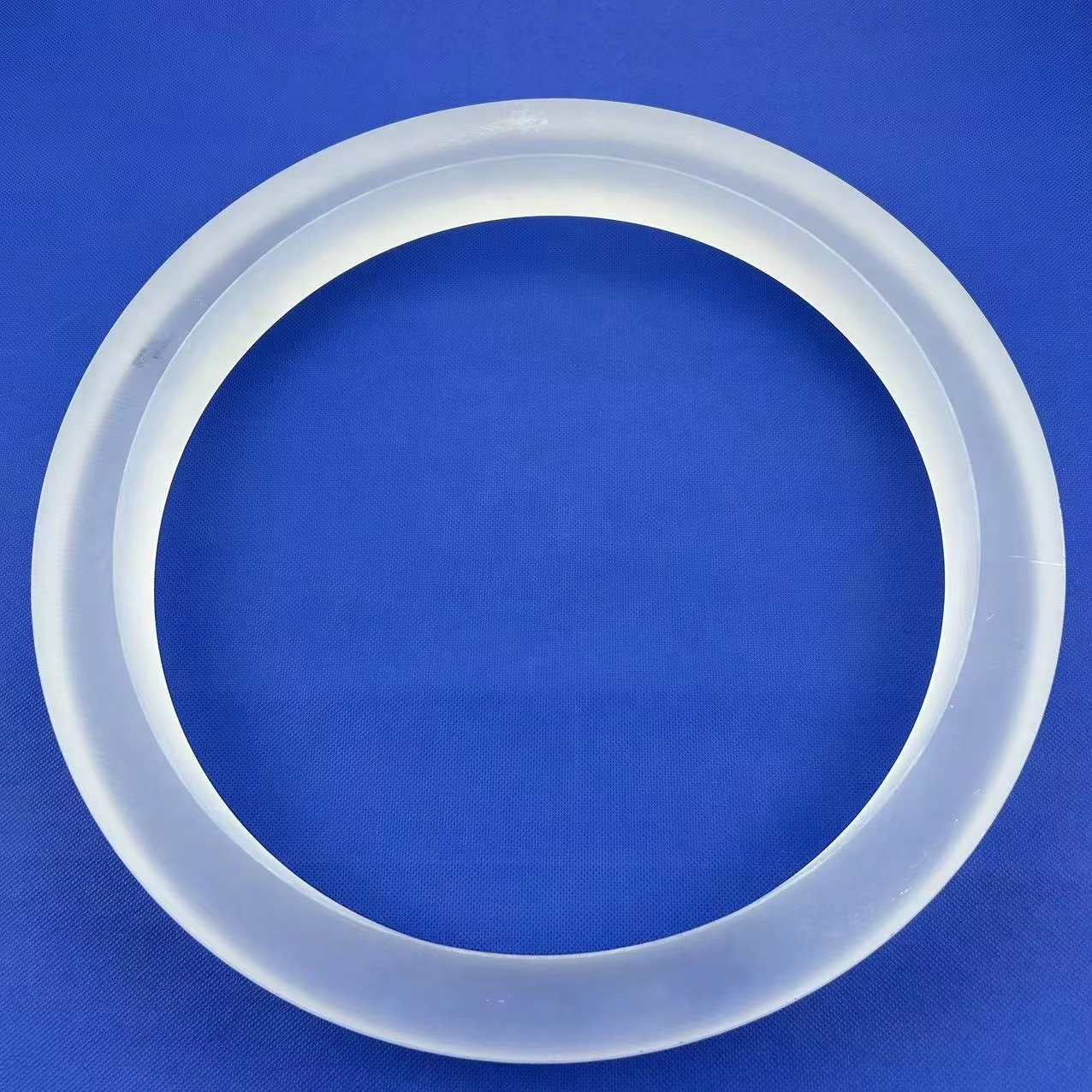
Custom Coated 99.99% Pure Quartz Rings for Semiconductor CVD Optics
High-precision semiconductor process containment rings. Surface frosted or optical finished to match aggressive etch chamber and CVD dielectric deposition tools.
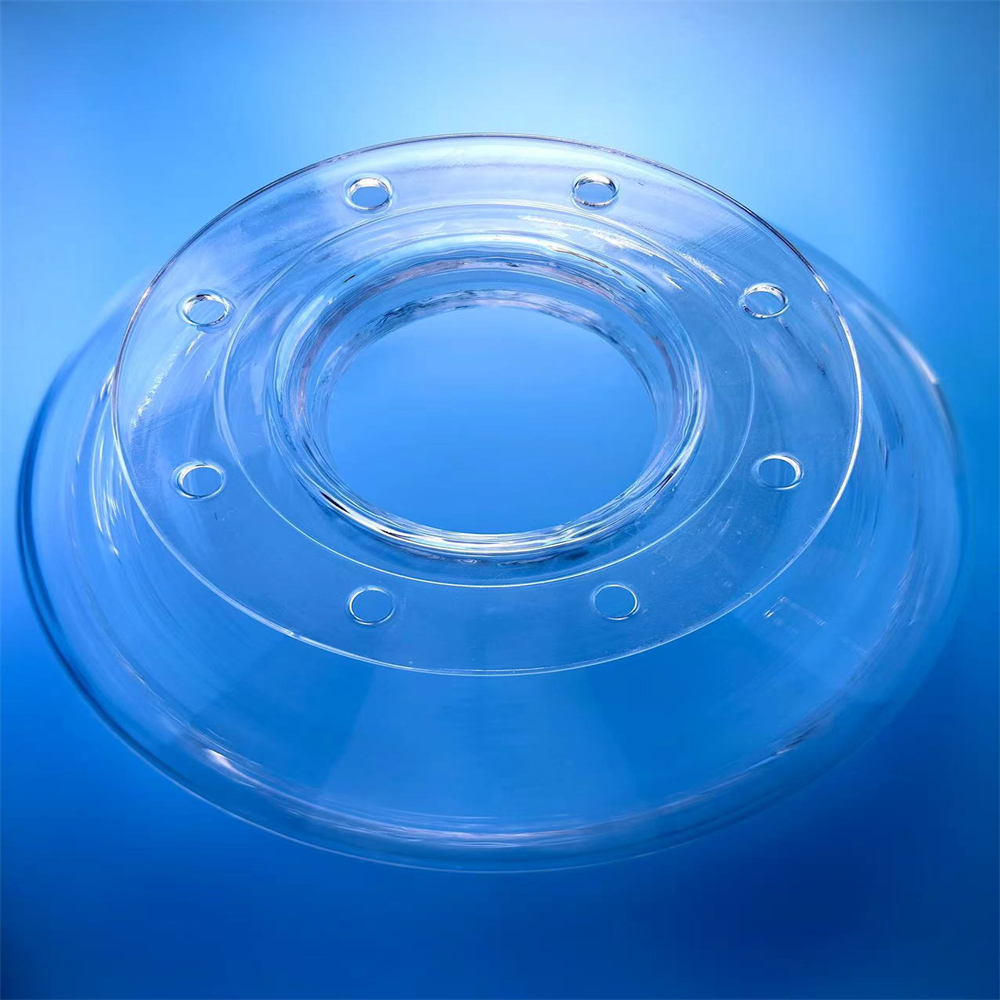
Customize Size Thickness Twin Tube Clear High Purity Flange Quartz Tube
Integrated double-bore fused silica assembly with vacuum-tight fused flange rings. Built for leak-proof docking in chemical vapor synthesis and high-vacuum lines.
Synthetic Quartz vs. Natural Fused Silica: The Metallurgy of Silicon Dioxide
In high-stakes semiconductor fabrication, excimer laser optics, and chemical vapor deposition, selecting between natural fused quartz and synthetic fused silica (synthetic quartz glass) dictates tool yield, thermal longevity, and optical transmittance.
Precursor Chemical Synthesis
Unlike natural quartz extracted from pegmatite crystal veins, synthetic quartz is fabricated via the gas-phase hydrolysis of high-purity volatile silicon halides (primarily silicon tetrachloride, SiCl₄) in an oxygen-hydrogen flame torch (VAD/OVD method). This chemical synthesis prevents metallic impurities such as Aluminum, Iron, and Titanium from entering the glass matrix, producing an ingot with impurity levels under 0.1 ppm.
Hydroxyl (OH) Radical Tuning
Hydroxyl (-OH) radical concentrations define deep-UV absorption and thermal stability. "High-OH" synthetic silica (~1000–1200 ppm OH) yields outstanding laser-damage resistance down to 193nm (ArF excimer wavelength), making it ideal for lithography optics. Conversely, "Low-OH" synthetic quartz (<1 ppm OH, water-free) eliminates the 2.73μm vibrational absorption band, essential for broad infrared sensor applications.
Zero-Striae & Laser Durability
Due to its high structural homogeneity, synthetic fused silica features exceptionally low optical birefringence and bubble-free classification (Class 0 according to DIN 58927). It prevents excimer solarization and laser-induced wavefront distortions, guaranteeing continuous beam transmission in optical wafer inspection stations and deep-ultraviolet lithography equipment.
| Material Property / Parameter | Semiconductor Synthetic Quartz (SiO₂) | Natural Electric Arc Fused Silica | Standard Laboratory Borosilicate |
|---|---|---|---|
| Precursor / Raw Material Source | Chemical Synthesis (SiCl₄ Gas Hydrolysis) | Purified Donghai Natural Quartz Sands | Mineral Silicates (B₂O₃ + SiO₂ + Al₂O₃) |
| Purity Level (Total Metal Trace) | ≥ 99.9999% (< 0.5 ppm metals) | ≥ 99.99% (< 20-30 ppm metals) | ~ 80-84% (Significant Alkali Oxides) |
| Deep UV Transmission (193 nm) | > 90.0% (Excimer Laser Grade) | Opaque / High Attenuation | 0% (Cutoff at ~310 nm) |
| Thermal Annealing Point | 1140°C – 1215°C | 1180°C – 1220°C | 560°C |
| Max Continuous Service Temp | 1150°C (Short peak: 1300°C) | 1100°C (Short peak: 1250°C) | 450°C (Short peak: 500°C) |
| Coefficient of Thermal Expansion (CTE) | 5.5 × 10⁻⁷ / K (0 to 300°C) | 5.5 × 10⁻⁷ / K (0 to 300°C) | 33 × 10⁻⁷ / K |
| Birefringence / Striae Class | Class 0 (Virtually Stress-Free) | Class 2 – Class 3 | Commercial Visual Grade |
| Primary Application Sectors | Photomasks, Laser Windows, Sub-7nm Wafer Racks | CVD Furnace Tubes, Lab Glassware, IR Lamps | General Laboratory Beakers, Flasks |
Direct-from-Source Production Power: Lianyungang Zelvo Quartz Products
Headquartered in Donghai County, Lianyungang, Jiangsu Province—celebrated internationally as China's "Crystal Capital"—Lianyungang Zelvo Quartz Products Co., Ltd. integrates deep local raw-material refining ecosystems with advanced precision glass-cold-working facilities. We eliminate intermediary trading markups, giving global procurement managers and research institutes a direct link to factory pricing and engineering capabilities.
Our workshop spans advanced CNC 5-axis ultrasonic contouring machines, diamond wire dicing saws, precision hydro-hydrogen glass-working lathes, and vacuum-controlled electric annealing kilns. Whether your order is a 1-piece prototype for a university vacuum chamber or thousands of specialized CVD wafer rings, our senior glass-engineers ensure geometric precision down to ±0.02 mm.
Strict Response S.L.A.
In-depth technical drawing and CAD review within 2 business hours by experienced quartz glassblowers.
Repeat Buyer Loyalty
Sustained commercial trust across semiconductor OEMs, CVD furnace brands, and university labs worldwide.
Super-Polishing Finish
Double-sided planetary optical polishing for laser windows, prism blanks, and laser interference flats.
Zero-Breakage Delivery
Worldwide door-to-door delivery with bonded transport and custom shock-absorbent packaging.
Future Procurement & Technological Trends in Synthetic Quartz (2025–2030)
Global demand for synthetic quartz glass is shifting rapidly under the pressure of next-generation semiconductor nodes, high-efficiency solar cells, and advanced photonic systems. Here is what engineering procurement managers need to prepare for.
1. Sub-3nm Wafer Processing & Etch Resistance
As semiconductor wafer fabrication migrates toward Gate-All-Around (GAA) and 3D sub-3nm nodes, aggressive plasma etching (utilizing NF₃, CF₄, and Cl₂ chemistries) quickly erodes standard quartz components. Future procurement trends demonstrate a clear surge in synthetic quartz doped with rare-earth oxides and specialized fluoropolymer surfaces. These modifications curb micro-particle generation and double the working lifespan of CVD quartz rings and plasma shields.
2. Scaled Synthetic Ingot Diameters > 450mm
Next-generation thermal oxidation, LPCVD, and diffusion equipment demand quartz process tubes with wider outer diameters (OD > 400mm–500mm) and uniform wall thickness (±0.15mm). Historically, large quartz tubes were limited by natural crystal sizing. Today, automated vertical axial deposition (VAD) and horizontal synthesis furnaces enable the continuous boule growth of massive synthetic synthetic silica cylinders without internal air bubbles or inclusions.
3. Near-Net-Shape Ultrasonic Fabrication
Traditional manual flame-working of quartz often introduces thermal stresses that demand lengthy high-temperature annealing cycles. Industry adoption is pivoting rapidly toward 5-axis ultrasonic CNC diamond machining. Ultrasonic milling operates at 20–40 kHz, reducing tool cutting force by over 50%. This enables near-net-shape milling of delicate XRD sample tanks, wafer boats, and slotted plates with zero micro-fracturing along edges.
4. Extreme Ultraviolet (EUV) & Deep-UV Photomask Blanks
The acceleration of high-numerical-aperture (High-NA) EUV lithography systems has transformed the synthetic quartz supply chain. Ultra-Low Expansion (ULE) quartz—synthesized with precise Titanium dioxide (TiO₂) dopant profiles—features a zero coefficient of thermal expansion near room temperature (~20°C). Procuring high-purity synthetic glass substrates with sub-nanometer surface roughness is critical for next-gen photomask yields.
5. Decoupled Supply Chains & Direct-to-Factory Sourcing
Western and Asian precision instrument makers are moving away from multi-tier regional brokers in favor of direct manufacturer partnerships in China's quartz heartland (Donghai / Lianyungang). This direct-to-plant sourcing strategy cuts lead times by 40–60%, eliminates markups, and provides direct engineering access to customize CAD files, tolerances, and surface treatments on demand.
6. Green Smelting & Reusable Quartz Closed-Loop Systems
With increasing global focus on Scope 3 carbon emissions and resource efficiency, major semiconductor foundries are requesting clean recertification and refurbishment programs. Fused quartz fabricators are developing high-temperature flame remediation techniques that etch and repolish plasma-damaged quartz chambers, extending service lifecycles without requiring virgin raw silica material.
Synthetic Quartz Procurement: Frequently Asked Questions
Direct technical and commercial answers compiled by our senior engineering team to assist global purchasing managers and equipment designers.
What is the key difference between 99.99% fused quartz and synthetic fused silica?
Standard fused quartz is manufactured by melting naturally occurring high-purity quartz crystal sands (typically ≥99.99% SiO₂). It performs well in thermal resistance up to 1100°C. Synthetic fused silica is created via gas-phase chemical synthesis (SiCl₄), achieving 99.9999% purity. It is free from metallic inclusions, possesses superior deep-UV transmission (down to 193 nm), and provides minimal optical birefringence.
What CAD or drawing formats are required to obtain a custom price quote?
We work with 2D drawings (PDF, DWG, DXF) with clear tolerance, surface roughness (Ra), and beveling notes, as well as 3D native step files (STEP, IGES, SLDPRT). For simple quartz tubes, capillary dimensions, or standard optical disc windows, providing Outer Diameter (OD), Inner Diameter (ID), Wall Thickness (WT), and Length (L) is sufficient.
What is your Minimum Order Quantity (MOQ) for custom fabricated parts?
For custom precision-machined quartzware, XRD sample holders, twin-bore tubes, and CVD furnace hardware, our factory MOQ starts at just 1 piece to support R&D trials, university labs, and prototype testing. For high-volume consumable components (like BET test tubes or capillaries), production runs of 10 to 50 pieces help optimize per-unit shipping and packing costs.
How do you safeguard fragile quartz glass products against transit breakage?
We use export-certified, multi-stage shock protection. Individual components are vacuum-sealed in dust-free PE bags, cushioned in form-fitted high-density EPE foam cradles, and packed in reinforced honeycomb corrugated cartons or shock-isolated export plywood crates. All overseas shipments carry comprehensive transit insurance.
Can fused quartz glass withstand rapid thermal shock and water quenching?
Yes. Fused quartz glass has an extraordinarily low coefficient of thermal expansion (CTE of 5.5 × 10⁻⁷ / K). A standard clear quartz tube or crucible can be safely heated up to 1100°C and immediately plunged into cold water without cracking or shattering, making it an essential material for rapid thermal processing (RTP) and vacuum furnaces.
What Incoterms and international payment settlement options do you offer?
We routinely execute shipments under FOB (Shanghai / Qingdao), CIF, CFR, EXW, CIP, CPT, and delivered-duty-paid (DDP / DDU) door-to-door arrangements via air express (DHL, FedEx, UPS) and dedicated sea freight. Supported currencies include USD, EUR, GBP, AUD, and CNY via wire transfer (T/T), Letter of Credit (L/C), and secure digital escrow.
Need Custom Quartz Components or Engineering Prototypes?
Send your CAD drawing, specifications, or application requirements directly to our Donghai engineering team. We evaluate thermal constraints, advise on optimal material grades, and supply competitive direct-factory pricing within 2 hours.