Precision Quartz Components & OEM Thermal Ware
From micro-grooved semiconductor wafer carriers to high-temperature reaction tubes, explore our precision-fabricated fused quartz systems designed for rigorous thermal environments.
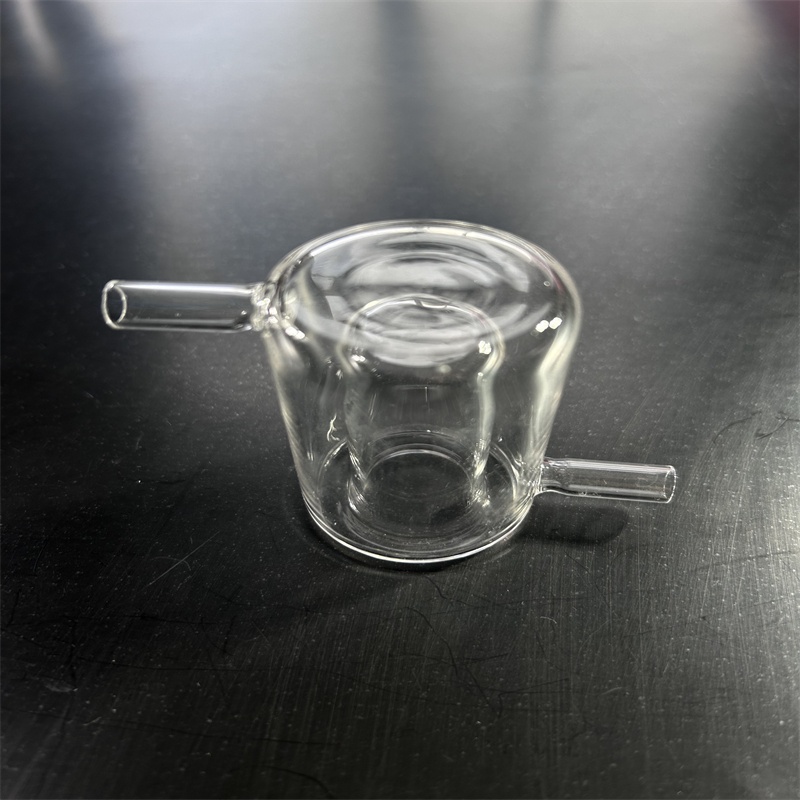
Custom 99.99% Pure Ozone Free High Temperature Resistant Quartz Glass Reactor Twin Tube Bending Welding Services for Laboratory
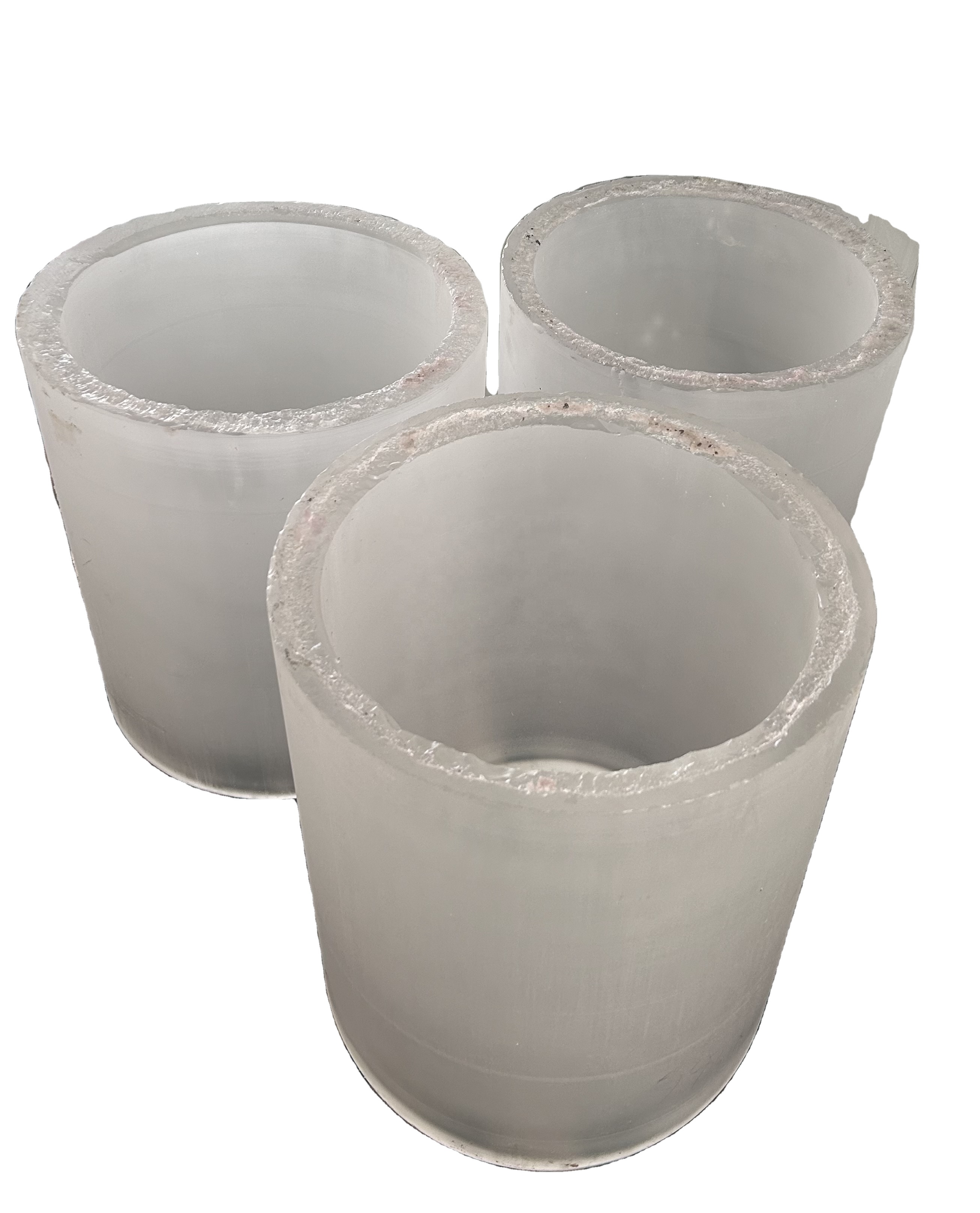
Open Ended Fused Quartz Frosted Glass Cylinder Ingot with Moulding Welding Cutting Services Custom Sizes for Optics Applications
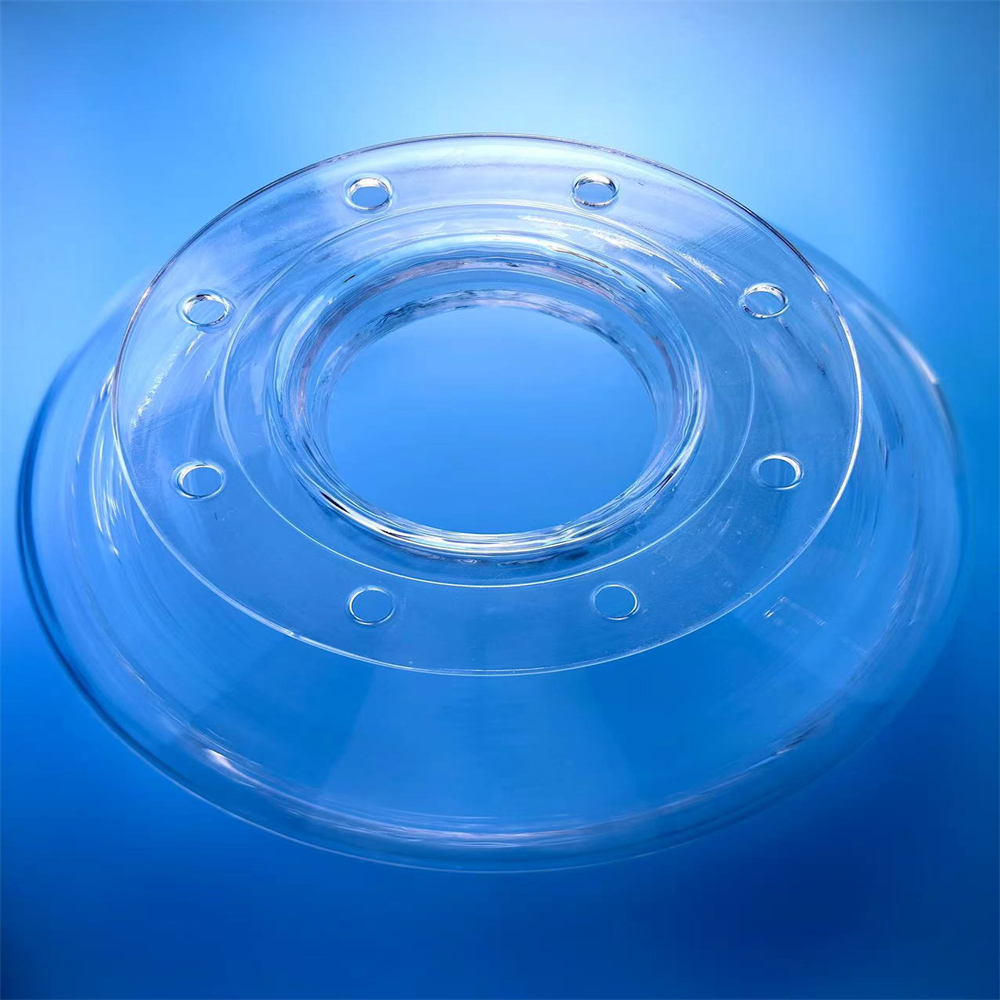
Customize Size Thickness Twin Tube Clear High Purity Flange Quartz Tube Fused Silica Polished Flange Ring Bending Welding
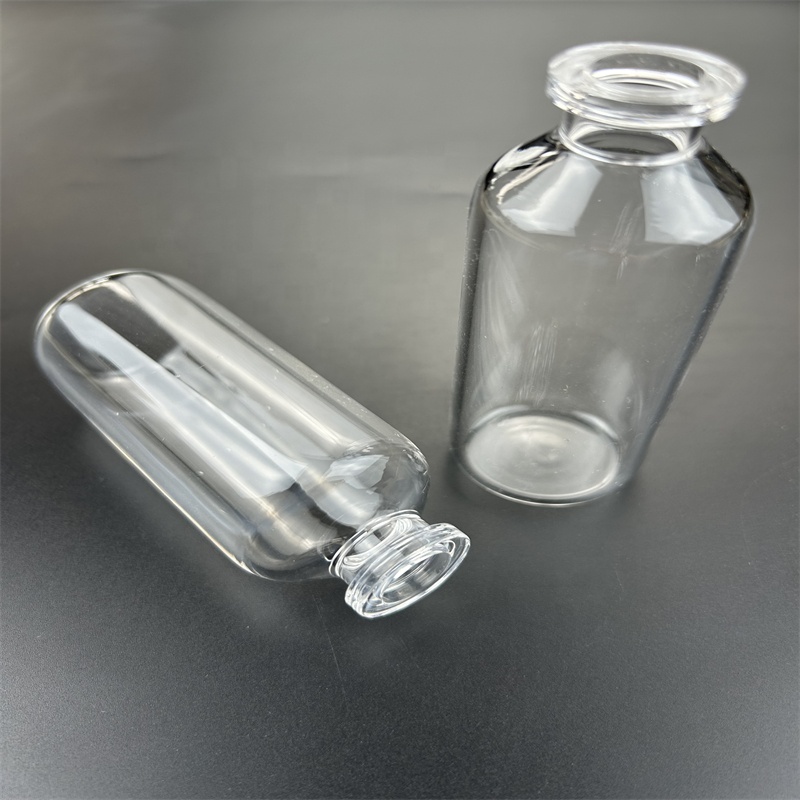
Custom High Pressure Corrosion Resistant Transparent 99.99% Pure Ozone Free Quartz Glass Ampoules Bending Welding Medical Grade
High Quality Transparent U-Bent Quartz Glass Tube Bending/Cutting/Welding Services 99.99% Pure Quartz Ozone Free Polished
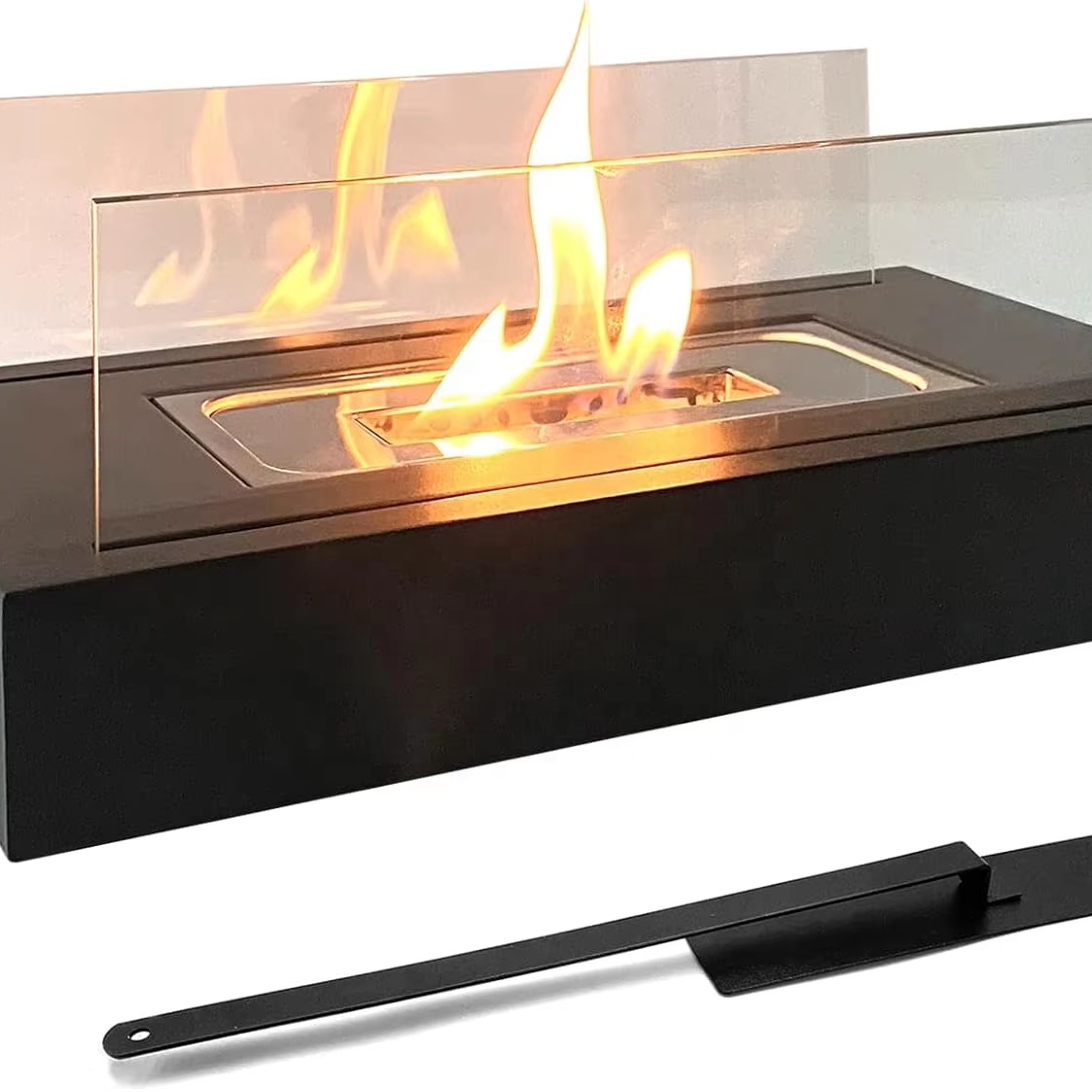
Factory Customization Outdoor Camping Portable High Temperature Clear Transparent High Precision Optical Grade Quartz Glass
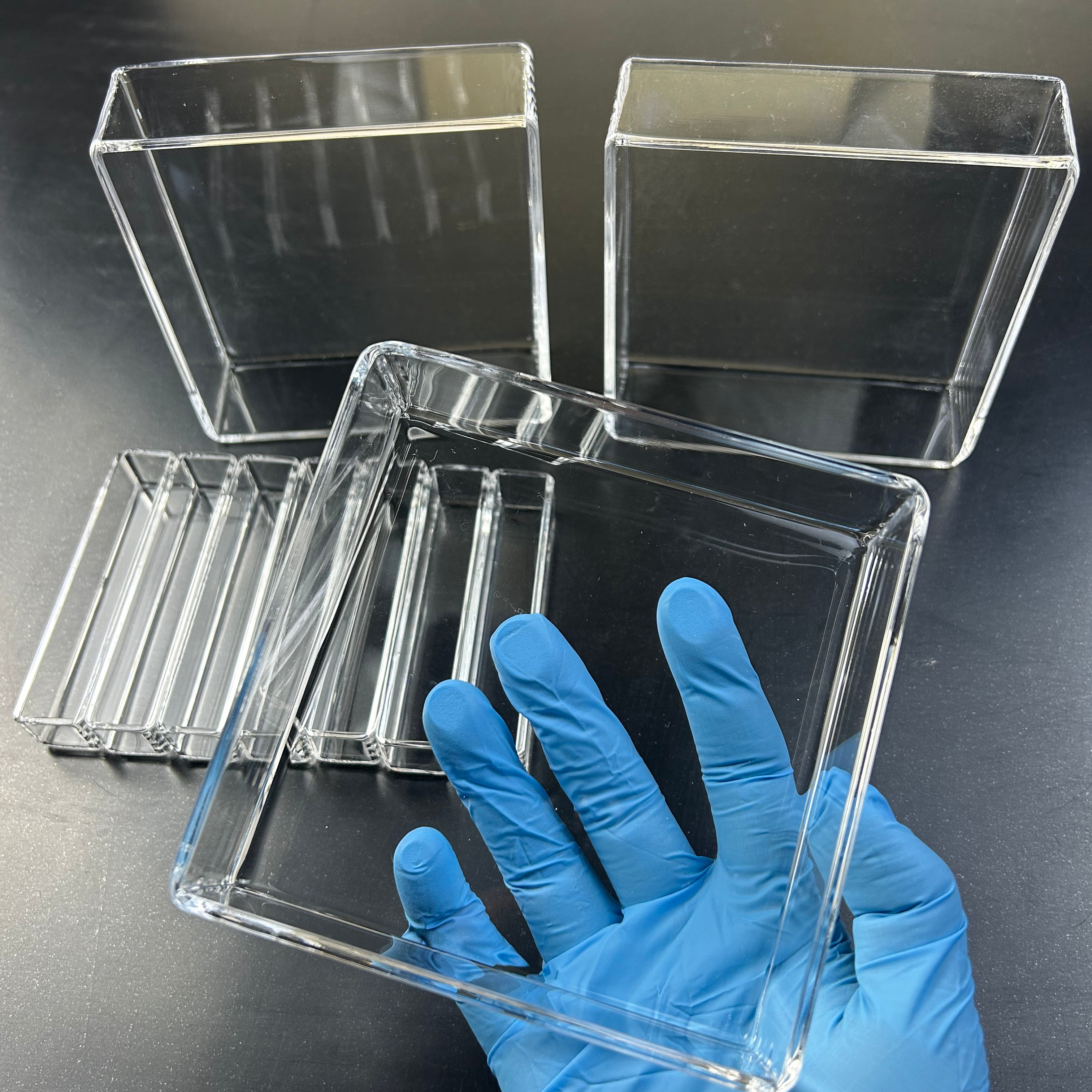
Manufacturers Customized Fused Quartz Glass High Temperature Resistant Circular Cylinder Crucible Tank Welding Cutting Custom
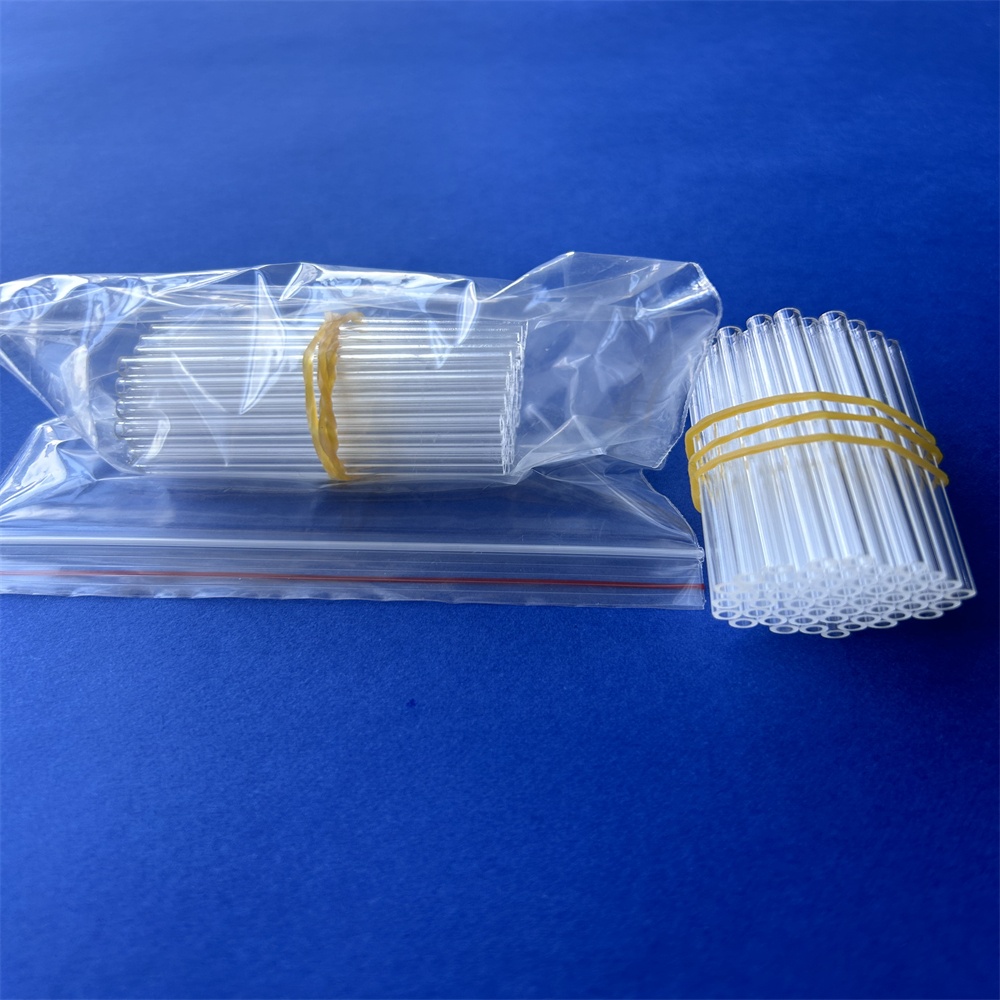
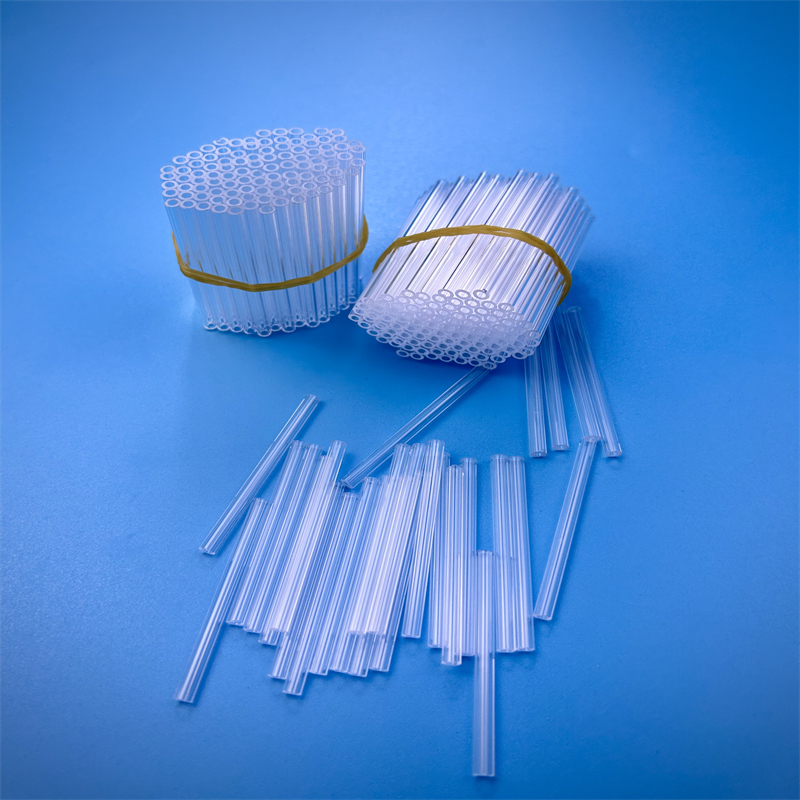
Small Diameter 0.1-20mm High Temperature Resistant 99.99% Pure Quartz Capillary Tube Cutting Bending Welding Services Ozone Free
Semiconductor-Grade Quartz Boats: Material Science, Thermal Devitrification & Structural Tolerances
In high-temperature semiconductor diffusion, low-pressure chemical vapor deposition (LPCVD), plasma-enhanced CVD (PECVD), and advanced solar cell metallization (TopCon / HJT), the quartz glass boat serves as the critical mechanical interface between automated transfer robotics and hostile thermal-chemical furnaces. A custom quartz boat is not merely a glass holder; it is an engineered crystal-purity wafer carrier that must maintain sub-millimeter pitch tolerances under continuous operating temperatures exceeding 1100°C without warping, sagging, or contributing trace ionic contamination to sensitive wafer surfaces.
At Lianyungang Zelvo Quartz Products Co., Ltd., based in Donghai County—the epicenter of China's silica extraction and refining cluster—we synthesize and machine natural fused quartz and synthetic fused silica with silicon dioxide (SiO₂) concentrations exceeding 99.99% to 99.999%. Understanding the thermal kinetics of fused silica is pivotal for process engineers seeking to eliminate wafer distortion, slot pinching, and furnace downtime.
Devitrification Mechanisms & Hydroxyl (OH) Content Management: Fused quartz is a thermodynamically metastable amorphous state of pure silica. When exposed to temperatures above 1150°C in the presence of alkali surface contaminants (Na, K, Li) or atmospheric moisture, crystallization into high-temperature cristobalite initiates at nucleation points. Cristobalite undergoes a sudden 5% volume contraction during cooling through the beta-to-alpha transition at 220°C–270°C, causing micro-fracturing, boat structural failure, and catastrophic wafer breakage. Zelvo Quartz mitigates this through proprietary fire polishing, vacuum dehydroxyl annealing (reducing OH content below 15 ppm for vacuum LPCVD grades), and multi-stage cleanroom acid passivation.
| Physical / Chemical Property | Semiconductor Standard Fused Quartz | High-Purity Low-OH Synthetic Silica | Significance to Wafer Fabrication |
|---|---|---|---|
| SiO₂ Purity | ≥ 99.99% (4N) | ≥ 99.999% (5N) | Prevents heavy metal autodoping (Fe, Cu, Ni) into gate oxides |
| Hydroxyl (-OH) Content | 15 – 30 ppm | < 5 ppm | Lower OH increases high-temperature viscosity and prevents sagging |
| Annealing Point | 1215 °C | 1280 °C | Internal stress relief threshold during thermal cycling |
| Strain Point | 1120 °C | 1180 °C | Maximum continuous operating limit without permanent plastic deformation |
| Thermal Shock Resilience | 1100°C water quench: No Crack | 1200°C water quench: No Crack | Ensures integrity during rapid furnace insertion/withdrawal ramps |
| Dielectric Strength (20°C) | 25 – 40 kV/mm | 40 – 50 kV/mm | High insulation reliability in RF-assisted plasma processes |
Future Sourcing & Procurement Trends for Industrial Quartzware (2025–2030)
B2B procurement executives, fab directors, and lab facility managers face an evolving supply chain landscape characterized by wafer dimensional scale-ups, stricter contamination limits, and the push toward closed-loop life-cycle tracking. The strategic sourcing of custom OEM quartz boats and process tubes is shifting away from generic catalog parts toward fully integrated, engineering-partner-led solutions.
1. Large-Format Scaling (210mm & 300mm)
The photovoltaic transition to M10/G12 (182mm/210mm) and microelectronics dominance of 300mm wafers requires rigid, reinforced quartz boat skeletons with engineered ladder rods to prevent gravitational deflection over 1.8-meter furnace zones.
2. Laser Micro-Slotting Technologies
Traditional abrasive diamond wheel cutting introduces subsurface micro-fissures that expand under thermal cycling. Modern procurement mandates non-contact femtosecond laser slotting with fire-polished slot roots (Ra < 0.2 µm) to multiply thermal cycle lifespans.
3. Automated Cassette Transfer (AMHS)
Automated Material Handling Systems (AMHS) tolerate zero positional drift. Procurement agreements now require CMM (Coordinate Measuring Machine) verification for wafer slot pitch, parallelism, and verticality across the entire boat length.
4. Closed-Loop Quartz Remanufacturing
Escalating raw silica costs drive global procurement of refurbishable quartz boats. Fabs seek OEM suppliers providing precision re-grooving, chemical etching stripping, and re-annealing services to extend asset service lifetime by up to 250%.
Manufacturing Precision: From Raw Silica Ingot to Finished OEM Quartz Carrier
A reliable quartz boat begins with raw crystal purity and ends with micron-level mechanical stability. At our Donghai facility, every production phase is governed by strict ISO-aligned manufacturing standards:
1. Arc Fusion & Ingot Slicing
Refined high-purity natural silica sand is electrically fused in plasma arc crucibles under vacuum to prevent bubble formation. Ingots are precision sliced into standardized support plates, rods, and end-plates using low-loss diamond wire saws.
2. 5-Axis CNC Grooving & Laser Slotting
Wafer slots are cut with diamond gang-cutters or CNC laser tooling. Custom slot geometries include V-grooves, U-grooves, step-down slots, and asymmetrical pitches tailored to automated robotic end-effectors, with slot depths accurate to ±0.02 mm.
3. Torch Welding & Flame Polishing
Master glassblowers with over a decade of specialty fused silica experience perform oxy-hydrogen micro-welding inside positive-pressure filtered clean bays. Every joint is fused seamlessly without chemical flux, followed by full-body flame polishing to seal micro-cracks.
4. Step-Ramp Annealing De-Stressing
Welded quartz boats carry latent localized thermal stress. All fabrications pass through electric annealing kilns, holding at 1215°C for 4 hours with controlled step-down cooling past the 1120°C strain point to completely neutralize internal birefringence.
5. Cleanroom Acid Etch & ICP-MS Check
Subcomponents undergo multi-stage ultrasonic baths in high-purity Hydrofluoric (HF) and Nitric (HNO₃) acid blends to strip micro-particulates and surface metallics. ICP-MS sample testing certifies that alkali elements remain below 0.1 ppm before final packaging.
6. CMM & Optical Metrology Inspection
Full-dimensional reports are generated using automated optical coordinate measuring systems. Slot center-to-center pitch, vertical tilt angles, overall envelope clearances, and co-planarity across base rods are strictly verified against client CAD files.
Why Global High-Tech OEMs & Research Labs Partner with Zelvo Quartz
Lianyungang Zelvo Quartz Products Co., Ltd. combines China's primary raw-material geographical advantage with export-grade manufacturing rigor. We operate not merely as a commercial vendor, but as an OEM engineering partner supporting R&D prototyping through high-volume fab deployment.
Donghai Silicon Hub Advantage
Direct proximity to the world's most concentrated quartz mineral processing cluster ensures continuous raw ingot availability, stable material batch consistency, and significant cost savings passed directly to overseas buyers.
≤ 2-Hour Response Time
Our sales engineering desk operates on 100% rapid-response inquiry protocols. Drawing feasibility reviews, material recommendations, and formal DFM (Design for Manufacturability) quotations are delivered promptly for global project schedules.
1-Piece Prototyping MOQ
We eliminate high barrier-to-entry tooling surcharges. From a single replacement boat for academic research to multi-hundred boat production lots for tier-1 solar manufacturers, we fabricate custom components starting from 1 unit.
Zero-Breakage Global Logistics
Specialized shock-dampening expanded polyethylene (EPE) custom matrix foam nests, hermetically sealed inner barrier bags, and reinforced export plywood crates ensure 100% arrival integrity via express courier, air freight, or ocean logistics.
Frequently Asked Questions: Technical Procurement of Custom Quartz Boats
Addressing core mechanical, chemical, and commercial questions raised by semiconductor process engineers, CVD furnace operators, and international procurement specialists.
How do you verify quartz purity and prevent wafer contamination?
Every raw fused silica material lot is certified via Inductively Coupled Plasma Mass Spectrometry (ICP-MS) trace metal analysis. Total metallic impurities (including Al, Fe, Ca, Mg, Na, K, Li, Cu, Ni, Cr) are strictly held below 15 ppm for standard grades and below 1 ppm for high-purity semiconductor thermal-process ware.
What CAD or dimensional formats do you require for custom quotes?
We work directly from 2D engineering drawings (.DWG, .DXF, .PDF) with explicit tolerance callouts, or 3D solid models (.STEP, .IGES, .SLDPRT). If no formal CAD model exists, our design engineering team can reverse engineer a replacement boat from physical samples or dimensioned sketches with working conditions.
What is the standard tolerance capability for wafer slot pitch?
Our standard CNC diamond gang-cutters achieve a slot pitch accuracy of ±0.05 mm. For automated robotic handling (AMHS / wafer transfer robots), our high-precision multi-axis machining centers routinely deliver slot pitch tolerances within ±0.02 mm and slot depth repeatability within ±0.03 mm.
How does your factory prevent boat sagging in 1200°C horizontal furnaces?
High-temperature sag or creep is governed by hydroxyl concentration and structural design. We utilize dehydroxyl-treated fused silica with [OH] < 15 ppm to increase high-temperature viscosity. Additionally, our engineers reinforce ladder support rods, increase tube wall thickness, and integrate cross-brace trusses to withstand heavy wafer loads.
What is the recommended cleaning protocol for new quartz boats?
Prior to first furnace insertion, quartz boats should be immersed in a 5%–10% electronic-grade Hydrofluoric acid (HF) solution for 3 to 5 minutes to remove surface silicon oxides, followed by an aggressive ultra-pure water (UPW) cascade rinse (18 MΩ·cm) and hot N₂ drying. Operators must avoid touching parts with bare hands to prevent alkali-induced devitrification.
What are your standard turnaround times for custom OEM quartzware?
Rapid prototypes and standard drawing modifications are typically manufactured and dispatched within 7 to 12 working days. High-volume fab production orders (50+ units) generally require 3 to 4 weeks depending on raw material stock and metrology reporting requirements.
Can you provide fused silica boat refurbishment or re-grooving?
Yes. Depending on remaining rod wall thickness and devitrification depth, we offer specialized refurbishing services. This includes deep chemical etching to strip process layers, laser re-profiling of degraded wafer slots, torch re-welding of broken joints, and full annealing furnace de-stressing.
What Incoterms and international payment terms are available?
We support standard international trade terms including FOB Shanghai/Lianyungang, CIF, CFR, EXW, CIP, DDP, and door-to-door express delivery. Payment options include secure Wire Transfer (T/T), Letter of Credit (L/C), PayPal, and Escrow, supporting major currencies (USD, EUR, GBP, JPY, CNY).
Have a Custom Drawing or High-Temperature Challenge?
Submit your CAD drawings, wafer slot specifications, or furnace operating parameters. Our technical sales engineers review design feasibility and return detailed engineering quotations within 2 hours.