Featured Industrial & Analytical Quartz Products
Fabricated from optical-grade and semiconductor-purity synthetic & natural fused silica. Tested for sustained working thresholds up to 1100°C continuous and 1300°C short-term shock loads.
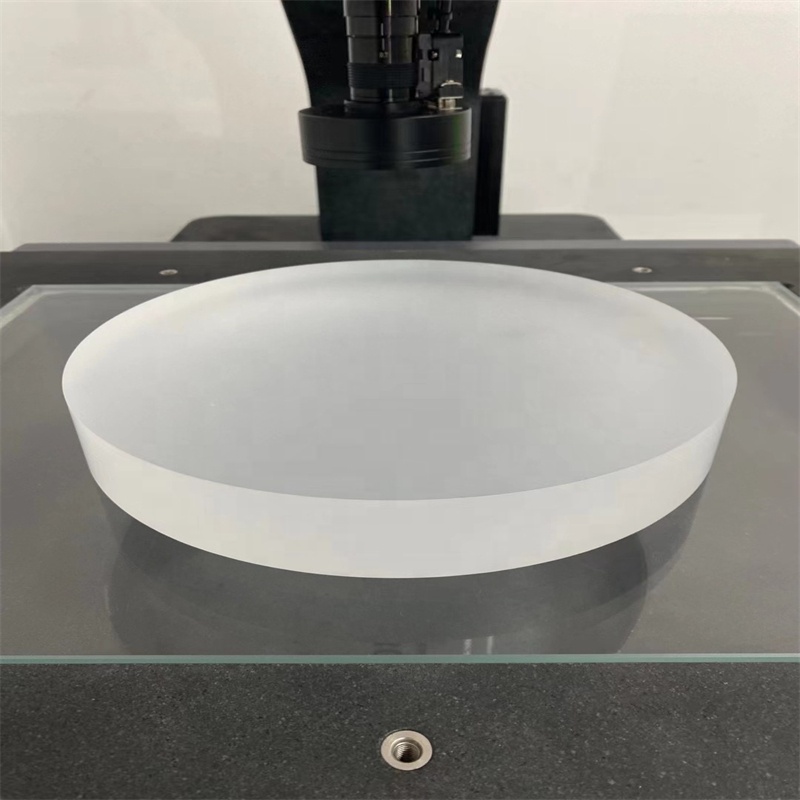
Custom Size Clear Fused Quartz Plate Premium High-Temp Resistance
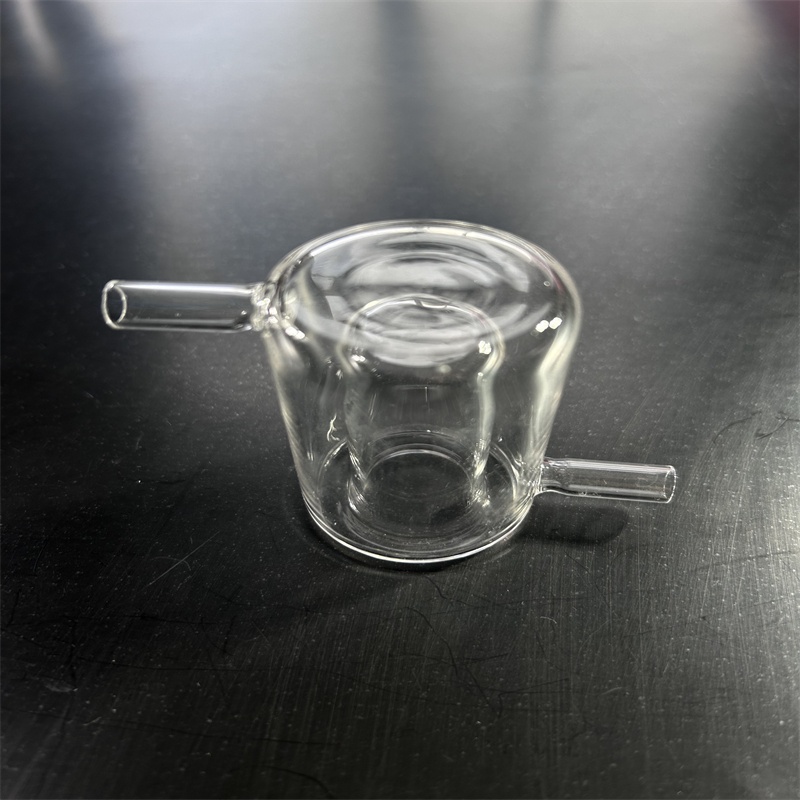
99.99% Pure Ozone Free Quartz Glass Reactor Twin Tube Bending
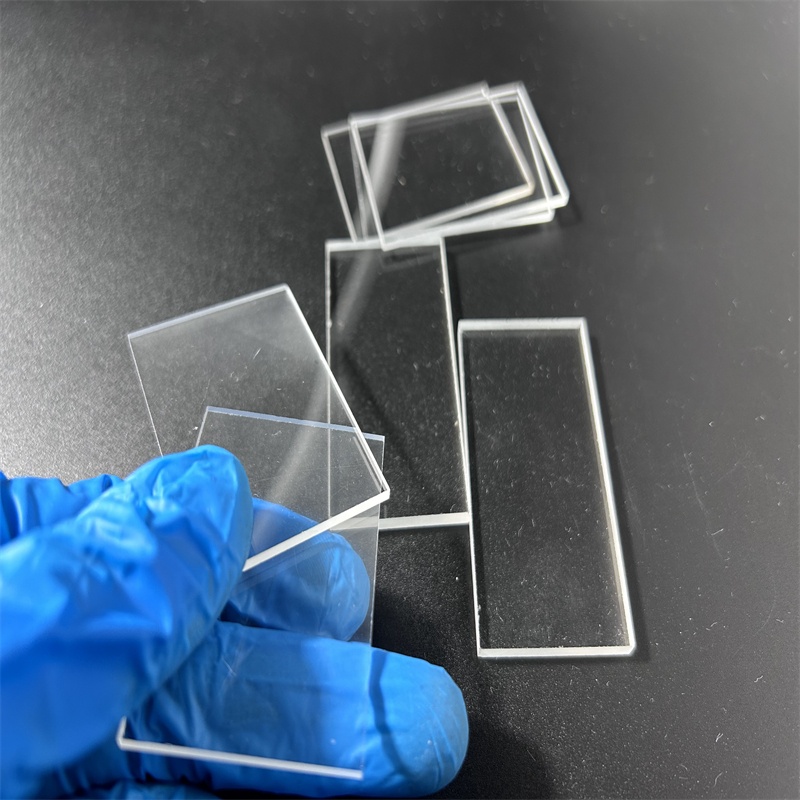
Customized Transparent Fused Quartz Glass Sheet Cutting & Welding
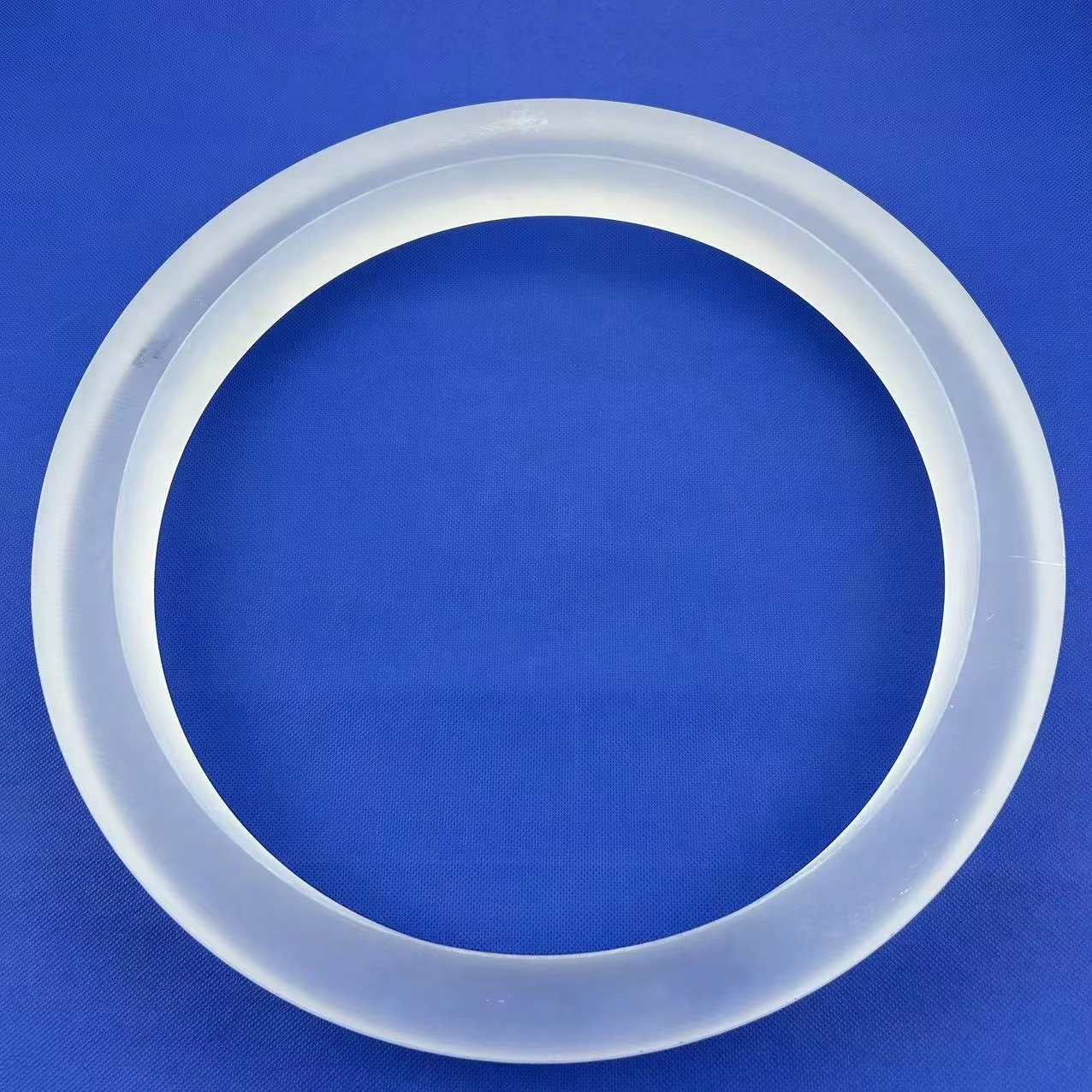
Custom Coated 99.99% Pure Quartz Rings for Semiconductor CVD
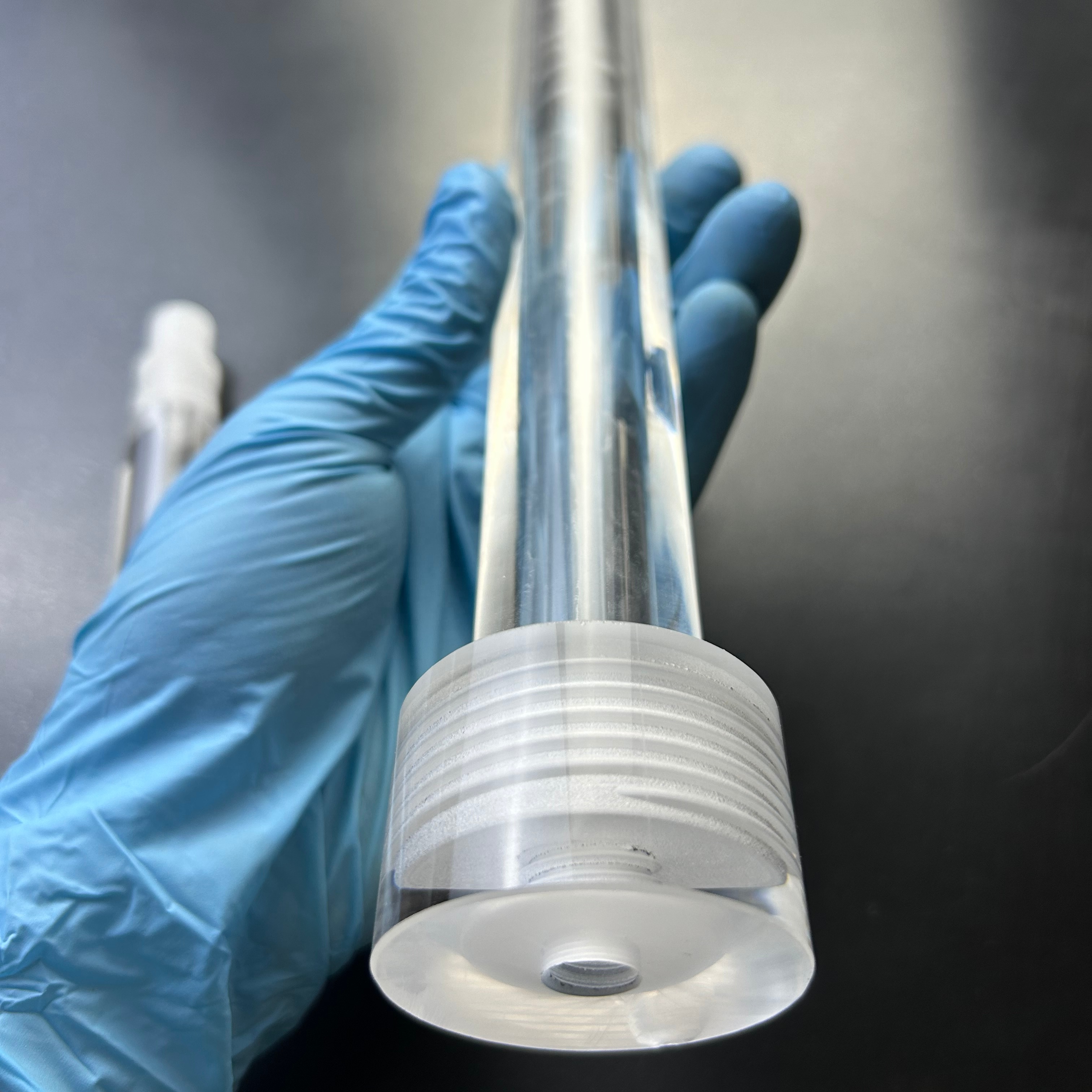
Customizable High-Pressure Polished Quartz Glass Twin Tube
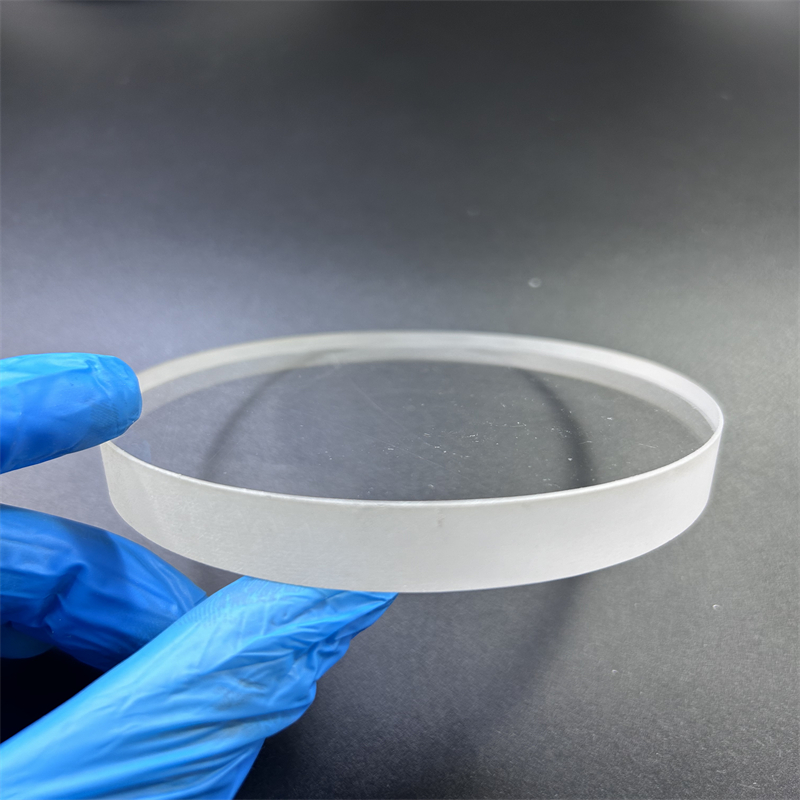
High Temperature Transparent UV Quartz Glass Disc / Plate 1100C
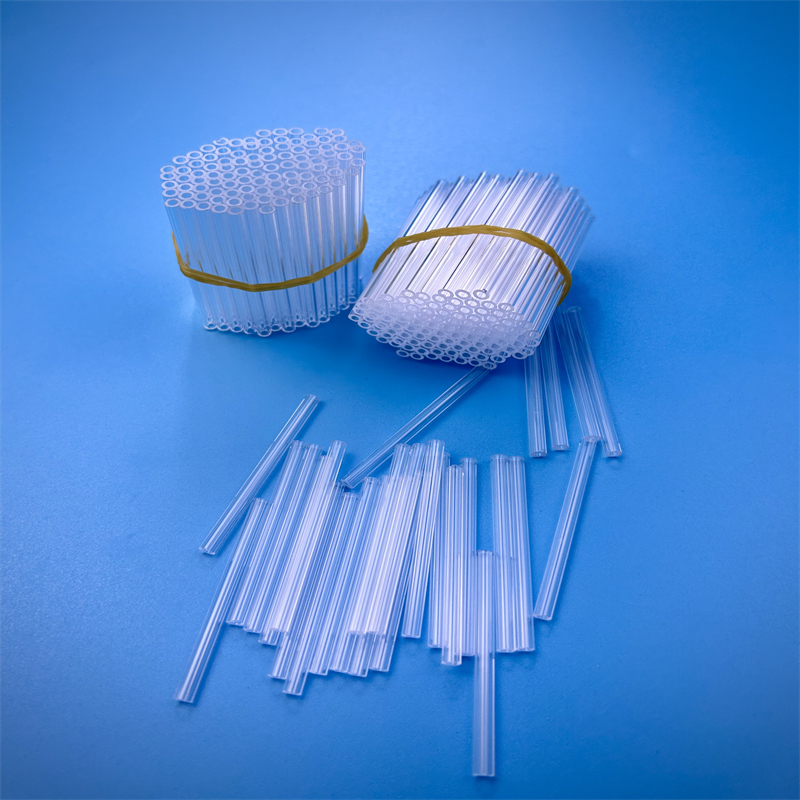
Transparent U-Bent Quartz Glass Tube Custom Bending & Cutting
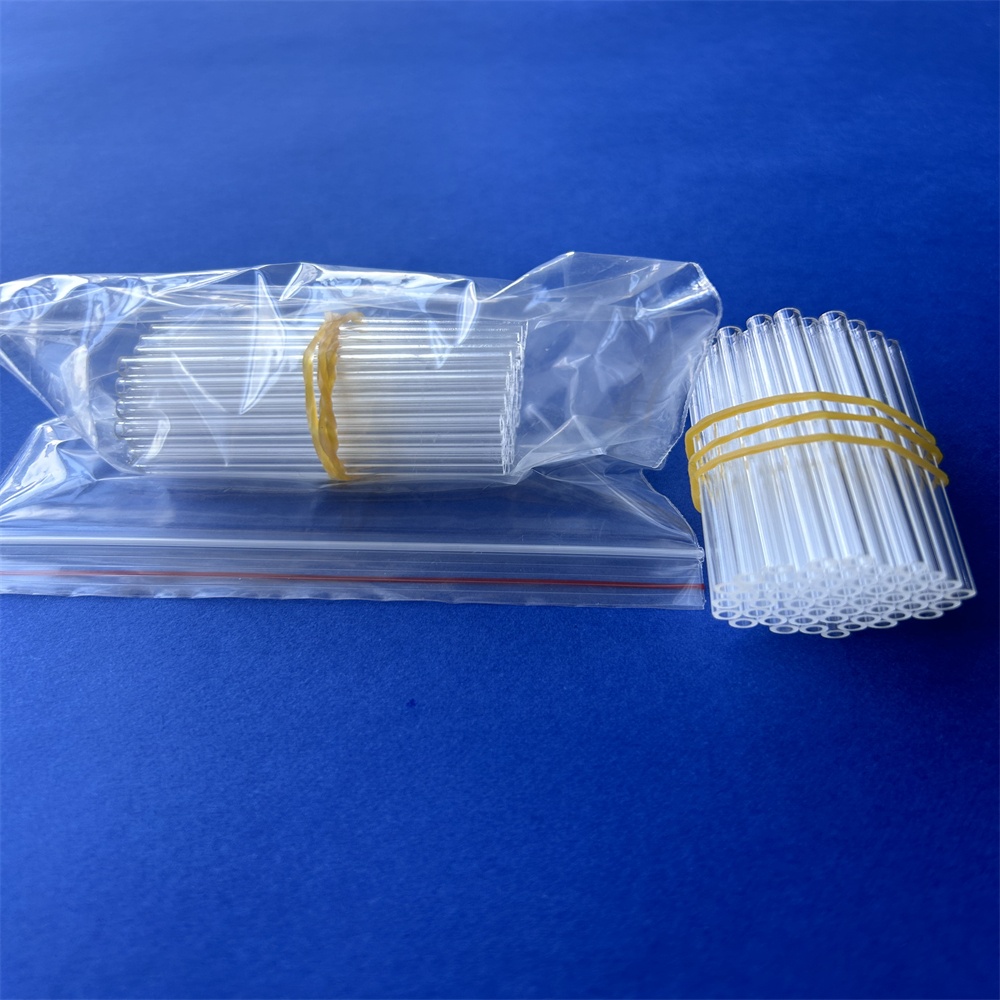
0.1-20mm Small Diameter High-Temp Pure Quartz Capillary Tube
Physics & Chemistry of Vitreous Fused Silica in Ashing Environments
Analytical ashing dishes are subjected to some of the most punishing thermo-chemical regimens in modern industrial metrology. When testing for ash content, loss-on-ignition (LOI), and volatile residue according to rigorous international standards such as ASTM D482, ASTM D2974, and ISO 1171, the containment matrix must not only survive extreme thermal gradients but must remain completely non-reactive.
Standard laboratory porcelain crucibles and borosilicate glass fail under sustained temperatures exceeding 600°C and 500°C respectively, suffering from chemical leaching of alkali fluxing agents (Na, K, Al, Fe) into the analyte. Conversely, Zelvo Quartz ashing dishes are hot-drawn and flame-melted from pure natural quartz crystals from the legendary Donghai deposit, achieving an elemental silicon dioxide purity rating of ≥ 99.99% (4N).
The fundamental mechanical asset of fused silica is its remarkably low coefficient of thermal expansion (α = 5.5 × 10⁻⁷ /K between 20°C and 1000°C). This ultra-low expansion index grants the dish extreme resistance to thermal shock (ΔT > 1000°C), allowing laboratory technicians to transfer glowing dishes directly from a 1050°C muffle furnace into a room-temperature desiccator without mechanical fracture, micro-cracking, or sample spalling.
Furthermore, each dish manufactured for export to European scientific institutions, including those in Larnaca and broader Cyprus, undergoes controlled atmospheric vacuum annealing. This critical thermodynamic conditioning relieves internal mechanical shear stresses, stabilizing the amorphous vitreous phase and drastically delaying the onset of surface devitrification (nucleation into high-temperature cristobalite) up to continuous operating plateaus of 1100°C.
Thermal Shock Benchmark
Water Quench Test: Heated to 1100°C for 45 minutes, immediately submerged into water at 20°C without breakage or surface delamination.
Chemical Inertness: Completely immune to attack by mineral acids including HNO₃, H₂SO₄, and HCl at boiling thresholds (strictly excluding HF and concentrated hot H₃PO₄).
Trace Purity: Total metallic impurities suppressed below 15 ppm, ensuring absolute analytical baseline integrity during ICP-OES and ICP-MS post-ashing digestion.
Analytical Laboratory Ashing Vessels: Material Comparison
A critical evaluation of analytical vessels across thermal tolerance, trace leaching risk, chemical compatibility, and life-cycle economics for modern Cyprus research and quality facilities.
| Evaluation Parameter | Zelvo Fused Quartz Ashing Dish | Technical Glazed Porcelain | Sintered Alumina (Al₂O₃ 99%) | Pure Platinum (Pt) Crucible |
|---|---|---|---|---|
| Operating Ceiling (Continuous) | 1100°C (1300°C Short Cycle) | 1000°C (Softens Glaze >800°C) | 1600°C (High Structural Mass) | 1200°C – 1400°C |
| Thermal Shock Index (ΔT) | > 1000°C (Water quenchable) | < 200°C (Must cool slowly) | < 150°C (Extremely brittle) | > 1000°C (Ductile metal) |
| Trace Elemental Leaching | Negligible (< 0.05 μg/g across metals) | High (Al, Ca, Na, K, Fe leaching) | Moderate (Al, Si bleed risk) | Zero (Noble, but alloy risk) |
| Acid Digestion Resistance | Exceptional (Immune to Aqua Regia) | Poor (Acid attacks interior glaze) | Good (Resistant to weak acids) | Attacked by Aqua Regia / Bromine |
| Weight Consistency (LOI Test) | Constant Tare Weight (±0.0001g) | Variable due to moisture absorption | Stable, but heavy tare weight | Extremely Stable |
| Cross-Contamination Risk | Zero porous retention; easily acid-stripped | High micro-porosity after glazing wears | Moderate grain-boundary absorption | Surface alloy cross-contamination |
| Initial Capital Outlay | Moderate & Economical | Low | Moderate to High | Extremely Expensive ($$$$) |
Localized Application Scenarios Across Larnaca & Greater Cyprus
Strategic deployment of high-purity CE certified quartz vessels supporting critical energy infrastructure, environmental water treatment, pharmaceuticals, and agricultural exports.
Vasiliko Energy Hub & Hydrocarbon Ash Analysis
Situated immediately southwest of Larnaca along the southern coastline, the Vasiliko Energy Hub represents the primary strategic nexus for energy storage, fuel bunkering, and upcoming LNG terminal operations in Cyprus. Testing heavy fuel oils (HFO), marine diesel oils (MDO), and lubricating greases under ASTM D482 and ISO 6245 requires uncompromised calcination vessels. Zelvo Quartz ashing dishes withstand violent flash-off phases without micro-fracturing, providing precise determination of inorganic non-combustible ash residues, silicon-aluminum catalyst fines, and corrosive vanadium-nickel compounds that degrade maritime turbine systems.
Larnaca SWRO Desalination & Marine Hypersalinity
The Larnaca Seawater Reverse Osmosis (SWRO) Desalination Plant and Mediterranean coastal environmental monitoring bodies regularly evaluate total dissolved solids (TDS), volatile suspended solids (VSS), and particulate organic carbon. Ashing environmental sludge and marine biota collected near the Larnaca Salt Lake and coastal ports requires crucibles that will not absorb sodium chloride (NaCl) flux. Our non-porous vitreous silica matrix prevents brine penetration, eliminating alkali diffusion that typically destroys conventional ceramic dishes during 550°C ignition cycles.
Aradippou Industrial Area Pharmaceutical QC
The pharmaceutical manufacturing cluster located in the Aradippou and Dromolaxia industrial corridors bordering Larnaca adheres strictly to European Pharmacopoeia (Ph. Eur. 2.4.16) and USP ⟨281⟩ for Residue on Ignition / Sulfated Ash. When concentrated sulfuric acid (H₂SO₄) is applied to organic compounds and carbonized via direct open-flame before 800°C muffle furnace incineration, glazed porcelain releases trace metals into the sulfate salt. Our 99.99% SiO₂ dishes provide absolute gravimetric tare reliability down to sub-milligram specifications.
Vassiliko Cement Clinker & Mineral Slag Evaluation
The production of low-carbon Portland cement and calcined clay binders across Cypriot heavy industry relies heavily on Loss-on-Ignition (EN 196-2) testing to determine unburned carbonate levels and volatile mass loss up to 1050°C. Standard dishes degrade when exposed to hot, basic calcium oxide (CaO) and silicate compounds. Zelvo’s smooth, flame-glazed inner surfaces inhibit slag adhesion, allowing complete qualitative sample recovery and rapid, automated gravimetric turnaround.
Agro-Food Mineral Profiling (PDO Halloumi & Olive Oil)
Cyprus’s trademark agricultural exports—including PDO Halloumi cheese, extra virgin olive oil, and wine must—are governed by strict European Union certification standards. Routine testing for total ash, sodium chloride content (ISO 5943), and trace heavy metal contamination demands complete calcination without container degradation. Zelvo quartz dishes ensure that high fat and moisture contents volatilize smoothly without foaming out or chemically interacting with the dish substrate.
Evolving Laboratory Trends & Compliance in Larnaca
Navigating European Union decarbonization, ISO/IEC 17025 laboratory accreditation frameworks, and strategic logistics into the Eastern Mediterranean.
1. EN ISO/IEC 17025 Accreditations
Commercial and government laboratories across Larnaca, Nicosia, and Limassol are facing increasingly rigorous audits by the Cyprus Accreditation Body (CYS-CYSAB). Testing labs must validate their measurement uncertainty down to parts-per-billion (ppb) regimes. Ceramic and porcelain vessels are progressively being phased out due to batch-to-batch mineral variance and unpredictable trace leaching. Fused silica has become the mandatory standard for accredited testing centers requiring traceable, CE certified, high-homogeneity consumables.
2. Marine Decarbonization & Biofuel Blends
Under the EU ETS and the Fit for 55 regulatory mandate, shipping entities operating out of the Port of Larnaca are adopting biofuel blends (FAME, HVO) and alternative maritime propellants. These emerging fuels present unique combustion chemistry, creating corrosive acidic vapors during LOI cycles. Vitreous quartz offers complete thermodynamic resistance to acidic sulfurous and nitrous off-gassing, establishing itself as an essential testing component for marine fuel inspection bureaus.
3. Direct Air & Ocean Logistics to Cyprus
Cyprus's insular geography in the Eastern Levant has historically rendered laboratory supply chains vulnerable to lengthy European transshipment delays. Zelvo Quartz bridges this operational friction by coordinating factory-direct dispatch from Donghai County via expedited air cargo arriving directly at Larnaca International Airport (LCA), and consolidated containerized maritime shipments routed through the Port of Limassol. Every consignment is packed in multi-layered, shock-absorbing vacuum enclosures and reinforced wooden crates.
Advanced Quartz Manufacturing & Global Quality Assurance
Direct from Donghai County—China's crystal capital—to European research and production benches. Uncompromising precision backed by full material traceability.
Source Mineral Purity
Located at the epicenter of world-class quartz geology. Natural and synthetic raw silicas are selected with strict oversight, ensuring total interstitial impurities remain under 15 ppm.
Robotic & Flame Forming
Automated pressing and hand-blown master craftsmanship for tight wall-thickness uniformity. Eliminates uneven heat concentration, thermal stress hot spots, and micro-bubbles.
CE & ISO 9001 Compliance
Every batch complies with the European General Product Safety Directive and pressure/thermal safety standards, accompanied by full Certificates of Analysis (COA) for total traceability.
1-Piece Custom Prototyping
Whether you require flat-bottom circular dishes, rectangular combustion trays, or cylindrical crucibles with pouring spouts, our engineers turn 2D/3D CAD drawings into physical parts from a 1-piece MOQ.
Operational Guidelines: Preventing Devitrification
Maximize the operational lifespan of vitreous quartz labware in high-temperature muffle and calcining furnace environments.
1. Surface Fingerprint Decontamination
Alkali metals (especially sodium and potassium present in human perspiration) serve as catalytic nucleation centers for cristobalite crystallization at temperatures above 850°C. Never handle high-temperature quartz dishes with bare hands. Always use clean lint-free cotton gloves or PTFE/zirconia-coated laboratory tongs. Fingerprints fired onto quartz permanently etch the surface, creating cloudy, brittle devitrification zones that dramatically shorten vessel life.
2. Standard Acid Leaching & Cleaning Regimen
Prior to thermal cycling, dishes should undergo ultrasonic washing in a 10% high-purity nitric acid (HNO₃) or hydrochloric acid (HCl) bath for 20 minutes to strip surface metallic ions, followed by triple-rinsing with Type 1 deionized water (18.2 MΩ·cm). If persistent carbon deposits remain after ashing, soak in a mild chromic-sulfuric acid bath or perform air-atmosphere baking at 900°C for 2 hours to oxidize lingering organic films.
3. Heating & Annealing Dynamics
While quartz easily withstands extreme shock, continuous prolonged exposure between 1150°C and 1300°C gradually accelerates surface restructuring into crystalline cristobalite. To extend dish service life across thousands of cycles, ramp furnace temperatures at rates up to 20°C/min and limit peak dwell times to what is strictly necessary for complete gravimetric ash volatilization. Allow dishes to cool through 1215°C (annealing zone) evenly.
Frequently Asked Questions by Cyprus Buyers
Detailed answers regarding customs compliance, European standards, logistics timelines, and technical tolerances for Larnaca-based procurement managers.
Are your quartz ashing dishes fully compliant with CE marking and European Union laboratory directives?
What are the standard freight transit times and delivery modalities to Larnaca?
Can we order custom-dimension dishes to fit non-standard automated muffle furnaces or carousel analyzers?
How do you guarantee that fragile quartz products arrive safely in Cyprus without breakage?
Why choose transparent fused quartz over opaque (frosted) vitreous silica ashing dishes?
How does high-purity quartz behave in presence of aggressive acid matrices during post-ashing digestion?
What documentation and trace element certification do you provide for laboratory audit trails?
What payment and currency arrangements are available for companies in the Republic of Cyprus?
Request Technical Drawings, Bulk Quotations & Catalog
Connect directly with our senior quartz engineering team in Donghai. Whether you need standard-dimension CE certified quartz ashing dishes or customized fused silica apparatus tailored to your laboratory's unique thermal protocols in Larnaca, our technical team audits drawings and issues formal quotes within 2 hours.