High-Purity Quartz Glass Products Serving Nikšić Enterprises
Manufactured using electric-arc fusion and gas-refining techniques in China’s quartz hub, our components are tested for thermal stability, optical transmission, and dimensional precision for Montenegrin heavy industries.
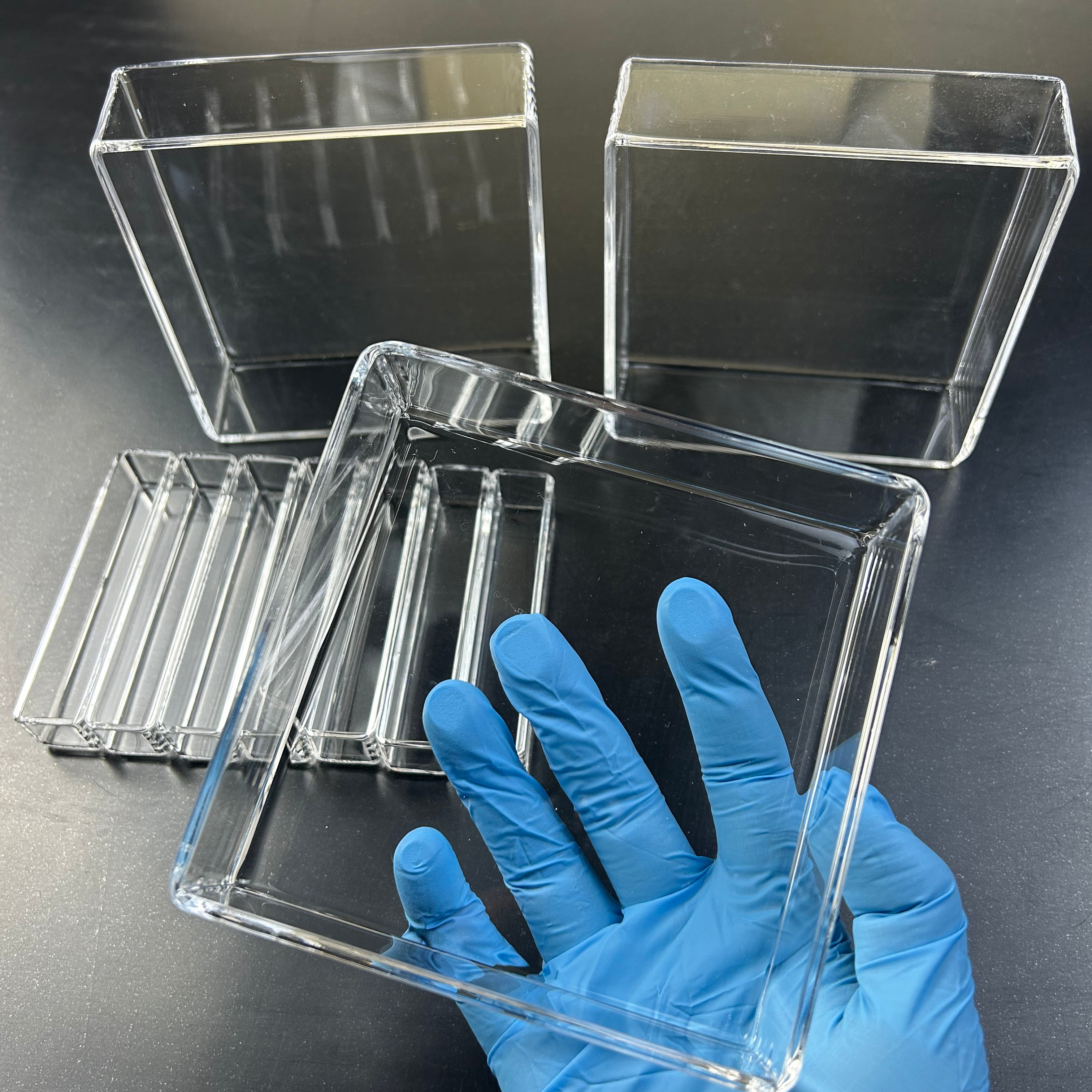
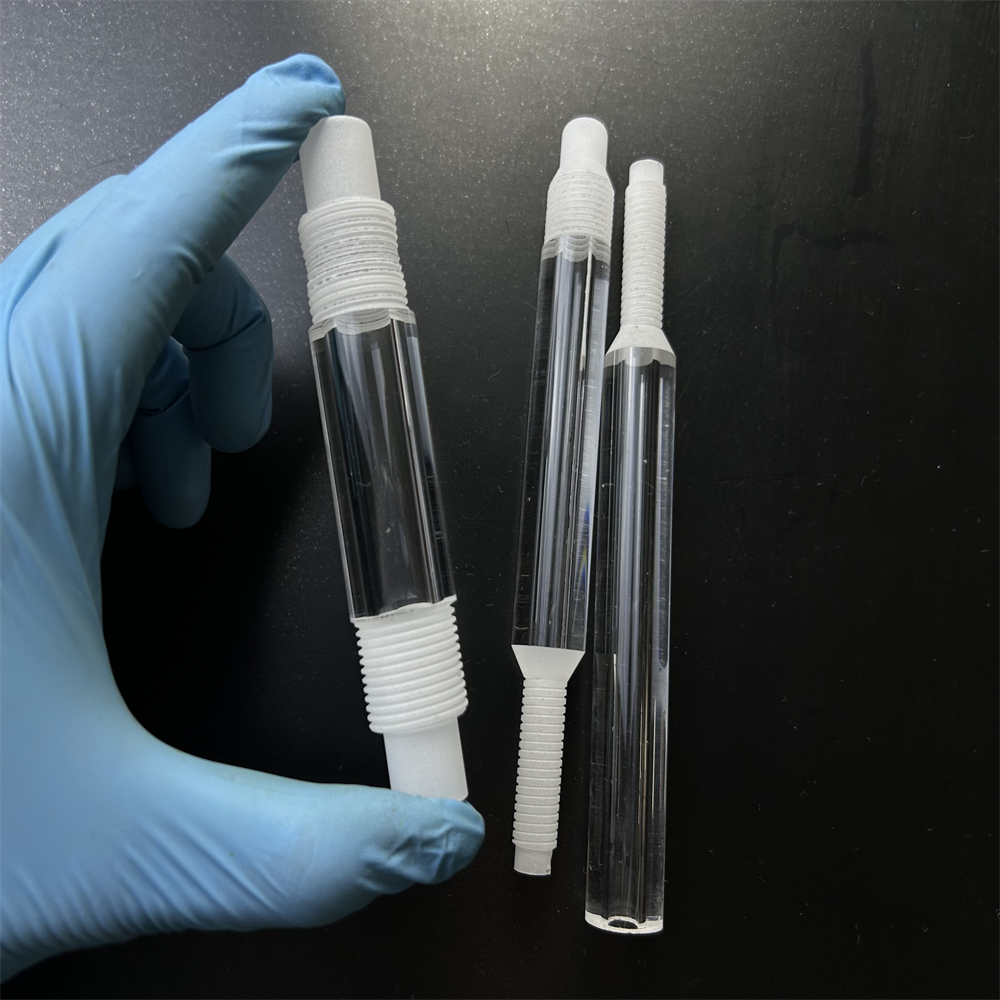
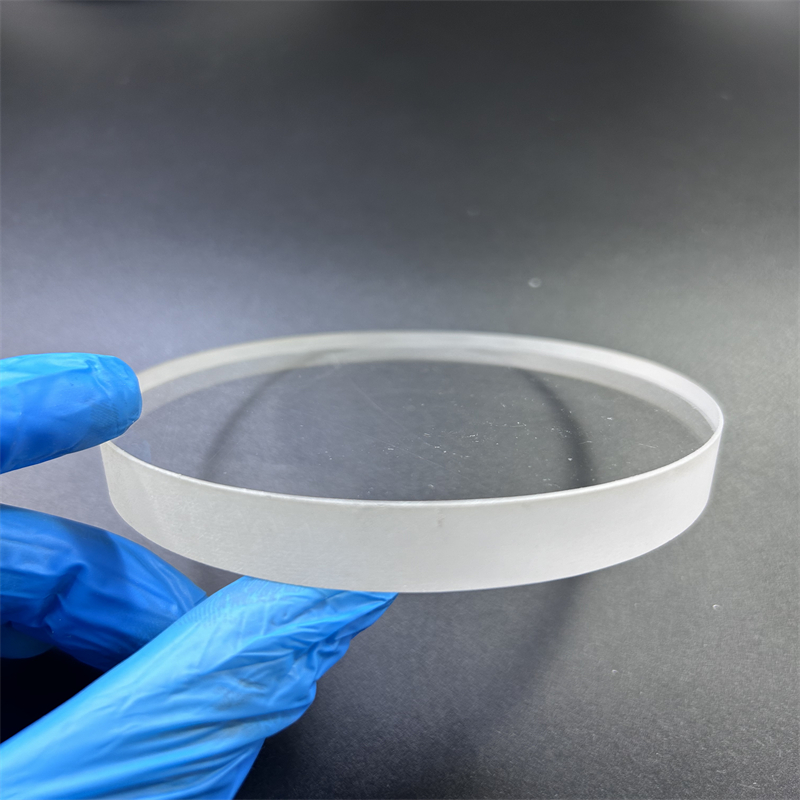
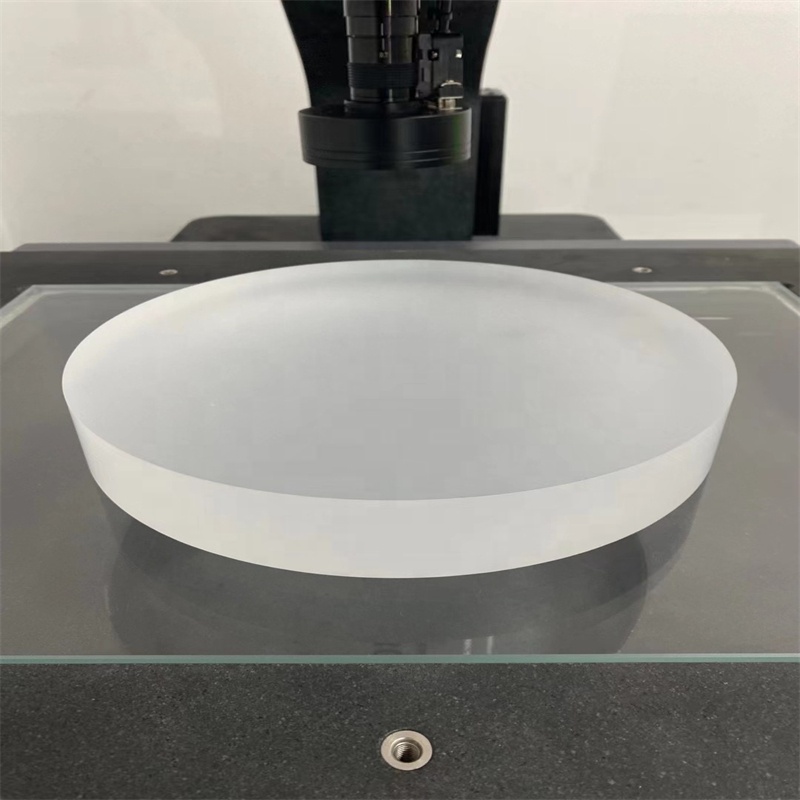
Fused Silica Engineering: Thermal, Mechanical, and Dielectric Fundamentals
Fused quartz is an amorphous single-component glass consisting of silicon dioxide ($SiO_2$) in tetrahedral coordination. Its near-zero thermal expansion coefficient and high chemical inertness provide reliable durability under industrial operating conditions.
Thermal Shock Dynamics
With an ultra-low mean coefficient of thermal expansion ($\alpha = 5.5 \times 10^{-7} \text{ K}^{-1}$ between $20^\circ\text{C}$ and $320^\circ\text{C}$), fused quartz can withstand rapid thermal shifts. It tolerates water quenching from $1100^\circ\text{C}$ without fracturing, making it suitable for metallurgical pyrometry sight windows in Nikšić foundries.
Devitrification Kinetics
Above $1150^\circ\text{C}$, vitreous silica can crystallize into high-cristobalite. Our fusion process controls alkali contaminants ($Na, K, Li < 1.5 \text{ ppm}$), slowing nucleation kinetics and extending structural life during continuous thermal operations at $1100^\circ\text{C}$.
Broadband Transmittance
Synthetic and natural fused silica provide high optical transmission across ultraviolet, visible, and near-infrared spectra. Our transparent UV tubes transmit $>85\%$ at $254 \text{ nm}$, supporting photolytic disinfection in municipal and brewing wastewater plants.
| Physical / Chemical Parameter | Standard Fused Quartz (Natural) | Synthetic Fused Silica (UV Grade) | Engineering Implication for Nikšić Plants |
|---|---|---|---|
| $SiO_2$ Purity (Mass Fraction) | ≥ 99.99% (Grade JGS2) | ≥ 99.9999% (Grade JGS1) | Prevents batch contamination in specialty alloy production. |
| Continuous Working Temperature | 1100 °C (1373 K) | 1150 °C (1423 K) | Maintains rigidity during molten metal sampling. |
| Short-Term Strain Temperature | 1300 °C (1573 K) | 1350 °C (1623 K) | Handles thermal spikes during induction heating. |
| Thermal Expansion ($20–300^\circ\text{C}$) | $5.5 \times 10^{-7} \text{ K}^{-1}$ | $5.2 \times 10^{-7} \text{ K}^{-1}$ | Near-zero thermal fatigue under water spray or gas quenching. |
| Hydroxyl ($OH^-$) Content | ≤ 30 ppm to 150 ppm | ≤ 5 ppm (Water-free IR Grade) | Reduces infrared absorption bands in pyrometric monitoring. |
| Dielectric Strength ($20^\circ\text{C}$, 1MHz) | $25 - 40 \text{ kV/mm}$ | $35 - 50 \text{ kV/mm}$ | Provides high-voltage electrical insulation for power substations. |
Mission-Critical Applications Across Nikšić’s Industrial Base
As Montenegro’s industrial center, Nikšić maintains advanced operations in metallurgy, renewable energy generation, beverage manufacturing, and university research that require high-performance fused quartz components.
Steelmaking & Foundries
Furnace sight glasses, immersion thermocouple sheaths, and pyrometer windows for Nikšić's electric arc and ladle furnace operations. Quartz components resist slag attack and maintain transparency above 1200°C.
Brewing & Fluid Purity
Clear quartz sleeves for UV-C water disinfection and microbial control systems in regional beverage processing. High optical transmission prevents fluid fouling while supporting continuous inline sanitization.
Alumina & Bauxite R&D
Thermal crucibles, combustion boats, and digestion vessels for bauxite calcination research. Resistant to mineral acids (except hydrofluoric) and thermal variations during sample preparation.
Hydro & Grid Infrastructure
High-voltage dielectric bushings, spark-gap insulators, and infrared quartz emitters for thermal curing across electrical distribution networks connected to the Perućica power generation system.
Emerging Trends Driving Silica Materials in Nikšić
Montenegro’s integration with EU industrial and environmental frameworks (including Chapter 27 compliance) is driving modernization across industrial manufacturing, heating, and laboratory facilities.
Transition to Electric Induction Heating
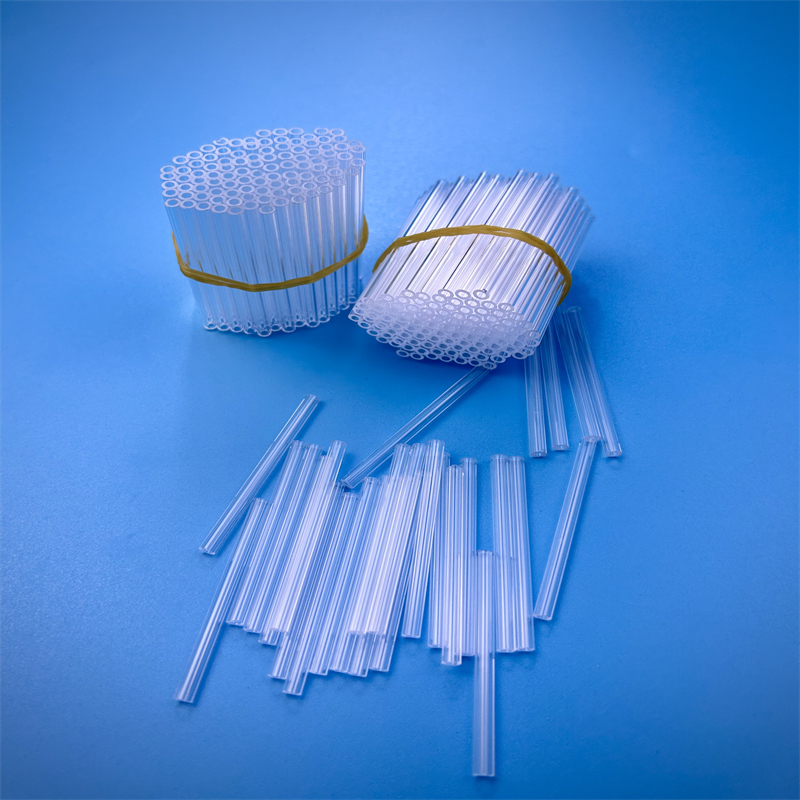
Industrial lines in Nikšić are shifting from heavy fossil fuels to electric induction and vacuum arc remelting. This transition increases demand for twin-bore quartz tubes and quartz guide sleeves to insulate heating elements, lower thermal losses, and operate reliably in high-vacuum environments.
Stricter Effluent Controls and Advanced Photolysis
Montenegro’s industrial discharge regulations require upgrades to biological and chemical wastewater systems. High-intensity UV-C systems using ozone-free fused quartz tubes provide effective bacterial and organic destruction without chemical additives.
Direct Sourcing for Regional Fabrication
Procurement teams in Nikšić are moving away from multi-tier regional brokers, choosing instead direct collaboration with certified quartz manufacturers. This direct sourcing simplifies custom technical reviews, accelerates delivery schedules, and reduces production costs.
Why Nikšić Engineers Source from Zelvo Quartz
Headquartered in Donghai County, China's center for raw silica refining, Zelvo Quartz combines local raw material access with high-precision CNC, laser machining, and custom glass-working capabilities.
Custom Drawing-Based Fabrication
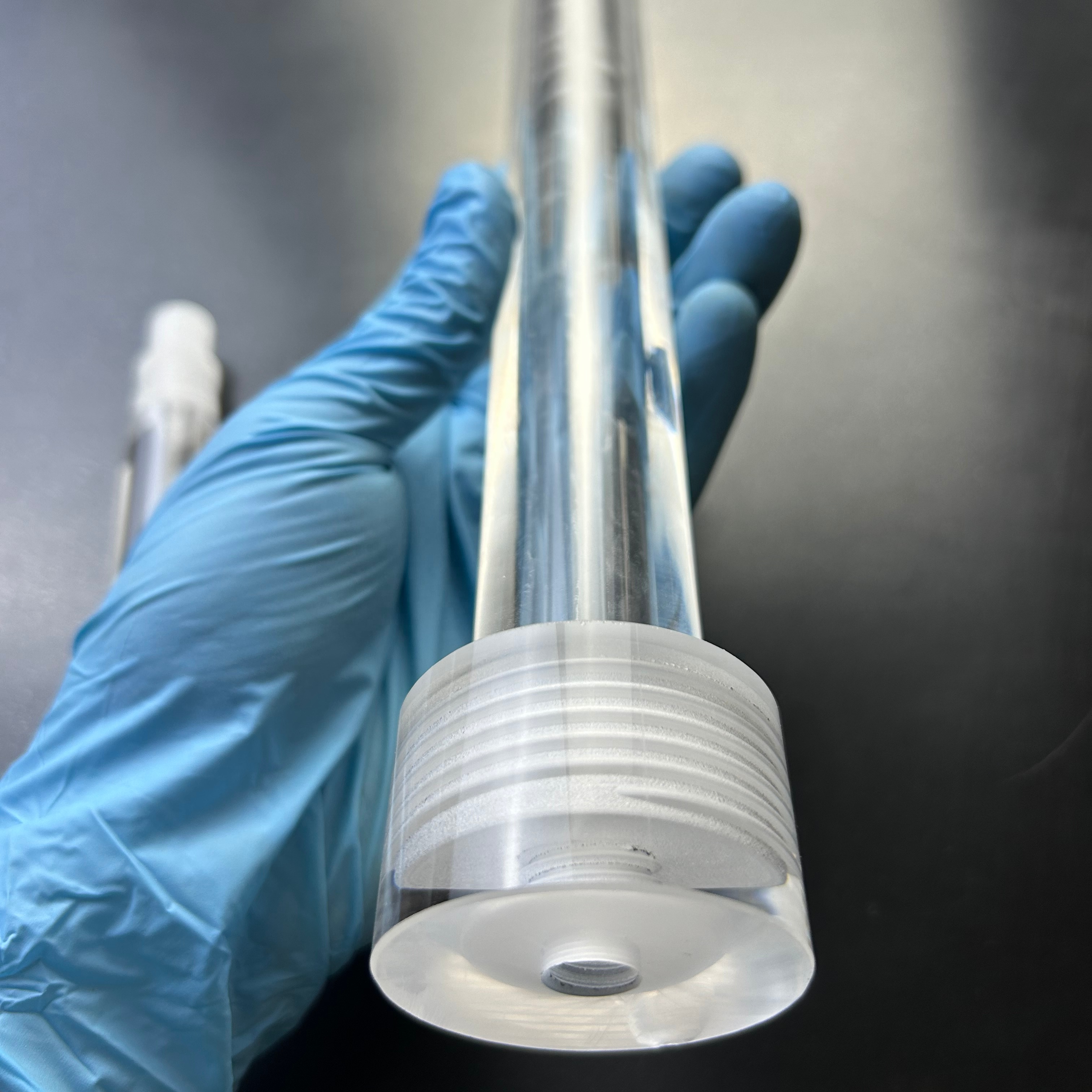
We process CAD/SolidWorks files or technical sketches into finished products. In-house capabilities include laser slot cutting, CNC hole drilling, threading, fire polishing, and multi-axis lathe welding.
Quality Testing & Tolerances
Components undergo polariscopic thermal stress testing, optical interferometry, and coordinate measurement machine (CMM) verification to maintain dimensional tolerances within ±0.05 mm.
Multi-Layer Export Packaging
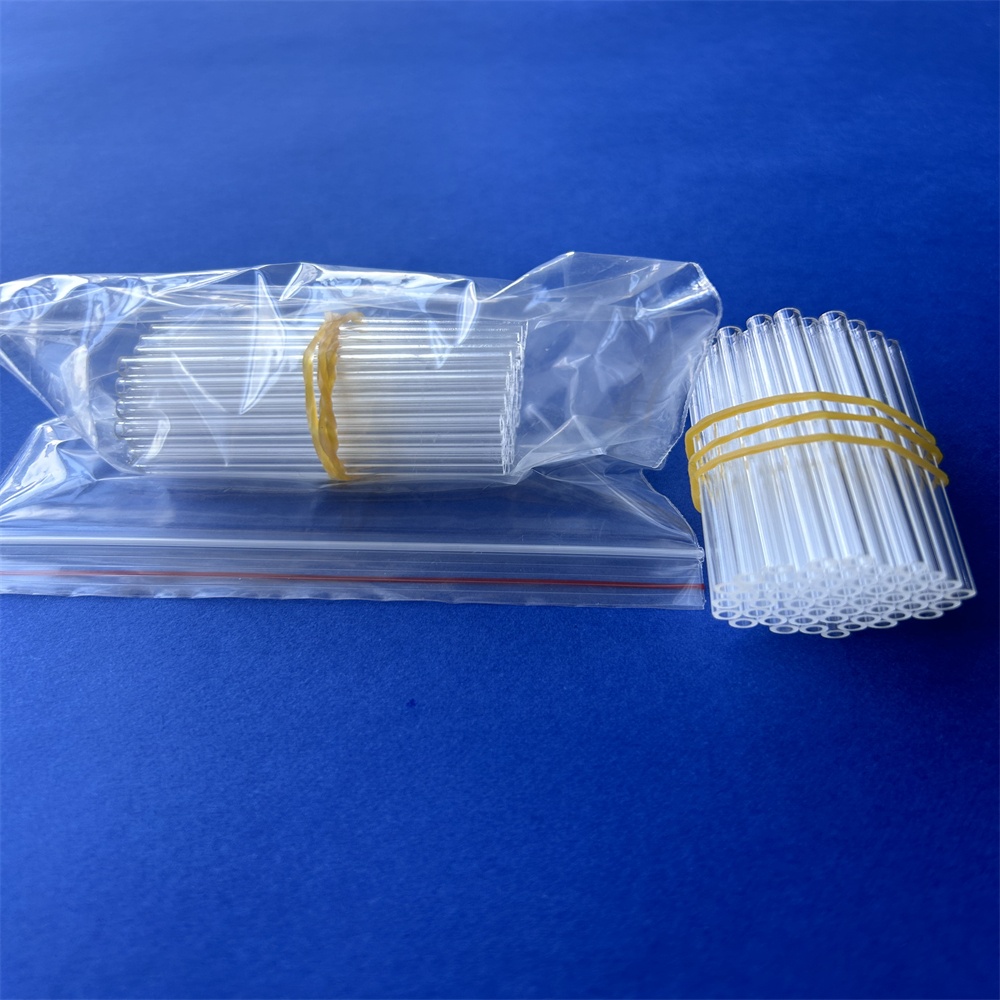
Each component is packed with custom shock-absorbing closed-cell EPE foam, moisture-barrier wrapping, and export-grade plywood crates, ensuring safe multimodal transit by sea or air into Montenegro.
Frequently Asked Questions for Nikšić Buyers
Key information regarding international logistics, customs clearance, drawing specs, and operational parameters for purchasing fused quartz in Montenegro.
What are the standard delivery channels and lead times for Nikšić, Montenegro?
How do Montenegrin customs and documentation requirements apply to quartz imports?
Can you produce non-standard sight glasses or specialized tube profiles from sketches?
How do you protect fragile thin-walled tubes during international shipping?
How does fused silica compare with borosilicate glass in Nikšić metallurgical applications?
Need Custom Quartz Glass Components in Nikšić?
Send your drawings, required dimensions, or operating requirements. Our technical engineering team will review your specifications and provide a competitive, direct factory quotation within 2 hours.