High-Purity Fused Quartz & Silica Solutions Serving Linz Industry
Manufactured under strict ISO quality controls from Donghai raw silica resources. Fully customizable via laser drilling, edge chamfering, flame welding, and double-side optical chemical-mechanical polishing (CMP).
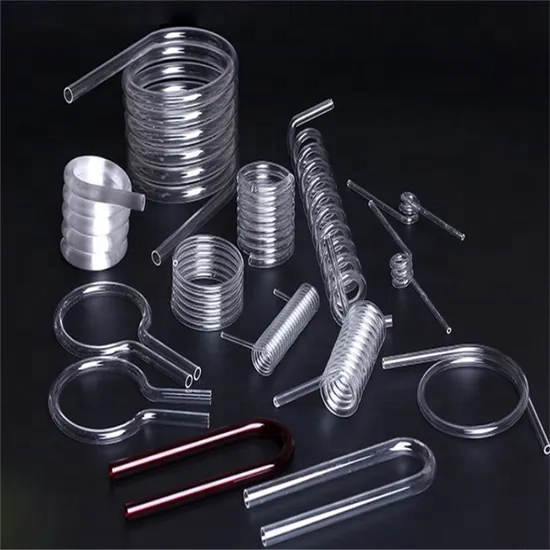
U-Bent Quartz Glass Spiral Tube with Moulding & Welding
Precision-bent spiral and U-tube geometries engineered for closed-loop thermal condensation, gas exhaust cooling, and high-temperature heat exchangers in Upper Austrian pilot plants.
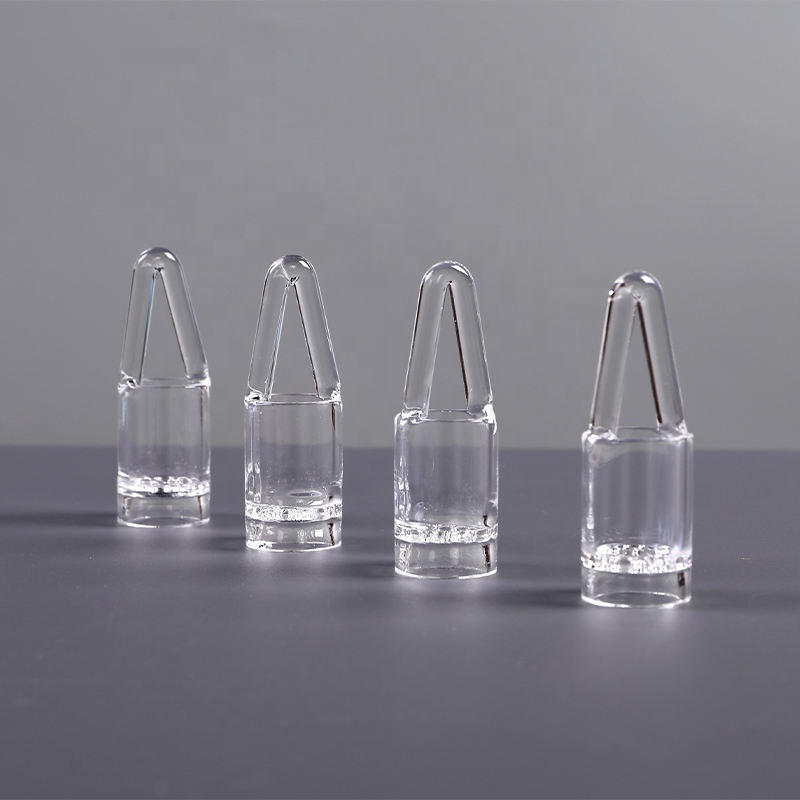
High Pressure 99.99% Pure Quartz Tube Ozone-Free
Heavy-wall fused quartz cylinder resistant to internal hydrostatic and thermal shock pressures. Optimal for optical pyrometry inspection and photochemical ozone-free reactors.
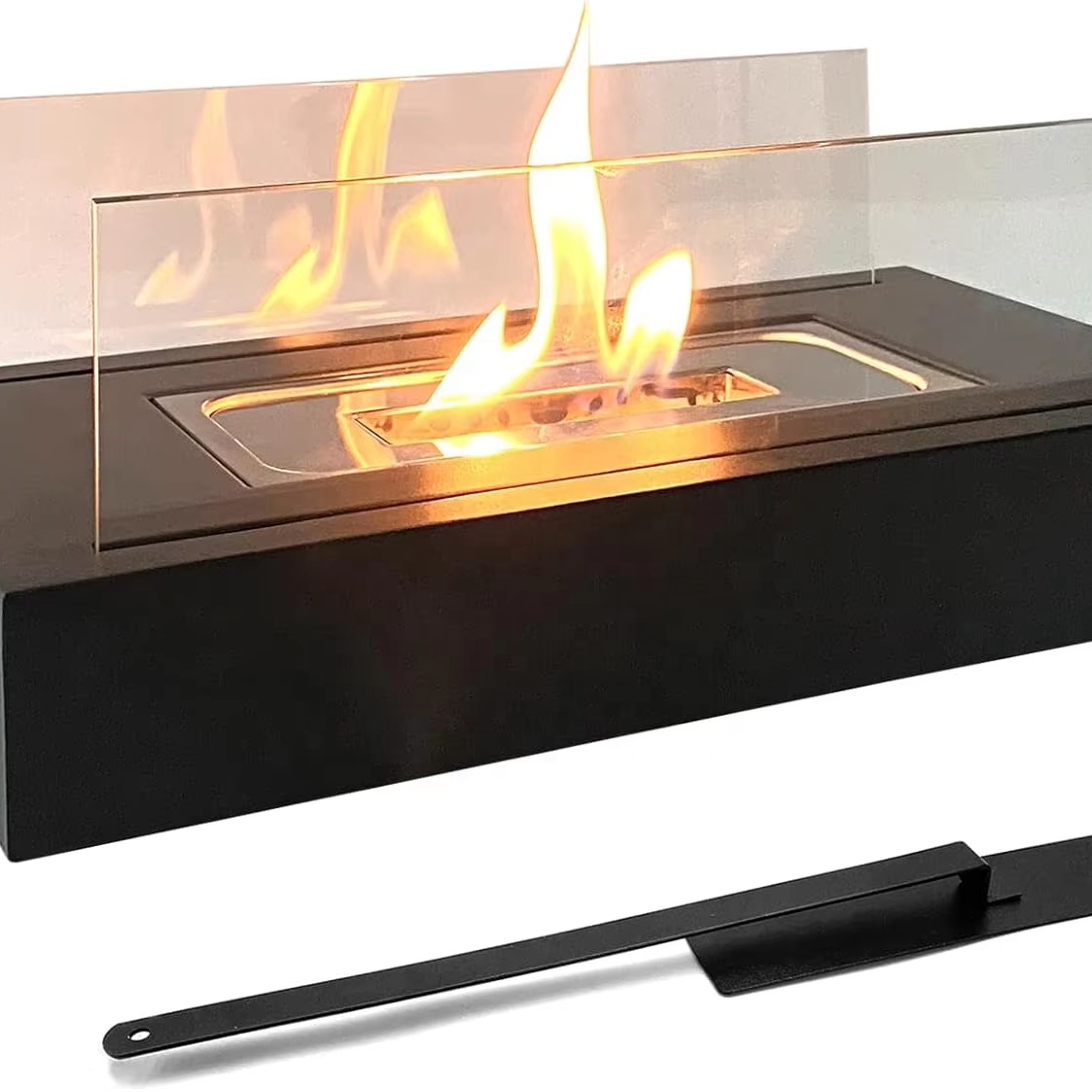
High Precision Optical Grade Fused Quartz Window
Ultra-flat quartz sight glass plates delivering pristine optical clarity and thermal shock resilience up to 1300°C for industrial combustion cameras and optical observation ports.
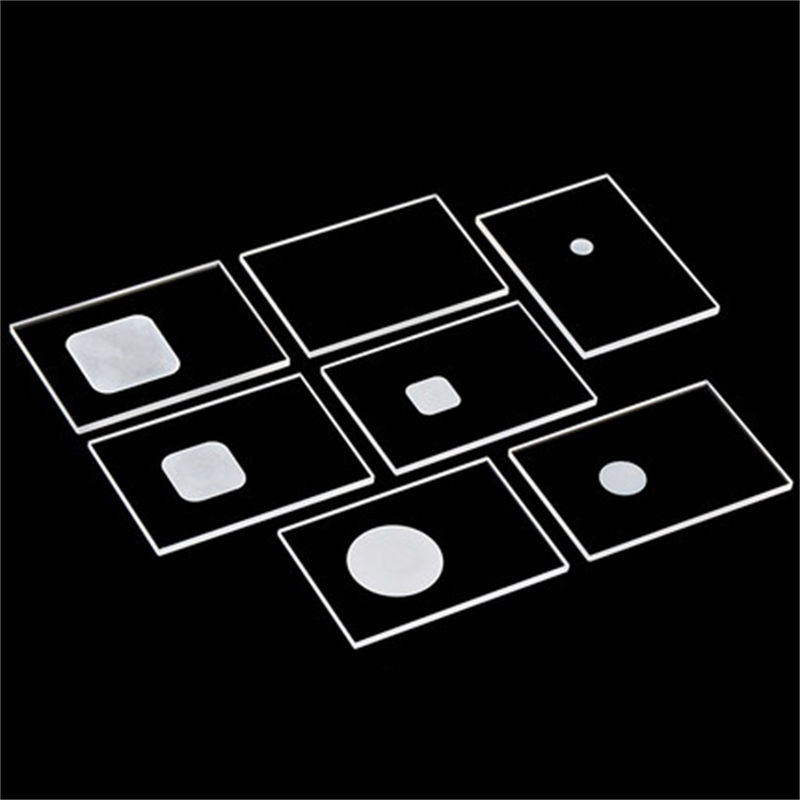
Fused Quartz Substrate Sheet for XRD Testing & Carriers
Precision micro-grooved and laser-slotted fused quartz substrate plates serving X-ray diffraction (XRD) sample tanks, thin-film wafer carriers, and laboratory analytical chips.
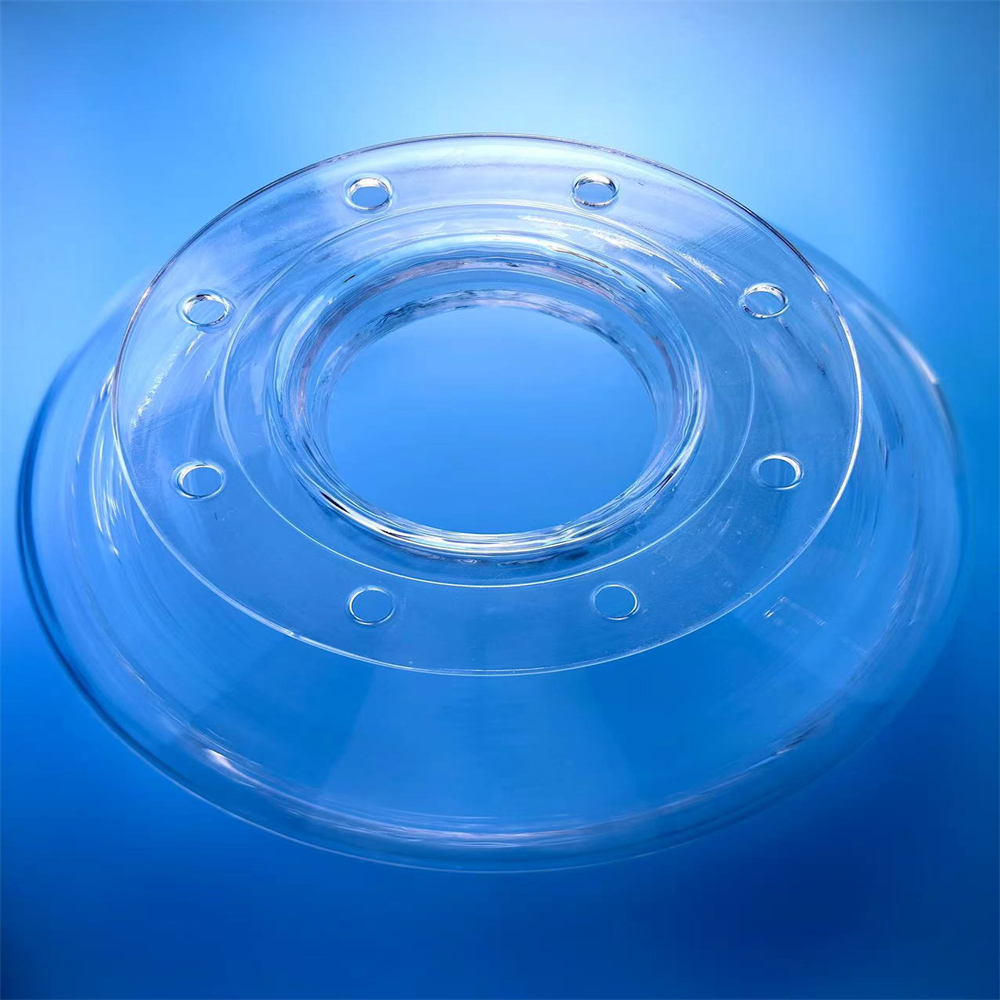
Twin Tube High Purity Flanged Quartz Process Tube
Twin-bore and ground-flange quartz assemblies engineered for high-vacuum CVD furnace tubes, semiconductor wafer diffusion systems, and gas sampling interfaces in Linz.
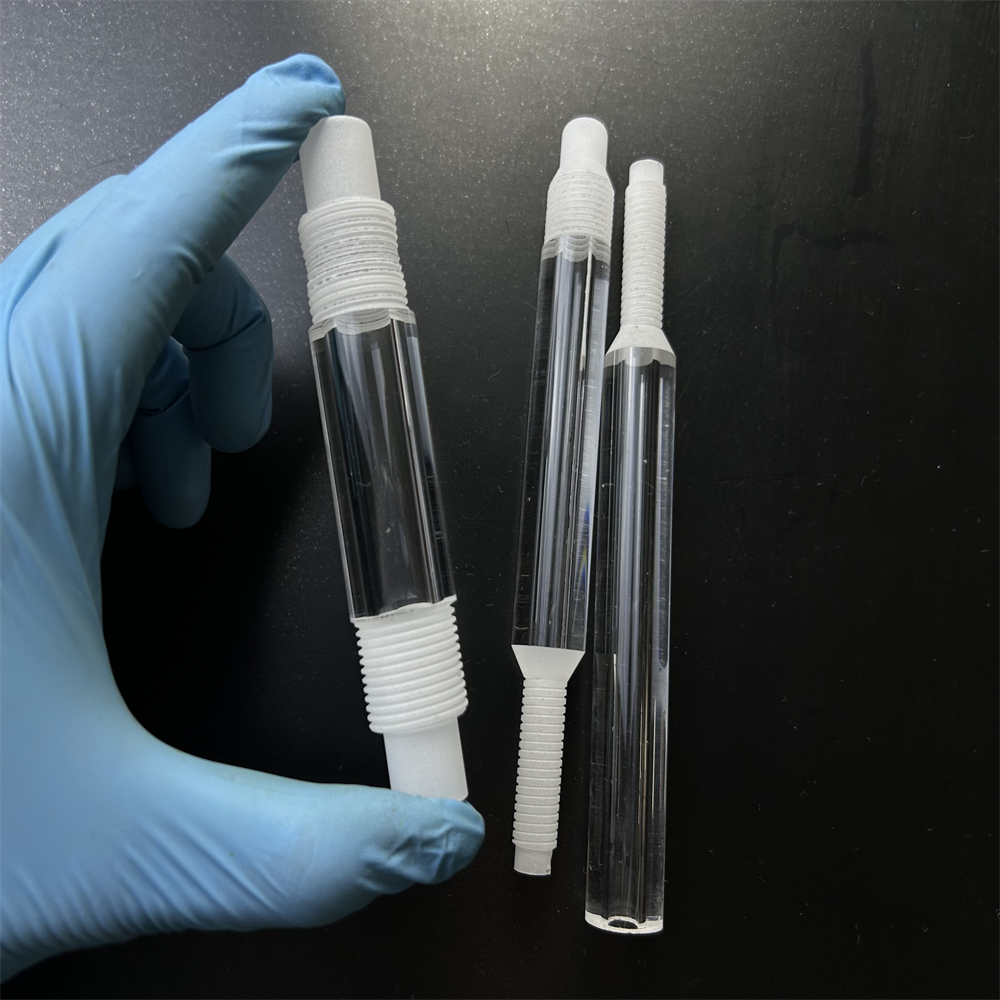
Threaded Deep UV Transparent Quartz Reactor Tube
Featuring precision ground threads and high DUV transmittance, these tubes integrate flawlessly into spectroscopic liquid analysis cells, flow sensors, and aggressive acid lines.
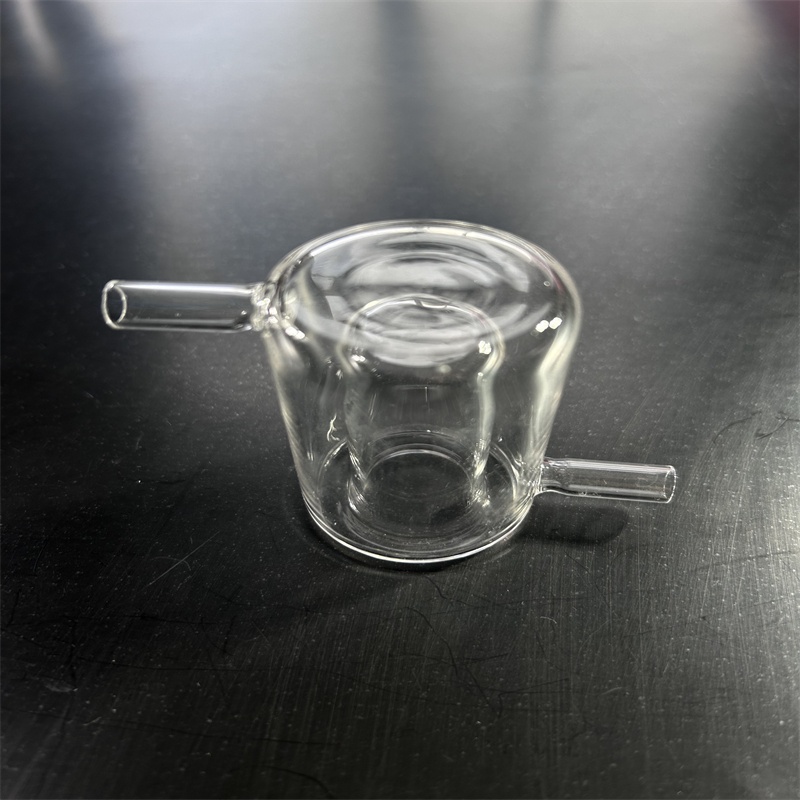
Dual-Chamber Quartz Reactor with Custom Welding
Bespoke laboratory reactor bodies and dual heating jackets, blown from 99.99% pure silica to withstand aqua regia, concentrated sulfuric acid, and high-temp catalytic cracking.
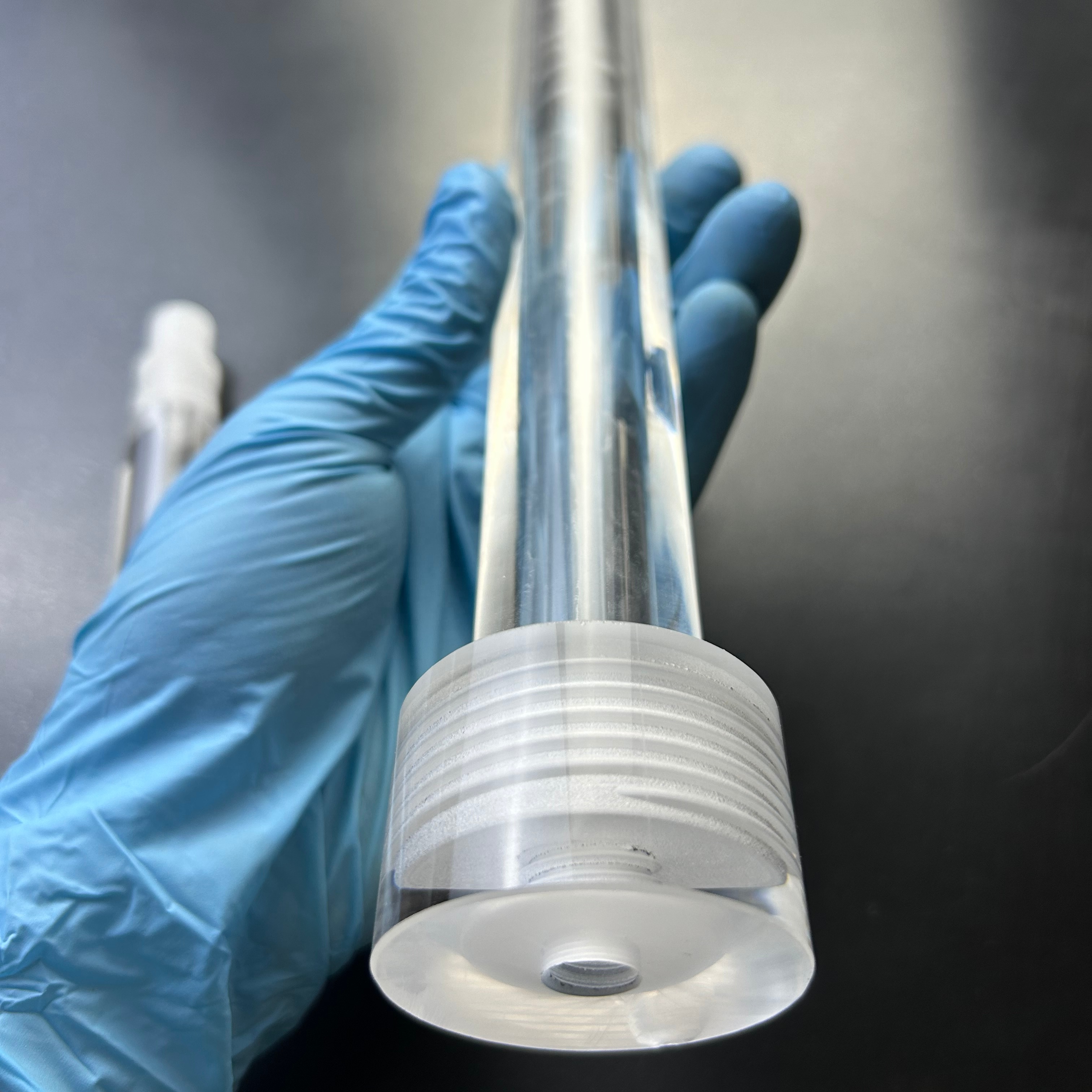
High-Pressure Polished Quartz Twin Process Tube
Optical-grade polished twin tubes for infrared emitters, thermowells, and high-intensity ultraviolet disinfection systems in Linz municipal and industrial water processing.
Fused Silica Substrate Applications Across Linz’s Heavy Industry & High-Tech Ecosystem
Linz, as the industrial backbone of Upper Austria (Oberösterreich), balances high-tonnage metallurgy and specialty chemical synthesis with cutting-edge academic mechatronics. Zelvo Quartz supplies optical, thermal, and electronic-grade quartz substrates engineered specifically to meet these demanding environments.
Advanced Metallurgy & Steelmaking (voestalpine Cluster)
The Linz steel basin requires sight glasses, pyrometry viewport windows, and gas immersion sampling tubes capable of withstanding radiant bath temperatures exceeding 1400°C. Our synthetic fused silica substrates provide thermal expansion coefficients of 5.5 × 10⁻⁷ /K, eliminating thermal shock failures during molten steel optical emission spectroscopy (OES) and blast furnace off-gas laser diagnostics.
JKU Linz & LIT Cleanroom Nanotechnology
At Johannes Kepler University Linz (JKU) and the Linz Institute of Technology (LIT), cleanroom fabrication teams require polished fused silica wafers with total thickness variation (TTV) < 2 µm and surface roughness Ra < 0.5 nm. Used as non-conductive transparent carrier substrates for extreme UV photolithography, organic electronics, dielectric elastomer actuators, and quantum photonic waveguide prototyping.
Chemiepark Linz (Borealis & Specialty Synthetics)
Chemiepark Linz houses multinational producers of specialty polymers, melamines, and fine chemicals. Fused silica micro-reactor plates, spectrophotometer cuvettes, and twin-tube reactors provide impervious resistance to concentrated nitric acid, halogens, and aggressive organic solvents, ensuring zero trace metallic leaching during catalytic polymerization trials.
Emerging Technological Trends Shaping Silica Substrate Demand in Linz
Upper Austria’s Climate & Energy Strategy 2030 and high-tech manufacturing initiatives are driving unprecedented technical demands on quartz materials. Here is how our production capabilities align with the region's green and digital transformation.
Hydrogen Transformation (H2FUTURE & HyFOR)
Linz leads Europe in green hydrogen pilot plants for direct iron reduction. At elevated temperatures, hydrogen atmospheres cause reduction embrittlement in inferior glasses. Our hydroxyl-controlled synthetic fused silica retains absolute structural integrity and mechanical hermeticity under pure hydrogen flushing up to 1050°C, providing safe optical access ports for furnace hydrogen flame monitoring.
Regional EU Chips Act Alignment
With Central Europe expanding semiconductor and sensor fabrication hubs, research groups in Linz are reshoring pilot wafer lines. This transition demands high-volume, defect-free synthetic fused silica wafers (Inclusion Class 0 according to DIN 58927) free from alkaline drift (Na, K, Li < 0.1 ppm) to prevent transistor gate dielectric poisoning during thin-film high-temperature annealing.
Laser Processing & Optical Metrology
Linz's automated manufacturing sector is heavily invested in multi-kilowatt fiber laser welding and automated optical inspection (AOI). Our substrates serve as high laser-induced damage threshold (LIDT > 10 J/cm² at 1064 nm, 20 ns pulse) protective windows, beam splitters, and collimator debris shields, minimizing down-time on robotic welding cells throughout the Traun-Donau industrial corridor.
Comparative Physics: Synthetic Fused Silica (SiO₂) vs. Natural Quartz
A rigorous engineering reference detailing physical, optical, and thermal coefficients to assist procurement managers and cleanroom principal investigators across Linz in selecting the correct substrate grade.
| Material Parameter / Property | UV Synthetic Fused Silica (JGS1 / Suprasil Equivalent) | Optical Fused Quartz (JGS2) | Commercial Quartz Tube / Sheet (JGS3) |
|---|---|---|---|
| SiO₂ Chemical Purity | ≥ 99.9999% (< 1 ppm total metal impurities) | ≥ 99.99% (< 20 ppm total metal impurities) | ≥ 99.95% (Standard Industrial Grade) |
| Hydroxyl (OH⁻) Content | High OH (800 – 1200 ppm) or Ultra-Dry (< 1 ppm) | Moderate OH (150 – 250 ppm) | Low OH (< 30 ppm) |
| Useful Spectral Transmission Band | 185 nm – 2500 nm (Deep UV to NIR) | 220 nm – 2500 nm (Near UV to NIR) | 260 nm – 3500 nm (Visible to Mid-IR) |
| Coefficient of Thermal Expansion (CTE) | 5.5 × 10⁻⁷ / K (20°C to 320°C) | 5.5 × 10⁻⁷ / K (20°C to 320°C) | 5.5 × 10⁻⁷ / K (20°C to 320°C) |
| Maximum Working Temperature | 1100°C continuous / 1300°C short term | 1100°C continuous / 1250°C short term | 1050°C continuous / 1200°C short term |
| Surface Quality / Polish Ra | Ra < 0.5 nm (Super-Polished CMP) | Ra < 1.0 nm (Standard Optical Polish) | Ra < 2.5 µm (Ground or Flame Cut) |
| Birefringence / Internal Stress | ≤ 5 nm / cm (Optical Strain-Free Class 1) | ≤ 15 nm / cm | ≤ 30 nm / cm |
| Trace Impurity Element | Al (Aluminum) | Fe (Iron) | Ca (Calcium) | Mg (Magnesium) | Ti (Titanium) | Na (Sodium) | Li (Lithium) |
|---|---|---|---|---|---|---|---|
| Synthetic Substrate (ppm) | < 0.05 | < 0.02 | < 0.05 | < 0.01 | < 0.01 | < 0.05 | < 0.01 |
| Thermal Fused Quartz (ppm) | 14.0 | 0.20 | 0.40 | 0.10 | 1.10 | 0.70 | 0.60 |
Why Austrian Engineers & Sourcing Teams Partner with Zelvo Quartz
Combining the world-class quartz geology of Donghai County—China's crystal capital—with high-precision CNC multi-axis laser machining, rigorous cleanroom packaging, and rapid logistics to Upper Austria.
Bespoke CAD/Drawing Fabrication
From complex slotted XRD sample holders and laser-perforated microfluidic discs to twin-bore CVD furnace tubes with CF vacuum flanges. We fabricate directly from 2D (.dwg/.dxf) or 3D (.step) files with tolerances down to ±0.02 mm.
Verified 99.99% SiO₂ Purity
Every melt batch undergoes strict spectral emission and ICP-MS testing to confirm alkali content < 1 ppm and zero air bubbles (Class 0 according to DIN ISO 10110). Certificates of Conformance (CoC) accompany every shipment to Linz.
≤ 2-Hour Engineering Quotes
Our sales engineering team provides instant manufacturability feedback, optical transmission assessments, and binding FOB/CIF/DDP pricing within 2 hours during European-Asian overlapping business hours.
1-Piece MOQ & Safe Crating
We eliminate pilot-stage risk by supporting single-piece orders for university experiments and prototype rigs. Finished optical elements are vacuum-sealed in cleanroom packs and shipped inside shock-damped reinforced wooden crates.
Frequently Asked Questions by Industrial Purchasers in Linz & Upper Austria
Direct answers addressing technical tolerances, shipping protocols to Linz Airport / central rail terminals, import compliance, and operational capabilities under extreme operating parameters.
For customized plates, laser-cut slotted wafers, and standard machined tubes, our prototype production window is typically 5 to 8 working days. Express door-to-door air freight to Linz (via Blue Danube Airport LNZ or Vienna VIE with direct ground transit to Linz) takes 3 to 5 business days using DHL Express, FedEx, or air freight forwarders. DDP terms are available to handle all Austrian customs clearance and EU import VAT directly.
Yes. We specialize in precision CNC ultrasonic machining, CO₂ laser cutting, and diamond-edge grinding. We routinely produce slotted XRD carriers with trench widths down to 0.3 mm (±0.02 mm tolerance), micro-perforated hole arrays down to Ø 0.2 mm, and 45° safety chamfers or optical bevels specified in compliance with DIN ISO 10110 drawings.
Synthetic fused silica displays nearly total chemical inertness against all acids—including hot concentrated sulfuric (H₂SO₄), nitric (HNO₃), and hydrochloric (HCl) acid—up to high temperatures. The only chemical exceptions are hydrofluoric acid (HF), which actively dissolves SiO₂, and hot concentrated alkaline solutions (such as concentrated NaOH above 80°C). For all other organic and inorganic chemical catalysts, fused silica provides zero leachables and zero contamination.
Because of the exceptionally low thermal expansion coefficient of fused quartz (5.5 × 10⁻⁷ /K), our components possess extraordinary thermal shock resistance. A thin-walled tube or 3 mm polished substrate heated to 1100°C can be immediately plunged into cold water at 20°C without mechanical rupture. However, for continuous working temperatures above 1150°C, caution is required regarding surface devitrification (crystallization into cristobalite) in the presence of surface alkali dust.
We offer multiple surface grades: Commercial Polish (Ra < 1.5 nm), Optical Precision Polish (Ra < 0.8 nm, Scratch-Dig 40/20 according to MIL-PRF-13830B), and Super-Polished Semiconductor Grade (Ra < 0.3 nm, Scratch-Dig 10/5). Optical flatness can be verified via Zygo laser interferometry to λ/4 or λ/10 per inch at 632.8 nm.
We employ an export packaging protocol developed through thousands of overseas shipments. Components are individually vacuum-sealed in anti-static PE film within a cleanroom environment, placed into custom cut-out high-density EVA shock-absorbing foam nests, double-boxed in reinforced cartons, and strapped into export-certified ISPM-15 fumigated plywood crates equipped with tip-and-tell shock indicator sensors.
Request Full Technical Specifications & Quotation for Linz Delivery
Whether you require standard JGS1 optical substrates, high-pressure furnace tubes, custom slotted XRD chips, or complex flame-welded reactors, our engineering office will evaluate your requirements and provide technical guidance within 2 hours.