Precision Fused Quartz Components for Immediate Deployment
Engineered from raw 99.99% high-purity silicon dioxide (SiO₂). Fully customizable via CNC laser profiling, precision optical double-sided lapping, flame polishing, and cleanroom vacuum testing.
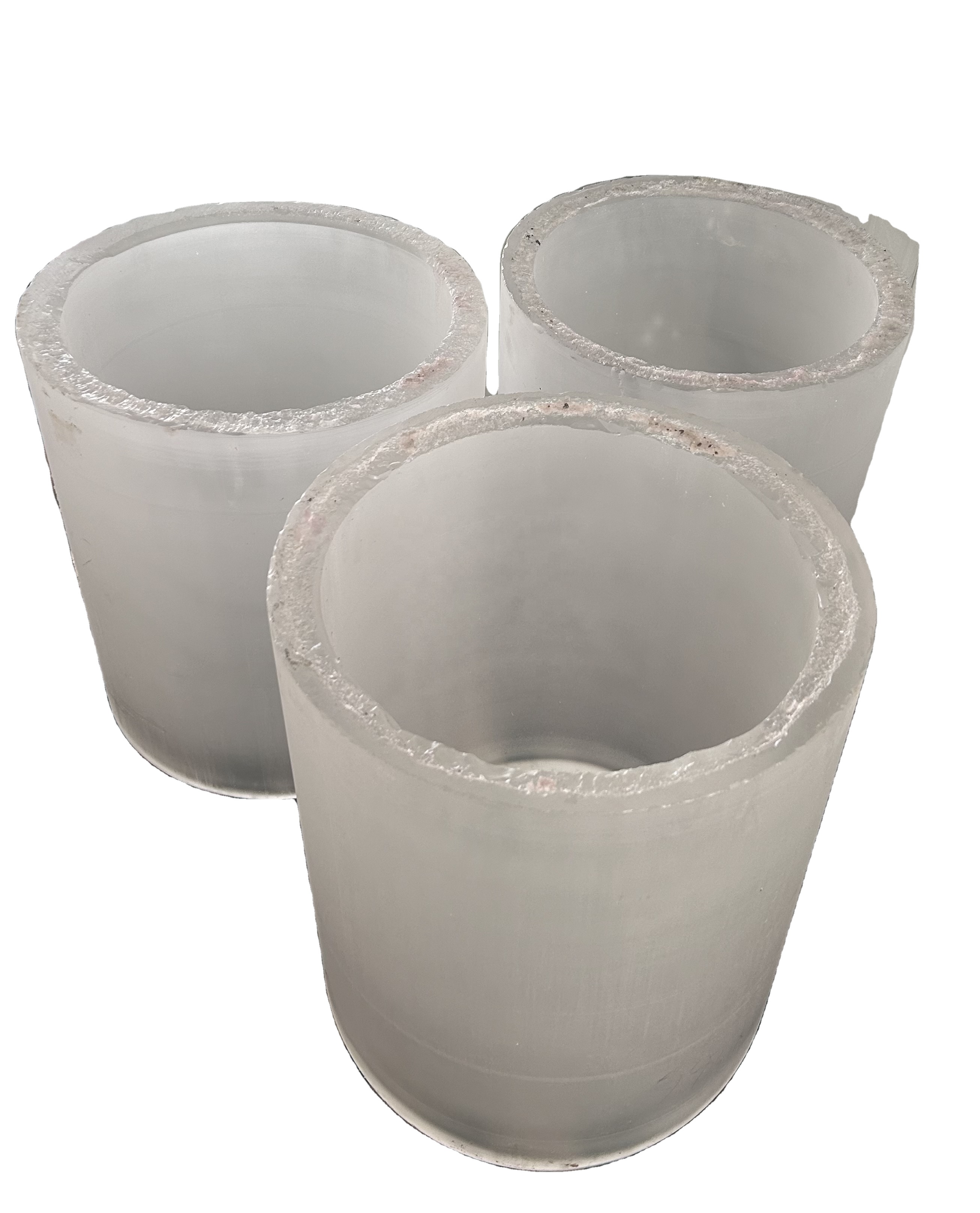
Open Ended Fused Quartz Frosted Glass Cylinder Ingot with Moulding Welding Cutting Services
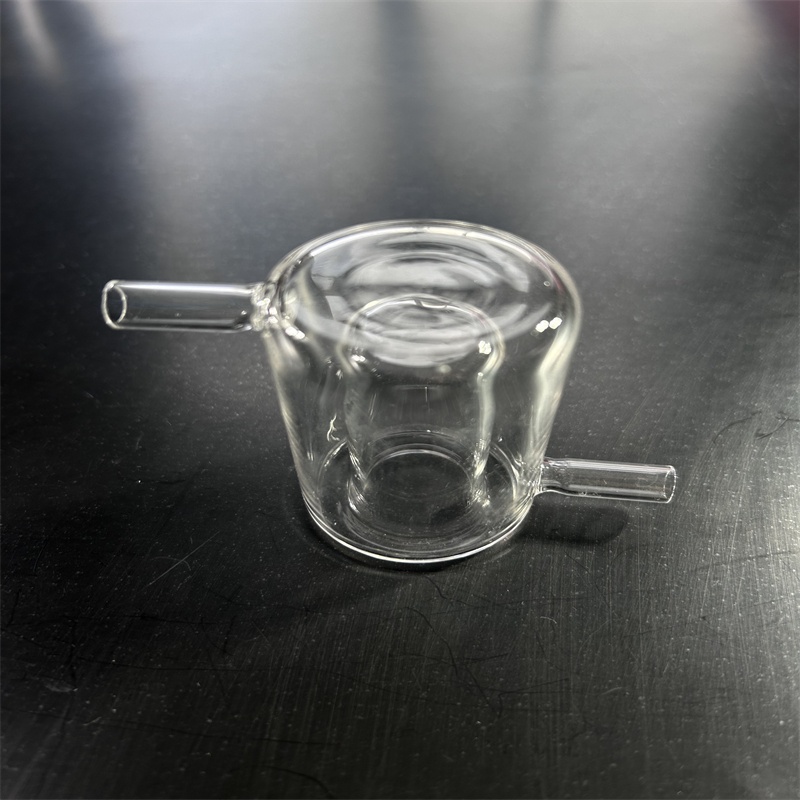
Custom 99.99% Pure Ozone Free High Temperature Resistant Quartz Glass Reactor Twin Tube
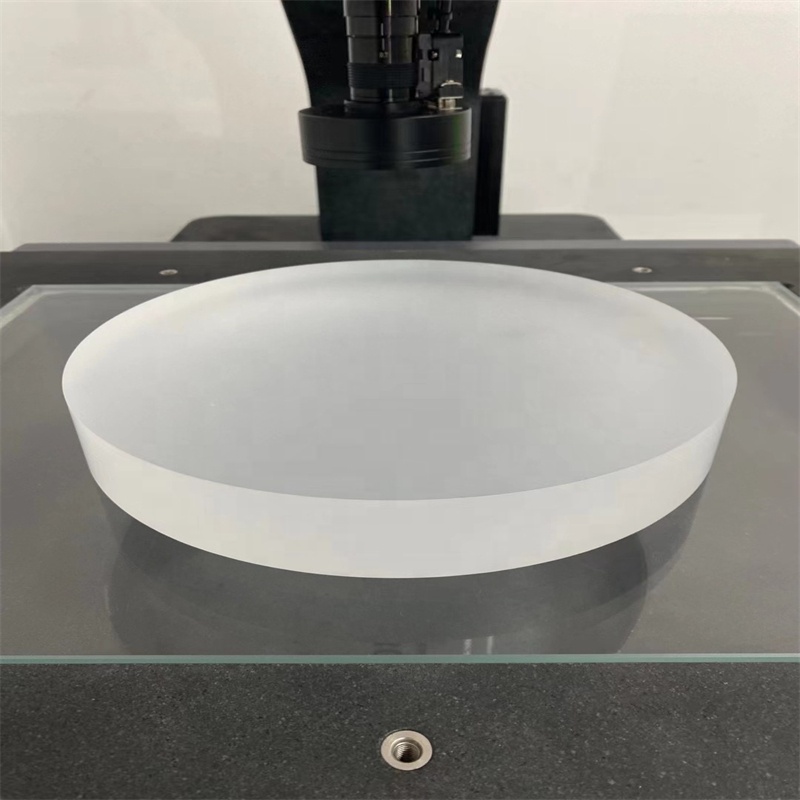
Custom Size Clear Fused Quartz Plate Premium Quality High Temperature Resistance (1100C) Glass Sheet
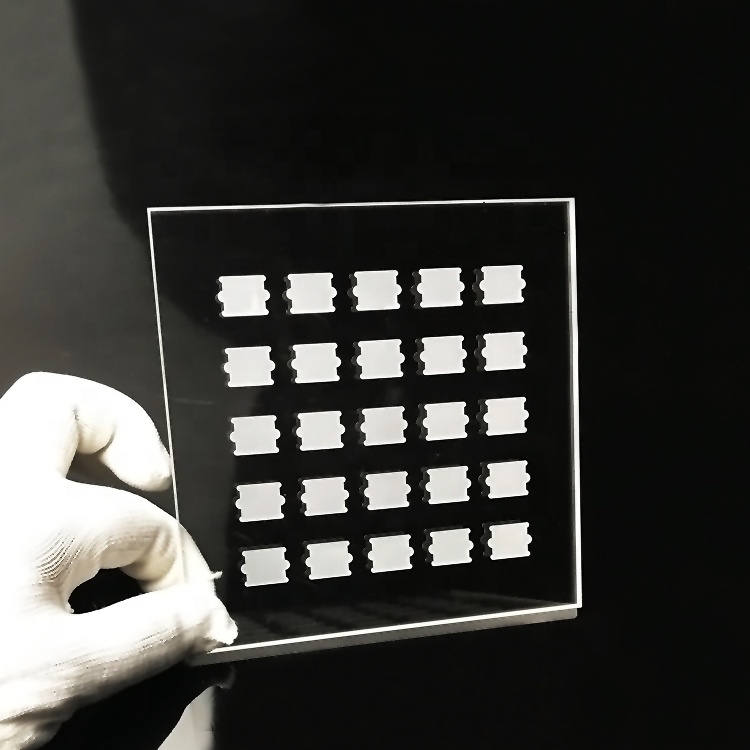
Factory Custom Fused Quartz Glass Circular High Quality XRD Sample Holder Optics Clear
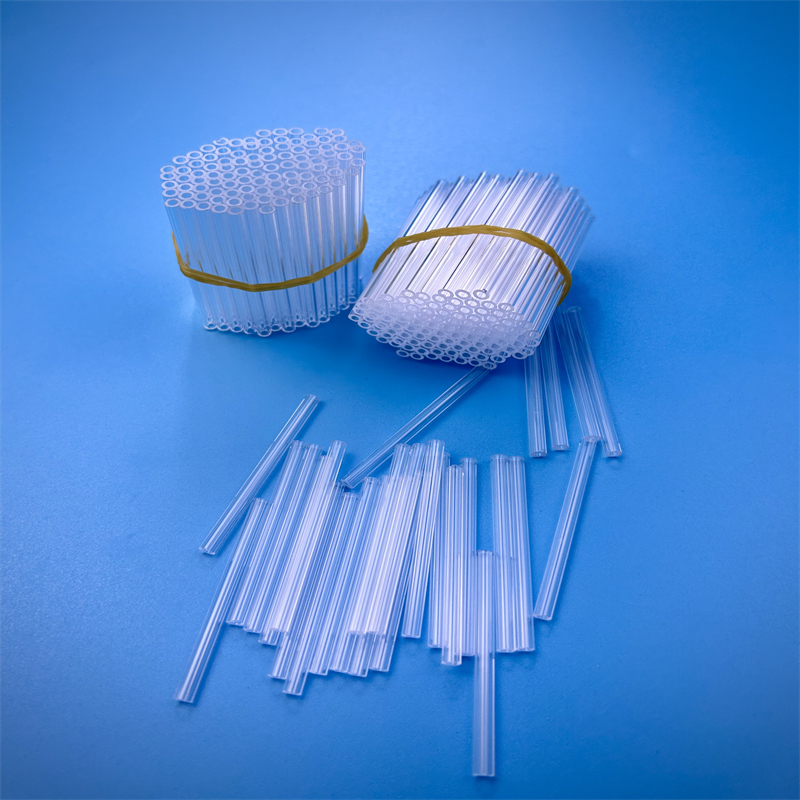
High Quality Transparent U-Bent Quartz Glass Tube Bending/Cutting/Welding Services 99.99% Pure
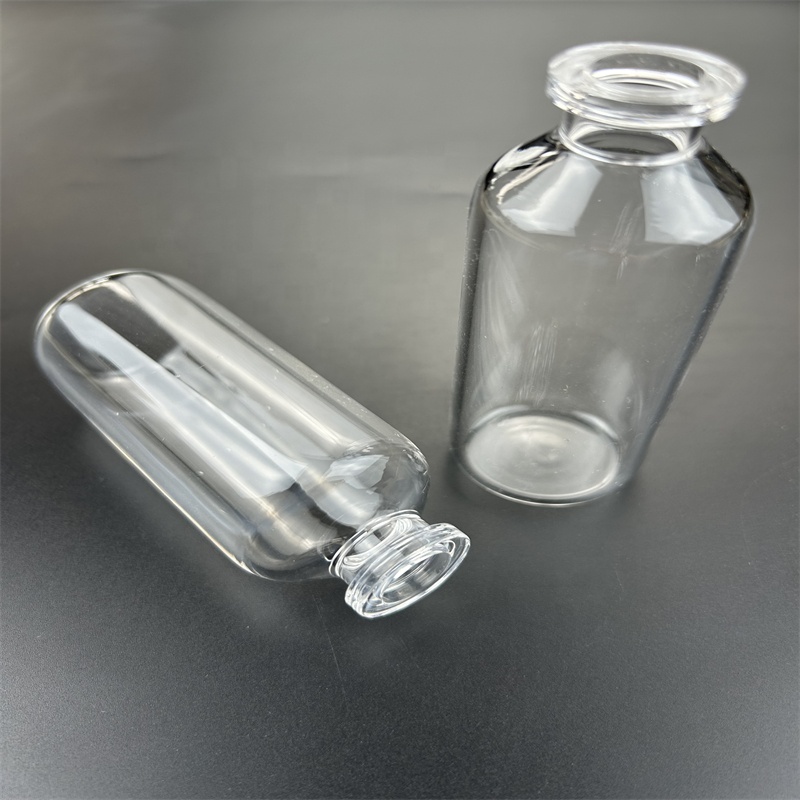
Custom High Pressure Corrosion Resistant Transparent Quartz Glass Ampoules Medical Grade
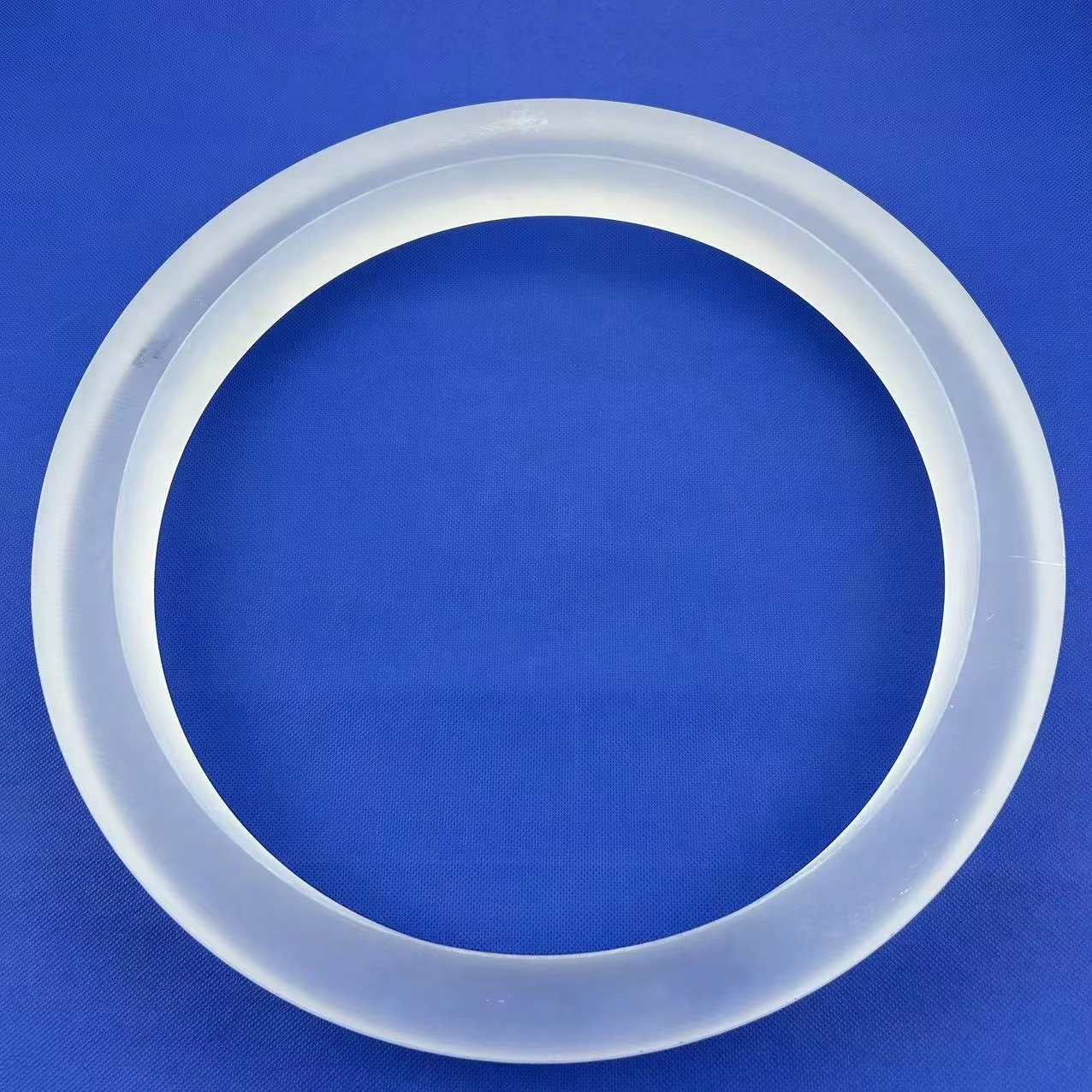
Custom Coated 99.99% Pure Quartz Rings for Semiconductor CVD Optics Applications
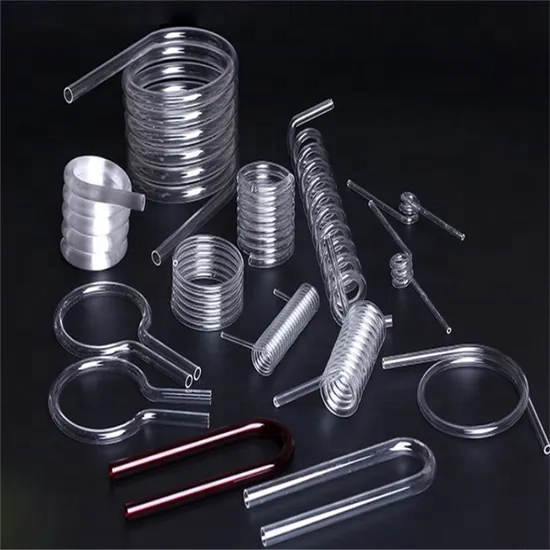
Custom Different Sizes U-Bent Quartz Glass Spiral Tube with Moulding Cutting Bending and Welding
Spectral Transmission Physics, Anti-Solarization, and Environmental Durability in Tropical Coastal Ecosystems
Procuring precision optical UV quartz window plates for industrial and analytical installations in Saint Lucia requires understanding the physical divergence between standard technical glass and high-purity synthetic fused silica. Standard borosilicate (such as Schott Duran or Pyrex) and commercial float glass suffer from severe absorption edges starting abruptly around 310 nm. This cut-off renders them structurally incapable of operating within the germicidal UV-C (253.7 nm), far-UVC (222 nm excimer band), and deep vacuum UV (VUV) bands required by modern marine sterilization and chemical assay instruments.
Our synthetic fused quartz window plates (JGS1 / Corning 7980 equivalent) are synthesized by vapor-phase oxidation of high-purity silicon tetrachloride (SiCl₄). This synthesis eliminates trace metallic contaminants such as iron (Fe), titanium (Ti), and aluminum (Al), which are typical impurity color centers responsible for solarization in natural fused quartz. With total interstitial metallic impurities strictly maintained below 1 ppm, our window plates deliver an unprecedented deep-ultraviolet internal transmittance exceeding 92% at 200 nm, while comfortably maintaining flat optical transmission well into the near-infrared spectrum (2500 nm).
In Saint Lucia's tropical marine environment, optical windows face continuous micro-climatic degradation. The persistent baseline atmospheric humidity (averaging 75% to 88% across Castries, Cul de Sac, and Vieux Fort) coupled with airborne sodium chloride ($NaCl$) and magnesium chloride ($MgCl_2$) aerosols creates a severe alkaline surface electrolyte film. Under direct tropical sun (high solar index UV exposure), standard optical window plates experience rapid chemical micro-pitting, devitrification, and sodium ion leaching, causing gradual haze and destructive diffuse scattering.
Because our fused silica possesses an amorphous network consisting entirely of ultra-strong Si-O covalent tetrahedral bonds, it demonstrates near-total chemical inertness. It exhibits zero vulnerability to neutral salt solutions, concentrated organic acids, and ambient marine weathering. Furthermore, with an exceptionally low thermal expansion coefficient ($\alpha = 5.5 \times 10^{-7}/\text{K}$), these plates endure instantaneous thermal shocks in excess of 1000°C without crack propagation, allowing outdoor optical sensors and high-energy analytical lamps to operate without mechanical failure during tropical cloudbursts.
Key Takeaway for Caribbean Engineers: Natural fused quartz (JGS2) offers a budget-conscious solution for near-UV and furnace viewports (down to 260 nm), but deep UV analytical spectroscopy, water purification monitor windows, and laser diagnostics operating at 193 nm – 254 nm necessitate Synthetic Fused Silica (JGS1) to prevent transmission loss and irreversible UV solarization.
Localized Applications Across Saint Lucia's Key Industrial & Scientific Sectors
From luxury hospitality RO plants in Soufrière to port monitoring sensors in Castries, our UV quartz optical components are engineered to solve specific local technical bottlenecks.
Hospitality Desalination & UVC Water Sterilization
Luxury eco-resorts and private estates in Rodney Bay, Cap Estate, and Soufrière depend on specialized sea-water reverse osmosis (SWRO) combined with inline medium-pressure germicidal UV-C sterilizers. Our custom UV quartz window plates and cylindrical sleeve windows provide transparent, non-degrading physical boundaries for optical photodiode sensors monitoring 254 nm germicidal intensity through pressurized hypersaline brine without calcification pitting.
Marine Environmental & Coral Reef Fluorometry
Academic research groups and Saint Lucia Air and Sea Ports Authority (SLASPA) environmental laboratories operate submersible transmissometers and benthic spectrophotometers to track coral bleaching and sedimentation around the Pitons Marine Management Area (SMMA). Our precision optical flats feature double-sided optical polishing ($Ra < 0.5\text{nm}$) to maintain zero wavefront distortion in delicate chlorophyll-a fluorescence detection instruments.
Agro-Industrial QA & Distilling Spectroscopy
In Saint Lucia’s historic distillation sector (such as the Roseau Valley facilities producing world-class Saint Lucia rums), continuous inline UV-Vis spectrophotometry is utilized to audit ester concentrations, phenolic impurities, and organic congeners. Our chemical-resistant quartz sight windows withstand boiling organic solvents, acidic washbacks, and aggressive steam sterilization (SIP) cycles without surface fogging or cracking.
Fused Silica Material Grades vs Conventional Engineering Glasses
Consult this comprehensive performance breakdown before issuing procurement specifications for Caribbean laboratory and industrial systems.
| Material Designation | Transmission Band (T > 80%) | 254 nm UV Internal Transmittance | Thermal Expansion Coeff. | Max Working Temp (Continuous) | Marine Salt Fog Resistance |
|---|---|---|---|---|---|
| Synthetic Fused Silica (JGS1) | 185 nm – 2500 nm | > 92.5% | $5.5 \times 10^{-7}/\text{K}$ | 1100 °C | Impervious (No etching) |
| Optical Fused Quartz (JGS2) | 220 nm – 2500 nm | 82.0% – 88.0% | $5.5 \times 10^{-7}/\text{K}$ | 1100 °C | Impervious (No etching) |
| Infrared Fused Quartz (JGS3) | 260 nm – 3500 nm | < 70.0% (Strong UV absorption) | $5.5 \times 10^{-7}/\text{K}$ | 1150 °C | Impervious (No etching) |
| Borosilicate Glass 3.3 | 320 nm – 2000 nm | 0% (Opaque at 254 nm) | $33 \times 10^{-7}/\text{K}$ | 450 °C | Moderate (Surface haze after 2 yrs) |
| Soda-Lime Float Glass | 380 nm – 2200 nm | 0% (Completely opaque) | $90 \times 10^{-7}/\text{K}$ | 150 °C | Poor (Leaches alkali ions, fogs) |
Strategic Technology Trends Transforming Saint Lucia’s Optics Procurement
Key drivers shifting procurement strategies across CARICOM regional technical authorities.
Clean Energy Transition & Pyranometry
As Saint Lucia accelerates utility-scale solar PV installations in Vieux Fort and grid-tied microgrids, ground-based pyranometers and UV-radiometers require unclouded, anti-reflective coated optical quartz domes to sustain exact solar irradiance monitoring under high-humidity coastal sunlight.
CARICOM Safe Drinking Water Upgrades
Regional clean water directives are accelerating the replacement of chlorination byproducts with advanced oxidation processes (AOP) and UV-C disinfection in municipal reservoirs. This requires robust synthetic quartz reactor tubes and inspection sight ports resistant to water hammer and high pressure.
Geothermal Fluid Characterization
Renewable geothermal drilling exploratory work near the Qualibou caldera requires custom thick-walled quartz optical view cells capable of withstanding corrosive hydrogen sulfide ($H_2S$), sulfur dioxide ($SO_2$), and aggressive steam at temperatures reaching 300°C to 600°C.
Decentralized Diagnostic Laboratories
The decentralization of healthcare and micro-environmental testing clinics requires durable analytical consumables: zero-background XRD sample plates, UV spectrophotometer micro-flow cells, and ozone-free quartz ampoules capable of surviving rapid thermal cycling.
Lianyungang Zelvo Quartz Products: Donghai’s Direct Engineering Advantage
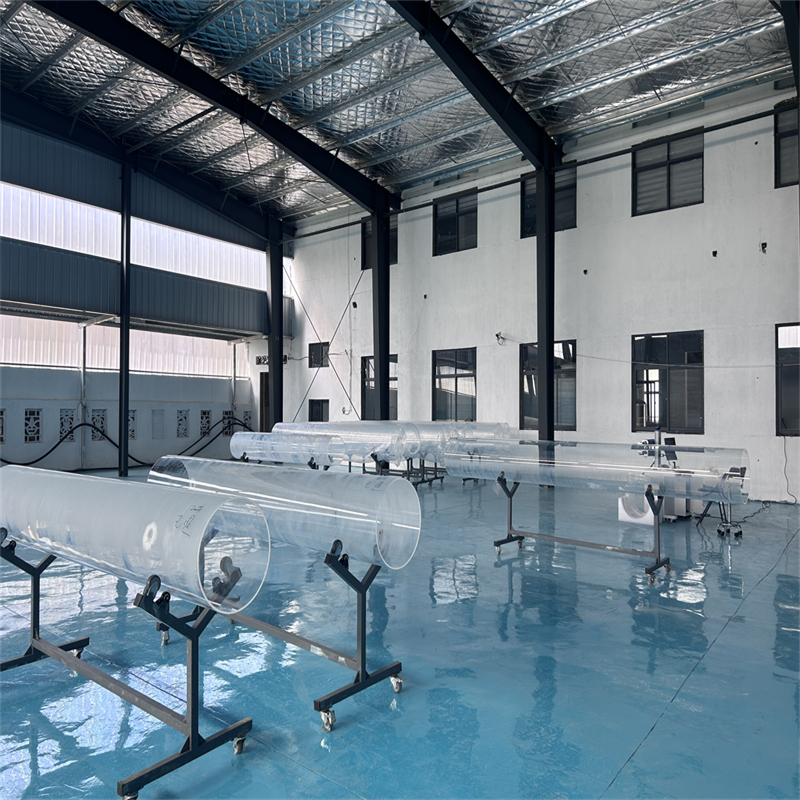
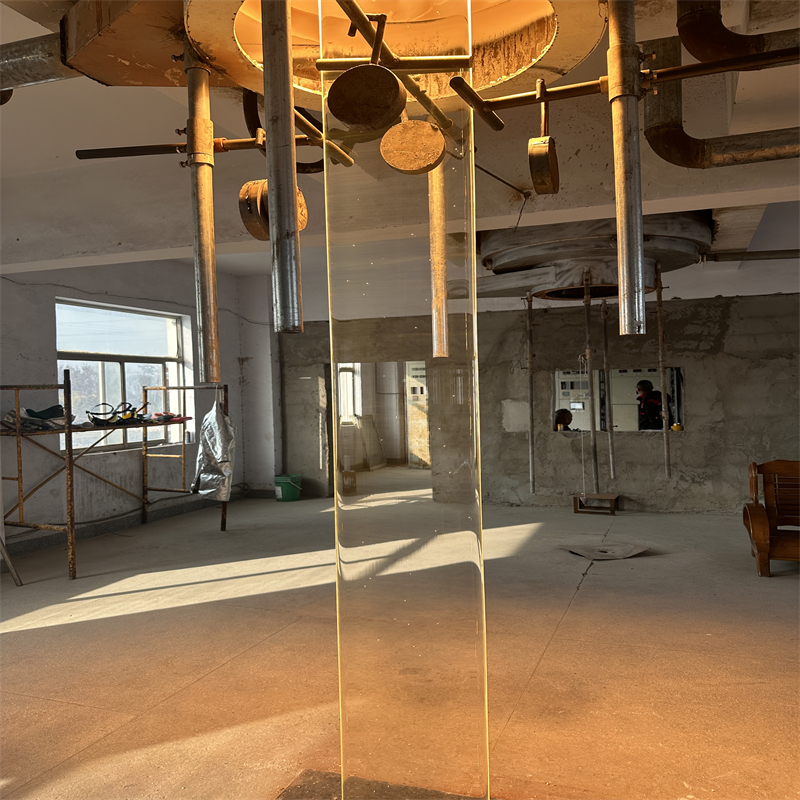
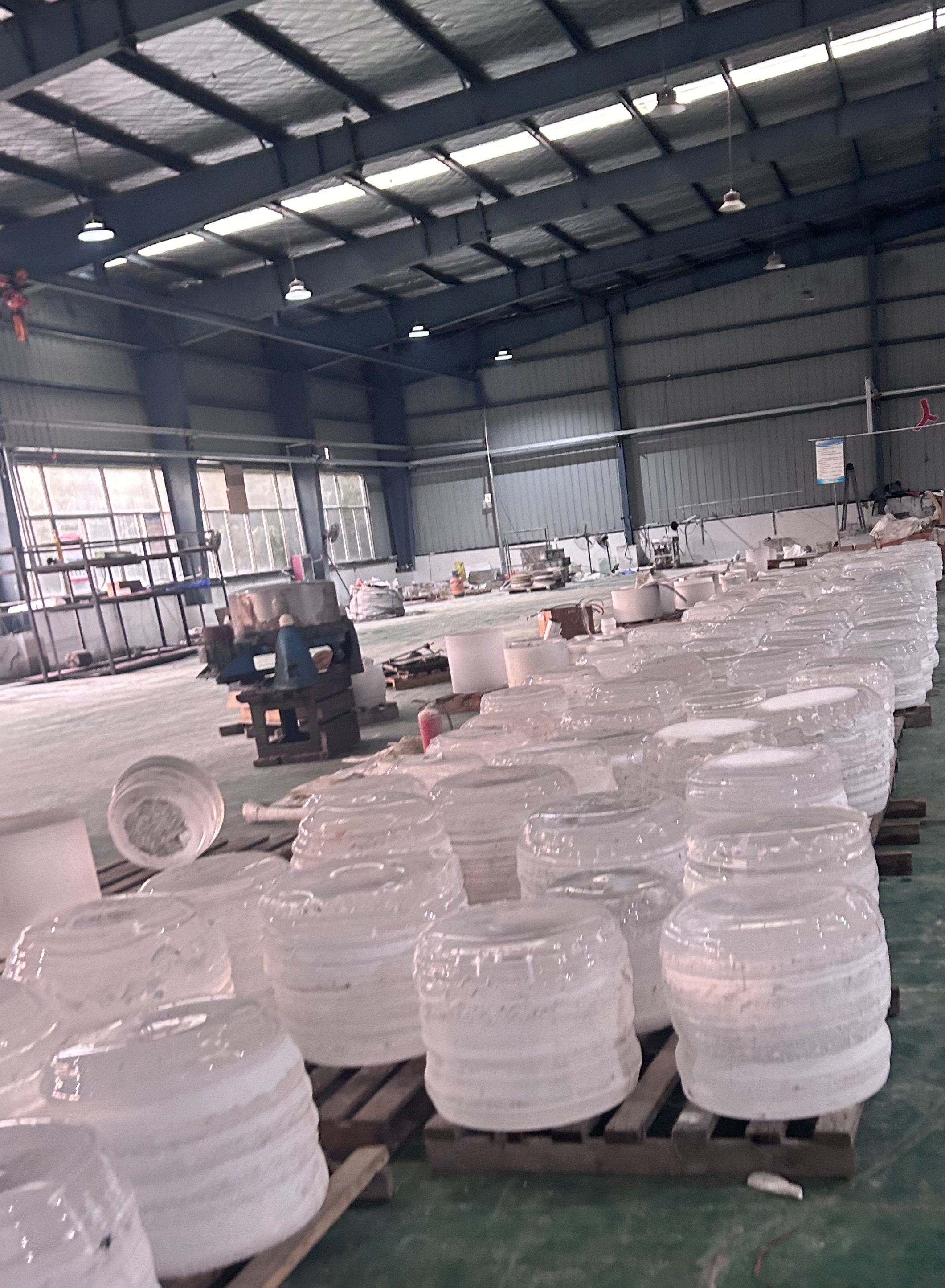
Headquartered directly in Donghai County, Jiangsu Province—globally acknowledged as the "Crystal Capital of China"—Lianyungang Zelvo Quartz Products Co., Ltd. controls the entire fused quartz value chain. From proprietary silica beneficiation to advanced CNC machining, our facility eliminates trading intermediaries, delivering custom optical quartz parts straight to Caribbean industrial consignees.
- Custom Drawing-Based Fabrication: CNC milling, ultrasonic diamond drilling, laser slotting, and flame joining down to ±0.02 mm tolerance.
- Flexible 1-Piece Prototyping MOQ: We support critical replacement orders for malfunctioning island plant infrastructure with single-unit custom runs.
- Engineering-Led Communication: Direct technical review from senior glass-blowing master technicians with replies under 2 hours.
- Hermetic Tropicalized Packaging: Vacuum-sealed in nitrogen-flushed anti-static pouches with military-grade desiccants to prevent shipping condensation.
Frequently Asked Questions for Saint Lucia Optical Buyers
Addressing supply chain logistics, customs duties, tropical storage conditions, and precision tolerances.
What are the standard freight routes and lead times to Saint Lucia?
We routinely deliver via express air cargo (DHL Express, FedEx International Priority) directly into Hewanorra International Airport (UVF) or George F. L. Charles Airport (SLU) within 5 to 8 transit days. For heavy industrial consignments (bulk reactor tubes, heavy furnace sight glasses), ocean freight is routed via Kingston or Port of Spain into Port Castries with transit times averaging 24 to 32 days. Full export documentation (Bill of Lading, Commercial Invoice, Certificate of Origin) is provided for smooth clearance through Saint Lucia Customs and Excise Department.
How do you protect optical window plates from maritime salt air during transit?
To eliminate optical clouding and moisture entrapment across trans-oceanic routes, every plate undergoes multi-stage ultrasonic degreasing followed by baking. Components are vacuum-sealed inside electrostatic-shielded, moisture-barrier multilayer foils loaded with activated molecular sieve desiccants. The outer packaging utilizes rigid foam-lined, reinforced export plywood crates compliant with ISPM-15 phytosanitary wood packaging regulations.
Can you manufacture plates matching existing European or US equipment drawings?
Yes. Our engineering division accepts 2D/3D CAD models (.DXF, .DWG, .STEP, .PDF). We match or exceed tolerances for major international reactor and spectrophotometer brands (Agilent, Shimadzu, PerkinElmer, TrojanUV, Wedeco). We can replicate chamfers, O-ring seal grooving, laser-etched fiducial marks, and stepped circular edge geometries.
What surface polish and optical flatness specifications can you verify?
For research and laser window plates, we offer surface roughness down to $Ra < 0.5\text{ nm}$, surface quality of 20/10 or 40/20 Scratch/Dig under MIL-PRF-13830B, and transmitted wavefront distortion of $\lambda/4$ or $\lambda/10$ @ 632.8 nm measured via Zygo laser interferometry. Inspection certificates can be furnished upon dispatch.
Engineering Custom UV Quartz Windows for Your Operation
Consult with our Donghai factory engineers today. Submit your dimensional schematics, required optical spectral bands, and environmental operating parameters for a formal feasibility review and quote within 2 hours.
Inquire Now