Precision Quartz Components Ready for Regional Supply
Explore standard and bespoke high-purity quartz formats fabricated to custom drawings with 1-piece MOQ, laser cutting, optical polishing, and flame annealing.
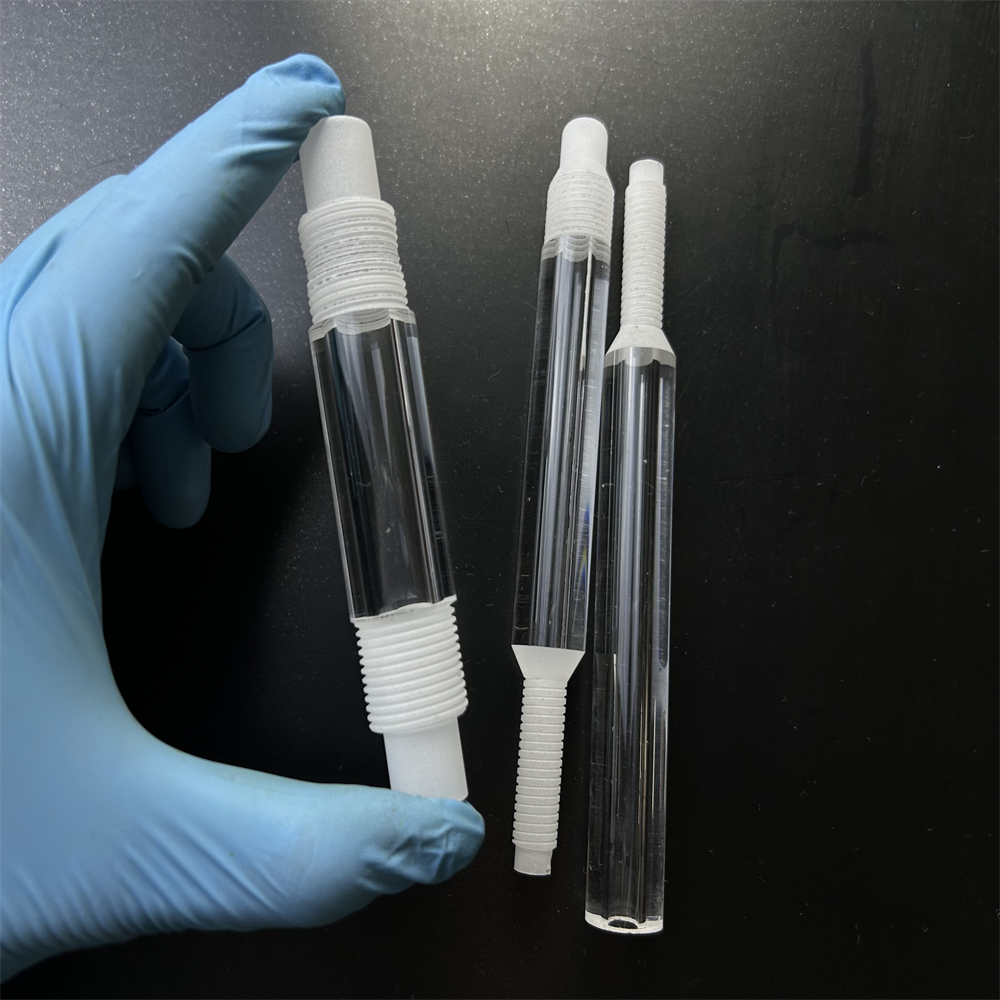
Customized High Purity Threaded Transparent UV Quartz Glass Tube
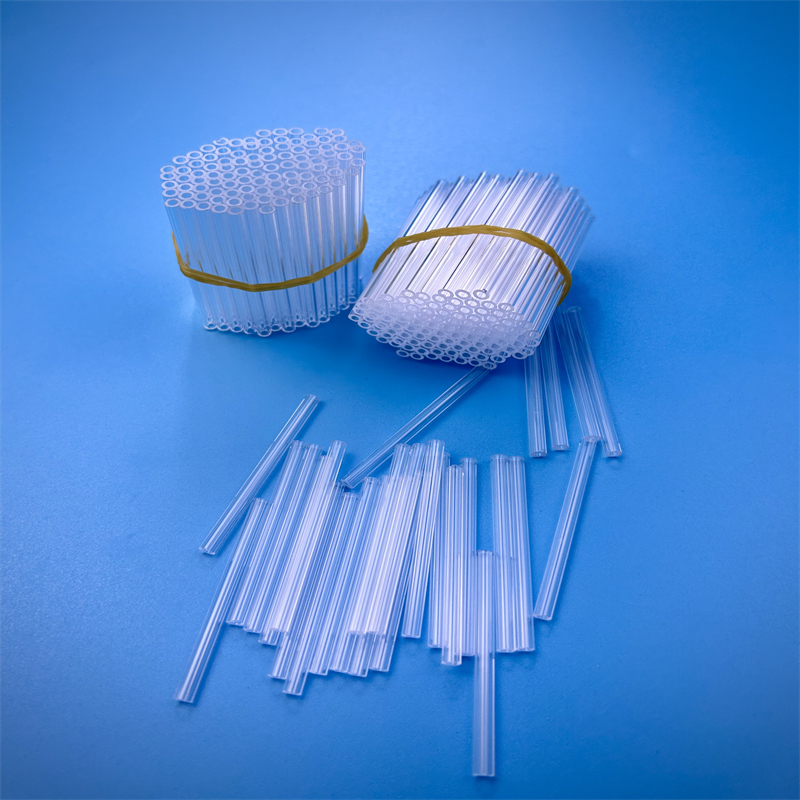
High Quality Transparent U-Bent Quartz Glass Tube Bending Services
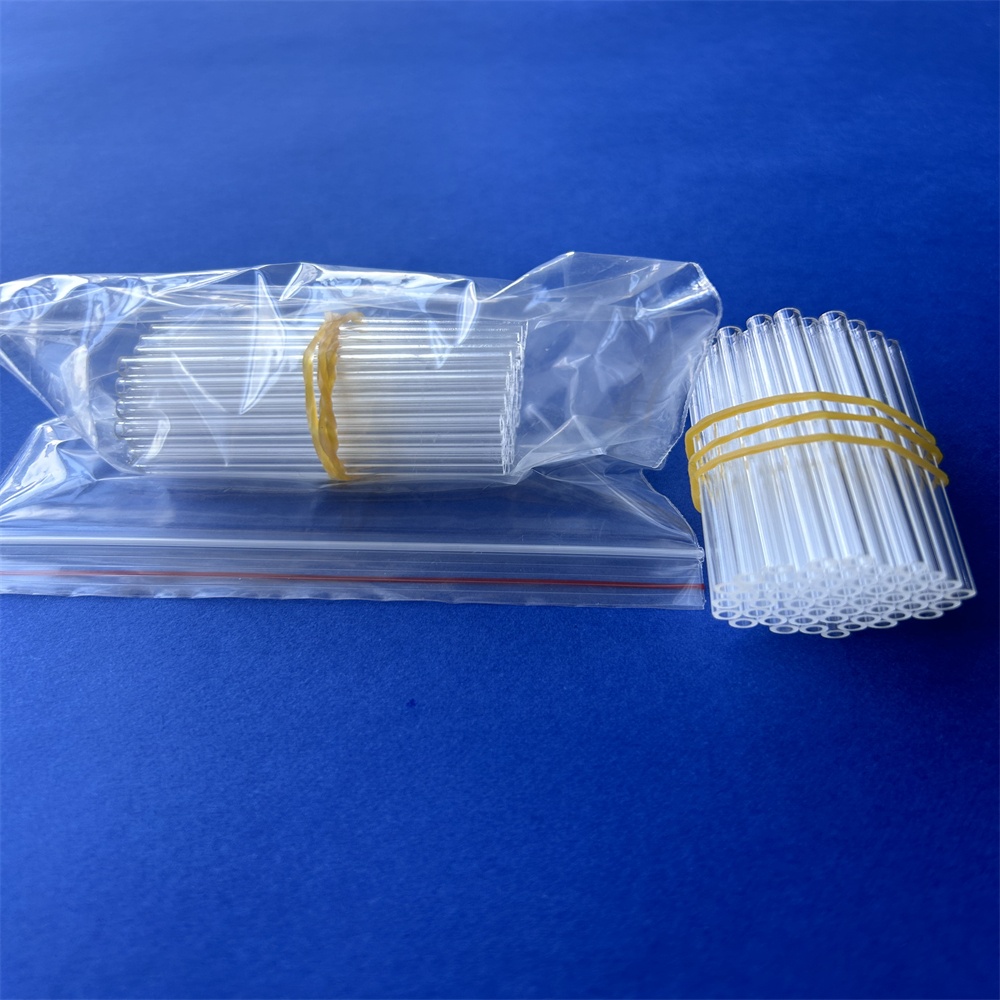
Small Diameter 0.1-20mm High Temperature Resistant Quartz Capillary Tube
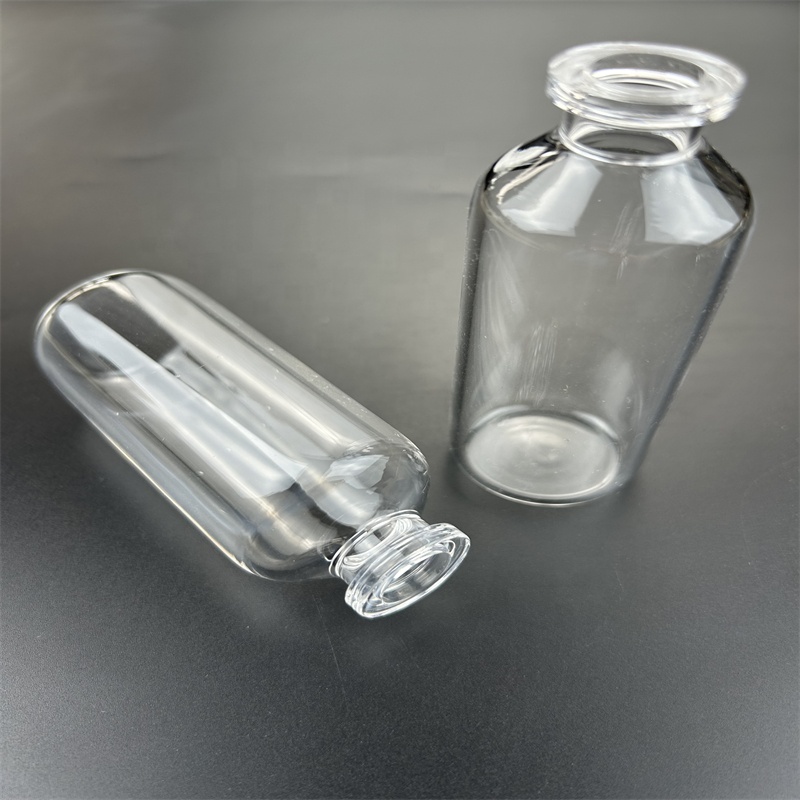
Custom High Pressure Corrosion Resistant Transparent Quartz Glass Ampoules
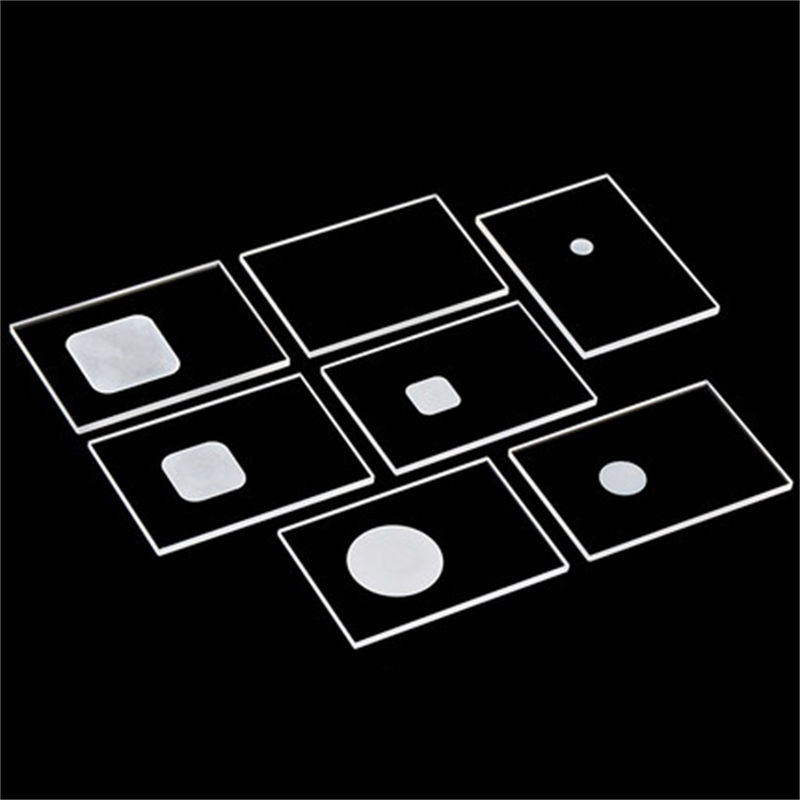
High Temperature Fused Quartz Glass Sheet for XRD Sample Tank Testing
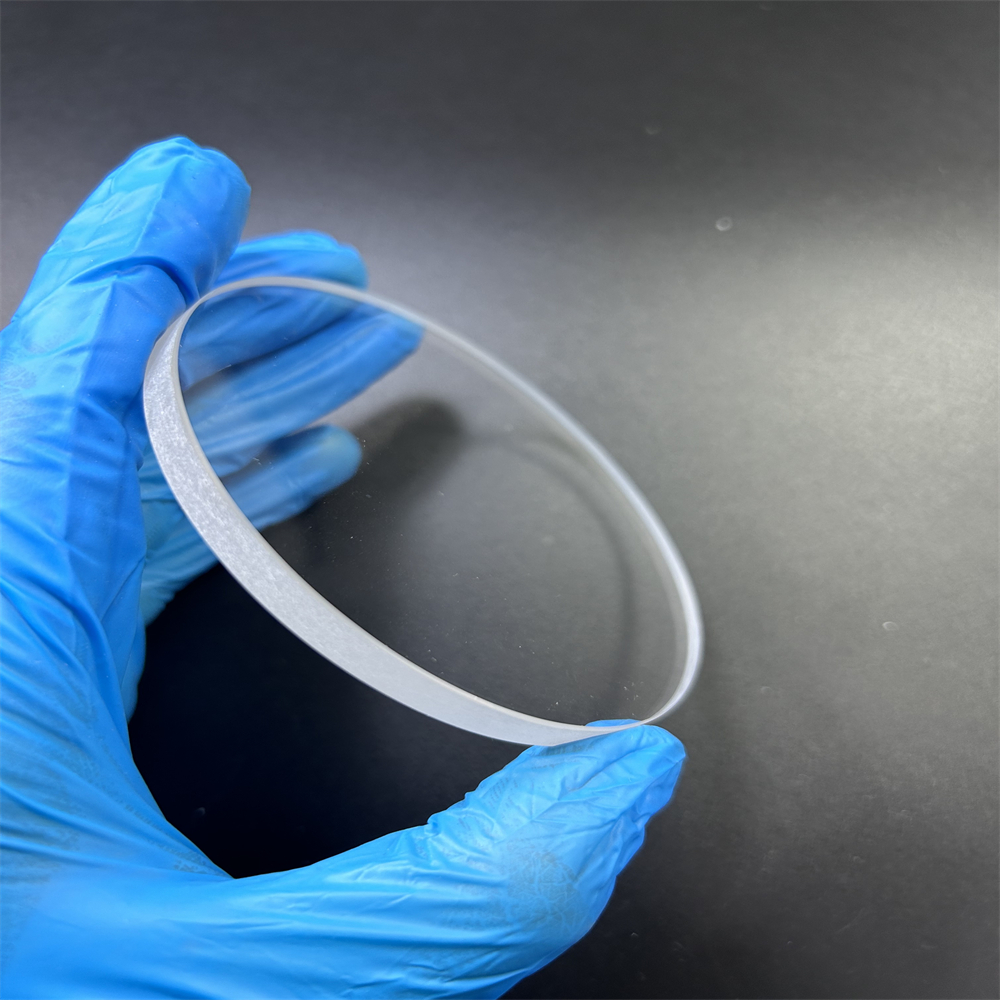
High Pressure Fused Silica Quartz Glass Wafer Transparent UV Sheet
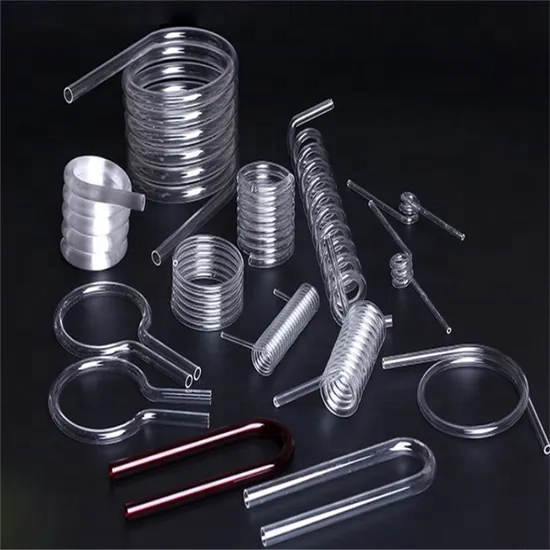
Custom Different Sizes U-Bent Quartz Glass Spiral Tube Heat Exchanger
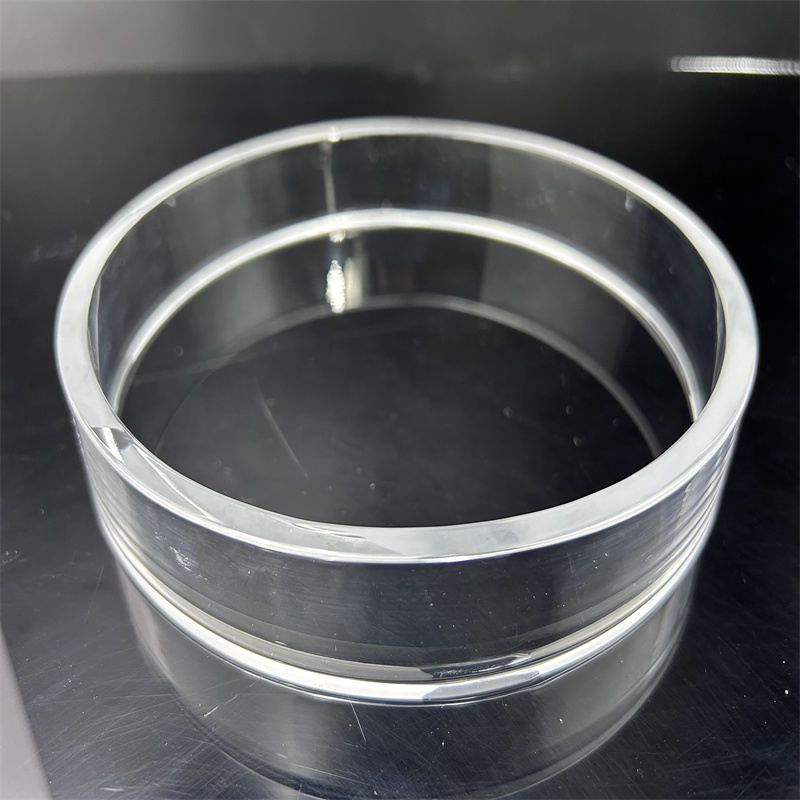
Customizable High Transparent Corrosion-Resistant Fused Quartz Bell Jar
Physics, Purity Classifications, and Transmittance Dynamics of Optical UV Quartz Window Plates
In modern industrial spectroscopy, photolithography, mineralogical luminescence, and high-temperature vacuum pyrometry, selecting optical window materials requires an uncompromising balance of deep ultraviolet (DUV) optical throughput, structural rigidity, and thermal shock survivability. For enterprise buyers, analytical laboratories, and processing operations serving Taunggyi and the wider Shan State economic zone, standard borosilicate or float glass alternatives frequently suffer from severe solarization, thermal micro-fracturing, and heavy optical attenuation below 350 nm.
Lianyungang Zelvo Quartz Products Co., Ltd. manufactures and custom-machines optical-grade fused quartz and synthetic fused silica plates engineered specifically to mitigate these physical bottlenecks. Fused silica window plates are composed entirely of non-crystalline silicon dioxide (SiO₂ > 99.99%), devoid of intentional fluxing agents, heavy metals, or alkaline oxides that typically introduce parasitic absorption bands and optical scattering.
Optical Classifications: JGS1 vs. JGS2 vs. JGS3
Precision quartz optical plates are classified across three core international grades depending on synthesis methodology, hydroxyl (OH⁻) content, and metallic trace impurity levels:
1. JGS1 (Synthetic Fused Silica / Far-UV Grade): Synthesized by chemical vapor deposition (CVD) utilizing high-purity silicon tetrachloride (SiCl₄) oxidized in an oxy-hydrogen flame. This synthetic method eliminates virtually all metallic impurities (Fe, Al, Ti < 0.1 ppm). JGS1 demonstrates uncompromised spectral transmission from 185 nm to 2500 nm, making it the industry standard for UV laser optics, fluorescence spectrometry windows, germicidal UV-C intensity monitoring, and semiconductor photolithography.
2. JGS2 (Optical Grade Fused Quartz): Smelted from natural high-purity crystal quartz sand under controlled gas-oxygen or vacuum fusion furnaces. While retaining low bubble inclusions (Class 0 to Class 1) and superior thermal stability, JGS2 provides superior transmission spanning 220 nm to 2500 nm. It represents the most cost-effective optical plate solution for industrial UV curing, high-temperature viewport sight glasses, and routine UV-Vis spectrophotometry sample cells.
3. JGS3 (Infrared Grade Fused Silica): Produced by electric vacuum fusion which strips away internal hydroxyl radicals (OH⁻ content < 5 ppm). This structural composition eliminates the characteristic OH⁻ absorption dip at 2730 nm (2.73 µm), enabling uninterrupted transmission from 260 nm deep into the mid-infrared spectrum (up to 3500 nm). Ideal for thermal imaging viewports, CO₂ laser monitoring, and pyrometric combustion observation.
| Physical & Optical Parameter | Standard Fused Quartz (JGS2) | Synthetic Fused Silica (JGS1) | Test Standard / Notes |
|---|---|---|---|
| Silicon Dioxide (SiO₂) Purity | ≥ 99.99% | ≥ 99.999% | GDMS / ICP-OES Spectral Analysis |
| UV Cut-Off Wavelength | ≈ 210 nm | ≈ 175 – 180 nm | Transmittance T < 10% threshold |
| Transmission @ 254 nm (10mm path) | ≥ 85.0% | ≥ 91.5% | Internal Transmittance, spectrophotometer |
| Refractive Index (nd @ 589.3 nm) | 1.4585 | 1.4584 | Abbe Refractometer at 20°C |
| Thermal Expansion Coefficient | 5.5 × 10⁻⁷ / K | 5.2 × 10⁻⁷ / K | 20°C to 320°C Dilatometry |
| Max Continuous Working Temp | 1100 °C | 1150 °C | Neutral atmosphere, continuous load |
| Short-Term Peak Thermal Load | 1300 °C | 1350 °C | Thermal shock resistance: >1100°C into water quench |
| Surface Figure / Flatness | λ/2 to λ/4 per 25mm | λ/4 to λ/10 per 25mm | He-Ne Laser Interferometry @ 632.8 nm |
| Scratch-Dig (MIL-PRF-13830B) | 60/40 or 40/20 | 20/10 or 10/5 | Precision double-side chem-mechanical polish |
Thermal Shock Resistance and Elastic Resilience
One of the most consequential parameters of fused quartz plates is their negligible thermal expansion coefficient (5.5 × 10⁻⁷/K), which is approximately one-thirtieth that of standard soda-lime float glass and one-seventh that of borosilicate 3.3. This microscopic dimensional variation under extreme thermal cycling means that a red-hot quartz plate heated to 1100°C can be plunged immediately into ice-cold water without structural cleavage or mechanical failure.
For industrial processing plants, foundries, and analytical furnaces in high-elevation terrains such as Taunggyi, this resilience eliminates unplanned viewport catastrophic failures caused by sudden ambient temperature drops, cold water splashing, or high thermal gradients between the internal combustion chamber and external atmosphere.
Precision Quartz Applications Serving Taunggyi & Shan State Industries
Taunggyi serves as the principal economic capital, logistics nexus, and academic administrative center of Shan State. From agricultural spectroscopy to mineralogical assays and environmental monitoring, fused quartz plates perform mission-critical roles.
Mineral Assay & Gemological Spectrometry
Shan State hosts world-renowned geological belts producing rubies, spinels, jadeite, barite, zinc, and silver ores. In regional gemological laboratories and geochemical testing outposts around Taunggyi, analytical technicians require deep UV-transmitting quartz window plates (JGS1) inside UV-Vis-NIR spectrophotometers and Raman spectrometers. Standard glass substrates self-fluoresce under 254 nm and 365 nm excitation, masking diagnostic trace element absorption bands. High-purity optical quartz window plates provide pristine optical neutrality for unequivocal mineral authentication.
Inle Lake Environmental & Hydro-Chemical Testing
The Inle Lake watershed, located just south of Taunggyi, represents an ecologically sensitive freshwater system subjected to intense agricultural runoff and aquaculture monitoring. Environmental laboratories stationed in Taunggyi deploy field and benchtop UV-Visible water quality analyzers to quantify chemical oxygen demand (COD), nitrate levels, and dissolved organic carbon (DOC). These optical testing systems rely on precision quartz flow-cell windows that resist bio-fouling, withstand periodic nitric acid bath cleaning, and maintain zero optical drift at 210 nm.
XRF Sample Cells & XRD Slotted Carriers
Exploration drilling and mineral dressing facilities in Shan State utilize energy-dispersive X-ray fluorescence (EDXRF) and X-ray diffraction (XRD) to evaluate lead, zinc, antimony, and limestone purity. Our high-temperature quartz glass sheets (capable of stable operation at 1100°C) serve as amorphous, low-background specimen carriers and vacuum observation barriers, ensuring zero stray Bragg reflection peaks that could falsify quantitative crystallographic evaluations.
High-Altitude Kiln & Smelter Sight Windows
Situated at an elevation of 1,436 meters (4,711 feet), Taunggyi experiences pronounced diurnal temperature fluctuations and low atmospheric moisture levels. Cement processing operations, lime kilns, and metallurgical foundries operating in the surrounding highlands encounter rapid thermal cycling. Fused quartz sight windows, ground to thicknesses of 8 mm to 20 mm, withstand intense internal flame radiative pressures while protecting digital optical pyrometers and optical inspection sensors.
Academic & University Research Diagnostics
Taunggyi University and regional higher education institutions maintain active research programs across solid-state physics, organic chemistry synthesis, and botanical extract photochemistry. Custom-cut quartz wafer plates, micro-aperture discs, and double-side polished test windows support laser excitation projects, photochemical reactors, and thin-film deposition trials where standard commercial glass induces thermal runaway or chemical dissolution.
Industrial UV Disinfection & Agricultural Processing
As Shan State expands its modern food processing, fruit dehydrating, and highland tea export infrastructure, post-harvest sanitization and commercial water purification lines deploy high-output UV-C irradiation systems (254 nm germicidal wavelength). Our transparent, ozone-free fused quartz tubes and protective window plates guarantee maximum ultraviolet dosing with minimal radiant power decay over thousands of continuous operating hours.
Emerging Industrial Procurement Trends for Optical Components Across Myanmar
Procuring precision optical quartz window plates for industrial and analytical destinations such as Taunggyi has undergone a structural paradigm shift over the past decade. Previously reliant on intermediary general-trading agents in Mandalay or Yangon who supplied uncertified borosilicate plates masquerading as quartz, technical procurement managers now bypass middlemen and contract directly with primary manufacturers.
1. Displacement of Borosilicate by Fused Silica in High-Throughput Assays
Commercial borosilicate glass (e.g., BK7 or Pyrex equivalents) presents severe physical limitations when applied to precision assay operations: its transmittance collapses dramatically below 320 nm, and trace iron (Fe₂O₃) impurities induce significant auto-fluorescence. In Taunggyi’s expanding mineral analytical laboratories, upgrading spectrometers with JGS1 synthetic silica window plates has reduced diagnostic baseline noise by up to 85%, preventing false readings in trace heavy-metal assay outputs.
2. Demand for Rapid Prototyping and 1-Piece Minimum Order Quantities (MOQ)
Specialized research projects, equipment overhauls, and pilot-scale chemical reactors rarely need mass-production quantities of 500+ identical units. Laboratories often require 2 or 3 custom-dimensioned optical plates (e.g., 42 mm × 42 mm × 1.5 mm with laser-beveled edges or slotted XRD channels). Our direct manufacturing framework in Donghai accommodates low-volume custom fabrication starting from 1 piece, drastically reducing inventory capital holding costs for regional engineering outfits.
3. Climatic Resilience: Monsoon-Resistant Hermetic Packaging
Transit routes connecting Chinese manufacturing hubs to Taunggyi—whether arriving via Yangon air cargo or overland logistics through regional customs corridors—cross tropical microclimates with relative humidity exceeding 85% during monsoon periods. Standard packaging frequently leads to humidity entrapment, surface fogging, and corrosive inter-plate optical leaching. Zelvo Quartz implements vacuum-sealed nitrogen-flushed poly-barrier bagging, anti-static desiccants, and shock-resistant foam-lined wooden crating to guarantee that optical window plates arrive in optical clean-room condition, ready for immediate installation.
Why Enterprise Buyers Trust Lianyungang Zelvo Quartz Products
Headquartered in Donghai County, Jiangsu Province—internationally recognized as China’s "Crystal Capital"—we integrate raw material purity, computer-controlled precision machining, and verified export engineering.
Crystal Capital Raw Material Hub
Donghai houses the world's most comprehensive quartz refining and silica processing cluster. We secure raw natural crystal and synthetic silicon precursors directly at source, guaranteeing stable 99.99% SiO₂ chemical consistency, zero heavy metal contamination, and continuous batch traceability.
Comprehensive CNC & Laser Fabrication
Our workshop integrates multi-axis CNC contour milling, laser micro-drilling (apertures down to 0.1 mm), precision surface grinding, double-sided optical polishing (flatness to λ/10), flame edge sealing, and ultrasonic deburring tailored to CAD drawings.
10+ Years Senior Engineering Staff
Our glassblowing artisans and mechanical engineers possess over a decade of direct quartz processing experience. We review thermal expansion tolerances, wall thickness safety factors, and anti-reflective coating suitability before cutting material.
Documented Global Logistics
We serve industrial clients across North America, Southeast Asia, South America, and Europe. Supported incoterms include EXW, FOB, CFR, CIF, and full DDP door-to-door express delivery with export fumigated packaging and comprehensive transit insurance.
Frequently Asked Questions: Sourcing Quartz Window Plates in Taunggyi
Essential guidance covering technical specifications, customs clearance, logistics routes, and optical inspection standards for buyers in Shan State, Myanmar.
How do I determine whether my application in Taunggyi requires JGS1 Synthetic Silica or JGS2 Fused Quartz?
What is the standard lead time and shipping route for custom quartz plates dispatched to Taunggyi, Myanmar?
Can you manufacture non-standard geometric shapes, stepped viewports, and laser-drilled plates?
What documentation and test certificates accompany custom quartz shipments?
How are brittle quartz optical plates packaged to eliminate transit breakage on highland roads?
What are the correct HS Codes and customs clearance considerations for importing quartz glass into Myanmar?
What is the minimum order quantity (MOQ) for custom-cut optical window plates?
How does high ambient altitude in Taunggyi affect quartz plate pressure limits?
Request an Engineering Quote for Taunggyi Delivery
Send your dimensional tolerances, operational temperature requirements, and spectral transmission criteria. Our optical engineering team will review your drawing and issue a detailed technical quotation within 2 hours on business days.