≥99.998%
SiO₂ Chemical Purity1650 °C
Max Thermal Threshold≤ 2 Hours
Technical Drawing ReviewPort Vieux Fort
CIF & DDU Direct HandlingFeatured High-Purity Fused Quartz & Crucible Systems
Precision fabricated quartz apparatus, CVD reactor tubes, optical substrates, and high-temperature crucibles produced from premium Donghai raw quartz stock.
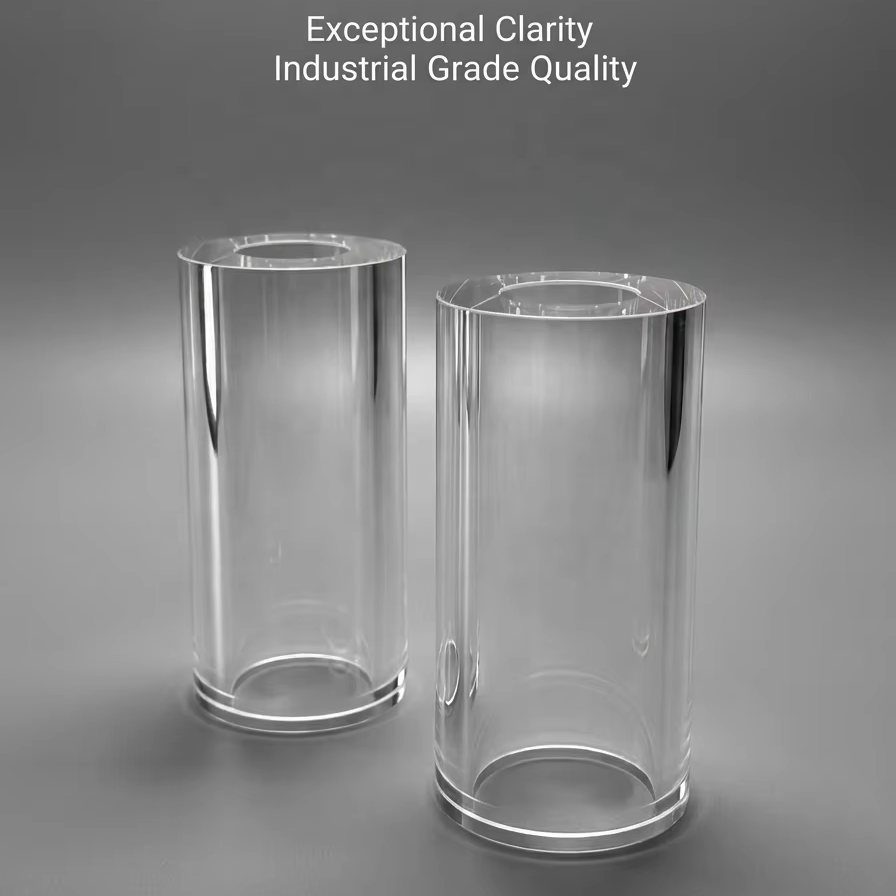
Factory Custom Both Ends Polished High Purity Transparent Quartz Twin Tube Bending Moulding Welding Cutting Capabilities
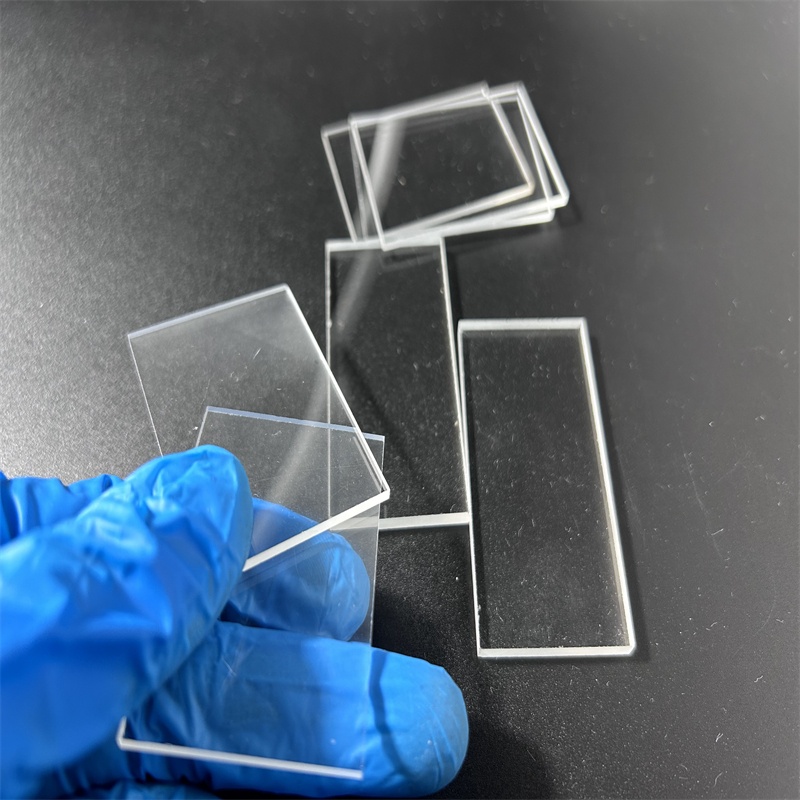
Customized High Temperature Transparent Fused Quartz Glass Sheet Welding Cutting Services Clear Plate Custom Sizes Optics Grade
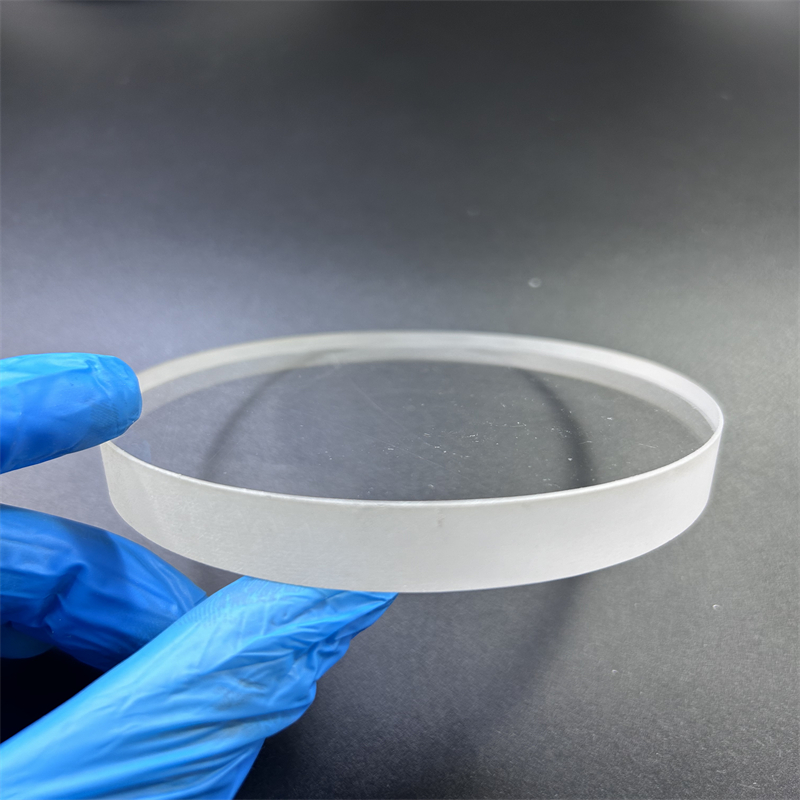
China Supplier High Temperature Transparent UV Quartz Glass Plate Polished Fused Quartz Disc Welding Cutting Optics 1100C Work
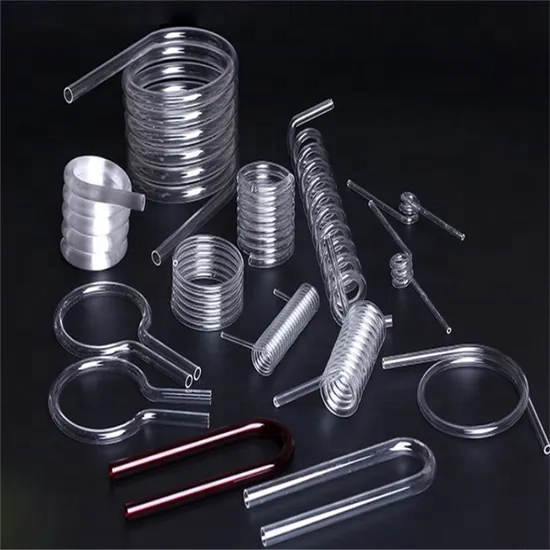
Custom Different Sizes U-Bent Quartz Glass Spiral Tube with Moulding Cutting Bending and Welding Services
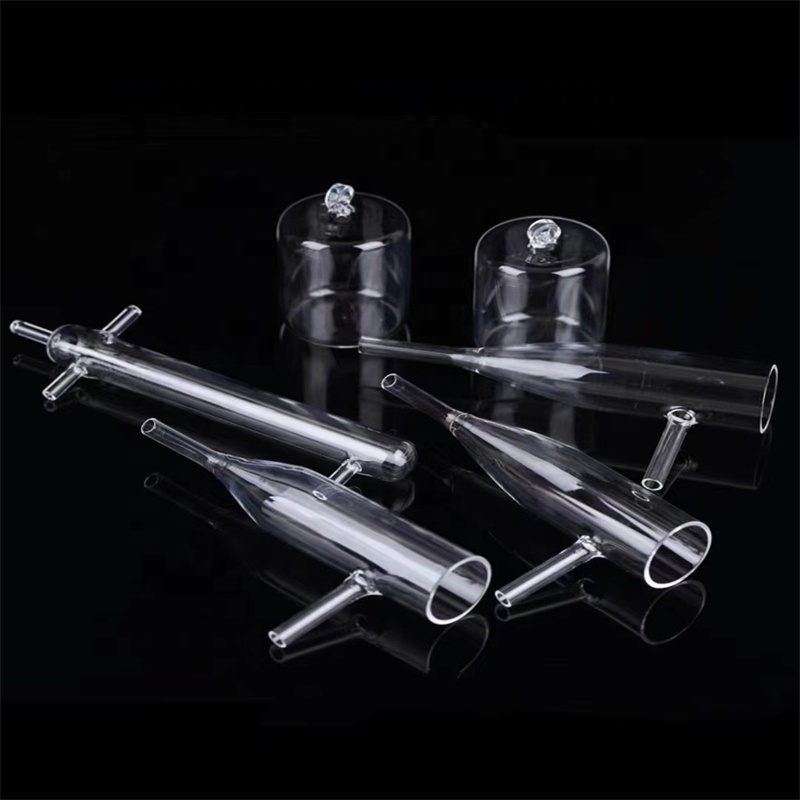
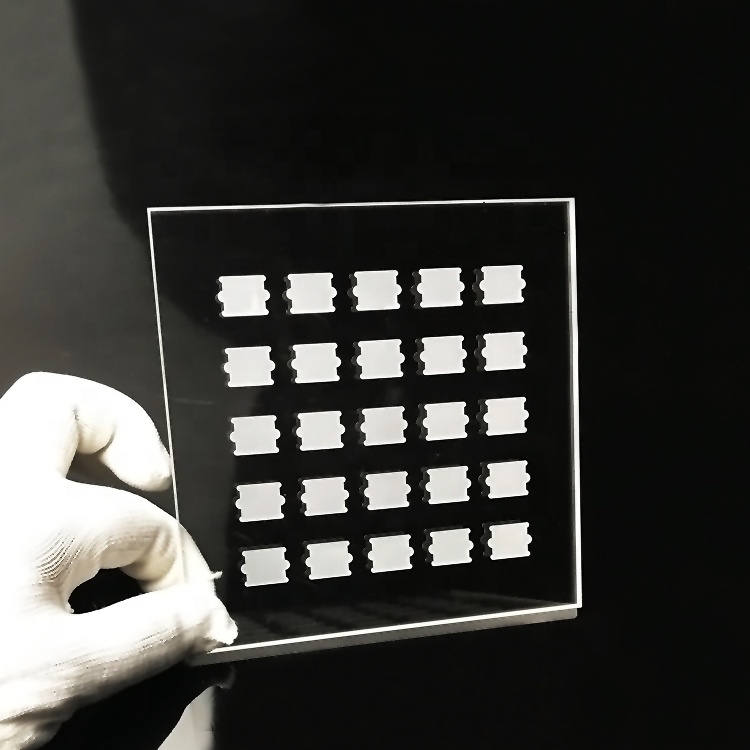
Factory Custom Fused Quartz Glass Circular High Quality High Temperature Welding Cutting XRD Sample Holder Optics Clear
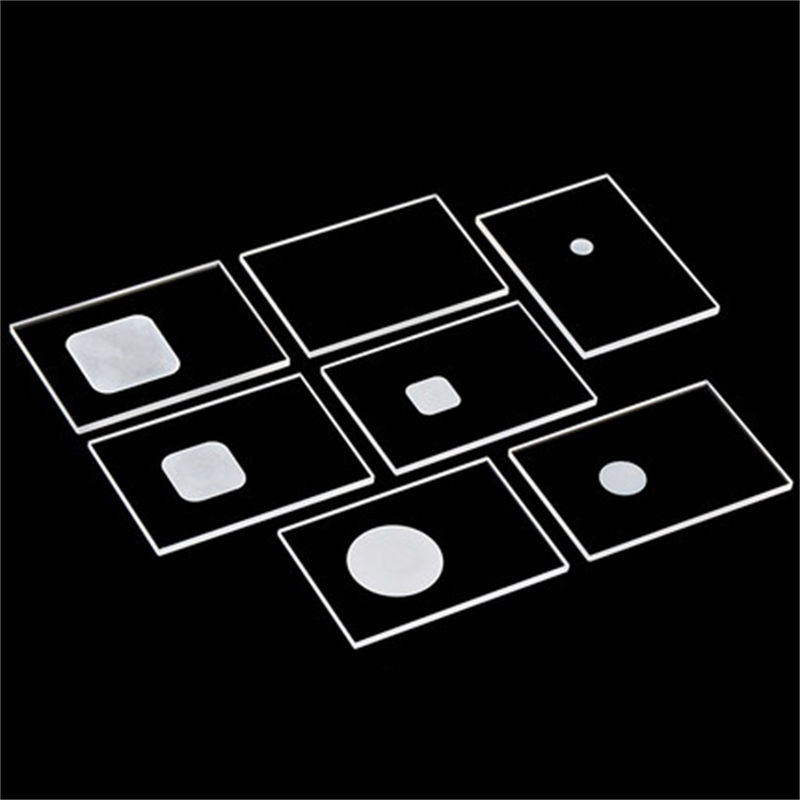
High Temperature Fused Quartz Glass Sheet for XRD Sample Tank Testing Chip Slotted Carrier Cutting Service Custom Sizes 1100C
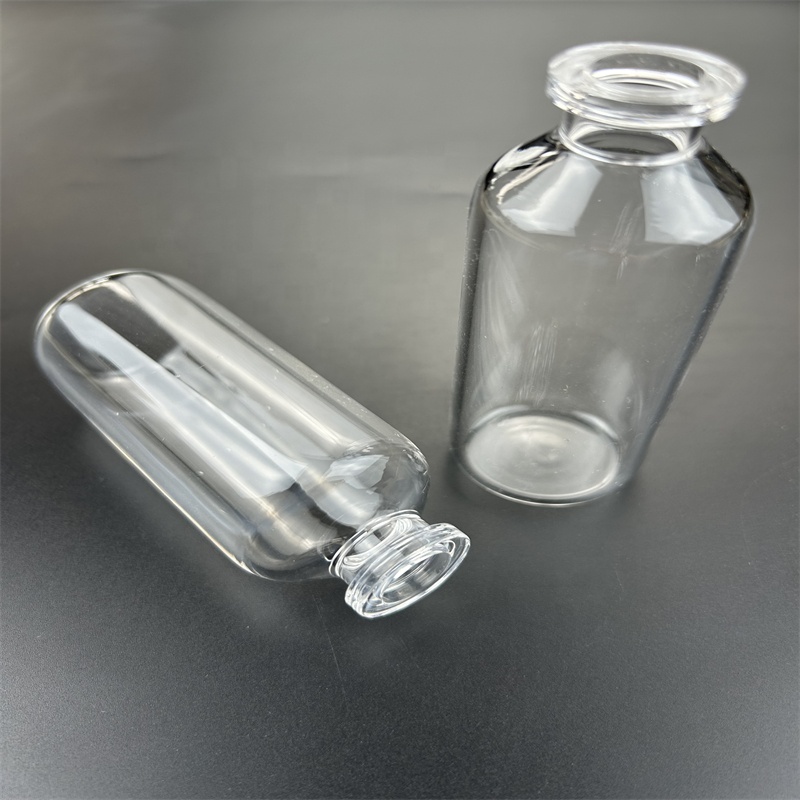
Custom High Pressure Corrosion Resistant Transparent 99.99% Pure Ozone Free Quartz Glass Ampoules Bending Welding Medical Grade
Thermodynamic Mechanics of Fused Quartz Crucibles in Photovoltaic Czochralski Ingot Synthesis
In modern photovoltaic manufacturing, the production of single-crystal silicon ingots via the Czochralski (CZ) crystal pulling method stands as the baseline requirement for fabricating high-efficiency P-type PERC, N-type TOPCon, and Heterojunction (HJT) solar cells. Operating at temperatures between 1420 °C and 1550 °C, the solar quartz crucible serves not merely as a passive containment vessel, but as an active, rate-limiting metallurgical boundary. The performance of the crucible dictates dislocation densities, radial oxygen distributions, and minority carrier lifetimes across the entire crystal ingot volume.
Crucible failure during extended furnace pulling cycles—often exceeding 350 to 450 continuous hours in modern multi-recharging CZ pullers—primarily stems from high-temperature devitrification kinetics. Natural fused silica, when held above its transformation phase temperature of 1200 °C, gradually nucleates into crystalline β-cristobalite. If impurities such as sodium (Na), potassium (K), lithium (Li), or calcium (Ca) exceed fractions of parts per million (ppm), devitrification accelerates exponentially, prompting premature delamination, inner-wall bubble collapse, and particle shedding into the molten silicon bath. Zelvo Quartz mitigates these failure modes through vacuum electric-arc melting and the deposition of high-purity synthetic inner micro-layers.
Synthetic Inner Micro-Coating Structure
To satisfy the rigorous oxygen control criteria of N-type silicon ingots, our solar crucibles feature an inner bubble-free layer fabricated via high-purity synthetic tetrachlorosilane (SiCl₄) feedstock. This minimizes transition element contamination (Fe < 0.05 ppm, Cu < 0.01 ppm), preventing recombination centers that degrade cell conversion efficiency.
High-Viscosity Outer Sintered Matrix
The structural outer wall incorporates controlled micro-porosity to distribute radiative heat transfer uniformly from external graphite resistance heaters. The enhanced viscosity at 1450 °C prevents sagging, buckling, or thermal collapse under the immense hydrostatic weight of 300 kg to 600 kg silicon charges.
Crucible inner dissolution rate represents another critical chemical variable. Molten silicon aggressively attacks vitreous silica:
Si (liquid) + SiO₂ (solid) → 2 SiO (gas) ↑
The liberated silicon monoxide gas dissolves into the melt, where most is carried away by sweeping inert argon gas through the vacuum exhaust. However, excessive or non-uniform dissolution introduces surplus oxygen into the silicon matrix, forming oxygen-thermal donors (OTDs) and boron-oxygen defect complexes that impair carrier mobility. Our structural density engineering ensures a constant, predictable, micro-uniform dissolution rate across the crucible base, corner radius, and vertical sidewalls.
Localized Applications & In-Field Scenarios in Vieux Fort
Examining how high-purity quartz apparatus and solar crucible systems integrate into Saint Lucia's energy matrix, industrial free zones, and transshipment infrastructure.
Hewanorra Airport Microgrid & Solar Thermal Testing
Vieux Fort houses the Hewanorra International Airport solar complex, Saint Lucia's flagship utility-scale clean energy installation. Advanced quartz thermal components and transparent tubes serve within high-temperature solar testing cells, monitoring irradiance calibration sensors and serving as protective pyranometer domes resistant to tropical UV breakdown.
Vieux Fort Industrial Free Zone Clean-Tech Assembly
The southern economic zone of Saint Lucia at Vieux Fort is expanding into clean-tech component staging and assembly. Fused quartz twin tubes, CVD process chambers, and custom slotted quartz carriers are deployed in precision electronics rework, surface passivation, and specialized wafer testing labs supporting the Caribbean renewable transition.
Port of Vieux Fort Regional Maritime Staging Hub
With its deepwater port facilities, Vieux Fort acts as a strategic transshipment node for specialized equipment bound for the Organisation of Eastern Caribbean States (OECS). Our sea-grade shock-buffered quartz packaging allows regional energy developers to warehouse, stage, and redistribute solar furnace apparatus without moisture degradation.
Localized Energy Transition Trends in Saint Lucia & the Wider Caribbean Basin
The Commonwealth of Saint Lucia, under its National Energy Transition Strategy (NETS), is committed to drastically reducing dependency on imported heavy fuel oils (HFO). The strategic concentration of heavy infrastructure in Vieux Fort—combining deep-water shipping berths, dedicated customs-free industrial zones, and land reserves adjacent to Hewanorra International Airport—makes this southern district the geographic epicenter for renewable technology pilot deployments, thermal storage prototyping, and advanced photovoltaic assembly in the Lesser Antilles.
Across the Caribbean Community (CARICOM), utility providers face aggressive grid destabilization issues caused by cloud transients over island microgrids. Addressing this requires a dual transition: implementing industrial-scale battery energy storage systems (BESS) and developing resilient distributed solar thermal systems. The specialized manufacturing of high-temperature fused quartz ware, crucible cruciform vessels, and custom quartz reactors aligns directly with regional initiatives to establish local clean-tech testing facilities. Rather than relying on overseas testing centers for high-temperature material evaluations, Caribbean institutions are developing direct procurement channels for laboratory-grade fused silica, ensuring rapid turnaround on photovoltaic research and development projects.
Furthermore, the high-humidity, marine-saline atmosphere of Saint Lucia presents acute engineering challenges for thermal processing equipment. Industrial quartz glass (SiO₂) remains completely impervious to chloride-induced stress corrosion cracking, acidic tropical condensation, and atmospheric oxidation. As a result, engineering procurements throughout Vieux Fort are systematically replacing specialty glass and high-grade stainless components with optical-grade fused silica plates, quartz twin tubes, and CVD heating vessels in environments where longevity under harsh oceanic exposure is mandatory.
Solar Quartz Crucible & Fused Silica Material Properties
Laboratory verified physical, thermal, mechanical, and chemical metrics for Zelvo Quartz high-purity fused silica components and solar monocrystalline crucibles.
| Property Parameter | Test Standard / Method | Solar Crucible Grade (CZ) | Optical Fused Plate (JGS1/2) |
|---|---|---|---|
| Chemical Purity (SiO₂ Concentration) | Inductively Coupled Plasma (ICP-MS) | ≥ 99.998 % | ≥ 99.999 % |
| Total Metal Impurities (Fe+Al+Ca+Na+K+Cu) | ICP-OES Spectrometry | ≤ 8.0 ppm (Inner ≤ 2.5 ppm) | ≤ 1.5 ppm |
| Density (ρ) | Archimedes Immersion Method | 2.20 ± 0.02 g/cm³ | 2.201 g/cm³ |
| Continuous Operating Temperature | Thermal Equilibrium Test | 1150 °C (Argon Atmosphere) | 1100 °C (Continuous) |
| Peak Short-Term Temperature | Transient Flash Heating | 1650 °C (Silicon Molten State) | 1300 °C |
| Thermal Expansion Coefficient (α) | Dilatometry (20 °C – 1000 °C) | 5.5 × 10⁻⁷ K⁻¹ | 5.4 × 10⁻⁷ K⁻¹ |
| Inner Layer Bubble Porosity | Optical Micro-Scanning (0.05mm) | 0.00 % (Bubble-Free Void) | Zero Striae / Class A |
| Hydroxyl Radical Concentration (OH⁻) | FTIR Infrared Absorption | ≤ 30 ppm | ≤ 10 ppm (UV Grade) |
| Poisson's Ratio & Elastic Modulus | Ultrasonic Pulse Echo | ν = 0.17 | E = 72 GPa | ν = 0.17 | E = 73 GPa |
*Note: All chemical and physical values are determined in accordance with international quartz testing procedures. Batch-specific material analysis certificates (COA) are provided with every crated shipment entering Port of Vieux Fort.
Zelvo Quartz Manufacturing & Global Supply Capabilities
Direct from Donghai County, Jiangsu—the world’s recognized crystal capital—delivering technical excellence to Caribbean and global industrial accounts.
Donghai Raw Material Clustered Source
Situated in China's quartz capital, securing unmatched access to ultra-low impurity crystalline quartz deposits and synthetic silica feedstocks.
1-Piece Prototype MOQ
We actively support engineering trials, pilot lines, and university research facilities with a true 1-piece minimum order quantity on custom fabricated drawings.
Full Precision Machining Line
In-house CNC grinding, laser core drilling, precision wafer slotting, glassblowing, fire-polishing, and dual-layer crucible electric-arc sintering.
Shock-Proof Caribbean Logistics
Double-barrier vacuum sealing, desiccant saturation against tropical oceanic humidity, customized wooden export crating with integrated tilt/drop sensors.
Frequently Asked Questions: Sourcing Quartz Crucibles in Vieux Fort
Direct engineering answers addressing logistics, customs clearance, thermal management, and material handling for Caribbean buyers.
How does maritime transit to Port of Vieux Fort affect high-purity quartz crucibles?
What is the recommended pre-heating thermal ramp rate for CZ crucibles to prevent cracking?
Can Zelvo Quartz manufacture custom crucibles and furnace tubes according to CAD drawings?
What Incoterms and documentation are supported for Saint Lucia customs clearance?
Why is a synthetic quartz inner layer necessary for N-type silicon crystal growth?
How should crucibles and quartz components be stored in tropical Vieux Fort facilities?
Consult Our Quartz Engineering Team Today
Whether you require standard 18" to 32" solar CZ crucibles, CVD reactor tubes, or customized precision quartz glassware delivered directly to Vieux Fort or international locations, our engineering team provides rapid drawing review, thermal analysis, and competitive factory-direct pricing.