Precision Fused Silica & Quartz Components for Heredia
Direct supply from Donghai's premier quartz synthesis cluster to Heredia's Free Trade Zones. Every component is ultrasonically cleaned, laser-verified, and packed for zero-defect arrival.
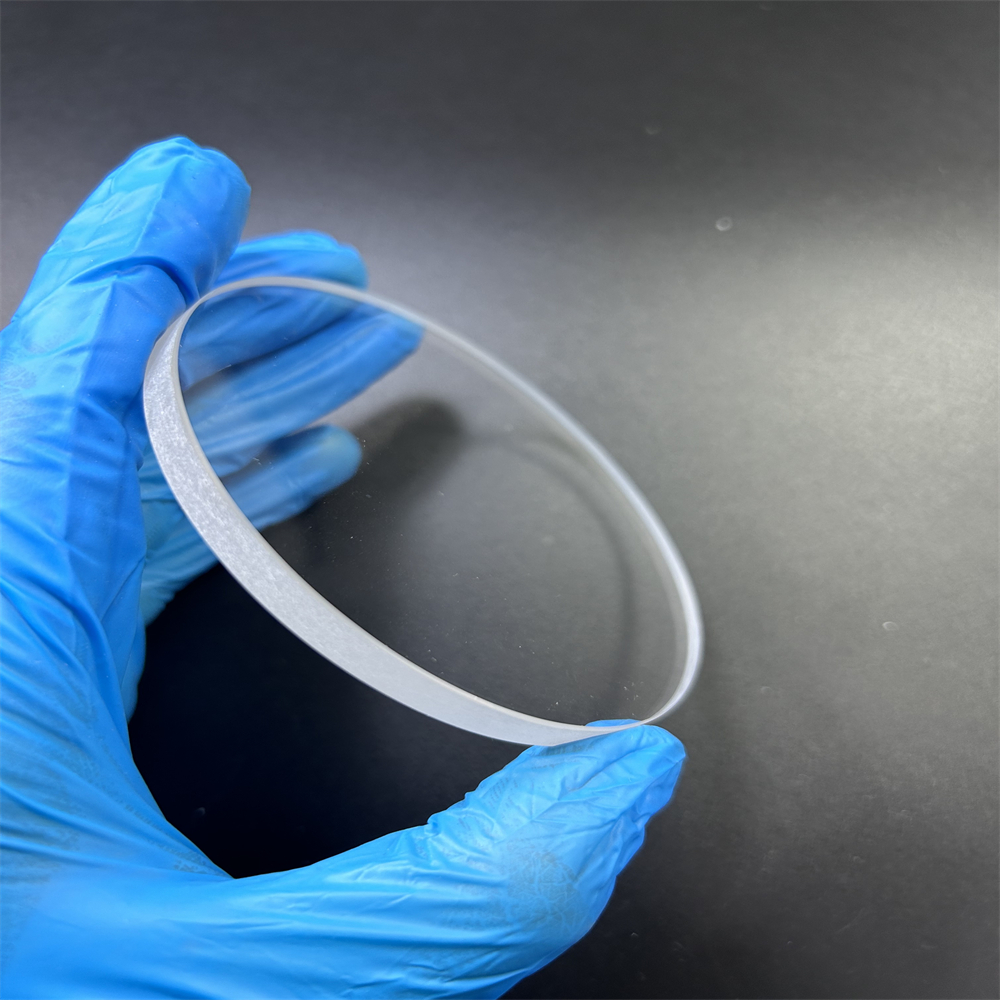
High Pressure Fused Silica Quartz Glass Wafer Transparent UV Sheet
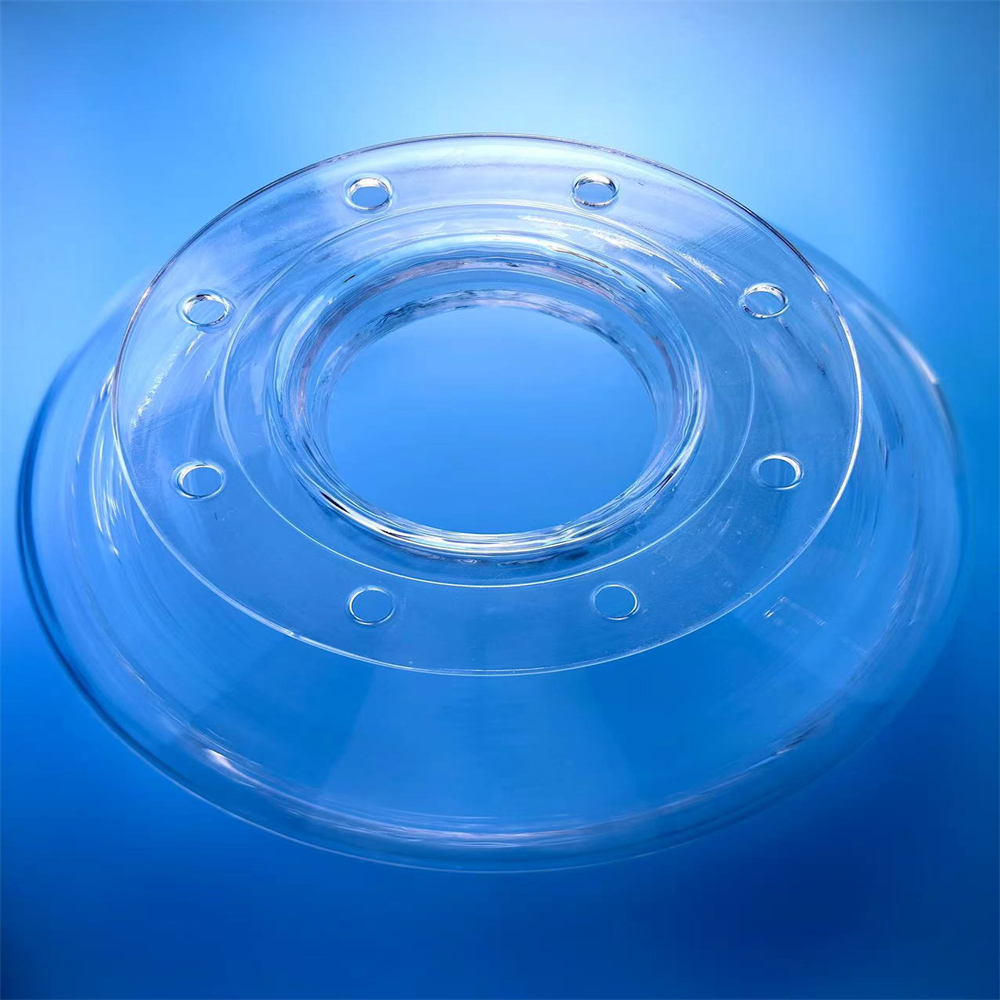
Customize Size Thickness Twin Tube Clear High Purity Flange Quartz Tube
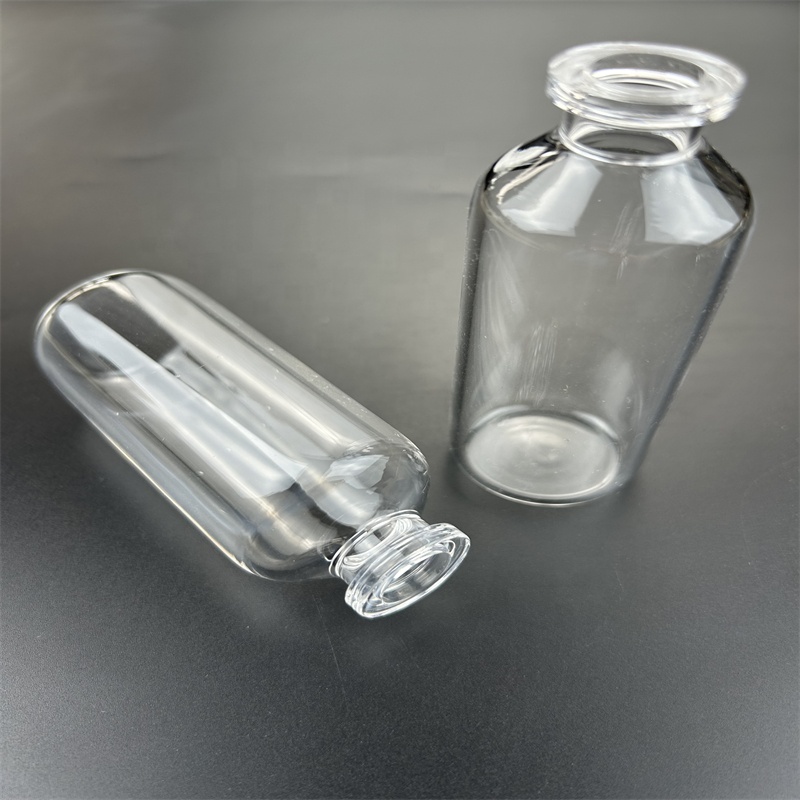
Custom High Pressure Corrosion Resistant 99.99% Pure Quartz Glass Ampoules
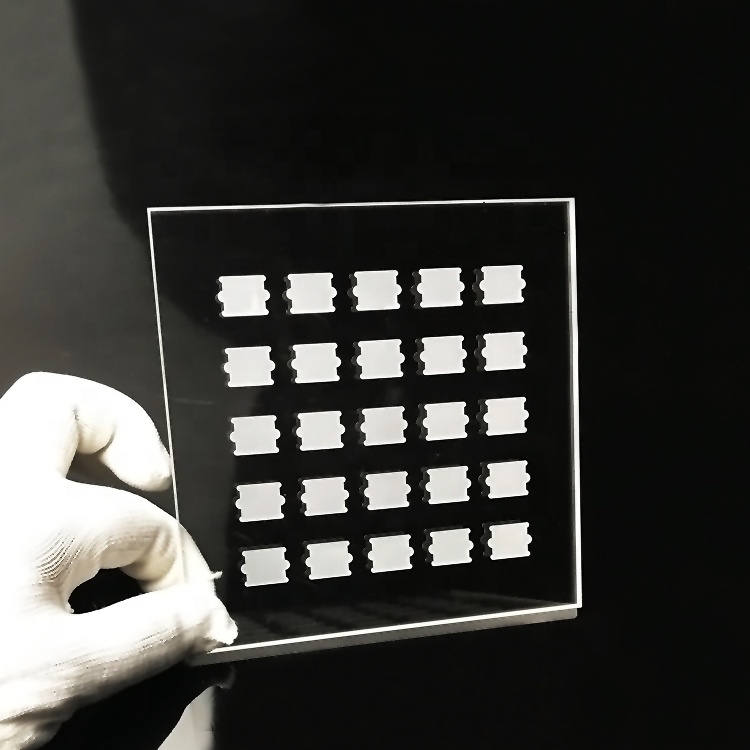
Factory Custom Fused Quartz Glass Circular XRD Sample Holder
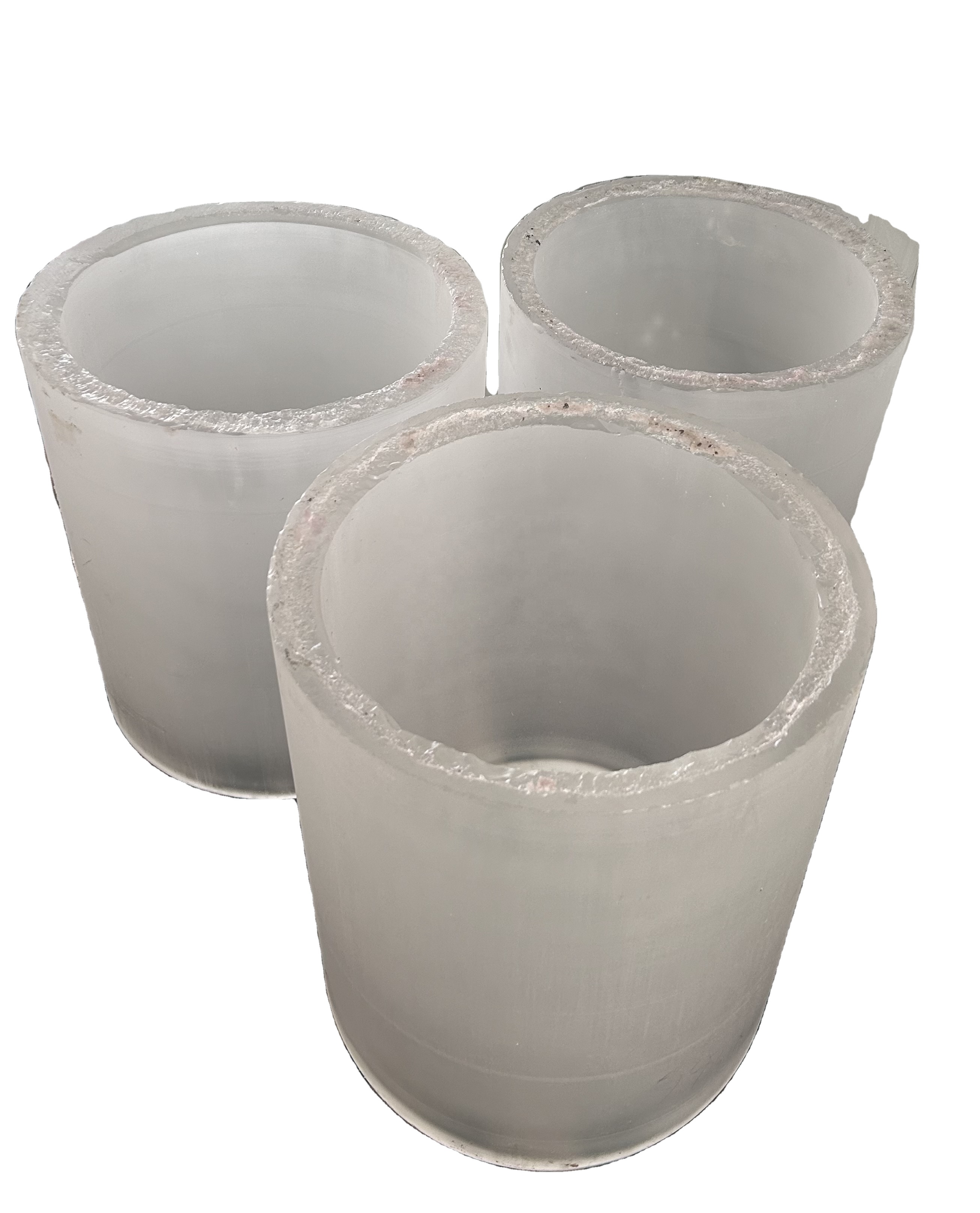
Open Ended Fused Quartz Frosted Glass Cylinder Ingot for Optics
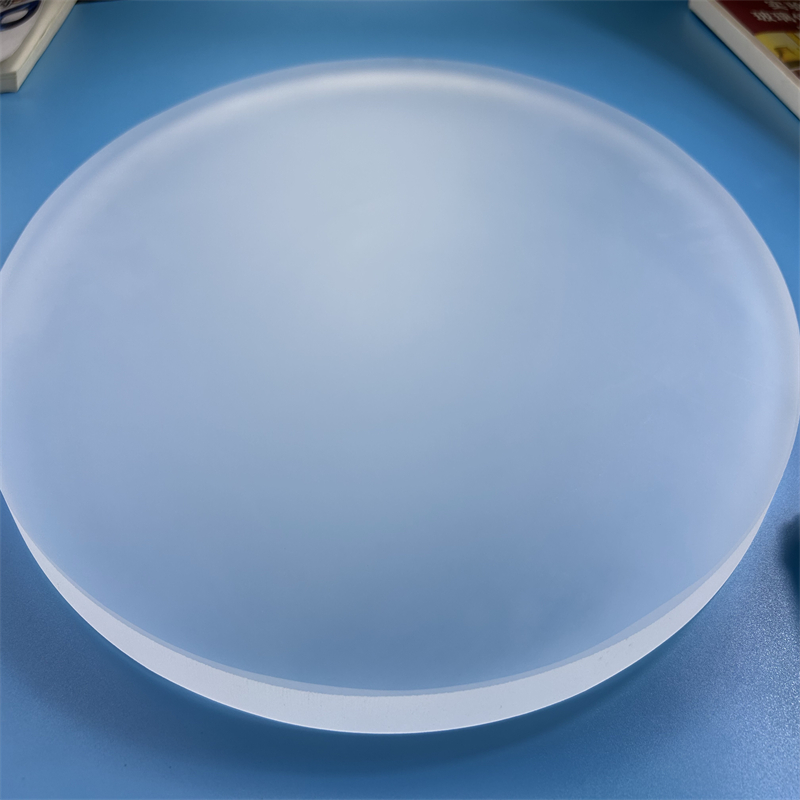
High Temperature Resistance Frosted Quartz Disc/Plate for Plasma
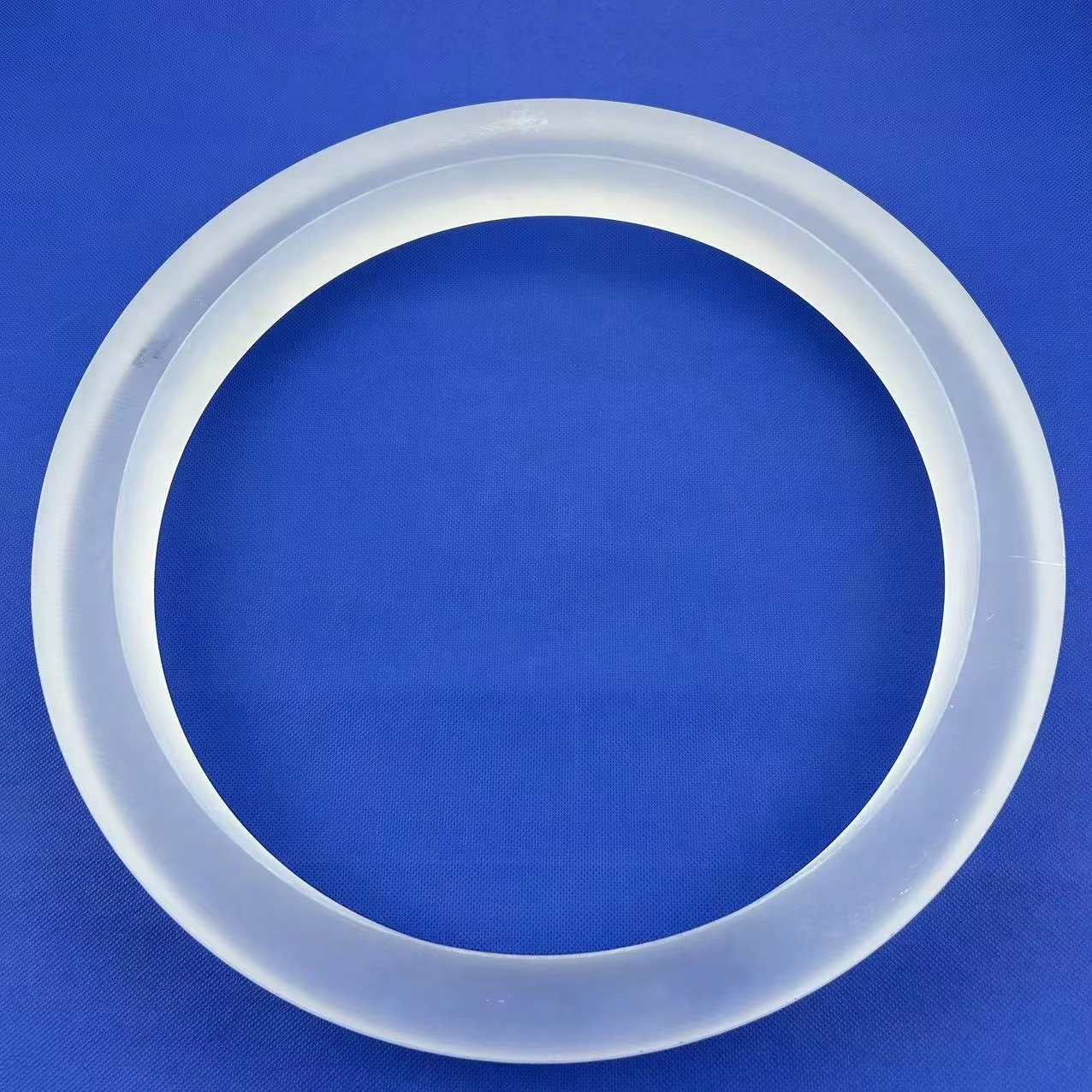
Custom Coated 99.99% Pure Quartz Rings for Semiconductor CVD
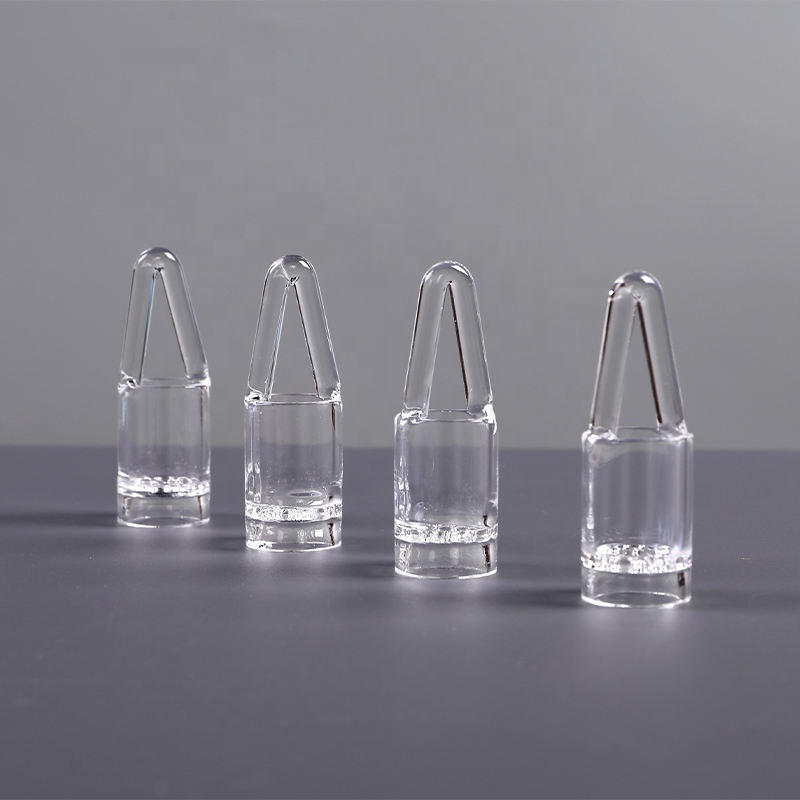
Factory Custom High Pressure 99.99% Pure Quartz Glass Tube
Engineering Superior Fused Silica Rods for High-Reliability Cleanrooms
In high-precision manufacturing, materials selection dictates the boundary between repeatable yield and systemic field failure. Fused silica rods represent the zenith of non-crystalline silica engineering. Synthesized by vapor-phase oxidation of silicon tetrachloride (synthetic silica) or through ultra-pure electric arc fusion of natural crystal granulates, our rods deliver structural homogeny devoid of phase grain boundaries, crystallization nodules, or anisotropic stress fields.
Unlike conventional borosilicate or soda-lime glass, fused silica maintains an extraordinarily low coefficient of thermal expansion (CTE of 5.5 × 10⁻⁷ /K between 20°C and 320°C). This renders the material virtually impervious to thermal shock; an engineer can heat our fused silica rod to 1100°C and quench it directly in cold water without crack propagation or surface micro-fissuring. For Heredia’s precision device engineering teams, this fundamental thermomechanical stability provides an unyielding substrate for catheter tip thermal forming, UV laser collimation, and high-energy optical transmission.
From an optical vantage, our synthetic fused silica rods (JGS1 equivalent) feature transmission exceeding 92% across the deep ultraviolet band down to 185 nm, while our low-OH infrared quartz grades prevent broad hydroxyl absorption troughs at 2.73 µm. By applying sub-micron centerless diamond grinding, CNC ultrasonic milling, and controlled oxy-hydrogen flame annealing, Zelvo Quartz guarantees dimensional precision down to ±0.01 mm, total runout under 0.05 mm, and surface roughness Ra < 0.2 nm.
Ultra-trace metal contamination (Fe < 0.2 ppm, Al < 5.0 ppm) to ensure zero leaching.
Softening point at 1683°C; short-term thermal excursions verified up to 1300°C.
Precision centerless grinding and laser-gauged diameters for automated robotic jigs.
Vacuum-degassed infrared quartz eliminates absorption bands for sensor guides.
Mission-Critical Applications in Heredia's Industrial Parks
Heredia has consolidated its standing as the advanced manufacturing capital of Central America. Within specialized clusters such as America Free Zone (AFZ), UltraPARK, and Global Park, our fused silica rods and precision quartz assemblies serve foundational roles across four key technological verticals.
Medical Device & Catheter Tooling
Heredia is home to the world's leading tier-one medical technology OEMs. Fused silica rods are deployed as non-reactive, heat-resistant mandrels for catheter balloon forming, heat shrink processing, and precision RF tipping dies. Because quartz does not bond with bio-polymers like Pebax, PTFE, or Polyurethane, cycle yields increase substantially.
- Zero thermal elongation during hot-jaw clamping
- USP Class VI biocompatible inert contact surface
- Flame-polished ends to prevent lumen scuffing
UV Curing & Optical Waveguides
Automated cleanroom assembly lines in Heredia utilize high-intensity 365nm and 405nm LED UV curing systems for needle bonding, manifold sealing, and micro-sensor assembly. Our synthetic silica rods act as total internal reflection (TIR) light guides, transferring focused optical energy to restricted sub-millimeter adhesive junctions with negligible loss.
- No solarization or UV browning under 1000W UV load
- Optical grade end-face polishing (80/50 scratch-dig)
- Custom step-index and tapered core designs
Semiconductor & Sensor Assembly
Costa Rica’s strategic resurgence in semiconductor back-end assembly, test, and packaging (ATP) mandates ultra-clean fixturing. Our quartz rods and wafer-carrier structural ribs serve as thermal standoffs and inert supports within high-vacuum reflow ovens, plasma-enhanced chemical vapor deposition (PECVD) tools, and wire bonding visual inspection systems.
- Exceptional dielectric strength across gigahertz frequencies
- Zero outgassing under high-vacuum (10⁻⁷ Torr)
- Resistant to aggressive halogen and acid etch gases
Macro Industrial Trends Shaping Costa Rica’s Quartz Sourcing
The convergence of Western Hemisphere nearshoring, regulatory tightening under US FDA 21 CFR Part 820 / ISO 13485, and the US CHIPS Act has transformed Heredia’s operational requirements.
From Commodity Sourcing to Direct OEM Tier-1 Engineering
Historically, manufacturing facilities in Heredia and the greater Central Valley relied on intermediaries and catalog distributors located in North America for specialty quartz rods and optical elements. This procurement pathway resulted in high markups, inflated lead times (often 12–18 weeks for non-standard lengths), and fractured technical communication when custom tolerances or chamfers were requested.
Today, plant managers and procurement leads in Barreal de Heredia and San Antonio de Belén are shortening supply lines. By partnering directly with specialized Chinese primary manufacturers like Zelvo Quartz, local facilities secure direct access to the raw material epicenter in Donghai while slashing unit acquisition costs by 40% to 65%.
Furthermore, the escalation of cleanroom automation has generated demand for fused silica rods with verified surface morphology. Robotic pick-and-place end-effectors require straightness tolerances tighter than 0.1 mm per 500 mm run. Our fully digital multi-axis CNC grinding cells deliver this exact repeatable baseline, ensuring automated lines operate without sensor misalignments or mechanical jamming.
Heredia Market Supply Dynamics
Procurement Note: Zelvo Quartz provides complete material composition certificates (RoHS, REACH, and Spectrochemical Trace ICP-MS analysis) required by Heredia QA teams for Free Trade Zone customs clearance and compliance audits.
Physical, Optical & Thermal Properties Comparison
Selecting the optimal quartz grade is critical to operational longevity. Below is an engineering comparison of the primary silica grades supplied to the Costa Rican industrial market.
| Property Parameter | JGS1 (Synthetic Silica) | JGS2 (Optical Fused Quartz) | JGS3 (Infrared Fused Quartz) | Borosilicate Glass 3.3 |
|---|---|---|---|---|
| Primary Raw Material | Synthetic SiCl₄ Precursor | Purified Natural Quartz | Gas-Free Electric Arc Quartz | B₂O₃ - SiO₂ - Na₂O Mix |
| Transmission Range (T > 80%) | 185 nm – 2500 nm (Deep UV) | 220 nm – 2500 nm | 260 nm – 3500 nm (Low OH) | 350 nm – 2000 nm (Vis-NIR) |
| Hydroxyl (OH⁻) Content | > 1200 ppm (High OH) | 150 – 200 ppm | < 5 ppm (Near Zero OH) | N/A (Crystalline matrix) |
| Thermal Expansion (CTE, 20-300°C) | 5.5 × 10⁻⁷ /K | 5.5 × 10⁻⁷ /K | 5.5 × 10⁻⁷ /K | 32.5 × 10⁻⁷ /K |
| Continuous Strain Point | 1075 °C | 1120 °C | 1140 °C | 510 °C |
| Softening Point | 1683 °C | 1680 °C | 1710 °C | 820 °C |
| Dielectric Constant (1 MHz, 25°C) | 3.75 | 3.78 | 3.80 | 4.60 |
| Primary Heredia Application | UV Curing & Laser Optics | Catheter Tooling & Lab Ware | IR Sensors & Furnace Tubes | Standard Fluidics |
China's Crystal Capital Pedigree, Global Cleanroom Reliability
Located in Donghai County, Jiangsu Province—the global hub of natural high-purity silica deposits and specialized thermal processing—Lianyungang Zelvo Quartz Products Co., Ltd. bridges raw material dominance with rigorous export engineering.
Raw Material Cluster
Situated directly at China's silica epicenter, securing first-selection access to premium 99.99% natural quartz ore and high-purity synthetic chemical boules.
≤2-Hour Response Time
Our bilingual sales engineering team reviews CAD drawings, verifies DFM feasibility, and issues formal price quotes within 2 business hours, aligning seamlessly with Central Time.
1-Piece Prototype MOQ
We actively support agile R&D trials, pilot validation, and custom prototype runs without punishing minimums. Scale from 1 piece to 50,000 pieces on one production line.
Drop-Tested Transit Crates
Every rod order is individually sleeved in multi-layer anti-static film, suspended in high-density EPE foam cradles, and encased in reinforced ISPM-15 export plywood crates.
Frequently Asked Questions by Heredia Buyers
Clear, definitive technical answers addressing international logistics, regulatory documentation, custom processing tolerances, and operational thresholds.
What is the standard delivery timeline to Free Trade Zones in Heredia?
For prototyping and low-volume orders (1–50 pieces), fabrication is completed within 5–7 working days. Air freight via DHL, FedEx, or UPS directly into Juan Santamaría International Airport (SJO)—which is less than 15 minutes from most Heredia parks—takes 4–6 business days. For bulk container freight, transit via Puerto Caldera (Pacific) or Moín/Limón (Caribbean) averages 24–30 days.
Can you provide custom centerless grinding, slots, and flame-polished ends?
Yes. Our internal tooling center features CNC centerless diamond grinders, ultrasonic milling machines, and automatic glass-blowing lathes. We routinely produce fused silica rods with steps, tapers, spherical lens tips, radial holes, internal grooves, and flame-polished ends with surface roughness down to optical mirror finish (Ra < 0.05 µm).
How do you support Costa Rica Free Trade Zone (Régimen de Zona Franca) paperwork?
We regularly ship under international Incoterms including DDP, CIF, CPT, and FOB. We furnish complete commercial invoices, packing lists with exact tariff codes (typically HS 7002.20 for quartz rods or 7017.10 for laboratory items), and Certificates of Origin (COO), facilitating seamless customs processing through PROCOMER and local authorized customs brokers.
How are quartz rods inspected for internal bubble defects and inclusions?
Every rod designated for optical, laser, or cleanroom application undergoes visual polarizing stress inspection and laser transmission scattering tests. We classify materials according to DIN 58927 and ISO 10110 bubble classes, ensuring Class 0 (zero visible bubbles or inclusions > 0.05 mm) for demanding optical and medical tooling requirements.
What is the chemical resistance profile against medical sterilants and solvents?
Fused quartz demonstrates virtually total inertness to all organic solvents, alcohols, IPA, saline, autoclaving steam, and concentrated mineral acids (including HCl, HNO₃, and H₂SO₄) at elevated temperatures. The only chemical compounds that attack fused silica are hydrofluoric acid (HF), concentrated phosphoric acid above 150°C, and strong basic alkaline solutions at boiling points.
Can you provide drawing assistance or material conversion guidance?
Yes. Many clients transition from expensive sapphire, ceramic, or brittle borosilicate to fused silica. Our sales engineering team has over 10 years of direct quartz manufacturing expertise. We accept 2D PDF drawings, 3D STEP/IGES CAD models, or physical samples, advising on tolerance optimization, radius transitions to mitigate notch sensitivity, and cost-effective surface finishes.