1100°C Rated
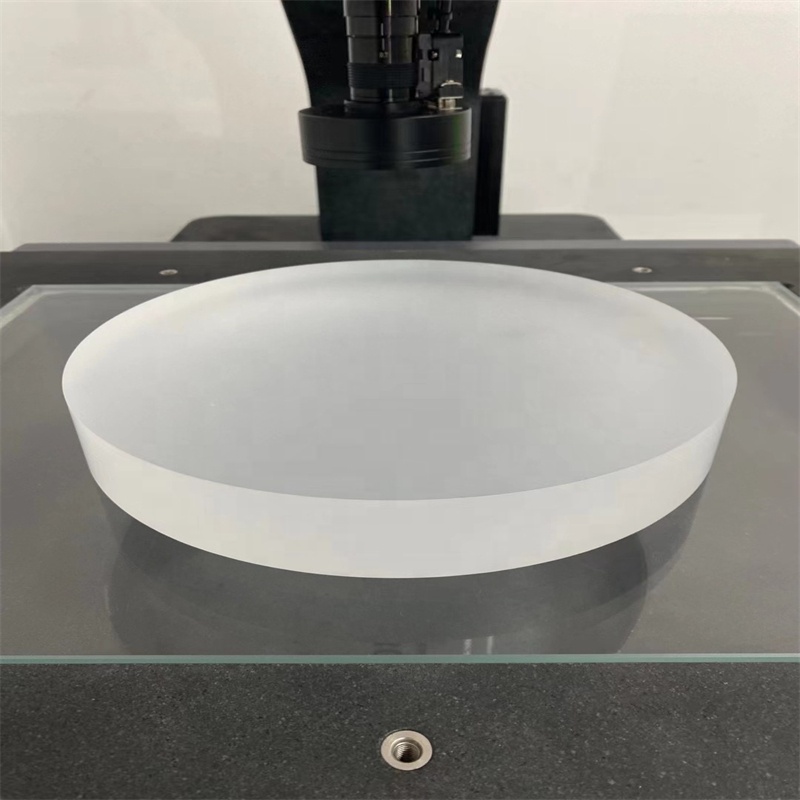
Clear Fused Quartz Valve Plate & Optical Substrate (1100°C)
99.99% SiO₂
Welding Service
Flatness <3λ
Manufactured from 99.99% high-purity SiO₂ fused silica with precision flame polishing, laser slotting, and CNC ground surface seals engineered for Singapore's front-end wafer fabrication and advanced research clusters.
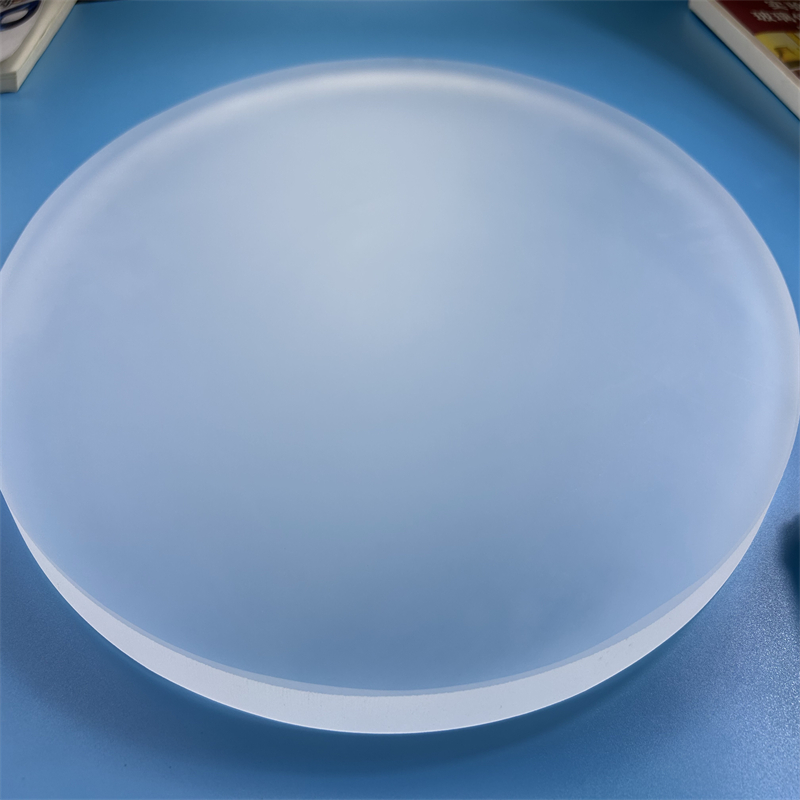
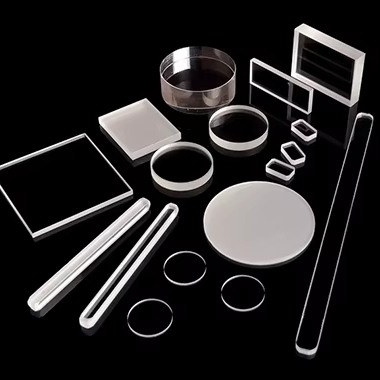

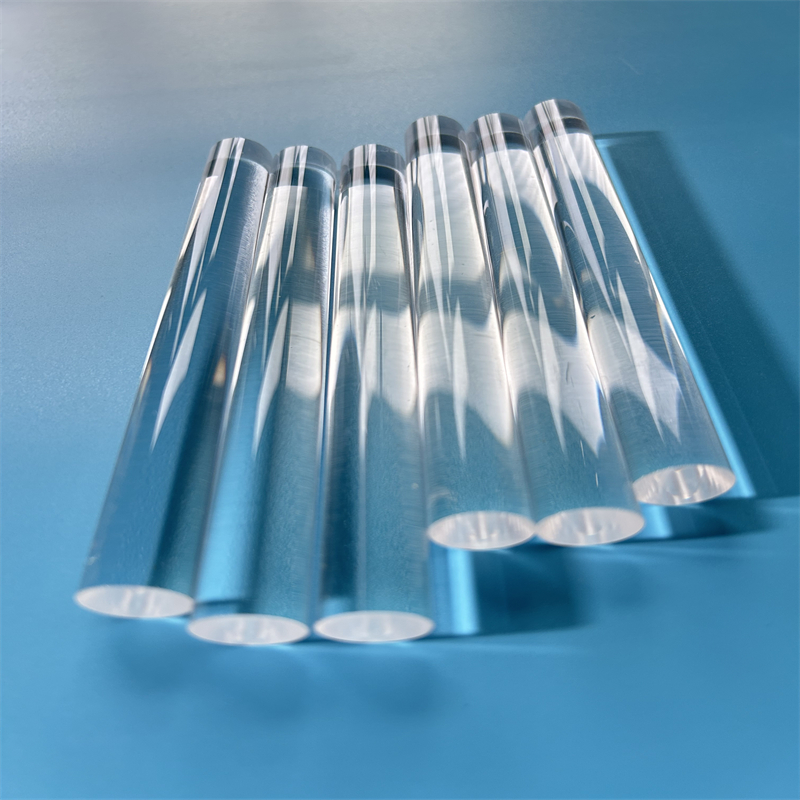
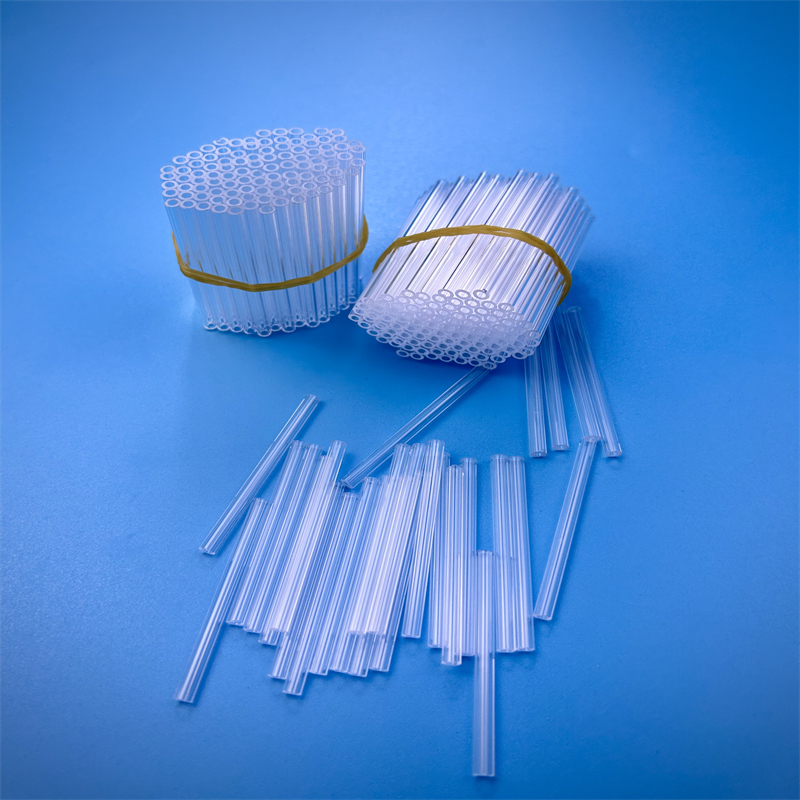
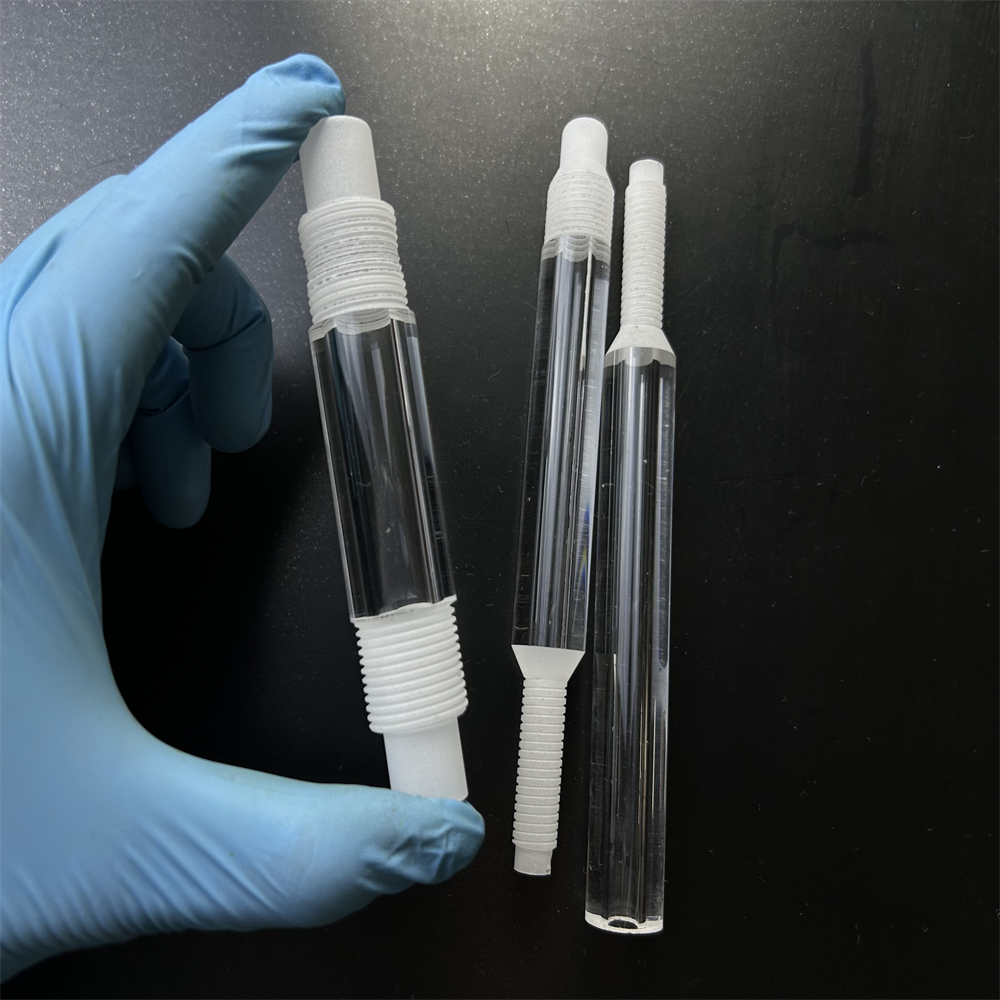
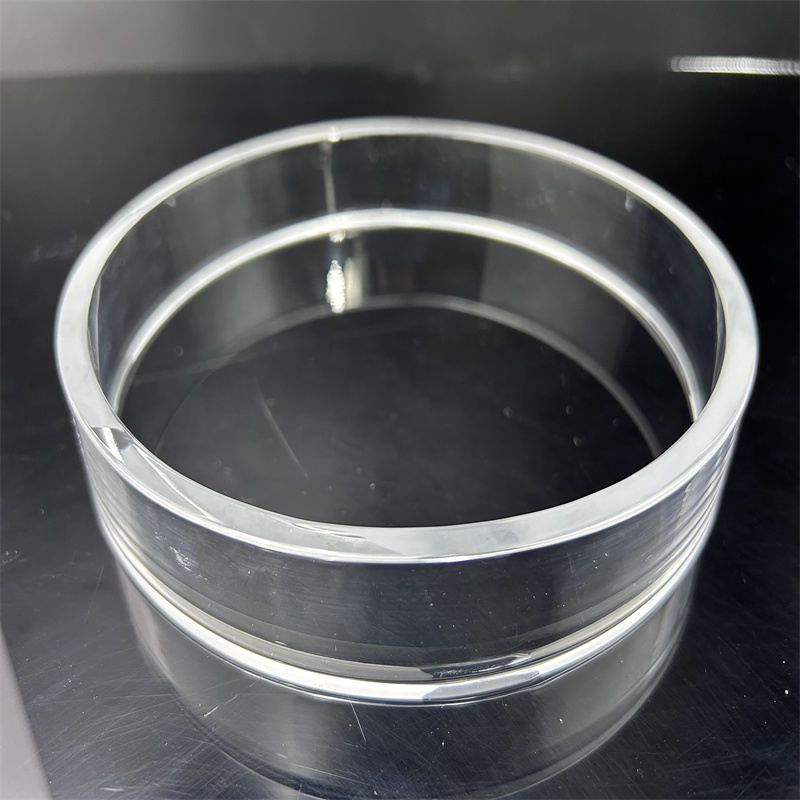
A comprehensive examination of why synthetic silica and electric-fused natural quartz valves outperform fluoro-polymers, Hastelloy, and borosilicate in extreme semiconductor, photochemical, and pharmaceutical operations.
In the advanced manufacturing corridors of Singapore—stretching from the semiconductor fabrication clusters in Tampines, Woodlands, and Pasir Ris to the biomedical megasites in Tuas Biomedical Park—fluid delivery systems are routinely subjected to operational extremes. These systems demand zero ion leaching, exceptional thermal integrity up to 1,100°C, and structural immunity against supercritical aggressive reagents. Industrial fused quartz glass valves have emerged as the definitive material choice for fluid isolation, pressure regulation, and directional flow control where standard metal alloys or fluoroplastics such as PTFE and PFA fail due to chemical permeation, structural deformation, or particulate shedding.
When engineering fluid path valves for Sub-7nm semiconductor lithography, atomic layer deposition (ALD), and wet etching, interstitial metallic impurities represent a catastrophic point of contamination. Sodium (Na), Potassium (K), Iron (Fe), and Copper (Cu) migrate into silicon substrates under elevated thermal regimes, causing dielectric breakdown and baseline yield failures. Lianyungang Zelvo Quartz Products manufactures valve components from raw silica derived from Donghai County—the global center of crystal mining—refined to an aggregate SiO₂ concentration exceeding 99.99% (4N), with ultra-low trace element content verified via Inductively Coupled Plasma Mass Spectrometry (ICP-MS).
| Element / Property | Standard Industrial Fused Quartz | Semiconductor-Grade Clear Fused Silica | Optical / Synthetic UV Grade (JGS1) | Singapore Fab Requirement Limit |
|---|---|---|---|---|
| Silicon Dioxide (SiO₂) | ≥ 99.95% | ≥ 99.99% | ≥ 99.999% | > 99.99% Cleanroom Baseline |
| Iron (Fe) Content | < 0.8 ppm | < 0.15 ppm | < 0.02 ppm | < 0.2 ppm Max Threshold |
| Sodium (Na) Content | < 1.0 ppm | < 0.3 ppm | < 0.05 ppm | < 0.5 ppm Max Threshold |
| Aluminum (Al) Content | < 14.0 ppm | < 8.0 ppm | < 0.1 ppm | < 10.0 ppm Max Threshold |
| Thermal Expansion (CTE) | 5.5 × 10⁻⁷ /K | 5.5 × 10⁻⁷ /K | 5.4 × 10⁻⁷ /K | Zero Stress at 20°C - 1000°C |
| Short-Term Thermal Limit | 1,200 °C | 1,300 °C | 1,350 °C | Thermal Spike Resilient |
Beyond bulk chemical purity, structural precision in quartz glass valve manufacturing hinges on micro-machining capabilities. Utilizing diamond grinding tooling, precision CNC laser trepanning, and multi-axis flame welding, valve sealing faces are ground to sub-micron optical flatness (optical flatness < 2λ), achieving zero-leak sealing without relying on elastomeric gaskets that degrade under exposure to hot fuming nitric acid, concentrated hydrochloric acid, or ozone-saturated deionized water.
Features an extraordinarily low thermal expansion coefficient of 5.5 × 10⁻⁷ /K. Zelvo's quartz valves sustain sudden thermal deltas of over 1000°C without risk of micro-fracture or physical shattering during rapid thermal processing (RTP) cycling.
Unaffected by virtually all commercial mineral acids, organic solvents, and halogen gases across ambient to boiling points. Only hydrofluoric acid (HF) and concentrated caustic alkaline solutions at elevated temperatures etch fused silica.
Engineered for high vacuum operations down to 10⁻⁸ Torr. Precision-machined quartz valve seats undergo controlled flame polishing to eliminate micro-cavities, preventing virtual leaks and atmospheric outgassing in plasma-assisted systems.
Bridging Chinese manufacturing depth with Singapore's strict standards across wafer fabrication, bio-processing, and clean energy innovation.
Critical fluid isolation valves utilized in chemical vapor deposition (CVD), plasma etching gas boxes, and wet chemical cleaning benches. Ensures zero metal ion transfer during wafer surface passivation and cleans using RCA formulations and SC-1/SC-2 chemistry.
Autoclavable, bio-inert quartz stopcocks, needle valves, and check valves used in continuous flow synthesis, chromatography columns, and active pharmaceutical ingredient (API) crystallization reactors requiring total visual inspection and zero extractable plasticizers.
Custom-built quartz vacuum control manifolds and gas dosing valves supporting advanced materials science, perovskite solar cell vapor transport research, and sub-surface nanolithography apparatus requiring non-standard port connections and high optical clarity.
How the Lion City is fortifying its high-tech industrial base through verified Chinese quartz engineering partnerships.
Singapore’s Manufacturing 2030 vision targets a 50% expansion in manufacturing value-add, establishing the city-state as a global leader in advanced electronics, medtech, and specialty chemical processing. With international semiconductor foundries expanding advanced node manufacturing facilities in Singapore, regional supply chain engineers face mounting challenges concerning component lead times, OEM margin stacking, and single-source dependencies on North American and European suppliers.
Three distinct structural dynamics are defining quartz glass component sourcing in Singapore:
1. Demand for Agile Sub-Tier Prototyping: Legacy quartz manufacturers in Japan and Germany prioritize long-run standardized production, leaving R&D teams and plant maintenance engineers stranded with 16-to-24 week lead times for custom replacement valves and specialized furnace manifolds. Chinese specialist manufacturers like Zelvo Quartz bridge this void through drawing-based fabrication starting from a single unit (MOQ 1 Piece), delivering engineered components to Singapore via air freight within 7–10 working days.
2. Total Transparency in Trace Elemental Verification: As device geometries shrink below 5 nanometers, semiconductor fabs demand batch-specific elemental assay certificates. The procurement trend has shifted toward integrated Chinese suppliers who control source raw materials in Jiangsu's crystal belt, execute flame processing in-house, and supply certified ICP-MS purity documentation alongside shipment consignments.
3. Deep Bilateral Trade Integration: Benefiting from the China-Singapore Free Trade Agreement (CSFTA) and Regional Comprehensive Economic Partnership (RCEP), shipments between Shanghai/Lianyungang ports and the Port of Singapore operate with streamlined customs clearance and preferential duty tariffs, allowing Singaporean enterprises to lower procurement costs by 30% to 50% while maintaining ISO-grade technical parity.
A proven manufacturing foundation built upon verified factory premises, comprehensive in-house machining, and senior technical directorship.
Headquartered in Donghai County, Lianyungang, Jiangsu Province—the global hub of quartz raw materials. Certified on-site by third-party inspection agencies with integrated flame shops, precision CNC tooling, and clean inspection bays.
Unlike large-scale conglomerates that mandate high order runs, we service prototyping demands, equipment retrofits, and replacement orders starting from 1 unit, complete with custom laser drilling, thread turning, and precision grinding.
Extensive experience shipping fragile, tight-tolerance scientific apparatus to Southeast Asia. Every quartz valve is secured in shock-absorbing tailored foam casing and encased in heavy-duty export plywood crates under comprehensive transit insurance.
Addressing engineering specifications, logistical handling, customs procedures, and payment terms for imports into Singapore.