High-Purity Quartz Components & Flow Control Systems
Explore our CE-compliant fused silica valves, optical plates, bell jars, and custom fabricated quartzware designed for zero contamination and high-temperature tolerance.
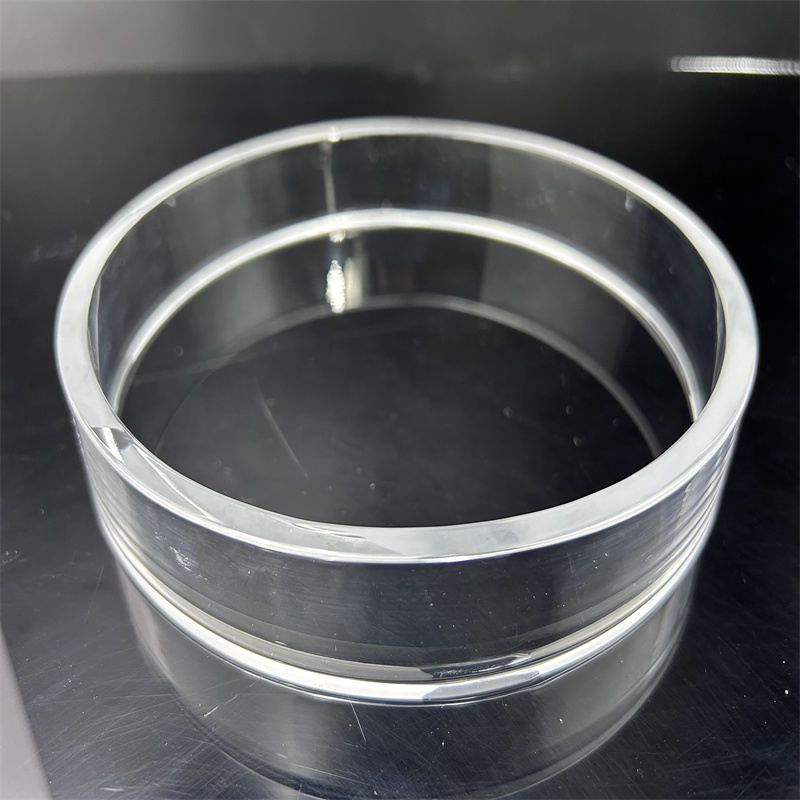
High-Purity Fused Quartz Bell Jar & Valve Manifold
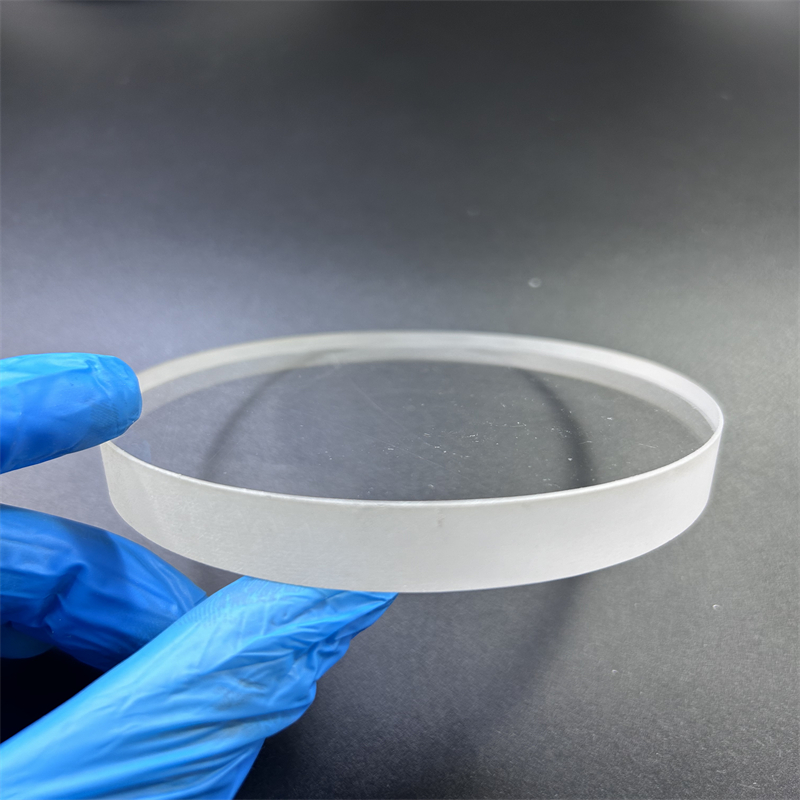
Precision High-Temperature UV Quartz Sight Glass Plate
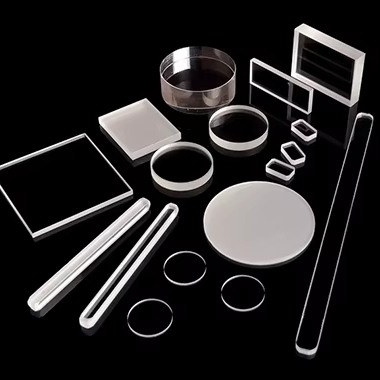
Optical Grade Fused Transparent Quartz Sheet for Valve Body
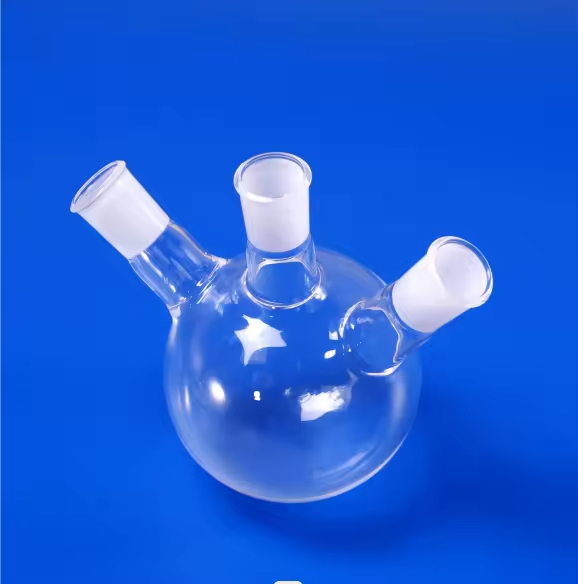
Twin Tube High-Temp Quartz Glass Valve Connector
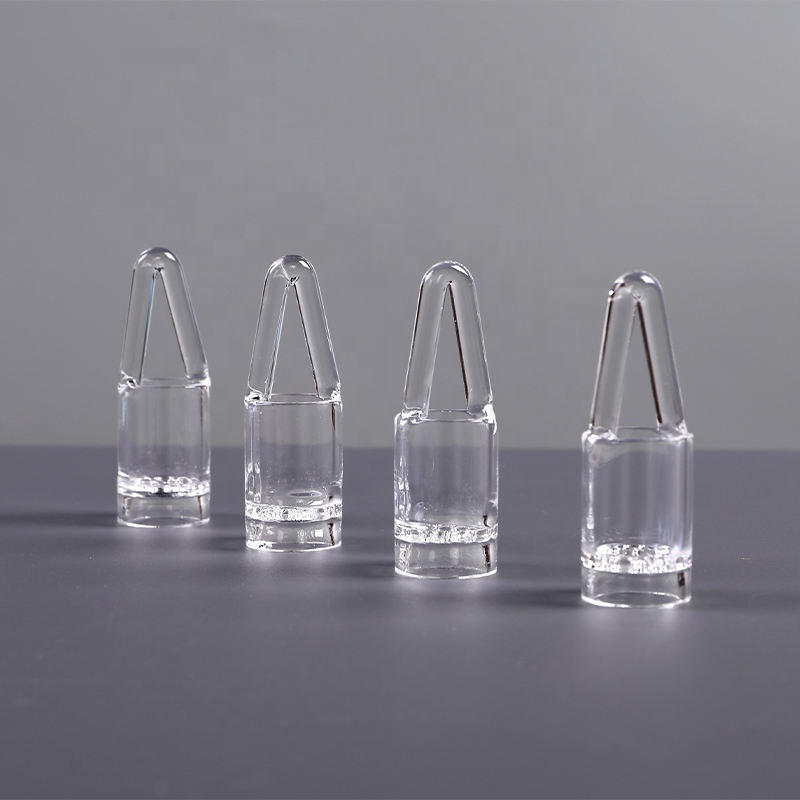
High-Pressure 99.99% Pure Quartz Valve Body Tube
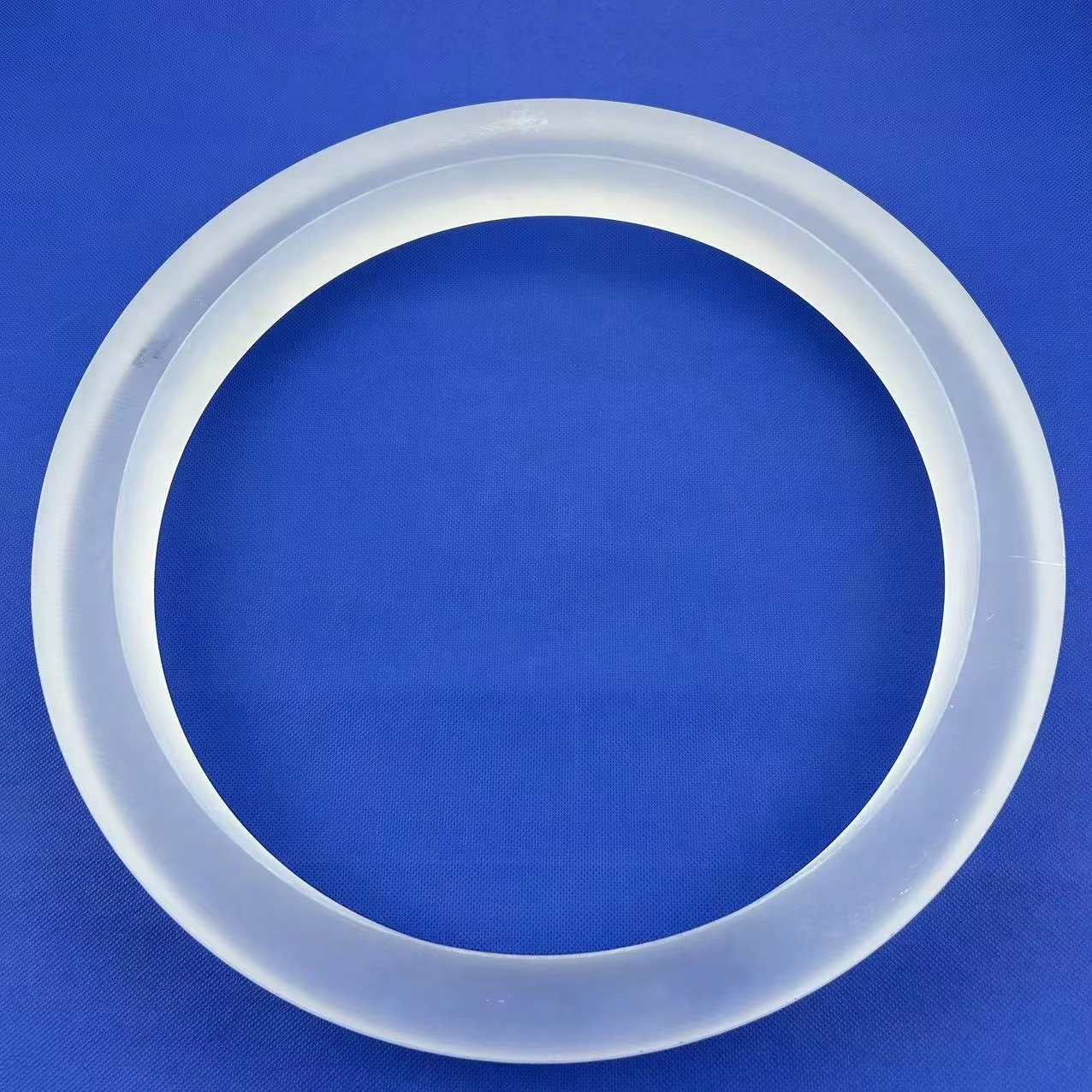
Custom Coated Quartz Valve Sealing Rings for CVD
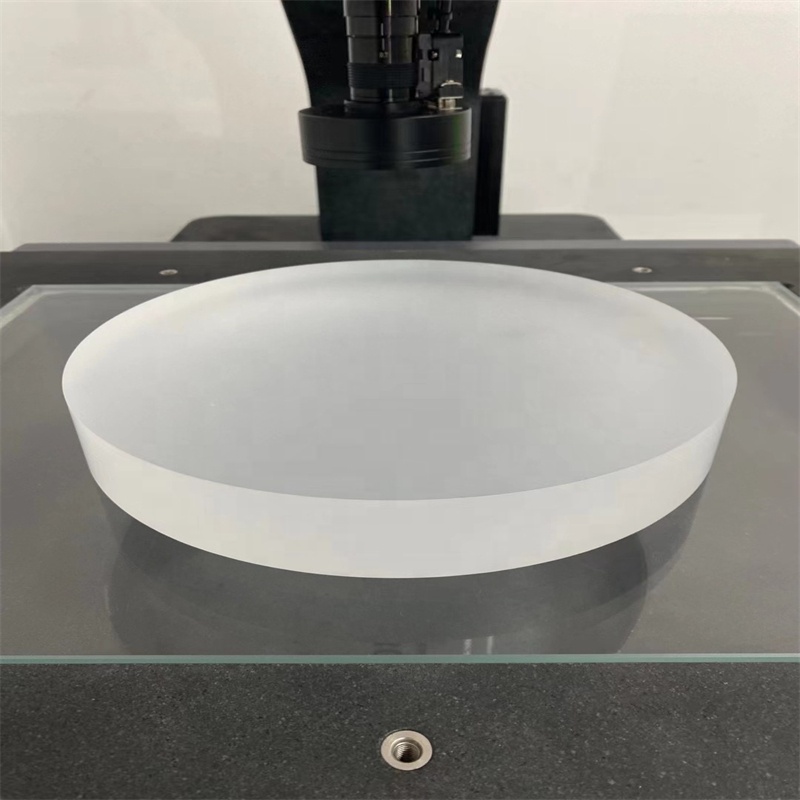
Clear Fused Quartz Valve Flange Plate (1100°C Resistant)
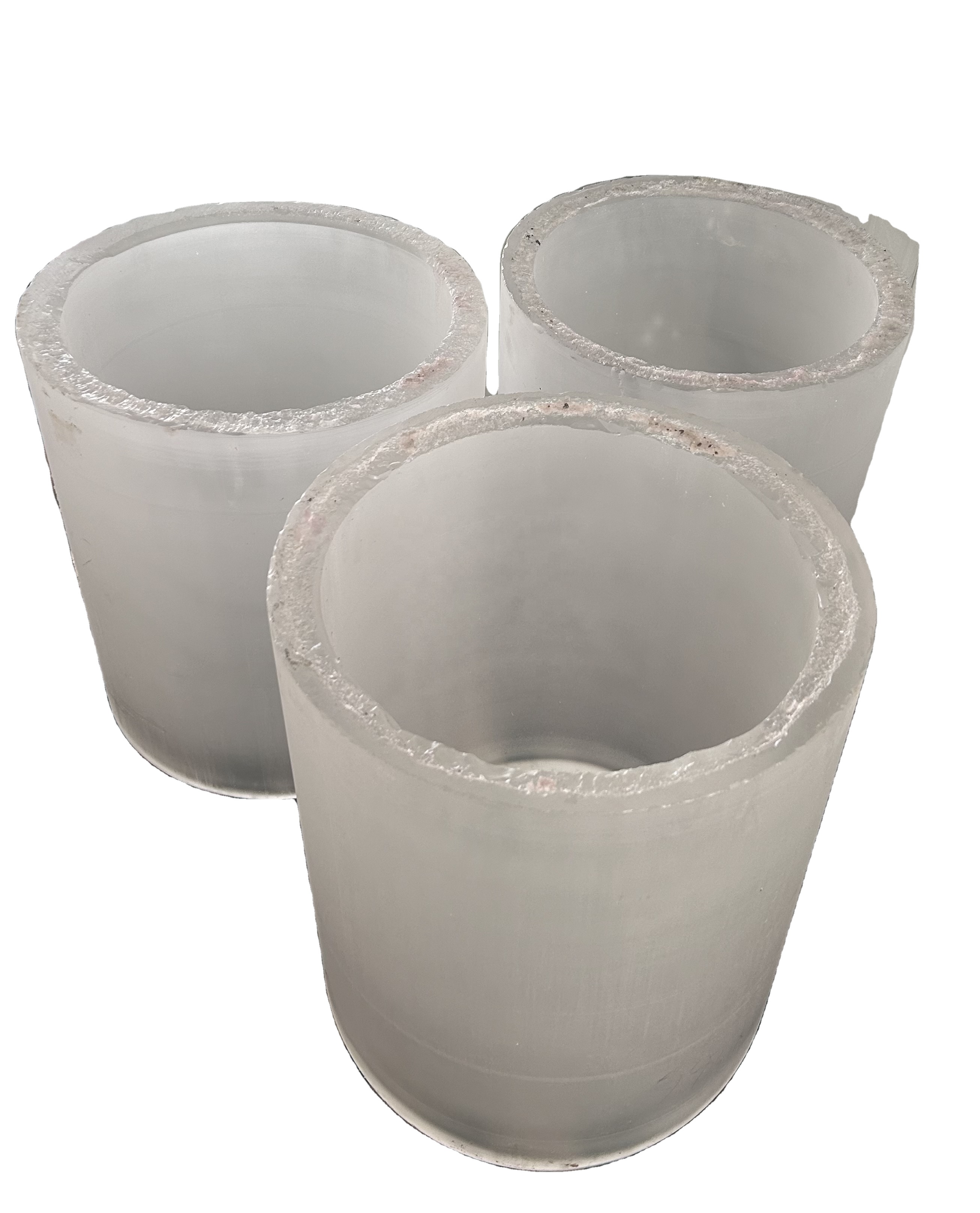
Frosted Fused Quartz Cylinder for Metering Valves
Industrial Whitepaper: The Critical Role of CE-Certified Fused Quartz Valves in High-Purity Fluidics
In modern high-tech industries—ranging from sub-10nm semiconductor wafer fabrication and photovoltaics (TOPCon/HJT) to specialized pharmaceutical synthons and atomic layer deposition (ALD)—fluid control components must guarantee absolute material inertness, zero metallic ion leaching, and zero thermal deformation under extreme thermal stress. Standard stainless steel, Hastelloy, or PTFE valves frequently fail when exposed to corrosive halogens (HCl, $Cl_2$, $F_2$), high-temperature acid vapors, or intense thermal cycling exceeding 1,000°C.
CE-Certified Fused Quartz Glass Valves represent the pinnacle of high-purity fluidic control. Fabricated from 99.99% pure synthetic and natural fused silica ($SiO_2$), these specialized valves deliver an unmatched combination of ultra-low thermal expansion ($5.5 \times 10^{-7} / \text{K}$), immense dielectric strength, and complete transparency to ultraviolet and visible spectra. CE compliance ensures that every valve assembly meets stringent European health, safety, and environmental protection standards under the Pressure Equipment Directive (PED 2014/68/EU) and relevant machinery directives.
Precision Quartz Valve Classifications & Performance Specifications
Understanding the operational parameters of specialized quartz valves allows chemical process engineers and procurement officers to match valve geometries to exact process chemistries.
Ultra-Pure Quartz Stopcock & Metering Valves
Engineered with micro-ground quartz plugs and high-precision tapered keys. Provides fine-throttling capability for aggressive acids ($HNO_3$, $H_2SO_4$, Aqua Regia) without dynamic seal degradation.
- Leak Rate: < $1 \times 10^{-8} \text{ mbar}\cdot\text{L/s}$
- Precision Taper: 1:10 standard laboratory ground joint
- Custom Bore Diameters: 1.5mm to 12mm
High-Temperature Pneumatic Quartz Flange Valves
Designed for automated CVD furnace lines and semiconductor etch tools. Combines fused silica valve bodies with fused quartz flanges and fluoropolymer dynamic actuators isolated from high-heat zones.
- Continuous Temp: Up to 1,100°C
- Actuation: Double-acting pneumatic cylinder
- Flange Interface: Custom NW/KF or flared quartz socket
Quartz Check Valves & Bubble Flowmeters
Utilizes ultra-smooth fused silica float balls and precision laser-etched seating surfaces to prevent backflow in gas-phase precursor delivery and ultra-pure ozone generation loops.
- Cracking Pressure: Customizable (0.05 to 0.5 bar)
- Optical Clarity: >90% transmission in UV-Vis spectrum
- Zero Metal Contact: Fully enclosed quartz flow path
Technical Material Property Comparison Matrix
A comprehensive engineering comparison highlighting fused quartz against alternative corrosion-resistant fluidic materials:
| Property Parameter | High-Purity Fused Quartz ($SiO_2$) | Borosilicate Glass 3.3 | PTFE / PFA Fluoropolymer | Hastelloy C-276 Alloy |
|---|---|---|---|---|
| $SiO_2$ Purity / Base Material | $\ge 99.99\%$ Pure Silica | $\sim 81\% SiO_2, 13\% B_2O_3$ | Perfluorinated Polymer | Ni-Mo-Cr Superalloy |
| Max Continuous Temperature | 1,100 °C | 450 °C | 260 °C | 650 °C |
| Thermal Shock Resistance ($\Delta T$) | Extreme (>1,000 °C quenching) | Moderate ($\sim 110$ °C) | Low (thermal creep) | High |
| Trace Metal Contamination | < 10 ppm total impurities | Leaches Boron/Sodium | Low (Organics Outgassing) | High Metal Ion Leaching |
| Corrosive Gas Resistance ($Cl_2, HCl$) | Immune at high temps | Attacked at >300°C | Degrades >200°C | Subject to pitting |
| CE PED Pressure Compliance | Full Certification Certified | Limited Pressure Rating | Creep under pressure | Certified Heavy Wall |
Future Procurement & Technological Trends in Quartz Valve Manufacturing
As semiconductor nodes shrink below 3nm and green hydrogen / solar PV scale up globally, the demand trajectory for specialized fused silica valves is experiencing significant structural shifts.
1. Sub-10nm Semiconductor Fabrication & Ultra-Low Hydroxyl ($OH$) Content
Modern fab lines require process gases to be controlled without a single atom of moisture or metallic contamination. Future procurement trends indicate a steep shift toward synthetic fused silica valve bodies featuring hydroxyl ($OH$) concentrations under 1 ppm. Low-OH quartz prevents absorption band interference and stops hydrogen gas embrittlement in extreme plasma chambers.
2. Precision Laser Micro-Machining & Ultrasonic Milling
Traditional flame-working and manual glassblowing are rapidly being augmented by 5-axis CNC ultrasonic machining and femtosecond laser drilling. This manufacturing advancement enables valve fabricators to produce complex internal flow channels, integrated micro-check seats, and sub-micron surface finishes ($Ra < 0.05 \mu m$) directly inside monolithically fused quartz valve blocks.
3. Hybrid Quartz-to-Metal & Glass-to-Teflon Sealing Interfaces
To integrate quartz valves seamlessly into existing stainless steel manifold skids, procurement officers are favoring manufacturers capable of offering certified quartz-to-metal transition fittings (utilizing Kovar or titanium grade 2) and high-vacuum spring-energized PTFE seal inserts that isolate structural mechanical strain from brittle quartz components.
4. Supply Chain Transparency & Direct-from-Source OEM Customization
Buyers are bypassing middle-tier distributors in favor of direct engagement with origin manufacturers located in key silica clusters like Donghai County, China. Sourcing trends prioritize manufacturers offering 1-piece MOQ prototyping, drawing-based rapid fabrication, and full material batch certification traceable to raw quartz ingots.
Why Global Buyers Partner with Lianyungang Zelvo Quartz
Rooted in China's Crystal Capital, Lianyungang Zelvo Quartz Products Co., Ltd. combines premier raw material sourcing with advanced glass-fabrication technology to deliver world-class quartz components.
Donghai Crystal Capital Ecosystem
Located in Donghai, Jiangsu, we leverage direct access to ultra-high-purity silica sand reserves and an integrated regional supply chain, significantly reducing raw material lead times and cost.
Drawing-Based Custom Machining
From CAD 2D/3D blueprints to finished parts: our facility specializes in precision laser drilling, grooving, tight-tolerance grinding, hydrogen-flame welding, and high-temperature annealing furnace de-stressing.
Rigorous CE & Quality Inspection
Every batch undergoes polarized optical strain mapping to eliminate internal stress, helium mass spectrometer leak testing, and optical surface roughness profiling prior to export.
Global Export Logistics Protection
We ship under FOB, CIF, DDP, and express courier terms using custom-molded high-density EVA shock-proof foam casing and reinforced export wooden crates to ensure 100% zero-breakage arrival.
Frequently Asked Questions (FAQ) for Quartz Valve Procurement
In-depth technical responses curated by our chief glass engineers to assist procurement managers and chemical process designers.
What does CE certification entail for custom fused quartz glass valves?
How do quartz valves handle extreme thermal shock compared to borosilicate glass?
Can Zelvo Quartz fabricate custom quartz valves based on specialized engineering drawings?
What cleaning and chemical sterilization methods are recommended for quartz valves?
What is the typical minimum order quantity (MOQ) and production lead time?
What vacuum tightness level can be achieved with fused silica stopcocks and valves?
Require Custom CE-Certified Quartz Valves or Flow Components?
Submit your technical drawings, process gas parameters, or dimensional requirements today. Our chief quartz engineers will provide a comprehensive engineering review and competitive direct-factory quotation within 2 hours.