High-Purity Quartz Condenser & Thermal Apparatus Portfolio
Engineered to withstand extreme thermal gradients ($ΔT > 1000°C$), corrosive vapor reflux, and continuous semiconductor-grade thermal cycles. Explore our standard configurations and custom-welded modules.
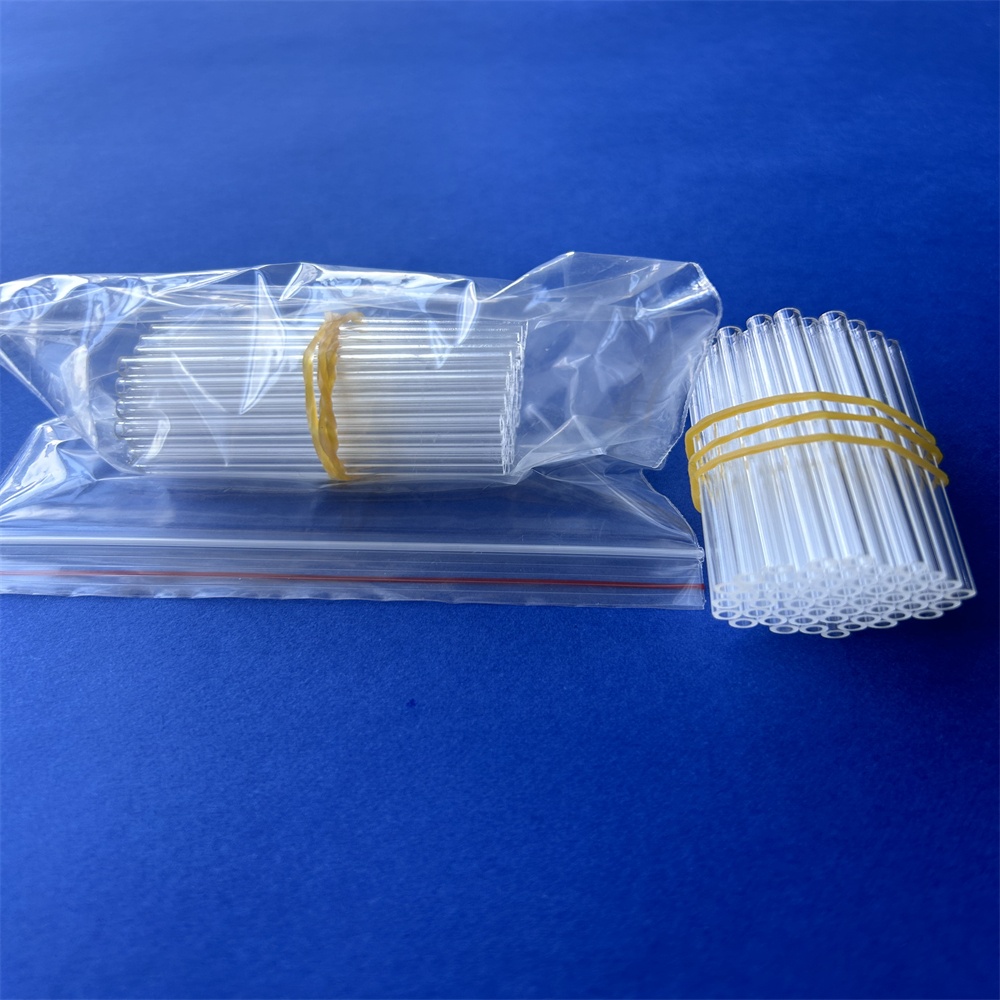
Small Diameter 0.1-20mm Pure Quartz Capillary Tube
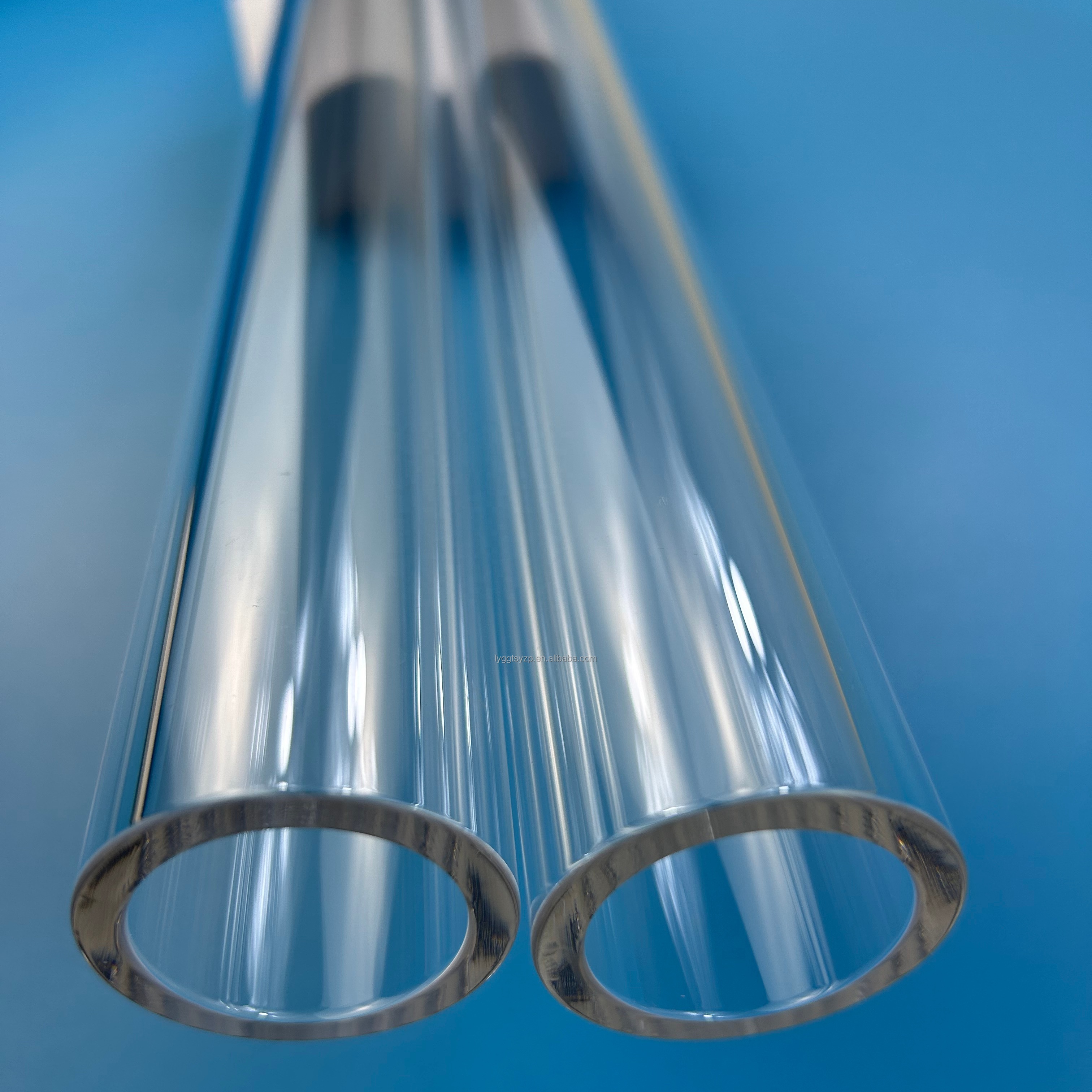
Polished Clear Quartz Twin Tube Condenser & Heater
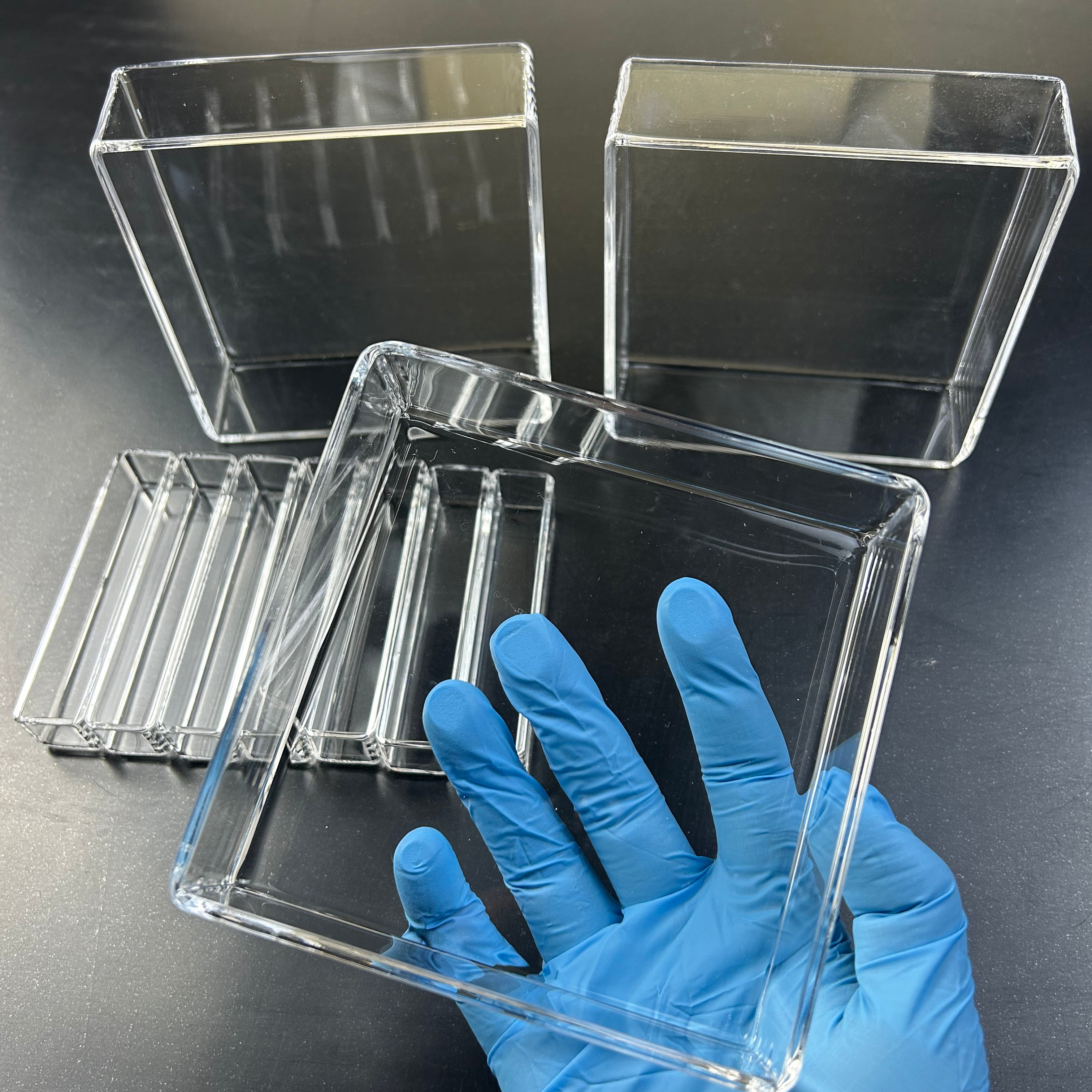
Custom High Temperature Quartz Crucible Tank
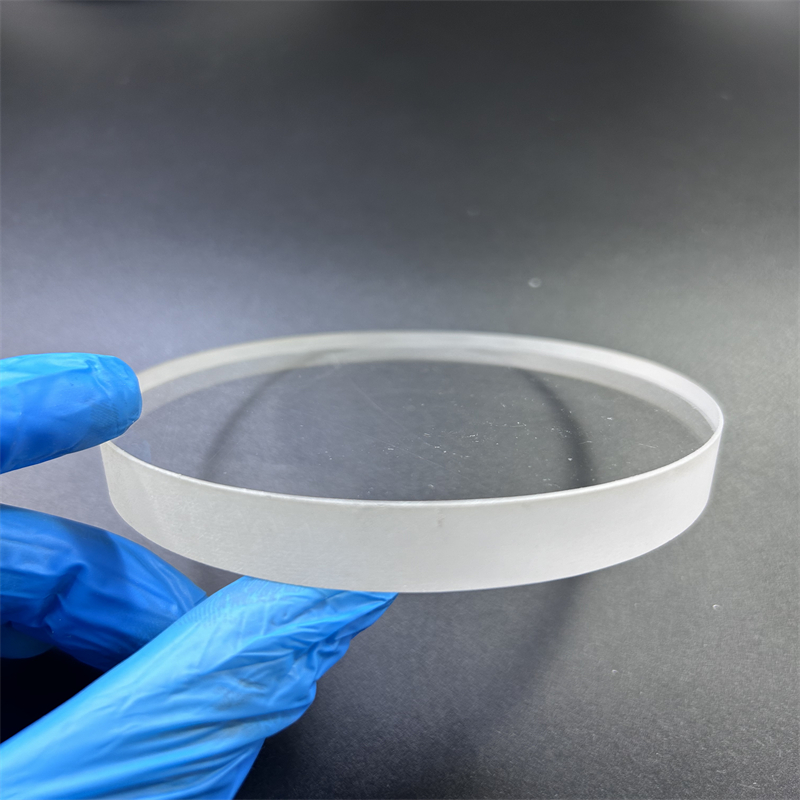
Transparent UV Quartz Glass Condenser Plate & Disc
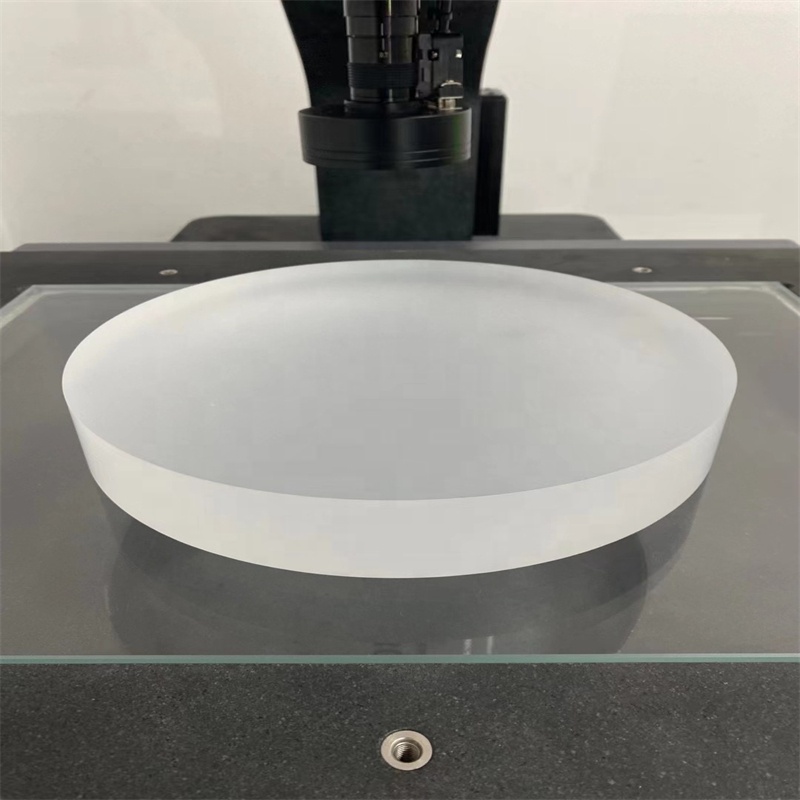
Custom Clear Fused Quartz Sight Plate Sheet
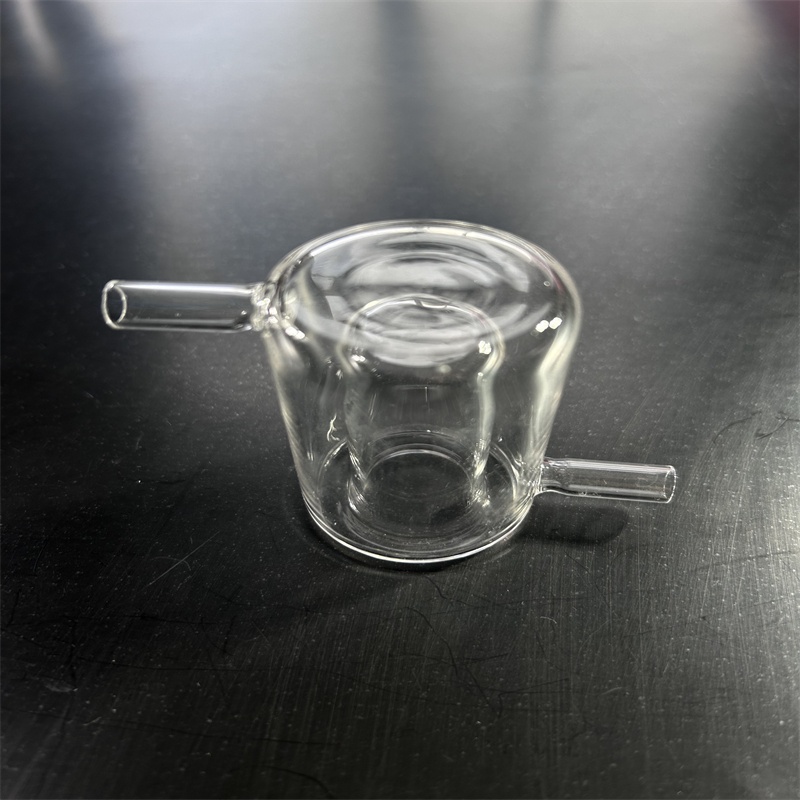
Custom Pure Quartz Glass Reactor & Condenser Column
High-Precision Optical Grade Quartz Thermal Tube
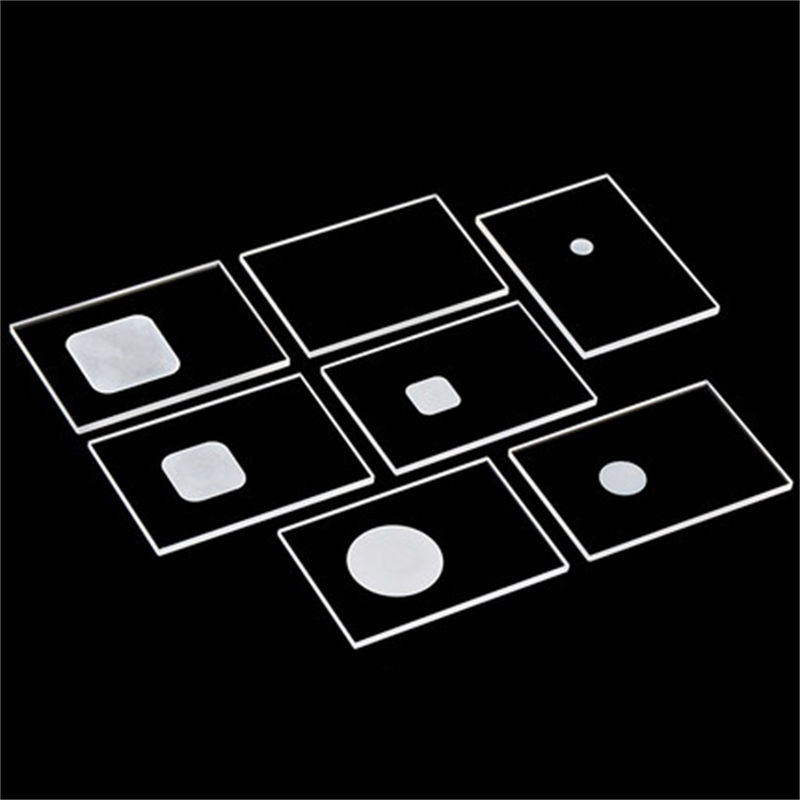
High Temperature Quartz Sheet for XRD Sample Carrier
Thermodynamic Superiority of Fused Quartz in Distillation & Condensation
Why modern semiconductor fabs, active pharmaceutical ingredient (API) synthesizers, and chlorosilane vapor recovery systems are phasing out Borosilicate 3.3 in favor of engineered fused silica condenser piping.
In high-throughput industrial chemical condensation, vapor reflux towers, and high-purity thermal separation facilities, the mechanical integrity and thermal endurance of condenser tubes determine total process uptime. While standard Borosilicate 3.3 (Pyrex-type) glass has long served general chemical laboratory apparatus, modern industrial scale-ups present severe operational boundary limits. High partial pressures of volatile halides, aggressive nitric and sulfuric acid vapor matrices at temperatures exceeding 450°C, and rapid liquid-gas phase transition thermal shocks inevitably cause micro-fracture propagation, bore devitrification, and costly catastrophic failure in conventional borosilicate systems.
By contrast, fused quartz condenser pipes—synthesized by high-temperature fusion of ultra-pure natural quartz crystal sand (≥ 99.99% silicon dioxide)—possess an extraordinarily low coefficient of thermal expansion ($5.5 \times 10^{-7}\ \text{K}^{-1}$). This microscopic expansion metric grants fused quartz an innate immunity to thermal shock: a red-hot quartz condenser tube running at 1100°C can be instantly quenched in cold water without developing crystalline phase fracture lines or micro-stress stress cracking.
Critical Engineering Principle: The condensation of aggressive acid vapors (e.g., concentrated HCl, chlorinated solvents, semiconductor etch effluents) generates localized latent heat spikes along the inner condensing wall. Fused quartz exhibits an annealing point of 1215°C and softening point above 1683°C, providing an operating safety factor exceeding 400% relative to borosilicate alternatives.
| Physical / Chemical Property | High-Purity Fused Quartz (Donghai Standard) | Industrial Borosilicate 3.3 | Operational Impact on Condensation Units |
|---|---|---|---|
| SiO₂ Purity Concentration | ≥ 99.99% (Low trace metals < 20 ppm) | Approx. 80.5% (B₂O₃ ~12.5%, Na₂O/K₂O ~4%) | Zero Contamination Prevents metal ion leaching into ultra-pure distillate. |
| Coefficient of Thermal Expansion (CTE) | 5.5 × 10⁻⁷ / K (20°C to 320°C) | 33 × 10⁻⁷ / K (20°C to 300°C) | Fused quartz provides 600% higher thermal shock resilience during reflux spikes. |
| Continuous Safe Working Temperature | 1100 °C (Short excursions to 1300°C) | 450 °C (Short excursions to 500°C) | Enables high-temperature vapor condensation directly from pyrolysis chambers. |
| Softening Point ($\log η = 7.6$) | 1683 °C | 825 °C | Eliminates inner coil sagging and geometric distortion under deep thermal cycling. |
| Hydrolytic Resistance (ISO 719) | Class HGB 1 (Virtually inert) | Class HGB 1 | Prevents silicate clouding and bore diameter reduction over 50,000+ continuous hours. |
| Optical & Infrared Transmission | > 92% (from 220nm UV to 3500nm IR) | Cut-off below 310nm; low IR clarity | Enables photochemical synthesis reactors paired directly with in-line condensing. |
Why International Engineers Source Condensers from Donghai
Lianyungang Zelvo Quartz Products Co., Ltd. sits at the heart of Donghai County, Jiangsu Province—the global hub of natural high-purity quartz reserves and precision hot-working expertise.
Direct Cluster Ecosystem & Raw Material Control
Situated in China's "Crystal Capital", our raw feedstock benefits from localized high-purity silicon sand processing. This proximity completely insulates our global procurement clients from raw material price volatility, ensures certified 99.99% SiO₂ lot-to-lot traceability, and drives lower lead times from ingot casting to tubular drawing.
Advanced Flame Lathe & Laser Fabrication
Building high-efficiency quartz condenser coils requires specialized craftsmanship. Our facility combines synchronized dual-spindle glassblowing lathe stations with CO₂ laser drilling and high-precision water-cooled diamond trepanning. We execute tight spiral inner-coil configurations, multi-jacket Liebig condensers, and ground joint welding without residual wall thinning.
Rapid Engineering Turnaround & 1-Piece MOQ
Unlike monolithic glass conglomerates that require minimum runs of hundreds of units, we cater to custom pilot plants and laboratory research teams with a 1-piece MOQ. Our sales engineering team provides feasibility reviews and CAD drawing confirmations within 2 hours, backing every shipment with dimensional and polariscope stress inspection.
Precision Fabrication Flow: From CAD Drawing to Helium Leak Check
Drawing & DFM Review
Thermal expansion tolerances, wall thickness gradients, and custom flange/ground joint matching evaluated by our master glass technologist.
Raw Tube Drawing
99.99% pure silica feedstock continuously drawn into cylindrical condenser shells with precision laser outer/inner diameter optical micrometer control.
Coil Bending & Welding
Oxy-hydrogen flame manipulation on computerized glass-lathes to roll tight heat-exchange coils and fuse dual-jacket coolant ports without bubble clusters.
Thermal De-Stressing
Precision annealing in microprocessor-controlled kilns at 1150°C to completely eliminate residual molecular stress induced by flame-working operations.
Leak & Optical QC
Polariscope stress measurement, hydraulic pressure proofing up to 1.5 MPa, dimensional laser verification, and custom vacuum helium leak testing.
Future Procurement Trends in Quartz Condensation Systems (2025–2030)
Key market forces, regulatory compliance shifts, and technical innovations dictating how international buyers source quartz components over the coming decade.
The global transition toward greener chemical processing, advanced semiconductor lithography infrastructure, and high-efficiency photovoltaic wafer manufacturing is transforming how engineering procurement managers evaluate quartz condenser pipe manufacturers. Based on order history metrics and cross-border project demands, we identify four critical trends defining supply chain priorities:
1. Stringent Parts-Per-Billion (PPB) Contamination Ceilings: In semiconductor precursor distillation (such as TEOS, titanium tetrachloride, and silicon tetrachloride vapor recovery), standard industrial quartz is no longer sufficient. Buyers now demand synthetic fused silica or acid-washed natural quartz with iron, copper, and alkali metals strictly below 15 ppb. Condenser pipe manufacturers in China that integrate ultrasonic deionized-water cleaning and Class 1,000 cleanroom packaging are capturing long-term recurring supply agreements.
2. Adoption of Multi-Channel Micro-Condenser Architectures: Traditional bulky single-coil condensers are increasingly replaced by twin-bore and multi-capillary bundle arrays. These microchannel geometries dramatically boost the surface-area-to-volume ratio ($A/V$), accelerating condensation heat-flux transfer rates while shrinking the spatial footprint of pilot skids and modular reaction systems by up to 60%.
3. Decoupling Risk & Agile On-Demand Prototyping: Sourcing managers are moving away from monolithic suppliers with 16-week lead times. By partnering directly with specialized Donghai factories that offer direct CAD-to-lathe fabrication and a 1-piece MOQ, engineering teams can iterate pilot reactor condenser designs rapidly without committing to exorbitant tooling costs.
4. Total Cost of Ownership (TCO) Prioritization: While initial purchase price remains a factor, multinational chemical operators now factor in "life-cycle thermal cycle resistance." A quartz condenser that endures 10,000 rapid thermal shocks without crazing or cloudy devitrification dramatically cuts unscheduled downtime costs—rendering premium Chinese quartz the most cost-effective solution on a multi-year horizon.
Request the 2025 Fused Quartz Engineering Specifications Handbook
Gain direct access to full dimensional tolerance tables, thermal shock stress calculations, chemical resistance charts across 120 aggressive reagents, and standard condenser pipe CAD schematics.
Next-Generation Fabrication: Beyond Manual Glassblowing
How the integration of CNC cold grinding, optical laser drilling, and digital annealing furnaces is establishing unprecedented accuracy for quartz piping.
Historically, fused quartz condenser pipe production relied predominantly on skilled artisanal glassblowers using handheld oxy-hydrogen torches. While manual artistry remains indispensable for complex custom manifolds, modern industrial specifications necessitate repeatable sub-millimeter tolerances that human hands alone cannot sustain. Donghai’s premier factories have systematically automated critical processing stages:
CNC Multi-Axis Diamond Grinding: Flat sealing flanges, spherical ball-and-socket ground joints (e.g., standard taper ST 24/40, 29/32, or spherical ground joints #35/20), and sealing O-ring grooves are now cut on 5-axis CNC wet-grinding centers. Diamond grinding spindles running at 24,000 RPM produce mirror finishes with Ra surface roughness < 0.2 µm, ensuring completely hermetic, vacuum-tight sealing down to $10^{-6}\ \text{mbar}$ without the use of chemical greases that could contaminate high-purity process vapors.
Optical Laser Trepanning & Slotting: Cutting side-inlet vapor ports, cooling jacket circulation baffles, and internal condense drain slots with mechanical saws frequently induces micro-cracking along cut perimeters. We deploy pulsed CO₂ laser cutting arrays that cleanly melt and vaporize the quartz boundary along a 50-micron kerf line, creating fire-polished edges that resist catastrophic propagation during high-pressure thermal shock cycles.
Digital Kiln Stress Annealing: When quartz is worked under an oxy-hydrogen flame (approaching 2000°C), severe thermal gradients between the molten zone and adjacent cold pipe create intense molecular tension. Modern factories utilize 12-stage programmable electrical annealing furnaces. Condensers undergo an extended holding period at 1150°C followed by controlled cooling at rates down to 1.5°C/min, relieving internal stresses and guaranteeing zero birefringence distortion under crossed-polarizer analysis.
Frequently Asked Questions: Sourcing Quartz Condenser Pipes
Straightforward technical answers to the most common queries raised by international procurement managers, plant engineers, and research directors.
What chemical reagents can attack or degrade a fused quartz condenser pipe?
How does fused quartz handle thermal quenching compared to standard lab glassware?
Can Zelvo Quartz fabricate custom ground joints, threads, and flanges onto condenser pipes?
What dimensional tolerances can you maintain on inner cooling coils and jacket walls?
What is the minimum order quantity (MOQ) and sample lead time for prototype builds?
How do you protect fragile quartz condensers against breakage during international transit?
What quality documentation and testing reports are supplied with each export batch?
What international commercial trade and payment terms do you support?
Partner with China's Premier Fused Quartz Glass Fabricator
Send your CAD drawing (.DWG, .DXF, .STEP, or hand sketch with dimensions) directly to our technical team. Receive a comprehensive feasibility evaluation, material breakdown, and competitive factory-direct quote within 2 hours.