Featured Quartz Glass & Wool Engineering Assemblies
Engineered for extreme thermal gradients, corrosive chemical contact, high-vacuum plasma environments, and deep-UV photonic transmission. Fabricated directly in Donghai County—China's Quartz Capital.
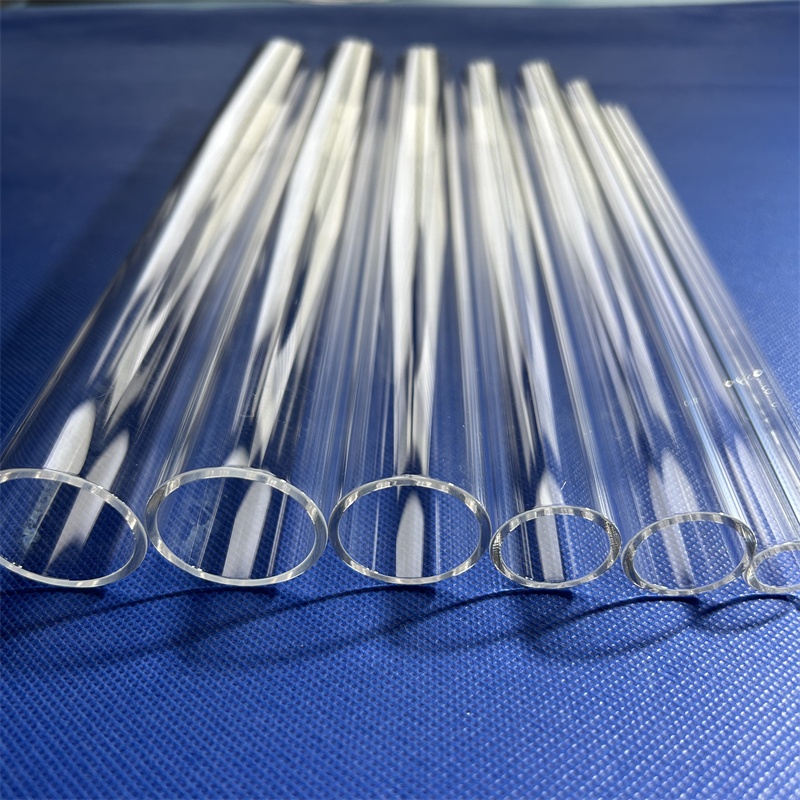
Transparent High Pressure 99.99% Pure Quartz Glass Tube Furnace Boiler Chemical Applications Corrosion Bending Moulding
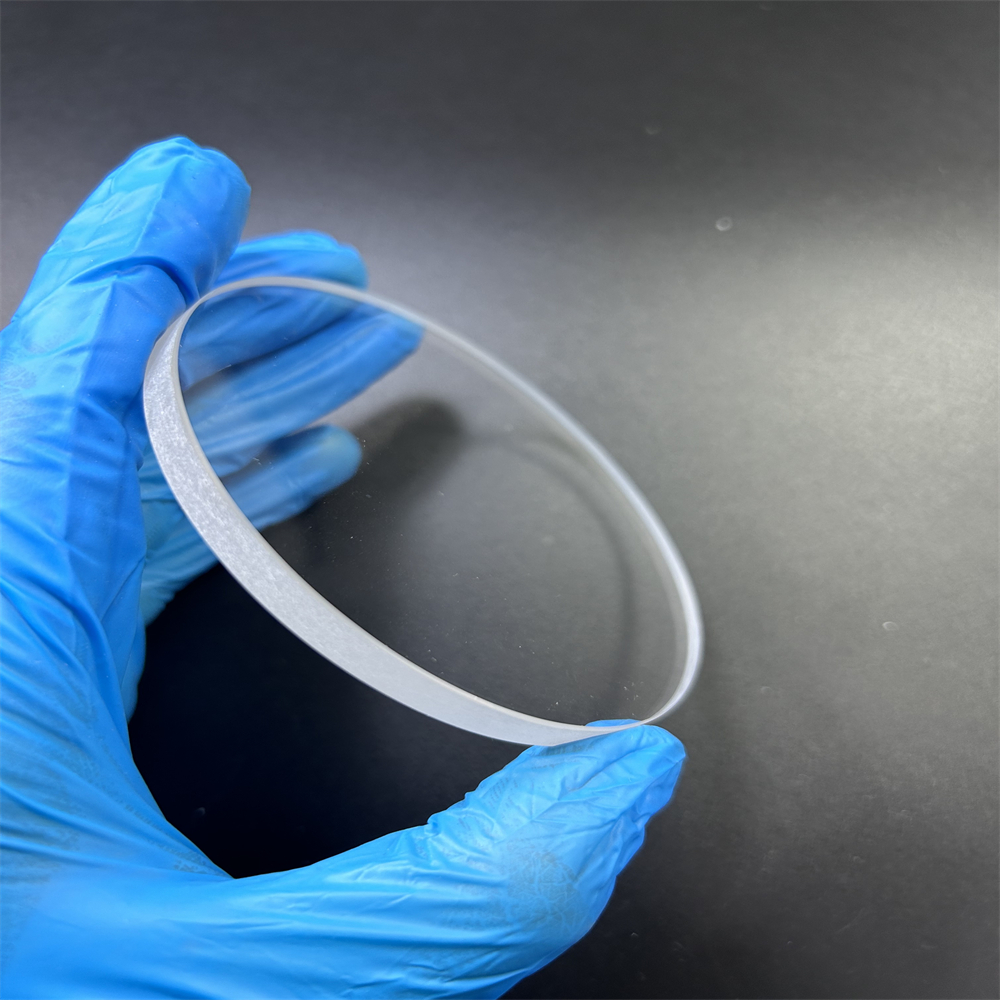
High Pressure Fused Silica Quartz Glass Wafer Transparent UV Sheet High Precision Cutting Custom Sizes Optical Welding
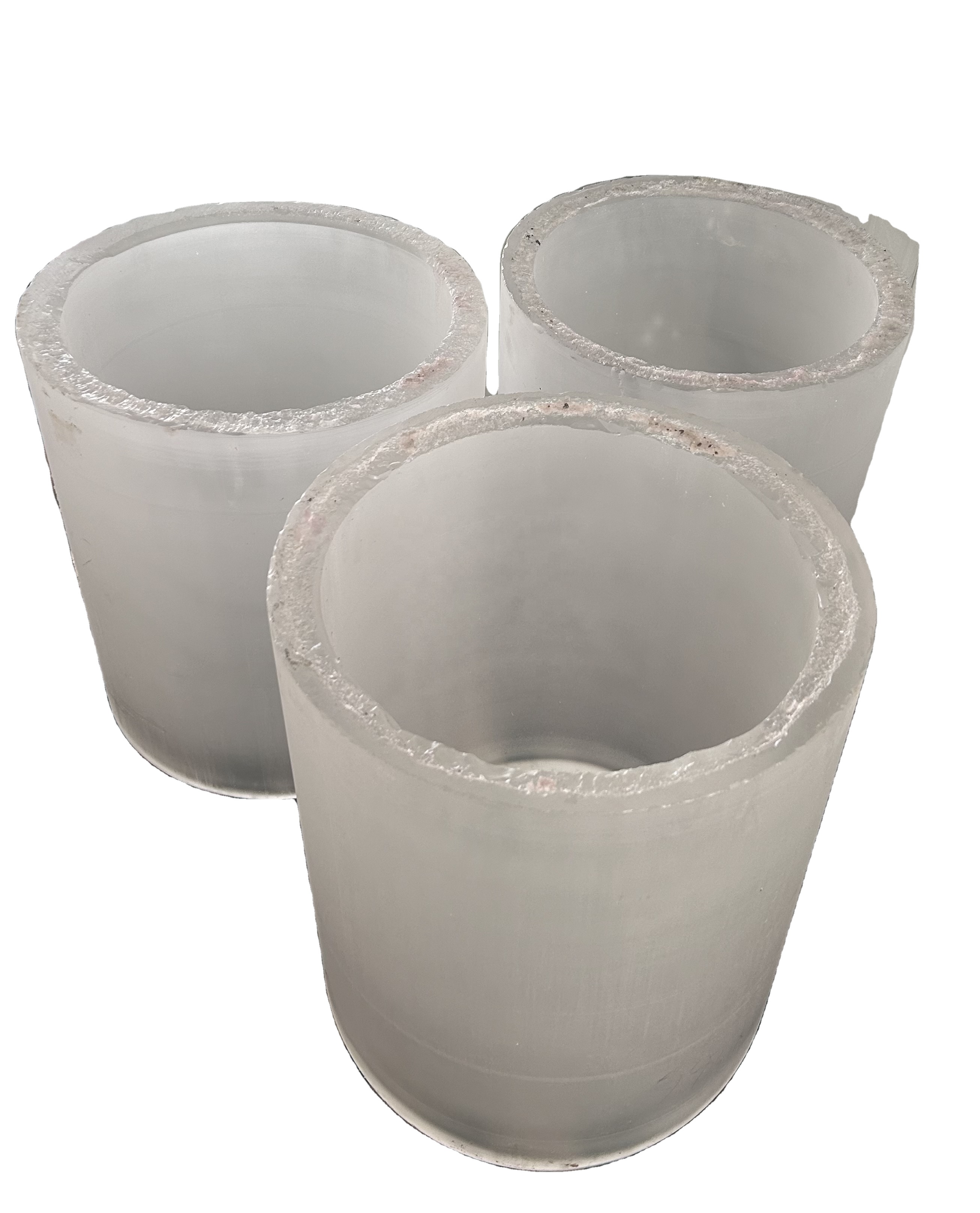
Open Ended Fused Quartz Frosted Glass Cylinder Ingot with Moulding Welding Cutting Services Custom Sizes for Optics Applications
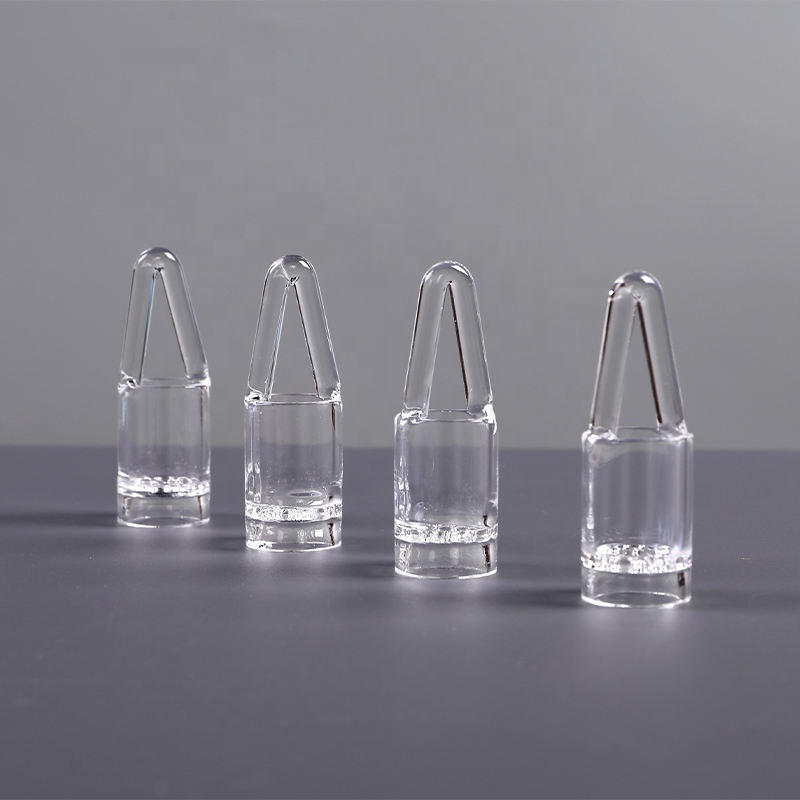
Factory Custom High Pressure 99.99% Pure Quartz Glass Tube Bending/Welding Ozone Free Polished Surface
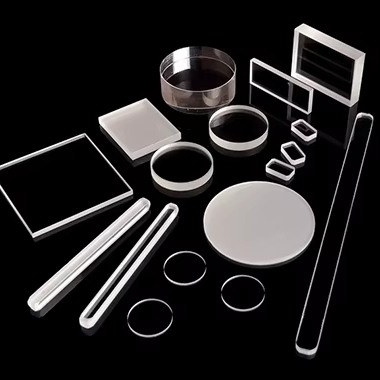
Custom Size High Temperature Fused Transparent Quartz Glass Optical Grade Test Sample Sheet Welding Cutting Processing Service
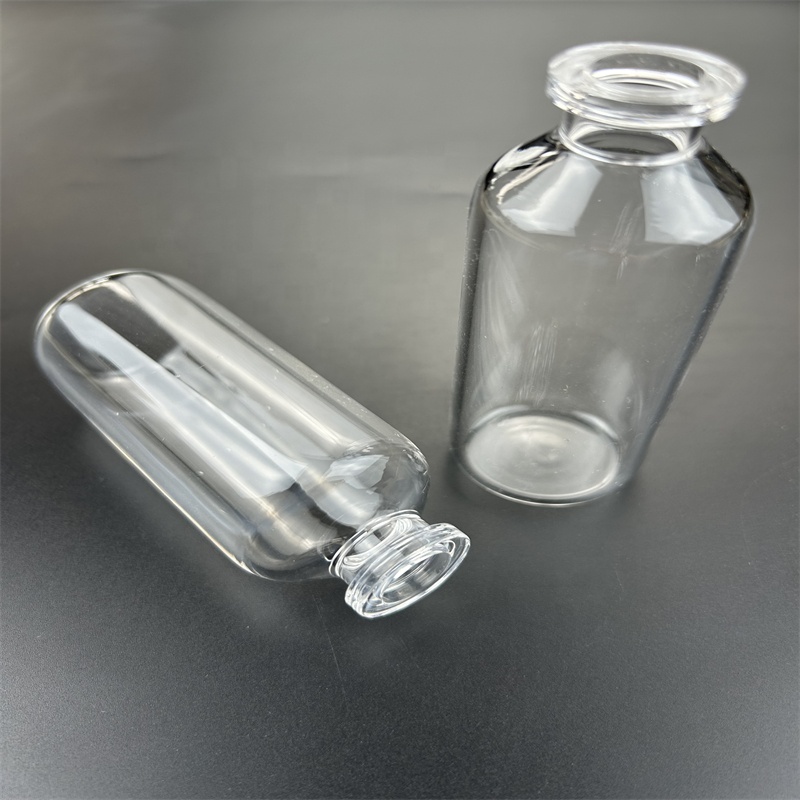
Custom High Pressure Corrosion Resistant Transparent 99.99% Pure Ozone Free Quartz Glass Ampoules Bending Welding Medical Grade
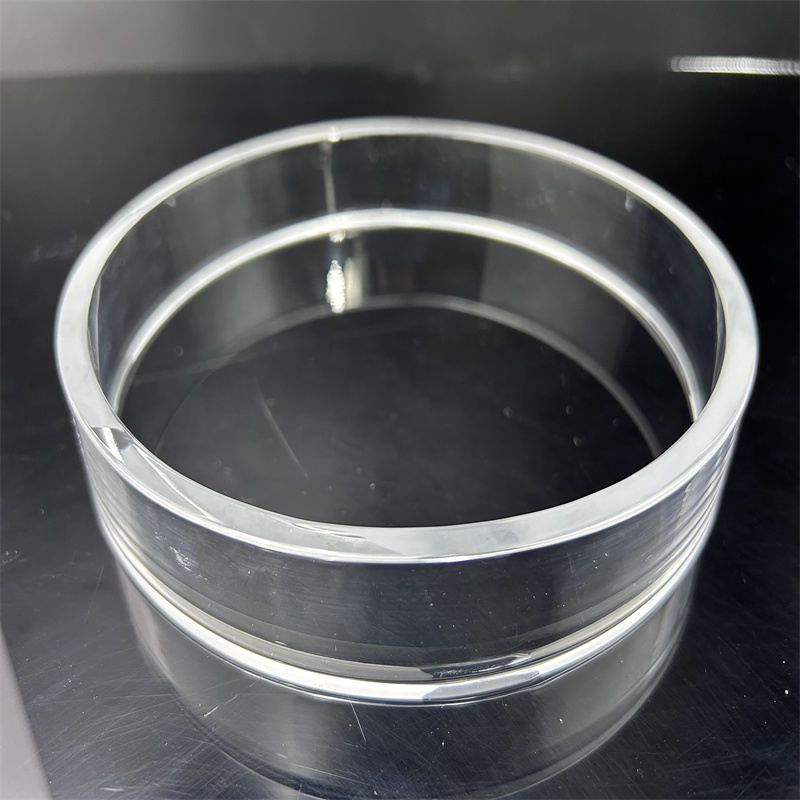
Customizable High Transparent Corrosion-resistant High Purity Fused Quartz Glass Bell Jar Semiconductor Applications Cutting
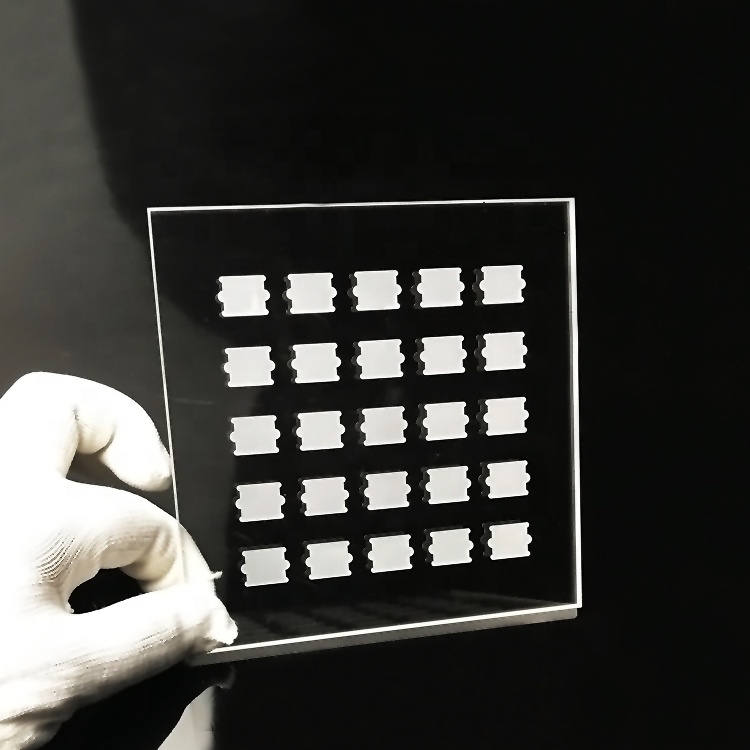
Factory Custom Fused Quartz Glass Circular High Quality High Temperature Welding Cutting XRD Sample Holder Optics Clear
The Engineering Dynamics of Fused Quartz & Quartz Glass Wool in Extreme Environments
In high-temperature process engineering, semiconductor fabrication, and analytical chemistry, high-purity quartz glass wool and vitreous fused silica components represent the apex of thermal resilience, chemical inertia, and broadband optical transmission. Unlike conventional borosilicate glass or soda-lime glass, pure fused quartz is composed exclusively of silicon dioxide (SiO₂ ≥ 99.99%) in an amorphous, non-crystalline three-dimensional tetrahedral lattice. This molecular structure gives rise to exceptional thermo-physical attributes, including an ultra-low linear thermal expansion coefficient (5.5 × 10⁻⁷ /°C), near-absolute resistance to thermal shock, and a softening temperature exceeding 1680°C.
For industrial filtration, catalyst retention, chromatography, and aerospace insulation, quartz glass wool (manufactured from ultra-fine filament spinning of virgin quartz ingots) exhibits absolute binder-free purity. Conventional glass wool contains organic binders, phenolic resins, and high concentrations of alkali oxides (Na₂O, K₂O, CaO) that off-gas, hydrolyze, or liquefy at temperatures above 450°C. In stark contrast, industrial-grade quartz wool withstands continuous operating thresholds of 1050°C to 1100°C, and short-term excursions to 1300°C, without structural devitrification or chemical embrittlement.
Material Performance Matrix: Fused Quartz vs. Standard Industrial Glass Media
| Physical / Chemical Property | High-Purity Quartz Wool & Glass | Borosilicate 3.3 Glass | Ceramic Fiber (Aluminosilicate) | E-Glass Insulation Media |
|---|---|---|---|---|
| Silica Purity (SiO₂ wt%) | ≥ 99.99% (Optical/Semiconductor) | ≈ 81% (High Alkali) | 45% – 55% (Al₂O₃ balance) | 52% – 56% (High Flux) |
| Continuous Max Service Temp | 1100 °C (2012 °F) | 450 °C (842 °F) | 1200 °C (2192 °F) | 550 °C (1022 °F) |
| Thermal Expansion Coeff. (20–300°C) | 5.5 × 10⁻⁷ /K | 33 × 10⁻⁷ /K | ≈ 50 × 10⁻⁷ /K | ≈ 60 × 10⁻⁷ /K |
| Thermal Shock Gradient (ΔT) | > 1100 °C to Water Quench (No Fracture) | ≈ 150 °C Maximum | High (Fiber Mat Form) | Poor (Brittleness Failure) |
| Chemical Leaching / Metal Contamination | Total Impurities < 20 ppm (ICP-MS) | B, Na, Al Leach into Hot Acids | High Al, Fe, Ti Leaching | Severe Binder Off-Gassing |
| Dielectric Loss Factor (tan δ @ 1 MHz) | < 0.0001 (Zero Signal Absorption) | 0.0035 (High Loss) | 0.0150 (Unusable for RF/MW) | 0.0020 (Moderate Loss) |
*Data verified via internal spectrophotometric and ICP-MS testing in accordance with ASTM C693 and ISO 7991 standards.
Impurity Criticality & Cristobalite Devitrification Prevention
For technical directors and procurement managers specifying quartz products for chemical vapor deposition (CVD), atomic layer deposition (ALD), and elemental analyzers (e.g., carbon-sulfur analysis, BET surface area tubes), trace elemental contamination dictates lifetime reliability. Alkali metals like Sodium (Na), Potassium (K), and Lithium (Li) act as network modifiers within the vitreous SiO₂ matrix. When exposed to temperatures above 1000°C, these mobile cations trigger heterogeneous nucleation, accelerating the transformation of amorphous quartz into crystalline cristobalite.
Cristobalite undergoes a destructive displacive α-to-β phase inversion at approximately 220°C, accompanied by a sudden 2.8% volumetric contraction. This volumetric shock introduces catastrophic microscopic shear stresses, causing micro-cracking, visual hazing, opacity, and eventual structural shattering upon cooling. At Zelvo Quartz, raw crystal quartz stocks mined and refined in Donghai undergo ultra-acid purification and vacuum thermal degassing, lowering total alkali concentrations below 1.5 ppm. This guarantees extreme structural longevity, zero vacuum degradation, and extended thermal cycling life.
Future Procurement Trends in Quartz Glass & Wool Manufacturing
Navigating raw material supply chain shifts, semiconductor node shrinkage, and environmental sustainability mandates in international technical quartz sourcing.
Sub-10ppm Ultra-Purity Thresholds
As semiconductor wafer fabrication transitions toward 3nm and 2nm gate-all-around (GAA) architectures, fab toolmakers are disqualifying standard 3N-grade quartzware. Procurement contracts are shifting toward synthetic and highly refined 4N5 and 5N natural quartz featuring total Fe, Cu, and Ni trace levels below 0.1 ppm to eliminate wafer cross-contamination during high-temp annealing.
Additive Micro-Machining & Picosecond Laser Drilling
Traditional diamond-core wet drilling introduces micro-fractures and subsurface micro-cracks along cut paths. Modern buyers mandate laser ablation via ultra-fast picosecond or femtosecond lasers, yielding crack-free internal hole walls with Ra surface roughness under 0.2 μm for microfluidic chips, semiconductor showerheads, and optical inspection apertures.
Zero-Binder Eco-Pure Quartz Wool in Green Energy
In green hydrogen electrolyzers, fuel-cell stacks, and catalytic carbon-capture loops, conventional thermal insulation with chemical binder resins fails due to toxic hydrocarbon desorptions. Global procurement now explicitly dictates 100% pure, binderless fused quartz microfiber wool to preserve catalyst bed integrity and prevent catalyst poisoning.
Rapid Customization & Low-MOQ On-Demand Sourcing
R&D institutions and university laboratories are moving away from large catalog stock batches that require high capital outlay. The procurement landscape heavily favors agile manufacturers offering 1-piece minimum order quantities (MOQ) combined with rapid CAD-to-prototype cycles (under 72 hours), lowering the entry barrier for experimental physics and custom lab glass apparatus.
Direct Optical Polishing & Deep-UV Transmission
With expanding deep ultraviolet (DUV) and excimer laser applications in biomedical diagnostics and lithography, optical windows must guarantee internal transmission exceeding 90% at 193 nm and 254 nm. Procurement demands high-grade JGS1 synthetic fused silica windows with verified zero bubble inclusion classes (DIN 3140 / ISO 10110 compliance).
Supply Chain Consolidation in Donghai Industrial Cluster
Global OEMs are consolidating their vendor portfolios by establishing direct ties with integrated factory hubs in Donghai, Jiangsu. Controlling the entire vertical chain—from raw mineral purification, hot continuous pulling, and flame blow-working to cold CNC ultrasonic cutting—mitigates supply chain disruption and slashes lead times by 40%.
Why Engineering Teams Choose Zelvo Quartz Products
Combining natural resource superiority with decades of master glassblowing and modern multi-axis CNC cold machining to execute complex quartz projects flawlessly.
Epicenter of China's Crystal Capital
Located in Donghai County, Jiangsu, we leverage the world's most concentrated natural quartz refining cluster. This supply chain proximity guarantees direct access to premium crystal ingots, slashing material procurement cycles and shielding buyers from raw material price volatility.
Rapid Technical DFM Review (≤ 2h)
Speak directly with quartz manufacturing engineers, not automated call centers. Submit your 2D/3D technical drawings (AutoCAD, SolidWorks, STEP, DXF), and our technical team will review manufacturing feasibility, thermal clearances, and mechanical tolerances within 2 business hours.
1-Piece MOQ to High-Volume Runs
We treat R&D prototypes and production runs with identical quality rigor. Whether you require a single bespoke quartz reactor tube with complex side-arms and ground joints or 50,000 precision-cut UV optical inspection wafers, we provide seamless scaling without exorbitant tooling fees.
Laser Drilling, Grooving & Welding
Our workshops combine classical hydrogen-oxygen flame lathe working (for flange seals, tube closures, U-bends, and jacketed apparatus) with high-precision CNC laser micro-machining, ultrasonic slotting, and optical double-sided chemical mechanical planarization (CMP).
100% Pre-Shipment Metrology & QC
Every component undergoes stringent quality gates: coordinate measuring machine (CMM) dimensional checks, surface polariscopic stress inspection to verify annealing quality, and optical transmission spectrophotometry. Comprehensive inspection certificates are delivered with every order.
Custom Shock-Proof Global Logistics
Zero transit breakage is our standard. Fragile quartz tubes, bell jars, and thin wafers are secured inside custom-molded high-density PE foam, vacuum-sealed barrier bags, and reinforced international plywood crates with tilt-and-drop shock indicators. We ship DDP, CIF, FOB, or via express air freight worldwide.
Frequently Asked Questions (Technical & Commercial)
Direct, authoritative engineering guidance to resolve common sourcing questions regarding tolerances, purity grades, thermal handling, and payment structures.
Quartz Glass Wool is fabricated from pure silicon dioxide (>99.99% SiO₂) with zero organic or inorganic binders. Standard ceramic fiber is an aluminosilicate composition (often containing 45%–55% Al₂O₃, along with Fe₂O₃ and fluxing oxides). Quartz wool produces zero chemical leaching, zero outgassing in vacuum, and features an extraordinarily low dielectric loss factor, making it the only choice for ultra-clean catalyst beds, elemental trace analyzers, and high-frequency microwave applications.
We supply all three primary fused silica grades: JGS1 (synthetic fused silica, bubble-free, exceptional transmission from 185 nm deep-UV through near-IR, OH < 50 ppm); JGS2 (fused natural quartz, standard optical grade for UV-visible wavelengths 220 nm–2500 nm); and JGS3 (infrared-grade fused silica, water-free with OH < 5 ppm, eliminating the characteristic 2.73 μm absorption dip for broadband IR optics and pyrometer windows).
For outer diameter (OD) and inner diameter (ID) of standard continuous-drawn tubing, tolerances are typically ±0.2 mm to ±0.5 mm depending on diameter. For CNC ground, lapped, and precision-cut components (such as semiconductor wafers and optical test sample plates), we regularly hold tight mechanical tolerances down to ±0.02 mm, with surface flatness of λ/4 to λ/10 and parallelism < 30 arcseconds upon request.
Clear fused quartz functions reliably up to 1100°C continuously, and 1300°C for brief cycles. However, lifespan is governed by atmosphere and surface cleanliness. At temperatures exceeding 1000°C, direct contact with bare hands (fingerprint alkali salts) or airborne refractory dust accelerates cristobalite devitrification. Operating in reducing hydrogen environments increases structural stability, while high moisture environments accelerate OH incorporation and reduce viscosity.
Yes. We specialize in bespoke, drawing-based glassblowing and precision machining. Simply provide your CAD file (.dwg, .dxf, .step, .igs) or a clean dimensioned PDF sketch. Our master glassblowers can fabricate custom bulb expansions, GL14/GL18/GL25 threaded screw necks, precision ground stopcocks, high-vacuum ISO/KF/CF quartz flanges, and ultra-shallow sample cavities for zero-background XRD sample plates.
We offer flexible trade terms including FOB (Lianyungang/Qingdao/Shanghai), CFR, CIF, EXW, FCA, and full door-to-door DDP with customs clearance and import duties handled. Accepted payment methods include Wire Transfer (T/T), Letter of Credit (L/C at sight), PayPal for prototyping samples, Credit Card, and Escrow. We transact across multiple currencies including USD, EUR, GBP, AUD, JPY, and CNY.