Precision OEM/ODM Fused Silica & Quartz Components
Explore our high-purity synthesized quartz components manufactured for high thermal resilience, optical clarity, and chemical inertness.
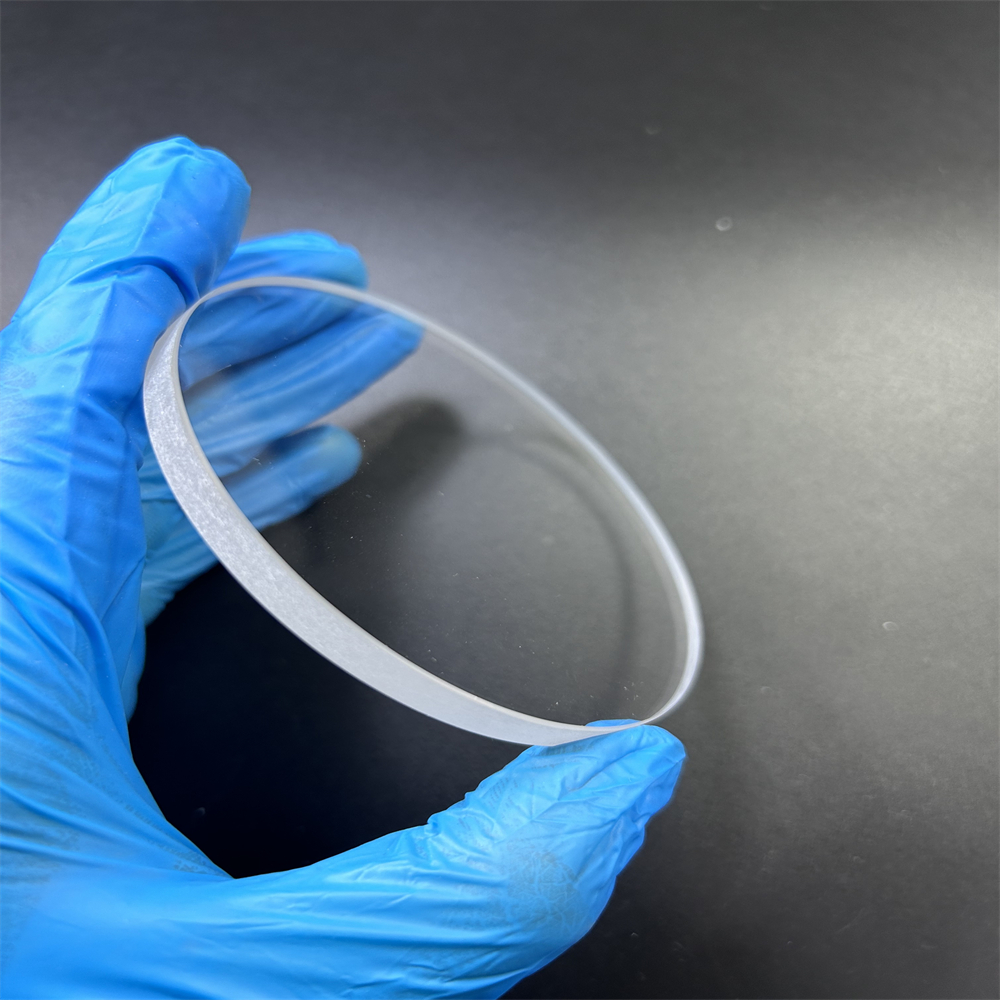
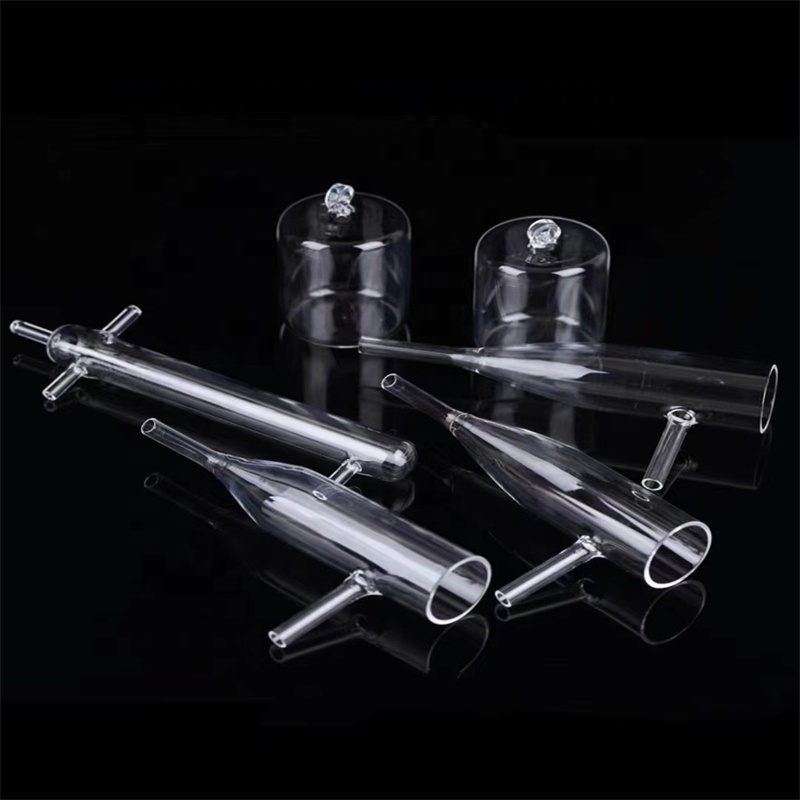
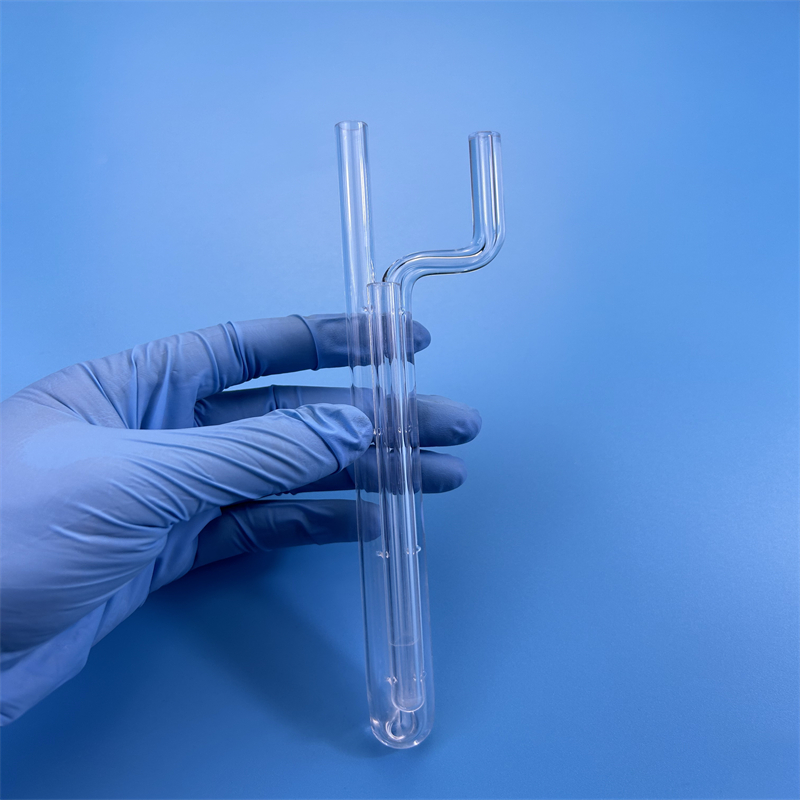
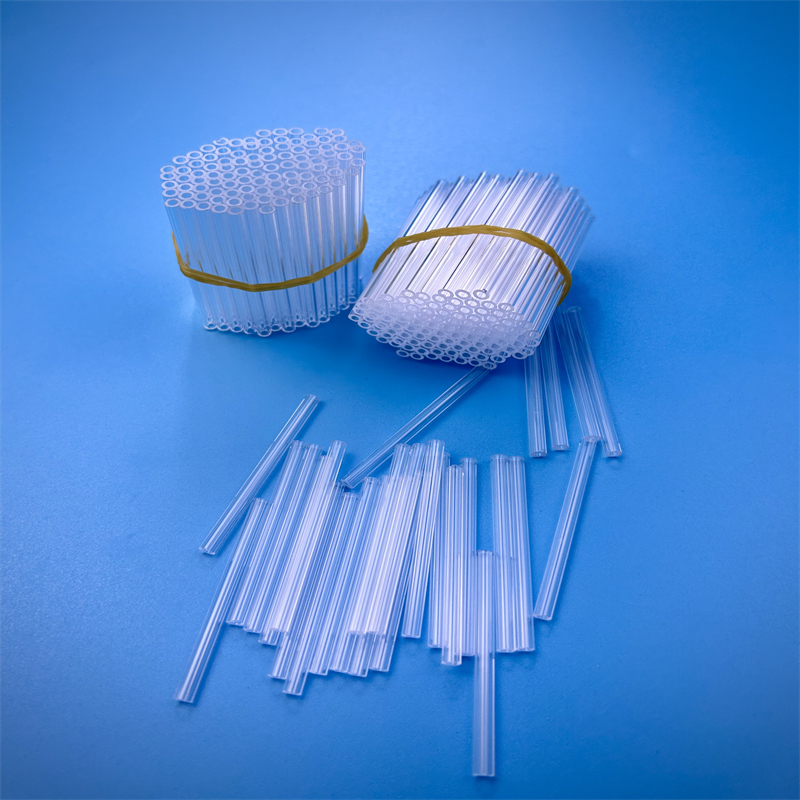
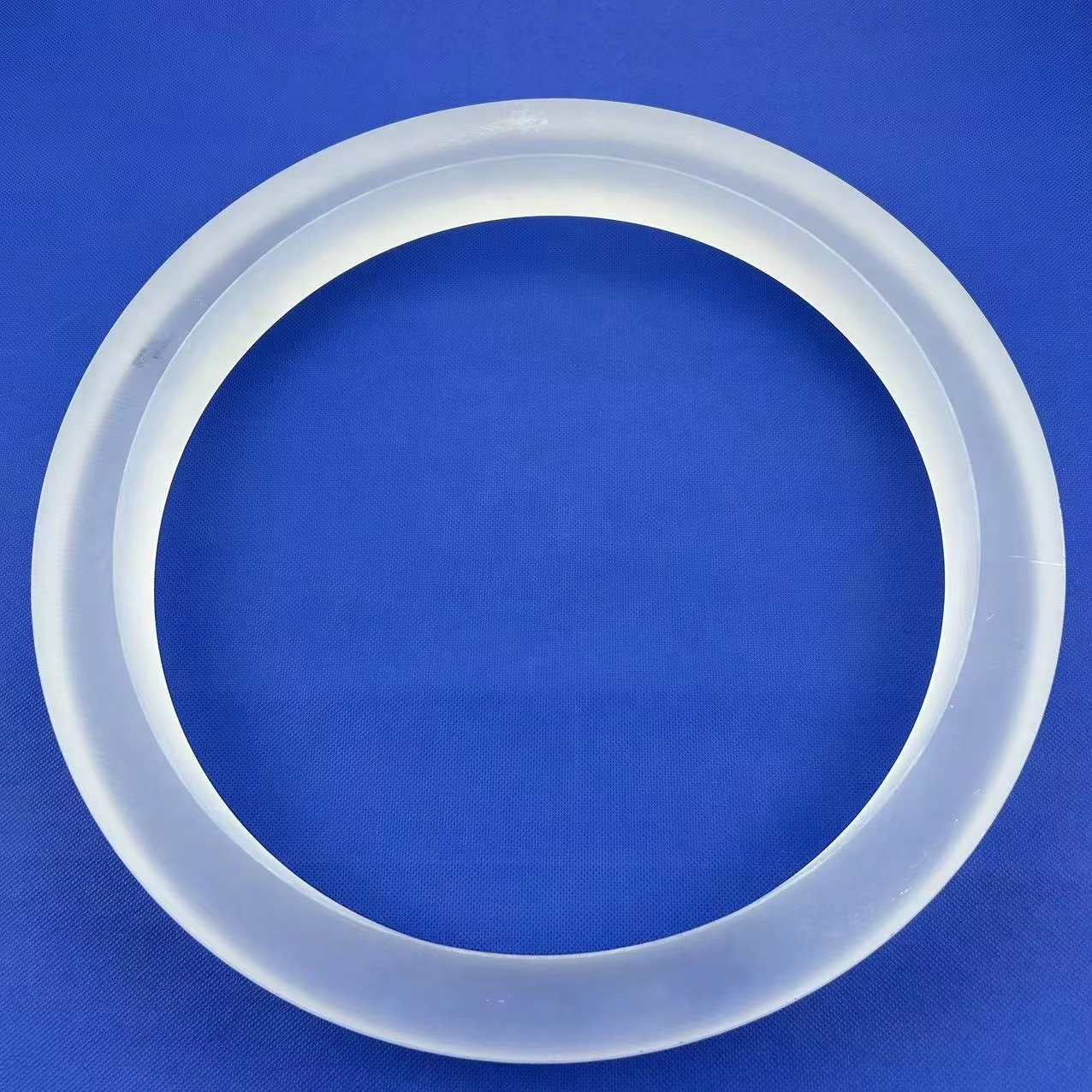
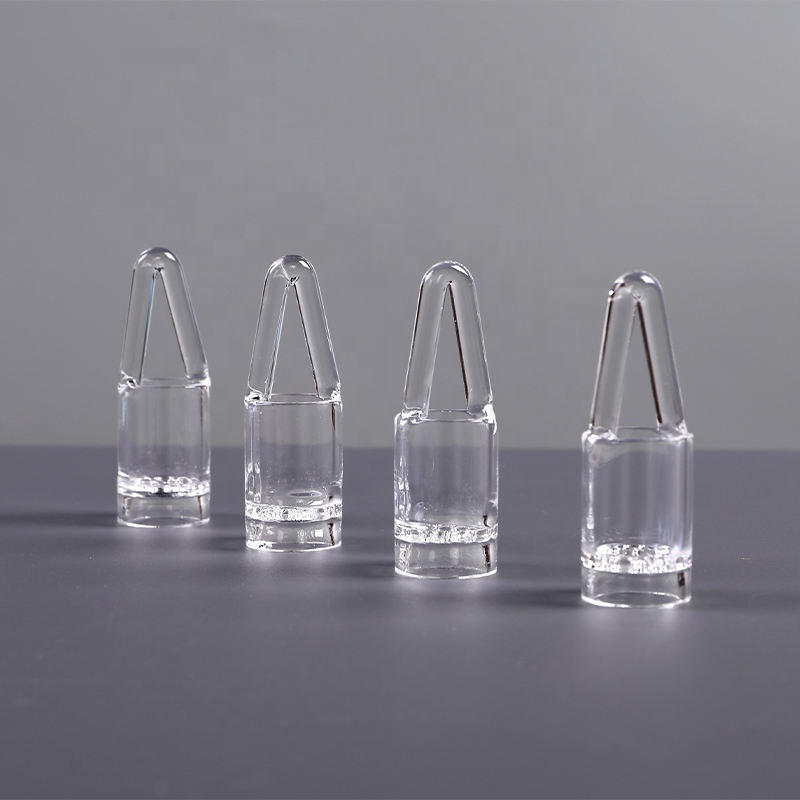
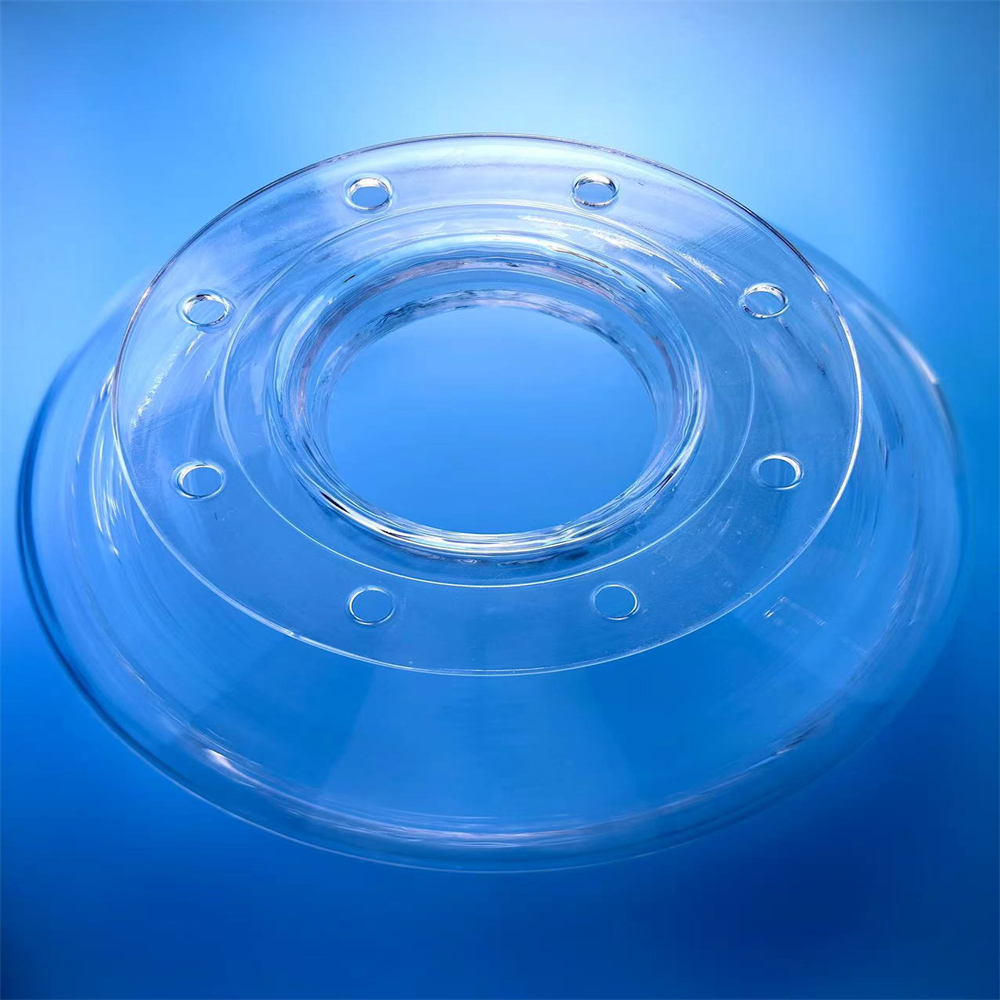

Why Partner With Lianyungang Zelvo Quartz Products
Situated in Donghai County—China's recognized Crystal & Quartz Hub—we combine advanced laser micro-machining with master thermal fabrication.
Direct Origin Sourcing Advantage
Located in Donghai, Jiangsu, we leverage the world's most concentrated high-purity silica raw material supply chain, ensuring unparalleled cost efficiency and raw material trace element consistency.
Drawing-Based Precision Engineering
From micro laser drilling, precision centerless grinding, and ultrasonic grooving to complex flame bending and vacuum sealing, our engineering team executes strict tolerances down to ±0.005mm.
Agile OEM/ODM Supply Dynamics
We lower procurement barriers by offering a 1-piece minimum order quantity (MOQ) for prototypes alongside high-capacity production lines. Benefit from our guaranteed ≤2-hour engineering quote turnaround.
1. Comprehensive Technical Analysis: Fused Silica vs. Fused Quartz Rods
In high-specification manufacturing, selecting the precise glass phase of silicon dioxide ($SiO_2$) determines operational lifespan, optical efficiency, and structural stability. While the commercial terms Fused Silica Rods and Fused Quartz Rods are frequently used interchangeably across industrial supply chains, their underlying synthesis methods, impurity profiles, and optical bandpass traits differ fundamentally.
Natural Fused Quartz Rods (Type I & Type II): Produced by electric arc or gas-oxygen flame melting of high-purity natural rock crystal quartz. Type I quartz is melted electrically under vacuum, rendering low hydroxyl ($OH$) concentrations ($< 5 \text{ ppm}$), making it exceptional for infrared (IR) transmissive optics. Type II fused quartz is flame-fused, yielding higher $OH$ content ($150 - 400 \text{ ppm}$), which optimizes continuous thermal loading resilience up to $1150^\circ\text{C}$ for tube furnace core supports and semiconductor diffusion boat structures.
Synthetic Fused Silica Rods (Type III & Type IV): Hydrothermally synthesized or vapor-phase oxidized from chemical silicon precursors such as silicon tetrachloride ($SiCl_4$). Synthetic Fused Silica (Type III) delivers extreme purity with total metallic impurities below $0.1 \text{ ppm}$. Crucially, it exhibits near-zero bubble/inclusion metrics (Striae Grade Class 0) and delivers unmatched optical transmission down to Deep Ultraviolet (DUV, $193 \text{nm} - 266 \text{nm}$) wavebands, avoiding solarization and radiation-induced color center defects.
| Material Classification | Synthesis Process | Metallic Impurities | OH Content | Primary Spectral Transmission | Ideal Application Domain |
|---|---|---|---|---|---|
| Type I Fused Quartz | Electric Arc Vacuum Fusion | < 20 ppm | < 5 ppm | Infrared (IR) & Near-UV | IR Heating Rods, Vacuum Support Pins |
| Type II Fused Quartz | Gas-Oxygen Flame Fusion | < 15 ppm | 150 - 400 ppm | Visible & Broadband Light | Semiconductor Wafer Boats, Furnace Tubes |
| Type III Synthetic Silica | Vapor Phase Oxidation (Plasma/Flame) | < 0.1 ppm | 800 - 1000 ppm | Deep UV (193nm) to Visible | Laser Waveguides, UV Photolithography |
| Type IV Low-OH Synthetic | Plasma CVD (Water-Free) | < 0.1 ppm | < 1 ppm | Broadband DUV to Near-IR | Fiber Optic Preforms, High-Power Lasers |
2. Custom OEM/ODM Fabrication & Micro-Machining Capabilities
Global original equipment manufacturers (OEMs) and design engineering firms require fused silica rods engineered beyond off-the-shelf extruded profiles. At Lianyungang Zelvo Quartz Products Co., Ltd., our custom manufacturing operations integrate precision mechanical finishing with high-temperature glass-blowing techniques.
Centerless Precision Grinding & Outer Diameter Polishing
To satisfy the rigorous dimensional constraints of semiconductor automated handling equipment and optical alignment assemblies, our centerless grinding lines produce solid fused silica rods with outer diameter (OD) tolerances controlled within ±0.005 mm and total indicator reading (TIR) runout below $0.01 \text{ mm}$. Surface roughness can be fine-tuned from fine-ground frosted finishes ($R_a 0.8 \mu\text{m}$) to optical flame-polished or super-polished standards ($R_a < 0.5 \text{ nm}$).
CNC Laser Drilling, Grooving, and Milling
Using ultra-short pulse femtosecond lasers and ultrasonic CNC machining centers, we perform stress-free machining on fragile quartz glass rods without introducing subsurface micro-cracks or edge chipping. Key specialized OEM features include:
- Spiral & Longitudinal Fluting: Machining custom helical or straight grooves along silica rods for gas delivery systems or heater element anchoring.
- Micro-Hole Drilling: Drilling aspect ratios exceeding 20:1 with entry/exit diameters down to $0.2 \text{ mm}$ for temperature sensor sheaths and fiber optic couplers.
- Precision Notching & Threading: Milling precise mounting slots, bevels, and ground external threads directly onto fused silica support shafts.
3. Strategic Procurement Trends in High-Purity Fused Silica (2025–2030)
The global procurement strategy for fused silica rods is undergoing structural shifts driven by advancements in sub-2nm semiconductor lithography, green hydrogen chemical processing, and high-power directed energy optics. Key market dynamics that strategic sourcing managers must evaluate include:
A. Trace Element Traceability & Alkali Metal Suppression
In advanced semiconductor fabrication steps (such as ALD, CVD, and EUV photolithography), micro-contaminants of sodium ($Na$), potassium ($K$), and lithium ($Li$) migrating out of quartz hardware at elevated temperatures cause severe gate-oxide breakdown. Modern procurement specifications now explicitly mandate combined alkali metal thresholds < 0.5 ppm, verified via ICP-MS testing certification per production batch.
B. Supply Chain De-risking via Agile Prototype-to-Volume Partners
Traditional glass manufacturers require prohibitive minimum order volumes and multi-month tooling lead times. Strategic buyers are pivoting toward agile OEM partners capable of delivering rapid-turn prototype samples (1–5 pieces) within 7 business days, followed by seamless scalability into volume production without requiring re-qualification of raw material suppliers.
C. Total Cost of Ownership (TCO) & Extended Thermal Hysteresis Life
High-temperature devitrification—the phase transformation of amorphous fused silica into crystalline cristobalite above $1150^\circ\text{C}$—remains the primary failure mode of industrial quartz rods. Advanced procurement protocols prioritize raw materials with optimized hydroxyl control and stress-annealed thermal profiles, which extend component operating life by up to 35% under severe thermal cycling environments.
4. Material Science Insights: Thermal, Mechanical & Optical Properties
Fused silica’s unique molecular structure—a three-dimensional random network of silicon-oxygen tetrahedra ($SiO_4$) devoid of long-range crystalline order—imparts mechanical and thermal characteristics unmatched by standard borosilicate or soda-lime glass formulations.
| Physical / Engineering Property | Standard Test Metric / Value | Industrial Operational Significance |
|---|---|---|
| Coefficient of Thermal Expansion (CTE) | $5.5 \times 10^{-7} / \text{K}$ ($20^\circ\text{C}$ to $320^\circ\text{C}$) | Virtually immune to thermal shock; can withstand rapid water quenching from $1000^\circ\text{C}$. |
| Softening Point | $\approx 1683^\circ\text{C}$ | Allows short-term excursion temperatures up to $1300^\circ\text{C}$ without structural sag. |
| Refractive Index ($n_d$) | $1.4585$ (@ $589.3 \text{ nm}$) | Low dispersion and uniform optical density across the visible wavelength spectrum. |
| Dielectric Strength | $25 - 40 \text{ kV/mm}$ (@ $20^\circ\text{C}$) | Outstanding high-voltage insulation stability at elevated temperatures. |
| Chemical Inertness | Resistant to acids (except HF & $H_3PO_4 > 300^\circ\text{C}$) | Ensures process purity in aggressive wet-chemical etching baths. |
Frequently Asked Questions (FAQ) for Technical Sourcing
Essential answers to assist optical engineers, process technicians, and procurement directors during technical specification reviews.
Our standard clear fused quartz rods feature an $SiO_2$ purity of $\ge 99.99\%$. For ultra-demanding semiconductor and Deep-UV optic applications, we supply synthetic fused silica rods reaching $99.9999\%$ purity with total metallic impurities below $0.1 \text{ ppm}$.
Our natural fused quartz rods operate continuously at up to $1100^\circ\text{C}$ and can withstand short-term peak thermal exposures up to $1300^\circ\text{C}$. The softening point occurs around $1683^\circ\text{C}$.
Yes, absolutely. We specialize in custom OEM/ODM fabrication according to 2D (CAD/PDF) or 3D (STEP/IGES) drawings. We support high-precision processes including CNC centerless grinding, laser micro-drilling, flame bending, grooving, and optical polishing.
We maintain a customer-centric MOQ of just 1 piece for prototype development and specialized laboratory components, allowing cost-effective technical validation prior to full commercial scale-up.
All products undergo multi-layer export packaging: custom shock-absorbing EPE foam cutouts, sealed vacuum moisture bags, corner-reinforced corrugated inner boxes, and fumigated outer wooden crates certified for international air and ocean freight.
We offer flexible trade terms including FOB, CIF, EXW, CFR, DDP, and DDU. We partner with global express logistics (DHL, FedEx, UPS) as well as ocean and air cargo providers to ship smoothly worldwide.
Request Your Custom Fused Silica Rod Quote
Send your CAD drawings, dimensional requirements, or material purity specifications directly to our senior engineering team. Receive technical feasibility reviews and competitive factory quotes within 2 hours.