High-Purity Fused Quartz Sleeves & Fabricated Optics
Direct-from-manufacturer fused quartz components engineered for 185nm VUV and 253.7nm UVC transmission, thermal endurance up to 1300°C, and extreme hydraulic pressures.
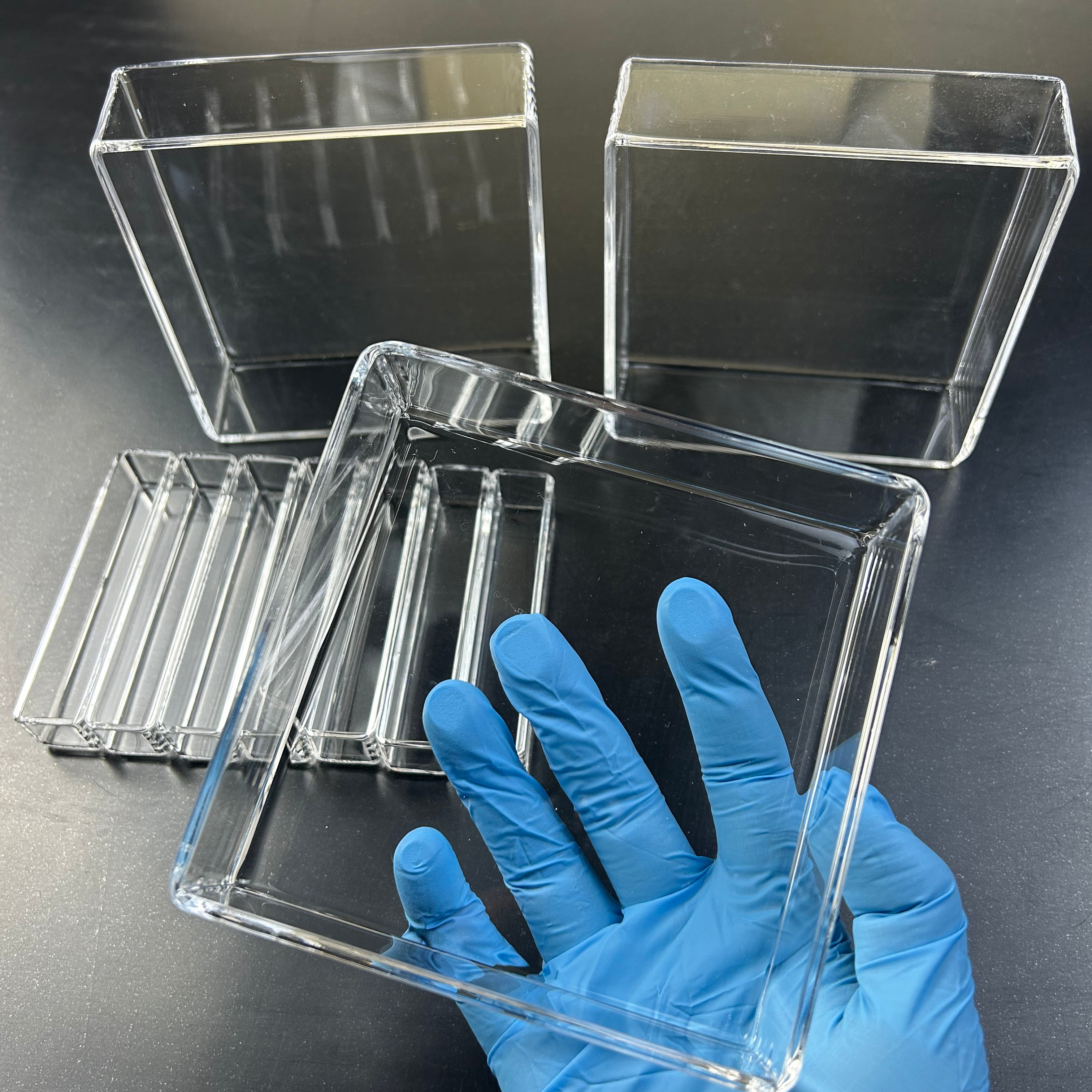
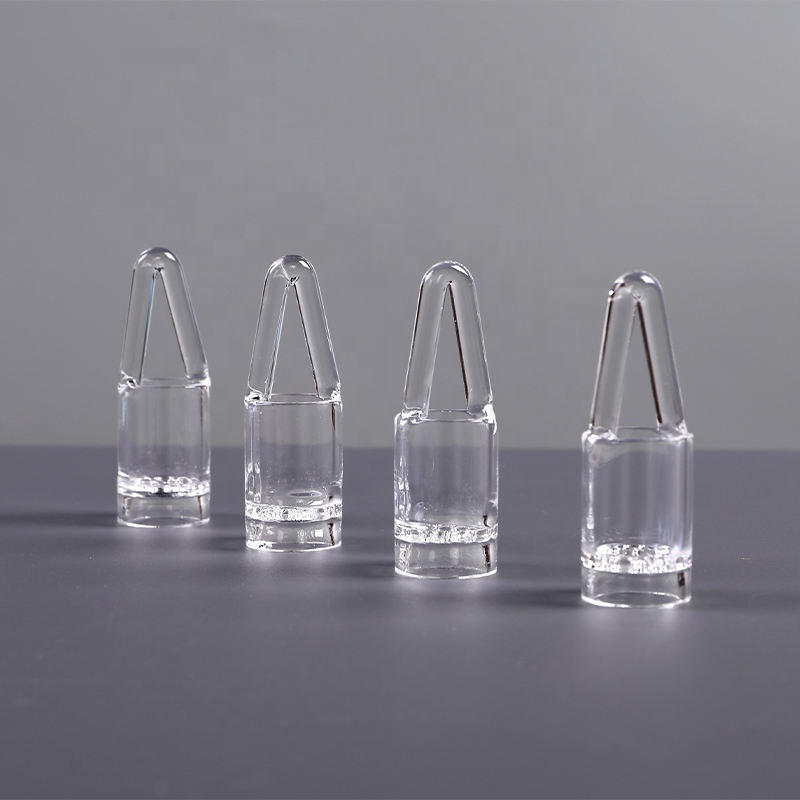
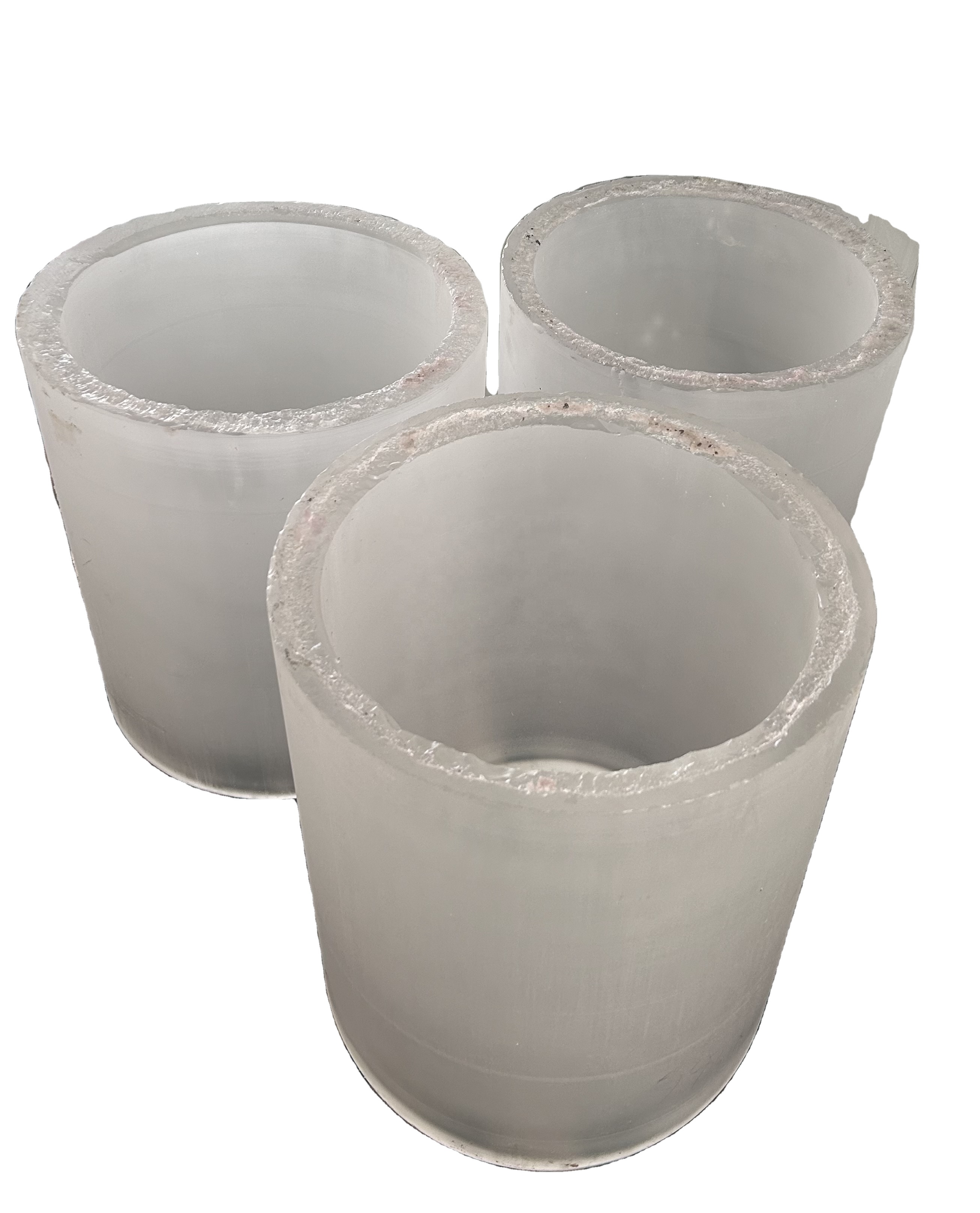
Executive Technical Brief: Optical Physics of UV Quartz Sleeves
In modern municipal water disinfection, ballast water treatment systems (BWTS), industrial wastewater remediation, and photochemical process reactors, the ultraviolet (UV) quartz sleeve serves as the critical physical and dielectric interface. It isolates the high-temperature mercury discharge lamp (operating at internal arc temperatures from 600°C to 900°C) from the fluid flow stream while enabling uninhibited photon flux transmission across the germicidal UVC spectrum (200 nm – 280 nm), specifically the peak microbial inactivation resonance wavelength of 253.7 nm.
Selecting an industrial quartz sleeve is fundamentally a complex exercise in material science. Ordinary borosilicate glass exhibits an absorption cut-off near 300 nm, rendering it entirely opaque to germicidal UV. In contrast, fused quartz synthesized from high-purity crystalline silica or chemical precursors provides an optical bandgap capable of delivering internal transmission rates exceeding 90% at 254 nm. Furthermore, where photochemical oxidation or advanced oxidation processes (AOPs) require ozone generation, specialized VUV synthetic silica sleeves transmit the 184.9 nm resonance line, dissociating molecular oxygen into highly reactive hydroxyl and ozone radicals.
Critical Engineering Insight: Sleeve degradation in operation is governed by solarization—a phenomenon where high-energy photons convert trace impurities (such as Fe³⋅, Ti&sup4;⋅, and trapped hydroxyl radicals OH¯) into light-absorbing color centers. Premium grade sleeves manufactured in certified clusters utilize refined thermal annealing schedules and strict control of metallic impurities (<20 ppm aggregate) to prevent premature solarization and ensure stable transmission throughout the 12,000-to-16,000-hour operational life of the UV lamp.
| Material Classification | SiO₂ Purity | 254nm Transmittance (1mm) | 185nm Ozone Behavior | Typical Applications |
|---|---|---|---|---|
| Type A: Clear Fused Quartz (Natural) | ≥ 99.99% | 88.0% – 91.5% | Ozone-Free (Doped / Cut-off) | Municipal Drinking Water, Aquaculture, Pools |
| Type B: High-Purity Synthetic Silica | ≥ 99.9999% | 92.0% – 93.5% | High Ozone Generation (>85% @ 185nm) | TOC Reduction, Advanced Oxidation (AOP), Ultrapure |
| Type C: Titanium-Doped Quartz | ≥ 99.98% | 86.0% – 89.0% | Complete 185nm Absorption Block | Occupied Space HVAC, Enclosed Ballast Units |
| Type D: Heavy-Wall Mechanical Quartz | ≥ 99.99% | 87.0% – 90.0% | Standard Cut-off | High-Pressure Medium Pressure Lamp Systems |
Top 10 UV Quartz Sleeve Suppliers & Exporters Worldwide
A rigorous evaluation of manufacturing capacity, geometric fabrication tolerances, quartz purity levels, export reliability, and engineering responsiveness across the global supply chain.
Procurement Benchmark: Strategic Comparison for OEM Sourcing
When selecting a manufacturing partner for UV quartz sleeves, procurement managers must weigh direct material manufacturing flexibility against multi-tier distribution costs. Large multinational conglomerates typically excel in standard continuous raw tubing runs but impose 8-to-16-week lead times and rigid Minimum Order Quantities (MOQs) on custom fabrication.
| Evaluation Parameter | Tier-1 Western Conglomerates | Zelvo Quartz (Direct Factory) | Standard Trading Intermediaries |
|---|---|---|---|
| Custom Fabrication Flexibility | Low (Standard catalog lengths focus) | High (Custom drawing, laser drill, bending) | Variable (Dependent on sub-factories) |
| Prototyping MOQ | High (Typically 50 – 500 pcs) | 1 Piece Prototyping MOQ | Moderate (10 – 50 pcs) |
| Engineering Response Speed | 3 – 7 Working Days | ≤ 2 Hours Technical Review | 24 – 48 Hours |
| Raw Material Supply Security | Integrated Global Supply Chain | Direct Donghai Cluster Origin (China Crystal Hub) | Third-party reliant |
| Cost Competitiveness | Premium (300% – 500% Markup) | Direct Factory Cost Advantage | Moderate (Agent Margin Layered) |
Enterprise Advantages: Engineering & Production Powerhouse
Lianyungang Zelvo Quartz Products Co., Ltd. is positioned directly within Donghai County, Jiangsu Province—internationally acknowledged as the premier quartz processing hub of China. With decades of local mineral concentration and processing evolution, this geographic positioning affords unique metallurgical advantages:
Raw Purity Integrity
Utilizing high-purity natural quartz sand yielding ≥99.99% SiO₂ with total heavy metal contamination held beneath 15 ppm.
Rapid Prototyping
Our workshop welcomes 1-piece custom sampling, turning 2D/3D CAD models into finished flame-worked sleeves in under 7 days.
Laser CNC Precision
Equipped with laser drilling, CNC diamond grooving, and multi-axis flame welding to deliver sub-millimeter tolerances on domed ends.
Shockproof Export Crating
Custom form-fitting expanded foam and reinforced plywood crating prevent micro-fractures across international ocean and air freight routes.
Our technical fabrication teams possess more than 10 years of deep hands-on expertise in flame manipulation and secondary mechanical machining. Every individual production run undergo rigorous polarimetric stress testing (retaining residual birefringence under 5 nm/cm), spectrophotometer transmission verification at 254 nm, and hydrostatic pressure testing up to 1.5 MPa.
Next-Generation Technology & Sourcing Trends (2025–2030)
The global UV quartz sleeve market is experiencing dynamic technological transformations driven by stricter environmental discharge regulations, advancements in municipal water stewardship, and the rise of automated disinfection platforms.
Direct-from-Source Dual Sourcing
Global supply chain disruptions have prompted North American and European OEMs to abandon single-source dependencies. Engineers are qualifying tier-1 Chinese manufacturers like Zelvo Quartz to secure direct-from-source volume access while trimming 35%–50% from recurring replacement costs.
Nanoscale Anti-Fouling Sol-Gels
Fouling from calcium carbonate, iron precipitation, and biofilm deposition significantly impedes UV transmittance over time. Emerging quartz sleeve technologies incorporate hard silica-titania nanocoatings that mitigate scale adhesion without compromising 254nm transmittance.
Synthetic VUV Sleeves for AOP
Advanced Oxidation Processes (AOP) for destroying recalcitrant pharmaceutical residues and PFAS "forever chemicals" rely on intense 185 nm VUV emission. Procurement demand is shifting toward high-transmittance synthetic silica sleeves capable of enduring prolonged deep-UV radiation without solarizing.
Industrial Procurement FAQ: Technical Considerations & Solutions
Detailed engineering answers to address the most critical challenges encountered during the specification, sourcing, and maintenance of UV quartz sleeves.
What is the practical difference between Domed-End and Open-Ended UV quartz sleeves?
How does hydroxyl (OH⁻) content impact UV sleeve solarization and devitrification?
What dimensional tolerances should engineers specify for high-pressure installations?
Can Zelvo Quartz produce custom quartz sleeves according to proprietary CAD drawings?
How are fragile quartz sleeves packaged to guarantee zero breakage during ocean export?
What cleaning protocols are recommended to remove lime scale without etching the quartz surface?
Accelerate Your Quartz Sourcing With Direct Factory Precision
Send your 2D/3D CAD drawings, dimensional specifications, or replacement part numbers. Our senior engineering team in Donghai will review your optical and thermal parameters and provide an itemized quote within 2 hours.