Precision Fused Quartz Components & Vessel Assemblies
Manufactured from 99.99%+ high-purity SiO₂ raw quartz utilizing automated arc fusion, multi-axis laser profiling, and micro-flame joining under strict Class 10,000 cleanroom environments.
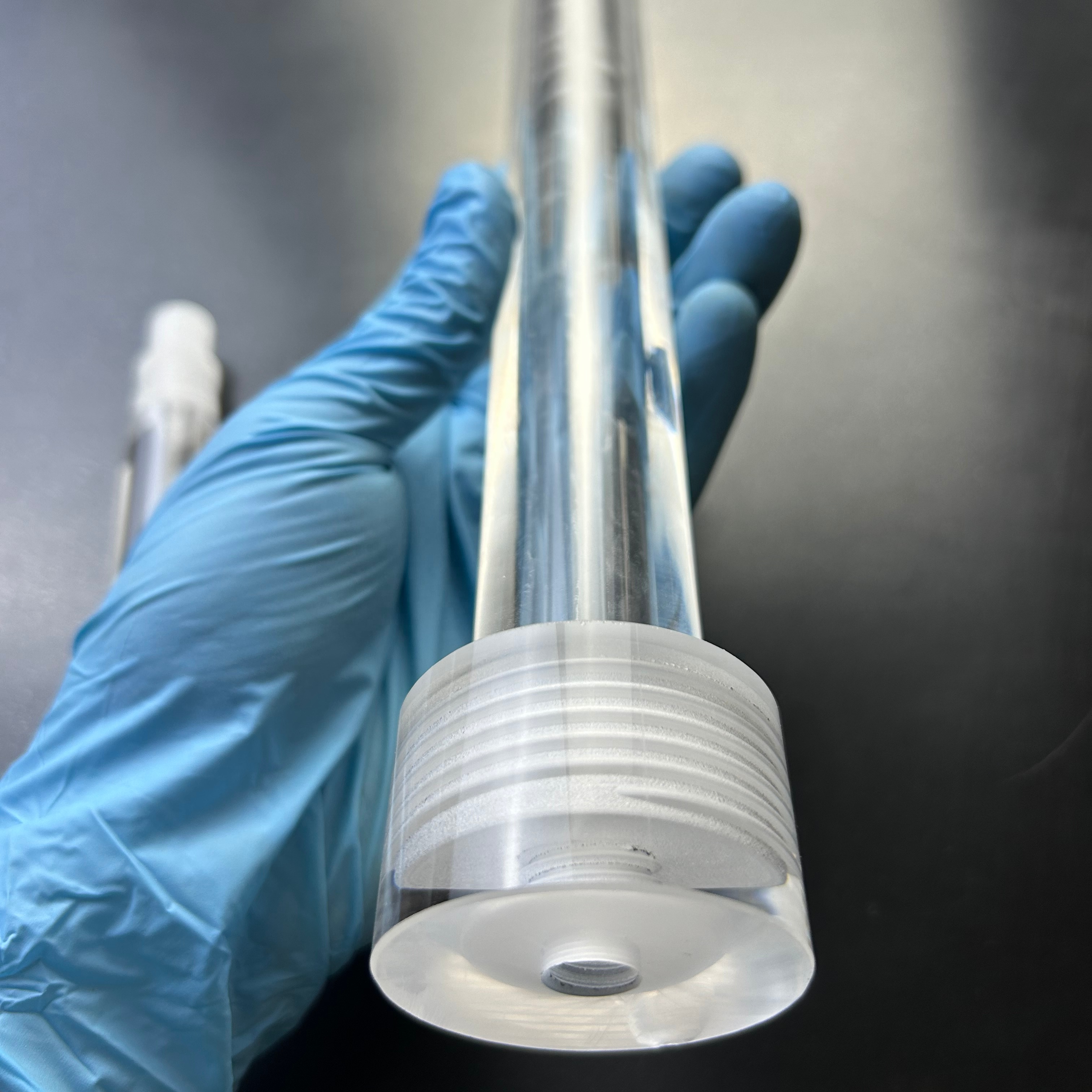
Customizable High Pressure Quartz Glass Twin Tube
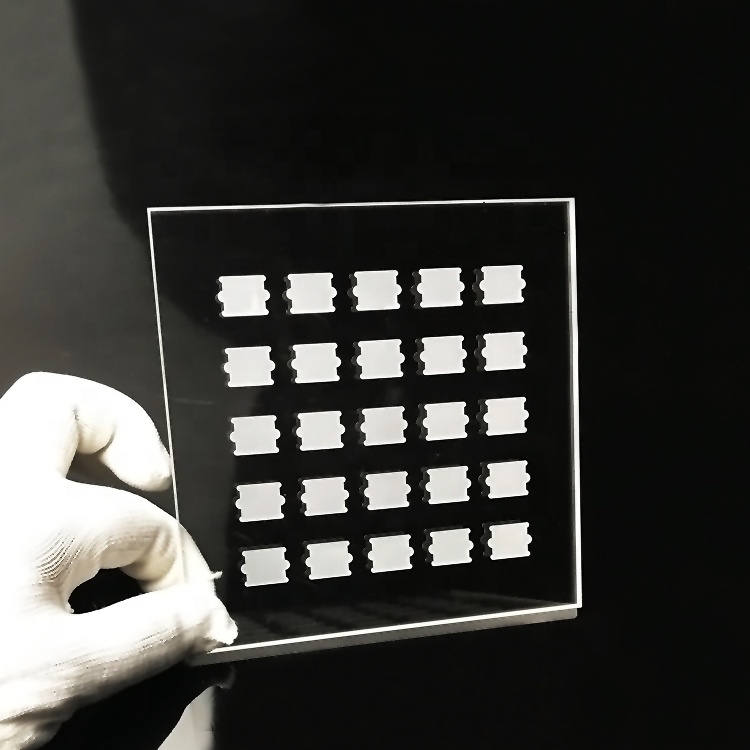
Circular Fused Quartz Glass XRD Sample Holder
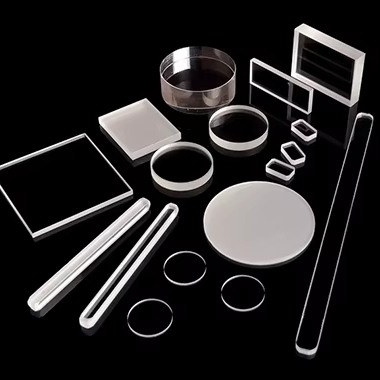
Optical Fused Quartz Test Sample Sheets & Windows
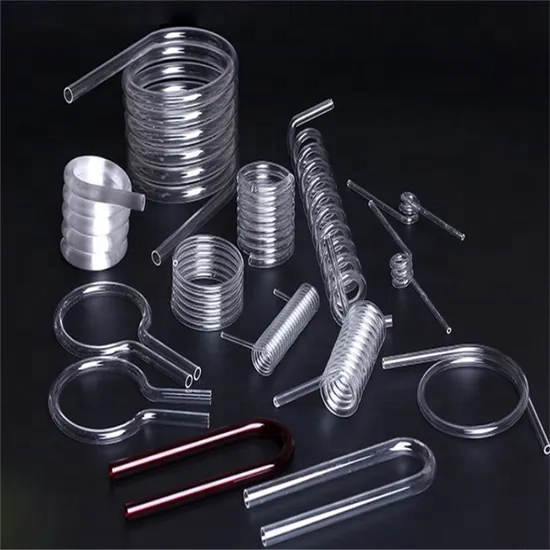
Custom U-Bent & Spiral Quartz Furnace Heating Tubes
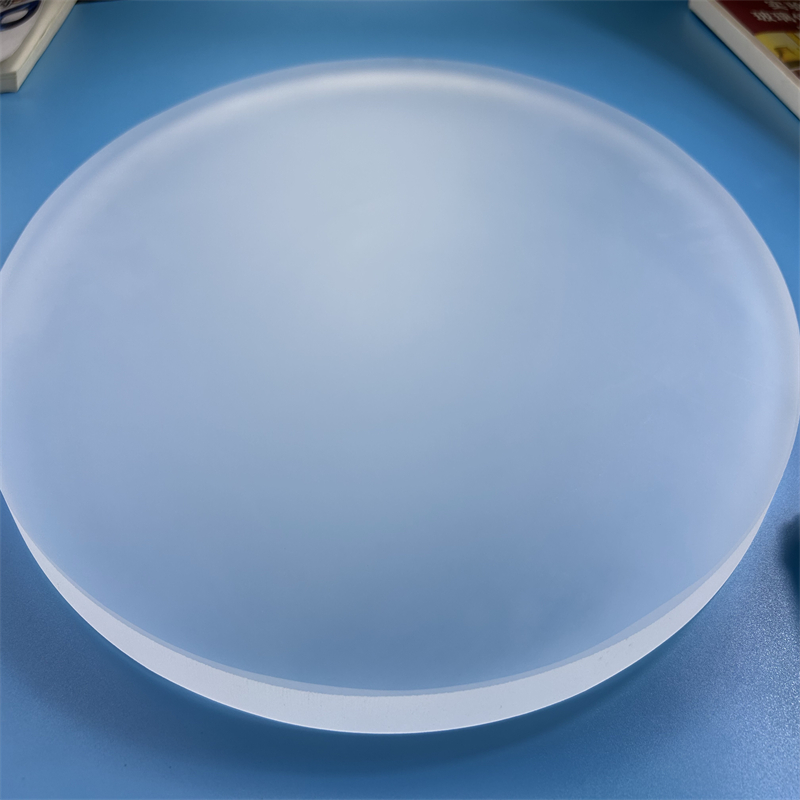
High-Temperature Frosted Quartz Disc Plate
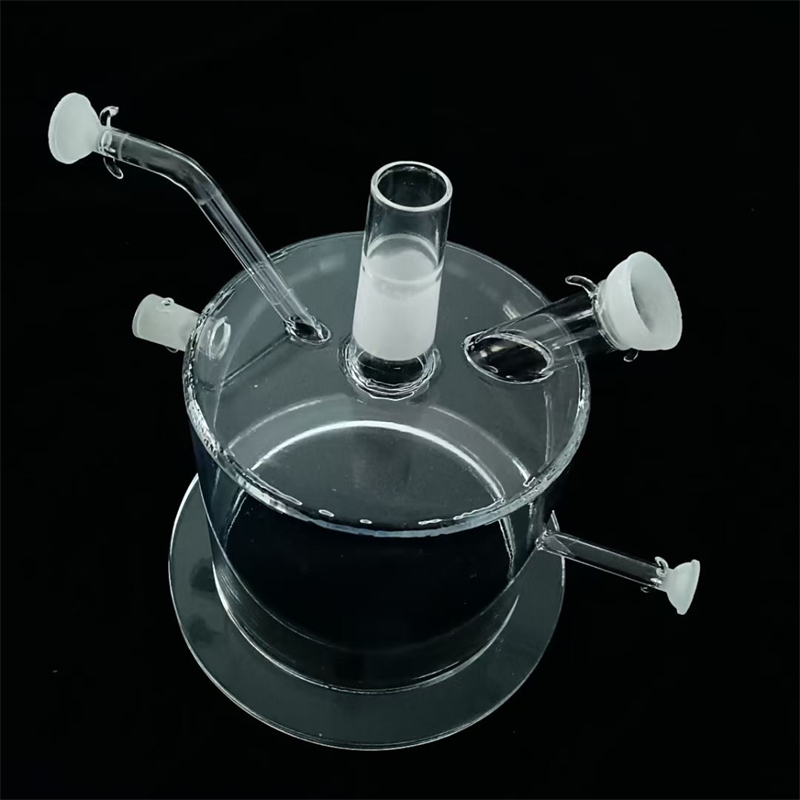
Customized High-Pressure Clear Quartz Process Tube
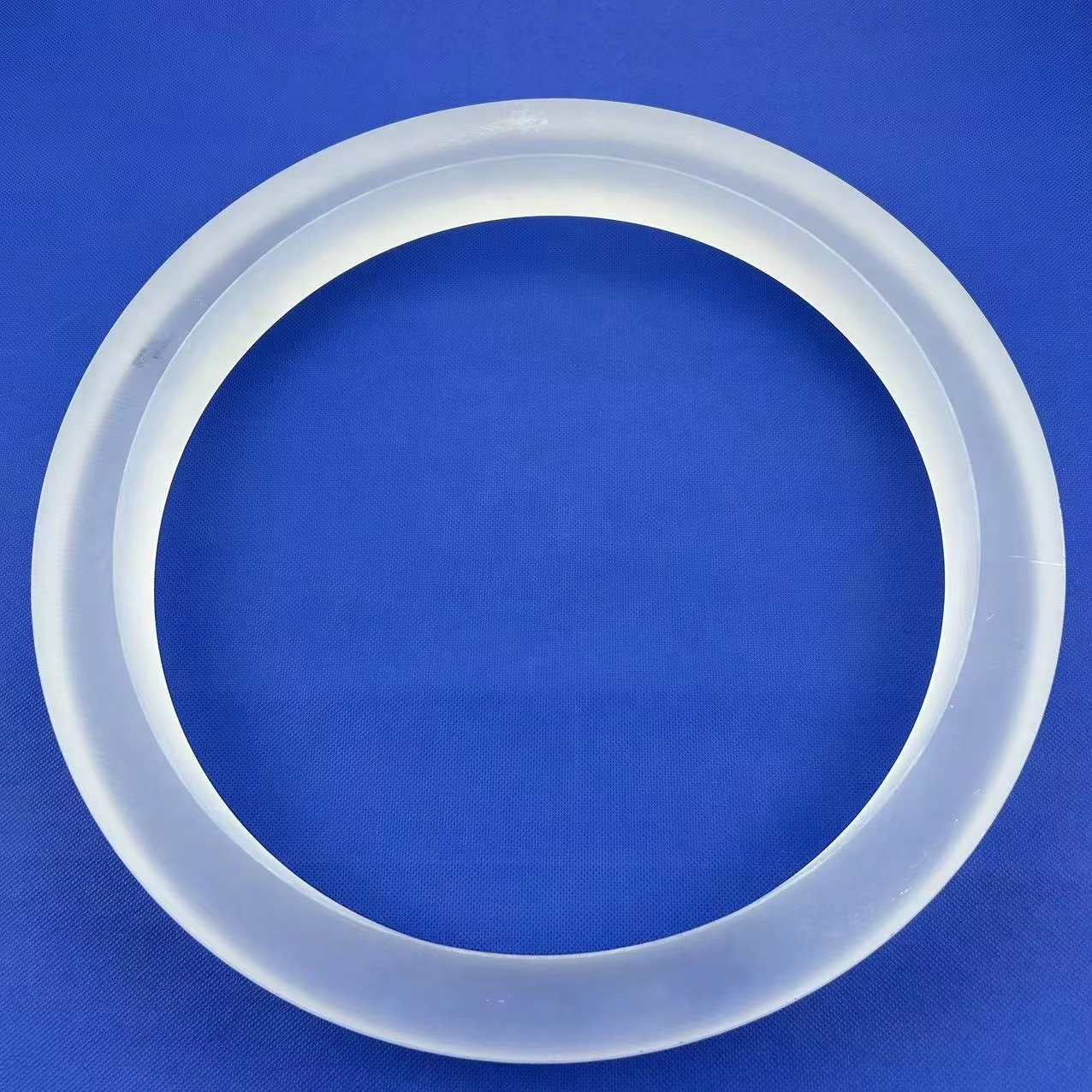
Coated 99.99% Pure Quartz Rings for Semiconductor CVD
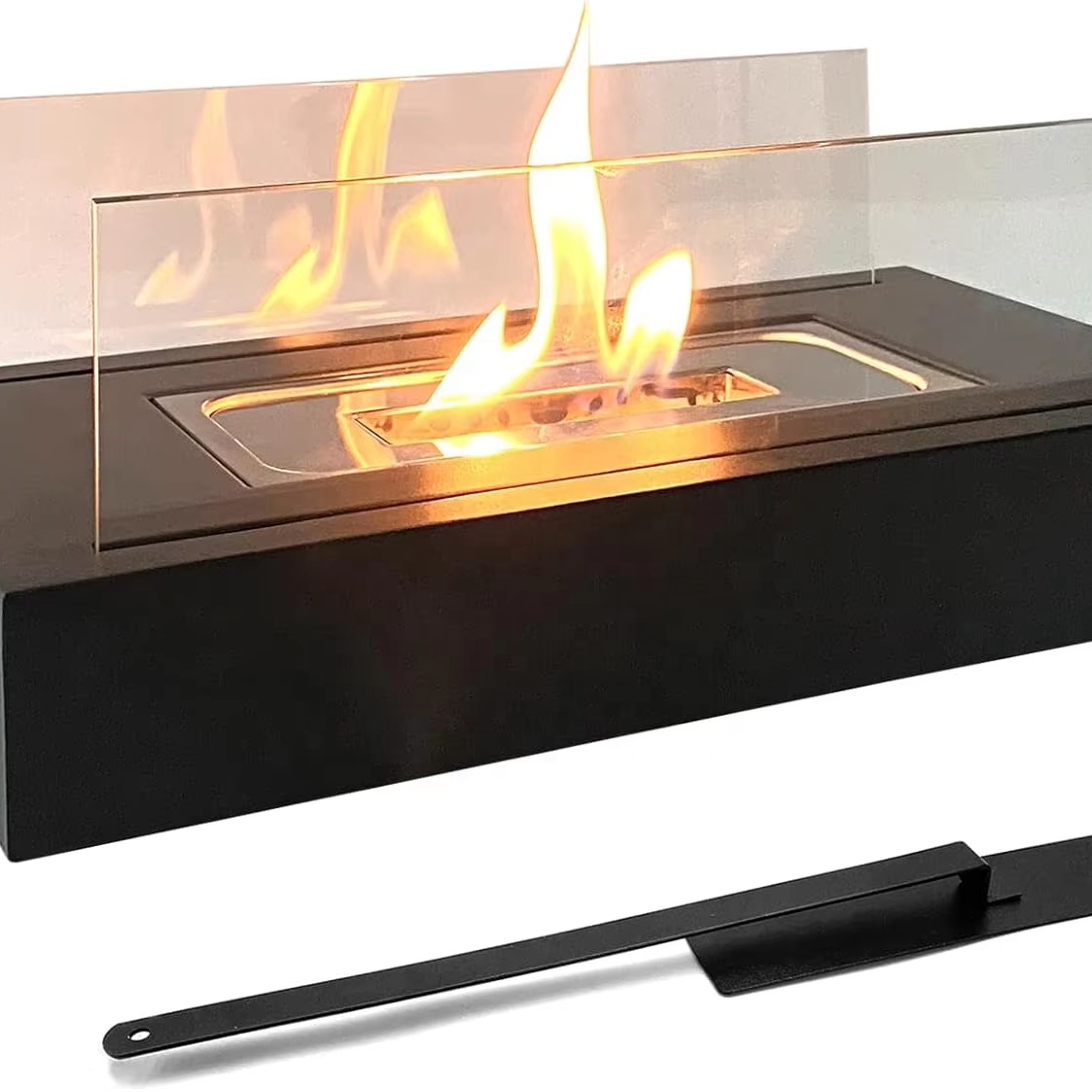
High-Precision Portable Thermal Grade Quartz Vessel
The Architecture of Semiconductor & Solar Grade Fused Quartz Crucibles
Understanding the critical thermal mechanics, micro-bubble kinetics, devitrification thresholds, and material purity hierarchies governing modern silicon crystal growth.
Dual-Layer Arc Fusion Kinetic Control
Crucibles utilized in Czochralski (CZ) pulling rely on a dual-layer structure formed by centrifugal arc melting. The opaque outer layer contains engineered micro-pores that disperse radiant thermal energy uniformly from graphite heaters. Conversely, the inner vitreous layer must remain completely transparent, dense, and bubble-free (<0.05 mm diameter) to prevent micro-explosions during molten silicon contact at 1450°C, which release particulates that destroy monocrystalline dislocation structures.
Devitrification Dynamics & Phase Control
Under operational thermal loads exceeding 1400°C for cycles extending beyond 300 to 450 hours, vitreous amorphous fused silica inherently shifts toward crystalline β-cristobalite. Alkaline trace metals (Na, K, Li) dramatically accelerate this devitrification rate, leading to premature inner wall delamination, localized structural peeling, and catastrophic silicon melt loss. Advanced Chinese crucible manufacturers enforce alkali ion boundaries strictly beneath 0.15 ppm.
Synthetic Silica Inner Lining Evolution
Next-generation 12-inch (300mm) and 18-inch (450mm) electronic semiconductor silicon ingots require crucibles lined with chemical-vapor synthetic quartz. Derived from synthetic SiCl₄ or organosilicons rather than mined quartz sands, synthetic liners eliminate natural metallic inclusions entirely, delivering 6N-grade (99.9999%) purity, near-zero aluminum concentrations (<0.02 ppm), and substantially suppressed oxygen dissolution rates into the silicon melt bath.
| Evaluation Parameter | Standard Photovoltaic (CZ) | High-Efficiency TOPCon/HJT (CCZ) | Semiconductor Polished Wafer (IC Grade) |
|---|---|---|---|
| Target Ingot Diameter | 182 mm – 210 mm (G10–G12) | 210 mm N-Type (Continuous Charging) | 300 mm (12-inch) / 450 mm Wafers |
| Crucible Diameter Size Range | 32 inch – 36 inch | 36 inch – 40+ inch Heavy Duty | 28 inch – 32 inch (Synthetic Layered) |
| Total Metallic Impurities | < 15.0 ppm | < 5.0 ppm | < 0.5 ppm (Alkalines < 0.05 ppm) |
| Inner Layer Structure | Natural High-Purity Quartz Glass | Doped Devitrification-Resistant Arc | Synthetic Quartz Micro-Clad (>1.5mm) |
| Continuous Thermal Lifetime | 250 – 350 Hours | 400 – 550 Hours (Multi-pull CCZ) | 150 – 220 Hours (Ultra-Clean Batch) |
| Typical Hydroxyl (OH⁻) Density | < 30 ppm | < 20 ppm | < 5 ppm to 10 ppm (Low Hysteresis) |
Global Strategic Sourcing Trends for Fused Quartz Vessels
Market analysts and crystalline production directors project severe shifts in crucible supply chain dynamics, operational duty cycles, and technical specifications through 2030.
1. Dominance of Continuous Czochralski (CCZ)
The global shift toward high-efficiency N-type silicon (TOPCon and Heterojunction) has catalyzed Continuous Czochralski (CCZ) operations. Unlike traditional batch CZ, CCZ continuously recharges granular silicon into the crucible while pulling. This exposes the quartz crucible to continuous melt shear, turbulent flows, and corrosive thermal exposure for upwards of 450 to 600 hours, requiring crucibles with double the traditional wall thickness and reinforced anti-sagging geometries.
2. Large-Format Scale Escalation (≥36–42 Inch)
In pursuit of levelized cost of energy (LCOE) reductions, ingot pulling foundries have standardized furnace hot-zones to support 36-inch, 38-inch, and 42-inch crucibles. Manufacturing these massive vessels requires immense arc currents (>5000A), vacuum degassing ovens capable of handling >1.5 tons of centrifugal force, and sub-millimeter dimensional tolerances to fit exact graphite susceptor configurations without radial pinching.
3. Strategic De-risking of Upstream High-Purity Sand
Historic reliance on the Spruce Pine pegmatite deposit in North Carolina for ultra-pure natural quartz sands has forced tier-1 Chinese manufacturers to vertically integrate domestic high-purity sand purification (Donghai and Xinjiang resources) alongside synthetic quartz synthesis. Sourcing professionals now evaluate crucible manufacturers primarily on raw material security and multi-basin procurement redundancy.
4. Automated Optical Geometry & Traceability Passports
Leading silicon pulling houses now reject batch certifications in favor of item-specific QR-code passports. Laser profilometers map the inside bubble diameter, wall thickness variance (±0.5 mm), and roundness tolerances of each individual crucible before dispatch. Ingot yields are directly correlated back to individual vessel manufacturing lots to optimize wafer defect analytics.
Emerging Technological Frontiers in Quartz Crucible Manufacturing
Next-generation processing techniques developed by leading Chinese producers to overcome physical thermal deformation and chemical leaching limits.
Barium & Rare-Earth Doping Systems
To control the rate of devitrification rather than attempting to prevent it completely, advanced crucible developers introduce ultra-controlled micro-coatings of barium hydroxide or proprietary nucleating agents onto the inner crucible surface. This induces a dense, uniform, nanometer-scale cristobalite barrier layer instantly during the initial melt-down phase, creating a smooth shield that inhibits further bubble migration and prevents deep wall erosion.
Atmospheric Vacuum Induction Arc Melters
Traditional electric arc furnace setups run under ambient atmospheres, which trap residual nitrogen and moisture within the outer bubble layer. The industry's technological shift toward fully sealed vacuum induction rotary furnaces reduces ambient gas pressures down to <100 Pa during the dynamic centrifugal spinning phase, achieving near-absolute degassing and eliminating the micro-pores that cause thermal insulation fluctuations across the crucible wall.
Chemical Hydroxyl (OH⁻) Stripping Processes
High hydroxyl concentrations act as a network disruptor in silica glass, drastically reducing the softening point from 1683°C toward 1400°C. Pioneering Chinese manufacturers utilize specialized chlorination and thermal degassing treatment protocols on natural quartz powders prior to arc discharge, reducing bulk OH⁻ levels from standard values of ~150 ppm to strictly below 10–20 ppm, ensuring superior structural creep resistance during high-temperature pulls.
Lianyungang Zelvo Quartz Products Co., Ltd. – Competitive Advantages
Headquartered in Donghai County, Jiangsu Province—globally acknowledged as China's "Crystal Capital"—Zelvo Quartz bridges raw mineral refining and ultra-precision quartz fabrication.
Donghai Industrial Cluster
Direct integration into the world's most concentrated quartz processing supply network allows unmatched access to top-grade SiO₂ raw materials, reducing procurement lead times and guaranteeing raw batch stability.
Rapid Engineering Prototyping (MOQ 1 PC)
Unlike monolithic state conglomerates with rigid batch minimums, Zelvo Quartz supports research laboratories, pilot foundries, and custom CVD equipment manufacturers with custom drawing orders starting from just 1 piece.
Multi-Axis Laser & Flame Processing
Our workshop combines 10+ years of artisanal glass-blowing heritage with modern precision machinery: high-power CO₂ laser drilling, micro-grooving, CNC edge chamfering, flame welding, and mirror optical polishing.
Strict Pre-Shipment Metrology
Every piece undergoes polariscope residual stress inspections, spectrometer UV/VIS transmission validation, coordinate measuring machine (CMM) dimensional checks, and double-layer shockproof vacuum crating.
Frequently Asked Questions on Sourcing Fused Quartz Crucibles
Actionable technical answers addressing supplier qualification, material impurities, bubble layers, packaging protocols, and thermal failure prevention.
What distinguishes semiconductor-grade quartz crucibles from photovoltaic (PV) grade crucibles?
Why is the bubble-free transparent inner layer so critical for monocrystalline pulling?
What is the standard root cause of crucible deformation or sagging during furnace operations?
How does continuous charging (CCZ) alter the thermal and physical requirements of quartz vessels?
What quality assurance documentation should an international buyer require before shipment?
What export packaging standards are mandated to prevent transit fracture and moisture contamination?
Can Zelvo Quartz fabricate bespoke quartz furnace parts and lab instruments to custom engineering CAD drawings?
Connect Directly with China’s Leading Quartz Engineers
Whether you require standard 32"–36" CZ solar crucibles, high-purity synthetic-lined semiconductor vessels, or custom-machined fused quartz laboratory components, our Donghai engineering team provides immediate technical reviews, CAD verification, and direct factory pricing.