Engineered Fused Quartz & Fabrication Solutions
Explore our primary high-temperature components manufactured from select 99.99% SiO₂ fused silica. Each configuration is precision-processed via CNC ultrasonic cutting, precision flame welding, fire polishing, and thermal stress relief annealing.
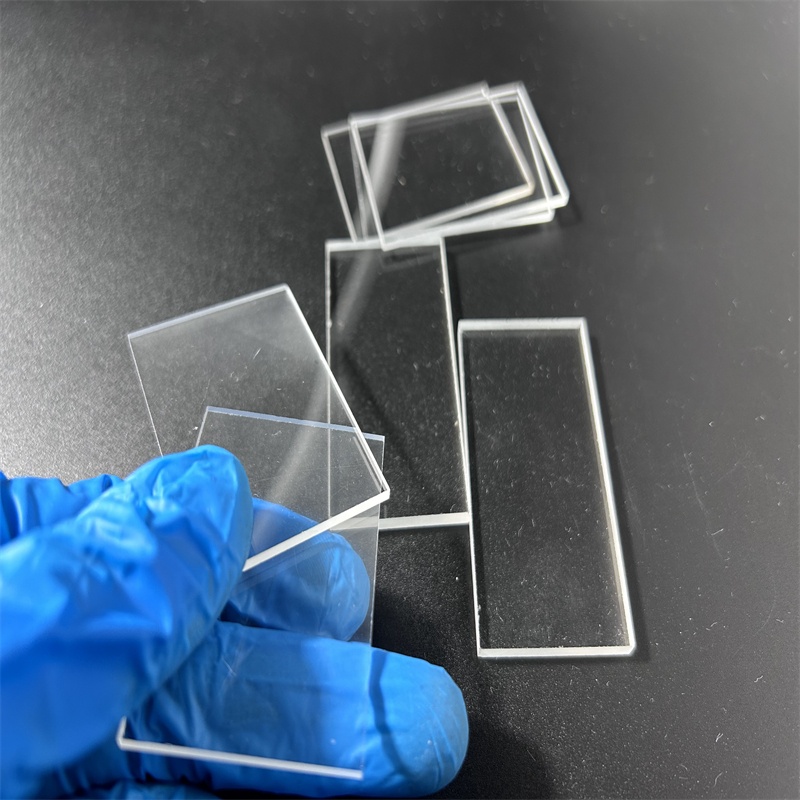
Customized High Temperature Transparent Fused Quartz Glass Sheet Welding Cutting Services Clear Plate Custom Sizes Optics Grade
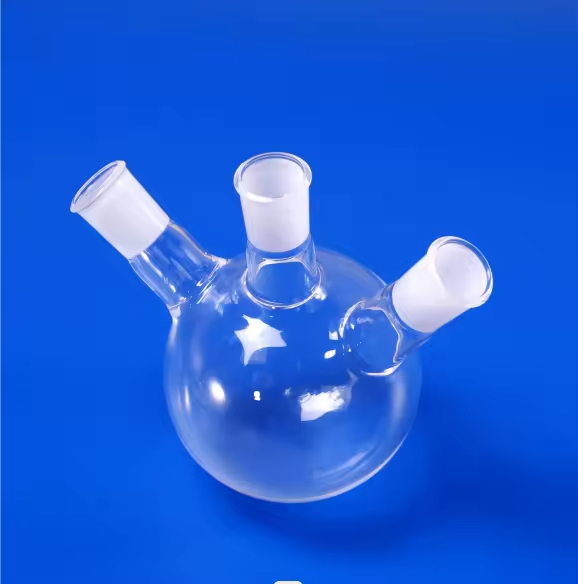
High Temperature Resistance Transparent Quartz Glass Twin Tube Bottom Flask Bending/Welding/Cutting/Moulding Services Lab Use
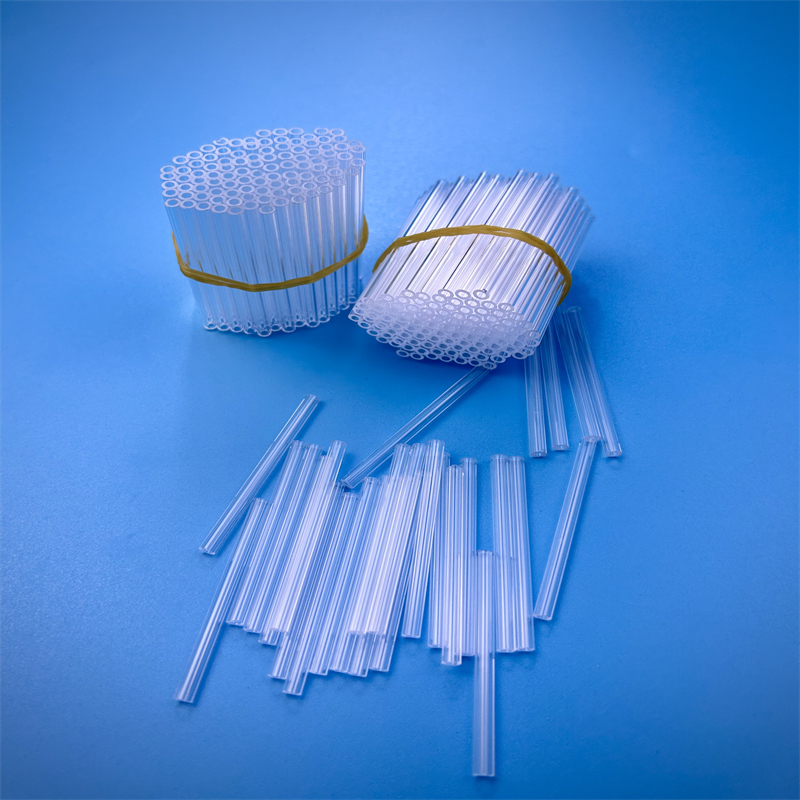
High Quality Transparent U-Bent Quartz Glass Tube Bending/Cutting/Welding Services 99.99% Pure Quartz Ozone Free Polished
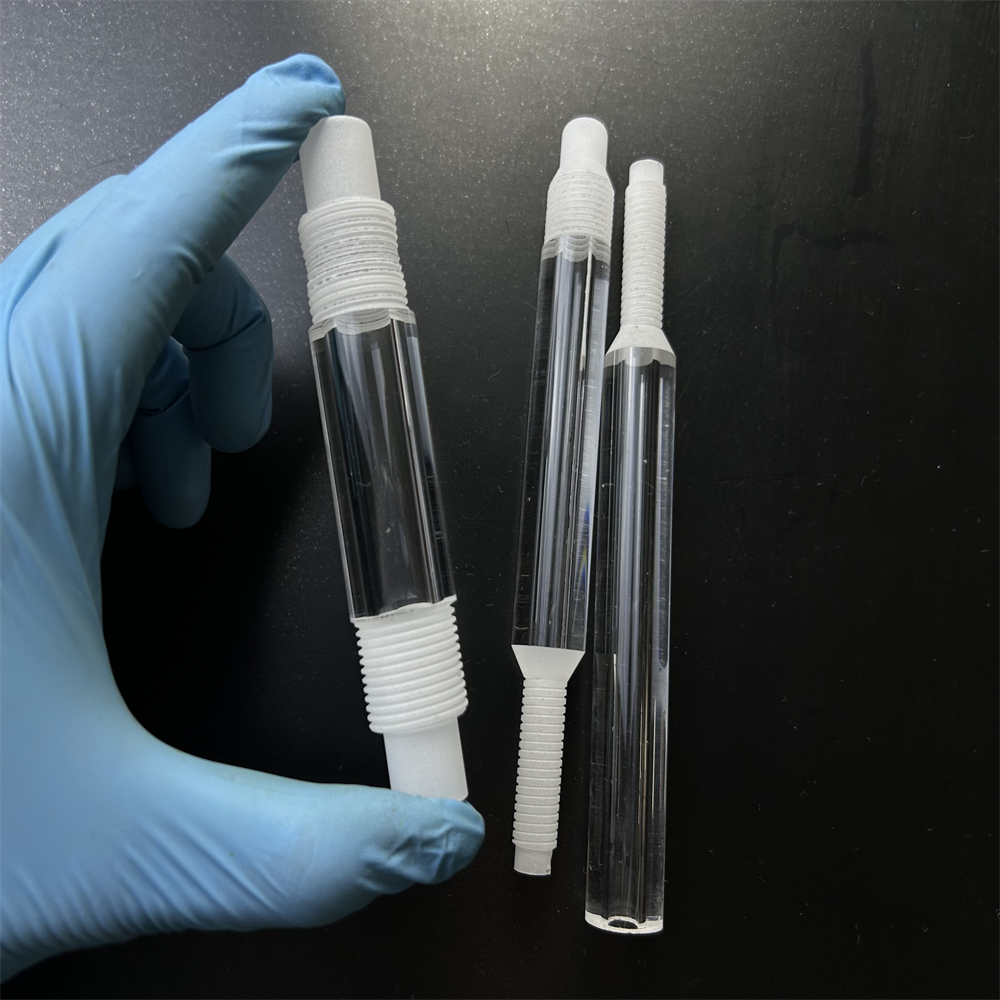
Customized High Purity Threaded Transparent UV Quartz Glass Tube with Bending Welding Cutting Moulding Services High Pressure
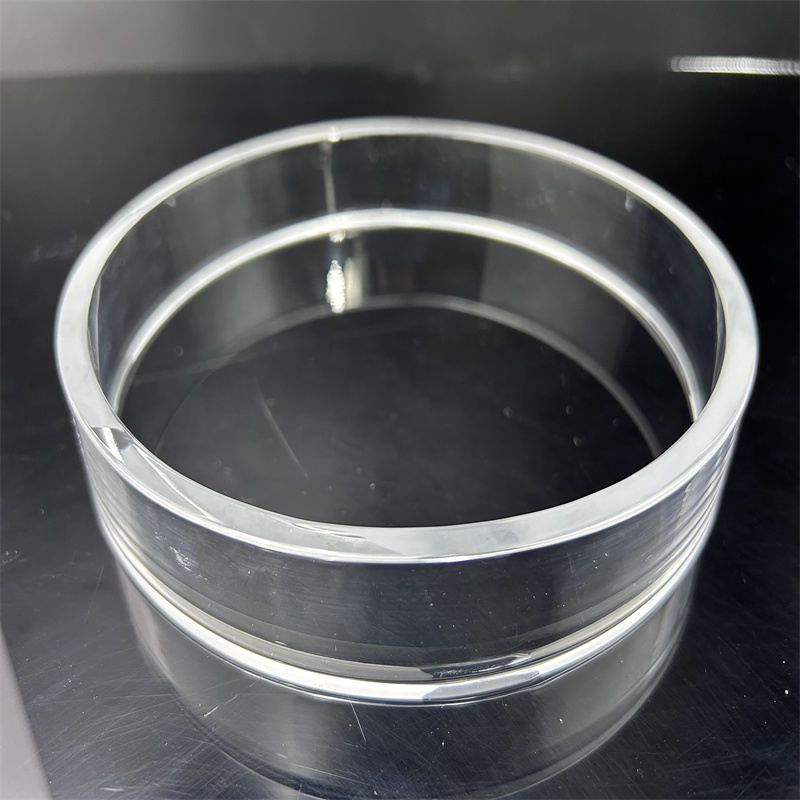
Customizable High Transparent Corrosion-resistant High Purity Fused Quartz Glass Bell Jar Semiconductor Applications Cutting
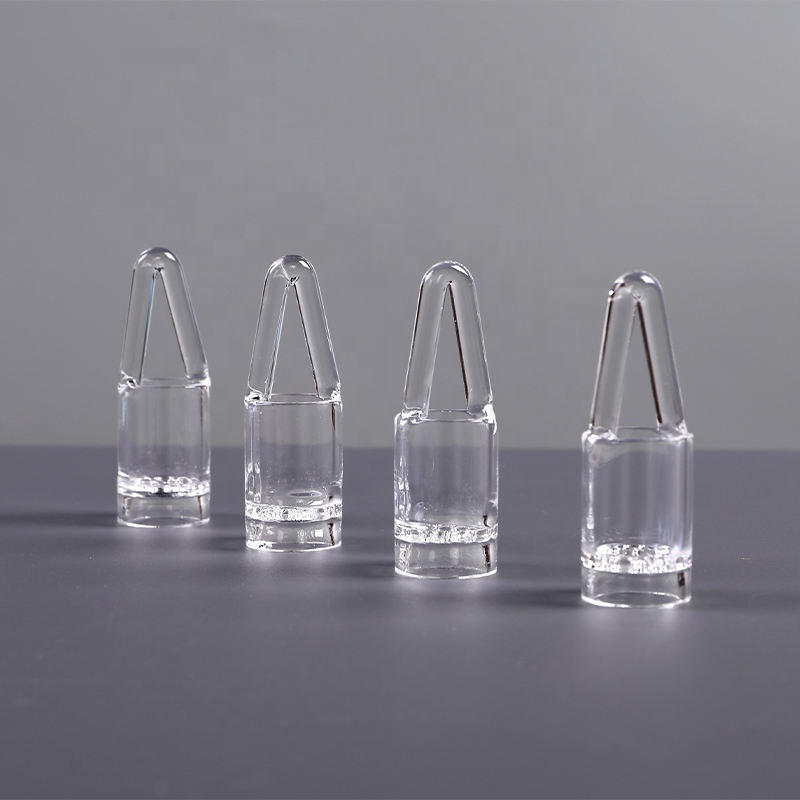
Factory Custom High Pressure 99.99% Pure Quartz Glass Tube Bending/Welding Ozone Free Polished Surface
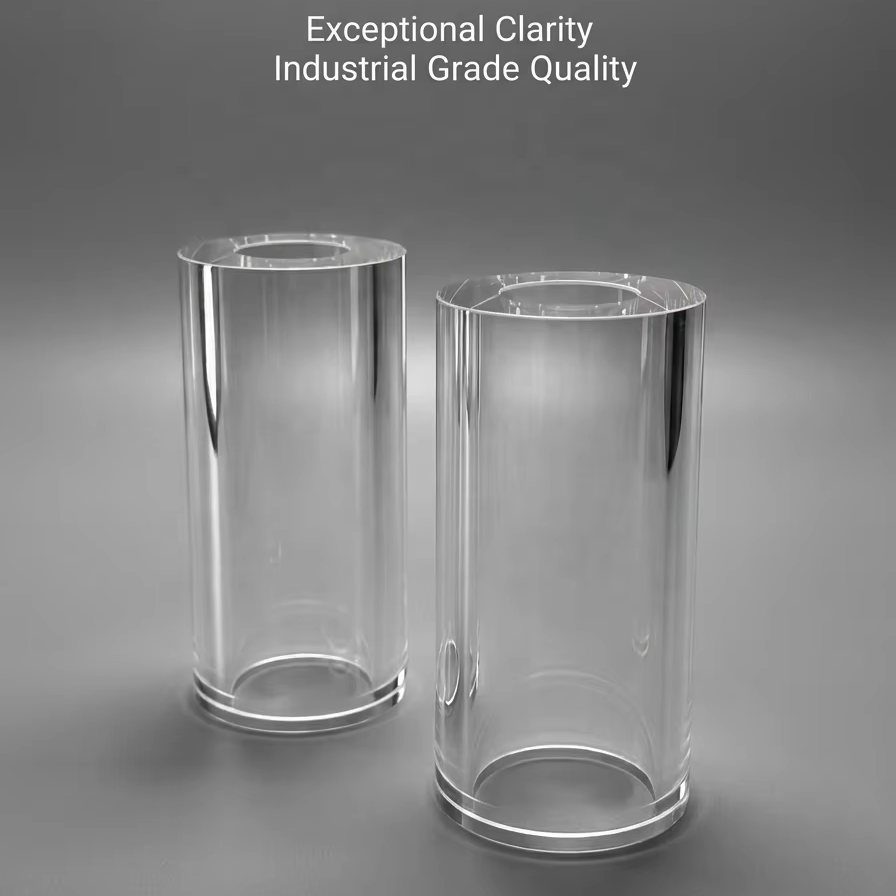
Factory Custom Both Ends Polished High Purity Transparent Quartz Twin Tube Bending Moulding Welding Cutting Capabilities
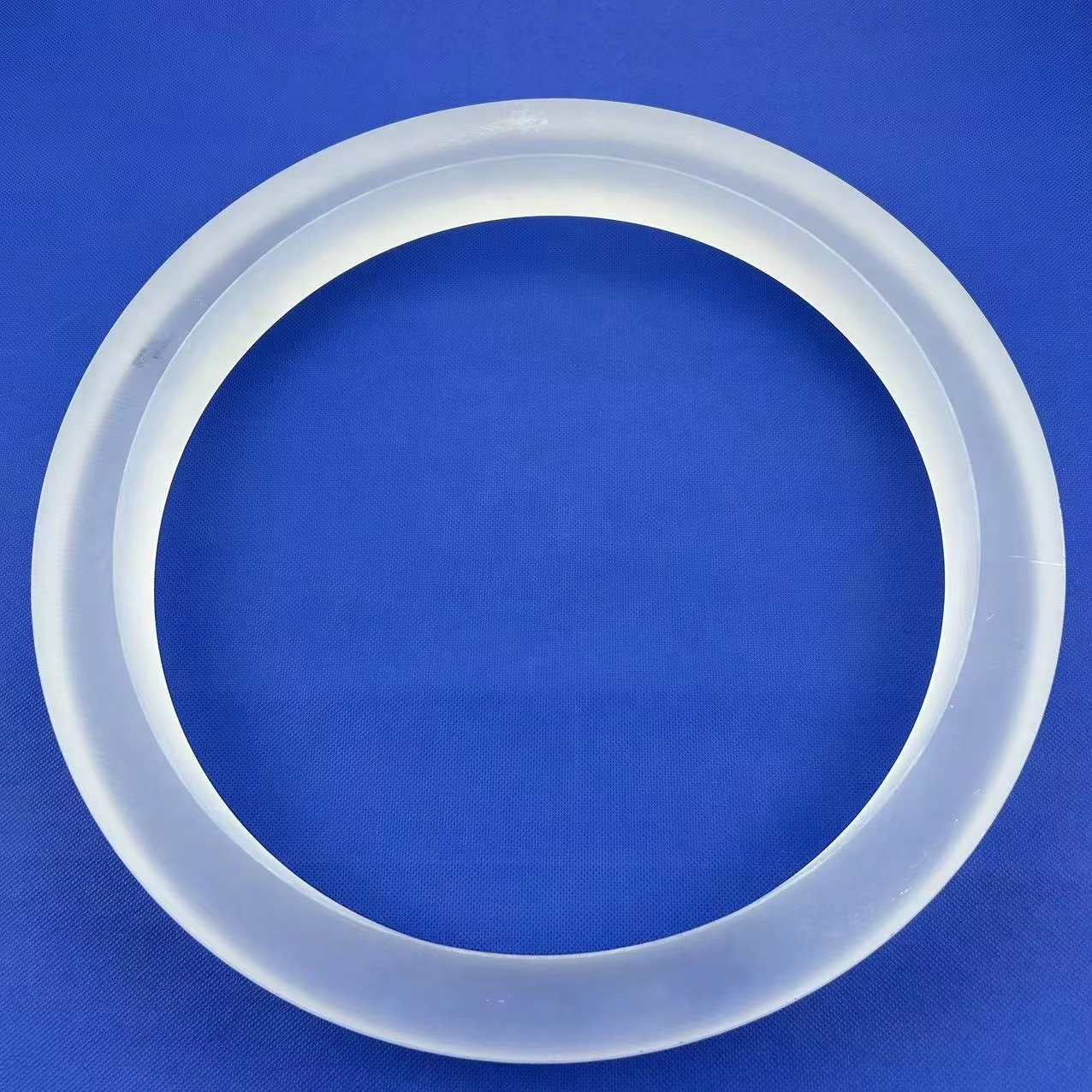
Custom Coated 99.99% Pure Quartz Rings for Semiconductor CVD Optics Applications High Pressure Moulding/Bending/Welding/Cutting
Milky Quartz Tubes: Microstructure, Radiation Scattering & Thermodynamics
Why precision-engineered opaque fused silica replaces conventional clear quartz and ceramics across semiconductor diffusion, infrared heating arrays, and metallurgical thermocouple sheaths.
Controlled Micro-Porosity & Diffuse Scattering
Unlike clear transparent fused quartz which permits direct specular photon transmission, milky quartz tubes contain uniformly dispersed microscopic gas inclusions (5 to 30 μm bubble diameter). These micro-enclosures induce intense internal Mie and Rayleigh scattering.
Incident infrared radiation between 0.8 μm and 4.8 μm is thoroughly diffused, converting concentrated radiant hot spots into an omnidirectional, uniform thermal field while exhibiting an apparent emissivity exceeding 0.90 in mid-to-far infrared bands.
Extreme Thermal Shock Immunity (ΔT > 1000°C)
Milky fused quartz retains the signature low coefficient of thermal expansion common to amorphous silica (5.5 × 10⁻⁷ /K from 20°C to 1000°C). This allows sudden cyclic transfers from 1150°C furnaces directly into 20°C quenching fluid without micro-fissuring.
Its microscopic porous structure functions as a mechanical compliance mechanism, mitigating localized hoop stresses and thermal gradient tension far more effectively than crystalline ceramics such as high-alumina porcelain or mullite.
Radial Thermal Insulation & Dielectric Strength
The thermal conductivity of milky quartz along the transverse/radial wall axis is 15% to 25% lower than that of clear fused quartz at temperatures above 800°C due to radiant back-scattering by internal gas phase pores.
Simultaneously, the material preserves exceptional dielectric insulation (breakdown voltage > 10 kV/mm at room temperature and > 1 kV/mm at 800°C), making it the prime material choice for high-frequency induction furnace muffles and corona discharge ozone chambers.
| Property / Characteristic | Milky (Opaque) Fused Quartz | Clear Fused Quartz (Standard) | Alumina Ceramic (Al₂O₃ 99.5%) | Silicon Carbide (Recrystallized) |
|---|---|---|---|---|
| SiO₂ / Material Purity | ≥ 99.99% SiO₂ | ≥ 99.99% SiO₂ | 99.5% Al₂O₃ | SiC substrate |
| Thermal Expansion (20–1000°C) | 5.5 × 10⁻⁷ /K | 5.5 × 10⁻⁷ /K | 8.2 × 10⁻⁶ /K (High) | 4.5 × 10⁻⁶ /K |
| Continuous Service Temperature | 1100 °C | 1100 °C | 1600 °C | 1350 °C |
| Short-Term Max Exposure | 1300 °C | 1300 °C | 1750 °C | 1500 °C |
| Thermal Shock Resistance (ΔT) | > 1000 °C (Air quench) | > 1000 °C (Air quench) | ~ 200 °C (Prone to fracture) | ~ 350 °C |
| Infrared Radiation Transfer Mode | Diffuse Scattering / Emissive | Direct Transmission (0.2–3.5μm) | Surface Opaque Absorption | Surface Emissive Radiator |
| Radial Thermal Conductivity (1000°C) | ~ 1.8 W/(m·K) (Lower heat loss) | ~ 2.5 W/(m·K) (Radiant leakage) | ~ 6.5 W/(m·K) | > 25 W/(m·K) |
| Acid Resistance (Except HF/Hot H₃PO₄) | Superior (Hydrolysis proof) | Superior (Hydrolysis proof) | Moderate (Attack by hot acids) | Oxidizes above 1000°C |
Future B2B Procurement Trends in Milky Quartz Tubes (2025–2030)
As global semiconductor wafer fabs scale up sub-7nm nodes and solar PV migrates to large-format N-Type TOPCon/HJT architectures, procurement parameters for opaque fused silica are shifting dynamically.
Large-Diameter Monolithic Tube Demand
Next-generation vertical diffusion furnaces for 300mm wafer fabrication and high-volume wafer carriers require milky quartz tubes with outer diameters exceeding 350mm to 650mm. Sourcing managers are consolidating supplier contracts around factories equipped with specialized centrifugal rotary melting kilns capable of maintaining wall uniformity (±0.5mm) across continuous lengths up to 3000mm without sagging.
Sub-PPM Trace Elemental Thresholds
Standard industrial opaque quartz allowing 30–50 ppm total metallic impurities is rapidly being phased out by Tier-1 device manufacturers. Modern procurement specs demand ICP-MS documented limits where alkali metals (Li, Na, K ≤ 1.5 ppm) and transition metals (Fe, Cu, Ni ≤ 0.5 ppm) are strictly controlled to prevent thermal auto-doping and wafer lifetime degradation during 1050°C anneals.
Dual-Material Hybrid Assembly Integration
B2B buyers are abandoning mechanical bolted seals between heating zones and viewing ports. Procurement orders increasingly mandate factory-welded monolithic structures: a milky opaque quartz tube body seamlessly glassblown to a transparent clear optical quartz window or precision-machined flange, reducing vacuum leak vectors in sub-atmospheric CVD reactors.
TCO Optimization Over Heavy Alumina Ceramics
Process engineers recognize that while high-purity alumina offers higher refractoriness, its vulnerability to thermal shock leads to catastrophic in-service breakage during emergency shutdowns. Milky quartz yields a significantly lower Total Cost of Ownership (TCO) through extended thermal cycling life and clean acid-strip recovery protocols.
Milky Quartz Manufacturing Technology & Processing Trends
The manufacturing of opaque fused silica has advanced from basic gas-flame crucible melting to high-precision electric arc plasma fusion and computerized glass lathe manipulation.
Plasma Surface Glazing & Vitrification
A historical challenge with raw milky quartz was open surface micro-pores harboring contaminants or chemical residues. Zelvo’s cutting-edge processing integrates localized hydrogen-oxygen plasma fire-glazing, which melts the outer 0.2mm to 0.4mm layer into an impervious, glassy vitrified skin while maintaining the diffuse opaque scattering core beneath.
High-Precision Ultrasonic Diamond Machining
Milky quartz tubes are no longer restricted to simple rotary cutting. Our workshop utilizes 5-axis CNC ultrasonic diamond core drills and contouring heads to machine keyhole slots, bayonet lock notches, gas injection capillary channels, and custom thread pitch directly into opaque tube bodies with positional tolerances within ±0.05 mm.
Ultra-Low Hydroxyl (OH⁻) Dehydroxylation
For vacuum furnaces and intense infrared halogen lamps operating above 1000°C, traditional high-OH quartz suffers from molecular water diffusion, bubble swelling, and accelerated devitrification. New processing cycles utilize electric-vacuum desiccation baking, slashing hydroxyl content down to < 5 ppm for extreme dimensional stability.
Lianyungang Zelvo Quartz Products Co., Ltd.
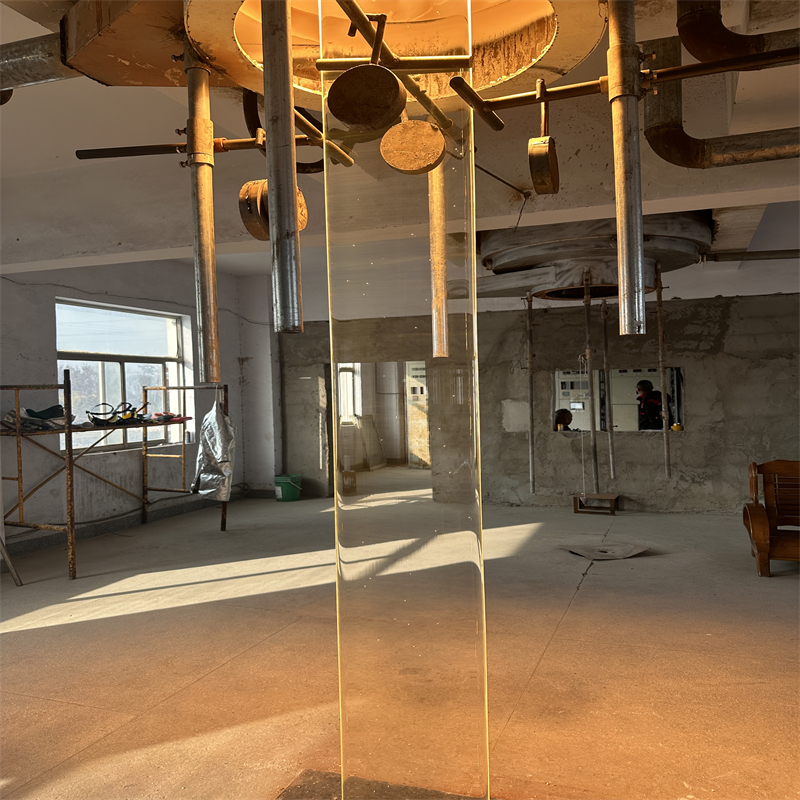
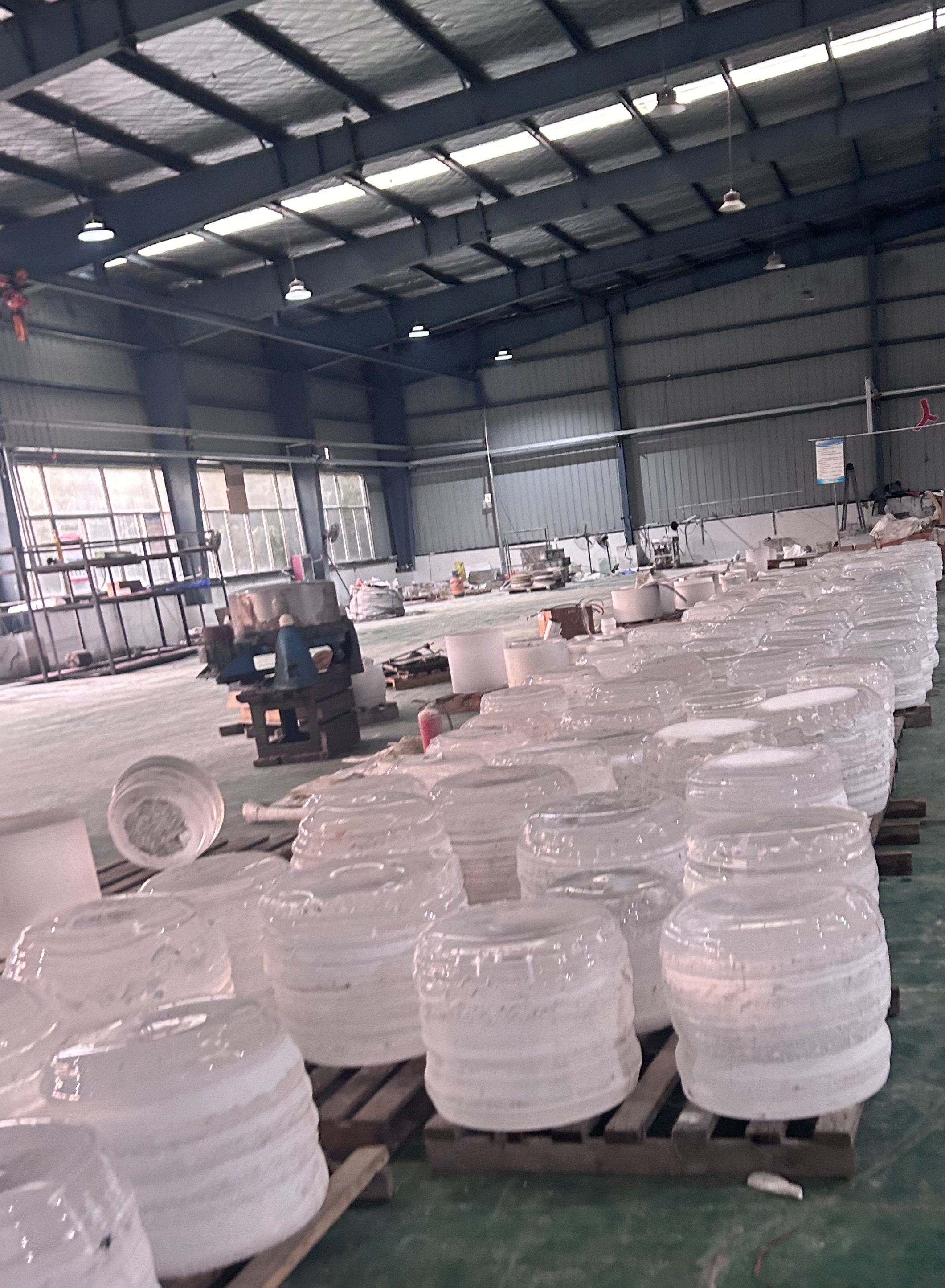
Strategically headquartered in Donghai County, Jiangsu Province—globally acknowledged as China's "Crystal Capital"—Zelvo Quartz bridges raw silica mineral refinement with high-spec quartz glass fabrication. Backed by an annual export revenue of US$2.5M to US$5M and an onsite-verified facility, our veteran glassblowing and machining engineers leverage over 10 years of specialized quartz handling experience.
Whether you require an experimental opaque quartz sample tube (MOQ 1 piece) or container-load industrial diffusion furnace muffles, our sales engineering division provides feasibility analysis, CAD/drawing confirmation, and comprehensive quotation within 2 hours.
Get a Quote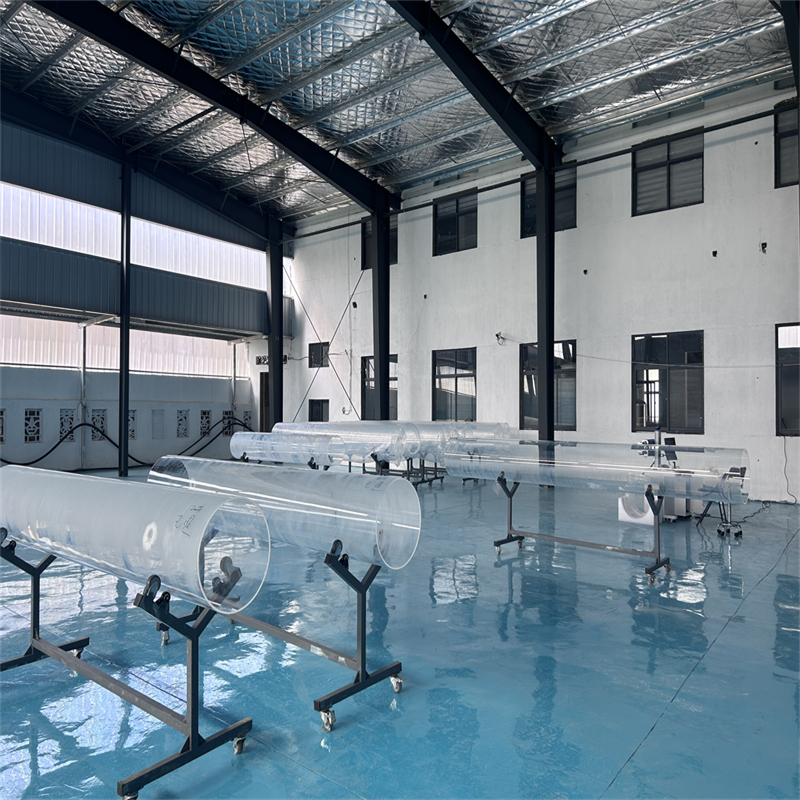
Frequently Asked Questions: Sourcing Milky Quartz Tubes
Detailed answers addressing material purity, thermal phase transitions, custom fabrication capabilities, and international logistics safeguards.
1. What is the fundamental physical difference between milky (opaque) quartz tubes and clear fused quartz tubes?
2. At what temperature does devitrification occur, and how can it be mitigated in milky quartz?
3. What standard dimensional tolerances does Zelvo Quartz uphold for custom drawing fabrication?
4. Can milky quartz tubes be flame-welded to clear transparent quartz parts or flanged joints?
5. How does milky quartz perform in corrosive chemical environments compared to borosilicate or alumina?
6. What is your minimum order quantity (MOQ) and sample prototyping protocol?
7. How are fragile milky quartz tubes packaged to ensure 100% zero-breakage international transit?
8. What shipping terms and global trade documentation do you support?
Need a Custom Milky Quartz Tube Specification or Fast Drawing Review?
Submit your dimensions (OD, ID, length, wall thickness, tolerances) or operational parameters. Our application engineers will assess thermal compatibility, recommend suitable grades, and provide a competitive quote within 2 hours.