Featured Quartz Glass Components & Standard Cells
Direct-factory fabrication from Donghai County – tailored for precision gas adsorption, physisorption, chemisorption, and high-temperature optical diagnostics in Nantes laboratories.
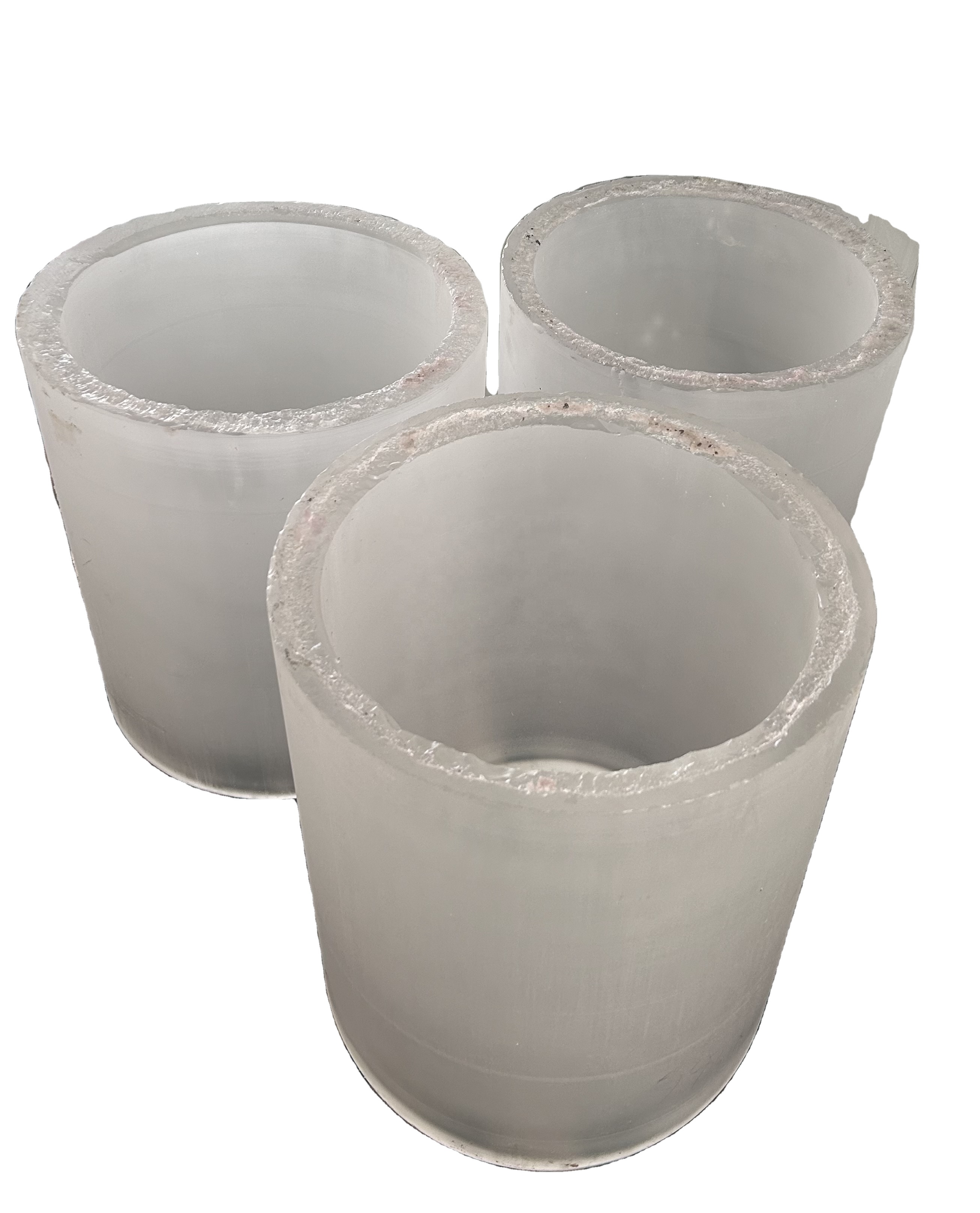
Open Ended Fused Quartz Frosted Glass Cylinder Ingot
Moulding, welding, and precision cutting services for optical diffusion.
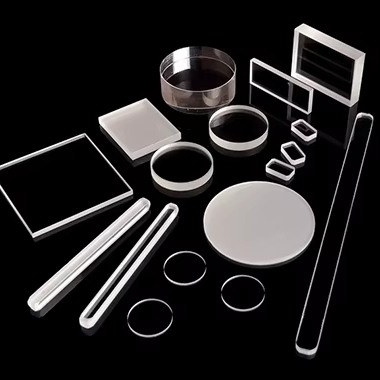
High-Temp Fused Transparent Quartz Optical Test Sheet
Optical grade substrate sheets with laser cutting and double-face polishing.
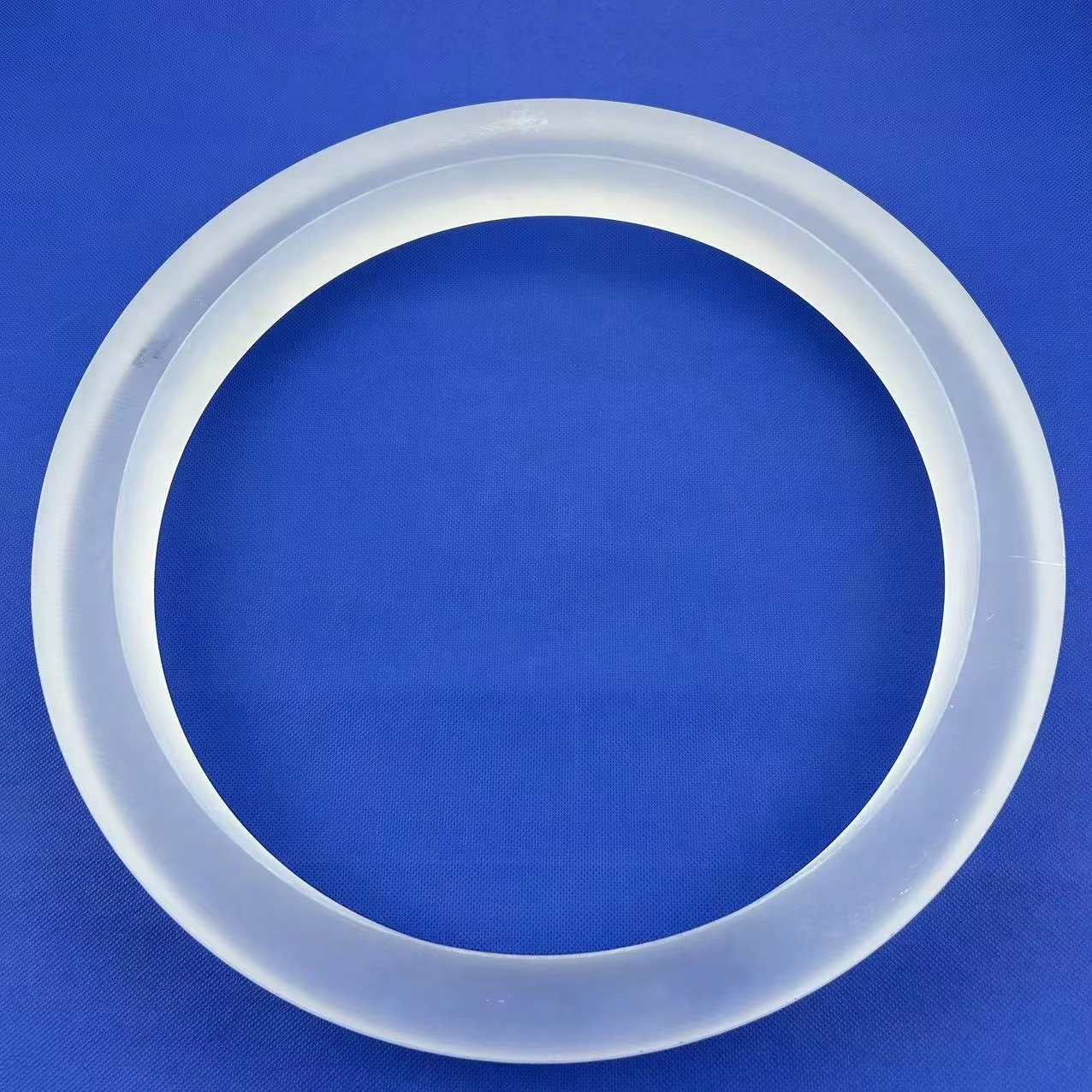
Custom Coated 99.99% Pure Quartz Rings for Semiconductor CVD
High-pressure moulded quartz rings for chemical vapor deposition.
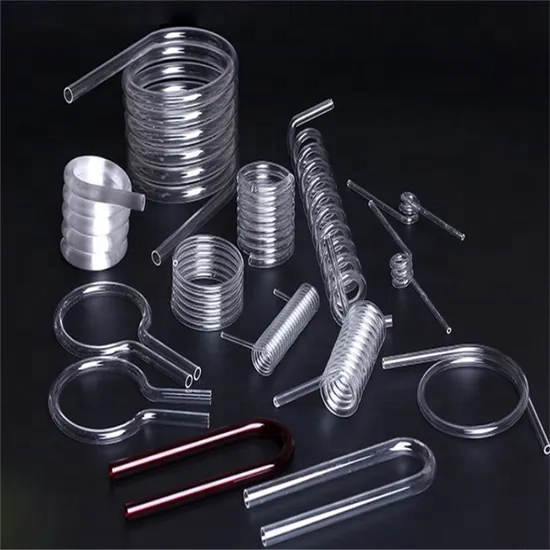
Custom Sized U-Bent Quartz Glass Spiral Reactor Tube
Flame-bent U-tubes and helical coils for continuous gas treatment.
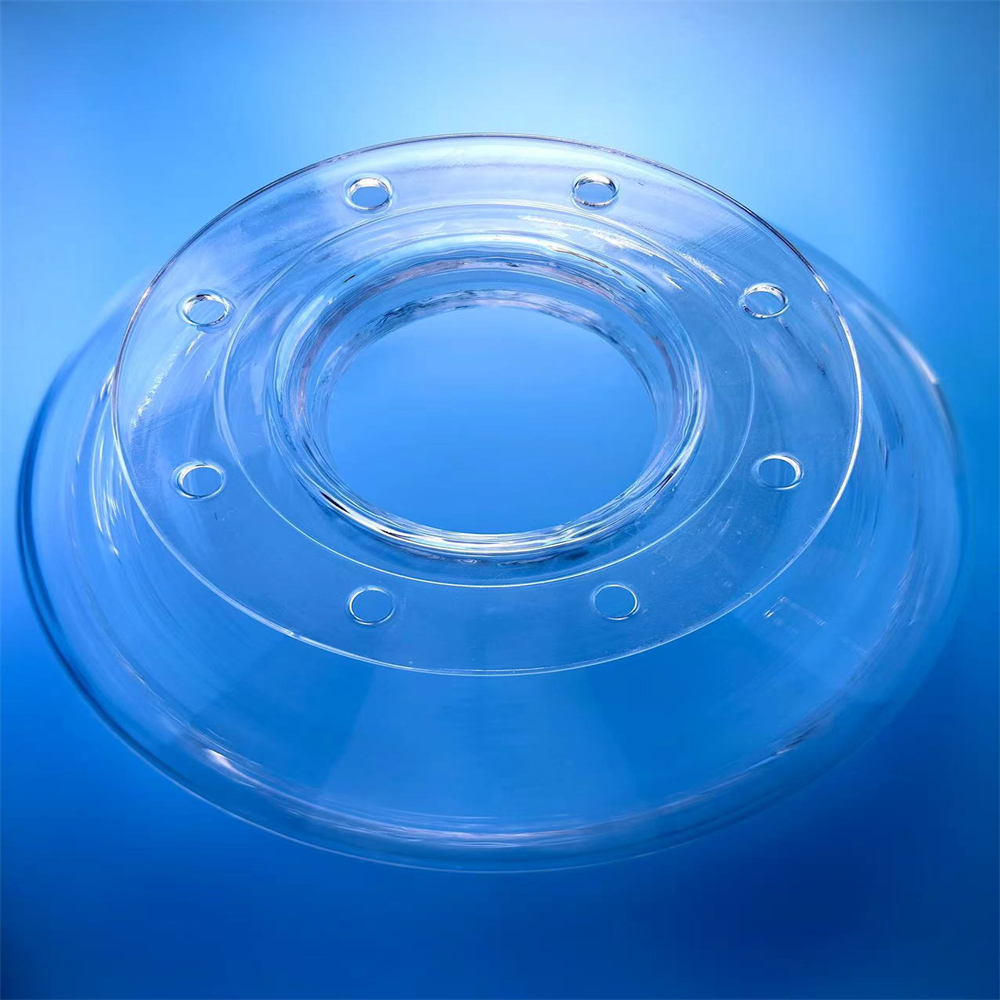
Flanged High Purity Twin Quartz Tube with Polished Ring
Custom thickness dual-chamber tube with precision-ground vacuum flange.
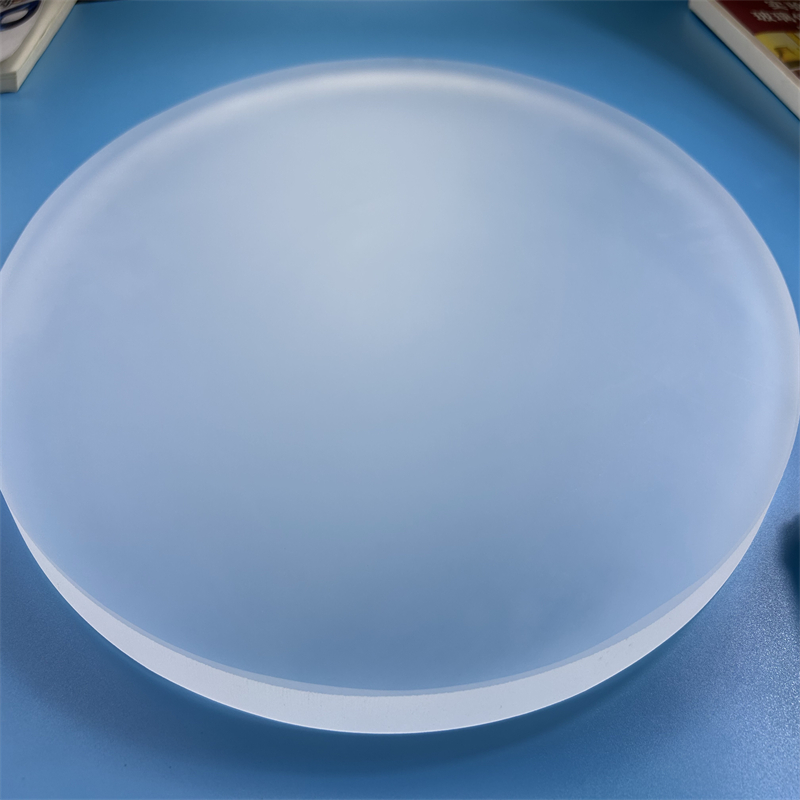
High Temperature Resistance Frosted Quartz Disc Plate
Sandblasted diffuse plates for semiconductor pedestals and XRD stages.
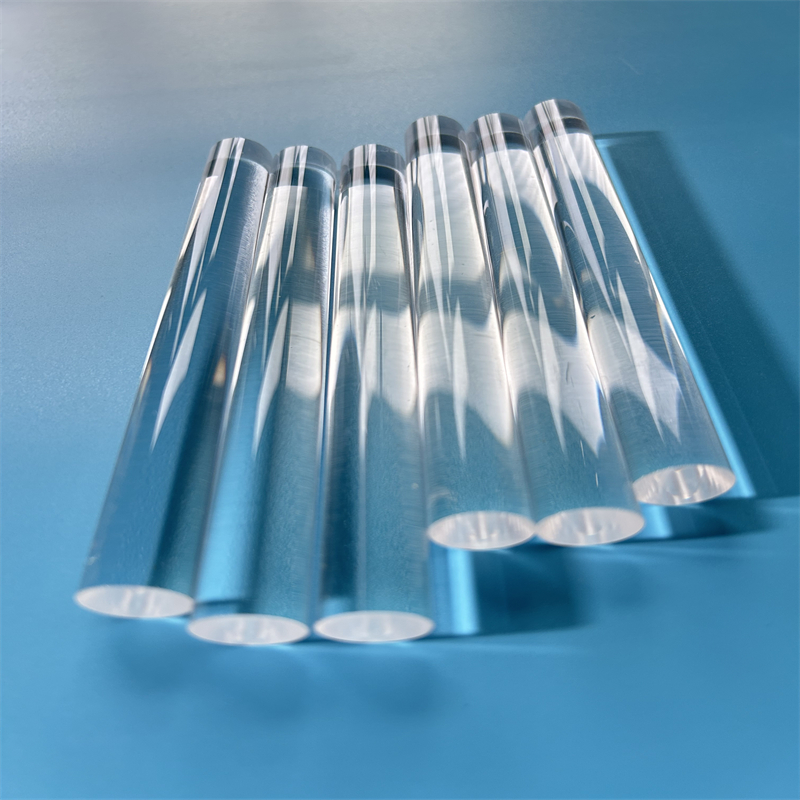
High Purity Optical Quartz Light Guide Cylinder Rod
Extreme transmission solid fused silica rods for spectroscopic sensing.
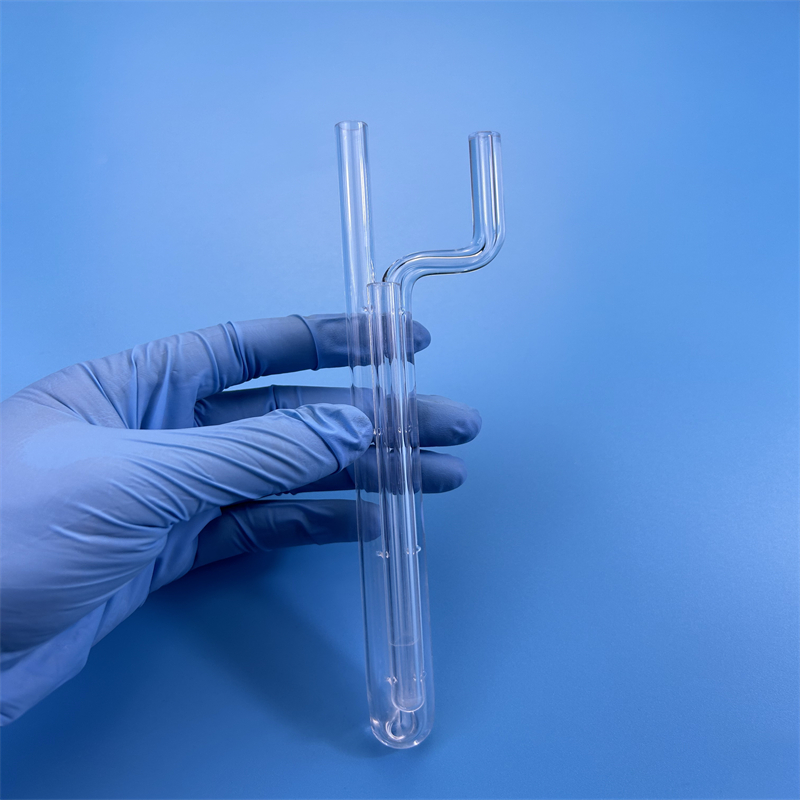
Chemisorption BET Test High-Pressure Twin Tube
Quantachrome and Micromeritics compatible twin-cell quartz assembly.
Precision BET Quartz Sample Tubes: Foundation of Surface Metrology
Brunauer-Emmett-Teller (BET) specific surface area analysis and Barrett-Joyner-Halenda (BJH) pore size distribution metrology represent non-negotiable characterization methodologies for nanoscale solids. From battery active electrode pastes to metal-organic frameworks (MOFs), the validity of adsorption isotherms is contingent upon a single variable: the structural and chemical fidelity of the sample containment tube under thermal vacuum stress.
In typical manometric nitrogen ($N_2$ at 77.35 K), argon ($Ar$ at 87.27 K), or carbon dioxide ($CO_2$ at 273.15 K) physisorption systems, analytical precision directly depends on warm-and-cold free-space calculations (dead volume determination). A fraction of a millimeter distortion along the tube stem, micro-porosity in the glass wall, or residual hydroxyl outgassing completely distorts low-relative-pressure ($p/p_0 < 10^{-4}$) adsorption points. While standard borosilicate 3.3 glassware remains common for low-temperature routine degassing, modern advanced functional materials developed across Nantes and Western France require outgassing protocols well above 450 °C. At these extreme thermal regimes, borosilicate softens, exhibits helium permeability fluctuations, and releases trace alkali metals, permanently compromising catalyst beds and nanostructured matrices.
Lianyungang Zelvo Quartz Products Co., Ltd., situated in Donghai County—the crystal capital of the world—manufactures metrology-grade BET quartz sample tubes that meet the uncompromising specifications of analytical chemists, materials scientists, and procurement engineers in the Nantes metropolitan area and across the Loire Valley.
Technical Specification: Fused Quartz vs. Standard Borosilicate 3.3
Comparative physical properties influencing dead-space reliability, vacuum integrity, and thermal thresholding during physical and chemical sorption.
| Analytical Parameter | Zelvo High-Purity Fused Quartz | Standard Laboratory Borosilicate (3.3) | Analytical Impact on BET Metrology |
|---|---|---|---|
| Chemical Composition | ≥ 99.99% SiO₂ (Trace impurities ≤ 20 ppm) | ~81% SiO₂, 13% B₂O₃, 4% Na₂O/K₂O, 2% Al₂O₃ | Zero risk of alkali ion migration into sensitive catalysis samples. |
| Continuous Working Temp | 1100 °C (Short peak excursion to 1300 °C) | 450 °C (Deformation risk above 500 °C) | Allows complete thermal desorption of chemisorbed moisture & volatiles. |
| Softening Point | 1683 °C | 820 °C | Immunity to tube collapse under 10⁻⁵ Pa ultra-high vacuum heating. |
| Linear Thermal Expansion (CTE) | 5.5 × 10⁻⁷ / K (20 °C to 320 °C) | 33 × 10⁻⁷ / K | Minimal free-space dead-volume change between liquid N₂ and ambient zones. |
| Thermal Shock Resistance | Withstands quench from 1100 °C into ice water | Quench limit approximately 150 °C ΔT | Zero failure when cycling between degassing furnaces and cryostat baths. |
| Helium Permeability Rate | Exceptionally stable; verified helium leak tight | Moderate; unstable under cyclic high heat | Prevents false warm/cold dead-space calculations during calibration. |
| Dimensional Stem Tolerance | OD ± 0.05 mm (Precision ground/flame-calibrated) | OD ± 0.20 mm (Standard drawn tubing) | Hermetic vacuum seal on Viton/Kalrez O-ring quick-disconnect ports. |
Localized BET Application Landscapes Across Nantes & Western France
Aligning high-precision quartz sample cells with the exact strategic research thrusts of Loire-Atlantique's materials science and manufacturing clusters.
Next-Gen Energy Storage & Battery Valley
Nantes sits at the western axis of France’s electric mobility revolution. Research labs collaborating with the Institut des Matériaux Jean Rouxel (IMN), CNRS, and battery pilot lines require precision quartz cells to determine the specific surface area and micro-mesoporous architectures of silicon-graphite composite anodes, lithium-rich cathodes, and solid-state electrolyte powders. Our quartz cells allow intense degassing without surface lattice breakdown.
Decarbonized Hydrogen & Heterogeneous Catalysis
The lower Loire basin is pioneering green hydrogen production and power-to-X technologies. Characterizing catalytic efficiency on electrolyzer catalyst supports, nickel-doped mesoporous aluminas, and platinum-group catalysts demands in-situ chemisorption tubes. Our custom twin-bore quartz tubes and U-shaped micro-reactors tolerate toxic and reducing atmospheres (H₂, CO, NH₃) up to 1000 °C during pulse chemisorption and TPD/TPR/TPO cycles.
Aerospace Composites & Jules Verne Institute
Nantes and Saint-Nazaire constitute a tier-one aerospace hub. The IRT Jules Verne and industrial partners engineer ultra-light carbon nanotubes, ceramic matrix composites (CMC), and aerogel insulative foams. Evaluating specific surface areas of raw carbon fibers and sizing agents requires bulb-type sample cells that maintain volumetric calibration through cryogenic baths and high-pressure heating.
Carbon Capture, Zeolites & MOFs
Regional environmental academic laboratories focused on ecological transition study synthetic metal-organic frameworks and activated biochars for post-combustion CO₂ capture. These ultra-microporous structures demand cryogenic argon (87 K) or carbon dioxide (273 K) adsorption where dead-space calculation tolerances are razor thin (±0.005 cm³), necessitating our laser-measured stem geometries.
Additive Manufacturing & Titanium Powders
The flourishing 3D-printing metallurgical clusters in Pays de la Loire monitor metal powder aging, oxidation states, and inter-particle porosity. Low specific surface area determination (< 0.1 m²/g) utilizing krypton adsorption at 77 K requires large-volume bulb cells with strictly minimal internal surface outgassing, an area where Zelvo’s flame-polished fused quartz outclasses borosilicate substitutes.
Nuclear Decommissioning & Waste Glasses
With Western France’s proximity to nuclear engineering centers, studying the degradation rates and BET leaching surfaces of borosilicate glass matrices and clays during repository simulations requires completely chemically unreactive containment. Our 99.99% pure SiO₂ sample vessels offer unmatched acid corrosion resilience against leaching solutions.
Seamless Integration with Global Instrument Standards
Whether your laboratory operates out of Atlanpole, Nantes Université Campus Lombarderie, or industrial R&D centers in Saint-Herblain, sample cell dimensional variations must not compromise port connectivity. Zelvo engineers fabricate BET sample cells with stem diameters and vacuum ferrule collars calibrated specifically for leading equipment manufacturers.
- ✓ Micromeritics® Series: ASAP® 2020/2420/2460, 3Flex™, TriStar® II 3020, Gemini™, and AutoChem® II/III chemisorption reactors (standard 6 mm, 9 mm, 12 mm stems with flat or spherical bulbs).
- ✓ Quantachrome® / Anton Paar® Series: Autosorb® iQ, Quadrasorb™, NOVA® touch series, and ChemStar™ TPR/TPD flow systems (straight, bulb, and twin-neck U-tubes).
- ✓ Microtrac® MRB (BEL): BELSORP-max II, BELSORP-mini X, and BELCAT II catalytic evaluation quartz reactors.
- ✓ Custom Specialized Glassware: Integrated coaxial thermocouple wells, check-valve seal tops, and high-pressure quartz cells up to 50 bar.
Emerging Trends in French Gas Adsorption Characterization
How the evolution of national green initiatives, CNRS standards, and Horizon Europe consortia shapes equipment procurement in Nantes.
Sub-Ambient Free-Space Precision
As characterization shifts from ambient N₂ to Kr adsorption for sub-0.5 m² samples (thin films, pristine crystals), dead-space reproducibility demands stem inner diameter concentricity below ±0.03 mm.
Ultra-High Vacuum High-T Degas
Degassing metal organic materials without collapsing delicate organic linkers requires stable thermal ramps up to 600 °C under 10⁻⁶ torr, eliminating all standard Pyrex/borosilicate usage.
Circular Laboratory Procurement
French public labs operating under strict CNRS environmental mandates favor durable, reusable 99.99% fused silica that withstands multi-cycle aqua regia cleaning without wall etching or fogging.
Custom In-Situ Cell Geometries
Rising focus on simultaneous Raman-BET or UV-Vis-adsorption demands optical window quartz cells that allow probe beams to measure the sample directly during physisorption isotherm collection.
Why Research Centers in Nantes Source Directly from Zelvo Quartz
Combining Donghai County’s premier mineral quartz supply with master glassblower craftsmanship and CNC optical manufacturing.
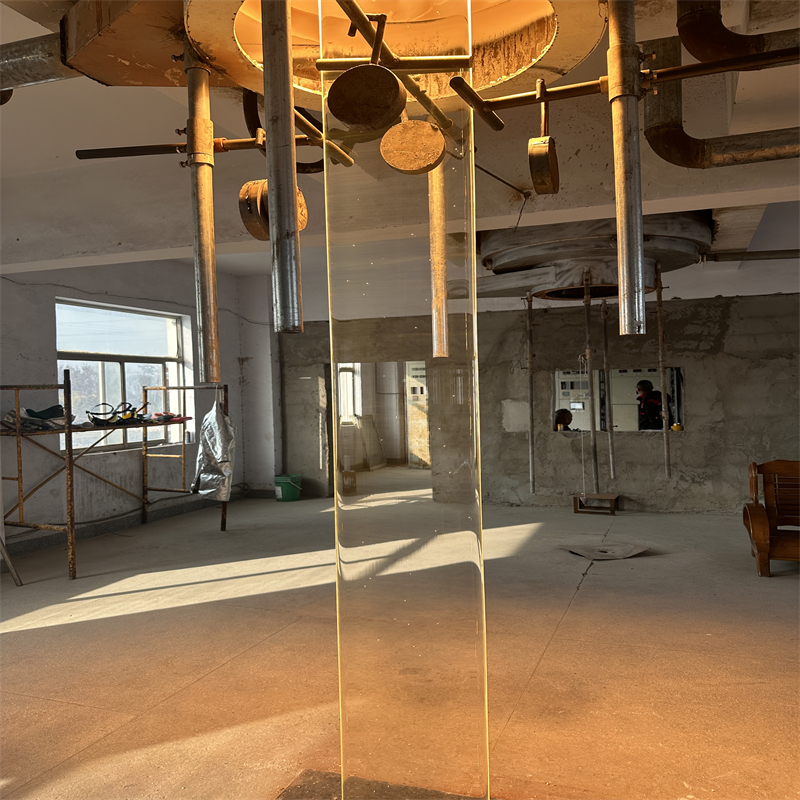
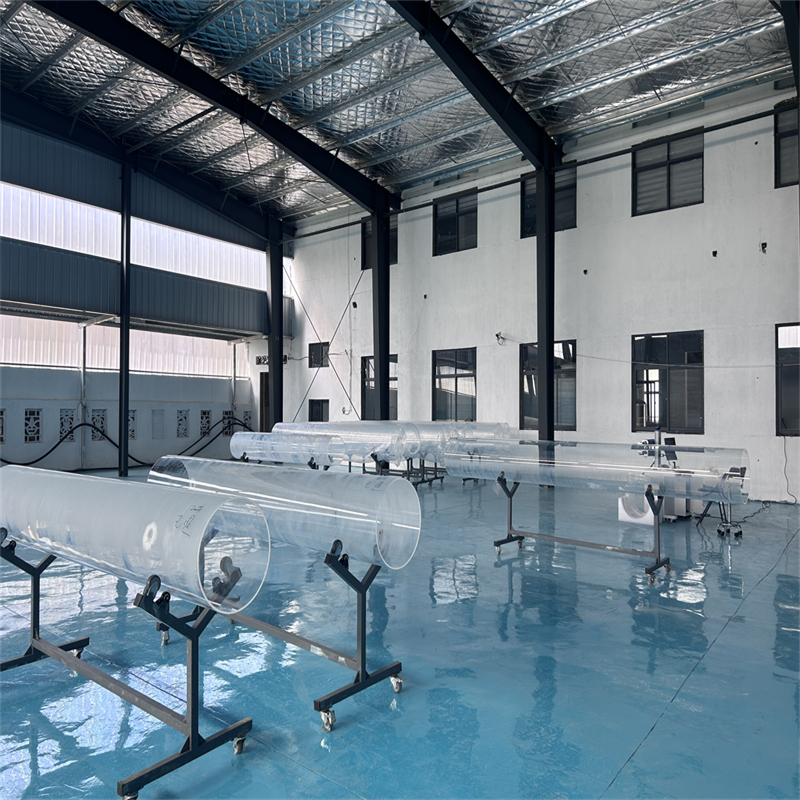
Located in Donghai, Jiangsu—China’s recognized quartz fabrication cluster—Lianyungang Zelvo Quartz Products Co., Ltd. bridges the gap between raw optical mineral refinement and bespoke scientific instruments. Purchasing teams and primary investigators in Nantes obtain distinct engineering advantages:
- ▶ Master Scientific Glassblowers: Our technicians average over 10 years of quartz lathe and flame-working expertise, executing uniform bulb expansions, seamless capillary joints, and stress-free annealing.
- ▶ Sub-Millimeter CNC & Laser Drilling: Precision grooving, laser cutting, and ultrasonic grinding allow us to produce slotted sample sheets, integrated thermal pockets, and custom port ground-joints.
- ▶ Polarimetric Stress Relief: Every BET quartz cell undergoes secondary furnace annealing at 1215 °C and polariscope inspection to eliminate internal mechanical tension, preventing vacuum implosion.
- ▶ Flexible Prototyping MOQ: We accept single-piece custom orders (MOQ: 1 pc) for specialized research drawings, enabling experimental trial runs before bulk departmental supply.
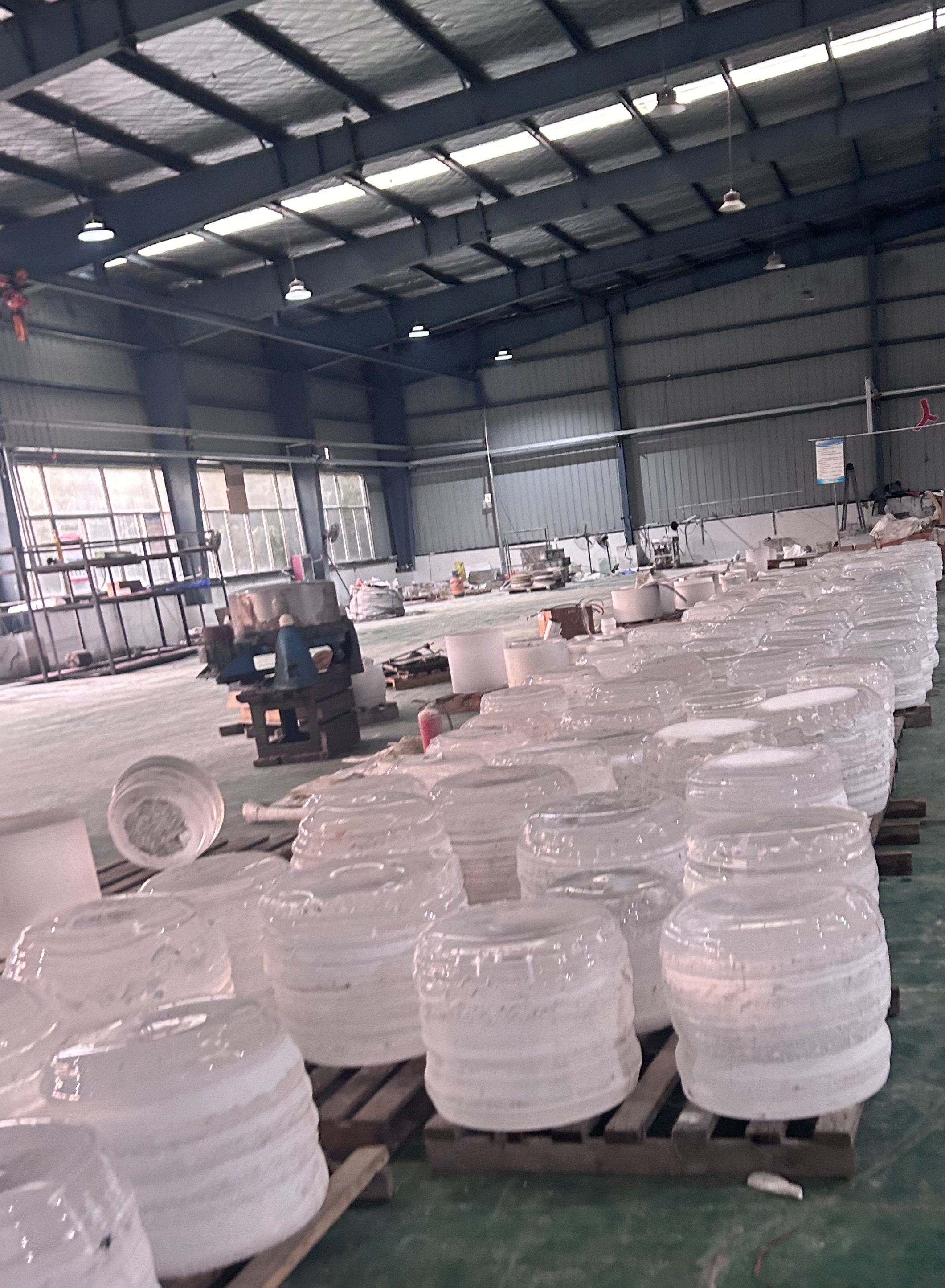
Inside Our Clean Processing & Quality Inspection Units

Frequently Asked Questions for Nantes Procurement Managers
Comprehensive answers regarding technical validation, custom drawings, logistics to Loire-Atlantique, and EU compliance.
Can Zelvo manufacture BET sample tubes directly matching our existing Micromeritics or Quantachrome serial numbers?
What is the standard delivery timeline from your Donghai factory to our laboratory in Nantes, France?
How do you guarantee fragile quartz tubes survive long-distance transit to Western France without fracture?
Can you provide formal commercial documentation compliant with French public research procurement (CNRS, Université de Nantes)?
What is the maximum operating degassing temperature for your BET quartz sample tubes?
What is the Minimum Order Quantity (MOQ) for custom-engineered quartz sample cells?
Can you fabricate quartz cells with integrated thermocouple wells or dual-chamber capillary configurations?
How should laboratories in Nantes clean and maintain these high-purity quartz sample tubes?
Need Custom Quartz BET Cells or Specialized Tube Geometries in Nantes?
Send your dimensional sketches, instrument models, or custom design drawings to our senior engineering team. We provide full technical feasibility evaluations and comprehensive quotations within 2 hours.