Certified High-Temperature Quartz Solutions
Manufactured under strict ISO 9001 & European CE conformity standards. Every piece supports custom CNC dimensioning, laser aperture grooving, optical flame welding, and 1-piece minimum order quantities for specialized Belgian prototyping.
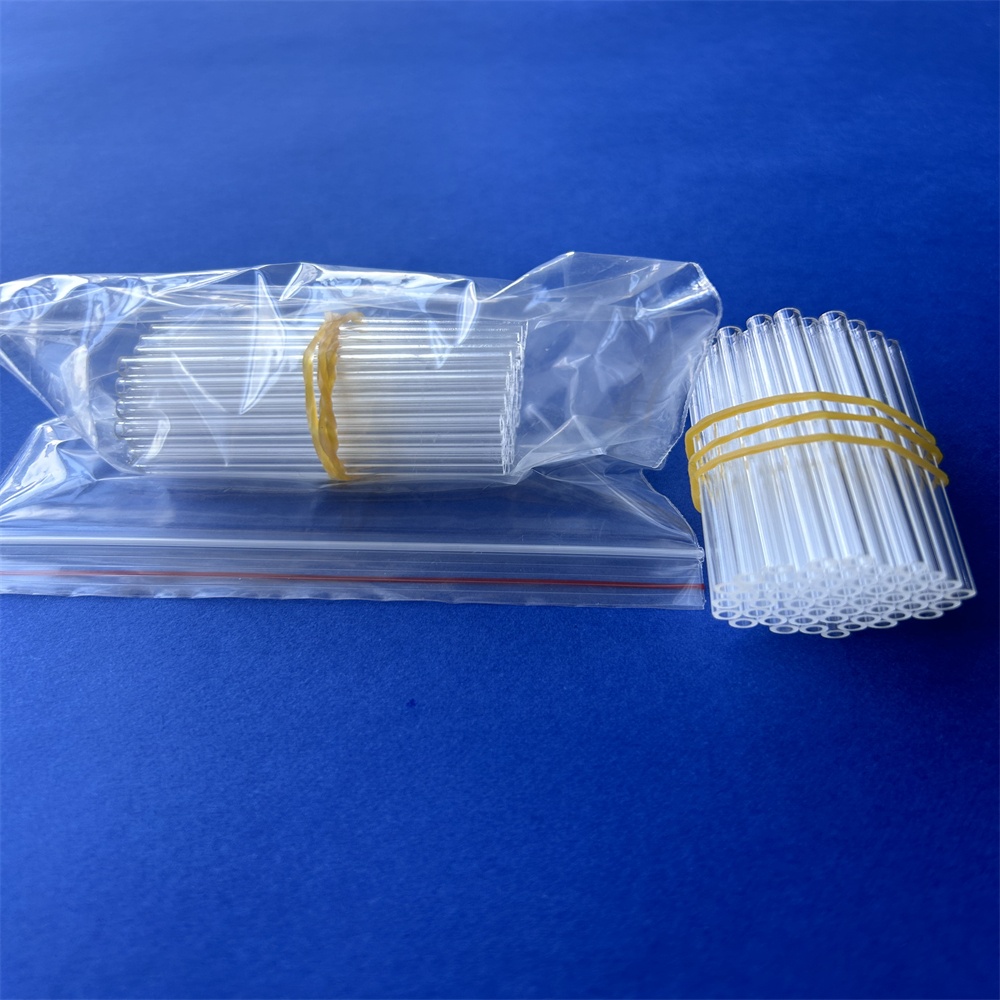
Small Diameter 0.1-20mm High Temperature Pure Quartz Capillary Tube
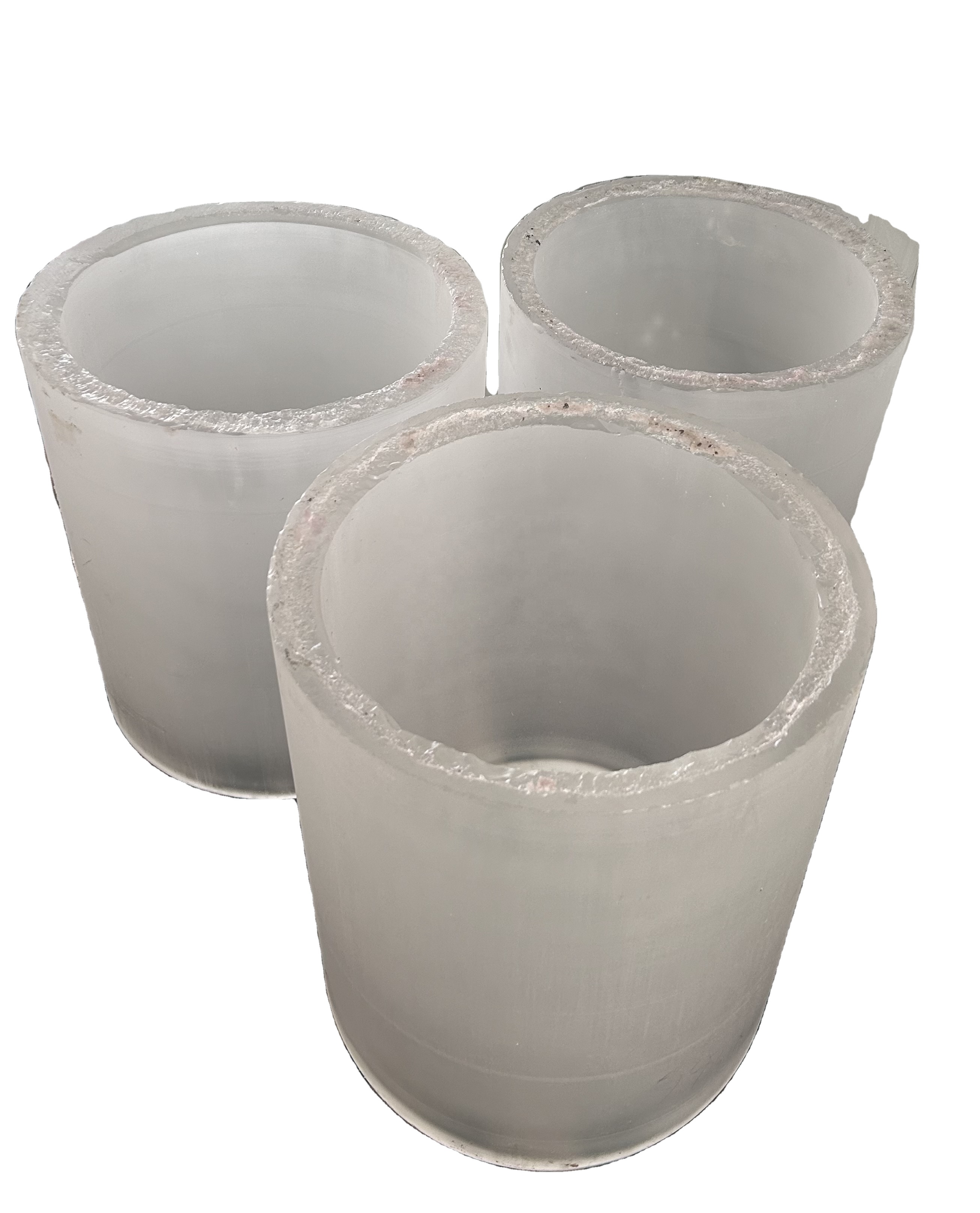
Open Ended Fused Quartz Frosted Cylinder Ingot for Optical Chambers
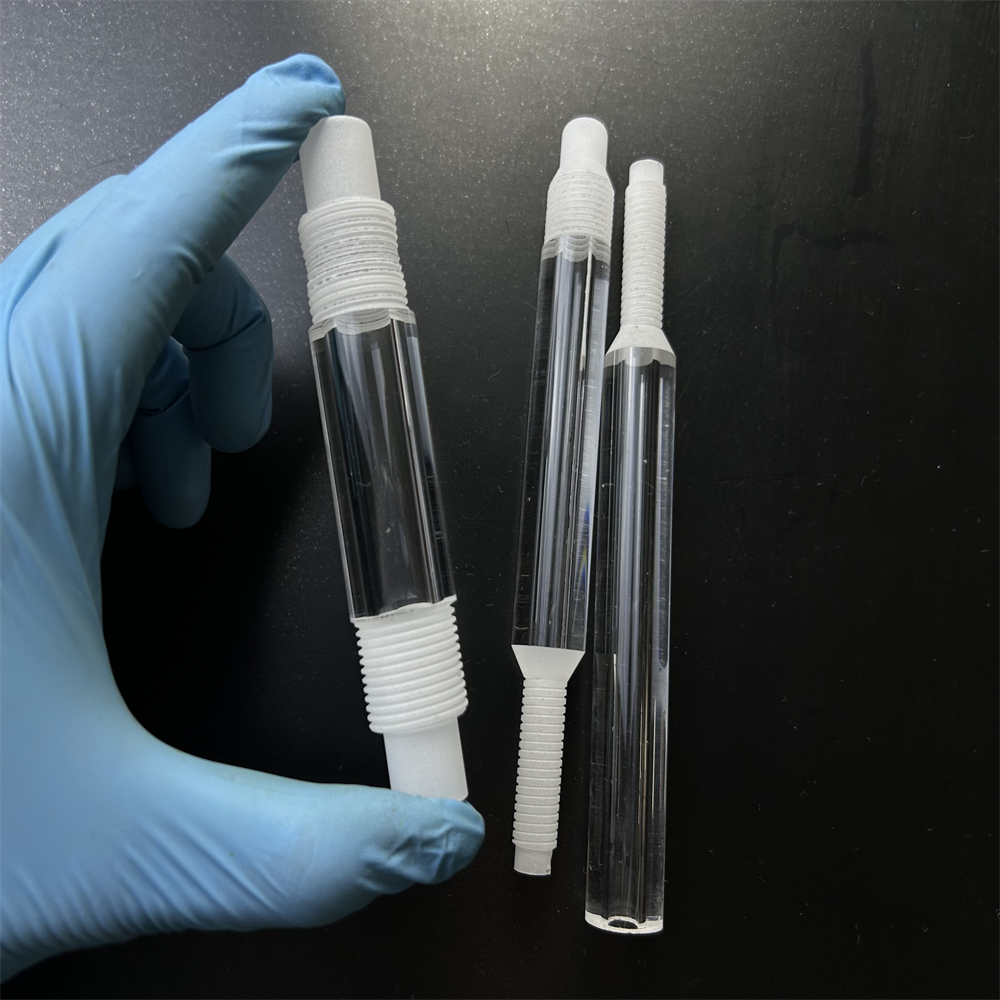
Customized High Purity Threaded UV Quartz Glass Tube for High Pressure
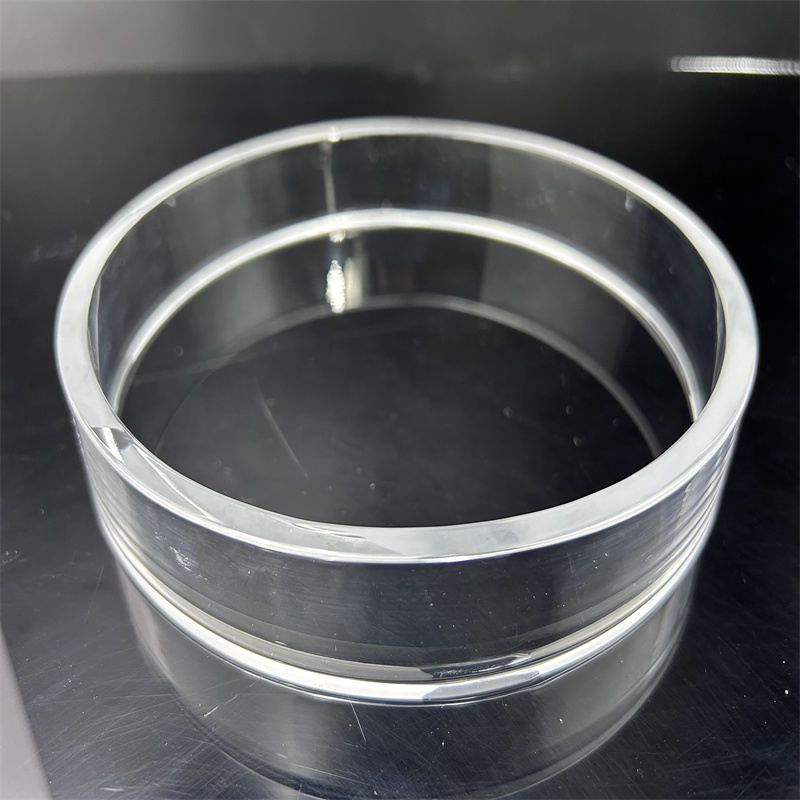
Corrosion-Resistant Fused Quartz Glass Bell Jar for High-Vacuum Deposition
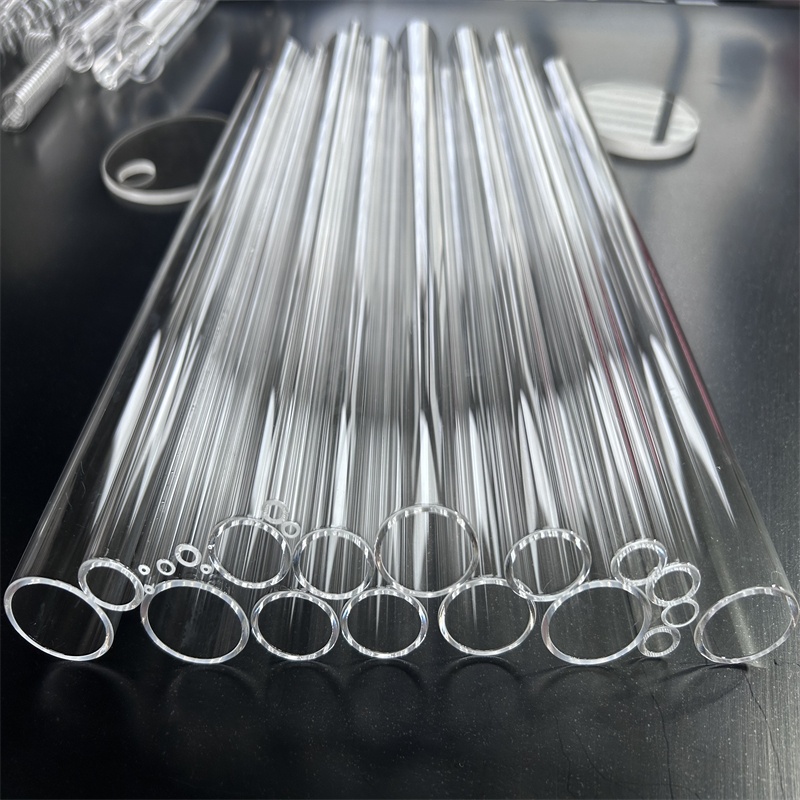
Heat-Resistant Clear 99.99% Fused Quartz Twin Bore Tube for IR Pyrometry
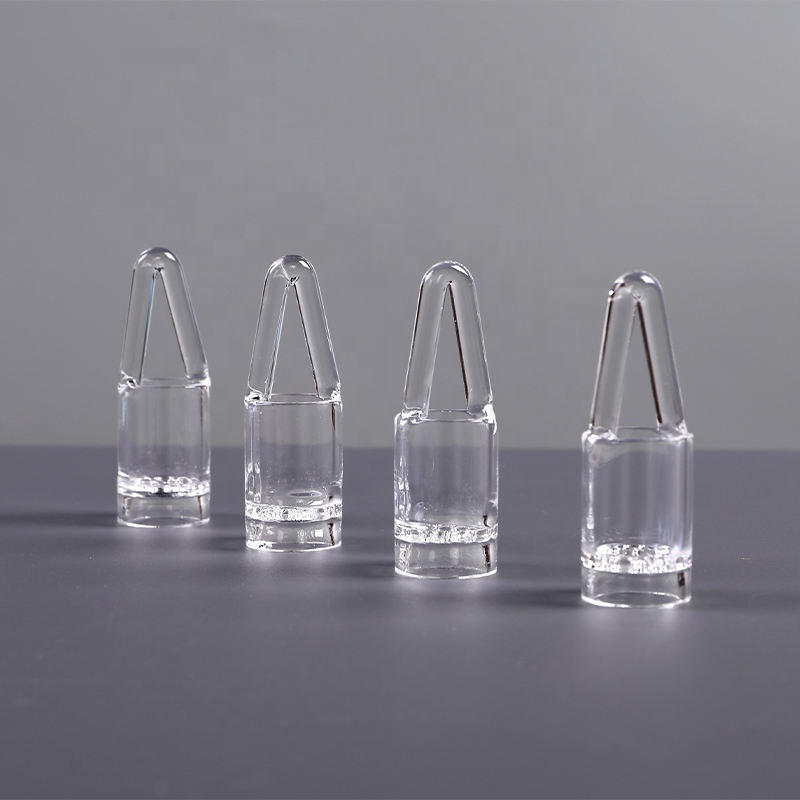
Factory Custom High Pressure 99.99% Pure Quartz Process Vessel Tube
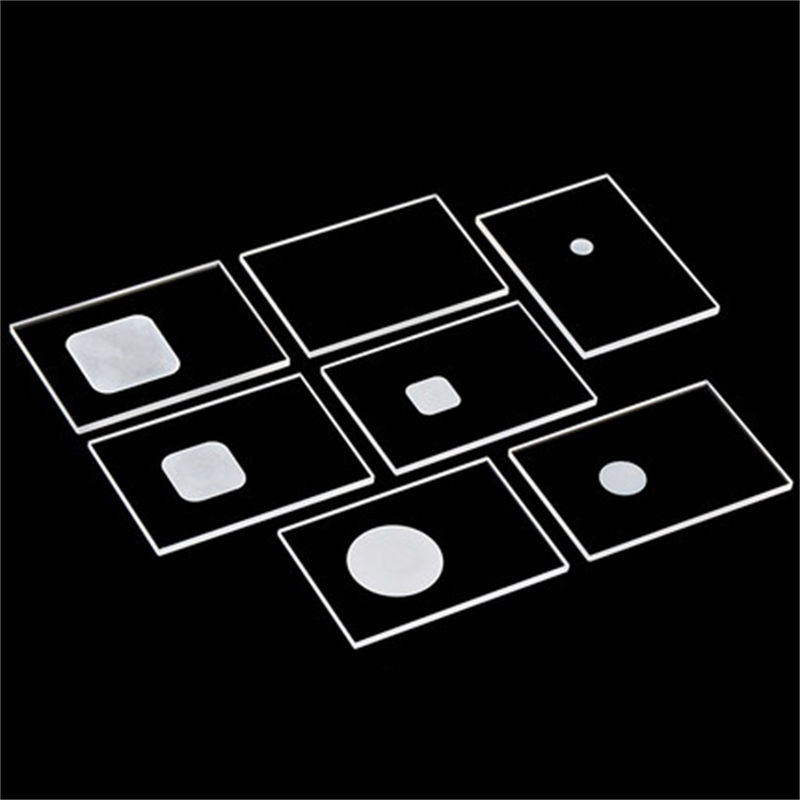
Fused Quartz Glass Sheet for XRD Substrates & Slotted Wafer Carriers
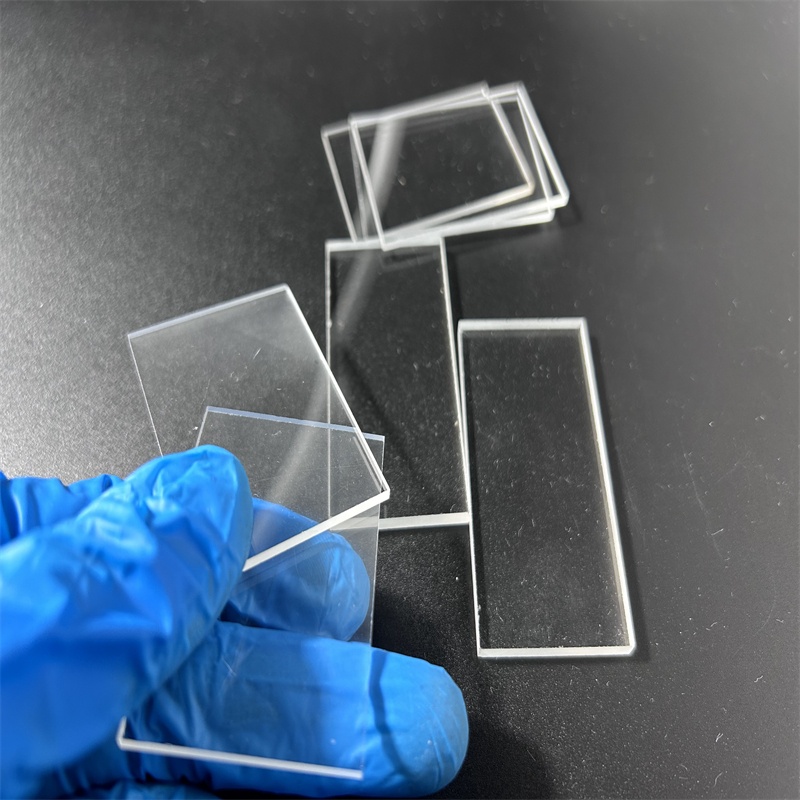
Custom Optical Grade Fused Quartz Glass Plate with Flame Polished Edges
High-Purity Fused Quartz Crucibles in the Greater Liège Industrial Basin
An authoritative analysis of thermodynamic stability, devitrification kinetics, and chemical inertia for induction smelting, single-crystal silicon synthesis, and critical alloy production across Wallonia.
The Meuse Valley basin of Liège, historically renowned as the cradle of continental European steelmaking and metallurgical engineering, is undergoing a profound structural metamorphosis. From the legacy blast furnaces of Seraing, Chênée, and Herstal to today’s cutting-edge advanced material clusters—centered around the CRM Group (Centre de Recherches Métallurgiques), the University of Liège (ULiège), and specialized high-tech spin-offs in the Liège Science Park—the demand for refractory containment vessels capable of enduring extreme thermal gradients without contaminating melt chemistry has never been higher.
In high-frequency vacuum induction melting (VIM), plasma arc re-melting, and additive manufacturing (AM) metal powder atomization, traditional graphite, alumina, or magnesia refractories frequently introduce unacceptable interstitial impurities. Graphite vessels induce carbide precipitation in superalloys and reactive titanium/nickel alloys, while alumina yields unwanted aluminum reduction at temperatures above 1550°C under low oxygen partial pressures. CE certified high-purity fused quartz crucibles (≥99.99% SiO₂) provide an indispensable chemical barrier: exceptional thermal shock resistance, an ultra-low linear thermal expansion coefficient of 5.5 × 10⁻⁷ /K, and near-zero alkali/transition metal outgassing.
Key Engineering Metric: Zelvo Quartz crucibles for the Wallonia market are manufactured from raw Donghai crystalline quartz lodes refined to total elemental contamination ≤ 15 ppm. This guarantees that inductive melts of high-entropy alloys (HEAs) and supermalloy magnetic cores developed in Liège laboratories retain strict compositional integrity down to parts-per-billion tolerances.
Our fused silica crucibles are fabricated utilizing two primary thermal technologies: Arc-Fused Opaque (Slip-Cast/Electrically Arc-Melted) crucibles with controlled microporosity for high thermal insulation and induction coupling stability, and High-Transparency Clear Fused Quartz crucibles engineered via vacuum thermal melting for Czochralski (CZ) crystal pulling, germanium reduction, and optical-grade synthesis.
Comparative Material Matrix: Fused Quartz vs. Competing Containment Media
Evaluating thermomechanical behavior under continuous furnace cycling and vacuum induction environments relevant to Liège research facilities and industrial foundries.
| Performance Characteristic | Zelvo Fused Quartz (SiO₂) | High-Purity Alumina (Al₂O₃ 99.7%) | Isostatic Graphite | Silicon Carbide (SiC) |
|---|---|---|---|---|
| Purity Level (Main Oxide / Element) | ≥ 99.99% SiO₂ | 99.5% – 99.7% Al₂O₃ | 99.9% Carbon | 98.5% – 99.2% SiC |
| Coefficient of Thermal Expansion (CTE, 20–1000°C) | 0.55 × 10⁻⁶ /K (Immune to thermal shock) | 8.0 × 10⁻⁶ /K (Vulnerable to rapid quenching) | 4.5 × 10⁻⁶ /K (Moderate) | 4.0 × 10⁻⁶ /K (Moderate) |
| Continuous Operating Temperature | 1100 °C | 1600 °C | Up to 2500 °C (Inert atmosphere only) | 1450 °C |
| Short-Term Max Peak Temperature | 1300 °C – 1450 °C | 1750 °C | 3000 °C (Non-oxidizing) | 1600 °C |
| Softening Point / Sublimation | 1683 °C (Softening) | 2072 °C (Melting) | 3650 °C (Sublimation) | 2700 °C (Decomposition) |
| Reactivity with Molten Alloys | Extremely low; no carbon pickup | Risk of Al pickup in Ti/Ni melts | Severe carburization in Fe, Ni, Co | Si/C contamination in high-temp melts |
| Dielectric Loss in RF / Induction Fields | Near Zero (Direct eddy melt heating) | Low | High (Heats via susceptor action) | High (Directly self-heating) |
| Compliance with EU Directives | CE Compliant, REACH Annex XVII Exempt | Industrial Standard | Subject to oxidation emissions | Standard industrial |
Deployment Scenarios Across Greater Liège Industries
Customizing fused quartz crucible geometries, wall thicknesses, and pour spouts to the technical operations of Eastern Belgium’s industrial and research infrastructure.
1. Gas Atomization for AM Metal Powders (Herstal & Liège Science Park)
Wallonia has emerged as a premier European hub for additive manufacturing (metal 3D printing). Advanced aerospace contractors in Herstal and spin-offs from ULiège require custom fused quartz atomization crucibles equipped with bottom-orifice metering nozzles. Operating in close-coupled gas atomizers, our opaque slip-cast quartz vessels withstand intense induction frequencies while remaining entirely immune to molten alloy erosion. By preventing slag inclusion and aluminum dissolution, Zelvo crucibles preserve the spherical morphology and cleanliness of atomized nickel superalloys, cobalt-chrome, and biomedical titanium powders.
2. Pyrometallurgical Assay & Pilot-Scale Slag Chemistry (CRM Group & Seraing)
Metallurgical research institutions in Seraing continuously conduct pilot-scale slag-metal equilibrium trials to optimize low-carbon electric arc furnace (EAF) operations. Zelvo fused quartz cylindrical and conical crucibles serve as the inert test chambers for synthetic slag evaluations up to 1350°C. Their superior resistance against neutral and acidic slag chemistries (SiO₂-CaO-Al₂O₃ systems) allows researchers to observe liquidus phase transitions and viscosity changes without the crucible decomposing into the pilot melt.
3. Photovoltaic & Microelectronic Crystal Pulling (Czochralski Process)
Belgian research consortia pioneering next-generation multijunction solar cells and thin-film semiconductors utilize clear fused quartz crucibles for continuous ingot pulling. The crystal structure demands ultra-low hydroxyl (OH⁻) content (≤ 20 ppm) to prevent bubble nucleation and crucible wall devitrification during multihour thermal soaks at 1420°C. Our inner-wall synthetic glazed layers inhibit cristobalite crystal growth, dramatically extending thermal campaigns and preventing catastrophic thermal rupture.
4. Precious Metals & Critical Raw Material Recycling (Meuse River Logistics)
With Wallonia’s strategic mandate toward circular economy metals, urban mining and precious metal recycling plants along the Meuse River waterway melt shredded catalytic converters, e-waste circuit boards, and industrial scrap to reclaim gold, platinum, palladium, and rhodium. Zelvo heavy-wall fused quartz crucibles ensure that aggressive fluxing agents (such as borax and carbonates) operate safely without dissolving the crucible wall, ensuring 99.98% bullion recovery yields.
Macro Trends Transforming Quartz Containment Requirements in Liège
How the green transition, direct hydrogen ironmaking, and European supply chain autonomy are reshaping refractory purchasing across Wallonia.
Green Hydrogen Reduction & Flash Smelting
As the Liège steel basin shifts away from carbonaceous coke toward direct reduced iron (DRI) fueled by green hydrogen pipelines, experimental reduction reactors require high-purity, non-porous silica tubes and crucibles. Fused quartz is completely inert in high-temperature H₂ and water vapor atmospheres up to 1100°C, unlike oxide ceramics that risk partial surface reduction.
Stringent EU Critical Raw Materials Act (CRMA)
European foundries face strict traceability audits for heavy metals and hazardous processing agents. Zelvo’s CE certified quartz crucibles satisfy all REACH regulations without heavy metal fluxes (such as lead oxide or cadmium). This allows Belgian defense and aerospace subcontractors to document certified compliance throughout their internal quality audits.
Liège Airport (LGG) Express Cold-Chain Logistics Hub
As Europe’s premier air-cargo multimodal hub, Liège Airport provides a decisive supply chain advantage. Zelvo operates streamlined direct-to-LGG freight channels featuring custom shock-absorbent poly-foam suspended packaging and ISPM-15 wooden crate shipping. This guarantees zero-breakage delivery from our manufacturing workshop in Donghai directly to Belgian production floors within 5 to 7 days for urgent R&D trials.
Crucible Handling, Thermal Ramp Cycling & Devitrification Prevention
Operational guidelines to maximize campaign lifespan and prevent high-temperature cristobalite transformation.
Fused silica, while amorphous at ambient and intermediate temperatures, exists in a metastable thermodynamic state. At temperatures exceeding 1050°C, especially in the presence of surface contamination such as alkali ions (Na⁺, K⁺) or alkaline-earth elements (Ca²⁺, Mg²⁺), the amorphous silica network undergoes heterogeneous nucleation, crystallizing into high-temperature β-cristobalite. When the crucible is subsequently cooled through the 200°C–275°C inversion zone, β-cristobalite transitions rapidly into α-cristobalite with an abrupt volume contraction of approximately 2.8% to 5.0%. This volumetric strain triggers micro-cracking, crazing, and structural spalling.
1. Pre-Heat Ramp Protocol
Always ramp clean crucibles slowly through the moisture removal zone (ambient to 300°C at ≤5°C/min). For high-frequency vacuum induction melting, accelerate between 500°C and 1100°C at up to 25°C/min. Minimize continuous dwell time in the critical devitrification regime (1150°C–1350°C) when not actively holding molten metal.
2. Surface Cleanliness & Tooling
Never handle quartz crucible inner walls with bare hands; skin sebum deposits sodium ions that catalyze localized cristobalite rosette growth. Use lint-free cotton or nitrile gloves. Clean vessels solely with demineralized water or ultra-pure 5% nitric acid; strictly avoid hydrofluoric (HF) acid exposure on thermal containment vessels.
3. Atmosphere Management
Operating under high-vacuum (≤ 10⁻⁴ mbar) or pure inert gas (Ar ≥ 99.999% purity) retards gas-phase molecular oxidation. In reducing hydrogen atmospheres, monitor operational temperatures below 1250°C to prevent volatile SiO gas generation, which gradually reduces wall thickness over repeated melting cycles.
Frequently Asked Questions for Liège Purchasing Teams & Metallurgists
Addressing compliance, material certification, shipping to Wallonia, tolerances, and custom fabrication.
How does Zelvo ensure CE conformity and EU regulatory compliance for quartz crucibles shipped to Belgium?
Can Zelvo fabricate crucibles according to custom CAD/STEP files with specific pour spouts, flanges, or thermocouple wells?
What is the Minimum Order Quantity (MOQ) for prototypes needed by Liège university spin-offs or research labs?
What trace impurity limits can be expected in your 99.99% fused silica crucibles?
How do you prevent breakage during international transport to Liège, and what shipping terms are supported?
Which melting atmospheres are chemically compatible with fused quartz crucibles at elevated temperatures?
Integrated Quartz Processing from Donghai — China’s Crystal Capital
Combining world-class raw silica deposits with over a decade of precision fabrication, flame lathe welding, and global B2B delivery.
Direct Source Advantage
Situated in Donghai County, Jiangsu Province—home to over 70% of China's quartz deposits—we control high-purity natural silica sourcing directly, guaranteeing competitive batch pricing without intermediary trading markup.
10+ Years Master Craftsmanship
Our veteran master glassblowers and CNC machinists bring over a decade of specialized hands-on experience, executing tight radius bends, thread grinding, laser cutting, and bubble-free optical flame joins.
100% Pre-Shipment QC
Every crucible and optical quartz component undergoes optical polariscope stress inspection, ultrasonic dimensional verification, and bubble/inclusion categorization. Comprehensive QC photographic records are provided prior to export dispatch.
≤2h Technical Responsiveness
We operate an export engineering team dedicated to Western European buyers. Technical drawing feasibility reviews, quotation breakdowns, and material consultation are provided within 2 hours during active business hours.
Equip Your Liège Facility with Certified Quartzware
Download our complete technical engineering catalog detailing crucible sizes from 5 mL micro-analytical cups to 500-liter induction smelting vessels, optical plate tolerances, and quartz furnace tubes.