High-Purity Fused Quartz & Infrared Radiant Tubes
Manufactured to microscopic tolerances in China's quartz capital and validated for high-throughput thermal cycles in European industrial lines. Every component features high spectral transmission, extreme devitrification thresholds, and custom flame-worked configurations.
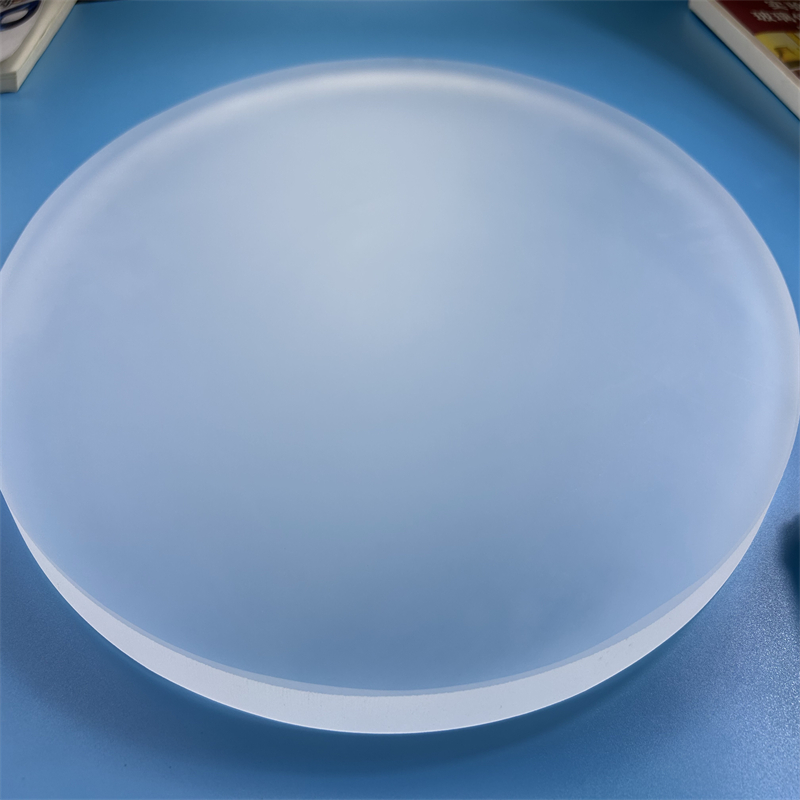
High Temperature Resistance Frosted Quartz Disc/Plate Semiconductor Applications Welding Cutting Custom Sizes Fused Quartz
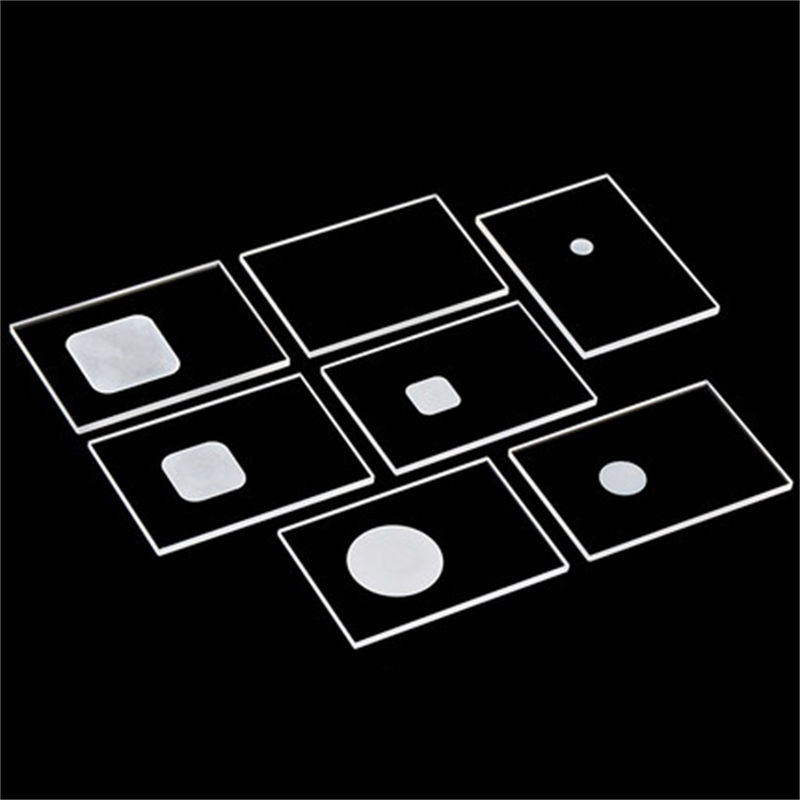
High Temperature Fused Quartz Glass Sheet for XRD Sample Tank Testing Chip Slotted Carrier Cutting Service Custom Sizes 1100C
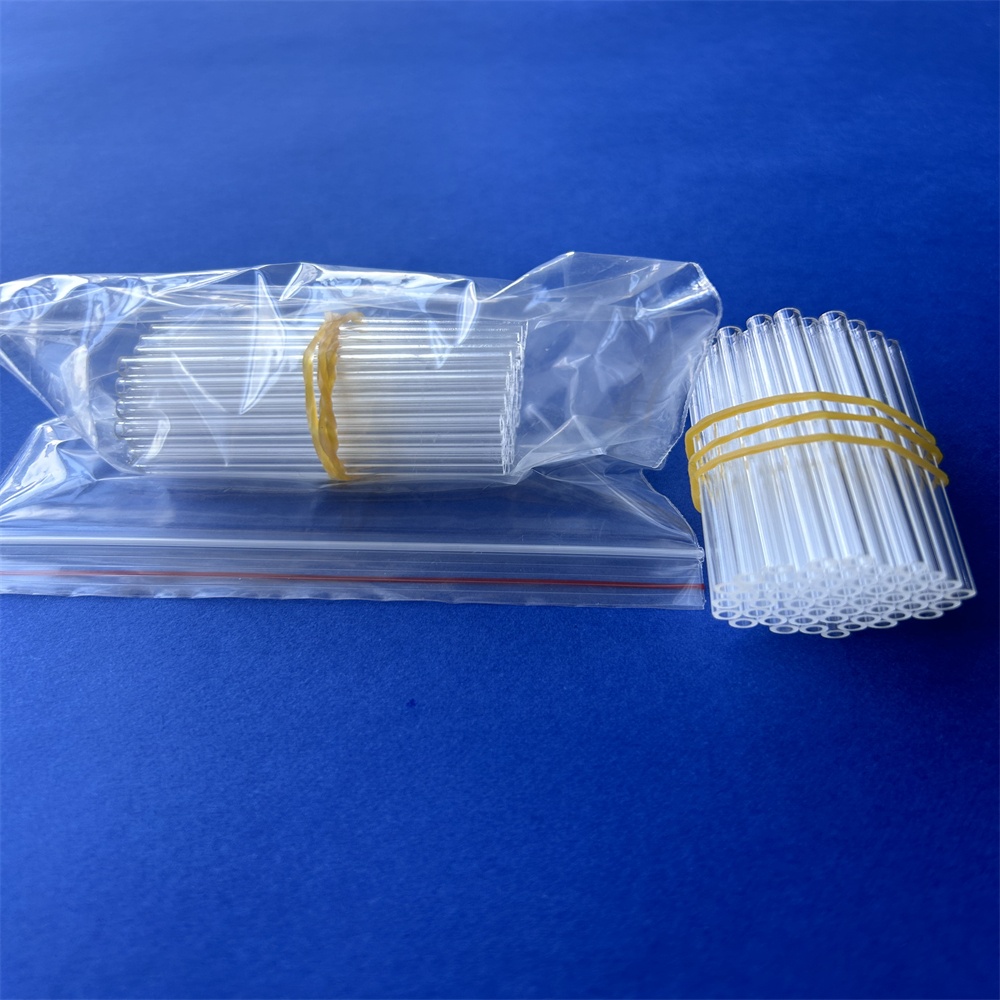
Small Diameter 0.1-20mm High Temperature Resistant 99.99% Pure Quartz Capillary Tube Cutting Bending Welding Services Ozone Free
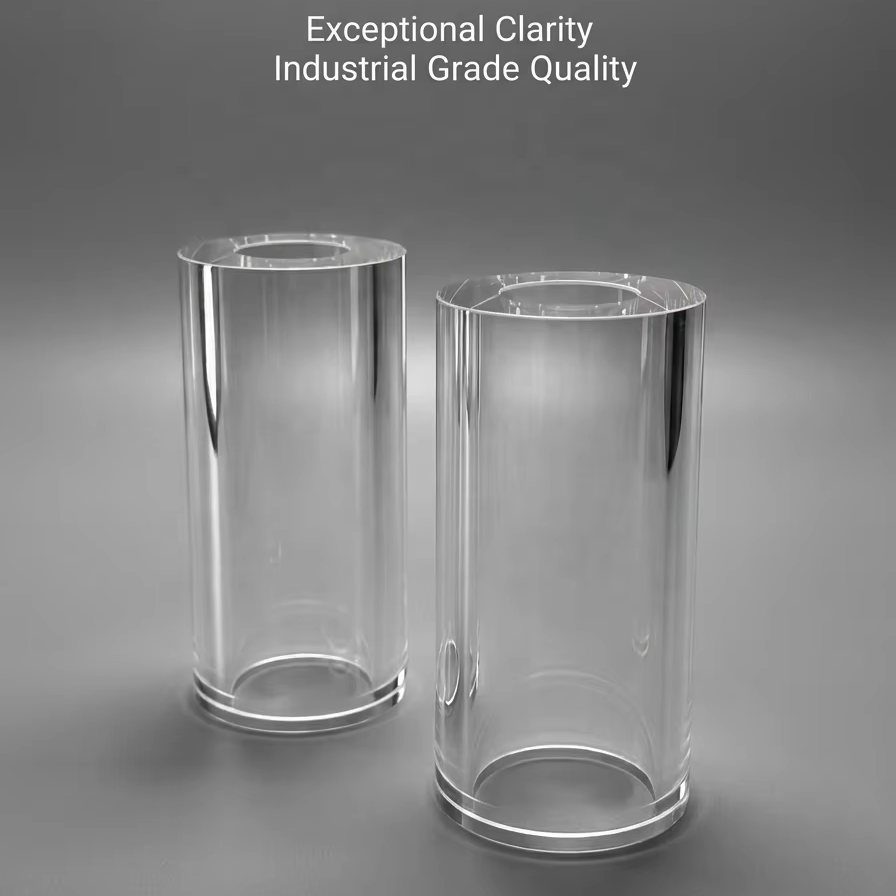
Factory Custom Both Ends Polished High Purity Transparent Quartz Twin Tube Bending Moulding Welding Cutting Capabilities
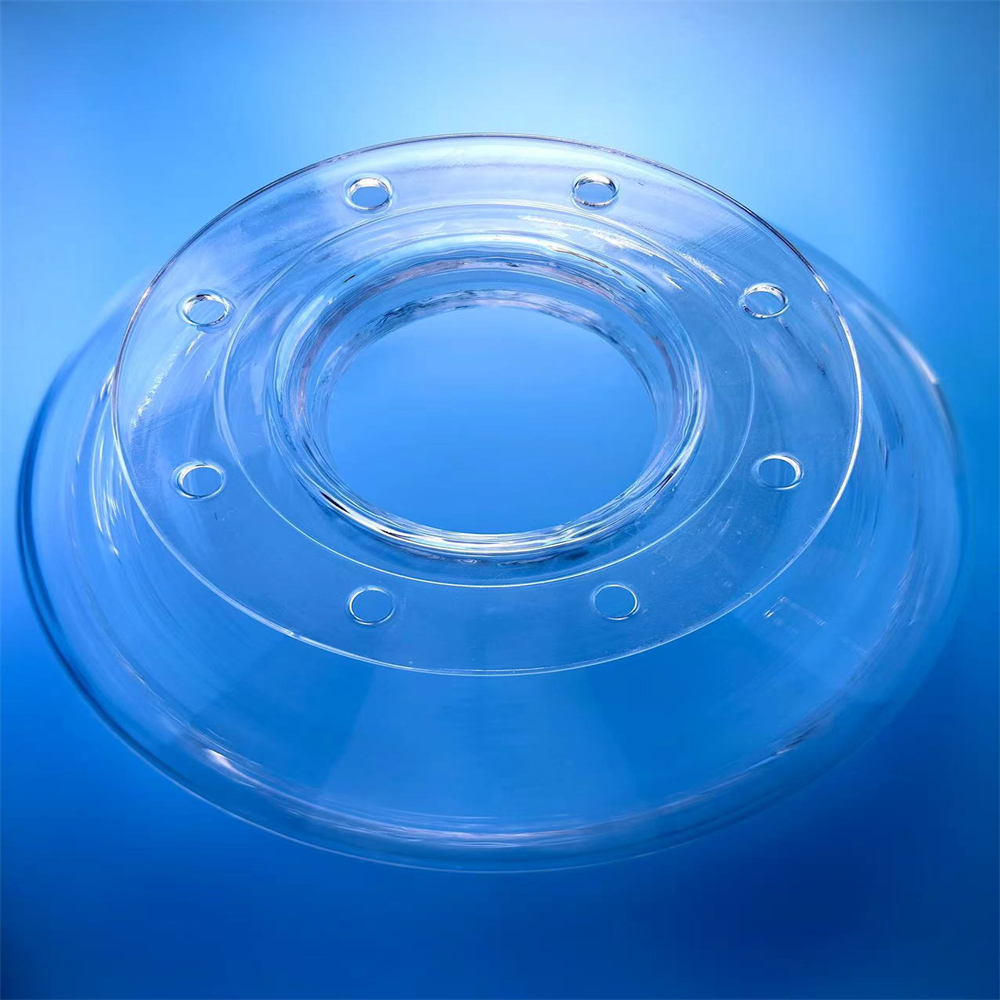
Customize Size Thickness Twin Tube Clear High Purity Flange Quartz Tube Fused Silica Polished Flange Ring Bending Welding
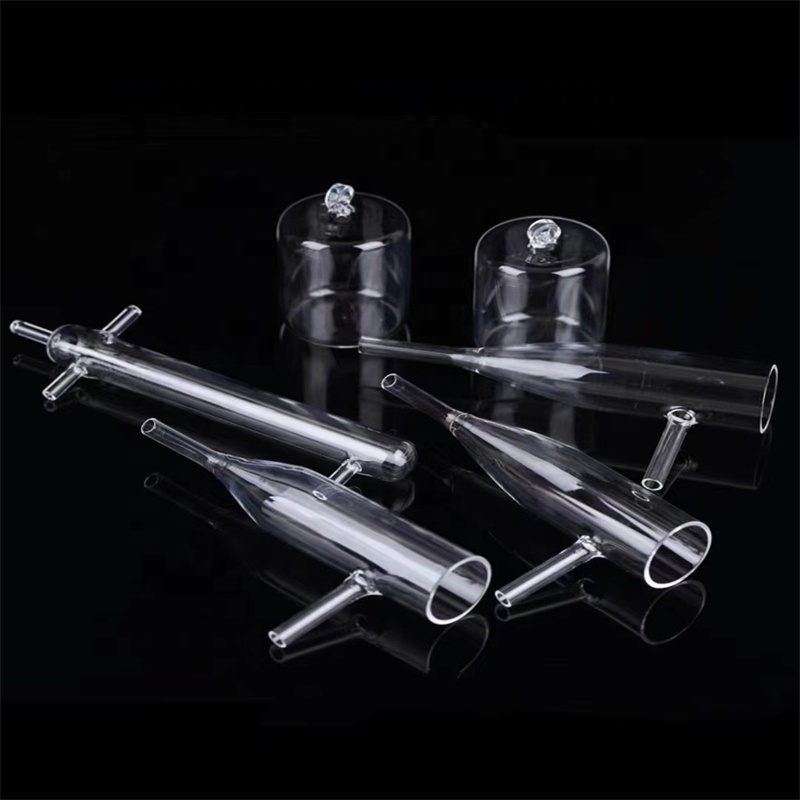
Custom Clear Laboratory High Temperature Twin Tube 99.99% Pure Quartz Glass Tube CVD Furnace Vacuum Bending Welding Services
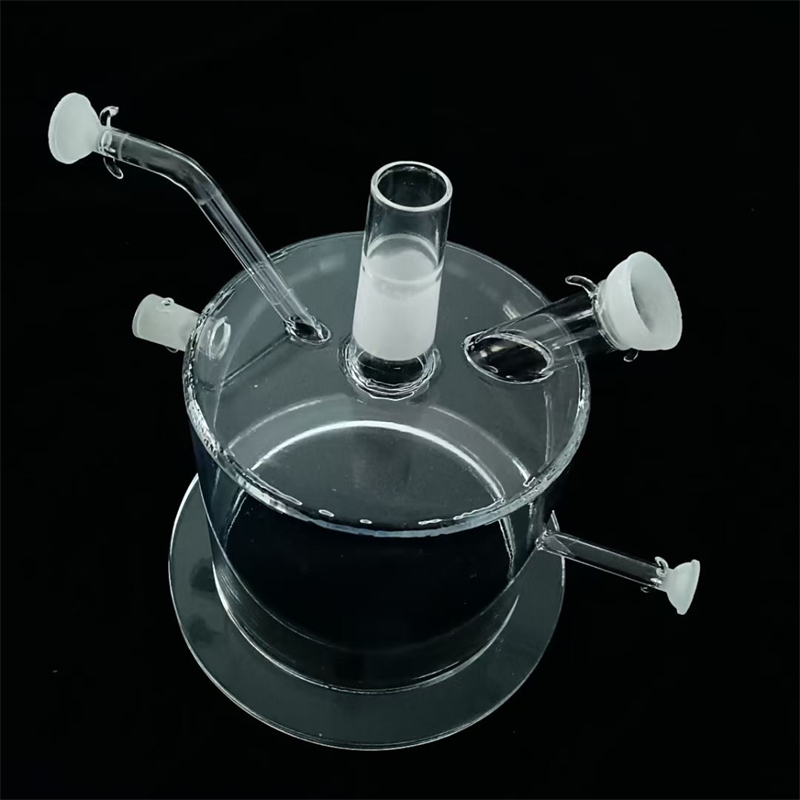
Customized High Pressure Clear Quartz Glass Tube Bending/Welding/Cutting 99.99% Pure Quartz Ozone Free Polished Surface
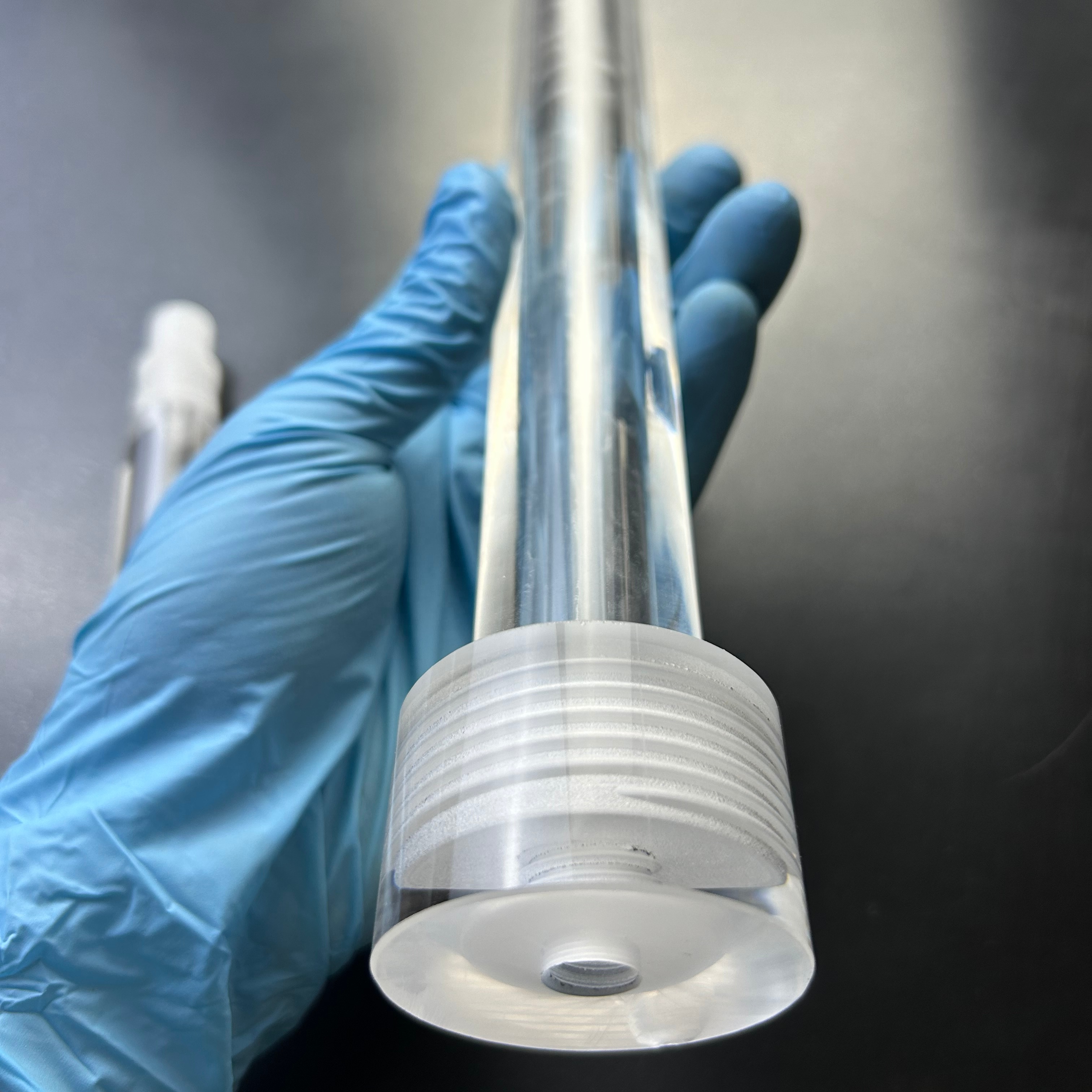
Customizable High Pressure High Quality Polished Clear Transparent 99.99% Pure Quartz Glass Twin Tube Bending/Welding/Cutting
The Thermodynamics of Fused Quartz Envelopes in Precision Infrared Heating
In high-yield manufacturing environments across Graz and Upper Styria—where automated thermoforming, cleanroom semiconductor wafer baking, and continuous powder curing define factory throughput—thermal emitters encounter severe electrical, mechanical, and radiative stresses. Zelvo Quartz designs and supplies high-purity (≥99.99% SiO₂) fused quartz infrared envelopes engineered specifically to eliminate radiative losses and survive aggressive thermal shock cycles.
Spectral Transmission Curves & Hydroxyl (OH⁻) Attenuation
The core radiant efficiency of an infrared lamp depends largely on the transmission window of its quartz envelope. Industrial tungsten or FeCrAl (Kanthal) filaments emit electromagnetic radiation ranging from the Near-Infrared (NIR / Short-Wave: 0.78 µm to 1.4 µm) to Medium-Wave (MWIR: 1.4 µm to 3.0 µm) and Carbon-IR (CIR: 2.0 µm to 2.6 µm). Ordinary silicate or borosilicate glasses fail catastrophically in these regimes due to rapid structural softening at ~500°C and severe absorption bands above 2.2 µm.
Zelvo Quartz fused silica envelopes maintain an optical transmission efficiency greater than 92% across 0.20 µm to 3.5 µm. By applying specialized electric arc fusion and high-vacuum thermal degassing at our Donghai production facility, we suppress structural Hydroxyl radicals ([OH⁻]) to below 5 ppm (low-OH grade). This prevents the dreaded "water absorption peak" at 2.73 µm, eliminating localized quartz envelope overheating, eliminating internal envelope blistering, and maximizing forward radiant flux toward the Styrian client's processing substrate.
Devitrification Dynamics and Cristobalite Suppression at 1100°C
When quartz glass operates above 1000°C in industrial furnaces or drying tunnels, alkaline earth impurities (such as Na, K, Ca, and Fe) act as nucleating agents, transforming metastable amorphous silica into crystalline cristobalite. This structural phase change induces a 5% volume contraction accompanied by micro-cracking, severe optical clouding, and ultimate tube implosion under vacuum or mechanical vibration.
By enforcing an uncompromising 99.99% raw SiO₂ baseline, our infrared tubes boast a devitrification resistance factor unmatched by standard commercial tubing. Even during extreme rapid on-off switching protocols (ramping from ambient 20°C to 1100°C in under 1.5 seconds in high-speed automotive stamping preheating), our tubes exhibit practically zero thermal fatigue, boasting an ultra-low linear thermal expansion coefficient of only 5.5 × 10⁻⁷ /K.
Optimized for Graz's Advanced Automotive & Tech Clusters
From the industrial corridors of Graz-Thondorf and Liebenau to the cleanrooms of Silicon Austria Labs and regional thermo-processing facilities across Styria, our quartz tubes serve mission-critical thermal tasks.
Automotive Tier-1 & Magna Steyr Ecosystem
Graz stands as a preeminent European automotive metropolis. Automotive assembly, e-mobility battery tray thermoforming, and robotic paint shops demand rapid, contactless heat transfer. Infrared quartz twin tubes provide instant localized heating, eliminating convective lag.
- Rapid waterborne paint drying & primer flash-off
- Carbon fiber & organosheet preforming at 220°C
- Battery cell sealant gelling & structural curing
Silicon Austria Labs & Microelectronics
In Graz-St. Peter and surrounding Styrian chip development clusters, thermal wafer processing, rapid thermal annealing (RTA), and photoresist curing require total chemical inertness and zero metal trace outgassing.
- Ultra-pure quartz envelopes (Cu, Fe, Ni < 0.1 ppm)
- Vacuum furnace process tubes with fused flanges
- Slotted XRD quartz carriers for crystallography
Plastics, Composites & Industrial Paper Drying
Styria’s packaging and paper engineering giants (e.g., in the Mur-Mürz Valley and Graz vicinity) rely on high-intensity infrared drying cylinders to eliminate moisture at high web speeds while reducing factory kilowatt-hour overhead.
- Continuous medium-wave infrared web drying
- High-speed PET preform reheat quartz emitters
- Polyurethane foam thermo-activation
Decarbonization & Process Electrification Trends in Styria
With Austria's aggressive Energy Efficiency Act (EEffG) and the Austrian Renewable Heat Act (Erneuerbare-Wärme-Gesetz), manufacturing enterprises in Graz are phasing out legacy gas-fired heating tunnels in favor of precision electric infrared radiation.
Transition from Gas Convection to Electrified IR Radiation
Conventional gas convection ovens in Styria dissipate up to 65% of input thermal energy into ambient plant air and exhaust stacks. Precision electric short-wave and twin-bore infrared emitters deliver directional radiant energy directly to the product surface via photonic absorption. Graz factories retrofitting their continuous curing ovens achieve immediate energy drops of 35% to 58%, aligning directly with Styrian climate neutrality mandates and reducing carbon footprint taxation under European ETS mechanisms.
Millisecond Dynamic Control for Industry 4.0 Smart Manufacturing
Gas burners and thick ceramic heating plates suffer from massive thermal inertia—taking 20 to 45 minutes to reach setpoint and hours to cool down. In contrast, tungsten-filament fused quartz tubes heat and cool in 1 to 2 seconds. When integrated with Graz plant automation lines (via PLC optical sensors and pyrometers), emitters instantly throttle power between workpiece transfers, ending idle-phase energy consumption.
Stringent European CE, RoHS & REACH Compliance Mandates
Industrial procurement departments in Styria enforce rigorous compliance audits before clearing imported components. Zelvo Quartz provides verified CE Declaration of Conformity under the Low Voltage Directive (LVD 2014/35/EU) and Machinery Directive. Furthermore, all ceramic end caps, electrical connecting leads, and quartz bodies are fully tested to be free of hazardous substances under EU RoHS (2011/65/EU including 2015/863) and REACH (EC 1907/2006).
Localized Supply Chain Resilience via Direct Factory Engineering
Supply chain shocks across Central Europe have led Graz purchasing directors to eliminate third-party European middlemen who inflate replacement tube prices by 300%. By collaborating directly with our specialized Donghai factory engineering desk, Austrian facilities obtain OEM-fit, customized drop-in replacements for Heraeus, Ushio, or Victory emitters within 5 to 7 business days via prioritized air freight to Graz (GRZ) or Vienna (VIE).
Fused Quartz IR Emitters vs. Legacy Industrial Heating Systems
A rigorous engineering comparison between heating methodologies operating in Central European automotive, coating, and thermal processing facilities.
| Performance Characteristic | Zelvo 99.99% Quartz IR Emitters | Standard Borosilicate IR Tubes | Gas Convection Drying Ovens | Ceramic Radiant Elements |
|---|---|---|---|---|
| Radiant Heat Efficiency | > 90 % Direct Photonic Flux | 55 – 65 % (Severe envelope absorption) | 25 – 35 % (Air convection losses) | 50 – 60 % (High back-conduction) |
| Thermal Ramp-Up Time | 1.0 – 2.5 Seconds (Instantaneous) | 15 – 30 Seconds | 20 – 45 Minutes | 5 – 15 Minutes |
| Maximum Envelope Temp. | 1100 °C Continuous / 1300 °C Peak | 450 °C Softening threshold | Process air dependent | 750 °C |
| Thermal Shock Resilience | Extremely High (ΔT > 1000°C water quench) | Moderate (ΔT ≈ 120°C) | Not Applicable | Low (Cracks upon localized splash) |
| Optical Transmission (0.2-3.5µm) | > 92 % (Hydroxyl < 5 ppm) | < 75 % (Cutoff at 2.4 µm) | 0 % (Non-optical) | 0 % (Surface emissive only) |
| Energy Cost per Thermal Cycle | Baseline (Lowest kWh consumption) | +28% to +35% kWh | +50% to +85% overall energy input | +30% to +45% kWh |
| Cleanroom Air Contamination | Zero (Sealed quartz glass envelope) | Low | High (Combustion exhaust / dust) | Moderate (Particle shedding) |
Why Austrian Industrial Engineers Rely on Zelvo Quartz
Headquartered in Donghai County—the globally recognized "Crystal Capital"—Lianyungang Zelvo Quartz Products Co., Ltd. marries unmatched raw material access with cutting-edge German-spec CNC cold-working and traditional master glassblowing.
Drawing-Based 1-Piece MOQ
We welcome rapid prototyping for Graz R&D centers, TU Graz research labs, and OEM retrofits starting from a single prototype up to tens of thousands of serial units.
≤ 2h Fast Engineering Response
100% technical inquiry response rate. Send your technical CAD/PDF drawings and receive dimensional feasibility, tolerance analysis, and a quotation within two hours.
Precision Laser & Flame Machining
Full suite of multi-axis laser drilling, micro-slotted slicing, precision groove milling, ultrasonic coring, optical polishing, and hermetic quartz-to-metal vacuum sealing.
Breakage-Free DDP Logistics to Graz
Multi-layer shock-absorbing polyethylene foam packaging housed in reinforced export wooden cases. We manage seamless customs clearance directly to Styrian factory doors.
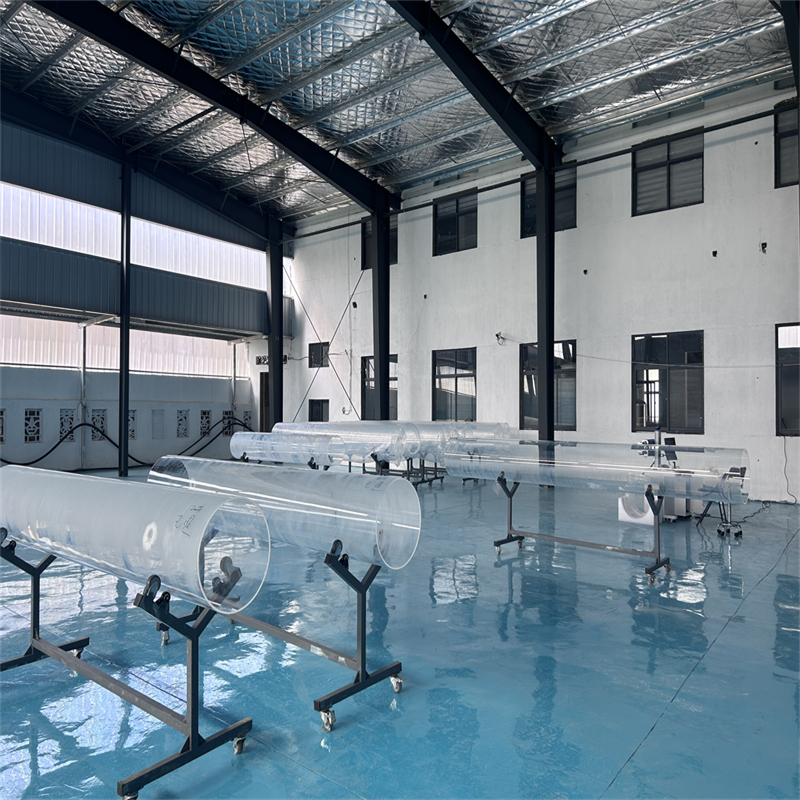
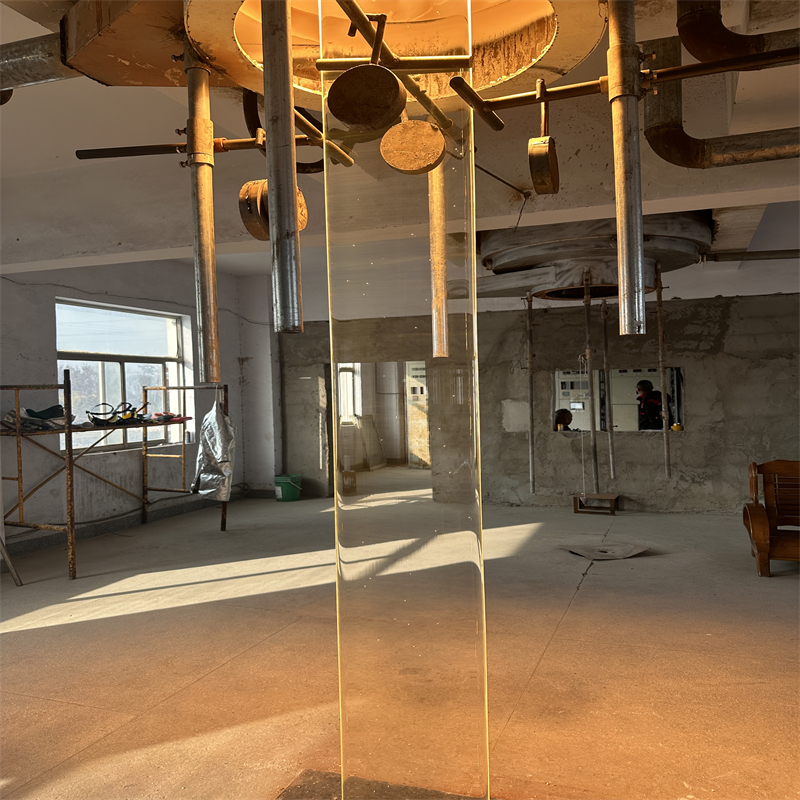
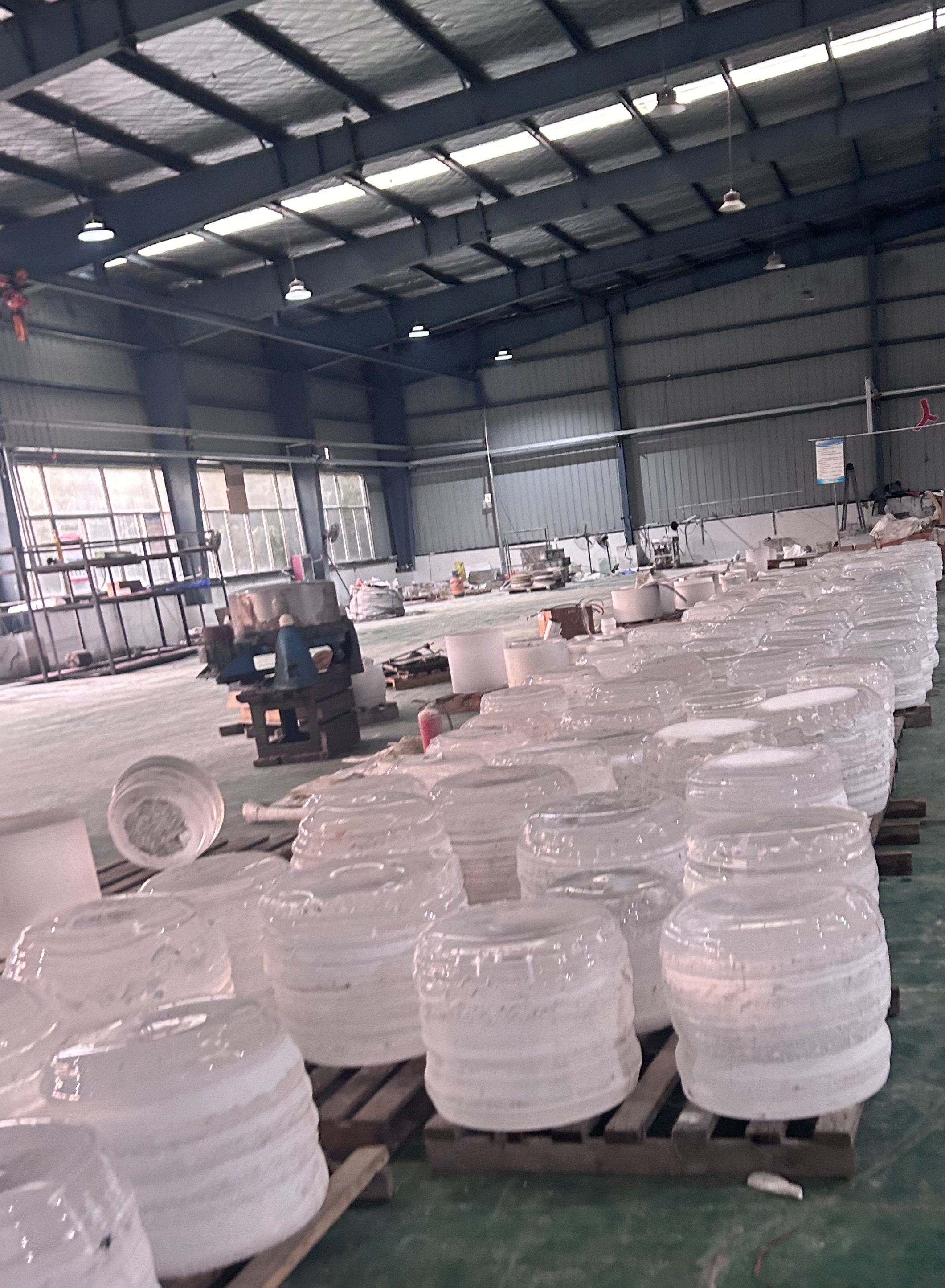
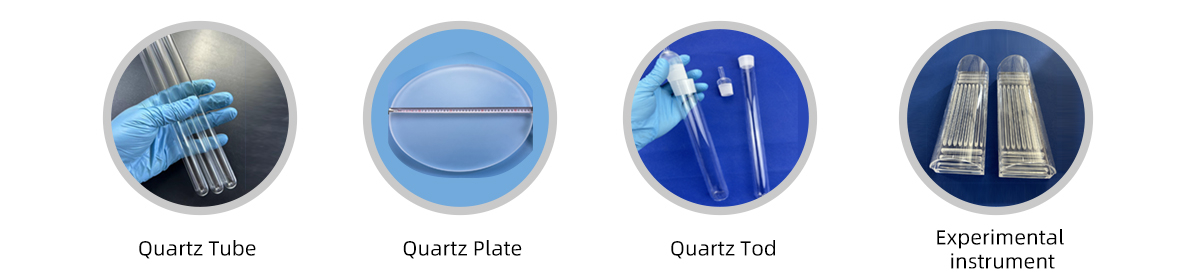
High-Purity Quartz Tube Processing & Quality Control
A transparent look inside our Donghai County fabrication facilities, showcasing precision thermal manipulation, CNC mechanical processing, and stringent optical inspections.
Frequently Asked Questions by Graz Engineering & Purchasing Teams
Everything you need to know about specifications, CE conformity certifications, international shipping to Austria, and custom replacement tolerances.
What CE directives and safety standards do Zelvo Quartz infrared tubes satisfy for Austrian installations?
Can Zelvo manufacture direct-fit replacement twin tubes for existing German or Austrian infrared heating systems?
What dimensional tolerances and cutting precisions can you maintain on custom drawings?
What are the lead times and shipping procedures for orders destined for Graz or Styria?
How does the 24K gold reflector coating perform under continuous high-temperature exposure?
How do you guarantee that fragile quartz glass tubes arrive intact without transport breakage?
Ready to Upgrade Your Industrial Infrared Systems in Graz?
Submit your 2D/3D technical drawings, OEM replacement part numbers, or heating process parameters. Our senior quartz glass engineers review and confirm dimensional feasibility, material purity grades, and formal pricing within two hours.