Precision Quartz Instrumentation & Optical Components
Direct OEM manufacturing and high-precision quartz components engineered for chemical inertness, high thermal shock resistance, and sub-micron dimensional tolerances.
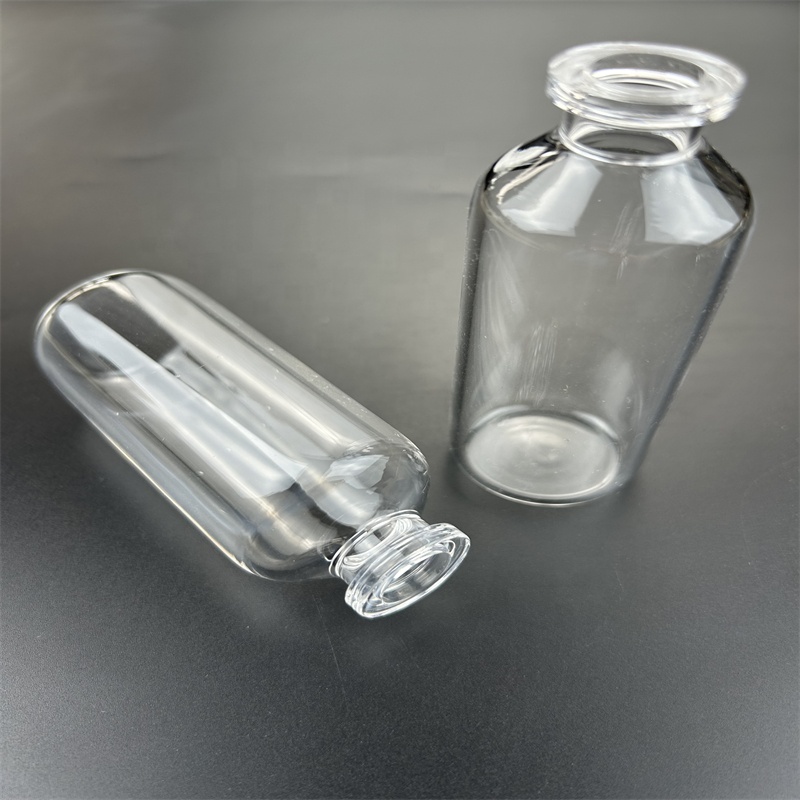
Custom High Pressure Corrosion Resistant Transparent 99.99% Pure Ozone Free Quartz Glass Ampoules
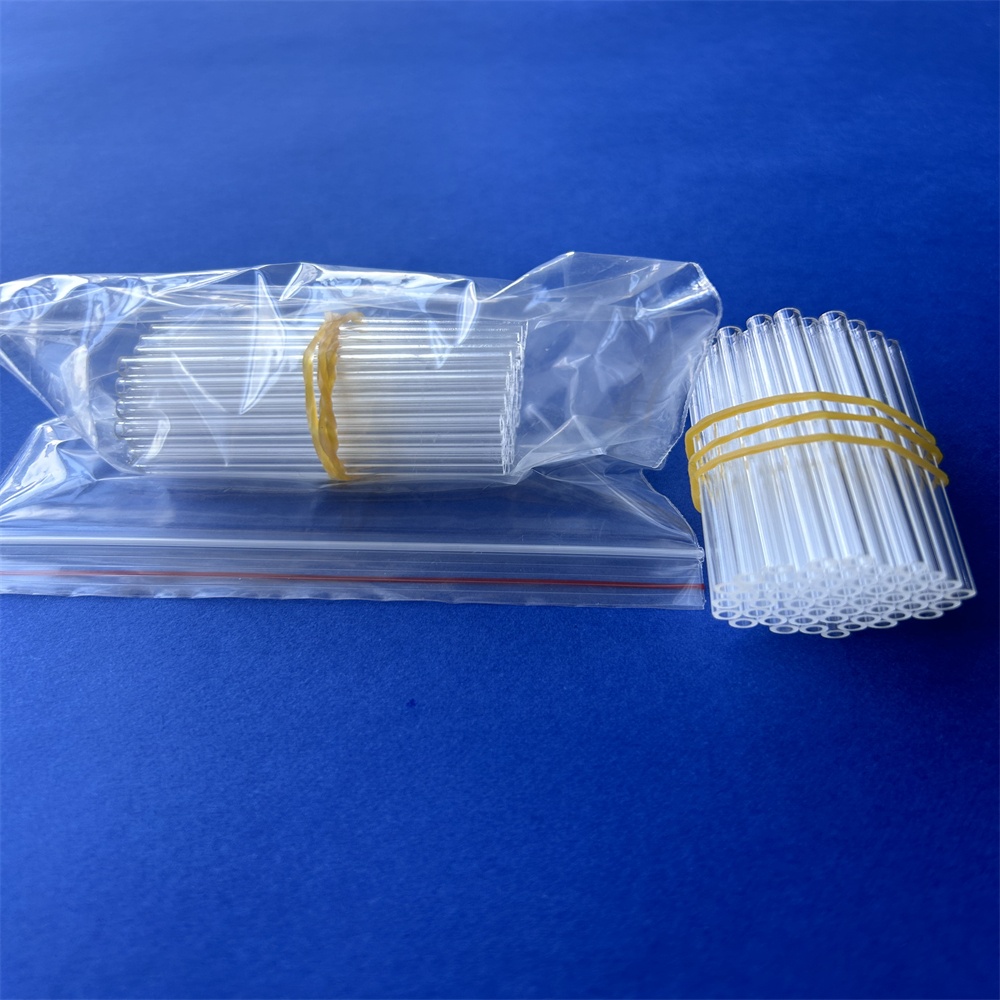
Small Diameter 0.1-20mm High Temperature Resistant 99.99% Pure Quartz Capillary Tube
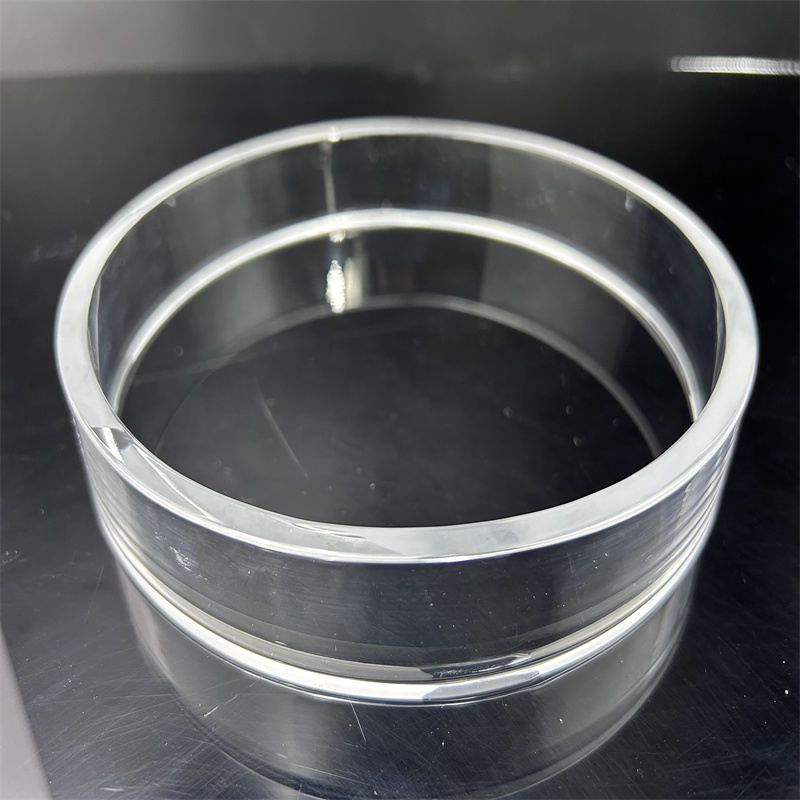
Customizable High Transparent Corrosion-resistant High Purity Fused Quartz Glass Bell Jar
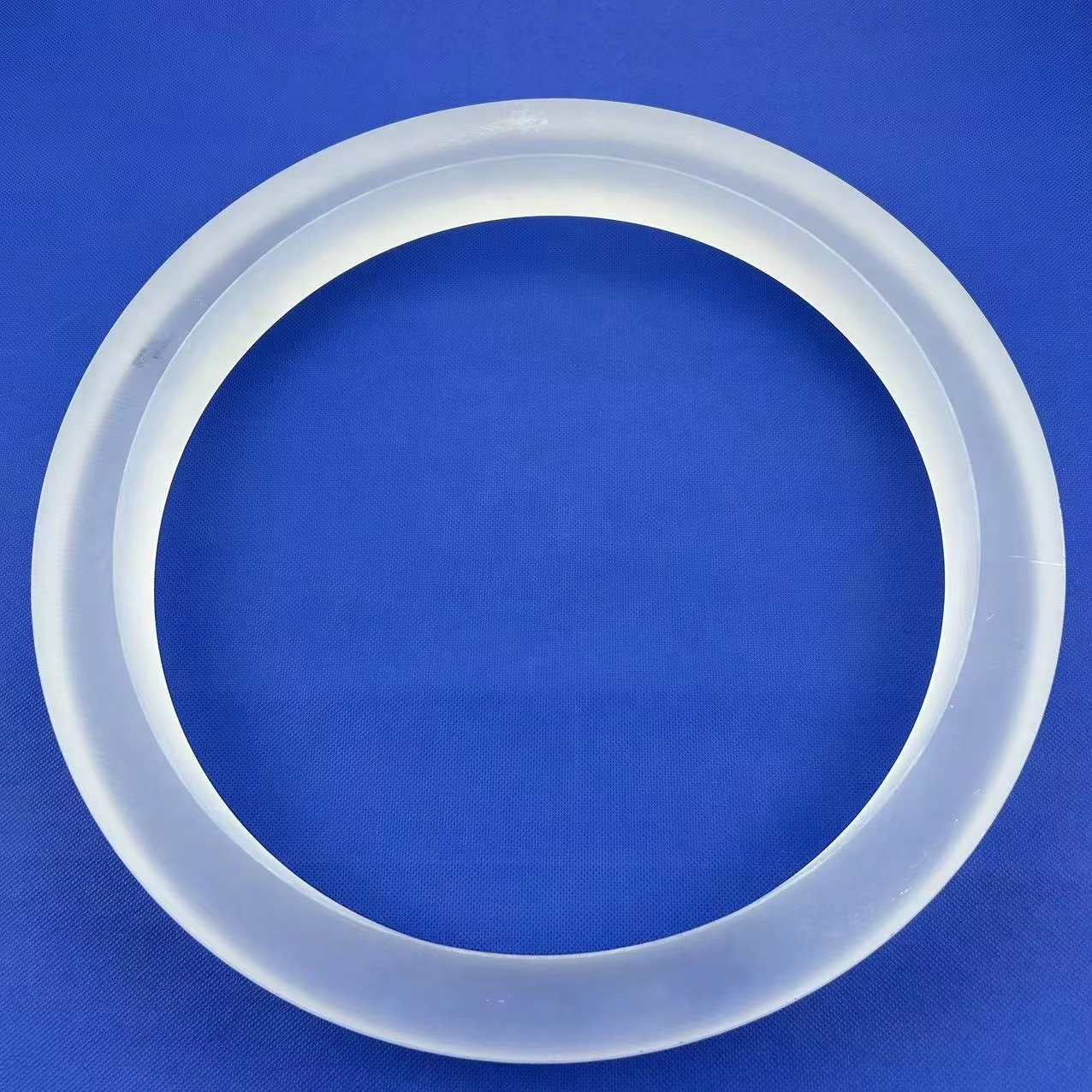
Custom Coated 99.99% Pure Quartz Rings for Semiconductor CVD Optics Applications
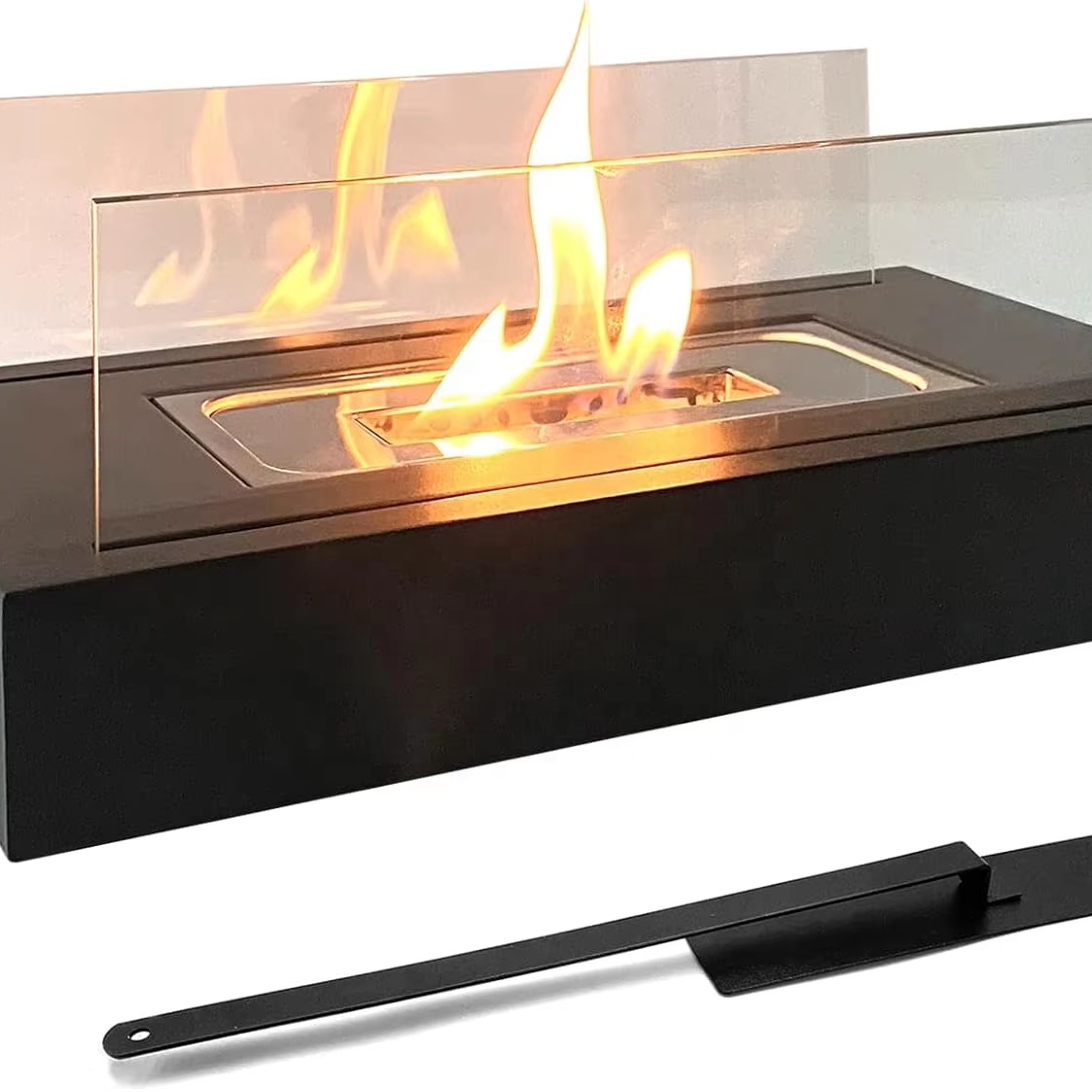
Factory Customization High Precision Optical Grade Quartz Glass Sheet & Windows
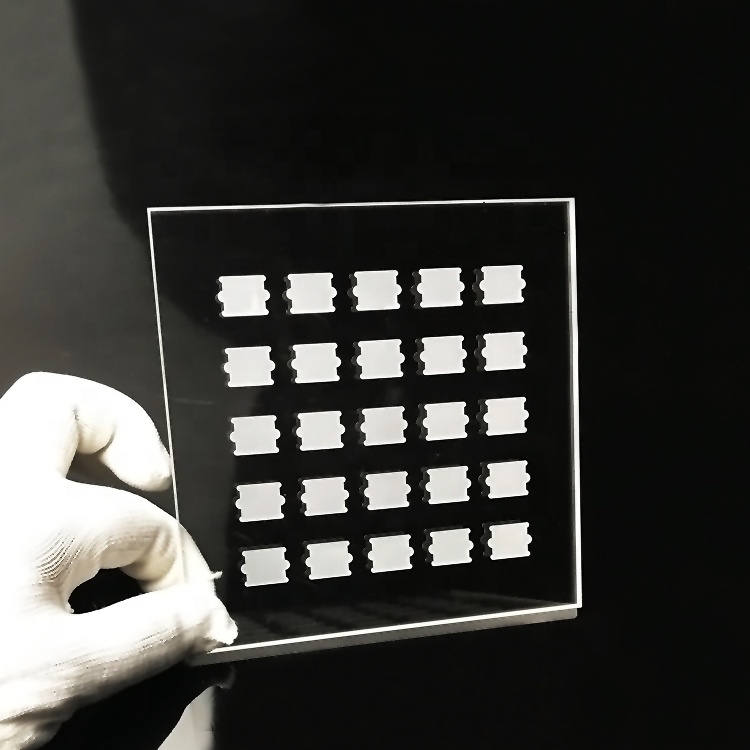
Factory Custom Fused Quartz Glass Circular XRD Sample Holder with Precision Slots
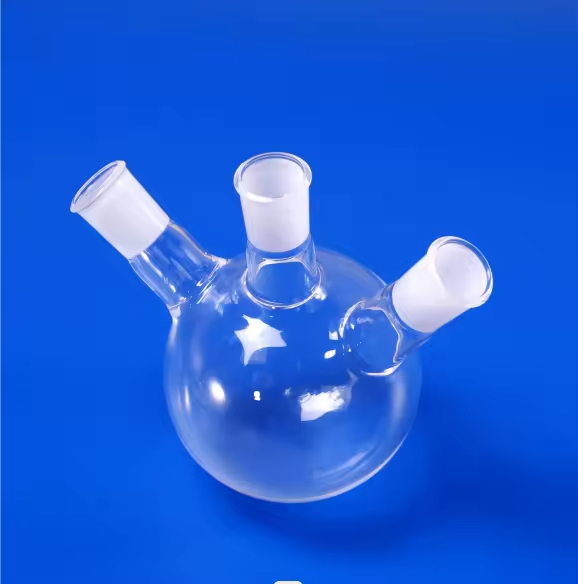
High Temperature Resistance Transparent Quartz Glass Twin Tube Bottom Flask
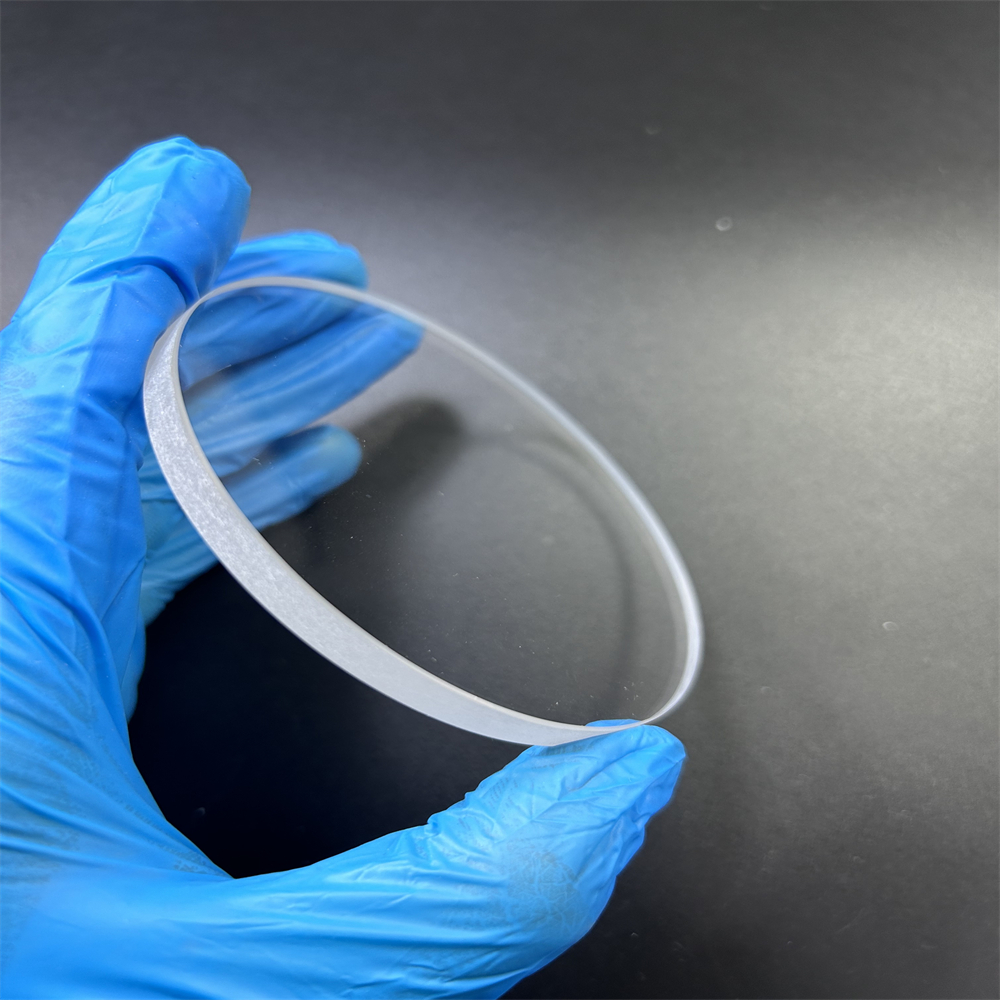
High Pressure Fused Silica Quartz Glass Wafer Transparent UV Sheet Precision Cutting
Engineering Monograph: Quartz Flow Cells in Modern Spectrophotometry
A comprehensive examination of synthetic fused silica transmission dynamics, adhesive-free molecular fusion, and pressure containment across industrial in-line analytics.
In analytical spectrophotometry, liquid chromatography (HPLC/UHPLC), and continuous chemical process monitoring, the optical flow cell serves as the mission-critical optical interface where physical chemistry intersects photonics. In Bologna—the core of Italy’s renowned "Packaging Valley" and the Emilia-Romagna biomedical innovation belt—engineers face rigorous demands for continuous in-line quality assurance. Sourcing high-integrity flow cells certified under European Conformity (CE) directives is not merely a regulatory mandate; it is fundamental to eliminating measurement drift, beam scattering, and catastrophic chemical delamination.
Optical Transmission Dynamics: JGS1 Deep UV vs. Standard Optical Quartz
The optical efficiency of a quartz flow cell is dictated by the chemical synthesis and intrinsic impurity profile of the silicon dioxide matrix. Synthetic fused silica (commercially categorized under JGS1 or equivalent high-grade synthetic silicas) is produced by vapor-phase oxidation of high-purity silicon tetrachloride (SiCl₄). This synthesis yields an extremely low metallic impurity threshold (Fe, Al, Ti < 0.1 ppm), ensuring virtually zero absorption in the critical 190 nm to 360 nm range.
For Bologna’s pharmaceutical laboratories conducting peptide sequencing, oligonucleotide verification, or dissolution testing according to European Pharmacopoeia (Ph. Eur.) standards, the absence of trace metallic dopants prevents solarization—a phenomenon where prolonged exposure to high-intensity deuterium lamp radiation induces color center defects, progressively degrading baseline transmittance over time.
| Material Grade | Transmission Band (T ≥ 80%) | Hydroxyl Content (OH⁻) | Bubble / Inclusion Class | Primary Industrial Application |
|---|---|---|---|---|
| Synthetic Fused Silica (JGS1) | 190 nm – 2,500 nm | < 5 ppm to 1,200 ppm (UV/IR optimized) | Class 0 (Bubble-free, laser grade) | HPLC / UHPLC Detectors, Capillary Electrophoresis, Deep UV Monitoring |
| Optical Fused Quartz (JGS2) | 220 nm – 2,500 nm | 150 ppm – 300 ppm | Class 1 (Industrial optical) | Standard UV-Vis Spectrophotometers, Water Quality Analyzers |
| Infrared Fused Quartz (JGS3) | 260 nm – 3,500 nm | < 5 ppm (Water-free) | Class 1 / Class 2 | FTIR In-line Flow Analysis, Near-Infrared (NIR) Milk/Oil Testing |
| Borosilicate Optical Glass (N-BK7) | 350 nm – 2,000 nm | Not Applicable | Commercial Optical | Visible light colorimetry, non-aggressive aqueous monitoring |
Mechanical Micro-Machining and Adhesive-Free Thermal Bonding
Standard analytical cells often rely on UV-curable optical cements or fluoropolymer gaskets. However, in continuous industrial lines—such as high-speed automated packaging machinery manufactured in Calderara di Reno, Zola Predosa, and Imola—flow cells endure systemic mechanical pulsation and dynamic pressure variations up to 10 MPa (100 bar). Epoxy bonds rapidly swell, yellow, and develop micro-fissures under cyclic hydraulic loads.
Lianyungang Zelvo Quartz Products Co., Ltd. addresses this failure mode by utilizing high-precision diamond-tipped CNC grinding followed by ultra-high temperature fire-polishing and thermal molecular fusion at temperatures exceeding 1,200°C. The interface between the optical windows and the flow-channel body fuses into a single, monolithic crystal lattice. The resulting flow cell possesses uniform thermal expansion characteristics (5.5 × 10⁻⁷ /K), completely mitigating internal mechanical stress and enabling seamless CIP (Clean-in-Place) and SIP (Steam-in-Place) sterilization cycles up to 134°C.
Localized Application Scenarios in the Bologna Industrial Ecosystem
Engineered to interface directly with the mechanical automation, biopharmaceutical packaging, and specialized agro-chemical processing clusters across Emilia-Romagna.
Automated Packaging Machinery (Packaging Valley)
Bologna is world-renowned for packaging titans (IMA, Marchesini Group). Our flow cells are integrated directly into automated vial-filling, liquid dosing, and blister-packaging platforms where spectrophotometric sensors perform real-time active fill-volume and concentration verification without slowing production speeds.
Biomedical Hubs & Mirandola Medical District
Situated in proximity to Mirandola’s biomedical cluster and Bologna’s medical research facilities, our quartz capillary flow cells provide absolute biocompatibility for hemodialysis filter validation, in-line blood fractionation spectrometry, and fluorometric biomarker quantification.
Agro-Food & Fermentation Monitoring
Serving the food-tech innovators of Emilia-Romagna (Balsamic Vinegar PGI validation, Parmigiano whey analytics, regional enology). Specialized NIR quartz flow cells withstand aggressive organic acids while continuously measuring polyphenols, sugar inversions, and alcohol titers.
University & CNR Research Infrastructure
Supporting advanced photonics and physical chemistry research at Alma Mater Studiorum – Università di Bologna and CNR Nanotec. We deliver ultra-short optical pathlength flow cells (down to 10 µm) designed for laser-induced fluorescence (LIF) and micro-reaction kinetics.
Technological & Regulatory Trends in the Bologna Market
How automation, microfluidic miniaturization, and stricter European environmental standards are transforming procurement requirements for optical quartz components.
Shift from At-Line Sampling to In-Line PAT
Emilia-Romagna manufacturers are transitioning rapidly toward Process Analytical Technology (PAT) under Industry 4.0 frameworks. Instead of manually retrieving samples for benchtop HPLC analysis, production engineers install automated fiber-optic flow cells directly onto fluid transfer lines. This shift creates unprecedented demand for flow cells with high burst pressures (PED-compliant) and zero dead-volume fluidic couplings.
Green Chemistry & Low-Volume Microfluidics
EU REACH directives and corporate sustainability targets are pressuring analytical laboratories across Italy to drastically reduce consumption of hazardous solvents like dichloromethane, acetonitrile, and hexane. Consequently, instrument designers are procuring micro-flow cells with internal sweep volumes below 2.5 microliters, demanding sub-micron CNC laser hole drilling to avoid flow stagnation or Taylor dispersion band-broadening.
Total CE Traceability & Material Passports
Procurement teams in Bologna increasingly require full batch traceability under EN 10204 3.1 inspection certification. Quartz suppliers must verify that components conform to RoHS 3 (Directive 2015/863) and REACH (EC 1907/2006), ensuring complete freedom from restricted phthalates, heavy metal oxides, or toxic flame retardants often found in substandard synthetic glass housings.
Why European Procurement Engineers Partner with Zelvo Quartz
Direct from Donghai County—China's legendary crystal and fused quartz hub—backed by precision engineering, direct factory pricing, and rigorous export handling.
Raw Material Cluster Advantage
Situated in Donghai, Jiangsu, we control raw silica sourcing from the source. Our ultra-pure SiO₂ sand undergoes quadruple chemical purification and vacuum electro-fusion, yielding an uncompromised 99.99% crystalline baseline free from bubbles, striations, or refractive inhomogeneities.
10+ Years Dedicated Tooling
Our workshop combines old-world optical flame mastery with modern multi-axis CNC micro-machining. From laser drilling 0.1 mm capillary orifices to cutting, grooving, ultrasonic cleaning, and optical polishing to 20/10 scratch-dig standards, our engineers turn complex CAD files into real hardware.
Engineered for Rapid Prototyping
We actively support academic spin-offs, R&D pilot plants, and OEM machine builders with a strict 1-Piece Minimum Order Quantity (MOQ). Our engineering desk guarantees complete drawing review and thermal compatibility feedback within 2 hours on working days.
Direct Bologna Express Logistics
Fragile optical cargo requires specialized export protection. Every custom quartz component is sealed in dust-free anti-static membranes, encapsulated in high-density customized foam inserts, and crated in fumigated export-grade plywood with integrated shock-watch monitoring for safe transit to Bologna Airport (BLQ) or Interporto.
Frequently Asked Questions for Italian & European Importers
Clear, direct answers regarding CE conformity, optical verification, customs clearance, and precision manufacturing tolerances.
How do your quartz flow cells comply with European CE Marking requirements?
What optical pathlength tolerances and surface flatness can you maintain?
What is the procedure for customs clearance into the Bologna (Emilia-Romagna) region?
Can you fabricate replacement flow cells for existing instrumentation (Agilent, Shimadzu, Waters)?
How chemically resistant is fused silica against aggressive HPLC mobile phases?
What is your typical turnaround time from initial drawing submission to Bologna delivery?
Accelerate Your Optical Instrumentation with Certified Quartz
Connect directly with Zelvo Quartz's technical engineering team. Send your custom CAD drawings, requested optical pathlengths, or working temperature requirements for an immediate feasibility assessment and complete product catalog.