High-Purity Quartz Glass Components for Specialized Engineering
Manufactured from ultra-pure ≥99.99% SiO2 synthetic silica and fused natural quartz crystals. Available in custom dimensions, bilateral optical polishing, laser drilling, and slot cutting from single-piece prototypes to containerized shipments.
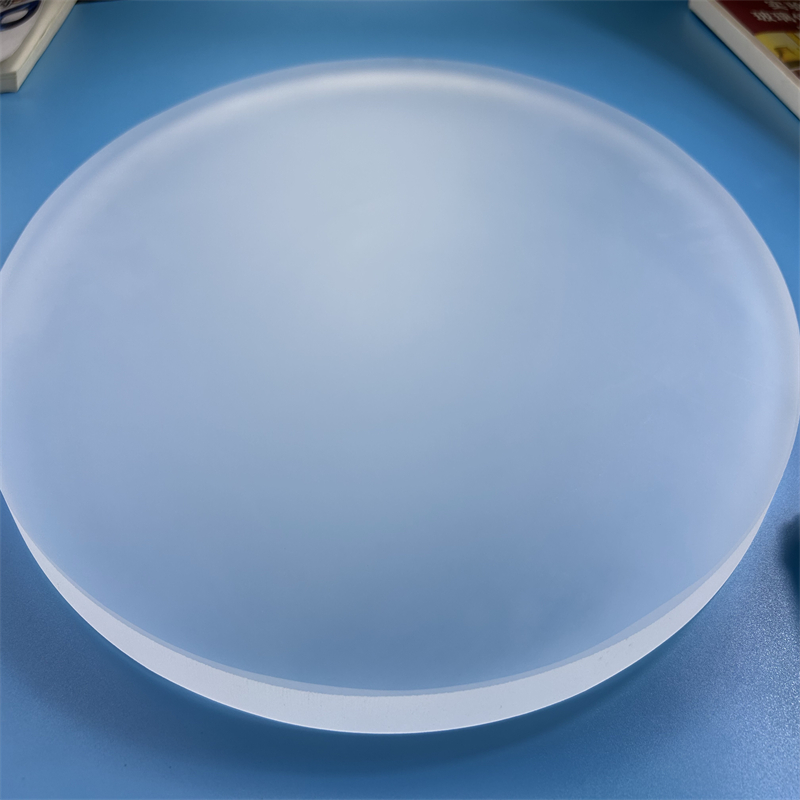
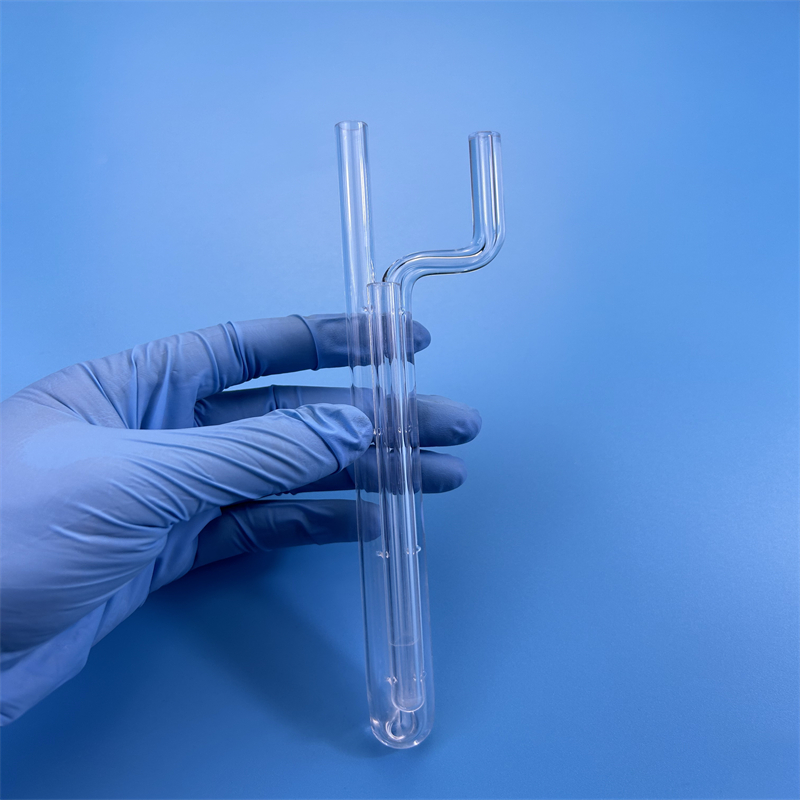
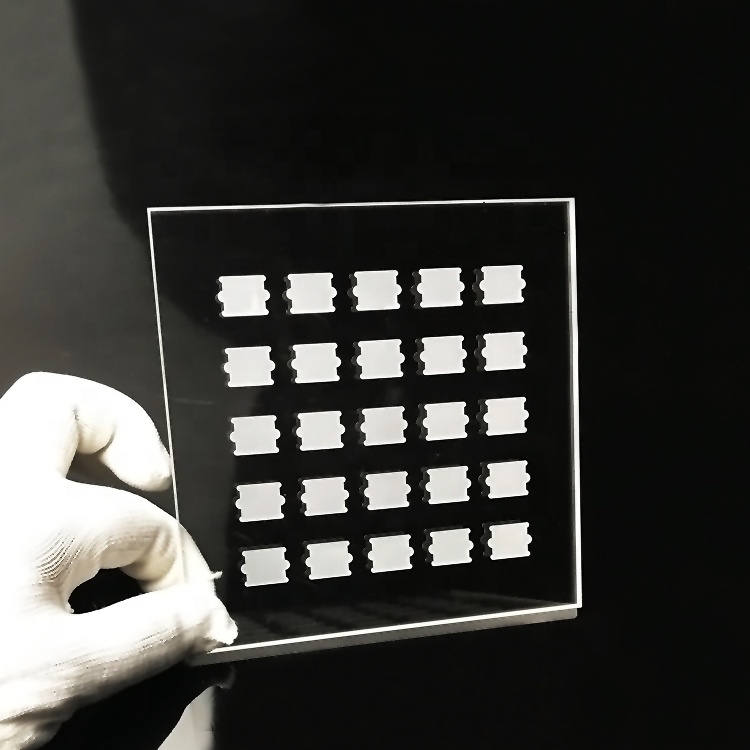
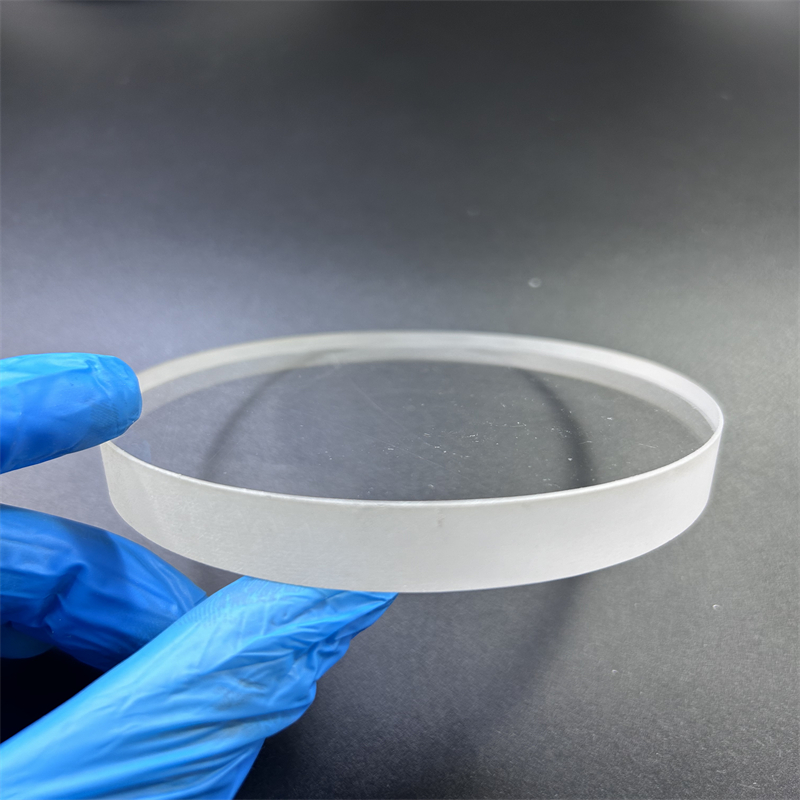
Optical Quartz Glass Sheet Metallurgy: JGS1 vs. JGS2 vs. JGS3
In high-demand industrial engineering and analytical research, specifying the correct fused silica or fused quartz substrate determines optical throughput, spectral linearity, and thermal durability under extreme gradients.
JGS1 • Synthetic Fused Silica (Far UV Grade)
Synthesized through high-purity silicon tetrachloride (SiCl4) flame hydrolysis. JGS1 features an exceptional transmission window ranging from 185 nm to 2500 nm. With virtually zero metallic impurities (Fe < 0.1 ppm, Al < 0.5 ppm) and an OH concentration around 800–1200 ppm, JGS1 exhibits zero fluorescence under 254 nm excitation, making it the premier choice for UV laser optics, deep-UV photolithography, and analytical spectrophotometric flow cells.
JGS2 • Optical Fused Quartz (Standard UV-Vis Grade)
Manufactured by electric fusion or oxy-hydrogen gas fusion of purified natural quartz crystal grains from Donghai. JGS2 provides continuous spectral clarity across 220 nm to 2500 nm. While retaining traces of structural hydroxyl groups (OH < 200 ppm), it delivers exceptional mechanical rigidity, a micro-hardness rating of 5.5–6.5 Mohs, and superior thermal stability up to 1100°C continuous exposure, ideal for furnace viewport windows and optical sight glasses.
JGS3 • Infrared Fused Quartz (Water-Free IR Grade)
Produced via specialized vacuum electric arc smelting, JGS3 undergoes deep thermal de-hydroxylation to reduce OH content below < 5 ppm. This eliminates the intense OH absorption valley at 2730 nm, unlocking exceptional transmission from 260 nm to 3500 nm (reaching 85% at 3.0 μm). It is mandatory for infrared thermal pyrometry, CO2 industrial laser optics, and metallurgical blackbody calibration cells in high-temperature plants.
| Physical / Optical Parameter | JGS1 (Synthetic Silica) | JGS2 (Optical Fused Quartz) | JGS3 (Infrared Quartz) | Engineering Significance |
|---|---|---|---|---|
| Spectral Transmission Band | 185 nm – 2500 nm | 220 nm – 2500 nm | 260 nm – 3500 nm | Dictates suitability from Deep-UV to Mid-IR pyrometry |
| Hydroxyl (OH¯) Concentration | 800 – 1200 ppm | 30 – 200 ppm | < 5 ppm | Low OH prevents absorption dips at 1380nm & 2730nm |
| Purity Level (SiO2) | ≥ 99.999% | ≥ 99.99% | ≥ 99.99% | Prevents devitrification & structural clouding at >1000°C |
| Thermal Expansion Coeff. (CTE) | 5.5 × 10⁻⁷ /K | 5.5 × 10⁻⁷ /K | 5.4 × 10⁻⁷ /K | Resists 1100°C thermal shock directly into ice water |
| Continuous Service Temp. | 1050 °C | 1100 °C | 1150 °C | Safe prolonged limit in reducing or oxidative atmospheres |
| Maximum Annealing Point | 1180 °C | 1215 °C | 1220 °C | Relieves residual internal birefringence & mechanical stress |
| Surface Flatness & Roughness | λ/4 – λ/10; Ra < 0.5nm | λ/2 – λ/4; Ra < 1.0nm | λ/2; Ra < 1.0nm | Minimizes wavefront distortion and laser scatter losses |
| Scratch-Dig (MIL-PRF-13830B) | 20/10 or 40/20 | 40/20 or 60/40 | 60/40 | Defines laser damage threshold and cosmetic integrity |
Optical Quartz Glass Applications in Santiago de Cuba & Eastern Cuba
As the primary industrial, maritime, and academic hub of Oriente, Santiago de Cuba supports heavy nickel refining, pharmaceutical manufacturing, and renewable photovoltaic research, demanding specialized thermal and optical quartz components.
1. Pyrometallurgical Nickel-Cobalt Smelting Viewports
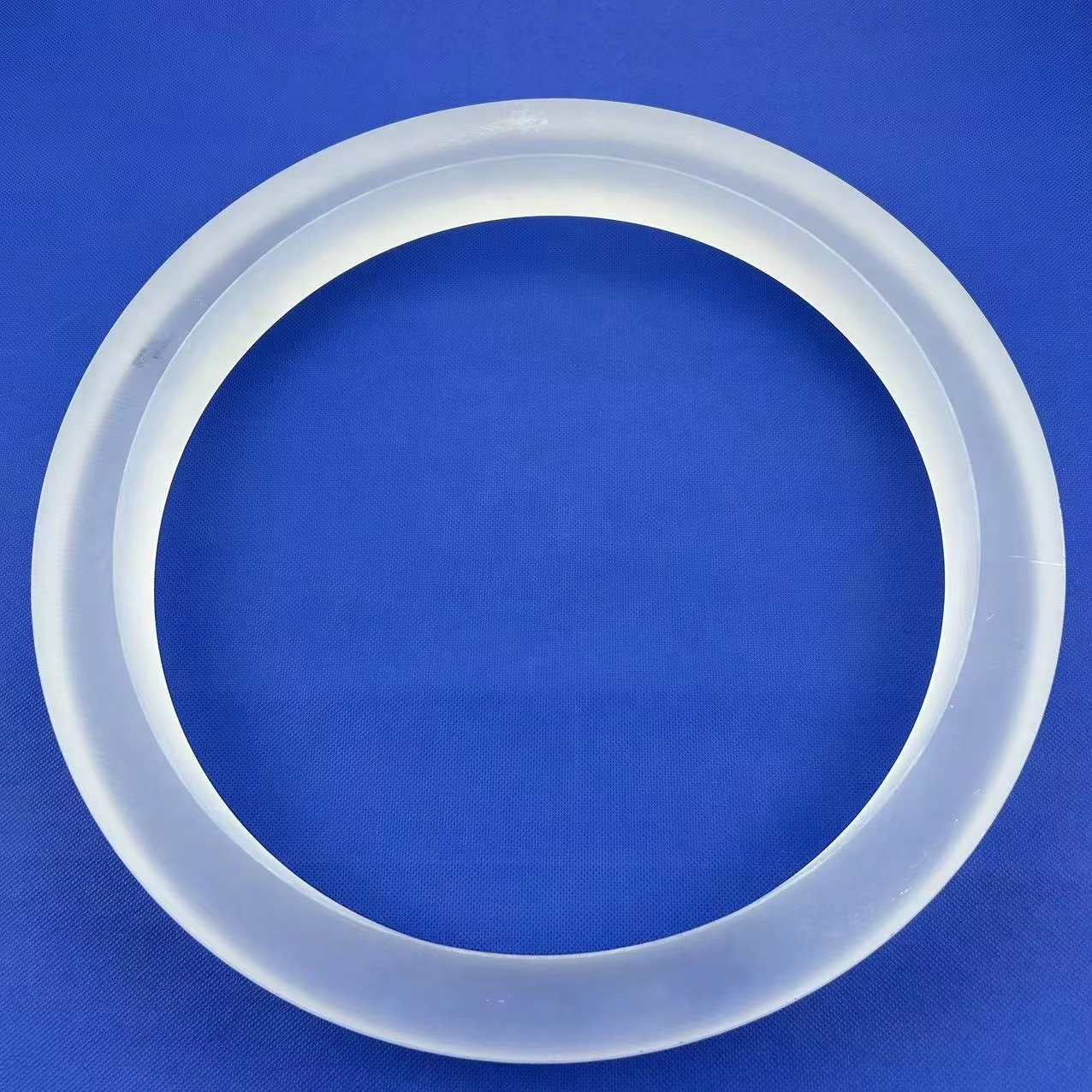
The industrial corridor spanning Holguín and Santiago de Cuba represents one of the world's largest nickel and cobalt laterite processing territories (Moa Bay and Nicaro mining operations). High-pressure acid leach (HPAL) autoclaves and calcination reduction furnaces operate at internal temperatures exceeding 1000°C with aggressive sulfurous emissions. Zelvo's heavy-wall fused quartz sight glass discs and thick JGS2 viewing windows provide zero devitrification, outstanding pressure tolerance, and total chemical immunity against SO2 and sulfuric acid vapors, allowing plant operators to visually inspect reactor interiors safely.
2. Photovoltaic & Solar Simulator Research (CNEA / Universidad de Oriente)
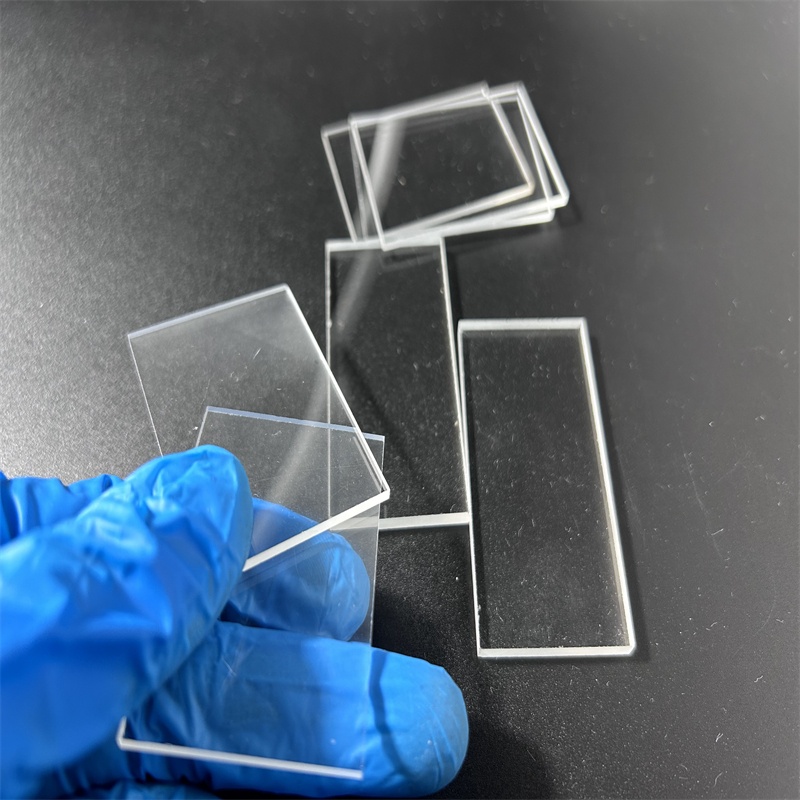
Eastern Cuba boasts some of the highest solar insolation figures across the Greater Antilles (>5.5 kWh/m²/day). Institutions such as the Centro Nacional de Electromagnetismo Aplicado (CNEA) and the engineering laboratories at the Universidad de Oriente in Santiago de Cuba are actively innovating in solar cell degradation testing, concentrated photovoltaics (CPV), and electromagnetic-fluid dynamics. Our UV-grade JGS1 synthetic silica sheets serve as high-transmittance cover plates for laboratory solar simulators and UV degradation test chambers, guaranteeing 92% transmission at 254 nm with zero solarization browning.
3. Pharmaceutical & Biomedical Spectrophotometry (Laboratorios Oriente)
Santiago de Cuba is home to significant biomedical and pharmaceutical plants, including Laboratorios Farmacéuticos Oriente, which produce parenteral solutions, tablets, and medical consumables for the Caribbean basin. Analytical quality control mandates rigorous UV-Vis spectrophotometric assay testing. Zelvo manufactures customized double-polished quartz cuvette windows, XRD sample zero-background holders, and BET chemisorption reactor tubes that allow precise purity validation without leaching sodium or heavy metal ions into sensitive biological matrices.
Maritime Climatic Resistance: Tropical Marine Environment Durability
Santiago de Cuba's coastal proximity to the Caribbean Sea exposes equipment to elevated humidity (>80% RH year-round), high ambient salinity, and rapid temperature fluctuations during heavy tropical rainstorms. Standard borosilicate glasses suffer from surface weathering, alkali leaching, and micro-cracking over time. Fused quartz is 100% impervious to moisture absorption (non-hygroscopic) and features zero chemical reactivity with airborne sodium chloride aerosols, guaranteeing lifelong optical clarity for outdoor marine sensors, navigational beacons, and harbor monitor viewports at the Port of Guillermón Moncada.
Future Development Trends: Eastern Cuba's Advanced Materials Shift
Strategic modernization across Santiago de Cuba's infrastructure, research clusters, and industrial export parks is fueling strong demand for durable, high-specification quartz glass products.
Green Energy Grid Transition & High-Efficiency Solar Parks
Cuba's strategic energy agenda targets over 24% of power generation from renewable resources, with a heavy concentration of utility-scale solar PV farms planned across Santiago de Cuba, Granma, and Guantánamo. As local operations transition toward bifacial solar modules and concentrated solar thermal collectors, engineering teams require quartz glass tubes and high-transmittance optical plates for pyranometers, solar flux concentrators, and environmental weathering test rigs capable of enduring intense UV radiation without solar degradation.
Modernization of Hydrometallurgical Extraction Autoclaves
With increasing international demand for battery-grade cobalt and nickel for global electric vehicle supply chains, Eastern Cuba's metallurgical facilities are upgrading diagnostic sensor arrays. Conventional visual sensors are being replaced by high-speed infrared optical pyrometers and fiber-optic spectroscopic probes. These systems require specialized JGS3 optical quartz windows and sapphire/quartz hybrid viewing ports capable of withstanding operating pressures above 4.5 MPa and continuous thermal spikes without catastrophic fracture.
Consolidation of Direct China-to-Santiago Maritime Logistics
Trade dynamics through the renovated Port of Guillermón Moncada in Santiago de Cuba are optimizing direct break-bulk and containerized shipments from Chinese ports such as Lianyungang and Shanghai. By bypassing intermediaries, institutional buyers in Santiago de Cuba can secure high-purity optical components directly from Chinese quartz clusters in Donghai County. This direct pipeline slashes procurement lead times by up to 35% and guarantees authentic mill test certifications, factory-direct drawing alterations, and secure export packing.
Lianyungang Zelvo Quartz Products: Factory Capabilities
Headquartered in Donghai County, Jiangsu Province—China's world-renowned "Crystal Capital"—Zelvo Quartz bridges raw material purity with deep engineering, laser micro-machining, and verified quality management.
Drawing-Based CNC Machining
We execute multi-axis CNC surface grinding, optical core drilling down to Ø0.5 mm, precision edge chamfering, wafer dicing, internal slotting, and complex flame-worked glass assembly directly from buyer CAD, DXF, or STEP files with dimensional tolerances held to ±0.02 mm.
Laser Micro-Drilling & Cutting
Equipped with high-precision ultrafast laser processing systems, we manufacture zero-taper micro-holes, complex stepped apertures, and anti-chipping contours on delicate quartz discs without inducing thermal micro-cracks or subsurface mechanical stress concentrations.
Optical Polishing & Flatness Control
Our planetary double-sided chemical-mechanical polishing (CMP) workshop delivers optical quartz sheets with laser-grade surface quality down to 20/10 scratch-dig, surface roughness Ra < 0.5 nm, and wave-front flatness of λ/4 to λ/10 per 25 mm aperture.
Caribbean-Safe Export Crating
Every shipment bound for Santiago de Cuba is vacuum-sealed in nitrogen-flushed anti-static pouches, wrapped in high-density resilient EPE foam molds, and crated inside heavy ISPM-15 compliant plywood cases designed to resist long oceanic voyages, maritime humidity, and port transshipment.
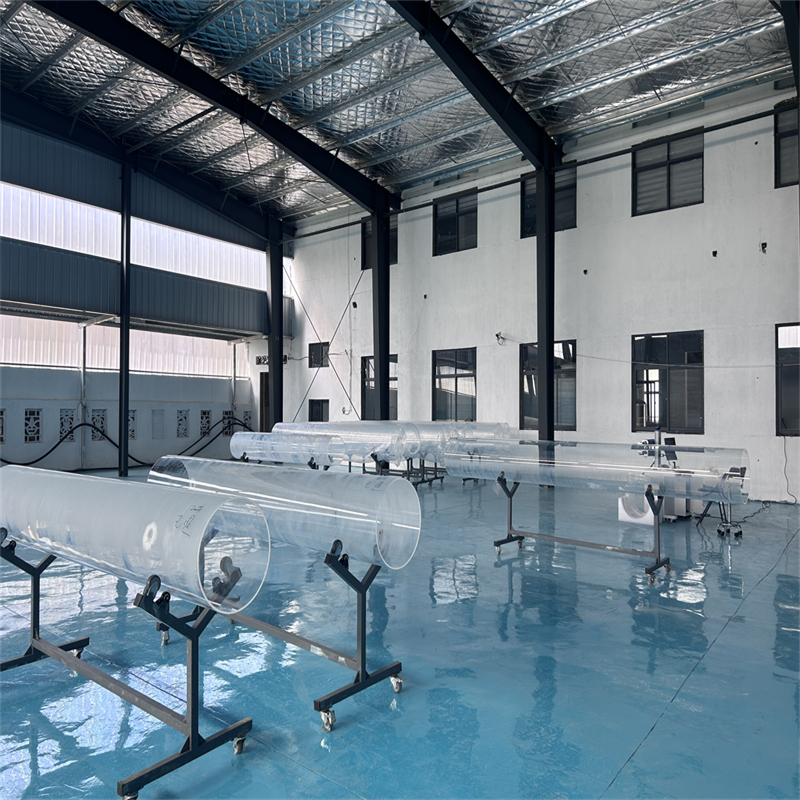
Certified Manufacturing Facility
Onsite-verified quartz production facility located in Donghai, hosting continuous electric melting furnaces and multi-axis CNC glass fabrication machinery.
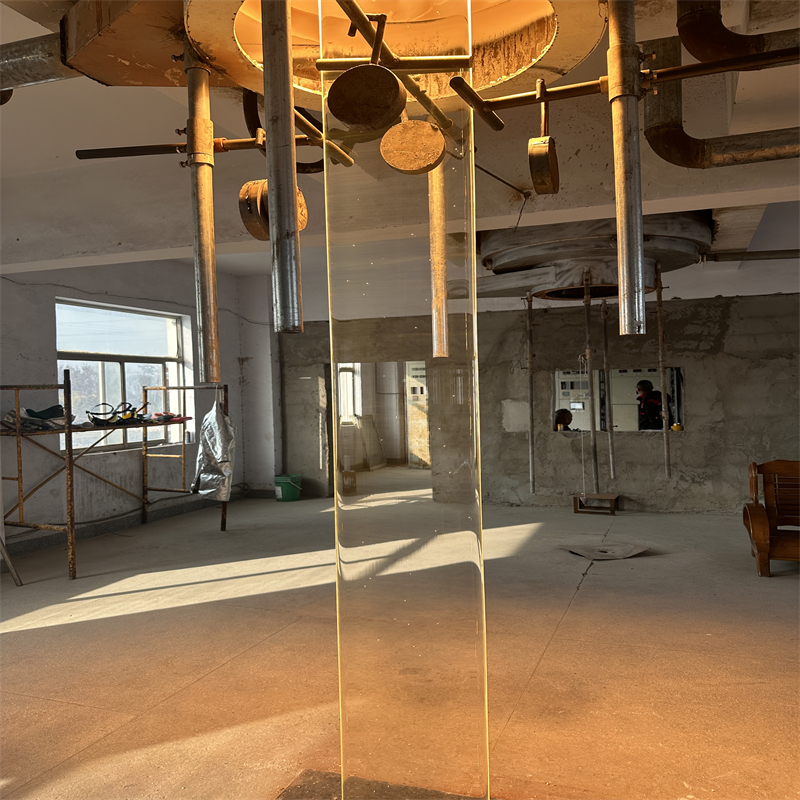
Precision Flame-Working & Joining
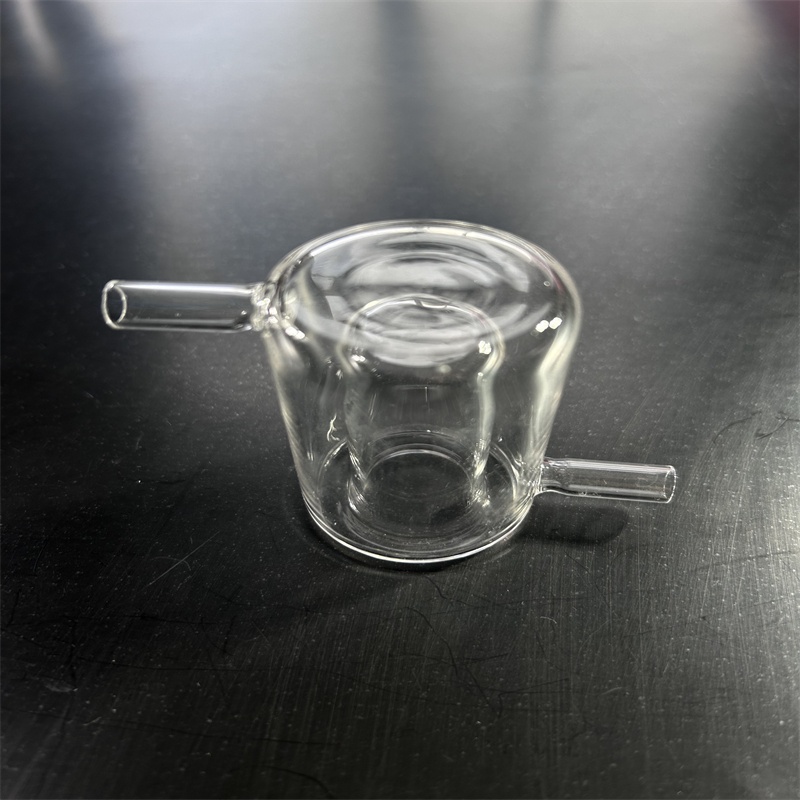
Master glassblowers with >10 years of specialized experience executing vacuum-tight quartz tube bends, ground flange joints, and custom reactor chambers.
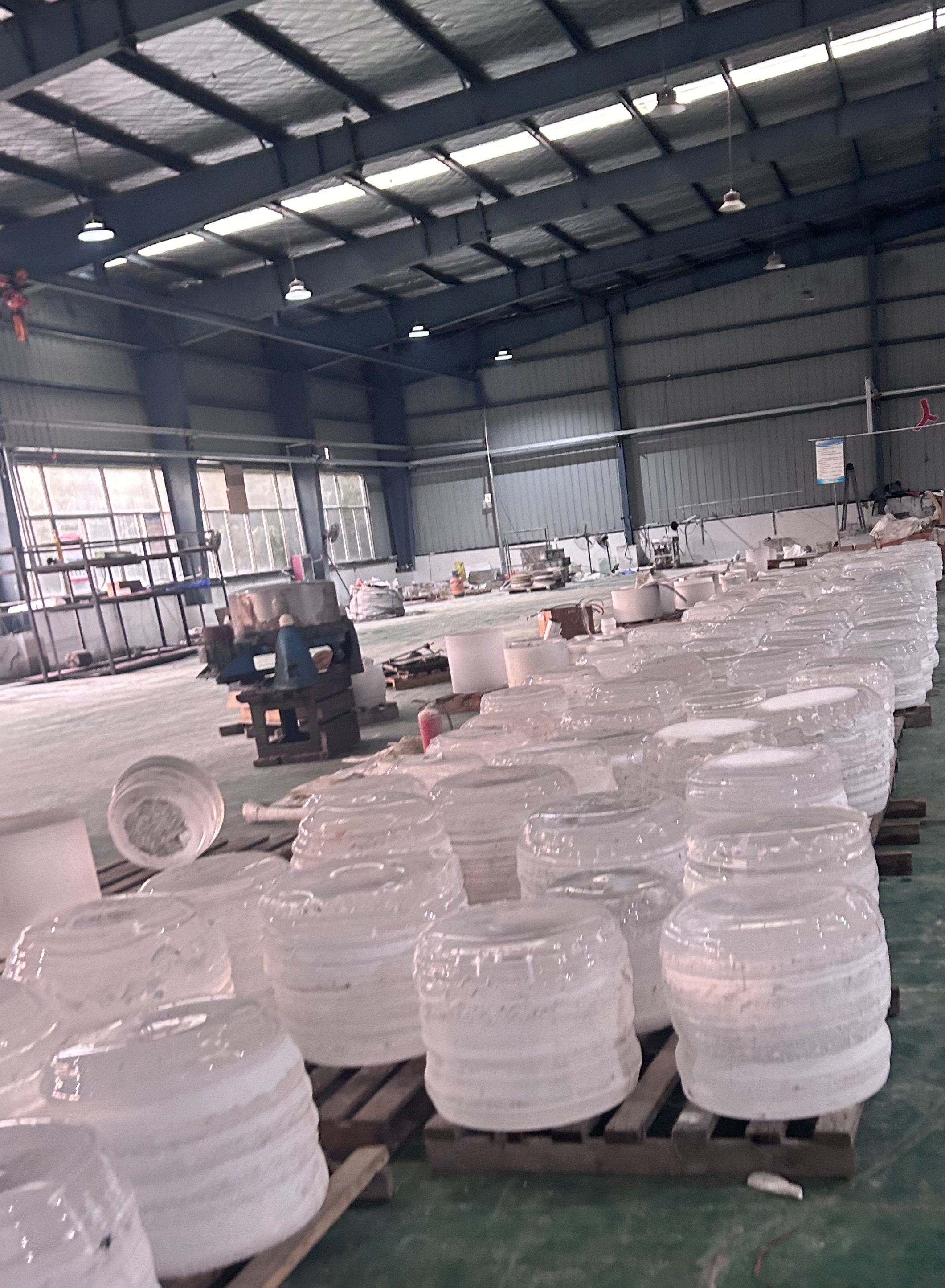
Optical & Dimensional QA Testing
Every batch undergoes optical transmission verification (Shimadzu UV-3600i Plus), laser interferometer wavefront testing, and non-contact CMM dimensional validation.
Need a Custom Quartz Part or Prototype Drawing Review?
Upload your 2D engineering sketches (PDF/CAD) or 3D models. Our senior optical materials engineers calculate thermal loads, transmission curves, and deliver a comprehensive formal quotation within 2 hours.
Frequently Asked Questions • Purchasing From Santiago de Cuba
Comprehensive engineering and commercial responses to address import procedures, technical parameters, and delivery logistics for Cuban industrial and academic organizations.