Featured Industrial & Laboratory Quartz Vessels
Manufactured in Donghai—China's crystal synthesis capital—with 99.99% SiO₂ purity, high optical transmittance, zero-bubble integrity, and tolerance accuracy within ±0.05 mm for Lisbon industrial procurement.
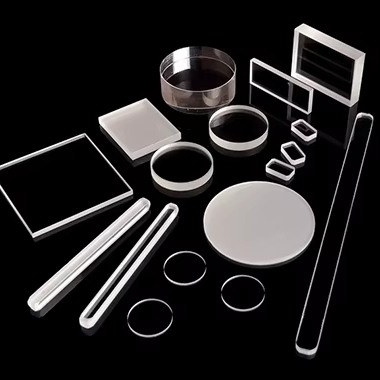
Custom Size High Temperature Fused Transparent Quartz Glass Optical Grade Test Sample Sheet
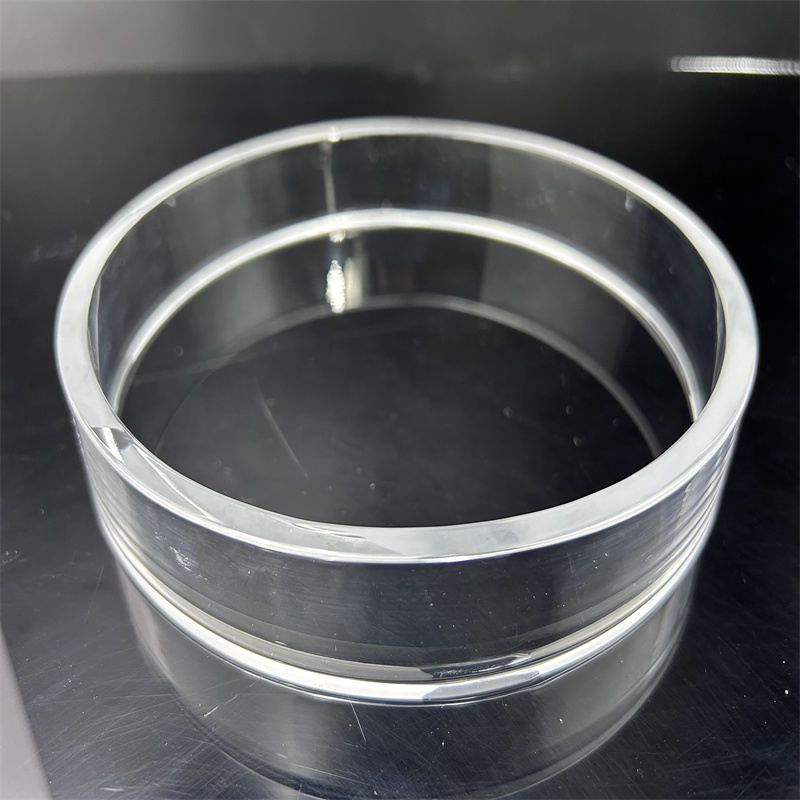
Customizable High Transparent Corrosion-Resistant Fused Quartz Glass Bell Jar
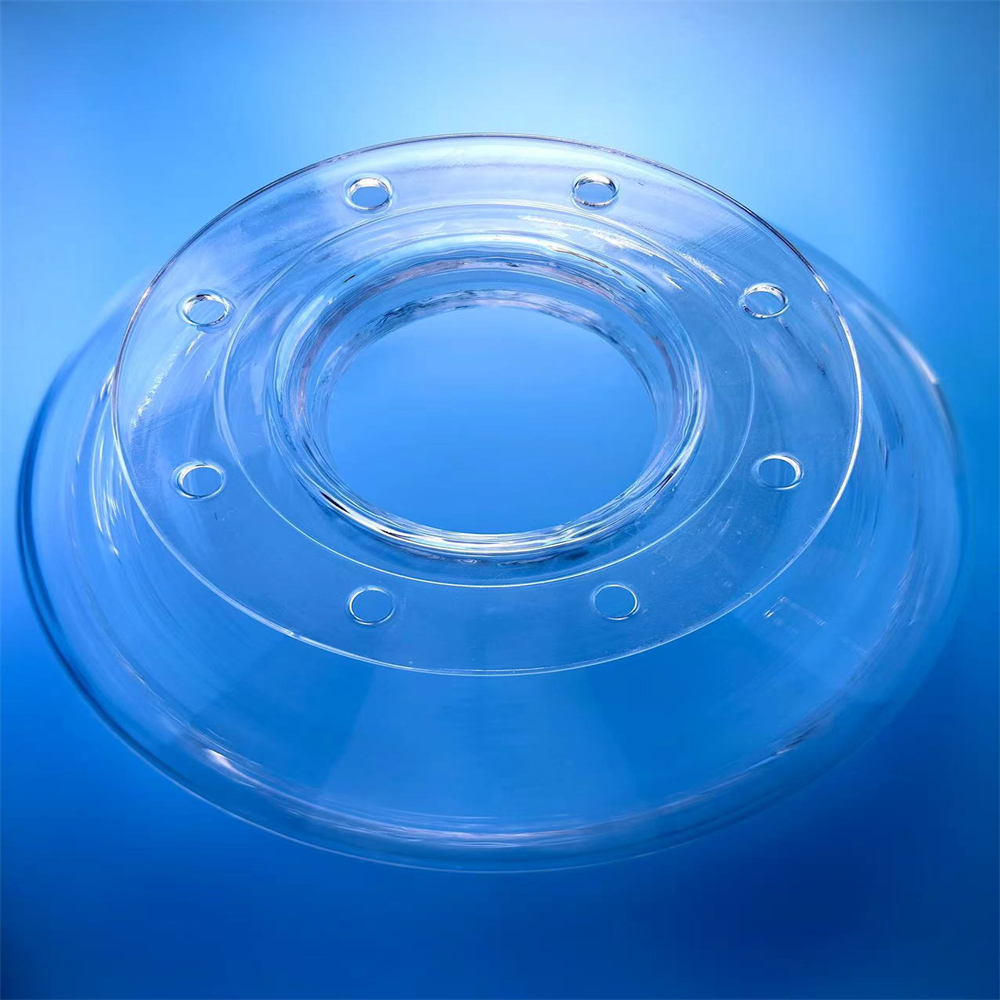
Customize Size Thickness Twin Tube Clear Flange Quartz Tube & Polished Flange Ring
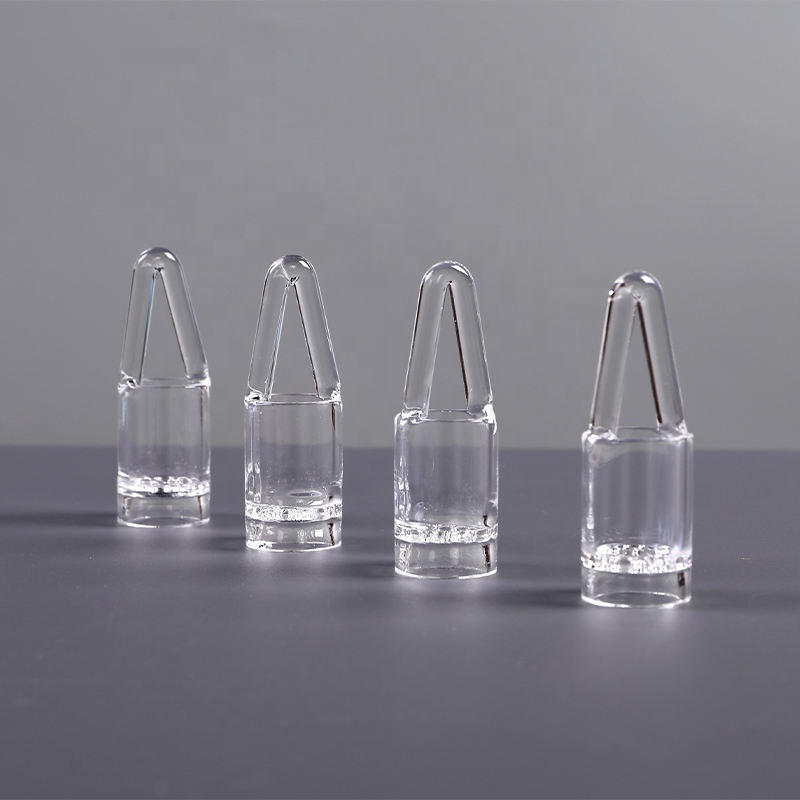
Factory Custom High-Pressure 99.99% Pure Quartz Glass Tube with Ozone-Free Surface
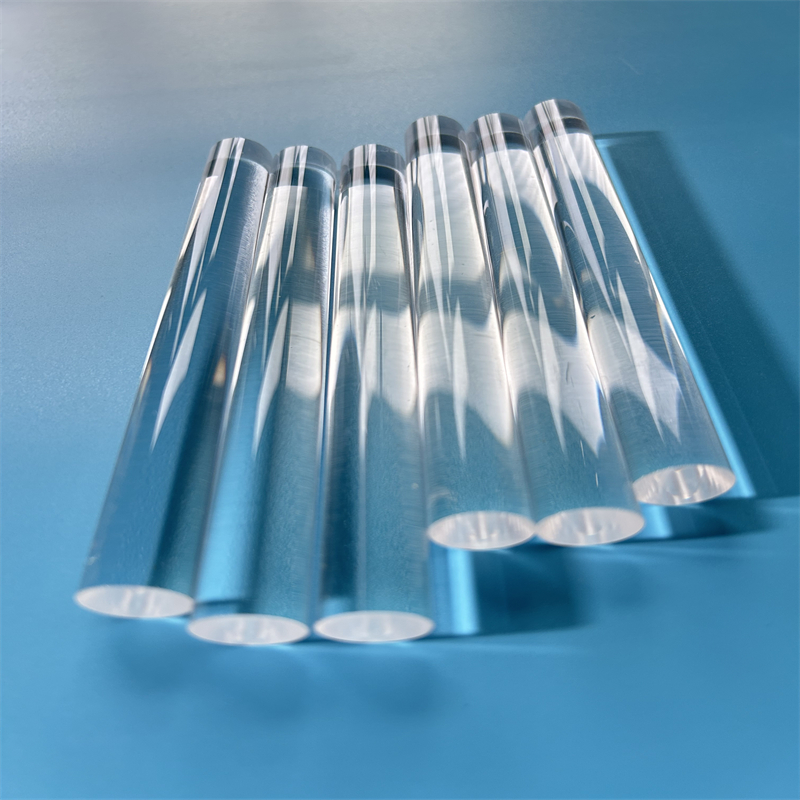
Custom GT Model High-Purity Optical Quartz Light Guide Cylinder Rod (99.99% SiO₂)
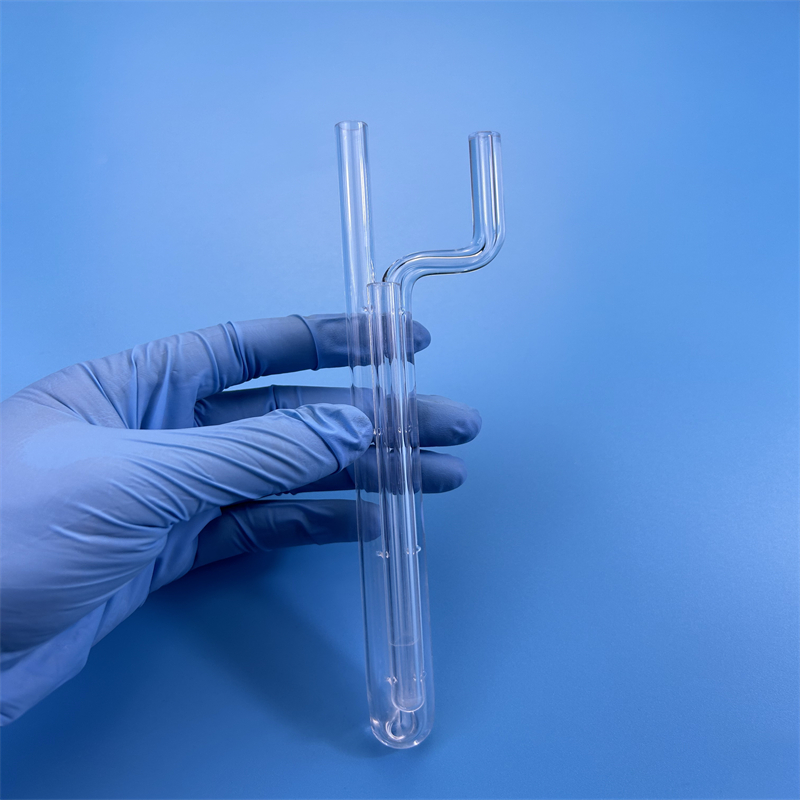
Chemisorption BET Test High-Pressure Clear Quartz Glass Twin Tube for Quantachrome/Micromeritics
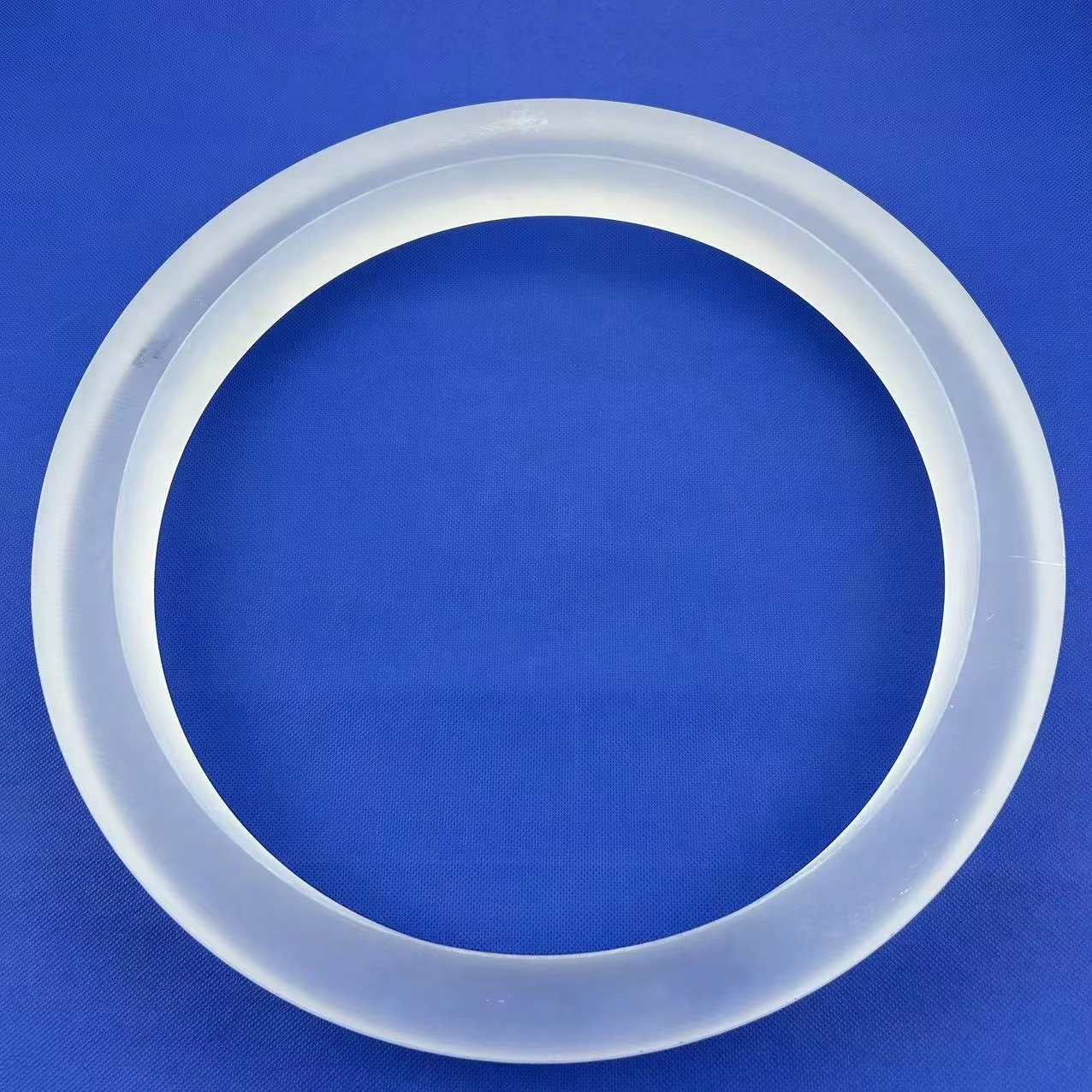
Custom Coated 99.99% Pure Quartz Rings for Semiconductor CVD & Plasma Etch Optics
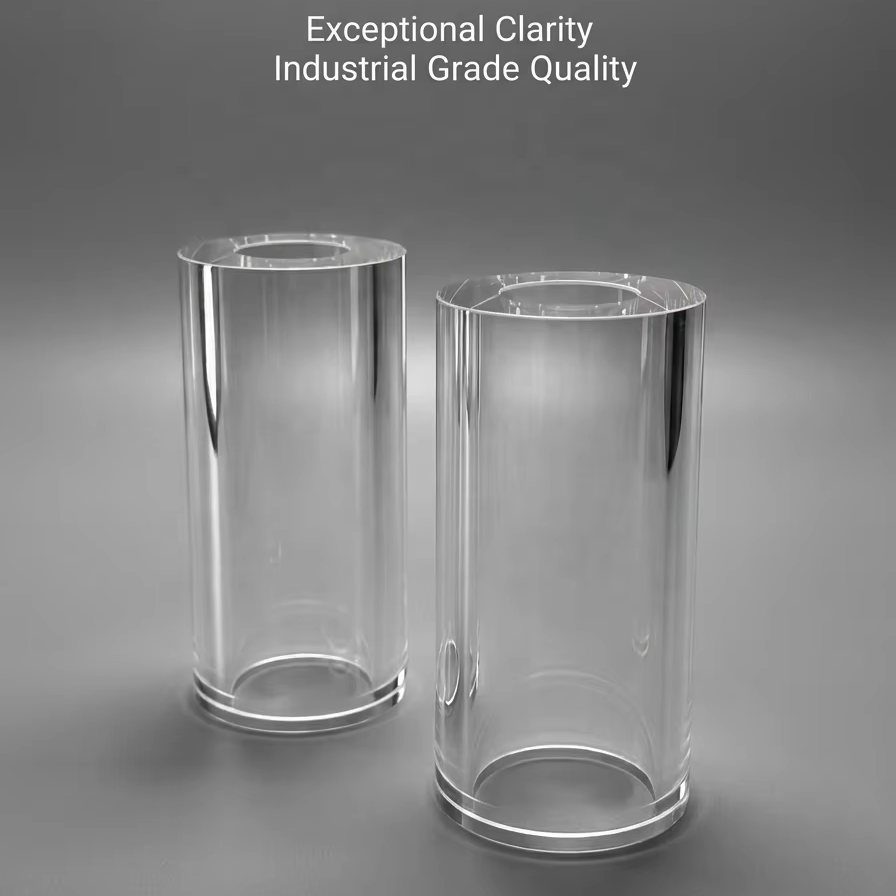
Factory Custom Both Ends Polished High Purity Transparent Quartz Twin Tube
The Greater Lisbon Industrial & Scientific Quartz Ecosystem
The Lisbon Metropolitan Area—stretching from the technological incubators of Taguspark (Oeiras) and the Instituto Superior Técnico (IST) research corridors to the deep-water industrial terminals along the Tagus estuary and the nearby Sines industrial transition belt—is experiencing an unprecedented modernization in advanced materials science. As Portugal consolidates its role under the European Chips Act and actively deploys national hydrogen strategies (EN-H2), municipal and institutional procurement teams require thermal and analytical vessels with uncompromising chemical inertness, high service temperatures up to 1300°C, and minimal trace contaminant leaching.
Standard borosilicate 3.3 laboratory glass, while sufficient for conventional wet-chemistry titration, fails precipitously above 500°C and exhibits structural deformation, devitrification, and sodium ion diffusion when exposed to aggressive thermal ramping or high-vacuum environments. Lianyungang Zelvo Quartz Products Co., Ltd., positioned in Donghai County (the source of over 85% of China's high-purity crystalline silica reserves), directly bridges this critical capability gap for Portuguese engineering operations. By providing precision fabricated fused silica vessels—ranging from customized CVD furnace tubes and semiconductor bell jars to micro-machined BET gas chemisorption sample tubes—we ensure research laboratories and production facilities in Lisbon bypass costly European domestic markups while securing OEM-grade dimensional accuracy.
Physical, Thermal & Optical Properties of Zelvo Fused Quartz Vessels
Fused quartz vessels demonstrate thermal shock characteristics that allow a red-hot quartz crucible heated to 1100°C to be instantaneously submerged in ice-cold water without micro-fracture or structural rupture. This phenomenal stability is governed by an extraordinarily low coefficient of thermal expansion (5.5 × 10⁻⁷ /K), roughly one-sixth that of thermal-resistant borosilicate.
| Physical / Thermal Parameter | Standard Clear Fused Quartz | Optical Synthetic Silica (UV Grade) | Conventional Borosilicate 3.3 |
|---|---|---|---|
| Chemical Composition | SiO₂ ≥ 99.99% | SiO₂ ≥ 99.999% | SiO₂ 81%, B₂O₃ 13%, Na₂O+K₂O 4% |
| Density (g/cm³) | 2.20 g/cm³ | 2.20 g/cm³ | 2.23 g/cm³ |
| Softening Point (°C) | ≈ 1683 °C | ≈ 1730 °C | ≈ 820 °C |
| Continuous Max Working Temp | 1100 °C | 1200 °C | 450 °C – 500 °C |
| Thermal Expansion (0–300°C) | 5.5 × 10⁻⁷ /K | 5.2 × 10⁻⁷ /K | 33 × 10⁻⁷ /K |
| Refractive Index (nD, 589.3nm) | 1.458 | 1.458 | 1.473 |
| Deep UV Transmittance (254nm) | > 85% | > 92% | < 5% (Opaque in Deep UV) |
| Trace Impurity Content | < 20 ppm total metal | < 1 ppm total metal | > 15,000 ppm alkaline oxides |
*Note: All production batches supplied to the Lisbon and Portuguese university network are pre-annealed to neutralize internal stress vectors, verified via polarimetric birefringence inspection before air-tight cleanroom packing.
Localized Application Scenarios Across Greater Lisbon
From microelectronics cleanrooms in Oeiras to maritime renewable pilot plants along the Tagus and synthetic biomanufacturing suites, our customized quartz vessels operate at the exact boundary of extreme pyrometry and analytical precision.
1. Semiconductor & Nanotechnology
Operating in close alignment with institutions such as INESC Microsistemas e Nanotecnologias (INESC MN) in Lisbon and semiconductor testing houses in Taguspark. Essential components include precision-slotted quartz wafer boats, vertical furnace process tubes, and ICP-RIE quartz plasma shielding rings designed to eliminate alkali vapor outgassing during thin-film chemical vapor deposition (CVD).
2. Biopharmaceutical & Oncology R&D
Greater Lisbon houses premier clinical and biomedical entities including the Champalimaud Foundation and iBET (Instituto de Biologia Experimental e Tecnológica) in Oeiras. Our ultra-pure cylindrical quartz reactors, spectrophotometric cuvettes, and ozone-free ampoules ensure zero heavy metal cross-contamination during active pharmaceutical ingredient (API) photo-synthesis and cellular cryo-stabilization tests.
3. Green Hydrogen & Solar Pyrolysis
Connecting Lisbon's energy engineering laboratories with Sines hydrogen port developers, researchers at LNEG and IST use our dual-bore twin tubes, high-temperature quartz catalytic beds, and gas-tight flange vessels to evaluate solid oxide electrolyzer cells (SOEC) and synthetic methane pyrochemical conversions at up to 1250°C.
Why Lisbon Procurement Directors Source Directly from Zelvo Quartz
Procuring quartz vessels from European distributors often introduces 300% to 500% retail markups and sluggish lead times exceeding 12–16 weeks due to fragmented subcontracting. Zelvo Quartz provides an integrated, drawing-to-dock export model rooted in Donghai's world-class raw material belt:
Certified 99.99% Purity
Spectrographically verified natural and synthetic fused silica with total iron (Fe) < 0.2 ppm, aluminum (Al) < 14 ppm, and sodium (Na) < 0.5 ppm.
Custom CAD Machining
5-axis CNC ultrasonic milling, high-precision laser drilling of micro-orifices, step-flange grinding, and custom flame blowing from 1 single piece.
Rapid Rapid Response
Our sales engineering team provides full drawing reviews, feasibility checks, and quote submissions within 2 hours to match Lisbon working hours.
Zero-Damage Logistics
Custom multi-layer shockproof PE foam, vacuum-sealed PE bags, and reinforced ISPM-15 export wooden crates ensure zero breakage into Lisbon.
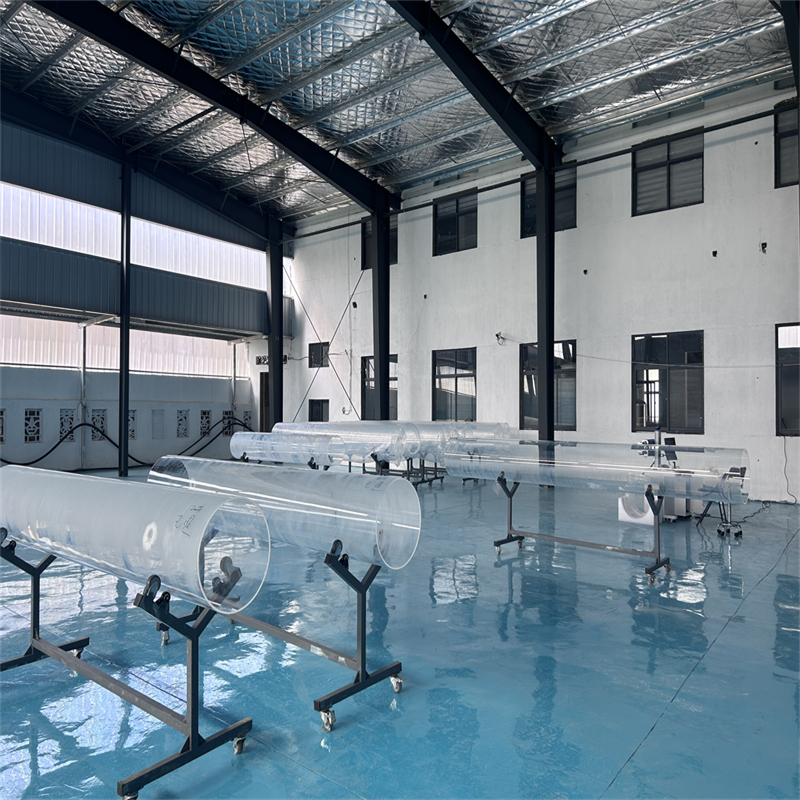 Donghai Synthesis & Processing Center
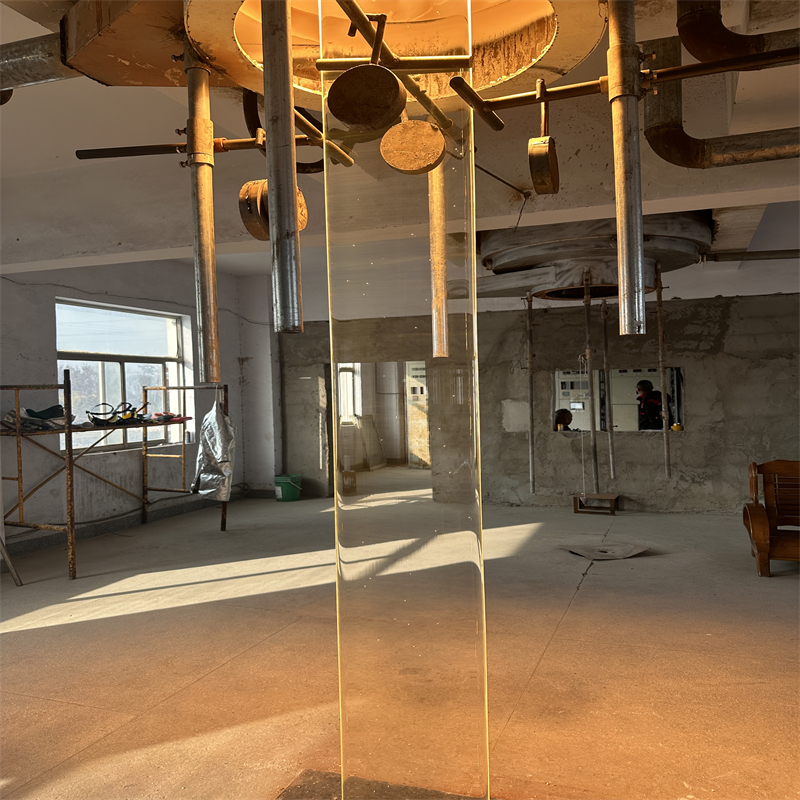 Hydrogen-Oxygen Precision Flame Welding
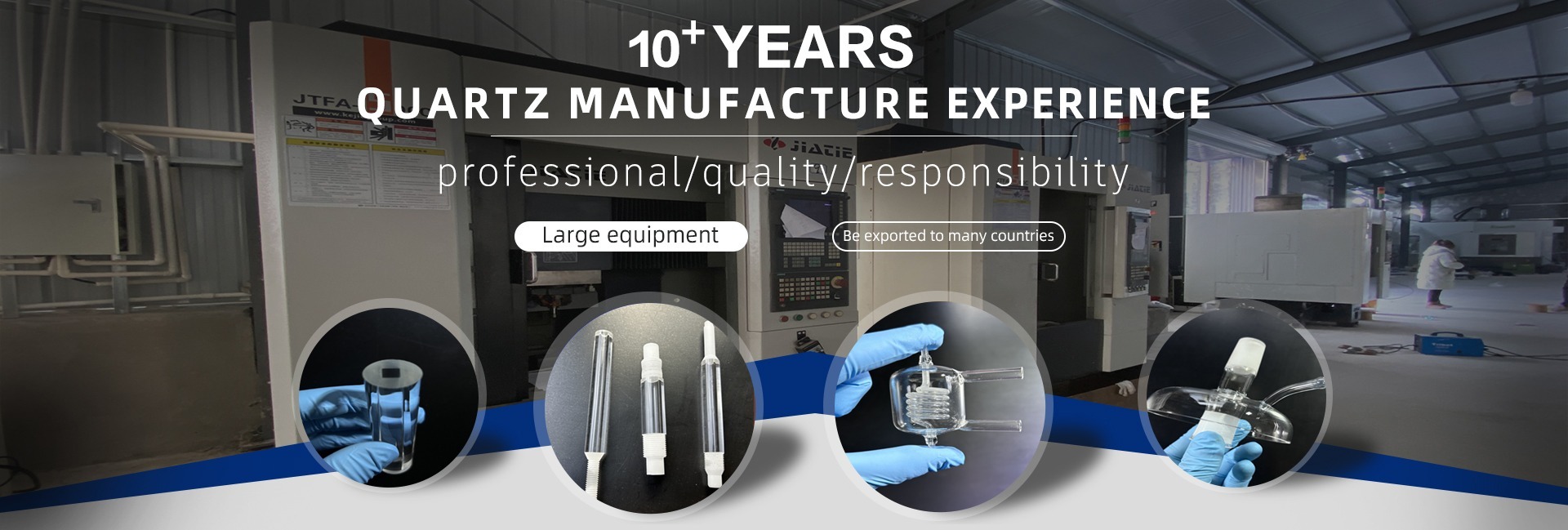
 Cleanroom Inspection & Polarimetry
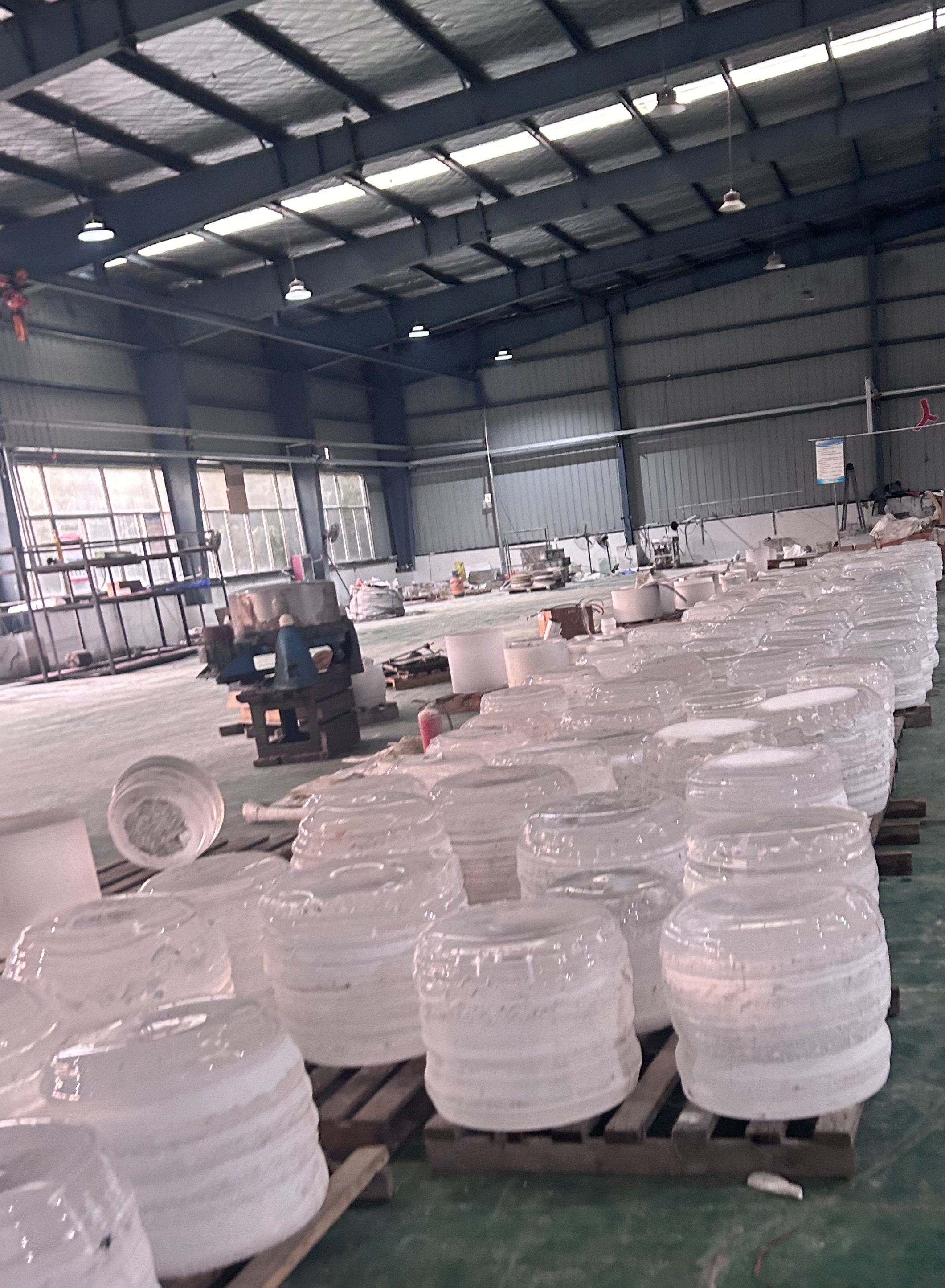
 High-Purity Quartz Vessels Ready for Export
Emerging Trends Reshaping Quartz Vessel Procurement in Portugal
Several structural shifts are redefining how Portuguese procurement managers, laboratory supervisors, and supply chain directors establish sourcing contracts for high-temperature glass vessels:
1. Fast Prototyping & Flexible Small-Batch Runs: High-growth ventures in Lisbon's tech clusters no longer commit to large minimum order quantities. Sourcing models must support 1-piece custom prototyping for specialized reactor geometries, with seamless transition to batch production once analytical benchmarks are reached.
2. Direct Mill-to-Lab Procurement under DDP Terms: Research institutions funded via FCT (Fundação para a Ciência e a Tecnologia) and Horizon Europe increasingly mandate Delivered Duty Paid (DDP) logistics to Lisbon. This avoids internal customs clearance friction, ensuring parts land at Humberto Delgado Airport (LIS) or the Port of Lisbon with all customs documentation, IVA (VAT), and import duties cleared upfront.
3. Stringent Thermal-Optical Certification: With the rise of deep-UV photolithography and laser-driven diamond synthesis labs in Central and Southern Portugal, buyers demand batch-traceable certificates of analysis (CoA) detailing UV transmittance cut-offs at 193nm/254nm and hydroxyl (OH-) content levels below 5 ppm to prevent hydroxyl-induced IR absorption bands.
Frequently Asked Questions for Lisbon & Portuguese Buyers
Clear, direct answers regarding Portuguese customs compliance, international transit safety, technical tolerances, and quotation timelines.
How do you handle customs clearance, Portuguese VAT (IVA), and EORI requirements for shipments to Lisbon?
What prevents high-precision quartz vessels from shattering during sea or air transit from China to Portugal?
Can Zelvo Quartz reproduce OEM vessels from equipment brands like Heraeus, Saint-Gobain, or Quantachrome?
What is the typical production and delivery lead time for custom engineered quartz parts to Greater Lisbon?
What is your Minimum Order Quantity (MOQ) for custom development projects?
How do you verify purity and devitrification resistance before shipment?
Ready to Optimize Your High-Temperature Quartz Vessel Supply Chain?
Submit your CAD schematics, dimensional tolerances, and operational temperature parameters today. Our engineering desk provides technical drawing validation and factory-direct pricing within 2 hours for Lisbon research teams and industrial buyers.