Precision Optical Quartz & Fabrication Showcase
Manufactured using high-purity (≥99.99% SiO₂) crystalline raw materials with multi-axis CNC shaping, optical fire polishing, and flame welding. Tailored for maritime UV sensors, photolysis reactors, and precision optical light guiding in the Colón free trade corridor.
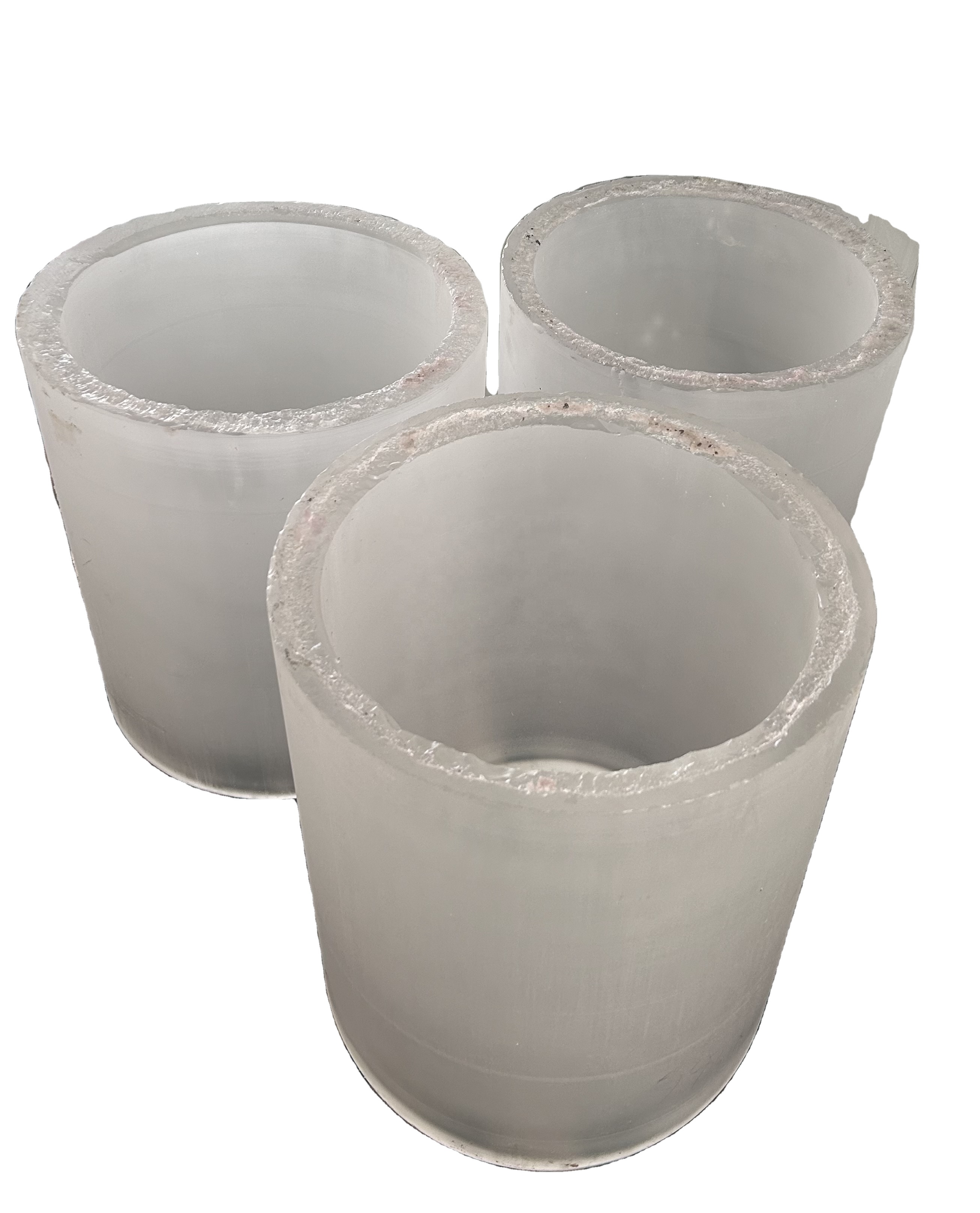
Open Ended Fused Quartz Frosted Glass Cylinder Ingot
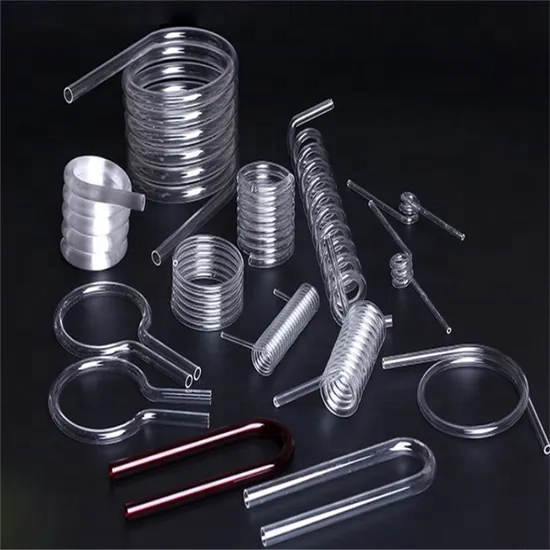
Custom Different Sizes U-Bent Quartz Glass Spiral Tube
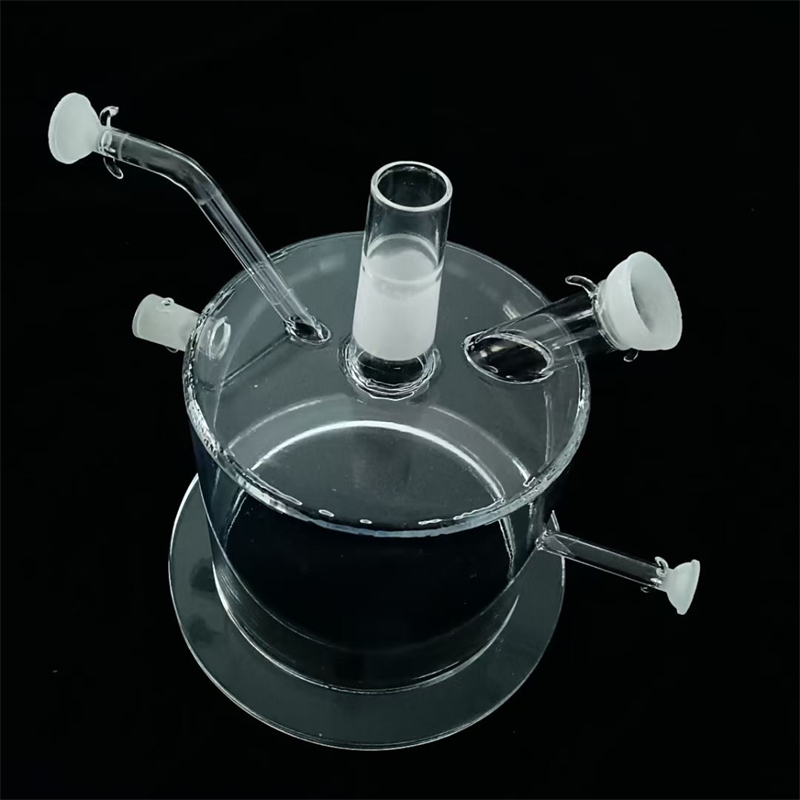
Customized High Pressure Clear Quartz Glass Tube
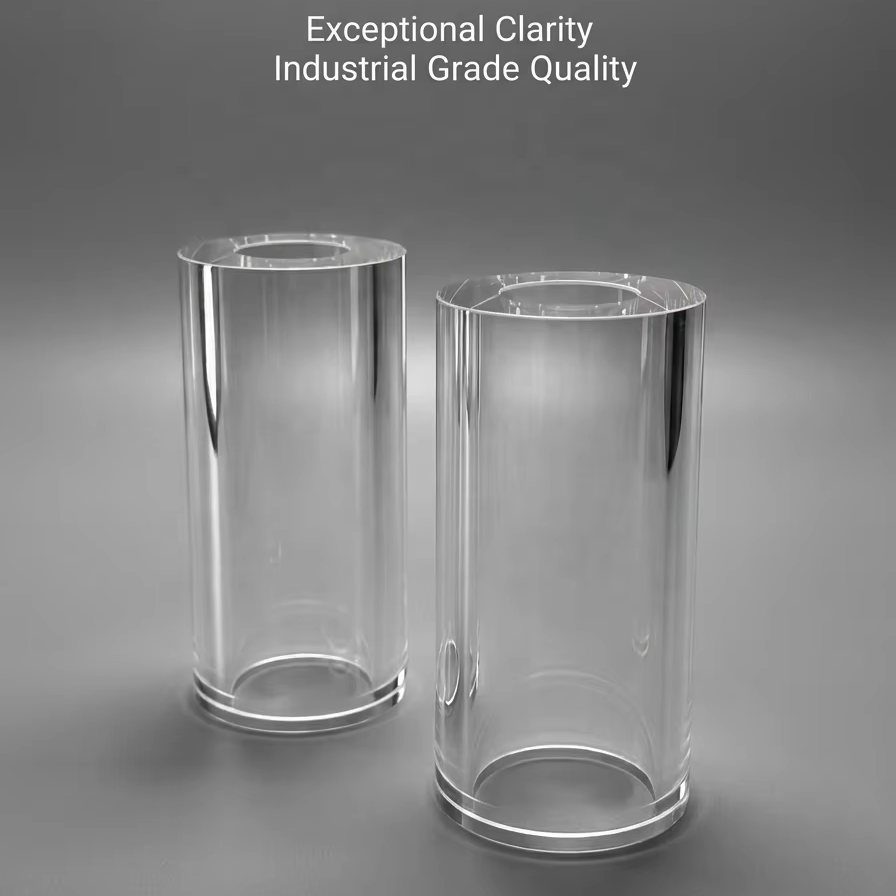
Both Ends Polished High Purity Quartz Twin Tube
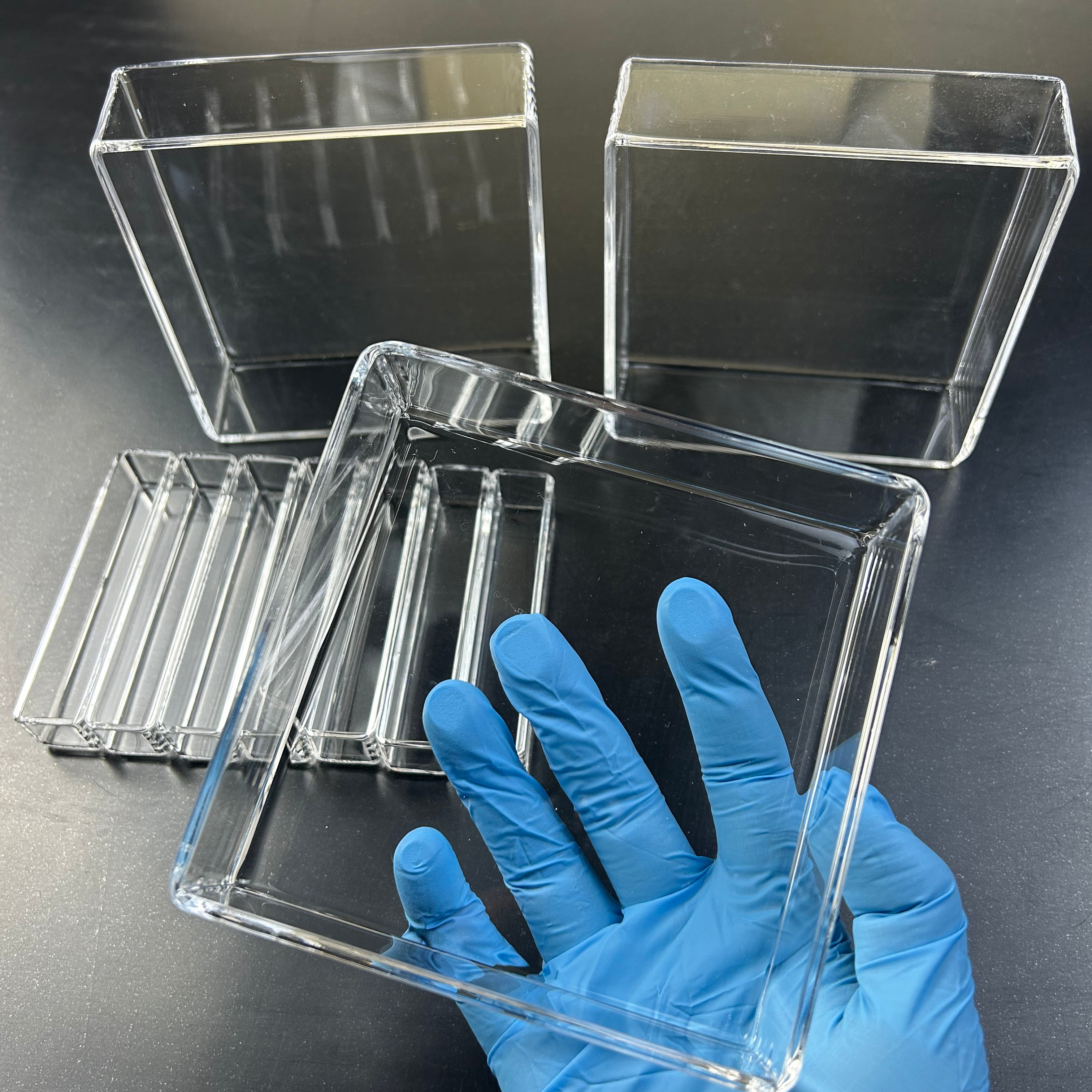
High Temperature Resistant Quartz Glass Cylinder Crucible
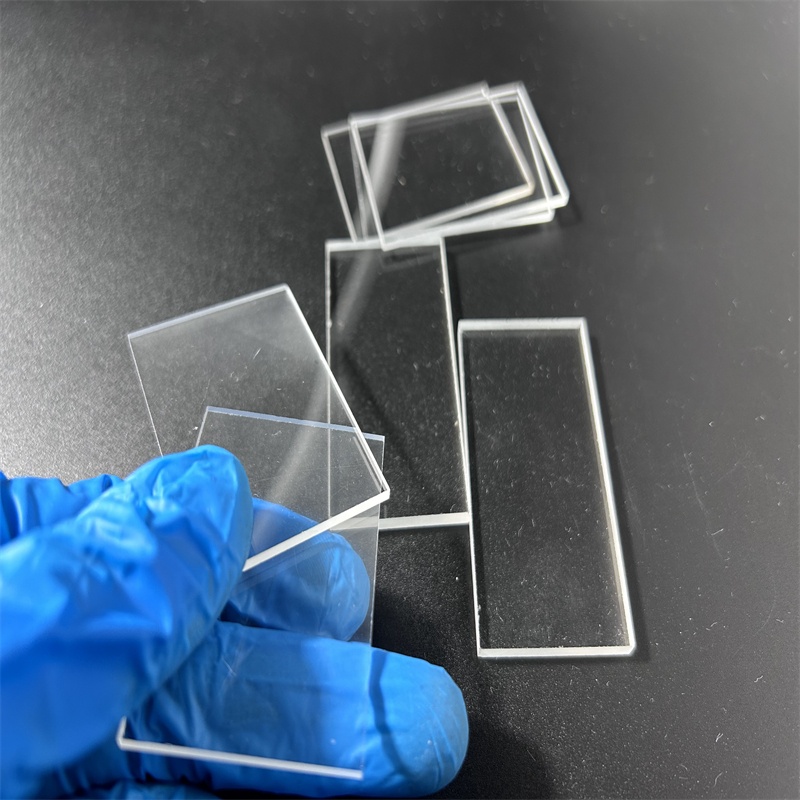
Optics Grade Fused Quartz Glass Sheet & Window Plate
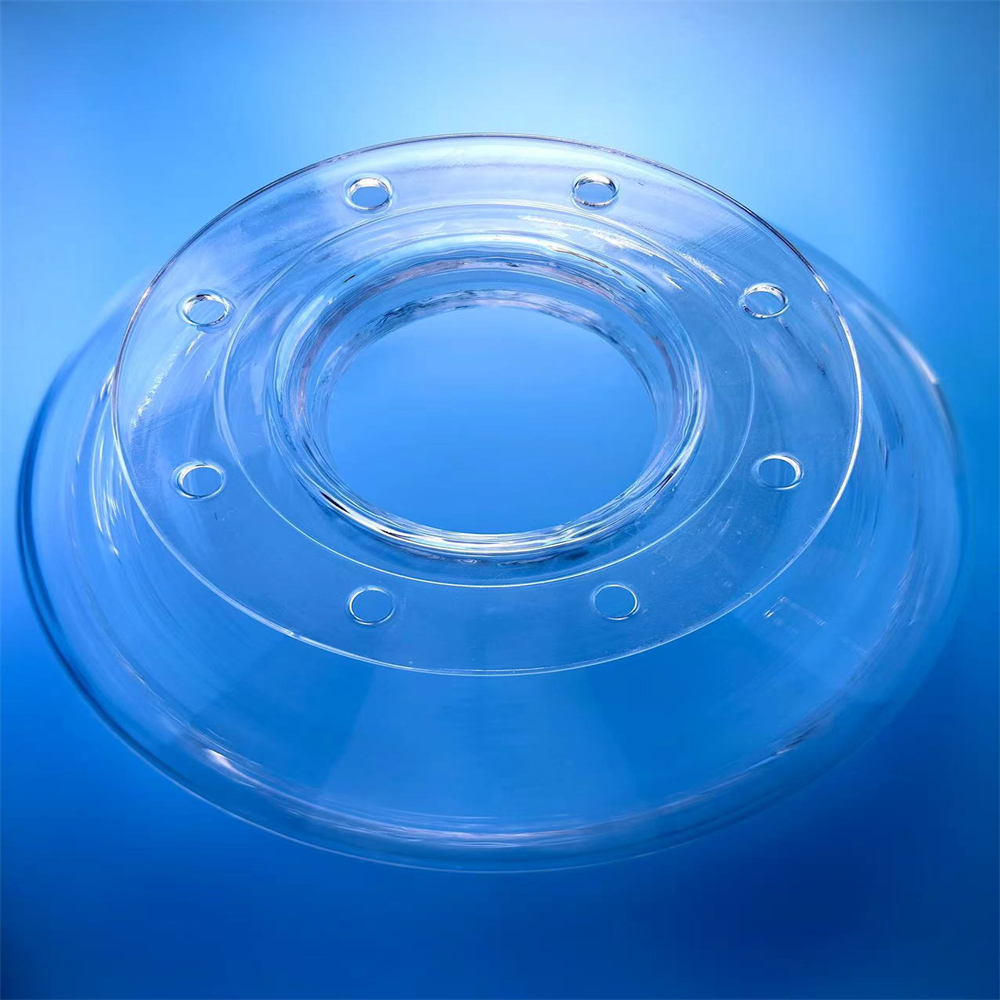
High Purity Flange Quartz Tube & Polished Ring
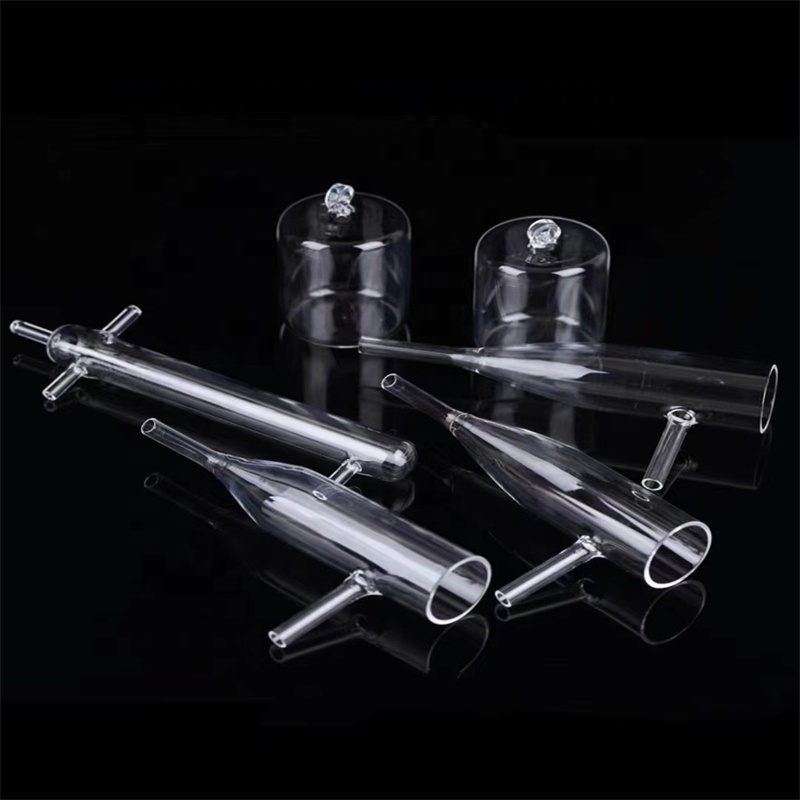
Laboratory High Temp Twin Tube for CVD & Vacuum
High-Purity Fused Quartz Light Guides in Critical Environments: Material Science & Engineering
A comprehensive examination of Total Internal Reflection (TIR), optical attenuation kinetics, and structural durability for procurement engineers in the Colón Free Trade Zone and greater Panama.
In modern optoelectronics, optical light guides—frequently manufactured as precision polished cylindrical rods, hexagonal homogenizers, bent light pipes, and tapered concentrating ingots—act as the non-imaging physical bridge transferring radiant flux from high-power illumination emitters to target analytical zones. For technical specifiers operating across Colón, Panama’s bustling transshipment corridor, maritime ports (Manzanillo International Terminal, Colon Container Terminal, and Cristobal), and the Colón Free Trade Zone (Zona Libre de Colón), mechanical robustness and electromagnetic non-reactivity are just as vital as optical transmission efficiency.
Unlike conventional borosilicate glass or polymethyl methacrylate (PMMA) optical polymers, synthetic fused silica and natural fused quartz (SiO2 ≥ 99.99%) demonstrate almost unmatched broad-spectrum optical transmittance ranging from the deep ultraviolet (DUV 185 nm) through the visible spectrum into the short-wave infrared (SWIR 2500 nm). The core physics governing these light guides is Total Internal Reflection (TIR), defined by Snell’s Law:
Total Internal Reflection Critical Angle Formula: θc = arcsin(nmedium / nquartz). Because optical fused quartz possesses a refractive index of approximately n = 1.458 at 589 nm (sodium D-line) against ambient air (n ≈ 1.000), light entering the guide within the numerical aperture (NA ≈ 0.40 in air) reflects internally with virtually zero energetic escape through sidewall leakage—provided the cylindrical surface possesses an optical fire polish (surface roughness Ra < 1.0 nm).
However, deployment within tropical, highly saline maritime environments like Colón presents brutal engineering challenges. With relative humidity averaging 80% to 90% and constant salt spray, substandard optical polymers suffer from accelerated photothermal yellowing, hydrolytic fogging, and refractive index degradation. Standard industrial glasses fail due to thermal micro-fracturing under cyclic ballast pump operation or extreme sterilizing thermal shifts. Fused quartz features an exceptionally low coefficient of thermal expansion (α = 5.5 × 10⁻⁷ /K), enabling components to undergo instantaneous thermal shocks of ΔT > 1000°C—such as red-hot extraction into cold seawater—without structural failure or micro-crack propagation.
When selecting light guides from Chinese manufacturers for deployment or redistribution in Panama, understanding raw material classification is vital:
- JGS1 (Synthetic Fused Silica): Synthesized via SiCl4 chemical vapor deposition. Free of metallic impurities (Fe < 0.1 ppm), nearly devoid of bubbles and striations, exhibiting superior transmission in the deep UV (down to 185 nm). It is immune to high-energy solarization, making it the premier choice for maritime ballast UV-C reactors and high-flux mercury/LED germicidal guides.
- JGS2 (Fused Quartz from Natural Crystal): Smelted from premium Donghai natural crystal sand. Delivers high optical quality across the visible (380–780 nm) and near-infrared spectrum with exceptional structural strength, commonly used for industrial photometric sensors, level monitoring, and thermal furnace viewports.
- JGS3 (Infrared Optical Quartz): Vacuum electro-fused to strip hydroxyl radicals (OH < 5 ppm). Completely eliminates the 2.73 μm absorption band, optimal for canal bunkering fuel infrared spectrometers and industrial thermal sensors.
Localized Application Scenarios in Colón & the Panama Canal Hub
How high-grade fused quartz light guides and optical components empower key maritime, logistics, and pharmaceutical infrastructure across the Atlantic terminus of the Canal.
Maritime Ballast Water UV-C Systems
Panama Canal compliance requires vessels calling at Manzanillo and Cristóbal to maintain strict IMO/USCG ballast water discharge standards. High-power UV photolysis light guides and twin-tube sleeves direct high-intensity 254 nm germicidal flux through turbulent, brackish canal water without solarizing or cracking under pump pressure surges.
Cold Chain & Port Cargo Inspection
As the Western Hemisphere's largest transit zone, Colón Free Zone manages millions of perishable pharmaceutical and agri-food containers. Quartz light guides and optical sheets serve inside high-speed optoelectronic sorting sorters, spectrophotometric freshness analyzers, and automated package integrity sensors operating in chilled, high-humidity storage.
Bunkering Fuel Quality Analysis
Colón’s massive Atlantic bunkering anchorage depends on rapid fuel verification to prevent engine catastrophic seizure from catalytic fines. De-hydroxylated JGS3 infrared quartz light pipes and transmission rods enable direct, real-time in-line NIR absorption spectroscopy inside high-pressure bunker lines at temperatures exceeding 180°C.
Biomedical & Re-Export Packaging
The Colón Free Zone acts as the pharmaceutical distribution core for Central America and the Caribbean Basin. Custom high-purity quartz ampoules, frosted diffuser cylinders, and sterilizing UV light delivery rods provide absolute chemical inertness (Class 1 hydrolytic resistance) during automated fill-finish and sterile medical packaging.
Material Comparison Matrix: Fused Quartz vs. Competing Media
Empirical laboratory parameters demonstrating why Chinese high-purity fused quartz outperforms alternative light guide substrates in tropical and industrial applications.
| Physical / Optical Parameter | Synthetic Fused Silica (JGS1) | Natural Fused Quartz (JGS2) | Borosilicate Glass (Pyrex type) | Optical Acrylic (PMMA) |
|---|---|---|---|---|
| SiO₂ Content (%) | ≥ 99.999% | ≥ 99.99% | ≈ 80.5% | 0% (Polymer) |
| Spectral Transmission (nm) | 185 – 2500 nm | 220 – 2500 nm | 320 – 2000 nm | 380 – 1000 nm |
| Continuous Operating Temp (°C) | 1100 °C | 1100 °C | 450 °C | 80 °C |
| Softening Temperature (°C) | 1730 °C | 1683 °C | 820 °C | 105 °C |
| Thermal Expansion (×10⁻⁷/K) | 5.5 | 5.5 | 32.5 | 700 |
| Refractive Index (nd @ 589nm) | 1.458 | 1.458 | 1.470 | 1.491 |
| Hydrolytic Resistance (ISO 719) | Class HGB1 | Class HGB1 | Class HGB1 | Degrades / Crazes |
| Solarization Resistance (UV-C) | Extreme (Zero degradation) | High | Poor (Solarizes rapidly) | Severe yellowing / Opaque |
Emerging Procurement Trends in the Colón Market (2025–2030)
Key technological transformations driving optical quartz demand across Panamanian free zones, logistics corridors, and maritime maintenance operations.
Transition to High-Power Solid-State UV-C LED Guides
Maritime engineers retrofitting containerships transiting Colón are phasing out bulky low-pressure mercury discharge lamps in favor of high-irradiance UV-C LED arrays (265–275 nm). These micro-emitter clusters require miniature, precision-polished fused silica light guides and tapered homogenizing rods to collimate and direct high-density germicidal energy into shipboard ballast piping.
Expansion of Central American Medical Kitting Centers
The Colón Free Zone's aggressive expansion into bonded pharmaceutical repackaging and medical device kit assembly is creating steady demand for quartz labware, reaction tubes, and optical delivery guides. Regional buyers prefer sourcing directly from Chinese verified manufacturers who offer custom drawing support and batch traceability under ISO9001 standards.
Ruggedized Optoelectronic Monitoring in Extreme Salt Air
Automated container crane spreaders and robotic straddle carriers deployed across MIT and Cristobal terminals increasingly rely on LiDAR, optical alignment guides, and laser telemetry sensors. Standard glass covers cloud rapidly under Atlantic sea salt deposition, triggering emergency replacements with diamond-polished fused quartz protective plates and beam guide prisms.
Why Colón Engineers & Trading Houses Partner With Zelvo Quartz
Combining Donghai County’s premier crystalline raw material cluster with over a decade of precision glass-blowing, multi-axis laser drilling, and verified direct export logistics.
China's "Crystal Capital" Raw Material
Headquartered in Donghai, Jiangsu, Zelvo Quartz commands direct access to high-purity natural silica deposits. Our strict raw material sorting guarantees ≥99.99% SiO₂ content, eliminating heavy metal contamination and unwanted air bubble clusters at the source.
High-Precision Processing & Tolerances
Equipped with advanced laser drilling, ultrasonic micro-grooving, CNC contour grinding, and traditional master flame working. We fabricate light guides with dimensional tolerances down to ±0.02 mm and end-face optical polishes achieving 80/50 or 60/40 scratch-dig.
Rapid Drawing-to-Part Prototyping (1 Pc MOQ)
We remove the high barrier of industrial prototyping. Whether supplying a customized replacement U-bent quartz tube for a ship docked in Cristóbal or a batch of 5,000 homogenizing light guides, our minimum order quantity starts at just 1 piece with feasibility reviews delivered in ≤ 2 hours.
Seaworthy Crating & DDP Panama Freight
Zero transit damage is guaranteed through custom-molded high-density shock absorbent PE foam, moisture barrier desiccants, and fumigated reinforced wooden crates. We manage end-to-end CIF/DDP delivery directly into Colón Free Zone warehouses or Tocumen Air Cargo.
The 5-Stage Verification Standard for Colón Quartz Light Guide Shipments
Our systematic quality assurance workflow designed to ensure every optical component arrives zero-defect and ready for immediate high-stress deployment.
- Optical Wavefront & Interferometric Inspection: Light guide end faces undergo Zygo laser interferometry to measure flatness (λ/4 or λ/2) and parallelism, preventing uneven beam dispersion and chromatic fringe aberration at connection interfaces.
- Polariscope Stress Birefringence Mapping: Post-annealing, every flame-bent U-tube and welded quartz guide is evaluated under cross-polarized light to confirm total residual stress elimination, ensuring components will not fracture under sudden marine thermal cycling.
- UV-Vis-NIR Spectrophotometer Transmittance Validation: Spectral transmission scans (190 nm to 3000 nm) are run on each raw material melt lot. Official transmission curves and chemical purity mill test certificates accompany shipments for Panamanian customs clearance.
- Precision Coordinate Measurement (CMM): Dimensional attributes—including total length, cylindrical runout, chamfer angles, and mounting flange bolt circles—are measured on CNC CMMs against client CAD drawings (.DWG, .STEP, .DXF).
- Multi-Barrier Tropical Seaworthy Packaging: High-humidity tropical handling requires extreme protection. Every optical part is ultrasonically cleaned, vacuum-sealed in static-shielding film, enveloped in customized EPE high-resilience foam, and crated inside plywood cases with dual tilt-and-drop shock indicators.
Frequently Asked Questions for Colón Importers & Engineers
Direct answers addressing trade logistics, customs exemptions, engineering tolerances, and material performance for Panamanian procurement teams.
What specific advantages does fused quartz offer over sapphire or optical borosilicate in Colón's maritime climate?
Can shipments be delivered directly into the Colón Free Trade Zone (Zona Libre de Colón) under bonded tax exemption?
What is the difference between fire-polished and optically diamond-polished light guide end faces?
How do you manage emergency replacements for docked vessels in Colón container terminals?
What technical documentation is provided to satisfy maritime and industrial inspection standards?
Can you manufacture complex light guides with custom mounting flanges or U-bends according to client CAD drawings?
Accelerate Your Optical Quartz Sourcing for Colón & Central America
Consult directly with senior optical glass processing engineers. Share your engineering drawings, target operating temperatures, or annual framework requirements for an immediate technical feasibility assessment and competitive manufacturer quote.
Inquire Now