High-Purity Fused Quartz Components for Pyrolysis & High-Temp Reactors
Direct from Donghai's premier quartz manufacturing facility. Supporting draw-based custom fabrication, precision laser micro-drilling, flame bending, and optical grinding for European research and industrial clients.

High Temp Fused Quartz Sheet for XRD Sample Tank Testing (1100°C)
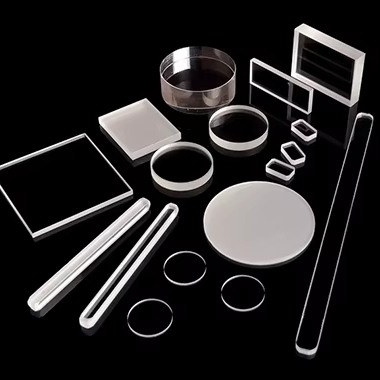
Optical Grade Custom Transparent Fused Quartz Glass Sheet
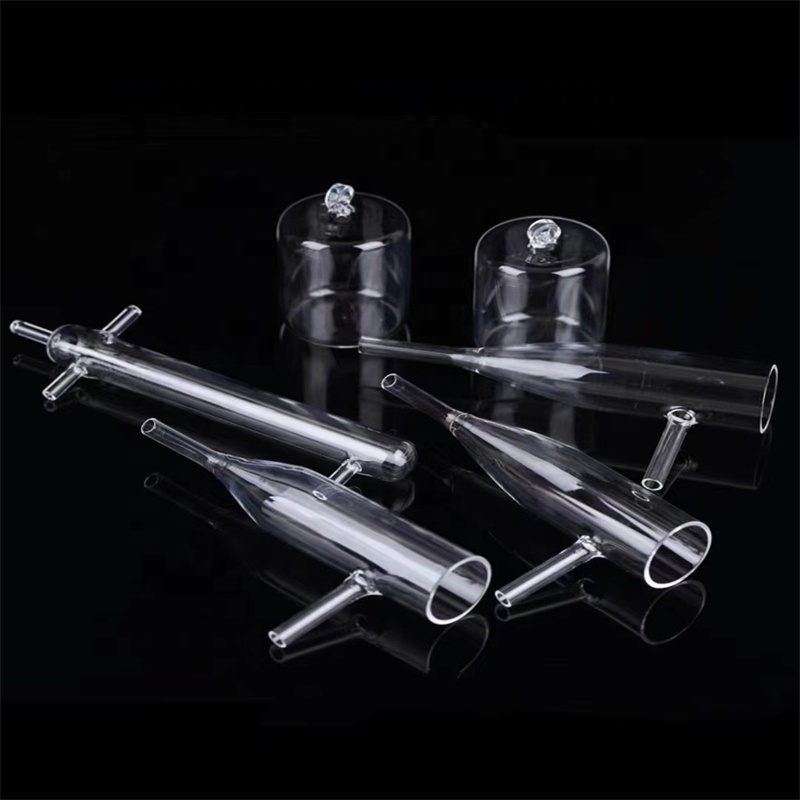
Custom Clear Twin-Tube 99.99% Pure Quartz CVD Vacuum Reactor
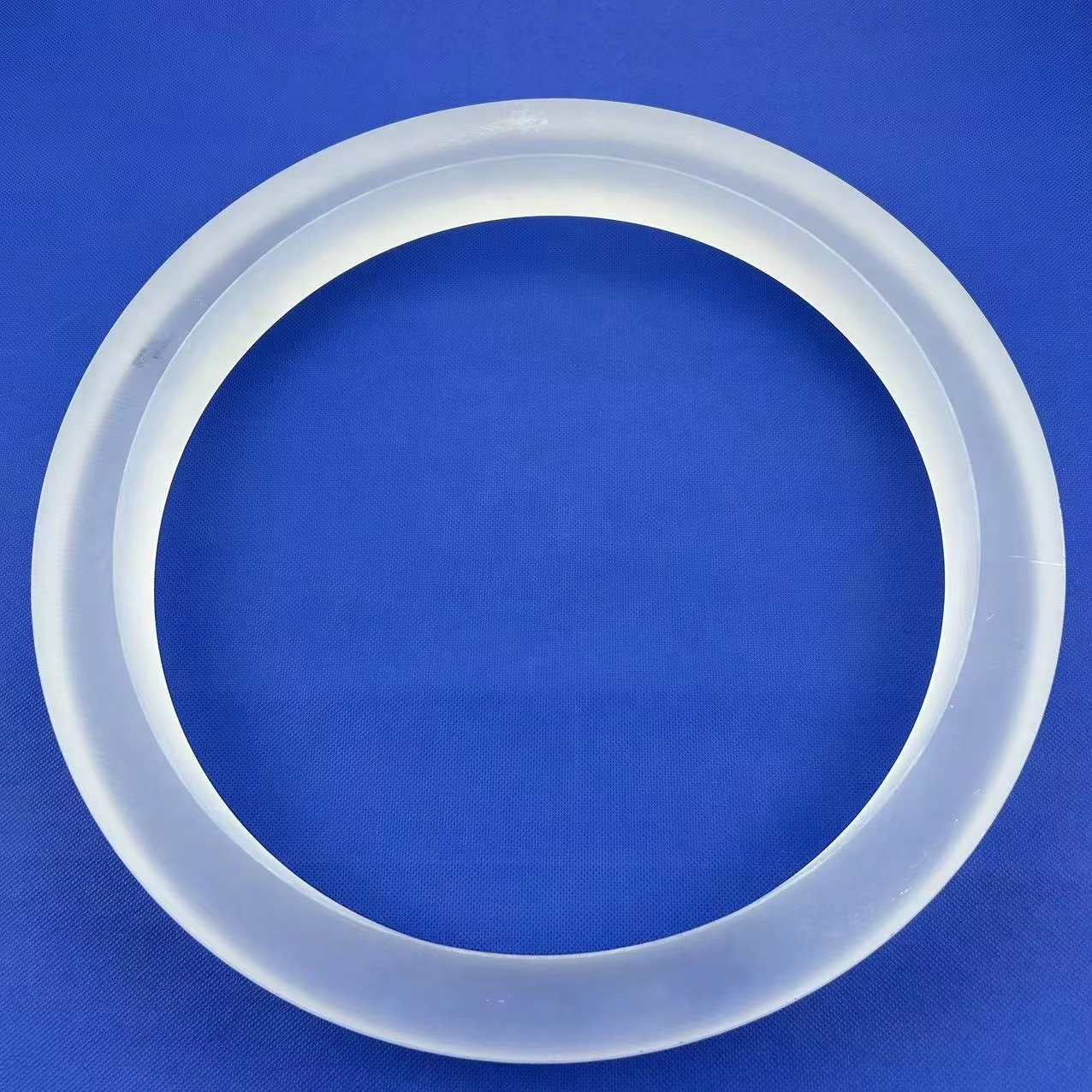
99.99% Pure Coated Quartz Flange Rings for Semiconductor CVD
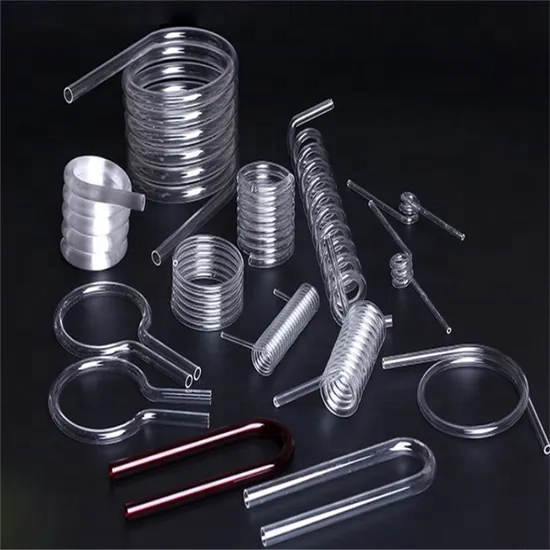
Custom U-Bent Quartz Glass Spiral Tube with Precision Welding
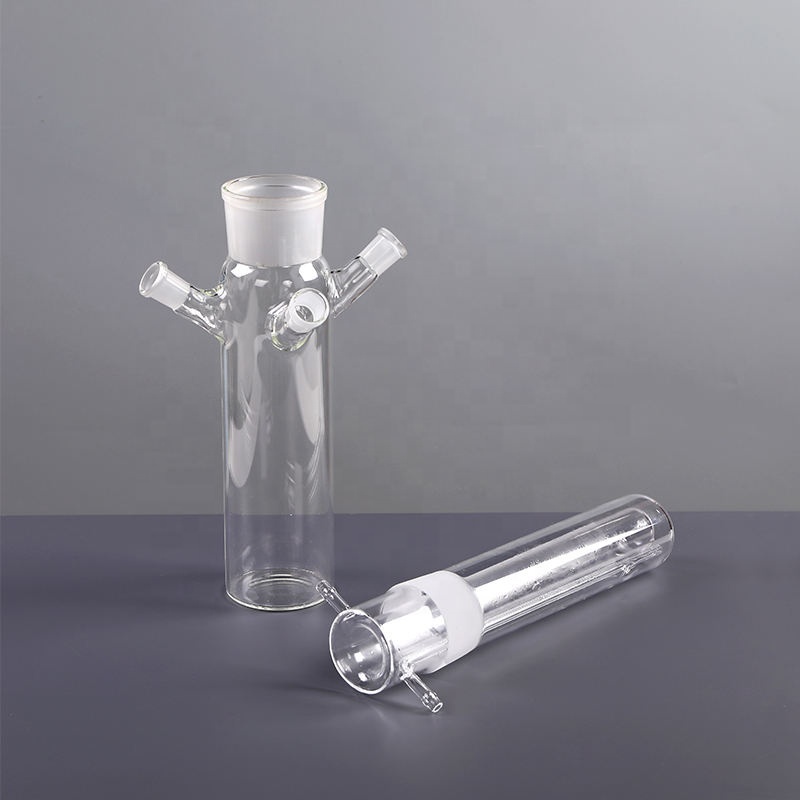
Internal Illumination Quartz Glass Photocatalytic Degradation Reactor
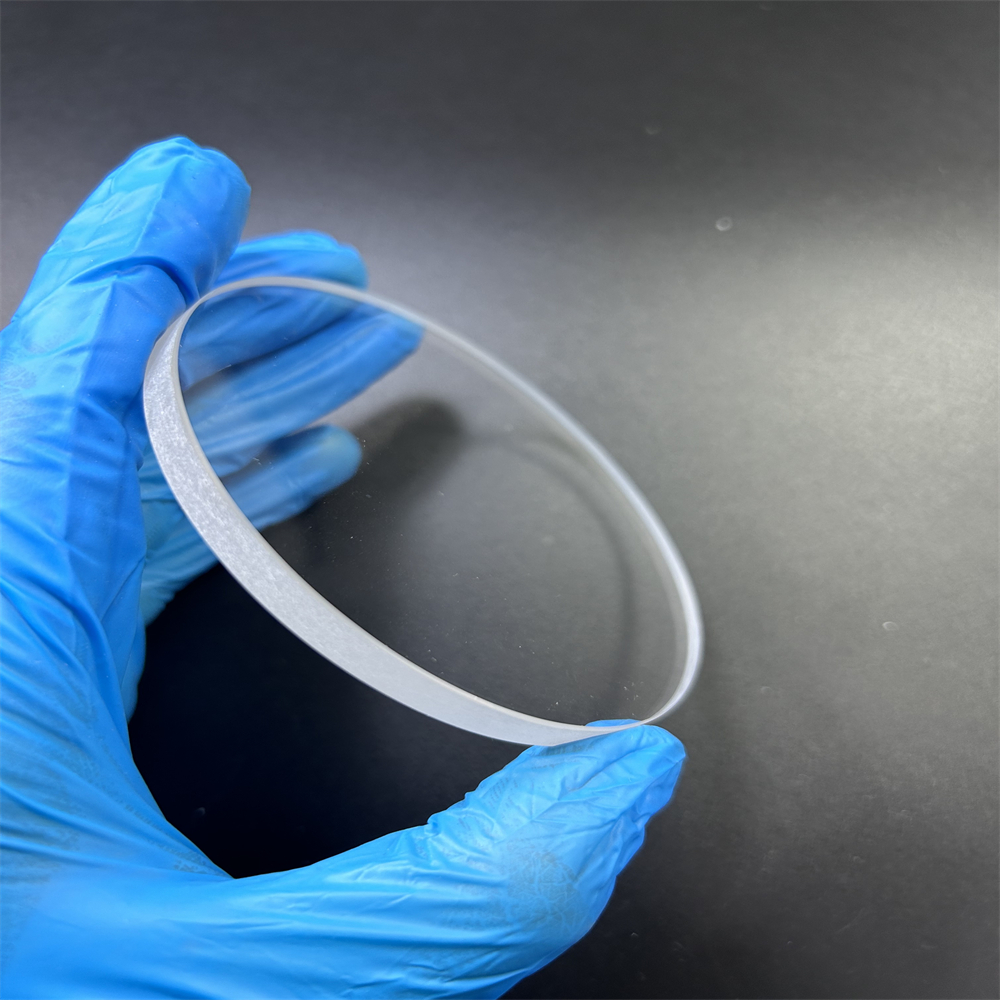
High-Precision Optical UV Transparent Fused Silica Quartz Wafer
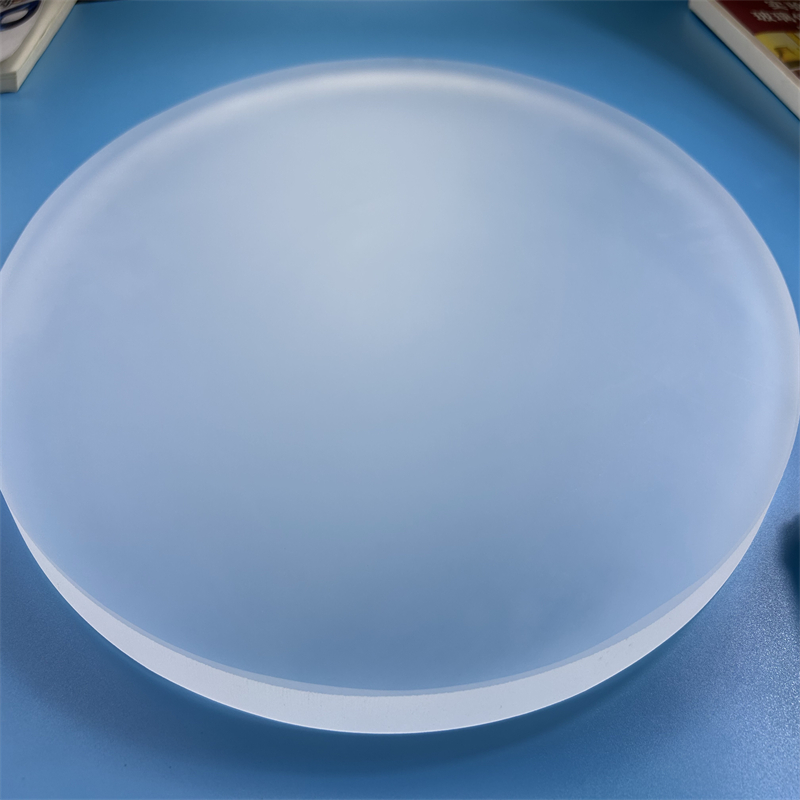
High Temperature Resistance Frosted Fused Quartz Disc Plate
High-Purity Fused Quartz Pyrolysis Tubes: Materials, Kinetics, & Thermal Dynamics
An authoritative engineering breakdown on material selection, devitrification kinetics, chemical inertness, and structural performance under high-temperature vacuum pyrolysis.
Why Pyrolysis Demands Ultra-Pure Fused Silica (SiO₂ ≥ 99.99%)
Pyrolysis is the thermochemical decomposition of organic materials at elevated temperatures (typically 400°C to 1200°C) in the complete absence of oxygen or under controlled inert carrier gases (N₂, Ar). Unlike standard borosilicate or soda-lime glasses which soften around 500°C–600°C and contain alkali oxides (Na₂O, K₂O) that leach into reaction products, 99.99% pure fused quartz offers an extraordinarily low coefficient of thermal expansion ($\approx 5.5 \times 10^{-7} / \text{K}$), exceptional resistance to thermal shock, and virtual chemical immunity to acidic pyrolytic vapours, syngas, and halogens.
Devitrification Mechanics
At continuous operating temperatures above 1150°C, fused quartz undergoes phase transformation into crystalline cristobalite. Alkali metal contaminants (Na, K, Li) drastically accelerate devitrification rates. Zelvo Quartz controls total alkali impurities to < 1.5 ppm, extending pyrolysis tube lifespan up to 300% under continuous thermal cycling.
Hydroxyl (OH⁻) Control
Hydroxyl content influences high-temperature mechanical viscosity and vacuum tightness. Our standard pyrolysis furnace tubes maintain OH⁻ levels below 30 ppm, with ultra-low OH⁻ variants (< 5 ppm) available for NIR infrared heating and extreme vacuum thermal cracking without tube wall sagging.
Vacuum & Pressure Integrity
Precision drawing ensures outer diameter (OD) and inner diameter (ID) tolerances within ±0.15 mm. Combined with custom ground-glass conical joints, quick-fit KF/CF vacuum flanges, or optical window viewports, our quartz reactors maintain helium leak rate integrity down to $1 \times 10^{-9} \text{ mbar}\cdot\text{L/s}$.
Technical Benchmark: Fused Quartz vs. Alternative High-Temperature Glasses
A side-by-side technical evaluation showcasing why fused silica/quartz is the non-negotiable material for industrial and laboratory pyrolysis setups.
| Physical / Chemical Property | High-Purity Fused Quartz (Zelvo) | Borosilicate Glass 3.3 | High-Alumina Ceramic (Al₂O₃) |
|---|---|---|---|
| Maximum Working Temperature (Continuous) | 1150°C – 1200°C | 500°C | 1600°C |
| Short-Term Softening Point | 1683°C | 820°C | 2050°C |
| Thermal Expansion Coeff. (20-300°C) | 5.5 × 10⁻⁷ / K (Thermal Shock Proof) | 3.3 × 10⁻⁶ / K | 8.0 × 10⁻⁶ / K |
| Optical Transparency (UV to NIR) | > 90% (200 nm – 2500 nm) | Limited UV Transmission | Opaque (0% Visual Inspection) |
| Chemical Inertness to Pyrolytic Acid Gases | Exceptional (Resists HCl, H₂SO₄, Syngas) | Moderate (Degrades above 300°C) | Good (Prone to thermal cracking) |
| Thermal Shock Resistance ($\Delta T$) | Water quench from 1000°C without breaking | Destroys at $\Delta T > 150\text{°C}$ | Requires gradual heating ($< 5\text{°C/min}$) |
Localized Applications: Serving Genoa's Advanced Industrial & Scientific Ecosystem
Genoa (Genova) is Liguria's capital and a historic maritime power turned modern technological powerhouse. From port-side biofuel synthesis to world-leading nanotechnology research, Zelvo Quartz supplies tailor-made high-purity quartz reactors to prominent local applications.
1. Maritime Decarbonization & Biofuel Pyrolysis at Port of Genoa
As one of the Mediterranean's busiest logistics hubs (Porto di Genova), Genoa leads European green maritime transitions. Local engineering firms utilize our custom large-diameter quartz pyrolysis tubes and condenser chambers to process waste marine biomass, plastic waste, and heavy oil residues into high-grade synthetic marine fuels under nitrogen-blanketed thermal cracking.
2. Nanotechnology & Advanced Energy Research (IIT & UniGe)
Genoa hosts world-renowned scientific institutions including the Istituto Italiano di Tecnologia (IIT) and the Università degli Studi di Genova (UniGe). Our optical quartz plates, slotted XRD sample holders, and precision twin-tube CVD reactors support cutting-edge investigations in carbon nanotube synthesis, 2D material chemical vapor deposition, and photocatalytic degradation dynamics.
3. Industrial Waste-to-Energy Pyrolysis Plants in Liguria
Ligurian environmental processing facilities rely on our heavy-wall quartz reaction containers for catalytic pyrolysis of industrial sludge and municipal solid waste. Fused silica’s total resistance to corrosive pyrolytic bio-oils, hydrogen sulfide ($H_2S$), and chlorine compounds prevents vessel degradation and contamination of syngas streams.
4. Methane Pyrolysis for Zero-Emission Turquoise Hydrogen
Aligned with Italy’s National Hydrogen Strategy (PNRR), research centers in Genoa are developing turquoise hydrogen via direct methane decomposition in molten metal/catalyst beds. Zelvo Quartz designs high-pressure quartz reactor vessels capable of handling $1000\text{°C}+$ gas flows while offering 100% optical clarity for laser-assisted thermal diagnostics.
Emerging Trends Driving Quartz Pyrolysis Demand in Genoa & Northern Italy
Analyzing key technological shifts, environmental mandates, and industrial procurement trends across Liguria's advanced manufacturing corridor.
Shift to Continuous-Flow Reactors
Traditional batch pyrolysis is rapidly giving way to automated, continuous-flow quartz spiral and multi-zone twin tubes. Continuous process engineering requires tighter dimensional tolerances (within ±0.1mm) and flawless flame welds to withstand non-uniform axial thermal expansion.
Integration of Optical Diagnostic Ports
Modern research laboratories require real-time spectral monitoring of pyrolysis gas kinetics. Buyers in Genoa increasingly demand custom fused quartz tubes equipped with optically flat UV/IR fused silica windows welded directly onto reactor walls.
Demand for Quick-Release Flange Coupling
To reduce maintenance downtime during carbon black/char cleanouts, process engineers are replacing traditional ceramic seal paste with precision-ground quartz ball joints and water-cooled stainless-steel flange adapters fitted with ultra-pure coated quartz rings.
Why Leading European Procurement Managers Partner with Zelvo Quartz
Combining raw material advantage from Donghai ("China's Crystal Capital") with world-class glass-blowing craftsmanship and strict European quality assurance standards.
100% Raw Material Traceability
Located at the raw quartz source in Donghai, Jiangsu. Every batch is certified with spectrographic SiO₂ purity analysis (≥ 99.99%) and trace impurity guarantees.
Drawing-to-Part Prototyping
Full support for CAD/PDF technical drawings. Our senior glass engineers (10+ years experience) review design feasibility, chamfers, and wall thickness within 2 hours.
Precision Fabrication Arsenal
In-house 5-axis laser drilling, ultrasonic grooving, precision grinding, flame bending, automated annealing ovens, and optical surface polishing facilities.
Direct Sea & Air Freight to Genoa
Custom shock-absorbing wooden crate packaging designed for ocean transit to Port of Genoa (SECH/VTE Terminals) or express air freight to Cristoforo Colombo Airport (GOA).
Frequently Asked Questions by European Procurement & Engineering Teams
Clear, direct answers regarding custom orders, thermal specifications, customs compliance, and shipping logistics to Liguria, Italy.
What purity grade of fused quartz is used for your pyrolysis reactor tubes?
What is the minimum order quantity (MOQ) for custom drawing-based quartz tubes?
How do you package fragile quartz pyrolysis tubes to ensure zero-breakage transport to Genoa, Italy?
What are the maximum temperature and thermal shock thresholds for your quartz tubes?
What trade terms and shipping methods do you offer for orders destined for Liguria/Genoa?
Are your products compliant with EU REACH and RoHS regulations?
Need Custom High-Purity Quartz Pyrolysis Glassware for Your Genoa Facility?
Send us your 2D/3D technical drawings, dimensions, target operating temperatures, and quantity requirements today. Our engineering team will analyze feasibility and issue a formal quote within 2 hours.