Precision Quartz Glass Substrates & Custom Fabrications
Direct from our Donghai manufacturing center to St. John's, Newfoundland & Labrador. Optimized for high thermal stability, deep UV-to-NIR transmission, and subsea hydrostatic pressure resistance.
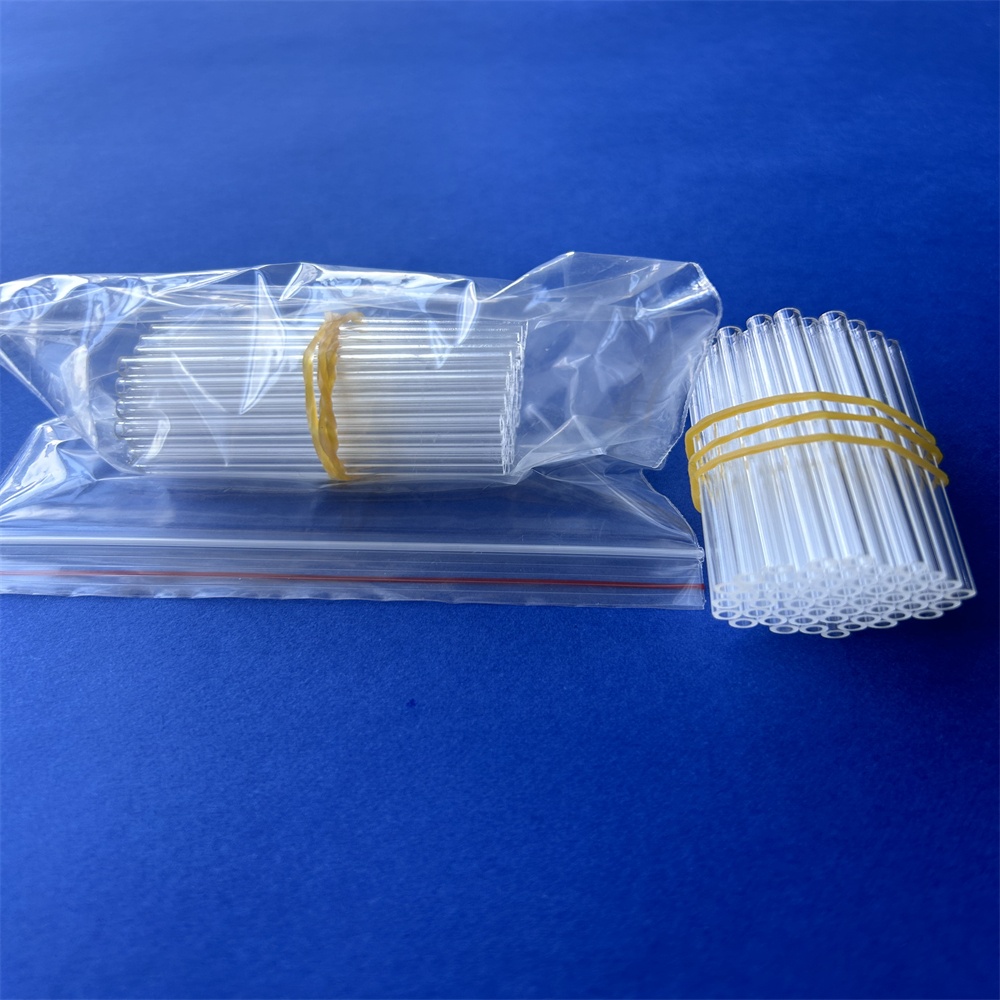
Small Diameter 0.1-20mm High Temperature Resistant 99.99% Pure Quartz Capillary Tube
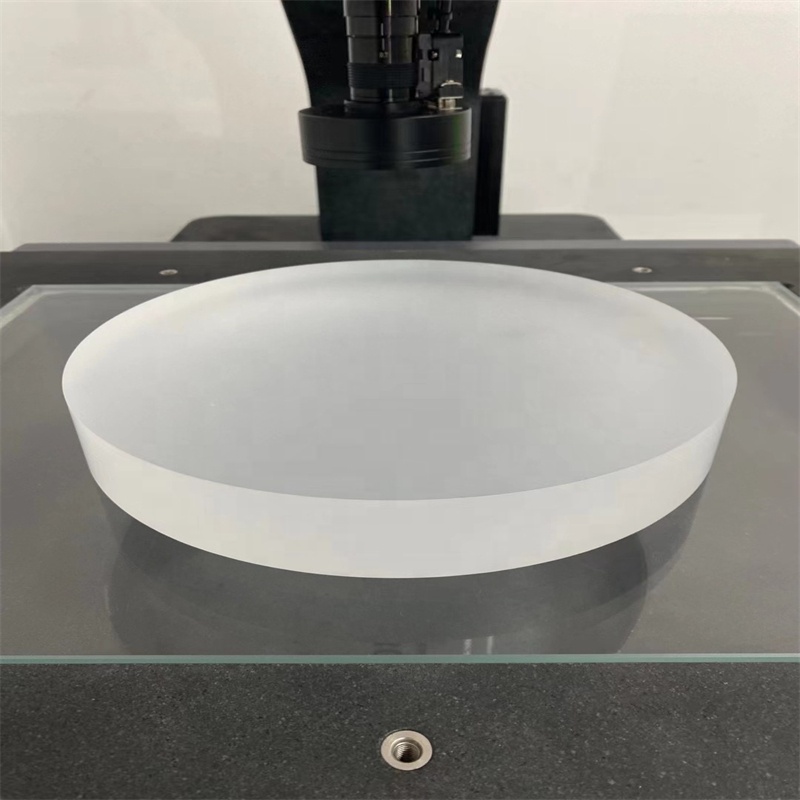
Custom Size Clear Fused Quartz Plate Premium Quality (1100°C) Glass Sheet
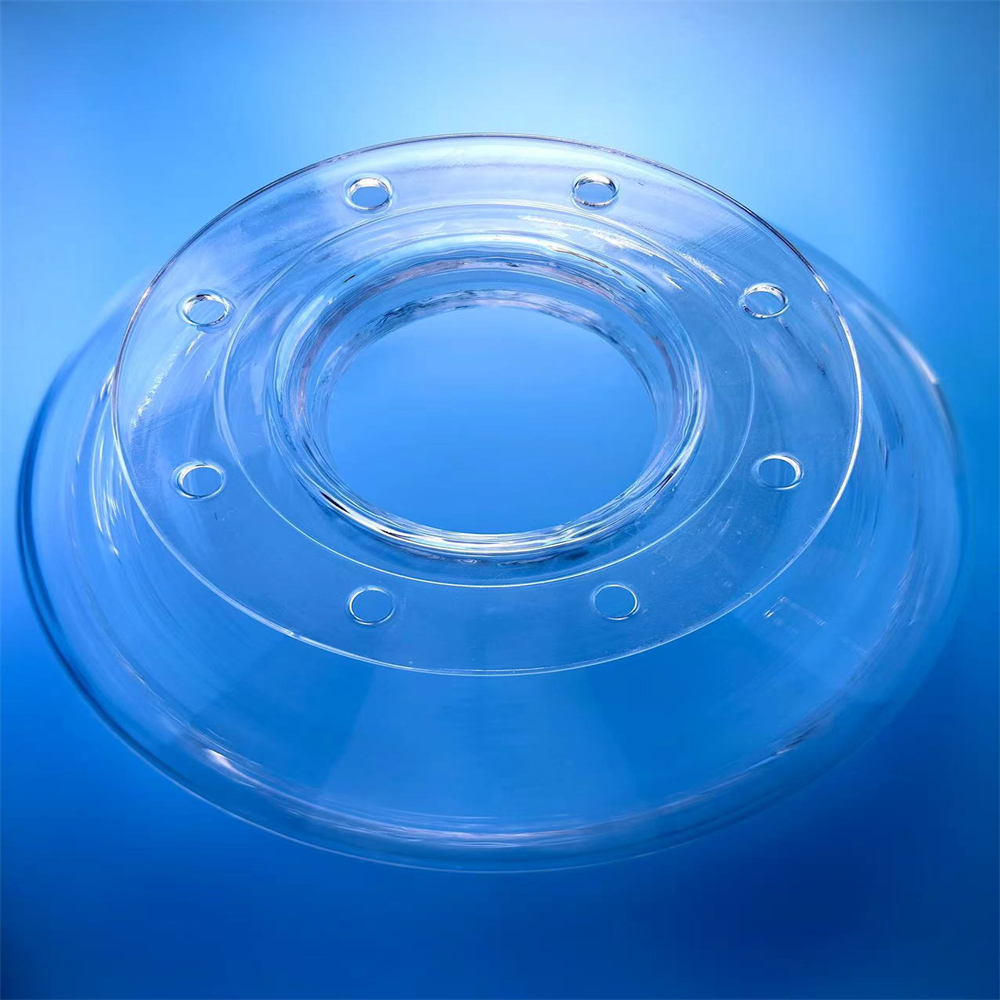
Customize Size Thickness Twin Tube Clear High Purity Flange Quartz Tube
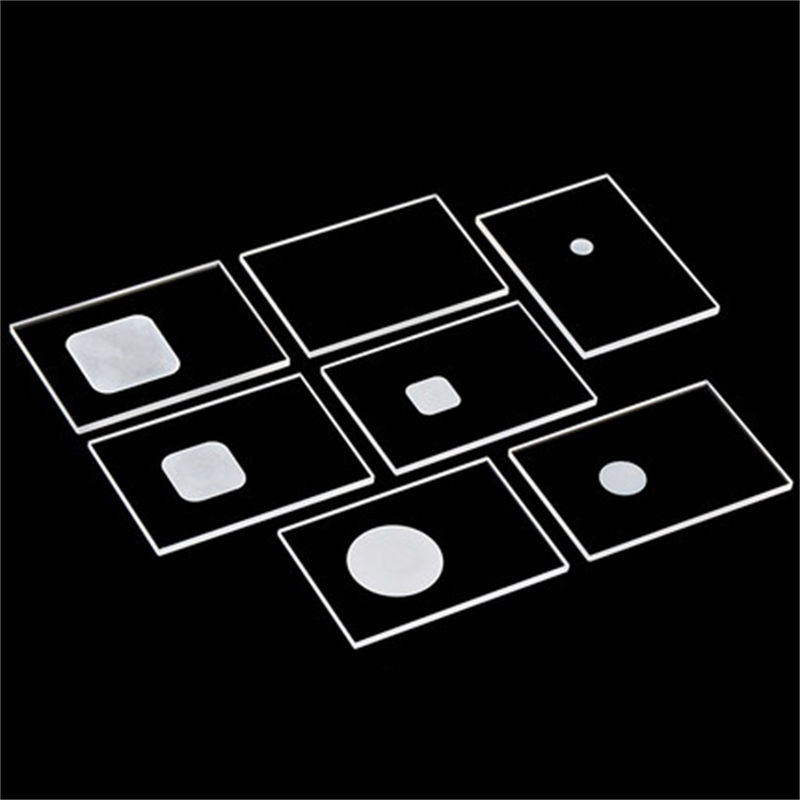
High Temperature Fused Quartz Glass Sheet for XRD Sample Tank Testing Carrier
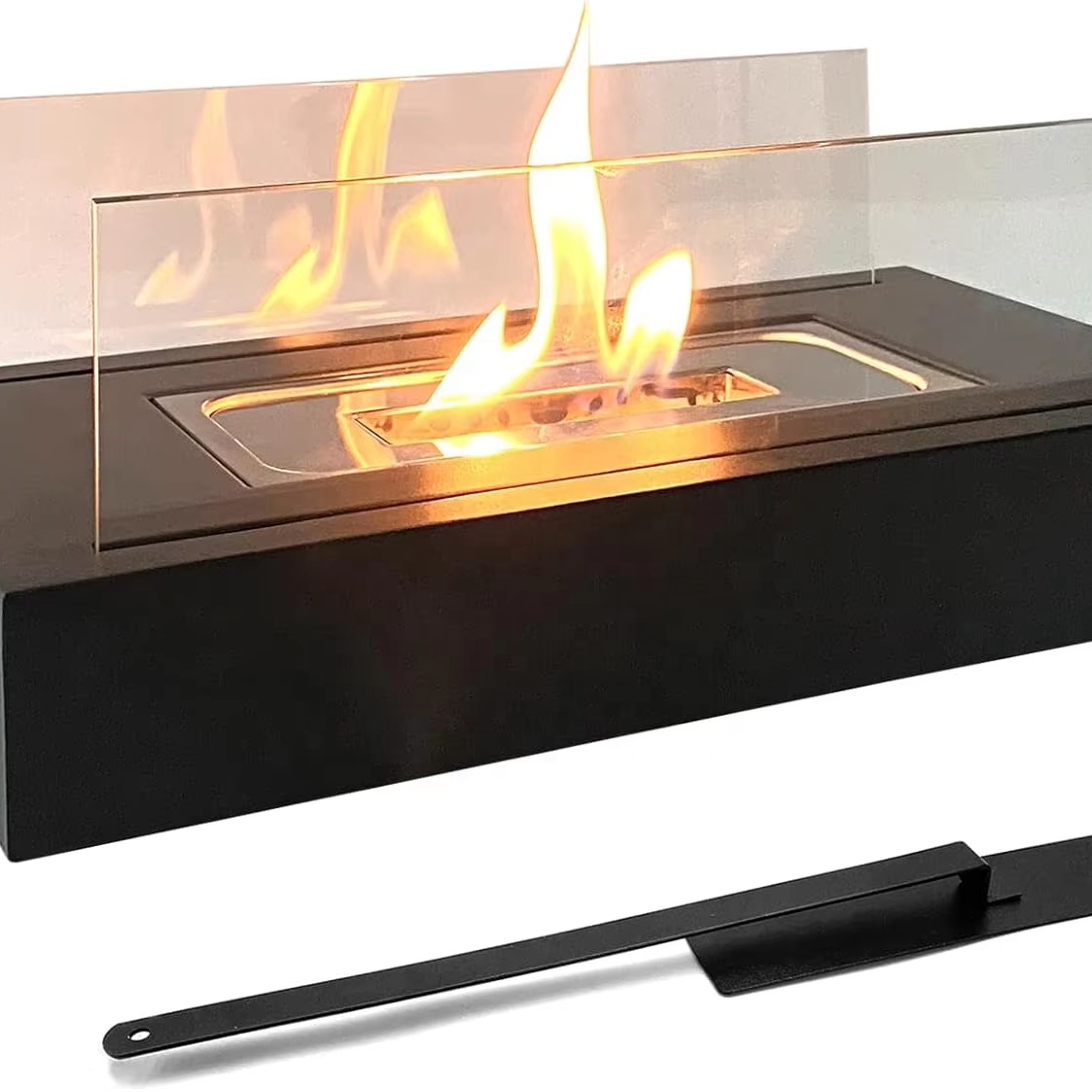
Factory Customization Clear Transparent High Precision Optical Grade Quartz Glass
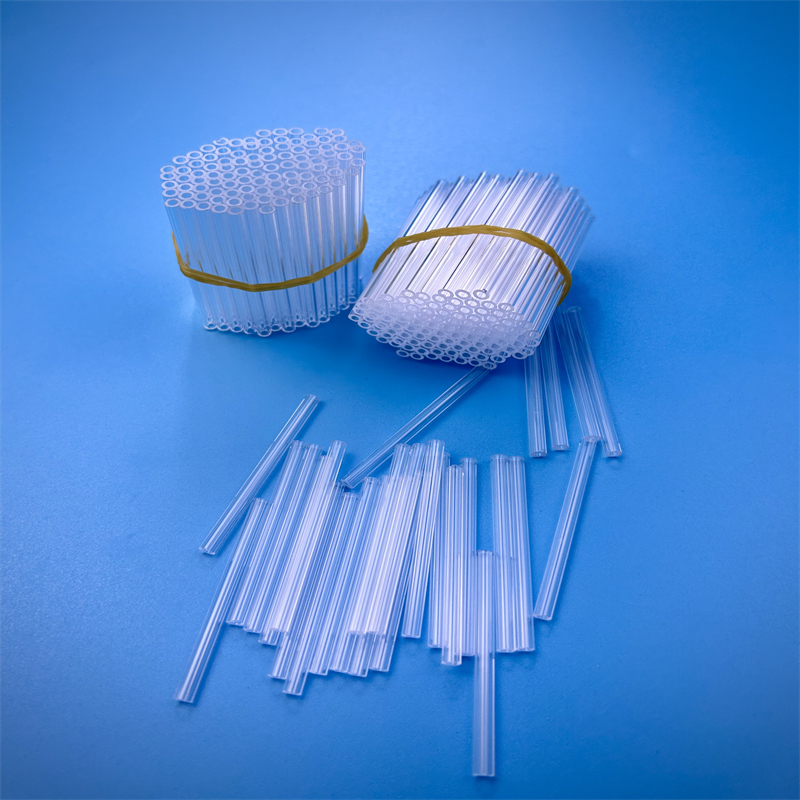
High Quality Transparent U-Bent Quartz Glass Tube Bending & Welding Services
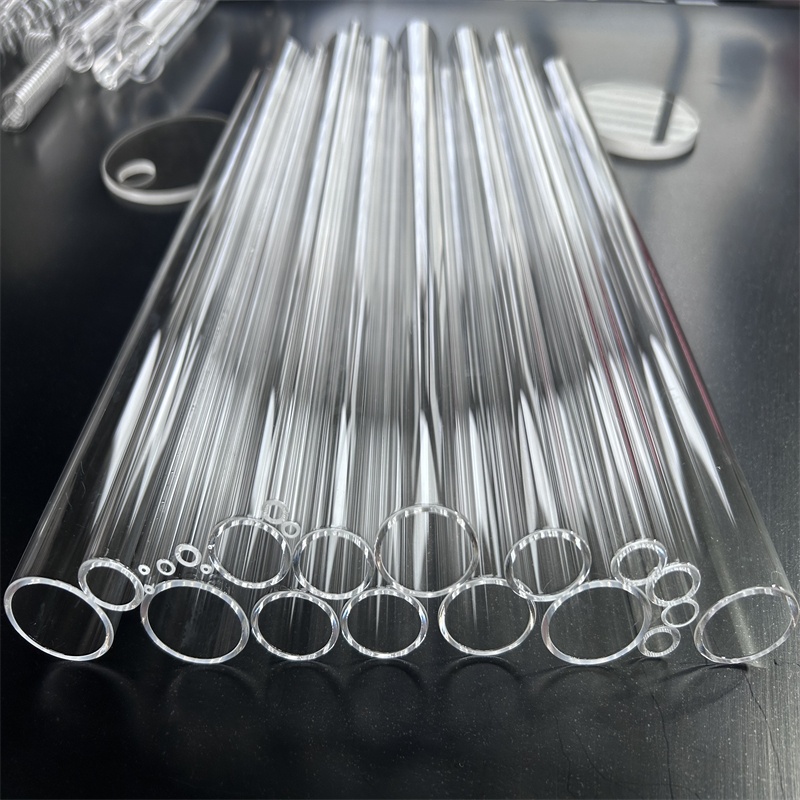
High Temperature Heat Resistant Clear 99.99% Pure Fused Quartz Twin Tube
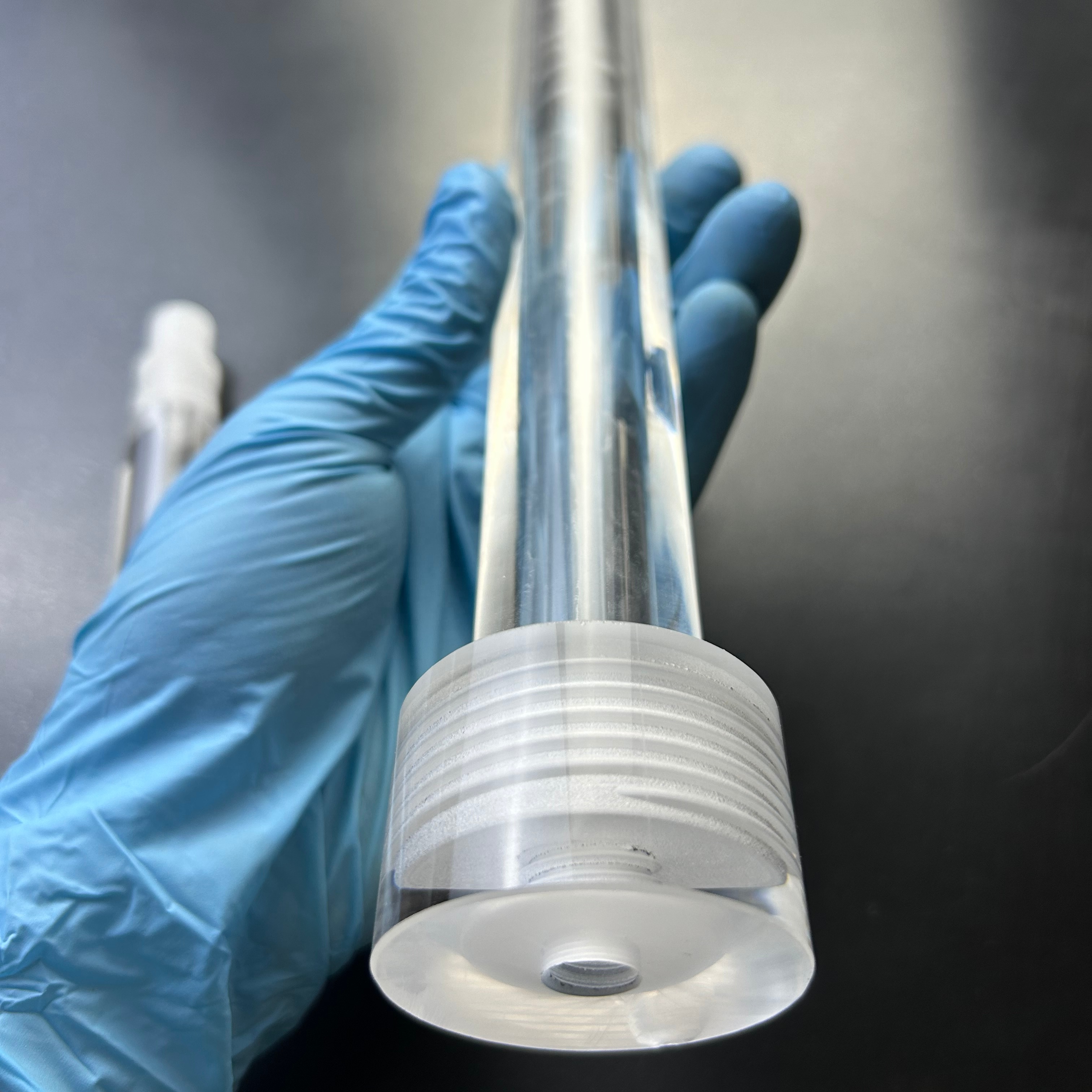
Customizable High Pressure Polished Clear 99.99% Pure Quartz Glass Twin Tube
High-Purity Fused Quartz & Silica Substrates for Harsh Environments
A comprehensive examination of thermo-mechanical robustness, optical transmissivity, and structural integrity under high hydrostatic pressure.
In demanding industrial geography such as St. John’s, Newfoundland and Labrador, standard borosilicate or optical soda-lime glass frequently falls short under the intersecting stresses of near-freezing subsea marine exposure, aggressive chemical saline contact, and rapid downhole thermal differentials. As an original equipment manufacturer based in Donghai County—the epicenter of China’s high-purity silica mineral cluster—Lianyungang Zelvo Quartz Products Co., Ltd. produces optical-grade fused quartz (JGS2), synthetic UV-grade fused silica (JGS1), and infrared-grade quartz (JGS3) substrates engineered to exceed the rigorous operational parameters demanded by North Atlantic marine science, offshore exploration, and aerospace engineering.
The defining parameter of our fused quartz substrate manufacturing is the stringent control of trace metal contaminations and hydroxyl (-OH) radical concentrations. With an absolute silicon dioxide (SiO₂) content exceeding 99.99% (4N) to 99.999% (5N), Zelvo quartz substrates feature a virtually zero thermal expansion coefficient (5.5 × 10⁻⁷ /K between 20°C and 320°C). This allows deep-sea oceanographic sensing devices and offshore sight-glass apparatus deployed off the Grand Banks to endure sudden thermal shocks from sub-zero North Atlantic surface air down to deep hydrostatic pressures without structural crazing, micro-cracking, or wavefront aberration.
| Material Property | High-Purity Fused Quartz (JGS2) | Synthetic Fused Silica (JGS1) | Borosilicate Glass (Pyrex/Duran) | Sapphire Crystal (Al₂O₃) |
|---|---|---|---|---|
| SiO₂ / Chemical Purity | ≥ 99.99% SiO₂ | ≥ 99.999% Synthetic SiO₂ | ~81% SiO₂, 13% B₂O₃ | ≥ 99.99% Al₂O₃ |
| Thermal Expansion Coeff. (20–300°C) | 0.55 × 10⁻⁶ /K | 0.52 × 10⁻⁶ /K | 3.3 × 10⁻⁶ /K | 5.8 × 10⁻⁶ /K |
| Max Working Temp (Continuous / Peak) | 1100°C / 1300°C | 1150°C / 1350°C | 450°C / 500°C | 1800°C / 2000°C |
| Spectral Transmission Band | 220 nm – 2500 nm | 185 nm – 2500 nm (Deep UV) | 350 nm – 2000 nm | 170 nm – 5500 nm |
| Compressive Strength | 1150 MPa | 1100 MPa | 700 MPa | 2000 MPa |
| Hydrostatic Shock & Salt Corrosion | Extreme / Impervious | Extreme / Impervious | Moderate / Susceptible | High / Hard to Machine |
| Refractive Index (nd @ 589.3 nm) | 1.458 | 1.458 | 1.470 | 1.768 (Birefringent) |
Unlike crystalline sapphire, which exhibits optical birefringence and requires specialized crystallographic axis orientation (C-cut) at prohibitive fabrication expense, fused quartz substrates are completely isotropic. They preserve the polarization states of underwater LiDAR systems, high-speed photonic transceivers, and laser absorption spectrometers without introducing optical artifacts. Furthermore, our proprietary double-sided planetary grinding and chemical-mechanical polishing (CMP) ensure a surface roughness of Ra ≤ 0.5 nm, scratch-dig specifications down to 20/10, and flatness values up to λ/10 per inch at 632.8 nm.
Localized Applications Across St. John's Core Sectors
Enabling cutting-edge performance from the laboratories of Memorial University to the deepwater energy corridors of the Jeanne d’Arc Basin.
Subsea Robotics & AUV Optical Windows
Marine research centers at Holyrood and St. John's port develop AUVs and ROVs requiring high-pressure sight windows. Zelvo thick-walled quartz plates withstand up to 60 MPa hydrostatic pressure at depths exceeding 4,000 meters while transmitting undistorted optical vision.
Offshore Oil & Gas Instrumentation
Operating across Hibernia, Hebron, and White Rose platforms demands downhole optical sensors and XRD sample holders immune to hot sulfurous crude, brine, and high-pressure steam. Our 99.99% pure quartz substrate prevents hydrogen darkening and maintains chemical passivity.
Academic & Naval Architecture Research
Supporting physical oceanography and cold-ocean engineering at Memorial University of Newfoundland (MUN) and the Marine Institute (MI). Our custom quartz capillary tubes, BET sample cells, and slotted XRD substrates deliver zero background contamination during spectroscopic trials.
Cold-Ocean Environmental Sensing
Continuous monitoring of North Atlantic waters requires UV fluorometers for microplastic, hydrocarbon, and phytoplankton detection. Our JGS1 fused silica substrates offer >90% transmission down to 200 nm, enabling deep UV laser excitation without autofluorescence interference.
Emerging Industry Trends Shaping St. John's Quartz Demand
How the green energy transition, autonomous maritime technology, and Atlantic ocean intelligence are redefining material procurement standards.
1. Expansion of Autonomous Subsea Monitoring
Atlantic Canada is accelerating investment through Canada’s Ocean Supercluster. Autonomous underwater gliders and uncrewed surface vessels (USVs) operating year-round in iceberg-laden North Atlantic waters require rugged optical substrates that resist bio-fouling, saline etching, and ice-slurry abrasion without losing laser transmissive properties.
2. Green Hydrogen & Offshore Wind Influx
With Newfoundland's burgeoning multi-billion dollar green hydrogen and wind energy corridor (such as Project Nujio'qonik), electrolytic research and fuel-cell testing setups require customized quartz reactor tubes, quartz gas bubblers, and twin-tube infrared heating arrays designed for zero thermal degradation up to 1100°C.
3. Direct-from-Source Rapid Prototyping
R&D engineering units in St. John's are pivoting away from slow domestic middleman distributors. Local ocean-tech incubators demand direct digital engagement with primary Chinese manufacturing specialists who offer drawing-to-part CAD validation, rapid CNC ultrasonic slicing, and strict 1-piece sample minimums with air-express dispatch.
Why St. John's Engineers Partner with Zelvo Quartz
Combining Donghai’s raw crystal supremacy with modern CNC laser micro-machining and rigorous export-grade verification.
Lianyungang Zelvo Quartz Products Co., Ltd.
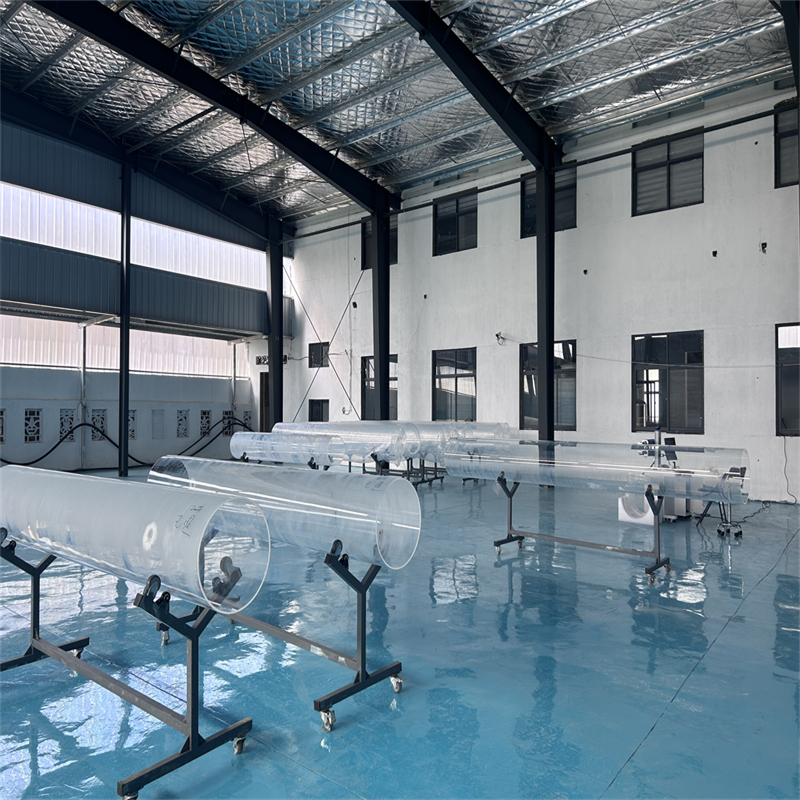
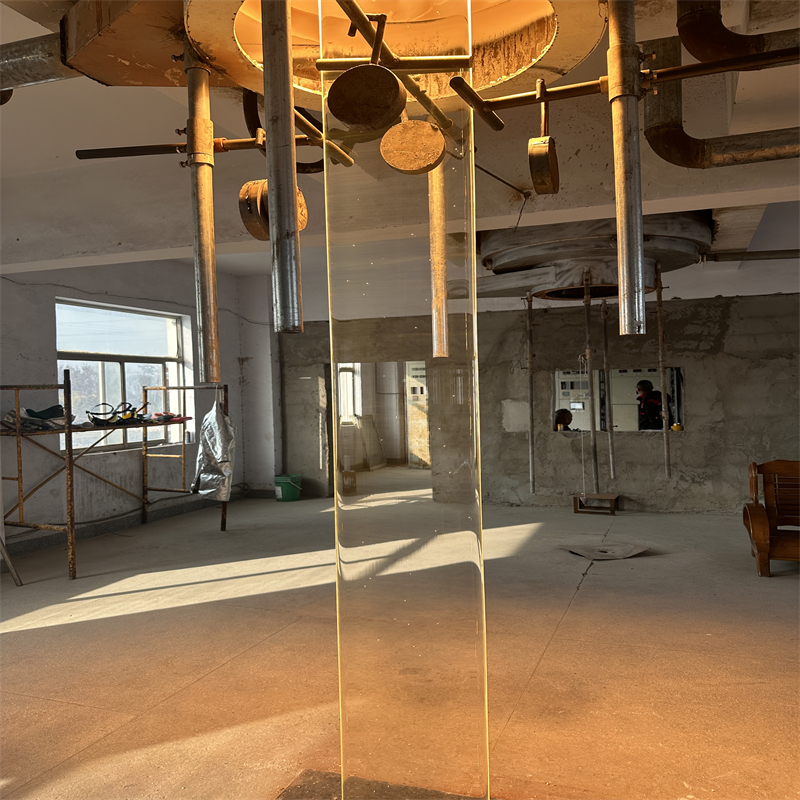
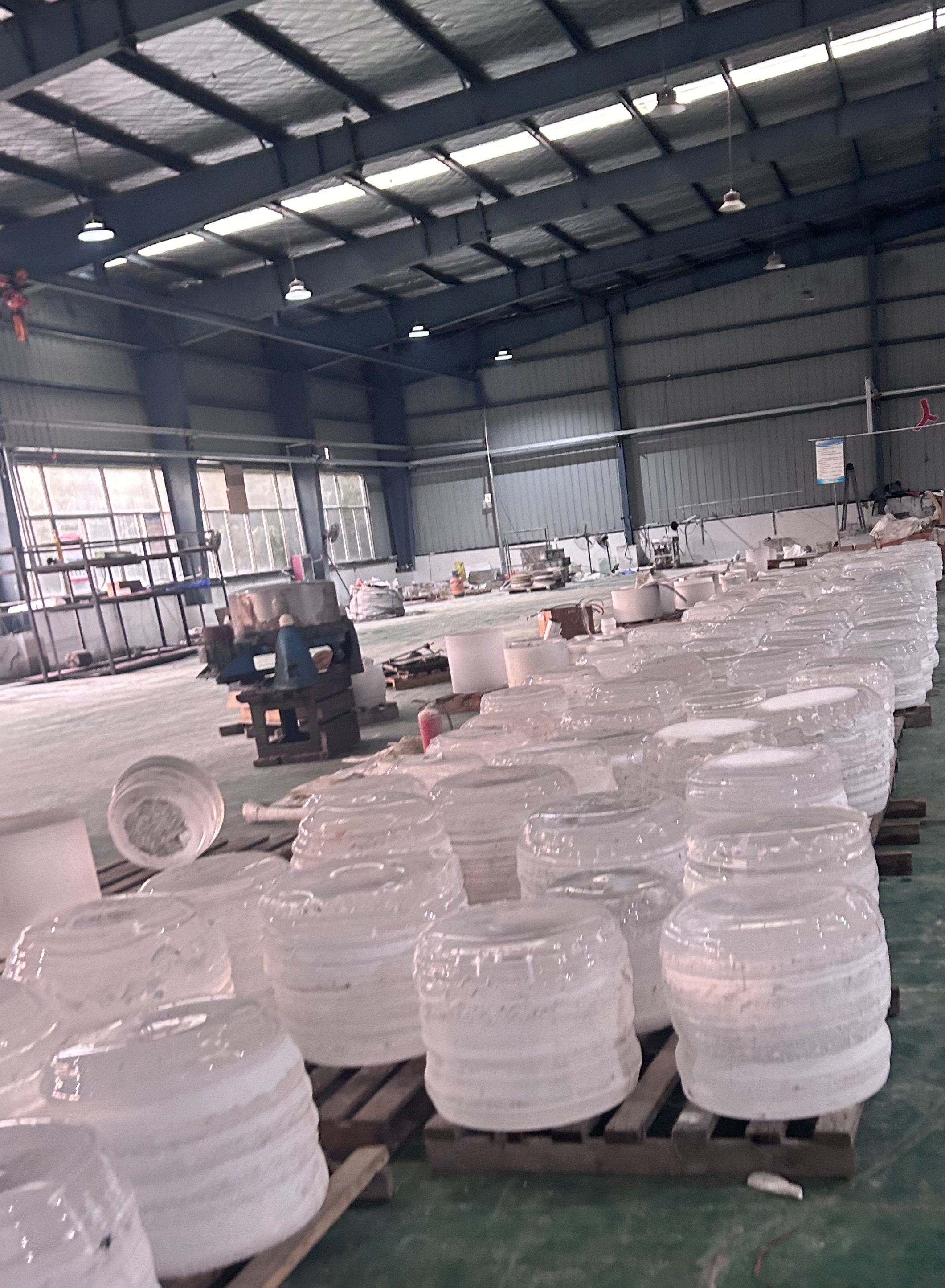
Situated at the heart of China's "Crystal Capital" in Donghai County, Jiangsu, Zelvo Quartz bridges the gap between raw high-purity natural silica sand resources and ultra-precise scientific component fabrication. Our production ecosystem integrates computerized double-sided polishing machines, CO₂ laser precision cutting and drilling benches, ultrasonic CNC milling tools, and dedicated hydrogen-oxygen glassblowing lathe suites.
Every component dispatched to Newfoundland undergoes thorough interferometric optical flat testing, spectrophotometer ultraviolet-visible transmission sweeps, and polarized light strain examinations to verify zero internal residual stress and bubble-free structural uniformity.
Frequently Asked Questions by St. John’s Buyers
Clear, direct answers regarding custom machining tolerances, Canadian tariff logistics, packaging standards, and cold-ocean deployment.
How do Zelvo quartz substrates handle rapid thermal shock in cold Atlantic seawater?
Because our fused quartz features an exceptionally low coefficient of thermal expansion (5.5 × 10⁻⁷ /K), it can be heated to 1100°C and plunged directly into near-freezing North Atlantic seawater (0°C to 4°C) without cracking or shattering. Borosilicate and ordinary optical glasses experience instantaneous thermal catastrophic failure under identical conditions.
What is the typical shipping transit time and damage prevention protocol for St. John’s?
For research prototypes and urgent OEM replacement windows, we provide expedited international air-express courier service (DHL/FedEx/UPS) reaching St. John's International Airport (YYT) in 5 to 8 business days. Each quartz plate or tube is encapsulated in dust-free film, cushioned within high-density form-cut foam, and encased in reinforced wooden export cases with shock-tilt indicators.
Can you manufacture directly from CAD models with an MOQ of just 1 piece?
Yes. We routinely fabricate one-off custom prototypes, bespoke oceanographic sight flanges, and experimental XRD slotted chips for universities and innovative engineering startups. Clients simply submit .STEP, .DWG, or detailed dimensional PDF drawings, and our engineering desk will confirm manufacturing feasibility, tolerances, and pricing within two hours.
Which Incoterms and payment terms are supported for Canadian orders?
We support DDP (Delivered Duty Paid to your laboratory door in St. John’s or Mount Pearl), DAP, CIF, and FOB terms. We supply all customs commercial invoices, HS commodity codes (typically 7002.31 or 7002.39), and certificate of origin documents. Payment options include wire transfer (T/T), PayPal, Credit Card, and LC, accepting CAD and USD currencies.
How does fused quartz compare against sapphire in subsea optical viewports?
While sapphire offers slightly higher scratch resistance, it is an anisotropic crystal with optical birefringence, which distorts polarized LiDAR and laser sensors. Fused quartz is completely amorphous and isotropic, providing homogenous light transmission from UV to near-infrared, zero polarization interference, and significantly lower cost—especially for diameters over 50 mm.
What surface roughness and dimensional tolerances can you guarantee?
Our standard precision tolerance is ±0.05 mm on diameter and thickness, with ultra-precision CNC grinding achieving ±0.01 mm upon request. Optical polish surfaces achieve a scratch-dig standard of 40/20 or 20/10, with surface roughness Ra ≤ 0.5 nm and parallelism ≤ 10 arcseconds, verified through laser interferometric quality documentation.
Accelerate Your Project with Custom Quartz Engineering
Send us your dimensional drawings, temperature requirements, or subsea pressure specs. Our engineering desk in Donghai will review feasibility, recommend suitable material grades, and provide an official quotation within 2 hours.