High-Purity Quartz Glass & Optical Substrates for European Systems
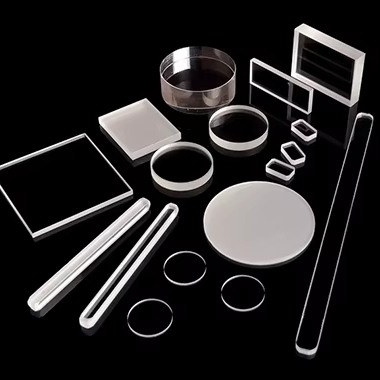
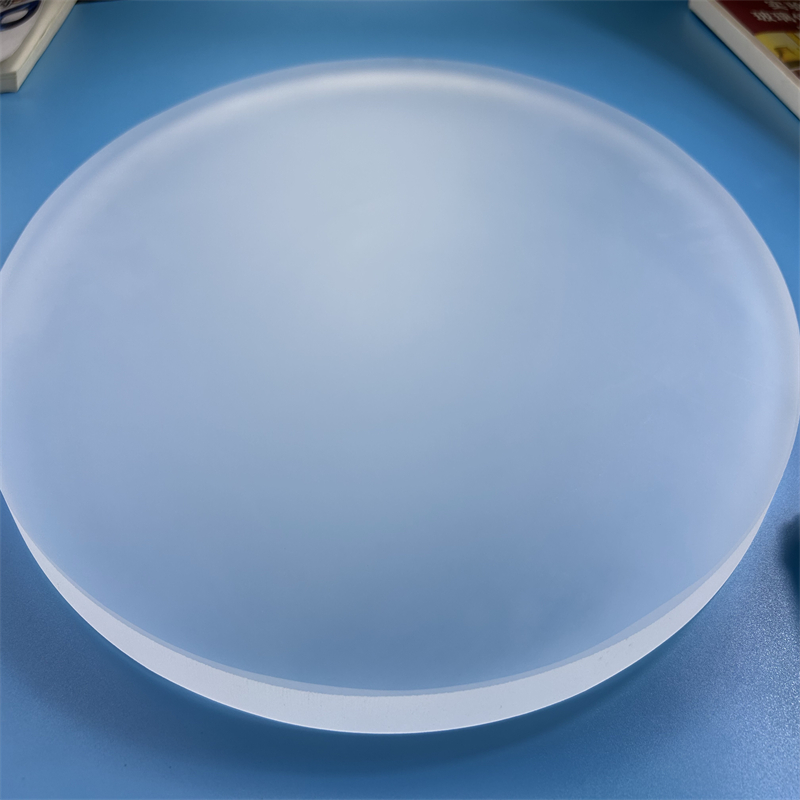
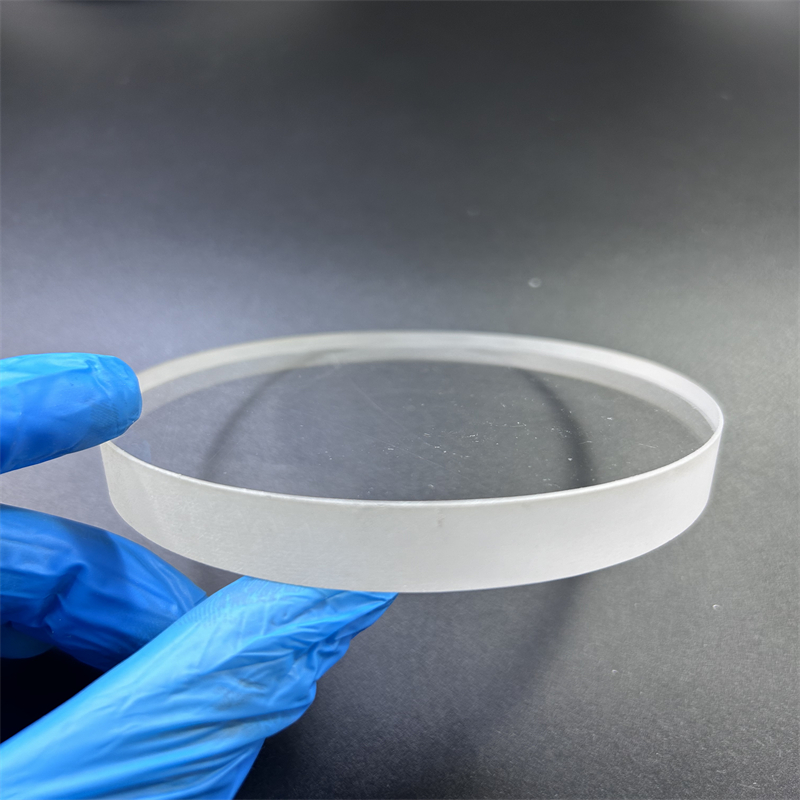
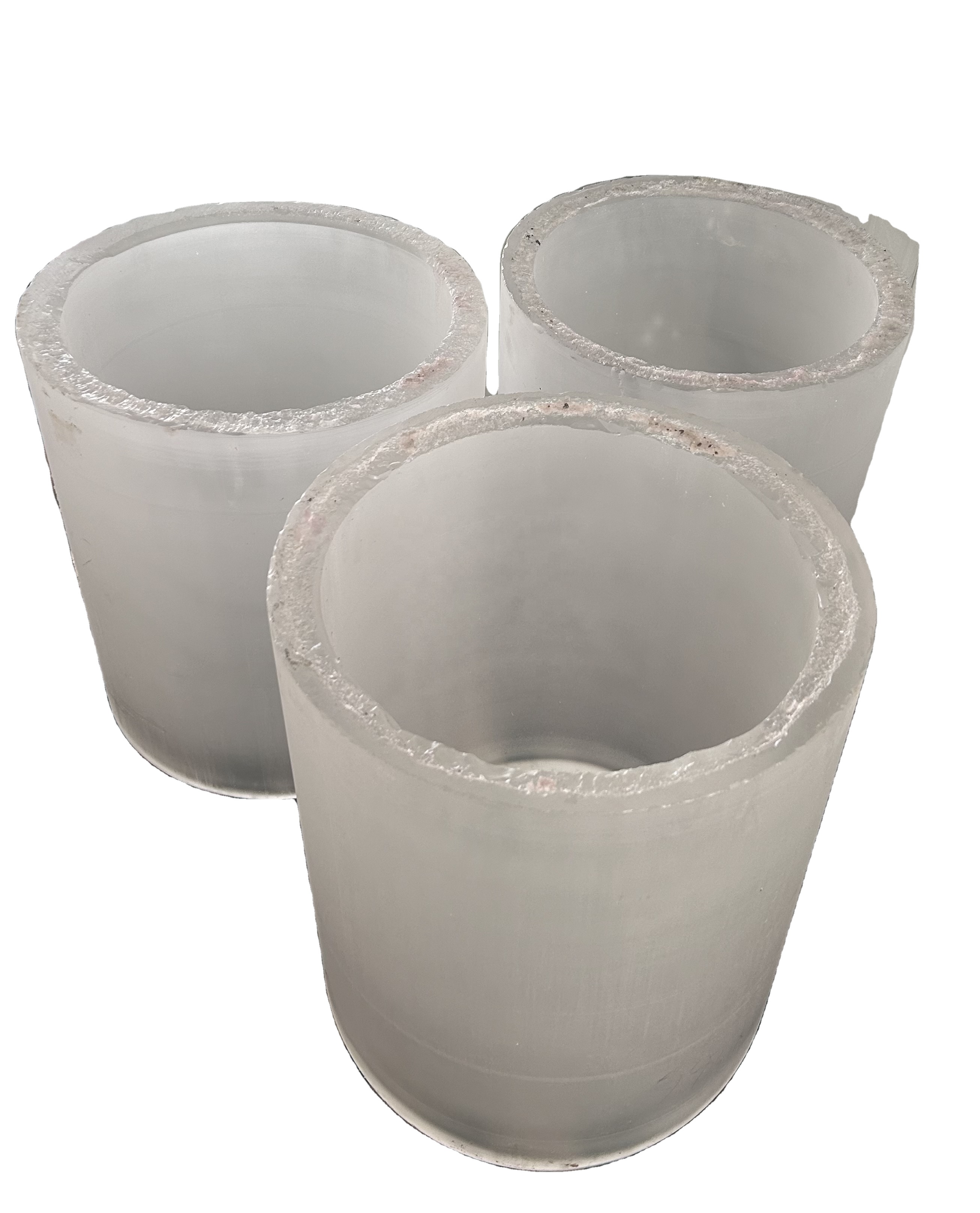
Manufactured in Donghai County (China’s Crystal Capital) with ≥99.99% SiO2 purity, laser-cut precision, flame-polished optical ends, and verified thermal durability up to 1200°C.
Optical Physics, Total Internal Reflection & Purity Criteria for Quartz Light Guides
Why Catalonia’s optoelectronic developers, laser system integrators, and clinical device builders are transitioning to direct OEM fused silica fabrication partnerships in China.
Total Internal Reflection (TIR) & Surface Finish
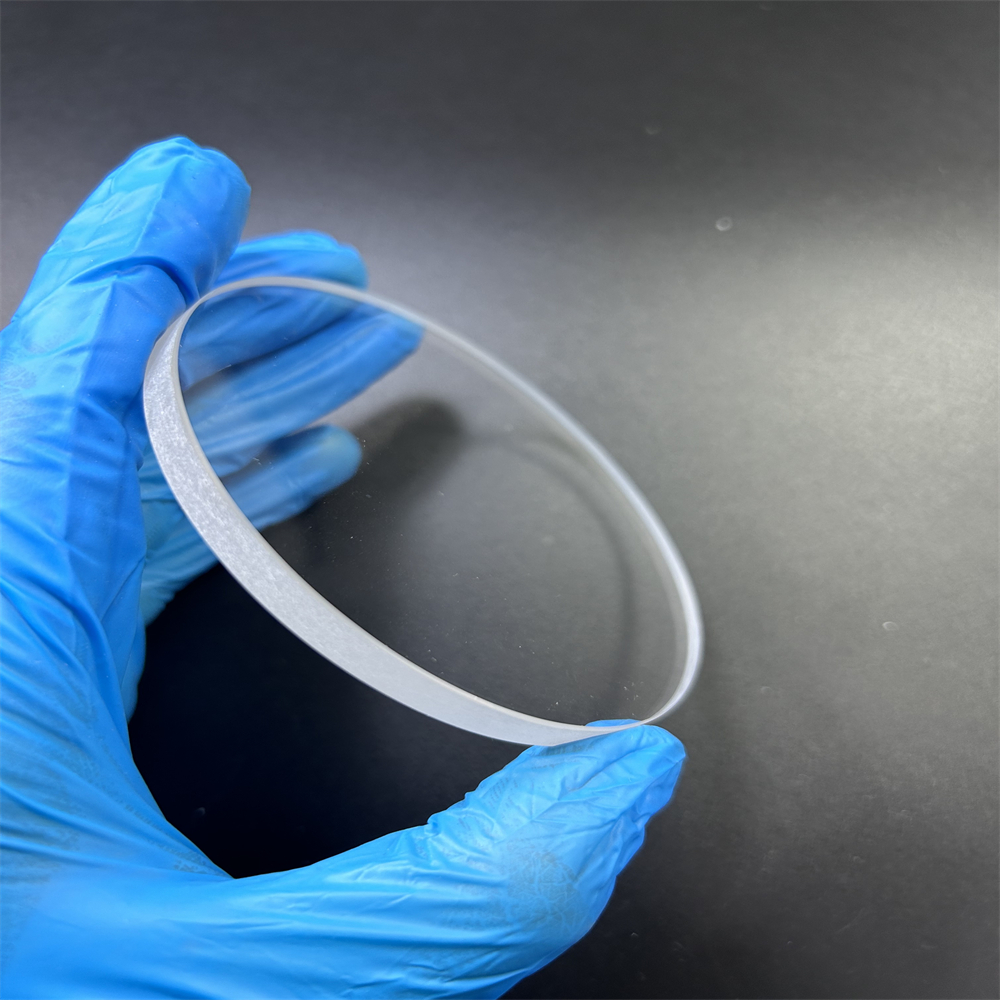
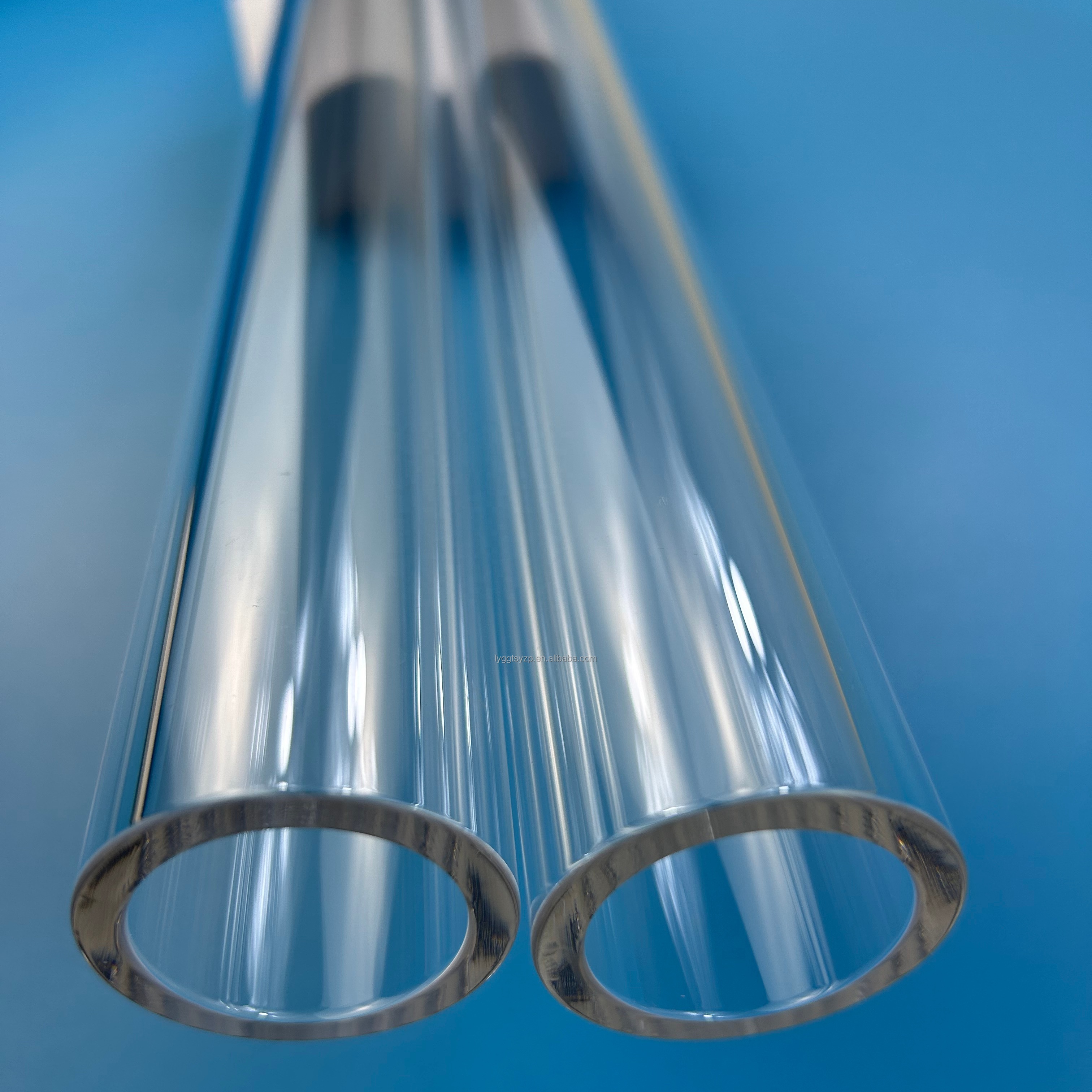
A quartz light guide relies fundamentally on total internal reflection to transport photons with minimal attenuation. For optical transmission in demanding laser illumination or medical endoscopy, the side walls must be polished to extreme tolerances (scratch-dig 40-20 or 20-10, with micro-roughness Ra < 0.5 nm). Surface micro-imperfections lead to premature photon scattering and localized beam degradation. Our computerized flame polishing and mechanical slurry lap procedures preserve numerical aperture integrity across lengths up to 1200 mm.
Hydroxyl (OH⁻) Density & Spectral Windows
Optical quartz is governed by trace chemical compositions. For Deep Ultraviolet (DUV) applications common in Barcelona’s academic lithography and fluorescence spectroscopy (190 nm – 380 nm), synthetic high-OH silica (JGS1 equivalent, OH > 1000 ppm) eliminates UV solarization defects and color centers. Conversely, for near-infrared industrial Nd:YAG and Holmium/Thulium laser guides (1064 nm – 2100 nm), electrically fused low-OH quartz (<1 ppm OH⁻) avoids disastrous absorption bands at 1380 nm and 2200 nm.
Thermal Resilience & High Laser Damage Threshold
Industrial quartz possesses a negligible coefficient of thermal expansion (5.5 × 10⁻⁷ /K), rendering it virtually impervious to catastrophic thermal shock. In aesthetic dermatology handpieces (IPL) and high-fluence laser sintering in Martorell's automotive corridor, quartz light guides easily sustain localized thermal gradients exceeding 1000°C without mechanical failure or birefringence drift, exceeding the structural ceiling of standard N-BK7 or borosilicate alternatives.
Fused Quartz & Fused Silica Optical Grade Performance Matrix
Select the optimal substrate to match the wavelength requirements of Catalan photonics laboratories and industrial OEM integration.
| Optical Grade | Raw Material Origin | Useful Spectral Band | Hydroxyl [OH⁻] Content | Typical Transmittance (10mm) | Common Industrial Applications |
|---|---|---|---|---|---|
| JGS1 (Synthetic Silica) Deep UV | SiCl4 Vapor Synthesis | 185 nm – 2500 nm | 800 – 1200 ppm | ≥ 90% @ 200 nm (DUV) | Excimer laser delivery, ICFO research optics, ALBA synchrotron diagnostic ports, biomedical fluorescence. |
| JGS2 (Optical Grade) Standard UV-Vis | Refined Natural Rock Crystal | 220 nm – 2500 nm | 30 – 150 ppm | ≥ 92% @ 260–1800 nm | Dermatology IPL light blocks, industrial UV curing light pipes, spectrometer entrance optics, visual sensors. |
| JGS3 (Infrared Quartz) Near-to-Mid IR | Electric Arc Vacuum Fusion | 260 nm – 3500 nm | ≤ 5 ppm (Water-free) | ≥ 88% @ 2730 nm (IR peak) | CO2 / Fiber laser conduits (1064nm), pyrometry observation probes, high-temp furnace monitoring. |
| Corning 7980 / Suprasil Eq. Laser Ultra-Pure | Chemical Vapor Deposition | 190 nm – 2100 nm | < 100 ppm / custom | ≥ 99.8% internal transmission | High-energy pulsed laser conduits, wavefront interferometers, aerospace optical payloads. |
Localized Application Scenarios in Barcelona’s Innovation Ecosystem
Precision-machined fused quartz solutions tailored to the specific operational environments of Barcelona’s primary technology clusters.
1. Synchrotron & Quantum Physics: ALBA & ICFO
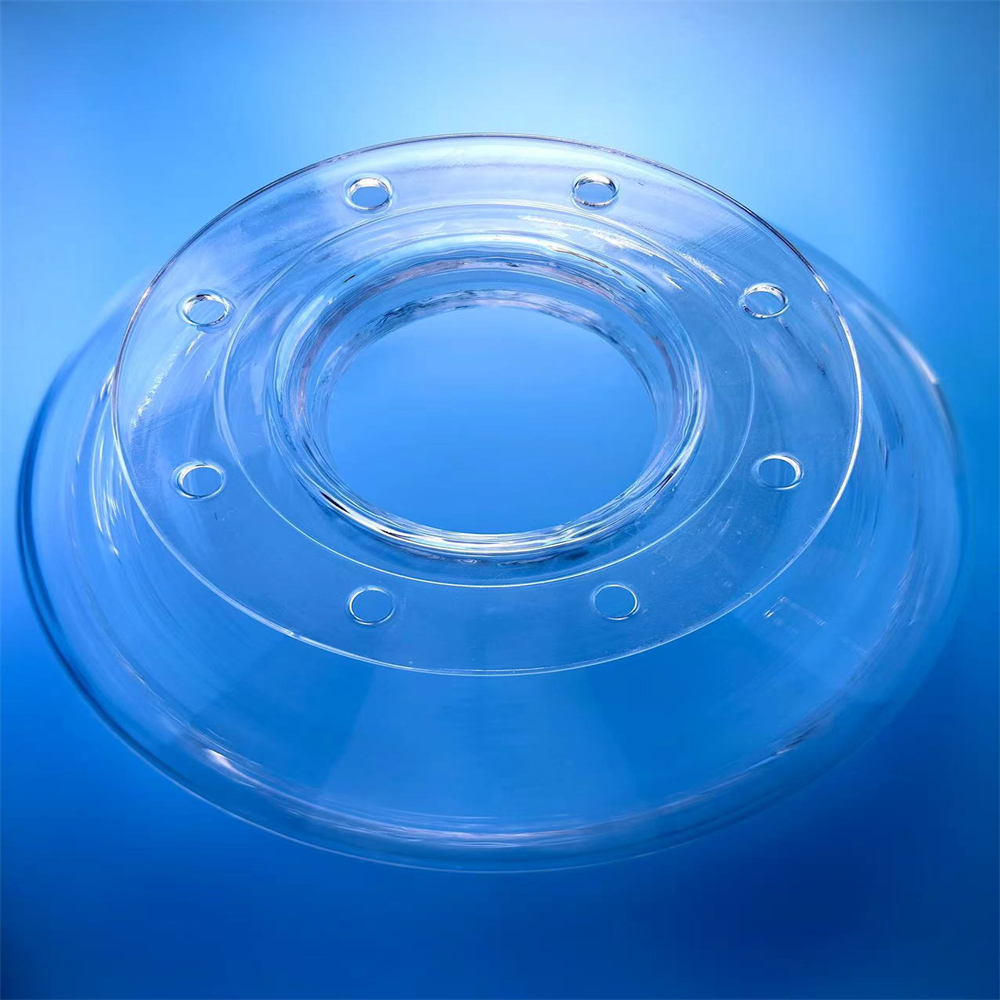
The ALBA Synchrotron Light Source (Cerdanyola del Vallès) and the ICFO - Institute of Photonic Sciences (Castelldefels Mediterranean Technology Park) operate at the frontier of quantum optics and X-ray beamlines. These facilities demand custom-geometry quartz light conduits, ultra-flat optical windows (λ/10 surface precision), and extreme UV-grade fused silica light pipes with zero fluorescence background and exceptional vacuum-brazed flange interfaces.
2. Biopharma, Clinical & Aesthetic Optics: Vall d'Hebron Hub
Barcelona’s biomedical corridor—anchored by the Parc de Recerca Biomèdica (PRBB) and elite medical research centers around Vall d'Hebron and Hospital Clínic—relies heavily on quartz optics for flow cytometry, microfluidic light channels, and laser-assisted surgical tools. In aesthetic medicine, Catalonia's thriving cosmetic device manufacturing cluster requires sapphire-coated and monolithic fused quartz light guide blocks for Intense Pulsed Light (IPL) skin rejuvenation handpieces.
3. Microelectronics & Cleanroom UV: 22@ District
Within Barcelona’s 22@ innovation district and the growing Southern European semiconductor initiatives, fused quartz light guides serve as homgenizing integrating rods for photolithography illumination, wafer inspection stages, and automated optical inspection (AOI) lines. Our high-homogeneity rods transform non-uniform LED and arc lamp profiles into flat-top illumination fields with >98% spatial beam uniformity.
4. Automotive Laser Integration: Martorell Industrial Belt
The automotive industrial base surrounding Martorell and the Baix Llobregat area integrates high-power robotic laser welding, headlamp polymer curing, and LiDAR sensor calibration. Solid quartz light guide rods deliver multi-kilowatt laser energy in harsh shop-floor conditions where ambient temperatures and vibration would fracture conventional plastic optical fibers or standard soda-lime glassware.
5. Renewable Energy & Solar Simulation: IREC
The Catalonia Institute for Energy Research (IREC) in Sant Adrià de Besòs requires extreme optical clarity for solar simulator concentrator tubes, twin-bore quartz heaters, and high-flux light guides. These components transfer simulated AM1.5 solar spectra without spectral absorption valleys, assisting Catalan researchers in developing next-generation perovskite-silicon tandem photovoltaic cells.
6. Advanced Chemical Synthesis & Environmental Monitoring
Across the chemical processing plants of the greater Catalonia coastline and environmental water testing laboratories along the Besòs and Llobregat river basins, chemical-resistant quartz tubes and cuvette light guides facilitate real-time in-line UV-Vis absorption spectroscopy, unaffected by continuous exposure to fuming nitric, hydrochloric, or organic solvents.
Sourcing Trends Across Barcelona & Southern European Markets
How shifting geopolitical, procurement, and prototyping requirements are reshaping relationships between Spanish buyers and Chinese factories.
Elimination of European Reseller Markups
For decades, Spanish labs acquired Chinese quartz optics through German, Swiss, or UK optical distributors, incurring markups between 250% and 400%. Direct-to-factory communication enables engineers to secure Tier-1 Donghai manufacturing prices while working directly with factory glass machinists.
Agile Prototyping (1-Piece MOQ)
Horizon Europe and Catalan regional grant programs (such as ACCIÓ) operate on tight sprint cycles. European tier-1 glass conglomerates typically impose prohibitive minimum orders or 16-week backlogs. Our 1-piece custom MOQ allows startups to validate optical prototypes in days.
Full CE, RoHS & REACH Compliance
Regulatory compliance is non-negotiable for medical and optoelectronic devices sold within the European Union. Our fused quartz substrates carry comprehensive chemical characterization documents verifying non-hazardous composition, zero prohibited heavy metals, and complete inertness.
Seamless DDP Freight to Port of Barcelona
Navigating Spanish customs (Aduanas) has historically created clearance bottlenecks. Zelvo Quartz provides streamlined DDP (Delivered Duty Paid) shipping via air express directly to Josep Tarradellas Barcelona-El Prat Airport (BCN) or ocean container logistics via the Port of Barcelona.
Why Barcelona Optics Engineers Partner With Zelvo Quartz
Combining the mineral resource advantages of Donghai County with precision five-axis CNC machining, laser core-drilling, and dedicated optical metrology.

Geographic Raw Material Superiority
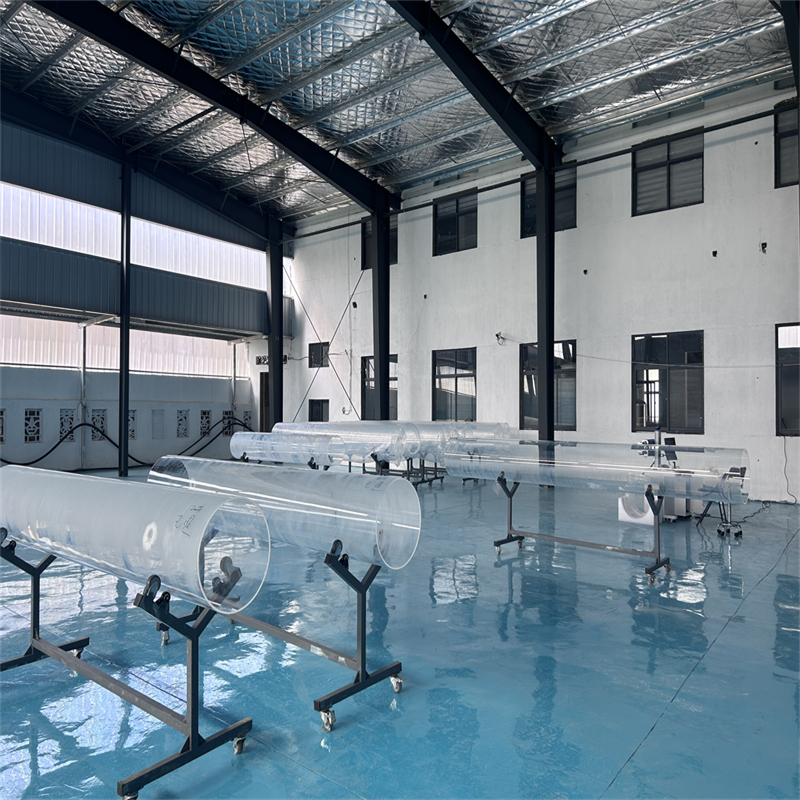
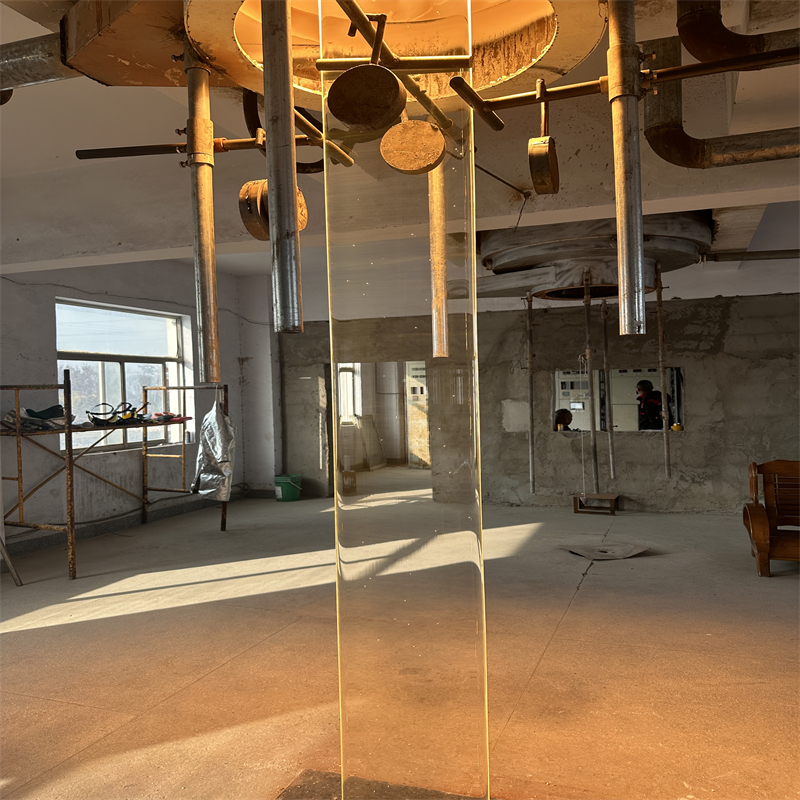
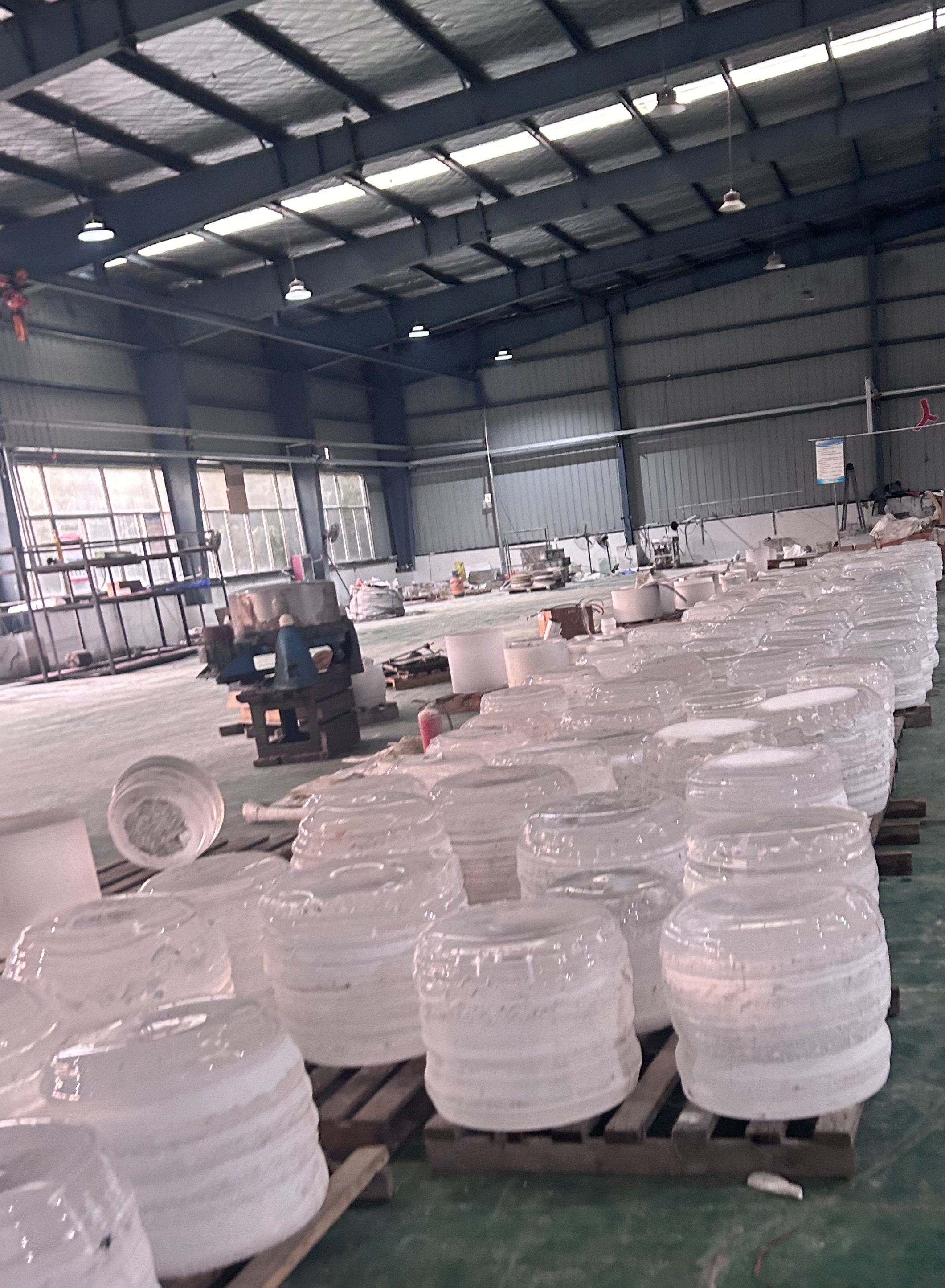
Situated in Donghai County, Jiangsu—widely recognized as the "Crystal Capital of China"—Lianyungang Zelvo Quartz Products Co., Ltd. controls immediate upstream access to raw silica feedstock exceeding 99.99% purity. This native supply chain stability eliminates third-party raw material surcharges and guarantees consistent crystalline purity free from heavy metal contaminations.
Advanced Micro-Machining & Laser Core Drilling
Our workshop pairs senior glass blowers (each with over 10 years of flame-lathe master experience) with modern high-precision CNC equipment. We execute complex laser drilling, stepped edge profiles, micro-grooving, high-aspect-ratio light pipe boring, and precision prism angle grinding with angular tolerances held securely within ±0.05°.
Engineer-to-Engineer Agile Support
Communication friction delays complex optical development. Zelvo Quartz provides an average inquiry and engineering response time of ≤ 2 hours. Our bilingual export team directly evaluates your 2D/3D mechanical drawings (CAD, STEP, DXF), confirming feasibility, thermal dissipation tolerances, and raw material grades before quote issuance.
Frequently Asked Questions for Sourcing Quartz Optics to Barcelona
Direct, transparent answers regarding customs, logistics, technical parameters, and quality inspection.
What are the standard delivery lead times and customs arrangements for Barcelona?
How do you guarantee quartz light guides arrive without chips or transit fracture?
Can Zelvo Quartz manufacture light guides from our custom CAD/STEP files?
What is the difference between synthetic fused silica (JGS1) and natural quartz (JGS2) for light pipes?
What surface roughness and scratch-dig specifications can you achieve on optical rods?
What payment currencies and terms do you support for Spanish companies?
Request an Optical Feasibility Review & Factory Quote
Submit your CAD drawing, dimensional tolerances, and spectral requirements. Our senior optical glass engineers will review your specifications and provide formal feedback with factory pricing within 2 hours.