Engineered Fused Quartz Solutions for Critical Thermal Applications
Exporting high-dimensional tolerance, chemically inert, and optical-grade fused silica components from Donghai to engineering centers across Luxembourg City, Belval, and the Greater Region.
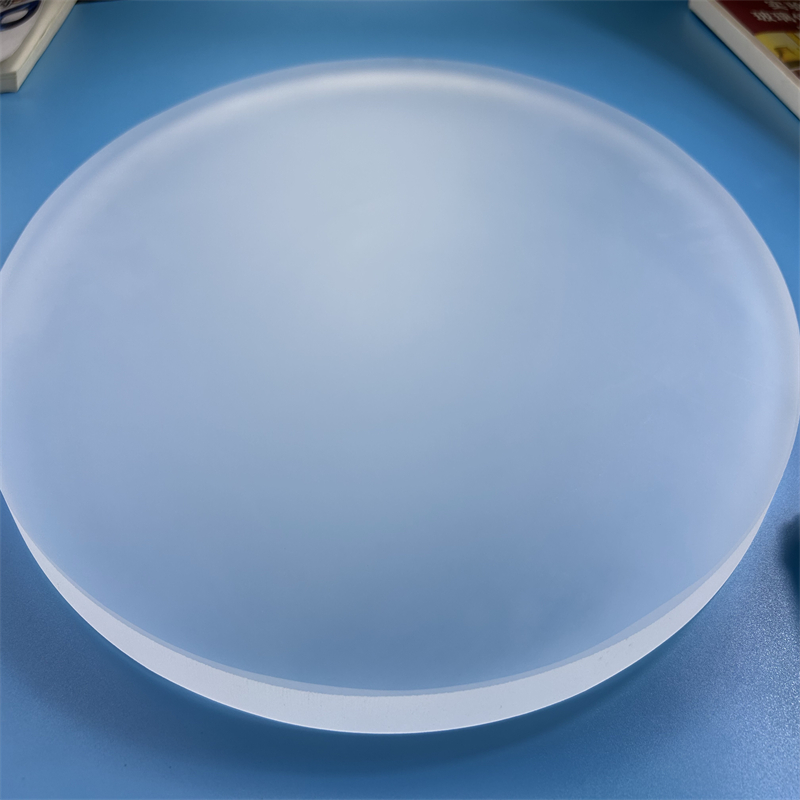
High Temperature Resistance Frosted Quartz Disc/Plate
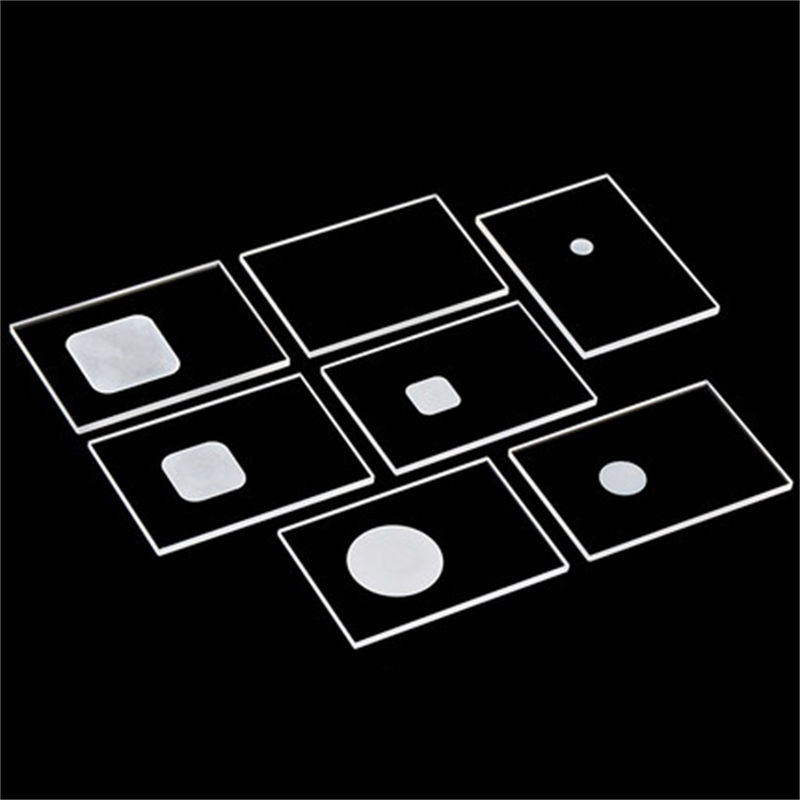
High Temperature Quartz Sheet for XRD Sample Carrier
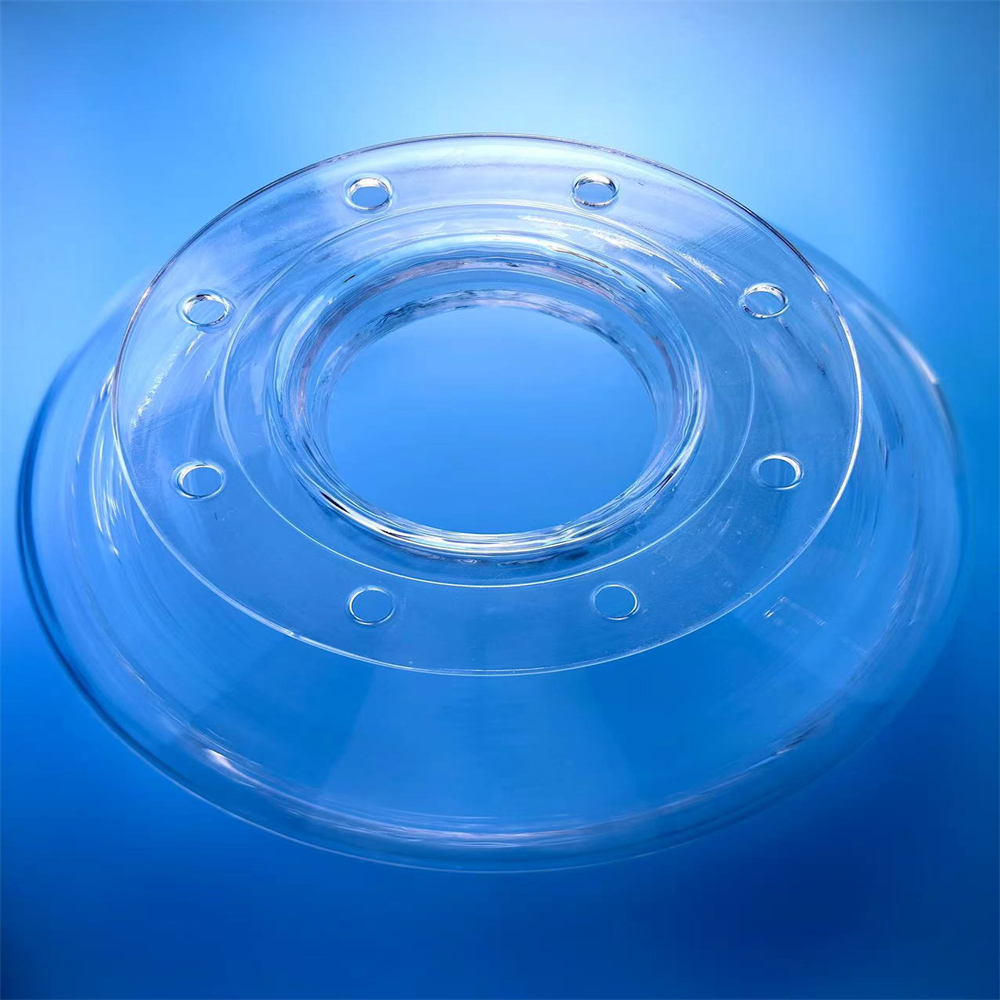
Custom High Purity Flange Twin Bore Quartz Tube
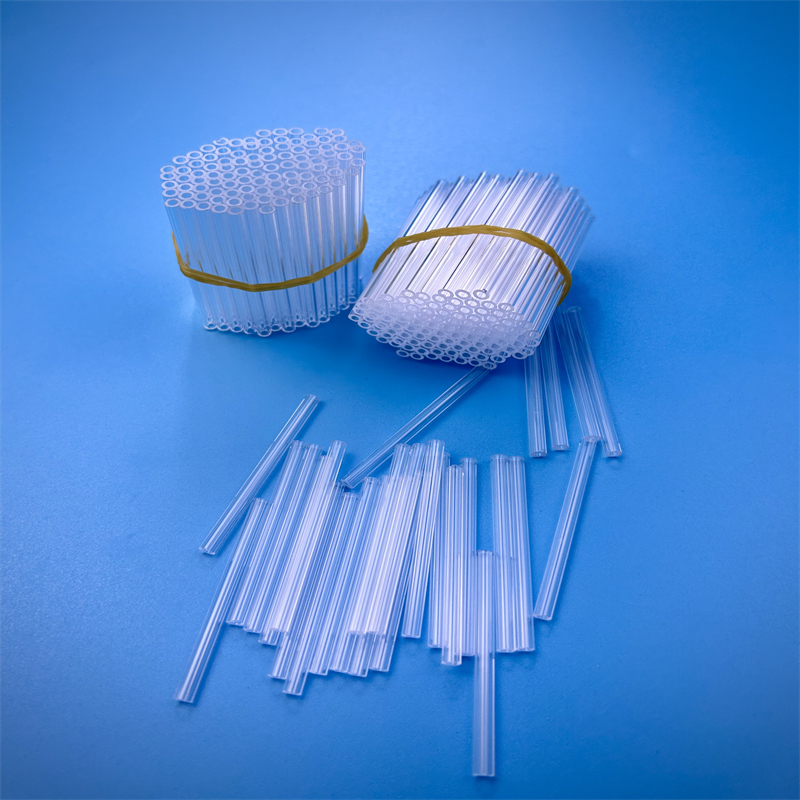
Transparent U-Bent Quartz Glass Heating Tube
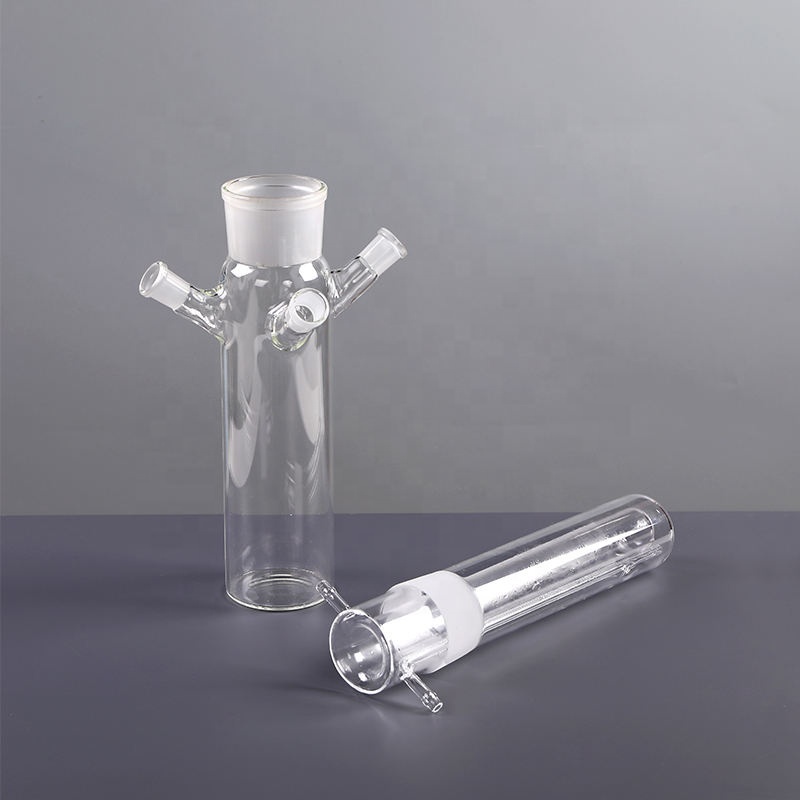
Photocatalytic Degradation Quartz Reactor Container
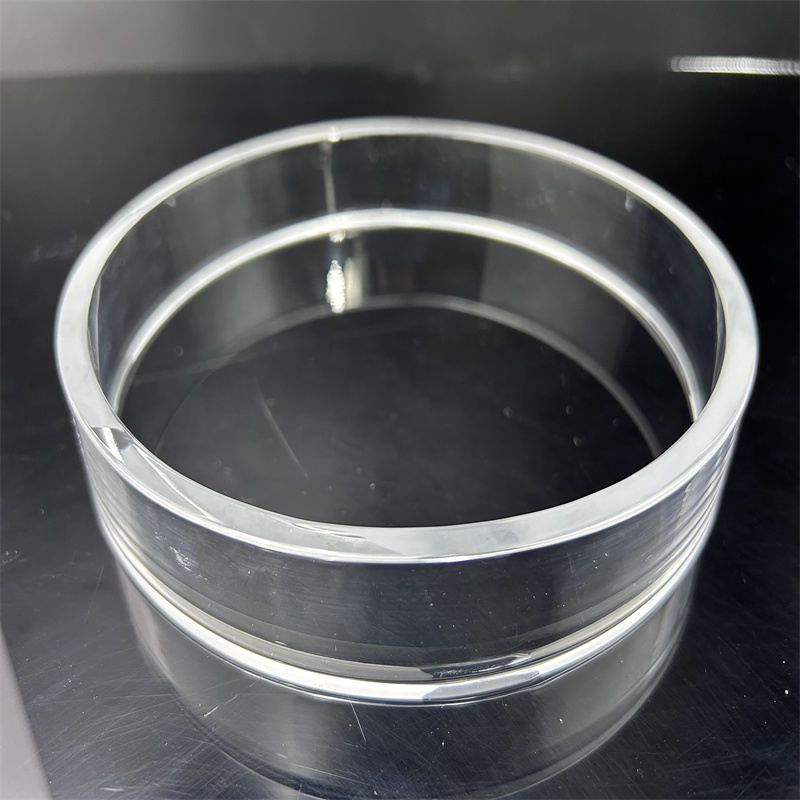
Corrosion-Resistant Semiconductor Quartz Bell Jar
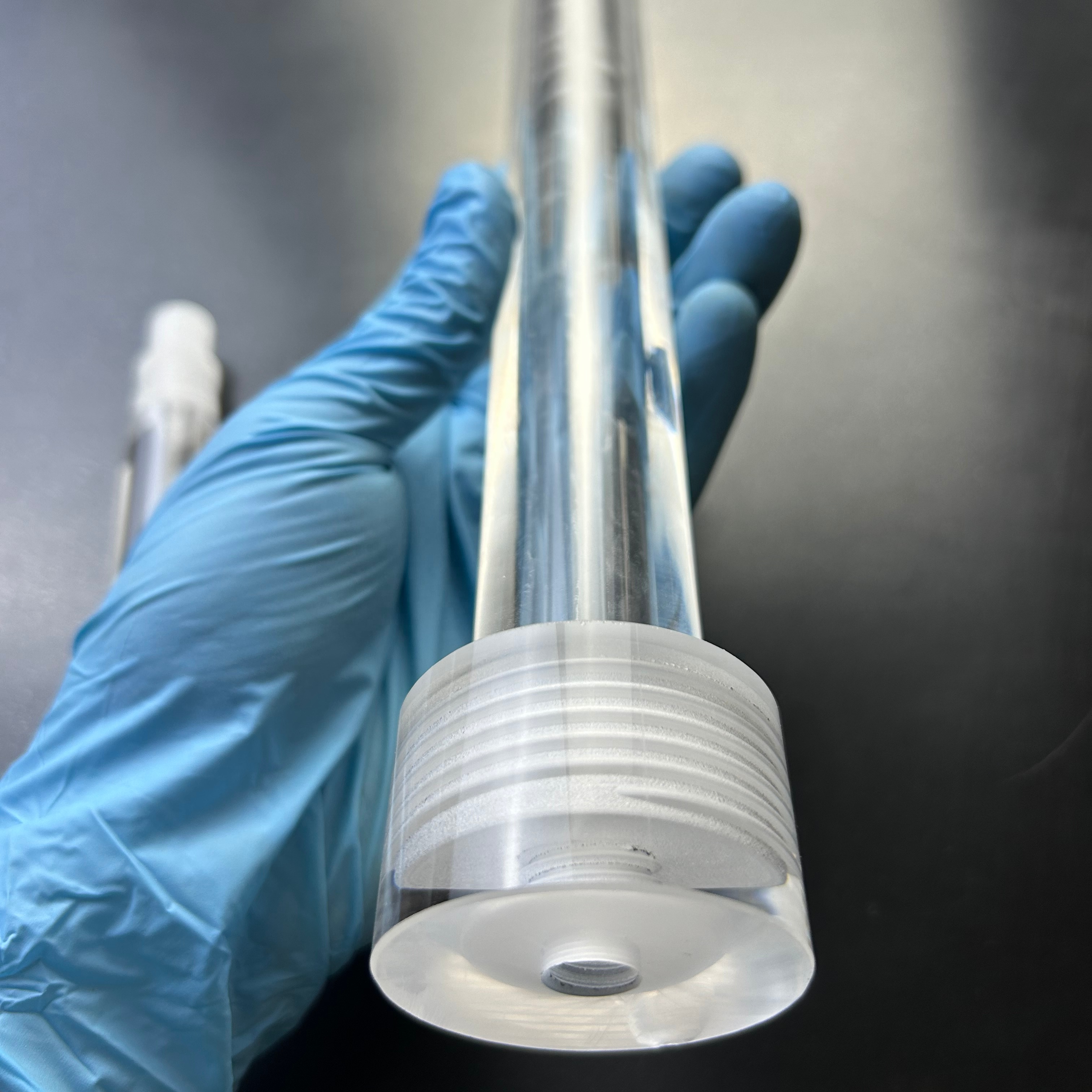
High Pressure Polished Clear Quartz Twin Tube
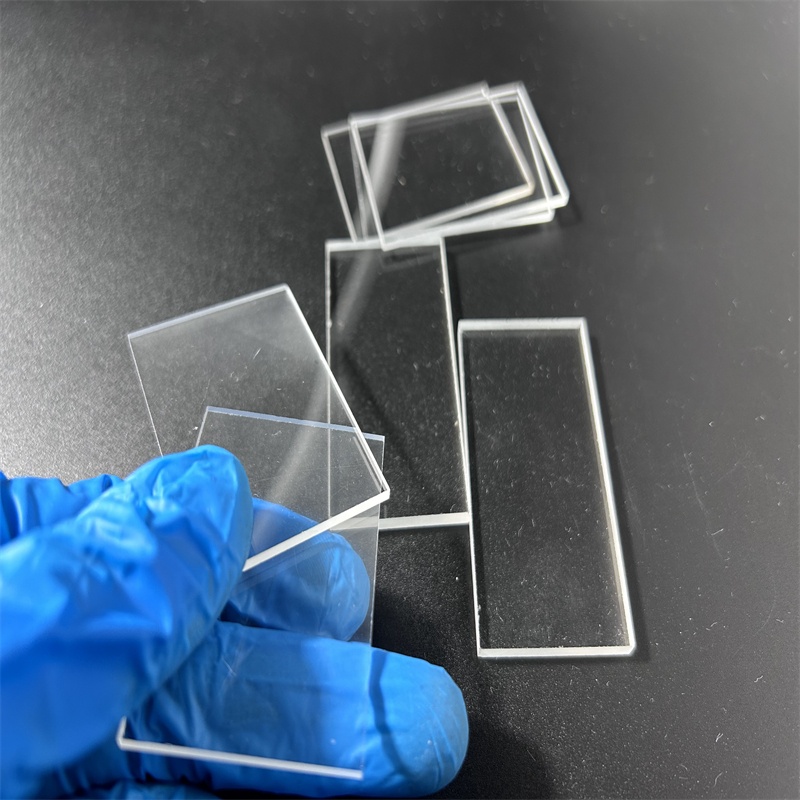
High Temperature Transparent Optical Quartz Sheet
Precision Twin Bore Quartz Geometries: Fundamental Mechanics & Thermal Metrics
An in-depth metallurgical and thermodynamic evaluation of dual-channel fused silica conduits deployed in rapid thermal processing (RTP), infrared emitters, and high-vacuum pyrometry.
Morphology and Extrusion Dynamics of Figure-of-Eight Twin Bore Quartz Tubes
Twin bore quartz tubes (often termed dual-bore quartz capillaries or figure-of-eight quartz sheaths) represent a specialized apex of thermal engineering and mechanical glass extrusion. Unlike standard round cylindrical tubing, the manufacturing process of twin bore fused silica demands rigorous isobaric control during furnace drawing. Natural high-purity crystalline quartz sand, sourced from the Donghai geological belt containing silicon dioxide (SiO₂) exceeding 99.991%, is fused in high-vacuum continuous resistance-heated furnaces at temperatures exceeding 2050°C.
The continuous cross-sectional profile forms a fused central bridge (septum) that bifurcates two parallel, isolated capillary bores. This internal septum serves two vital functions: it provides structural rigidity that elevates mechanical bending resistance under high pressure, and it acts as an absolute physical, atmospheric, and electrical barrier between the two discrete channels. In pyrometric sensor assemblies and infrared halogen emitters, this geometric isolation prevents short-circuiting, mutual filament interference, and mechanical sagging at prolonged service conditions exceeding 1100°C.
| Physicochemical Parameter | Standard Purity Quartz Grade | Semiconductor / Synthetic Silica Grade | Test Standard / Reference |
|---|---|---|---|
| SiO₂ Content (Chemical Purity) | ≥ 99.99% | ≥ 99.999% (Synthetic Fused) | ICP-OES / GD-MS Analysis |
| Continuous Operating Temperature | 1100 °C | 1150 °C – 1200 °C | DIN 52328 Long-term Thermal Creep |
| Maximum Peak Temperature (Short-term) | 1300 °C | 1350 °C | Rapid Devitrification Threshold |
| Softening Point (Log η = 7.6) | 1683 °C | 1730 °C | ASTM C-338 Viscometry |
| Coefficient of Thermal Expansion (CTE) | 5.5 × 10⁻⁷ K⁻¹ (20°C to 320°C) | 5.2 × 10⁻⁷ K⁻¹ | ASTM E-228 Dilatometry |
| Thermal Shock Resistance ($\Delta T$) | Quenched from 1100°C to 20°C Water | Quenched from 1150°C Without Cleavage | ISO 718 Thermal Stress Compliance |
| Hydroxyl ($OH^-$) Radical Concentration | < 20 ppm (Standard Flame-Fused) | < 5 ppm (Vacuum De-hydroxylated) | FTIR Spectrometry @ 2.73 µm band |
| Dielectric Breakdown Strength (at 20°C) | 25 – 40 kV/mm | > 45 kV/mm | IEC 60243-1 Solid Insulators |
Thermal Shock Immunity and Spectral Transmission Dynamics
The near-zero thermal expansion coefficient ($5.5 \times 10^{-7} \text{ K}^{-1}$) of fused quartz makes twin bore tubing practically immune to thermal fracture caused by extreme temperature gradients. In industrial drying lines and rapid heating furnaces, twin-bore envelopes house dual high-temperature carbon or tungsten filaments. During flash heating cycles—where temperatures cycle from ambient to 1000°C in milliseconds—the differential thermal expansion within the twin tube walls remains low enough to avoid micro-fissures or hoop-stress ruptures.
Furthermore, our specialized de-hydroxylation annealing protocols strip volatile Hydroxyl ions ($OH^-$) below 15 ppm. This is critical for infrared emitter performance: residual $OH^-$ groups induce substantial absorption bands at 1.4 µm, 2.2 µm, and 2.73 µm, robbing radiant heat efficiency and triggering localized dielectric overheating. Zelvo Quartz ensures maximum radiant energy pass-through from the deep ultraviolet (DUV 200nm) spectrum straight into the mid-infrared (MIR 3.5µm) range.
Localized Applications in Luxembourg City & the Greater Innovation District
Analyzing how Chinese precision quartz manufacturing fulfills high-specification engineering criteria across Luxembourg’s research laboratories, space ventures, and low-carbon metallurgy.
Belval & LIST Materials Research
Researchers at the Luxembourg Institute of Science and Technology (LIST) and the University of Luxembourg require customized twin bore capillaries for high-resolution thermal analysis, dual-gas atmosphere reactors, and precision XRD sample delivery without background diffraction anomalies.
Low-Carbon Steel & Metallurgy
With global engineering headquarters like ArcelorMittal steering hydrogen direct-reduction metallurgy, twin-bore quartz tubes serve as non-reactive, heat-resistant insulation sheaths for platinum-rhodium (Type S/R/B) thermocouples in furnace pilot chambers up to 1300°C.
Space Resources & Satellite Optoelectronics
Luxembourg’s space cluster (ESRIC and commercial microsatellite integrators) deploys high-purity optical fused silica wafers and double-bore insulating capillary guides in vacuum bake-out chambers, micro-thruster ion accelerators, and space sensor thermal shields.
Automotive Sensorics & Dielectric Testing
Tier-1 electronics leaders in Bissen, Contern, and Kirchberg utilize twin-channel quartz tubing to insulate heating conductors and laser delivery conduits in test benches validating sensor modules under harsh automotive thermal stresses.
Clean Hydrogen & Electrolysis Research
In pilot polymer electrolyte membrane (PEM) and solid oxide electrolysis cell (SOEC) diagnostics across the Grand Duchy, quartz glass reactors ensure zero chemical leaching and absolute resistance to reducing hydrogen atmospheres at high temperatures.
Medical Instrumentation & Diagnostic Flow
Precision microbore quartz assemblies act as spectrophotometric flow cells and UV-sterilization tubes in biomedical engineering facilities located throughout the Cloche d'Or and Hamm biotechnology zones.
Emerging Technological & Procurement Trends across Luxembourg (2025–2030)
How strict EU sustainability directives, rapid prototyping cycles, and global supply chain reconfigurations are shaping technical quartz consumption in the Grand Duchy.
1. Transition Towards Decarbonized, Electrified Thermal Processing
Luxembourg’s National Energy and Climate Plan (PNEC) exerts strong pressure on regional heavy industries and research spin-offs to decarbonize high-temperature manufacturing. As gas-fired combustion chambers are replaced with electric infrared radiant heating banks, the demand for dual-bore twin quartz tubes has increased significantly. High-efficiency IR emitters encased in pure quartz allow targeted heat delivery with rapid response times, cutting power consumption by up to 35% compared to conventional convective ovens.
2. The Rise of Agile R&D with Low-Volume, High-Mix Prototyping
Unlike legacy semiconductor hubs with massive standardized wafer consumption, Luxembourg’s industrial environment thrives on specialized research institutions, pilot testing labs, and high-value niche systems. European supply houses often impose minimum order quantities (MOQs) of 50 to 100 units for non-standard twin-bore tubes, combined with 12 to 16-week delivery lead times. This bottleneck has driven procurement leads to partner directly with advanced Chinese original manufacturers capable of supplying 1-piece custom prototypes based on 2D/3D CAD drawings within days.
3. Total Compliance: REACH, RoHS, and EU Material Tracing
Luxembourg’s regulatory environment enforces strict European Chemicals Agency (ECHA) standards. Fused quartz imported into the Grand Duchy must be 100% free of heavy metals (lead, cadmium, hexavalent chromium, mercury) and contain no SVHC (Substances of Very High Concern). Every batch supplied by Zelvo Quartz undergoes rigorous raw material testing, backed by comprehensive RoHS/REACH certificates of compliance, ensuring frictionless clearance through Luxembourg Findel Airport (ELLX) and the central customs terminal.
Integrated Manufacturing Purity Direct from Donghai: China’s Crystal Capital
Operating at the source of high-purity silica raw materials to deliver unmatched pricing, sub-millimeter tolerances, and responsive customer service for demanding European clients.
Raw Material Cost Supremacy
Situated in Donghai County, Jiangsu, Zelvo Quartz benefits from immediate access to the world's most concentrated natural quartz refining and fusion cluster, eliminating secondary merchant markups and guaranteeing raw stock consistency.
Micro-Machining & Laser Processing
Our workshop combines traditional lathe flame working with high-speed diamond CNC sawing, laser drilling down to 0.1 mm micro-holes, groove slotting, and optical-grade flame polishing for mirror surface finishes.
Zero-Breakage Export Packaging
Every shipment is treated with multi-layer custom foam cavities, vacuum-sealed barrier films, and fumigated reinforced plywood crates. We guarantee 100% zero-breakage delivery via Cargolux direct or DHL/FedEx Express.
Frequently Asked Questions by Technical Buyers in Luxembourg
Clear answers regarding material verification, international logistics, dimensional tolerances, and customs clearance procedures.
Need Custom Twin Bore Quartz Tubing in Luxembourg City?
Consult directly with our Donghai technical fabrication team. Upload your sketch, define your operating temperatures, and receive feasibility feedback within 2 hours.