1. Multi-Layer Centrifugal Arc Fusion Architecture
Modern solar-grade quartz crucibles are engineered via a centrifugal arc-fusion process within precision graphite mold cavities. High-purity natural silica sand—pre-treated to sub-ppm metal thresholds—is introduced into high-rpm rotational forming apparatus while graphite electrodes generate a thermal arc core exceeding 2000°C.
This establishes a dual-phase functional microstructure: an ultra-pure, bubble-free vitreous inner layer (typically 1.5 mm to 3.0 mm thick) and an opaque, micro-bubble enriched outer structural matrix. The inner fused silica boundary prevents microscopic gas release into the silicon bath, which would otherwise induce crystal lattice twins or dislocations. Meanwhile, the outer bubble layer reflects radiant thermal energy from resistance heaters back into the melt, sustaining uniform convective currents across 100+ hour continuous pulling cycles.
2. Trace Elemental Control & Carrier Lifetime Protection
Any diffusion of transition metal impurities from the crucible into the molten polysilicon drastically degrades the minority carrier lifetime of finished solar cells. Transition elements such as Iron (Fe), Copper (Cu), Nickel (Ni), and Chromium (Cr) introduce deep-level recombination centers in the silicon bandgap.
Furthermore, group III and group V elements like Boron (B) and Phosphorus (P) act as electrical dopants, distorting the resistivity profile along the crystal length. Our factory enforces rigorous raw material purification protocols in Donghai County, screening feedstock via inductively coupled plasma mass spectrometry (ICP-MS) to guarantee aggregate metal concentrations strictly within electronic-grade thresholds.
By managing Alkali ions (Li, Na, K) to sub-0.5 ppm concentrations, we prevent catastrophic cristobalite devitrification crystallization along grain boundaries, preventing structural softening, crucible sagging, or vacuum furnace chamber breaches during operation.
| Impurity Element | Standard Photovoltaic Grade (ppm) | High-Efficiency N-Type Cell Grade (ppm) | Zelvo Donghai Certified Matrix (ppm) | Analytical Verification Method |
|---|---|---|---|---|
| Iron (Fe) | < 0.20 | < 0.08 | ≤ 0.05 | ICP-MS / GD-MS |
| Aluminium (Al) | < 14.00 | < 8.00 | ≤ 6.50 | Flame Atomic Absorption |
| Titanium (Ti) | < 1.50 | < 1.00 | ≤ 0.80 | ICP-OES |
| Calcium (Ca) | < 0.50 | < 0.30 | ≤ 0.20 | ICP-MS |
| Alkali Metals (Na + K + Li) | < 1.20 | < 0.60 | ≤ 0.45 | Flame Photometry |
| Boron (B) | < 0.10 | < 0.04 | ≤ 0.02 | High-Resolution ICP-MS |
Localized Applications in Chinandega & Pacific Logistics Gateway
Chinandega represents the premier agricultural and agro-industrial powerhouse of Western Nicaragua, located immediately adjacent to Puerto Corinto—the nation's primary deepwater container port on the Pacific Ocean. This unique geographic and logistical positioning drives high-impact applications for precision quartzware and solar thermal crucibles.
Utility-Scale Solar Farm Infrastructure
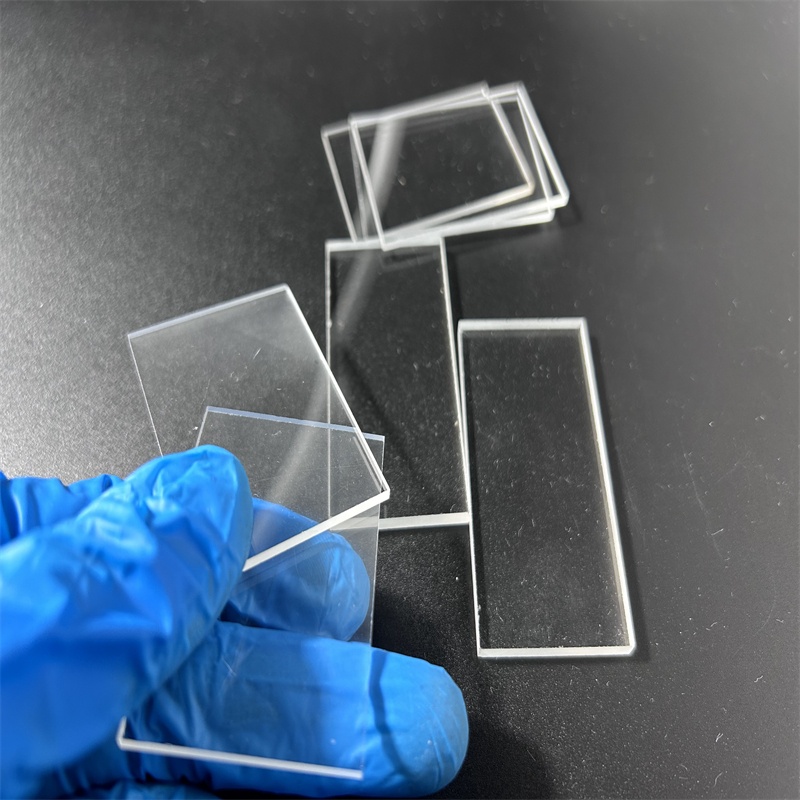
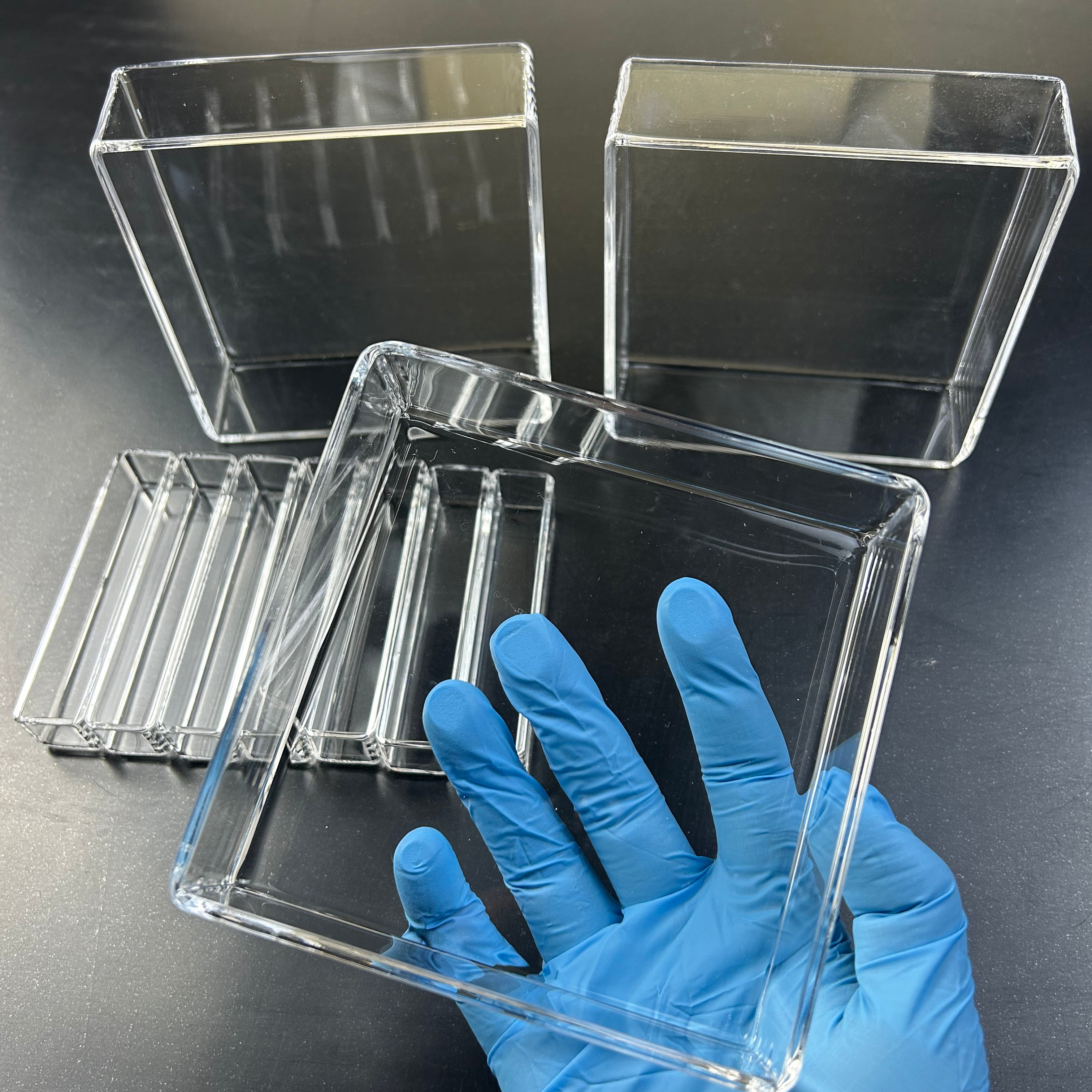
Western Nicaragua enjoys an annual Direct Normal Irradiance (DNI) exceeding 5.5 kWh/m²/day. Large-scale ground-mounted PV parks in the Chinandega-León corridor deploy advanced photovoltaic modules. Supporting local module repair labs, precision optical sensors, and PV performance validation requires optical quartz plates and UV windows with zero optical dispersion and 93% spectral transmission across the 250nm–2500nm range.
Agro-Industrial Thermal Processing
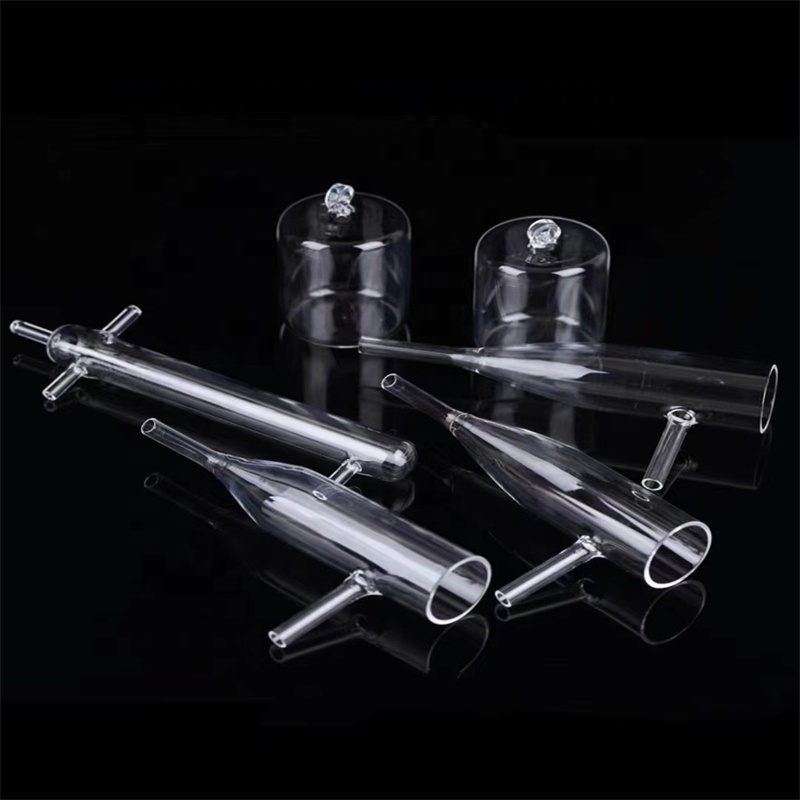
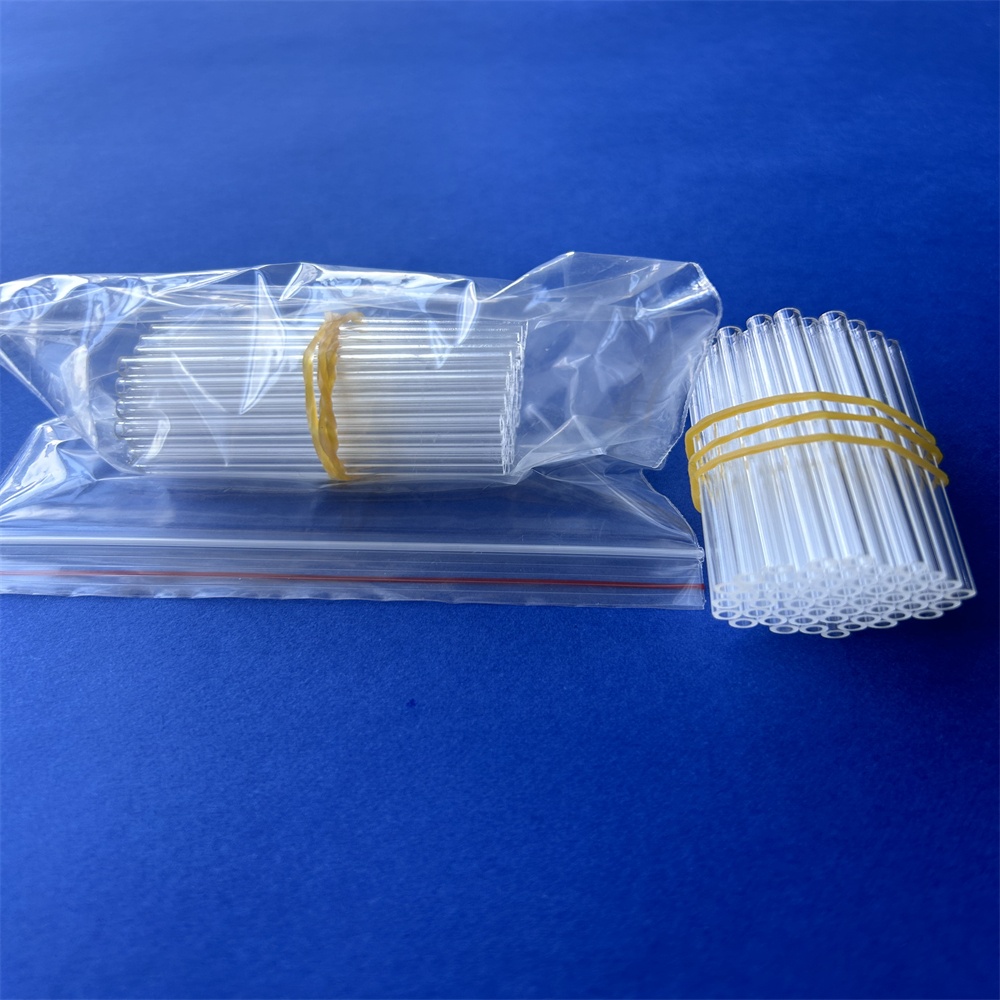
Chinandega hosts major sugarcane mills (such as Ingenio San Antonio), rum distilleries, and bio-refineries operating massive biomass cogeneration plants. In combustion diagnostics and flue-gas telemetry, our transparent quartz combustion tubes and twin-bore sensor sheath tubes provide complete corrosion resistance against aggressive sulfites, chlorides, and thermal shock cycles up to 1200°C.
Corinto Direct Sea-Freight Hub
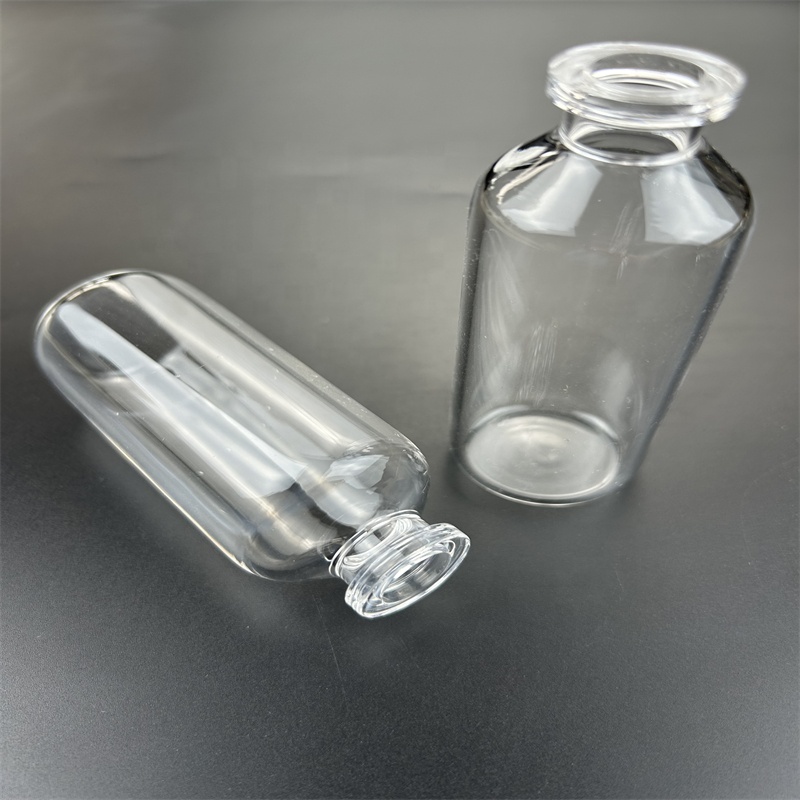
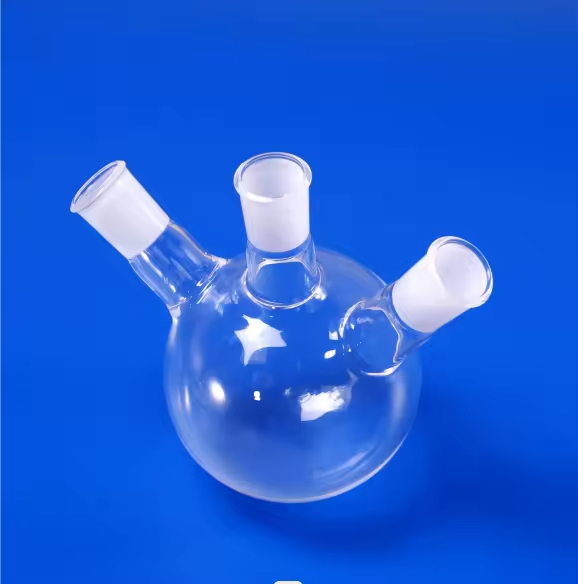
Procuring directly from our Lianyungang manufacturing base through Puerto Corinto eliminates intermediate transshipment delays. Industrial plants, local engineering contractors, and research laboratories receive heavy arc-fused silica crucibles, reaction boats, and custom lab glassware packaged in shock-isolated crates designed specifically to mitigate tropical maritime humidity.
3. Macro Trends: Clean Energy Transition Across Central America
Nicaragua has emerged as a regional benchmark for renewable energy integration in Latin America, generating over 70% of its national electrical consumption from clean energy sources, including solar, geothermal, hydro, and biomass. Under the framework of the Central American Electrical Interconnection System (SIEPAC), energy generated in high-irradiance zones like Chinandega is fed directly into the regional grid.
As international investors and private industrial operators modernize localized infrastructure, the demand for industrial consumables has shifted from low-durability borosilicate glass to high-purity fused silica quartzware. Borosilicate apparatus softening at 500°C–600°C degrades under continuous high-temperature chemical reactions, causing frequent process shutdowns and contamination. Our 99.99% fused quartz delivers an ultra-low linear thermal expansion coefficient of 5.5 × 10⁻⁷ /K—allowing components to be extracted from 1100°C furnaces and plunged directly into cold water without micro-fracturing.