High-Purity Quartz Glass Liners & Components
Custom drawing-based thermal liners, diffusion furnace envelopes, and chemical reaction chambers engineered from semiconductor-grade fused silica (SiO₂ ≥ 99.99%).
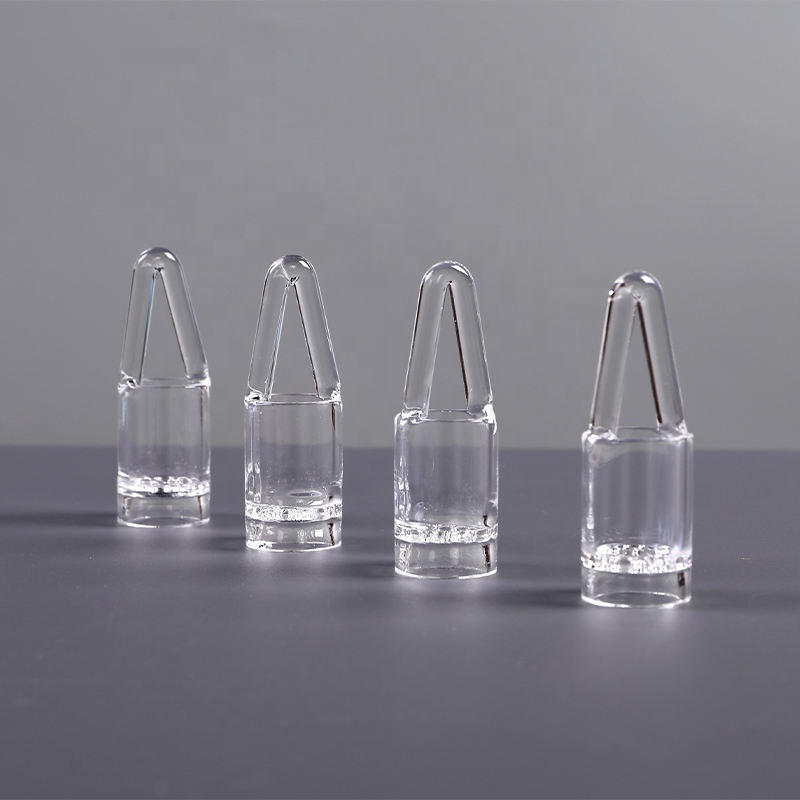
Factory Custom High Pressure 99.99% Pure Quartz Glass Tube Bending/Welding Ozone Free Polished Surface
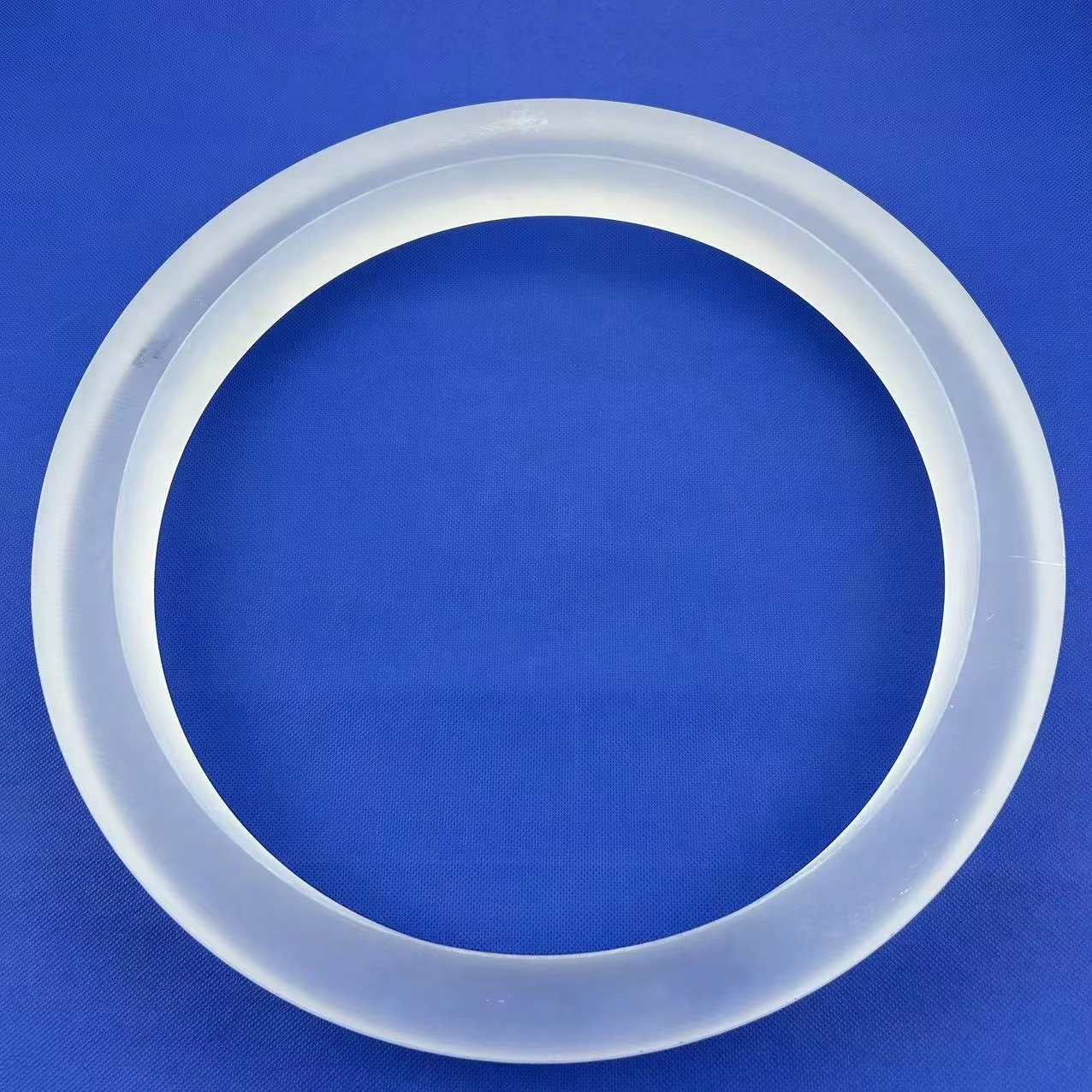
Custom Coated 99.99% Pure Quartz Rings for Semiconductor CVD Optics Applications High Pressure Moulding/Bending/Welding/Cutting
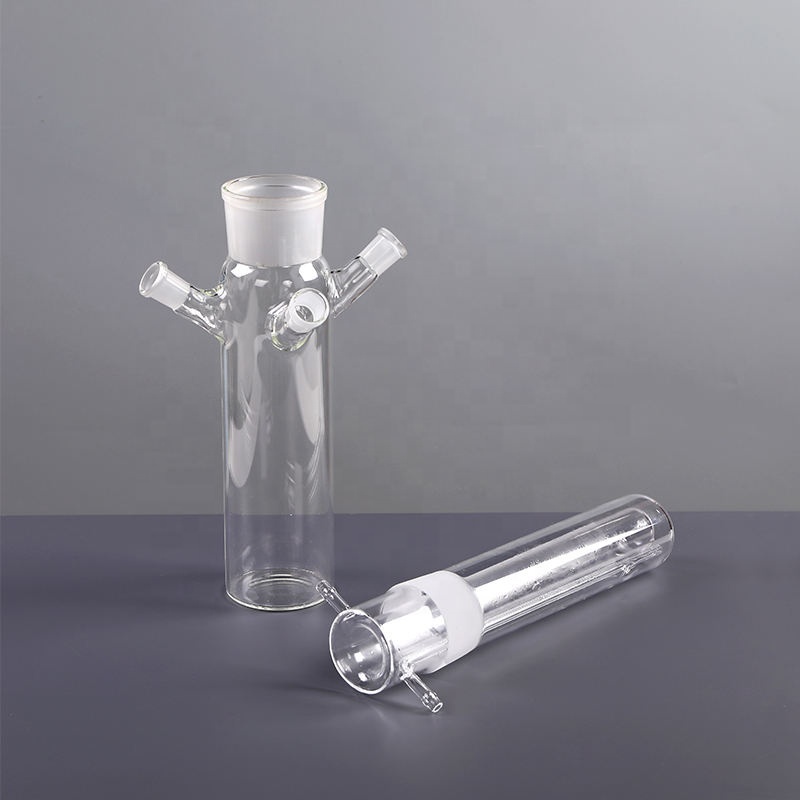
Customized High-purity Quartz Glass Reactor Container Bending Moulding Photocatalytic Degradation Internal Illumination Welding
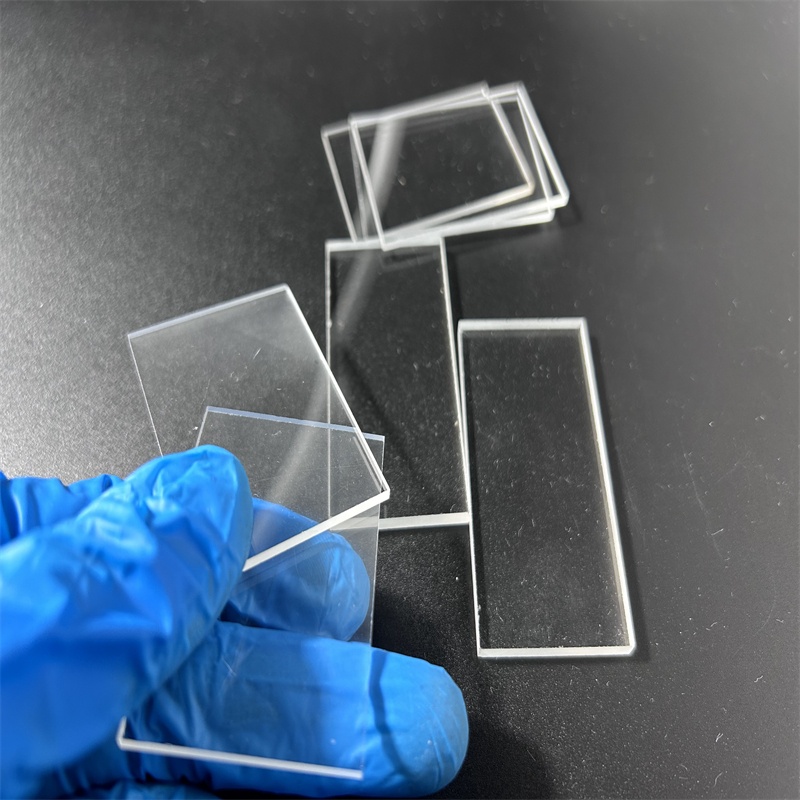
Customized High Temperature Transparent Fused Quartz Glass Sheet Welding Cutting Services Clear Plate Custom Sizes Optics Grade
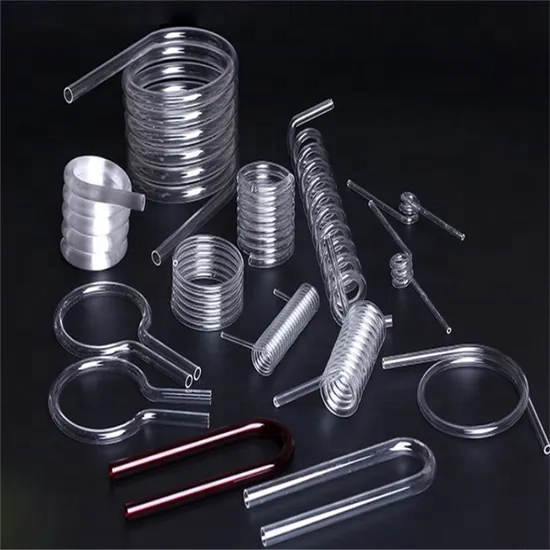
Custom Different Sizes U-Bent Quartz Glass Spiral Tube with Moulding Cutting Bending and Welding Services
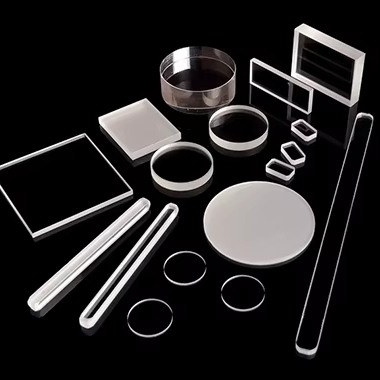
Custom Size High Temperature Fused Transparent Quartz Glass Optical Grade Test Sample Sheet Welding Cutting Processing Service
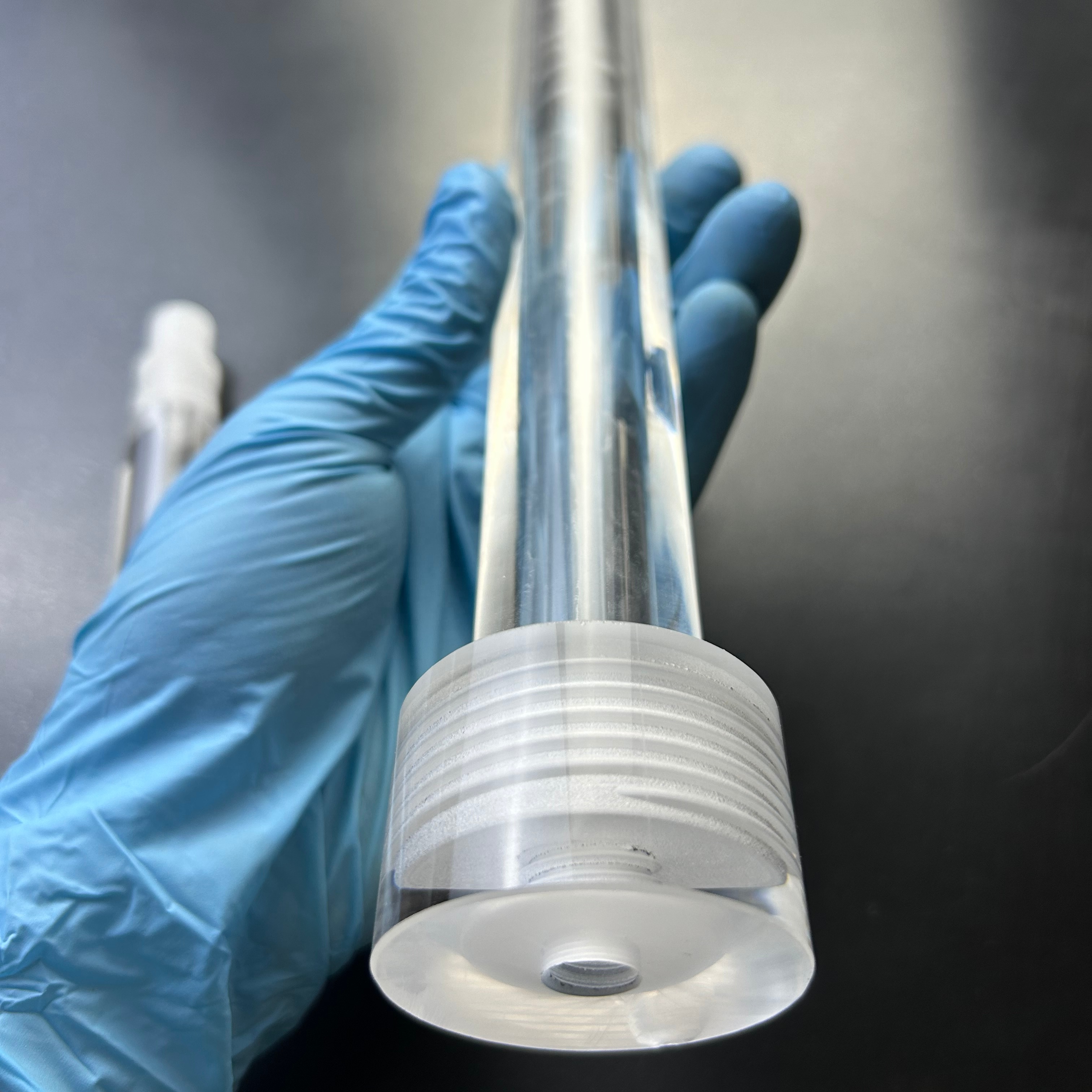
Customizable High Pressure High Quality Polished Clear Transparent 99.99% Pure Quartz Glass Twin Tube Bending/Welding/Cutting
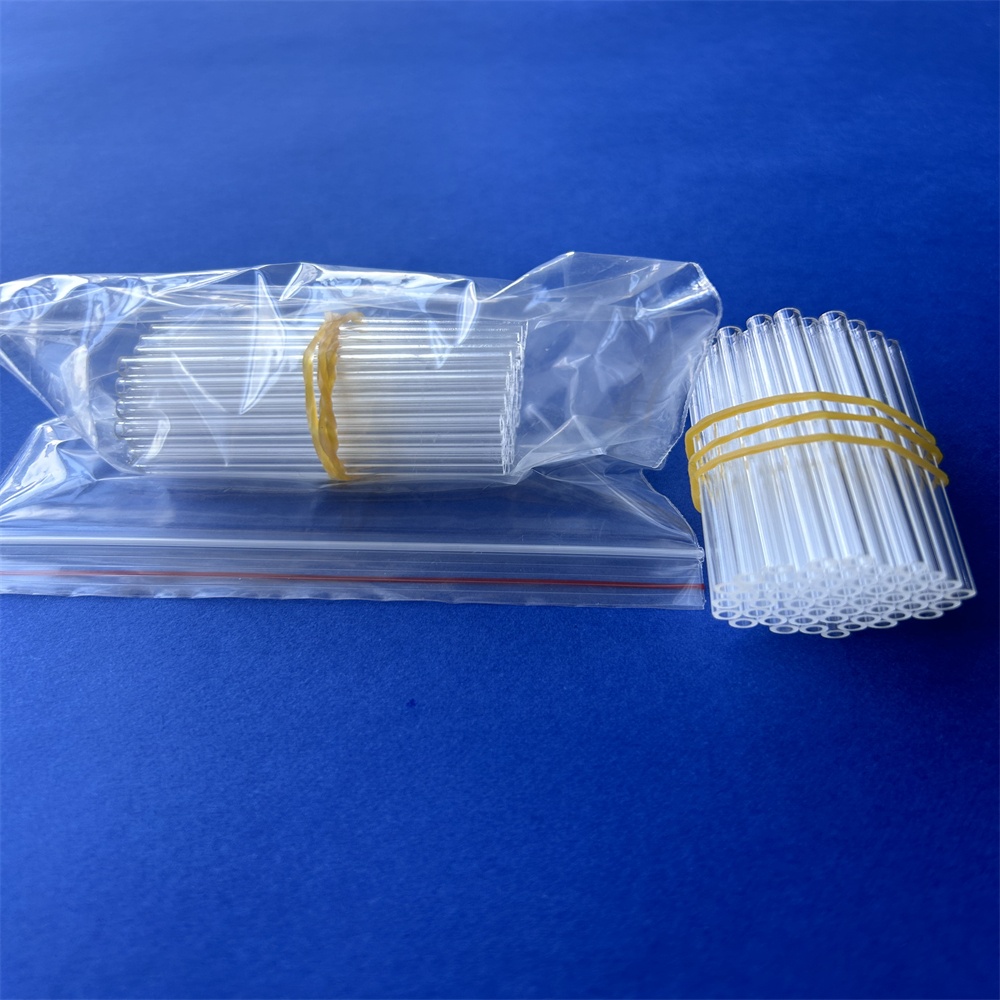
Small Diameter 0.1-20mm High Temperature Resistant 99.99% Pure Quartz Capillary Tube Cutting Bending Welding Services Ozone Free
High-Purity Fused Silica Liners: Engineering Integrity in Ultra-Clean Processing
Critical thermomechanical resilience, trace metallic stoichiometry, and plasma-resistant characteristics required by George Town's high-reliability microelectronics ecosystem.
Thermodynamic Stability and Devitrification Kinetics under Sustained High Thermal Loads
In advanced semiconductor fabrication and thermal process furnaces, the inner quartz process liner functions as the primary physical envelope shielding pristine silicon wafers from metallic cross-contamination, thermal eddy turbulence, and aggressive reagent chemistries. Fabricated from natural crystalline quartz purified to greater than 99.99% SiO₂, our custom quartz liners demonstrate an extraordinary near-zero coefficient of thermal expansion (α = 5.5 × 10⁻⁷ /K between 20°C and 1000°C). This structural stability enables our process tubes and reactor liners to endure violent thermal shock, moving from ambient room temperatures to furnace operating thresholds exceeding 1150°C without micro-fracturing or catastrophic spalling.
Devitrification, the phase transformation from amorphous fused silica to crystalline cristobalite, represents the primary failure mechanism for thermal quartz ware in wafer fab diffusion and oxidation processes. Cristobalite undergoes a sharp volumetric shift (roughly 5%) around 220°C to 270°C during furnace cool-down, resulting in tensile stress cracking and immediate particle shedding. At Zelvo Quartz, we rigorously suppress devitrification nuclei by executing strict controls over alkali contaminants (Na, K, Li ≤ 0.5 ppm aggregate). By utilizing refined, crystal-capital Donghai feedstocks and subjecting our hot-formed quartz envelopes to automated hydrogen-oxygen flame lathe annealing, we ensure a non-porous vitreous surface that resists phase boundary migration under continuous 1100°C exposure.
Hydroxyl (OH-) Content Modulation and Plasma Etch Chemisorption Resistance
The functional longevity of a custom quartz glass liner in chlorine- (Cl₂), fluorine- (CF₄, NF₃), or hydrogen-rich thermal CVD processes depends heavily on precise control of internal hydroxyl radical (OH−) levels. Elevated OH concentrations reduce the viscosity of the fused quartz matrix, depressing the annealing point from 1215°C down below 1100°C and accelerating creep or dimensional sagging in horizontal furnace liners. Our high-temperature electric-fusion techniques preserve trace OH levels below 20 ppm for furnace liner applications, safeguarding structural geometry over extended continuous production runs.
Conversely, in inductively coupled plasma (ICP) etch chambers and semiconductor wet-clean etching fixtures, quartz glass liners encounter relentless halogen radicals and acidic vapors. Our specialized synthetic and flame-glazed quartz compositions present an ultra-smooth fire-polished inner wall. This prevents micro-crevice formation, minimizes physical particle nucleation, and prevents the retention of volatile metal fluorides that degrade yield parameters in advanced wafer manufacturing.
Localized Applications in George Town & Greater Penang High-Tech Zones
George Town acts as the administrative and logistical anchor of Penang — Malaysia's "Silicon Valley of the East". From Bayan Lepas Free Industrial Zone to Batu Kawan Industrial Park, our custom OEM quartz liners serve critical manufacturing nodes.
Semiconductor Front-End & Epitaxy
Process furnace inner/outer liners, quartz bell jars, and purge shields utilized in Low Pressure Chemical Vapor Deposition (LPCVD), thermal oxidation, and dry gate oxide diffusion stages across leading silicon foundries.
OSAT & Advanced 2.5D/3D Packaging
Thermal cure process tubes, infrared emitter twin-bore protection envelopes, and optical inspection windows deployed in Penang's premier outsourced semiconductor assembly and test facilities.
Solar PV & Clean Energy Fabrication
High-throughput quartz diffusion tubes, quartz paddle carriages, and exhaust manifold liners supporting TOPCon and heterojunction (HJT) photovoltaic cell production clusters in northern Peninsular Malaysia.
Trace Spectroscopy & Analytical Testing
Custom demountable ICP-OES/ICP-MS quartz torches, spray chambers, and digestion liners supplying commercial testing laboratories, University Science Malaysia (USM) research facilities, and medical diagnostic clusters.
Penang’s Industrial Transformation & Strategic Sourcing Direct from Factory
Adapting to regional semiconductor capital expansion, chiplet architecture integration, and the pressing demand for shorter lead times without intermediate markups.
The Paradigm Shift Toward Second-Source Quartz Qualification in Penang
Multinational semiconductor fabs and tier-one OSAT players operating across Bayan Lepas, Batu Kawan, and Kulim Hi-Tech Park historically relied on original equipment manufacturer (OEM) replacement quartz glass liners. However, geopolitical supply constraints, inflated spares pricing, and 16-to-24-week delivery horizons have caused production bottlenecks. As a direct result, procurement directors in George Town are aggressively qualifying direct-from-manufacturer second sources capable of replicating OEM drawings down to sub-millimeter tolerances.
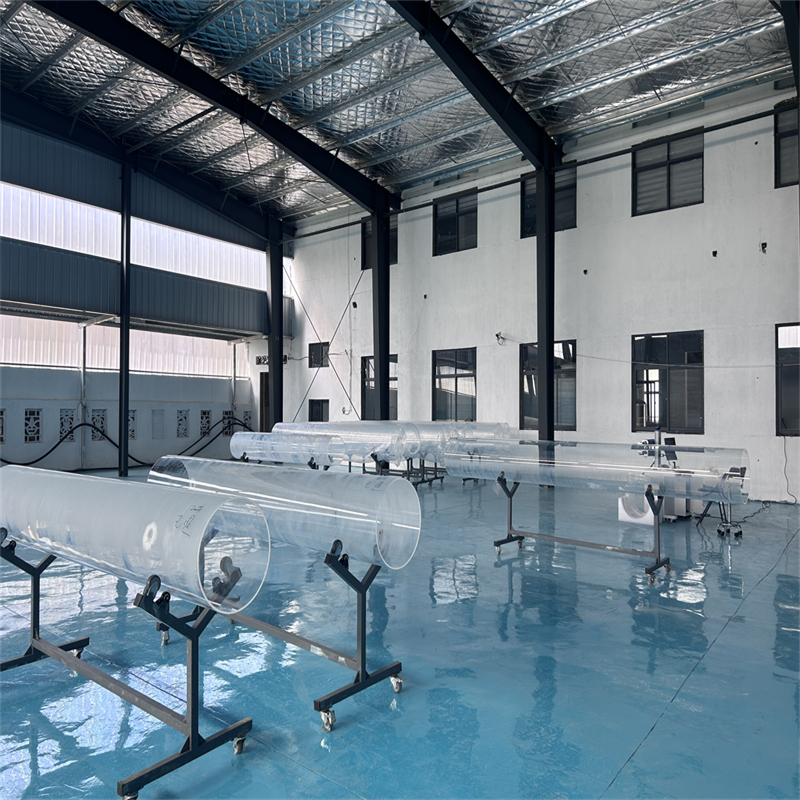
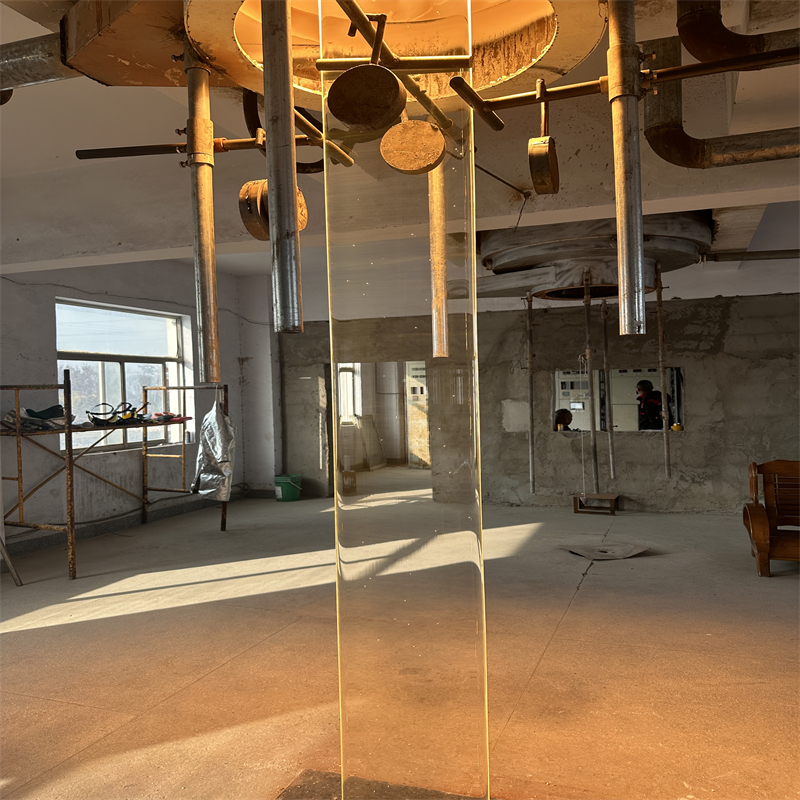
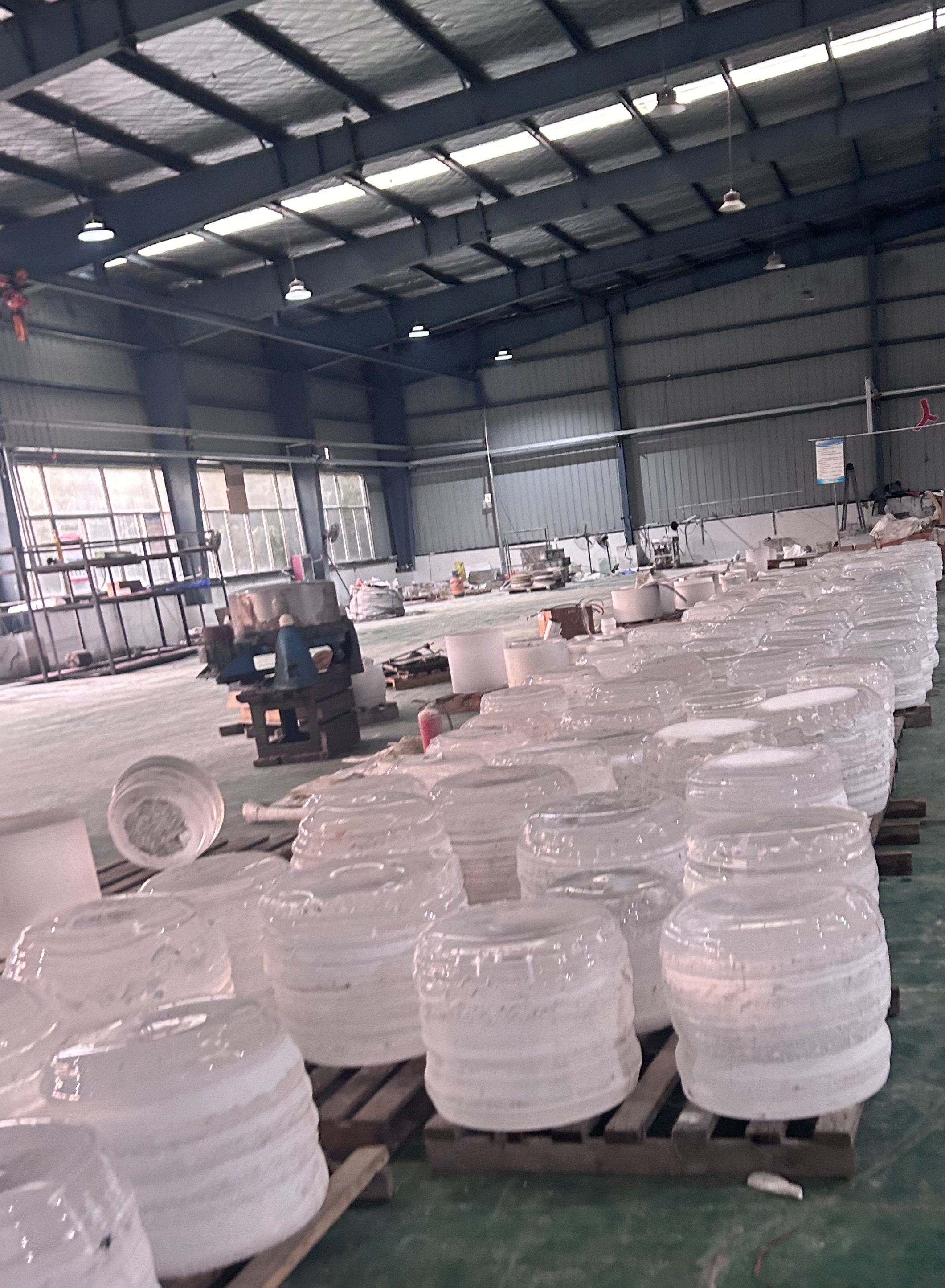
Lianyungang Zelvo Quartz Products Co., Ltd. bridges this critical operational gap. Situated in Donghai County, China — the world's most concentrated hub for raw high-purity crystalline quartz purification — our integrated production model bypasses middleman trading agencies. We provide engineering-verified, drawing-to-part manufacturing with turnaround windows as fast as 7 to 10 days for prototypes, backed by full Trace Elements Certificate of Analysis (COA) matching or exceeding original tool specifications.
Technical Specification Matrix: Thermal, Optical & Chemical Benchmarks
Comprehensive material values for clear fused quartz liners under extreme operating conditions.
| Physical / Chemical Property | Reference Parameter / Value | Relevance to Semiconductor & Lab Operations |
|---|---|---|
| Chemical Purity (SiO₂ Content) | ≥ 99.99% (Optical/Semiconductor Grade) | Prevents metal-ion autodoping (Fe, Cu, Ni) into delicate silicon wafer substrates. |
| Density (ρ) | 2.20 × 10³ kg/m³ | Homogeneous bulk density ensures mechanical rigidity across wide temperature spans. |
| Continuous Maximum Service Temperature | 1100 °C | Sustains uniform oxidation, annealing, and LPCVD process temperatures without creep. |
| Short-Term Peak Working Temperature | 1300 °C | Tolerates rapid thermal processing (RTP) spikes and localized plasma ignition zones. |
| Softening Point (Viscosity η = 10⁷.⁶ dPa·s) | ≈ 1683 °C | Absolute structural limit; safeguards vacuum seals against catastrophic collapse. |
| Annealing Point (Viscosity η = 10¹³ dPa·s) | ≈ 1215 °C | Stress-relief boundary during precision torch lathe joining and flange fusing. |
| Thermal Expansion Coefficient (α) | 5.5 × 10⁻⁷ /K (20°C – 320°C) | Near-zero expansion provides unmatched thermal shock immunity during cyclic cool-down. |
| Spectral Transmission (1 mm thickness) | > 90% (260 nm – 2500 nm) | Delivers clear infrared thermal conduction and UV penetration for photocatalytic reactors. |
| Dielectric Strength (20 °C) | 25 – 40 kV/mm | High electrical insulation for plasma generation rings, RF coils, and glow discharge systems. |
Why Tier-1 Engineers Choose Zelvo Quartz
Rooted in Donghai — China's Crystal Capital — with precision CNC machining, cleanroom packaging, and global engineer-to-engineer support.
Donghai Raw Material Hub
Immediate access to China's premier high-purity natural silica reserves reduces raw input volatility and yields superior batch-to-batch chemical consistency.
Sub-Millimeter Tolerances
Equipped with 5-axis CNC ultrasonic milling, CO₂ laser trepanning, and diamond grinding to meet tight tolerances down to ±0.05 mm on diameter and thickness.
Custom Glassblowing Artistry
Master glass blowers with 10+ years of dedicated quartz lathe experience execute clean weld seams, complex branch joints, ground joints, and flame-polished edges.
Reinforced Export Crating
Multi-layer shock-dampening polyethylene foam and custom ISPM-15 export wooden crates ensure zero-breakage transit via Penang International Airport (PEN) or Penang Port.
Frequently Asked Questions by George Town Engineering Buyers
Addressing specifications, batch traceability, delivery channels, and engineering reverse-design practices.
What lead times and logistics routes are standard for delivery to George Town and Penang?
Can you reverse-engineer obsolete OEM quartz process liners from physical samples or sketches?
How do you guarantee that metallic contamination remains low enough for semiconductor wafer processing?
How are fragile, thin-walled quartz liners packed to eliminate transit breakage risk?
What are your minimum order quantities (MOQ) and sample verification protocols?
Need a Custom Quartz Liner Built to Exact Drawing Specs?
Connect directly with Zelvo Quartz's engineering group. Upload your CAD drawings, thermal operational requirements, and target volumes — receive comprehensive manufacturing feedback and an official quotation in under 2 hours.