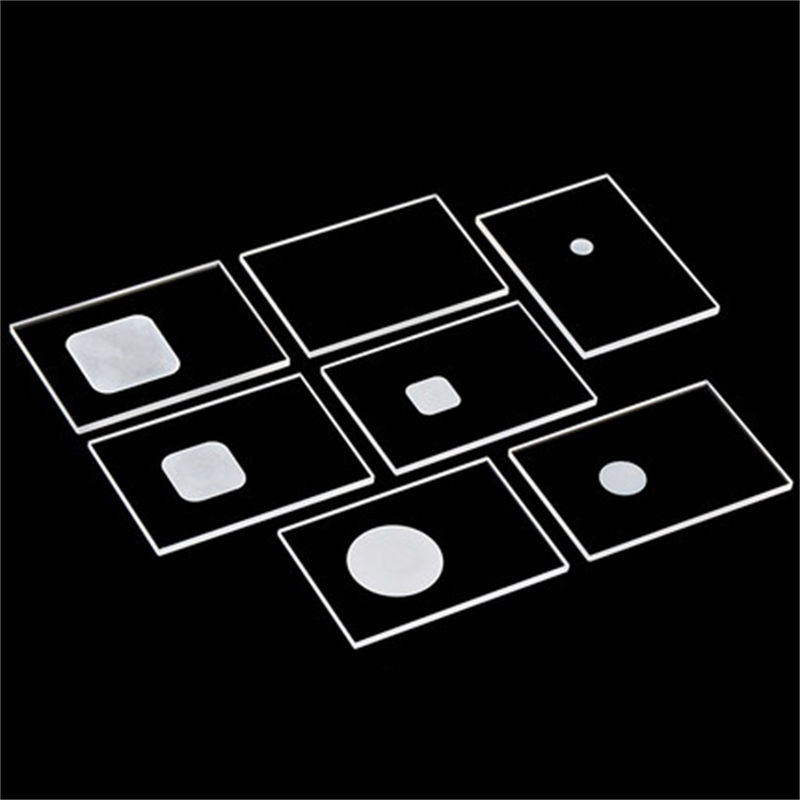
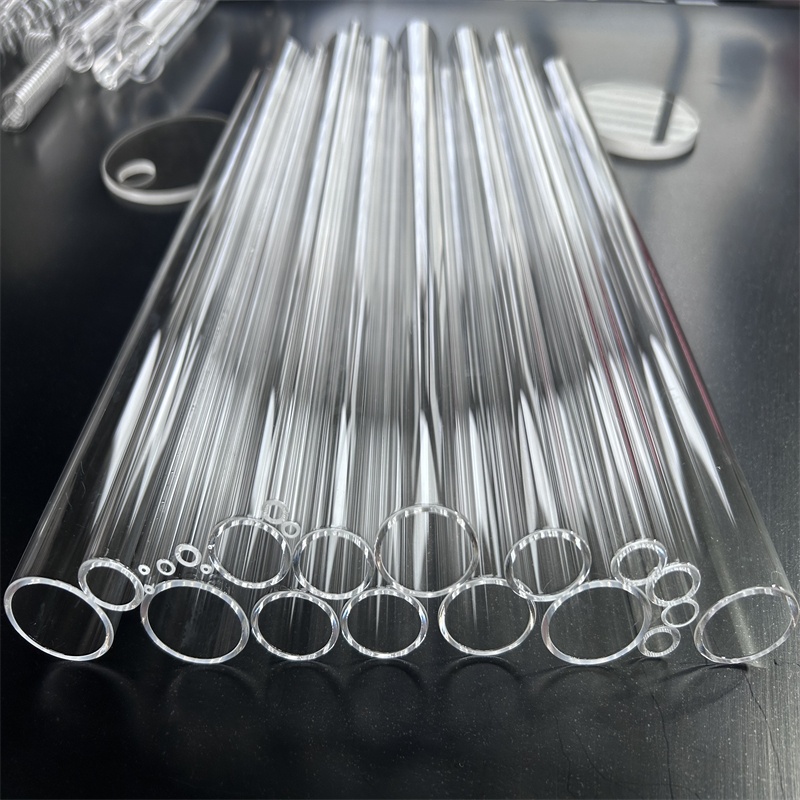
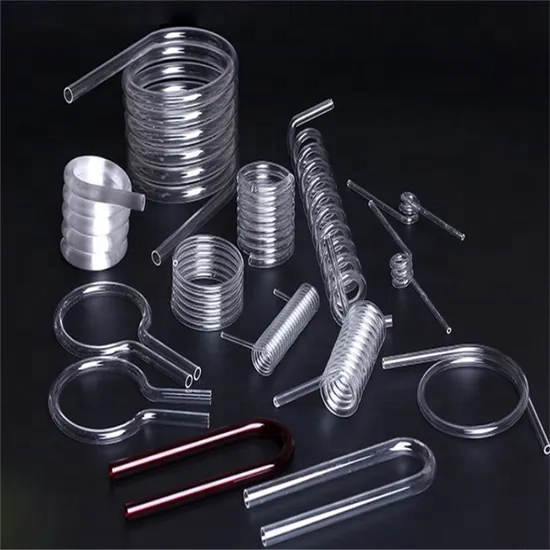
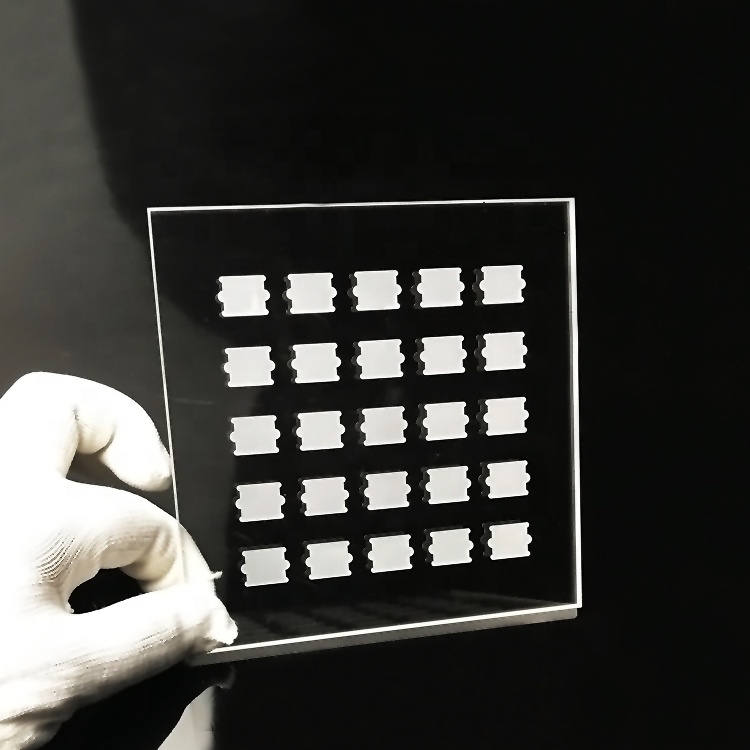
OEM High-Purity Fused Quartz & Silica Optics Lineup
Engineered to sub-arcsecond angular tolerances and nanometer surface roughness, these flagship quartz blanks and finished components serve as the foundation for South Korea's optical engineering requirements.
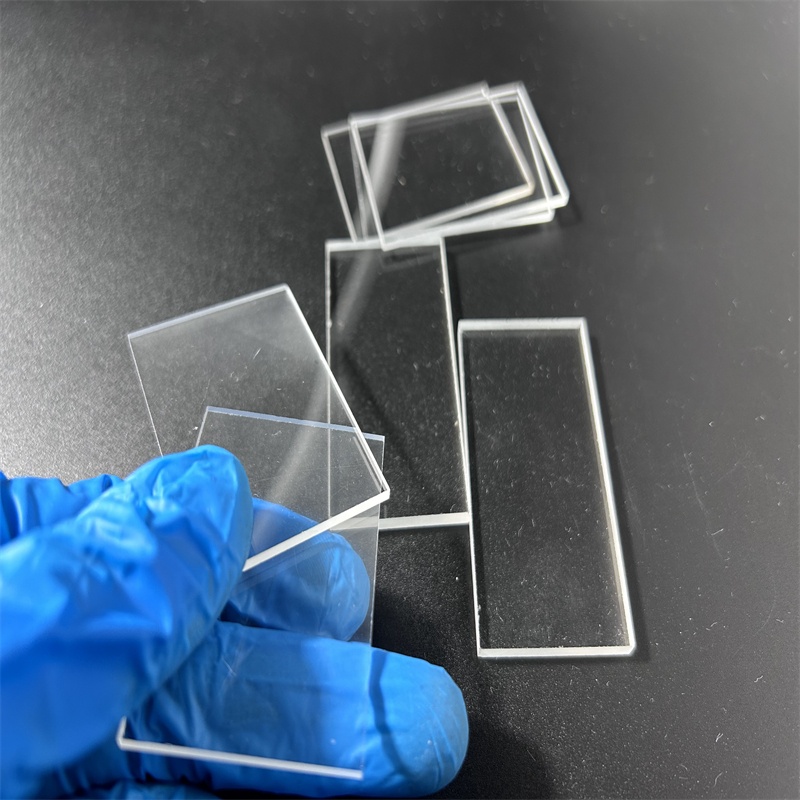
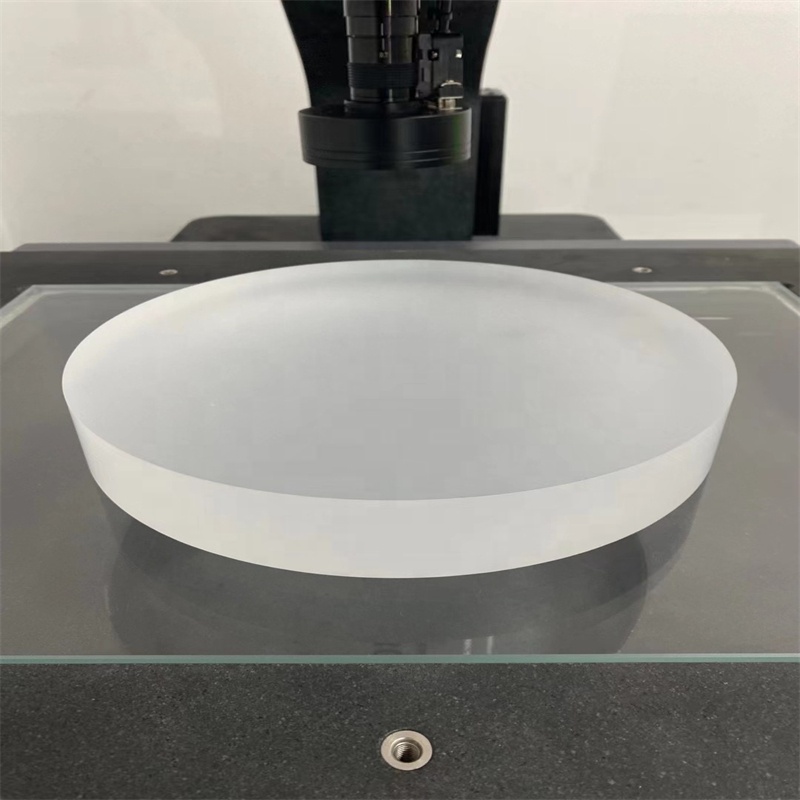
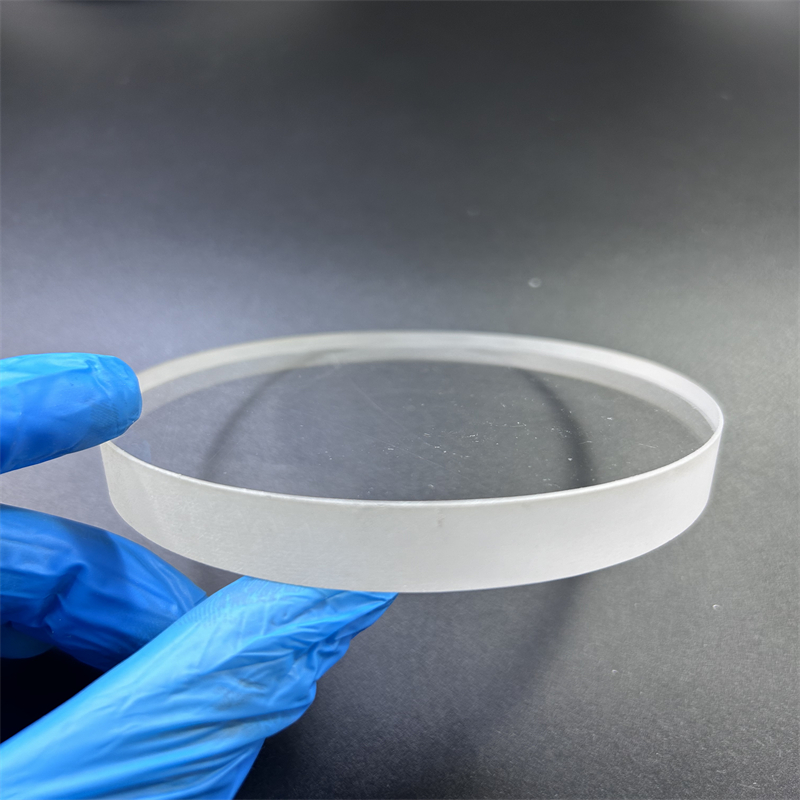
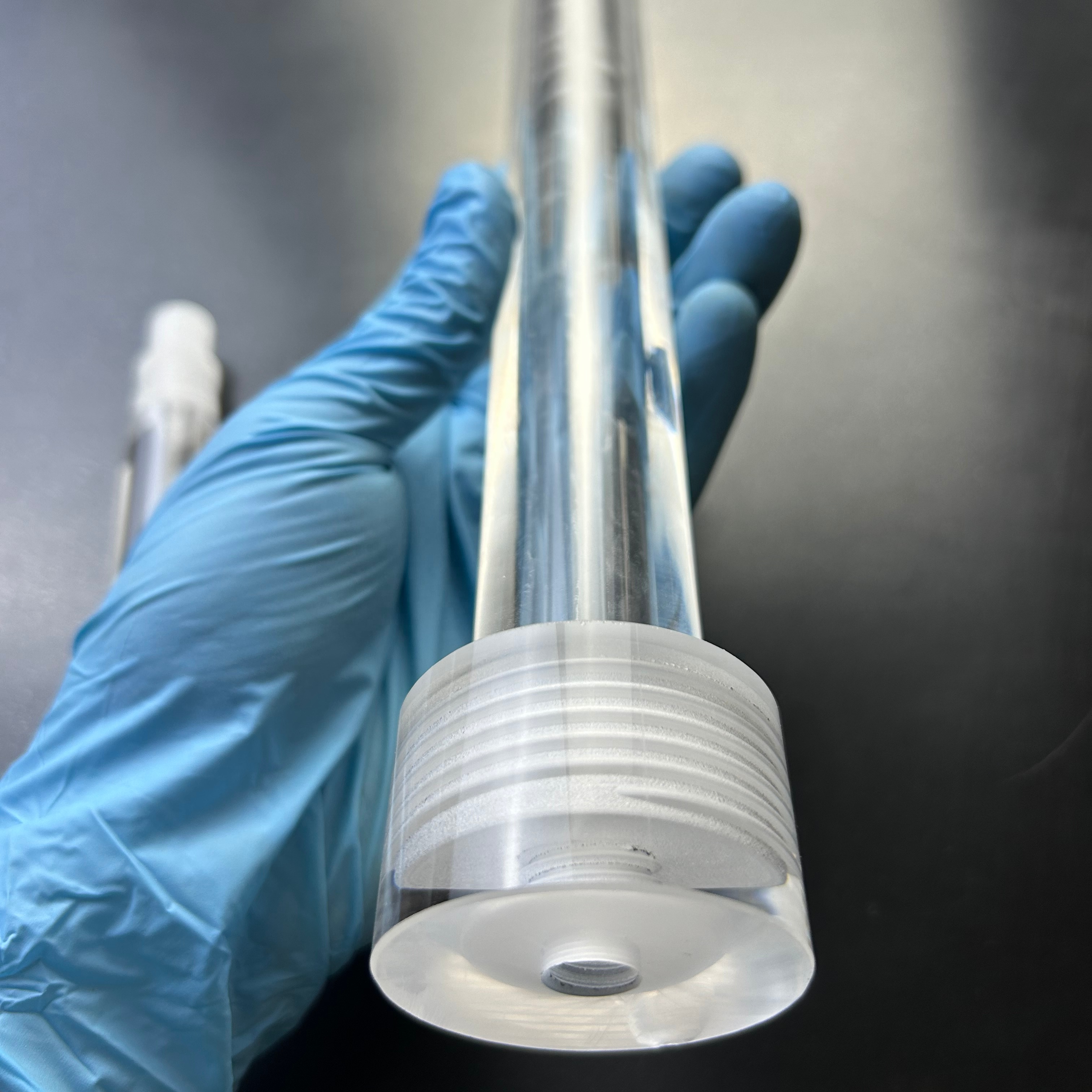
High-Purity Fused Quartz & Synthetic Silica Prisms: Engineering Fundamentals for South Korean OEMs
In the high-precision industrial sectors of South Korea—ranging from semiconductor photolithography in Gyeonggi-do to advanced OLED display encapsulation in Chungcheongnam-do—optical components face aggressive thermal loads, high-flux laser irradiation, and severe dimensional stability demands. Standard optical borosilicate (N-BK7) glasses suffer catastrophic solarization, high thermal expansion (7.1 × 10⁻⁶/K), and thermal lensing when subjected to deep-ultraviolet (DUV) wavelengths or high-power industrial lasers. Custom optical prisms manufactured from fused silica and high-purity fused quartz (SiO2 ≥ 99.99%) represent the critical standard for beam steering, image rotation, laser separation, and interferometric wafer alignment.
As Korean tier-1 equipment builders (semiconductor steppers, metrology scanners, and automated optical inspection systems) accelerate their transition toward sub-3nm chip nodes and ultra-dense micro-OLED matrices, their procurement criteria have shifted from off-the-shelf catalog optics to custom OEM drawing-based quartz glass prism fabrication. These requirements demand angular accuracies tighter than 2 arcseconds, surface micro-roughness below 0.3 nm RMS, and wavefront distortion certified down to λ/20 per inch.
Synthetic Silica & Fused Quartz Grade Matrix for Optical Prisms
Selecting the correct quartz raw material is crucial to avoid transmission drops, OH-absorption bands, or optical birefringence in the final optical system. Zelvo Quartz processes three distinct optical-grade quartz variants tailored for specialized spectral regions:
| Optical Quartz Grade | Equivalent Industry Code | Transmission Range | Hydroxyl (OH⁻) Content | Primary Korean Industrial Application |
|---|---|---|---|---|
| JGS1 (Synthetic Silica) | Suprasil 1 / HPFS 7980 / Excimer | 185 nm – 2,500 nm (DUV to NIR) | ≈ 800 – 1200 ppm | EUV/DUV wafer alignment, 193nm/248nm KrF/ArF excimer steppers, laser lift-off (LLO). |
| JGS2 (Optical Fused Quartz) | Homosil / Herasil 102 | 220 nm – 2,500 nm (UV to NIR) | ≈ 150 – 200 ppm | Laser level metrology, AOI inspection cameras, industrial spectrophotometer prisms. |
| JGS3 (Infrared Fused Silica) | Infrasil 301 / Water-Free Quartz | 260 nm – 3,500 nm (Visible to Mid-IR) | < 5 ppm (Water-free) | FTIR chemical gas sensors in semiconductor cleanrooms, Nd:YAG laser systems, IR LiDAR. |
Precision OEM Prism Architectures Manufactured for Korean Engineering Designs
Zelvo Quartz provides complete custom-drawing fabrication across all standard and non-standard optical prism configurations, integrating CNC ultrasonic grinding, double-sided planetary pitch polishing, magnetorheological finishing (MRF), and robotic cleanroom spectrophotometric coating.
Right-Angle Quartz Prisms
Utilized for 90° beam deviation, retro-reflection, and internal total reflection (TIR). Fabricated from bubble-free fused silica with surface flatness down to λ/10 and angular tolerances strictly within ±3 arcseconds for high-speed laser routing.
Dove & Abbe-Koenig Prisms
Designed for image rotation and polarization preservation in high-resolution semiconductor wafer inspection microscopes. Dove prisms feature precision bevels, stress-free annealing, and blackened non-transmitting facets to suppress internal stray flare.
Penta & Amici Roof Prisms
Crucial for 90° constant deviation regardless of mechanical tilt. Used widely by Korean automation system integrators in laser calibration heads, robotic vision alignment systems, and aerospace spatial tracking where vibration immunity is paramount.
Corner-Cube Retroreflectors
Hexagonal and trihedral fused quartz retroreflectors that bounce incoming laser beams back precisely to their origin (180° deviation). Engineered for long-distance laser rangefinding, high-speed rail track alignment, and satellite photonics.
Equilateral & Brewster Prisms
Optimized for laser wavelength separation, harmonic generation, and pulse dispersion compensation. Cut at exact Brewster angles with anti-reflective V-coatings designed to sustain multi-kilowatt pulsed UV laser outputs without thermal fracture.
Polarizing & Beam-Splitting Assemblies
Cemented or optically contacted (chemically bonded without adhesives) polarizing beam-splitter cubes (PBS). Designed for high extinction ratios (> 1000:1) and zero outgassing in high-vacuum semiconductor processing chambers.
South Korea's High-Tech Ecosystem: Specific Industrial Prism Deployments
South Korea stands as the epicentre of memory semiconductors, flexible display panels, high-density EV battery manufacturing, and advanced medical diagnostics. Zelvo Quartz designs and supplies high-purity custom quartz prism elements directly into specific industrial clusters across South Korea:
Yongin & Pyeongtaek: Semiconductor Megafabs
In high-numerical-aperture (High-NA) lithography tracks and wafer inspection tools, synthetic quartz prisms handle intense 193 nm and 248 nm laser illumination. Because synthetic fused silica features virtually zero thermal expansion drift (α = 0.55 × 10⁻⁶/K), prism faces retain planar accuracy during multi-day continuous wafer scanning cycles.
Asan-Tangjeong & Paju: OLED Laser Processing
During flexible OLED micro-machining and Laser Lift-Off (LLO), high-energy 308 nm XeCl excimer laser line beams are routed through large-aperture quartz homogenizer prisms. The prisms require extreme homogeneity, Class 0 inclusion levels, and dielectric high-power coatings that prevent optical damage and energy distortion.
Pangyo Techno Valley: Autonomous LiDAR & Robotics
Korean autonomous perception sensor developers in Pangyo utilize custom quartz retroreflectors and beam-folding penta prisms in compact solid-state LiDAR sensors. Fused quartz withstands extreme automotive operating temperatures (-40°C to +125°C) without the optical defocusing common in optical plastics or standard glass.
Daedeok Innopolis: R&D Centers & Syncrotrons
Scientific institutes in Daejeon (KAIST, KIER, KRISS) rely on custom dispersion prisms for vacuum ultraviolet (VUV) and synchrotron radiation beamlines. Precision fire-polishing and super-polishing techniques guarantee zero subsurface mechanical damage, preventing crystal lattice degradation under high-flux X-ray and UV exposure.
Osong Bio-Valley: Flow Cytometry & Medical Optics
Quartz prism flow cells and total internal reflection fluorescence (TIRF) prisms are deployed in medical gene sequencers and automated blood cell sorters. Ultra-pure synthetic silica eliminates background autofluorescence, ensuring distinct signal-to-noise ratios during single-molecule fluorophore detection.
Ulsan & Gumi: Secondary Battery Inspection
High-speed laser triangulation sensors and thickness-measurement optical heads deployed in EV battery gigafactories employ anti-reflective coated quartz right-angle prisms. Resistance to corrosive electrolyte vapors and high industrial ambient heat makes fused silica the only reliable optical window material.
South Korea Sourcing Trends: Strategic Diversification in Optical Supply Chains
The South Korean photonics and semiconductor manufacturing sectors are undergoing rapid strategic realignments. Procurement directors and optical system architects across Korea are actively transforming their supply chains to address structural market shifts:
2. Yongin Semiconductor Mega-Cluster Expansion: With the South Korean government and leading conglomerates investing over 500 trillion KRW into the Yongin Mega-Cluster, the domestic demand for optical consumables, stepper prisms, and metrology optical carriers has surged. This massive ramp-up creates substantial supply pressure on legacy fabricators, making responsive OEM suppliers with a 1-piece minimum order quantity (MOQ) and rapid prototype turnarounds an operational necessity.
3. Transition to Shorter Laser Wavelengths in Advanced Packaging: In 2.5D/3D advanced chip packaging, fan-out wafer-level packaging (FOWLP), and high-bandwidth memory (HBM3e/HBM4) stack processing, conventional green (532 nm) and infrared (1064 nm) lasers are being replaced by UV (355 nm) and DUV (266 nm) picosecond/femtosecond laser slicing heads. Prisms used in these systems require synthetic JGS1 substrates that maintain high transmission without solarization or phase distortion over billions of laser pulses.
Why South Korean Buyers Partner with Zelvo Quartz
Lianyungang Zelvo Quartz Products Co., Ltd., based in Donghai County, Jiangsu—the globally recognized "Crystal Capital"—combines raw quartz mineral abundance with modern CNC optomechanical processing. Our manufacturing infrastructure delivers unmatched reliability for overseas OEM procurement:
99.99% SiO₂ Purity Guarantee
Every melt batch undergoes ICP-MS elemental analysis and spectrophotometer validation, certifying ultra-low bubble classes (DIN 3140 Class 0) and zero striae.
Direct Drawing-Based OEM
From CAD/STEP files, we manufacture custom prisms, slotted wafer carriers, and flanged assemblies using 5-axis ultrasonic machining, laser slicing, and pitch polishing.
≤2h Technical Quote Response
South Korea shares a close 1-hour time zone difference with our engineering department. Optical drawing reviews, DFM feedback, and formal quotes are delivered within 2 hours.
DDP Incheon & Busan Air Logistics
Cleanroom double-vacuum packaging enclosed in high-density shock-absorbing EPE foam and reinforced timber flight cases. Safe door-to-door delivery across South Korea within 3–5 days.
Frequently Asked Questions: Sourcing Custom Quartz Prisms in South Korea
Key technical, commercial, and regulatory answers compiled for South Korean engineering buyers and supply chain managers.
Request an Engineering Review & Quotation for Your Prism Design
Submit your 2D/3D optical drawings (DWG, DXF, STEP, or PDF) along with working wavelength, dimensional tolerances, and coating requirements. Our optical engineering team provides technical feasibility feedback and competitive factory-direct pricing within 2 hours.