Engineered Quartz Components for Advanced Semiconductor & Optical Processes
Direct OEM manufacturing from China's crystalline epicenter in Donghai County, customized precisely to CAD drawings for precision manufacturing hubs in Southern Laos and international cleanrooms.
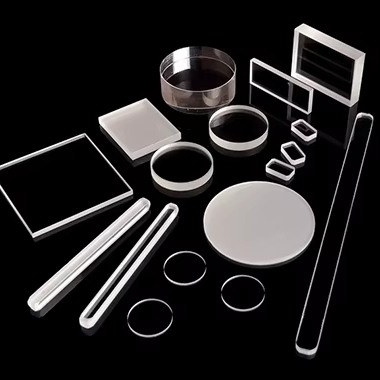
Custom Size High Temperature Fused Transparent Quartz Glass Optical Grade Test Sample Sheet
Specialized substrate plates engineered for spectral measurement, high-temperature furnace sight ports, and thin-film deposition test sheets.
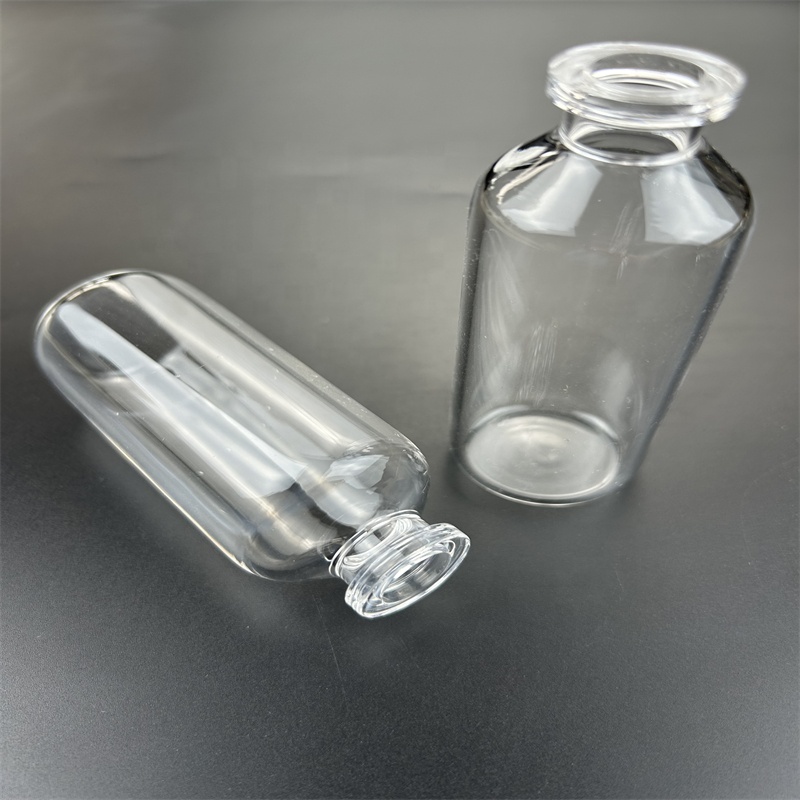
Custom High Pressure Corrosion Resistant Transparent 99.99% Pure Ozone Free Quartz Glass Ampoules
Flame-sealed containment ampoules suitable for pure chemical synthesis, vacuum encapsulation, and aggressive halogen reagent isolation.
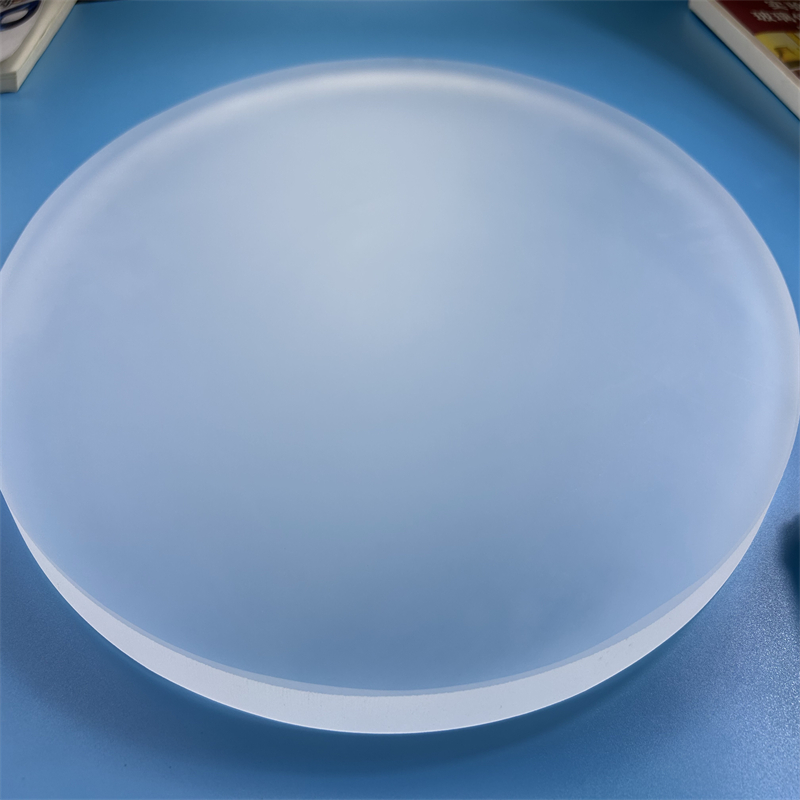
High Temperature Resistance Frosted Quartz Disc/Plate Semiconductor Applications
Uniformly micro-etched and frosted surface discs for thermal barrier shielding, infrared heat dispersion, and etching chuck cover plates.
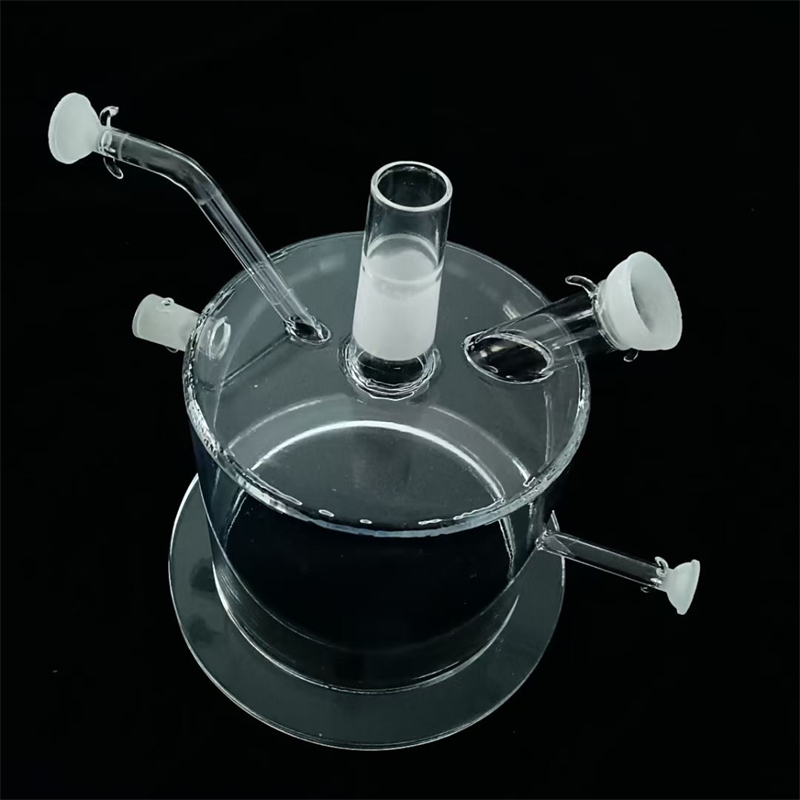
Customized High Pressure Clear Quartz Glass Tube Bending/Welding/Cutting 99.99% Pure
High-pressure process tubes engineered for horizontal LPCVD and thermal oxidation reactors, with tight concentricity tolerances.
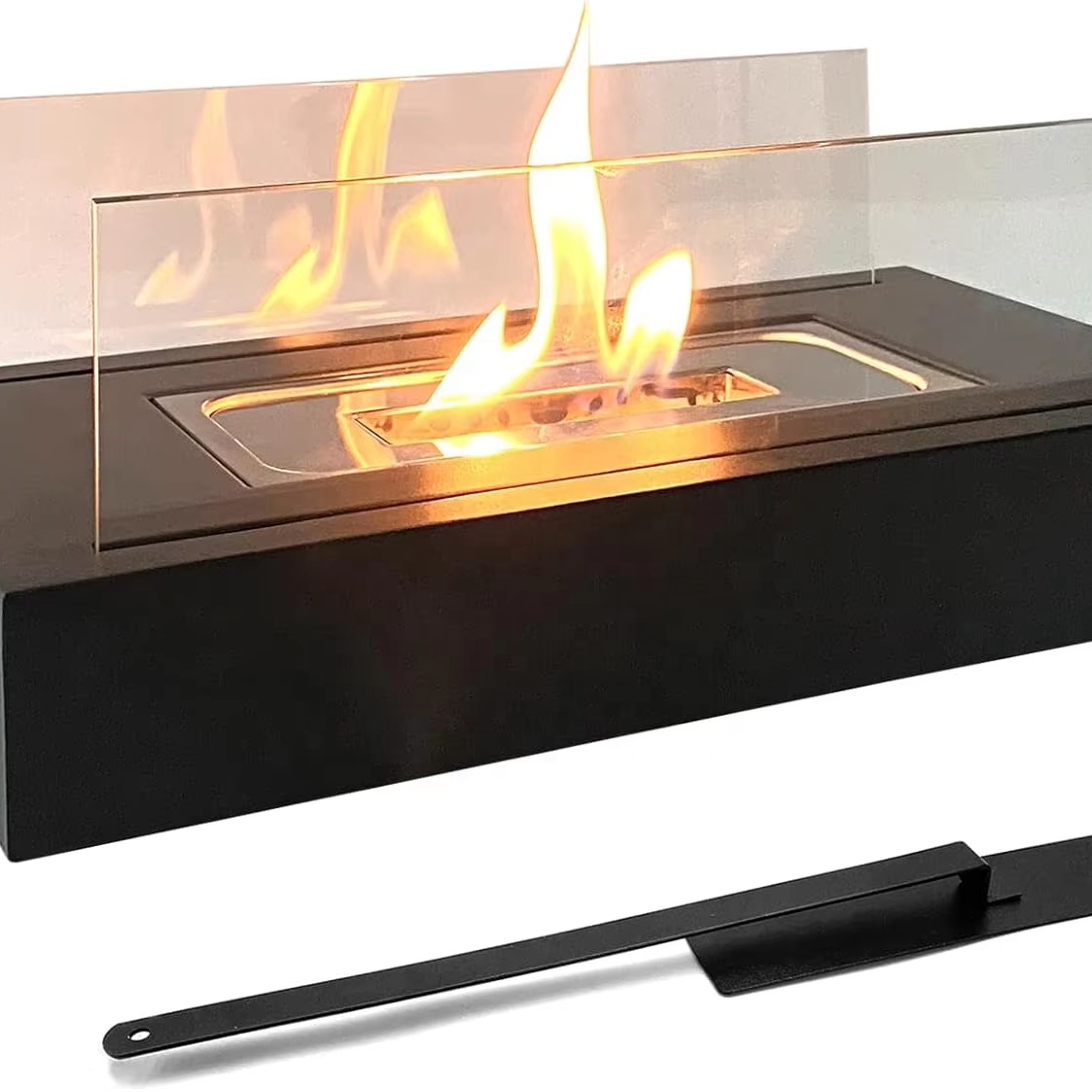
High Temperature Clear Transparent High Precision Optical Grade Quartz Glass
Custom machined optical-grade clear quartz with exceptional clarity across UV to near-infrared spectra for analytical optical instruments.
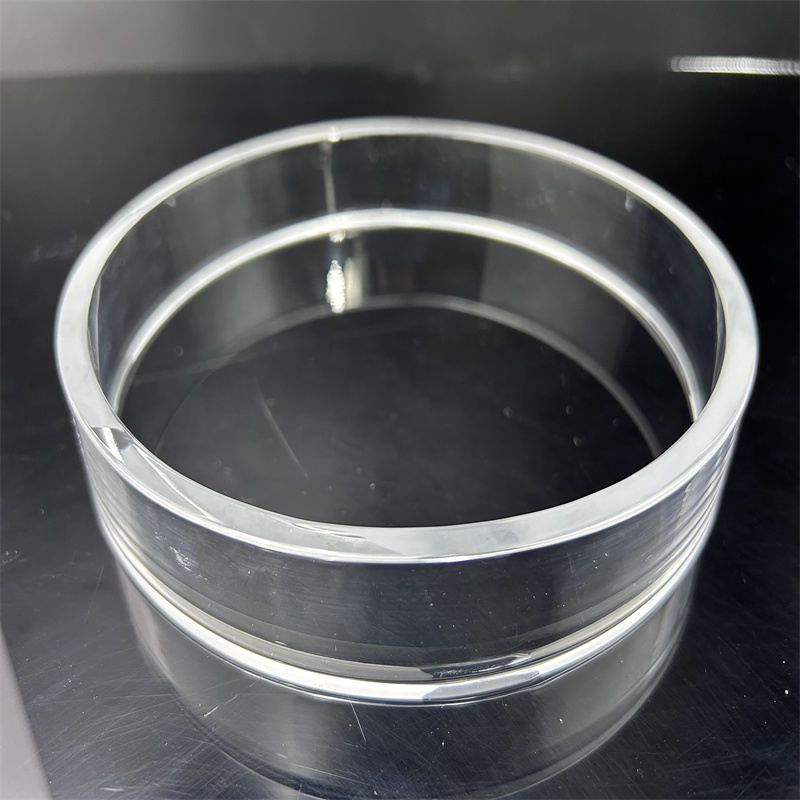
Customizable High Transparent Corrosion-Resistant Fused Quartz Glass Bell Jar
High vacuum bell chambers featuring ground flat-lip flanges, designed for epi-reactors, plasma etching, and thin-film vacuum metallization.
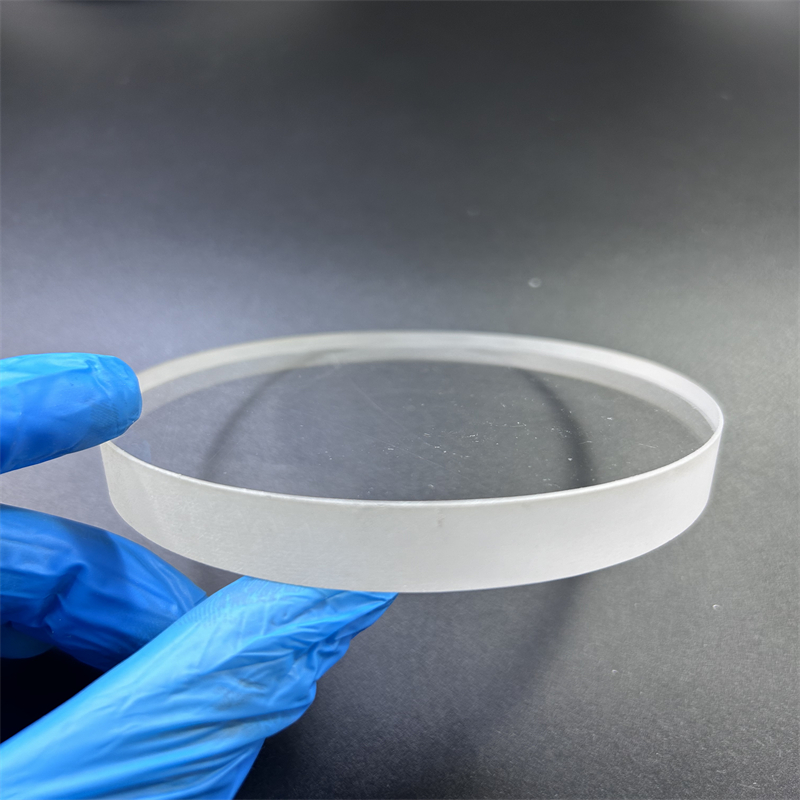
High Temperature Transparent UV Quartz Glass Plate Polished Fused Quartz Disc
Polished deep ultraviolet windows with extreme flatness (lambda/4) and minimal wave distortion for photolithography and UV sterilization sensors.
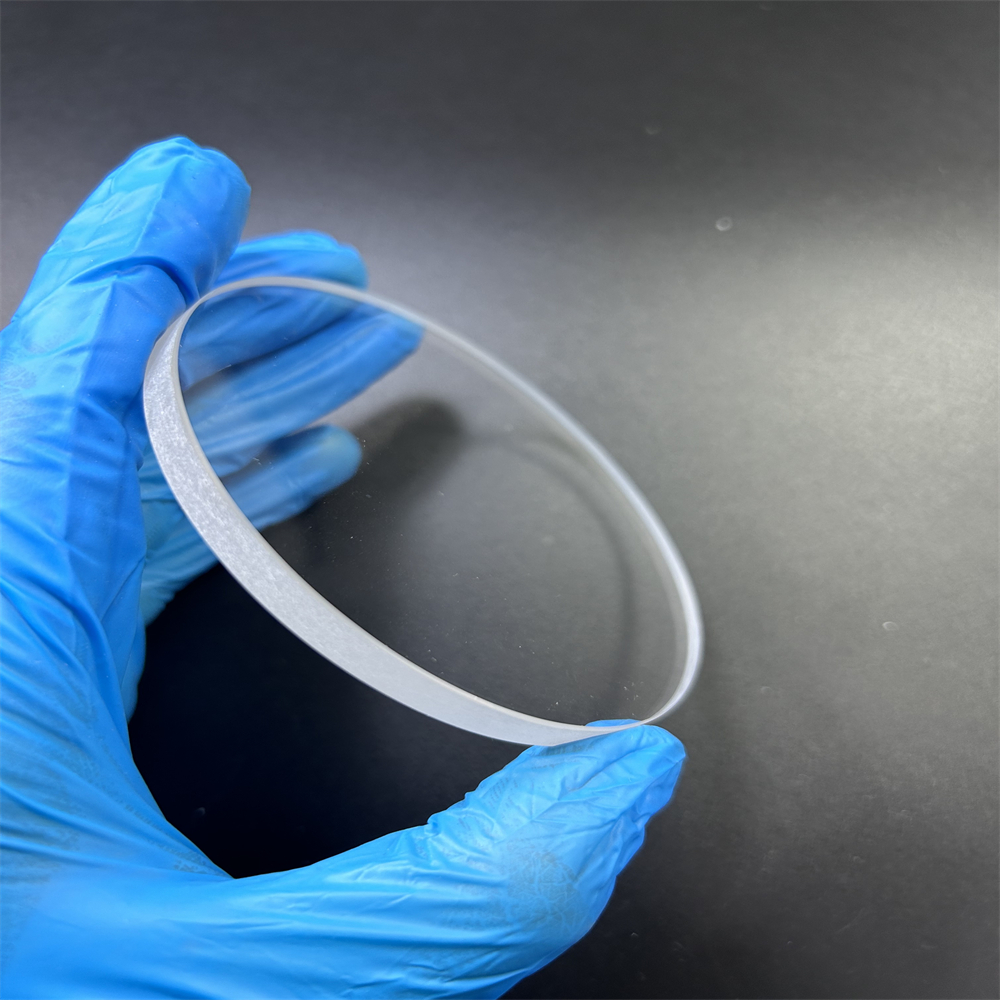
High Pressure Fused Silica Quartz Glass Wafer Transparent UV Sheet High Precision
Semiconductor carrier wafers, dummy monitor wafers, and MEMS glass substrates with pristine edge profiling and chemical mechanical polishing.
High-Purity Fused Quartz Ware in Semiconductor & Solar Cell Fabrication
A critical review of structural amorphous silica, trace metal kinetics, and thermal performance under extreme processing conditions in cleanroom manufacturing corridors.
Thermodynamic Resilience & Cristobalite Phase Inversion
Fused quartz consists of an amorphous tetrahedral network of silicon dioxide (SiO₂). Unlike conventional borosilicate or aluminosilicate glasses, electrically fused quartz possesses an extraordinarily low thermal expansion coefficient of approximately 5.5 × 10⁻⁷ / °C from 20°C to 1000°C. This grants the material virtually unmatched resistance to severe thermal shock, allowing furnace diffusion tubes and wafer boats to transition from 1100°C furnace chambers to ambient cleanroom environments without structural shattering.
However, prolonged exposure above 1150°C in the presence of trace alkali ions (such as sodium, potassium, or calcium) initiates devitrification—the nucleation and growth of crystalline beta-cristobalite. Upon cooling below 270°C, beta-cristobalite undergoes a displacive phase transformation into alpha-cristobalite, accompanied by a destructive volumetric contraction of nearly 5%. Zelvo Quartz controls this through rigorous gas-phase synthetic flame fusing and hot-acid HF decontaminating baths, ensuring surface purity that suppresses crystal nucleation sites during cyclic heating.
Sub-ppm Contamination Metrics & Lattice Protection
In silicon wafer diffusion, oxidation, and chemical vapor deposition (CVD), furnace components operate in intimate proximity to bare silicon surfaces. Any trace transition metal atoms (e.g., Fe, Cu, Ni, Cr) outgassing from the quartz matrix can diffuse interstitial-wise into the silicon lattice at high processing temperatures. Even parts-per-billion (ppb) level heavy metal contamination acts as recombination centers that severely degrade carrier lifetime and cause gate dielectric breakdown.
Zelvo Quartz fabricates components exclusively from purified high-purity natural silica sand sourced from selected veins in Donghai, refined through multistage magnetic separation, froth flotation, and high-temperature chlorination. Our semiconductor-grade ware maintains aggregate trace metal levels below 15–20 ppm, with iron (Fe < 0.2 ppm) and alkali metals (Na + K + Li < 1.0 ppm) strictly clamped to ensure pristine furnace atmospheres during sub-micron junction forming.
| Thermal & Physical Property | Semiconductor Grade (Zelvo Standard) | Synthetic Optical Silica (JGS1) | Commercial Borosilicate Glass |
|---|---|---|---|
| SiO₂ Purity Ratio | ≥ 99.995% | ≥ 99.999% | ~ 81.0% (with B₂O₃ & Na₂O) |
| Continuous Max Temperature | 1100 °C | 1150 °C | 450 °C |
| Short-Term Softening Point | 1683 °C | 1730 °C | 820 °C |
| Linear Thermal Expansion (CTE) | 5.5 × 10⁻⁷ / °C | 5.2 × 10⁻⁷ / °C | 33 × 10⁻⁷ / °C |
| Hydroxyl [OH⁻] Content | < 5 to 30 ppm | < 1 ppm (Low-OH) or ~1200 ppm | Variable / Non-Controlled |
| Dielectric Strength (20°C, 1MHz) | 25 - 40 kV/mm | 30 - 50 kV/mm | 10 - 15 kV/mm |
Localized Application Scenarios in Pakse & Champasak Industrial Hubs
Southern Laos is evolving into an integrated electronics assembly, mineral processing, and clean-tech manufacturing hub along the Greater Mekong Subregion economic corridors.
Pakse-Japan SME SEZ & Electronic Sub-Assembly
The Pakse-Japan SME Special Economic Zone has cultivated an ecosystem of high-precision Japanese, Thai, and regional manufacturers producing sensors, automotive micro-coils, wire harnesses, and optoelectronic modules. Our high-precision quartz plates, laser-cut test windows, and quartz inspection boats serve precision sorting jigs, high-temperature wire annealing, and cleanroom vacuum packaging enclosures where thermal stability and optical inspection access are essential.
Photovoltaic Solar Wafer Processing & Cell Passivation
With Laos committing to massive clean energy export pipelines to Thailand and Cambodia, regional solar ingot pulling and wafer cutting facilities rely on large-diameter fused quartz crucibles, diffusion process tubes, and slotted quartz boats. In phosphorous oxychloride (POCl₃) diffusion and PECVD silicon nitride passivation, our ultra-low hydroxyl quartz tubes prevent chamber sagging over repeated 1000-hour operational cycles.
Champasak Mineral Refining & Analytical Testing Labs
Champasak province's rich bauxite, copper, and rare-earth exploratory deposits demand high-precision sample dissolution labware. Our BET sample tubes, digestion ampoules, and crucibles withstand concentrated hydrofluoric, nitric, and hydrochloric acid digestion protocols up to 1050°C without leaching background trace impurities into analytical atomic absorption (AAS) and ICP-OES spectrometers.
Trends Transforming Pakse's Advanced High-Tech Manufacturing Landscape
How infrastructure integration, strategic de-risking, and low-carbon industrial policies are driving demand for certified semiconductor quartz ware in Southern Laos.
1. Supply Chain Diversification (China+1)
International technology firms are aggressively establishing secondary production nodes in ASEAN to mitigate single-source geopolitical vulnerabilities. Pakse, located centrally along Route 13 and near the Chong Mek border crossing into Ubon Ratchathani (Thailand), offers seamless access to Thailand's Eastern Economic Corridor (EEC) while taking advantage of Lao investment incentives. This requires certified OEM quartz consumables that mirror tier-1 fab specifications without logistical latency.
2. Mekong Multimodal Logistics Acceleration
The full operationalization of the Boten-Vientiane high-speed railway, combined with modernized cross-border trucking arteries into Champasak, has slashed transport lead times from industrial Jiangsu (Donghai) to Pakse down to under 5 to 7 days. Fragile quartz components that previously faced long maritime shipping risks can now be securely dispatched via expedited overland intermodal routes inside shock-monitored crating.
3. Clean Hydroelectric Grid Advantage
Known as the "Battery of Southeast Asia," Laos offers abundant, low-cost hydroelectric power generated across the Mekong Basin. Energy-intensive semiconductor silicon ingot crystallization and wafer slicing plants are migrating to industrial zones around Pakse to minimize their Scope 2 carbon footprint. These processes require continuous replacements of high-purity thermal quartz rings, baffle discs, and heavy-wall furnace liners.
Direct Manufacturing Strengths: Lianyungang Zelvo Quartz Products
Rooted in Donghai County, China's world-renowned quartz capital, Zelvo Quartz bridges specialized glassblowing traditions with computerized precision machining.
Full-Spectrum Cold & Hot Machining Capabilities
We run dedicated cold-machining and hot-flame fabrication lines capable of converting complex engineering prints into exact tolerances:
- CNC Milling & Laser Micro-Drilling: Achieving hole diameters down to 0.2mm with zero chip propagation and edge micro-cracks.
- Rotary Lathe Glassblowing & Welding: High-temperature oxy-hydrogen flame welding of large diameter flange joints up to Ø600mm.
- Thermal Annealing & Stress Relief: 1215°C computer-controlled annealing cycles that eliminate internal birefringence and structural stresses.
- Optical Lapping & Chemical Mechanical Polishing: Producing surface finishes with roughness Ra < 0.5nm and flatness λ/4 for photolithography.
Export Assurance & Buyer Guarantee Matrix
Supplying cleanroom facilities across Southeast Asia, North America, and Europe, our export framework ensures zero-defect delivery:
- Class 10,000 Cleanroom Pre-Wash: Multistage ultrasonic cleaning with deionized water followed by vacuum double-PE bagging.
- Shock-Dampened Export Crating: Custom CNC-molded polyethylene foam suspension within fumigated high-strength plywood crates.
- Traceable Material Certifications: Comprehensive ICP-MS chemical purity reports and dimensional CMM inspection sheets included with each lot.
- Dynamic Order Agility: Prototyping support starting from 1 single piece, scaling seamlessly to scheduled monthly container deliveries.
Local Procurement & Engineering Questions for Pakse Buyers
Detailed technical answers to common questions regarding customs, transit safety, specification validation, and high-temperature thermal quartz handling.