Engineered Quartz Glass Components & Wafers
Direct manufacturer supply from Donghai County to the Marigot market with laser precision machining, micro-milling, flame-polishing, and full drawing-based OEM fabrication.
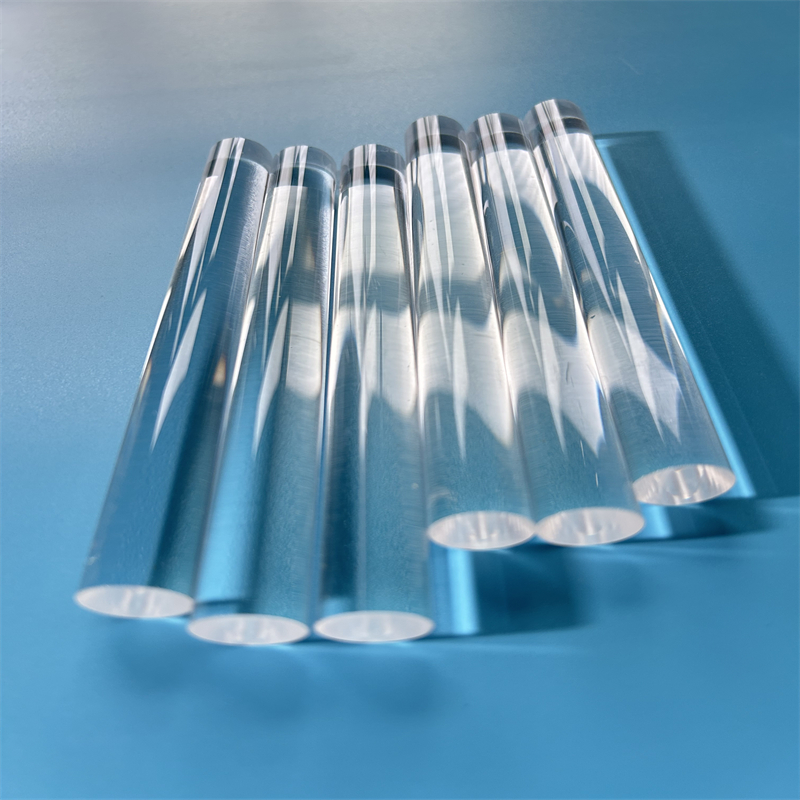
Custom Guitu Quartz GT Model High Purity Optical Light Guide Cylinder Rod
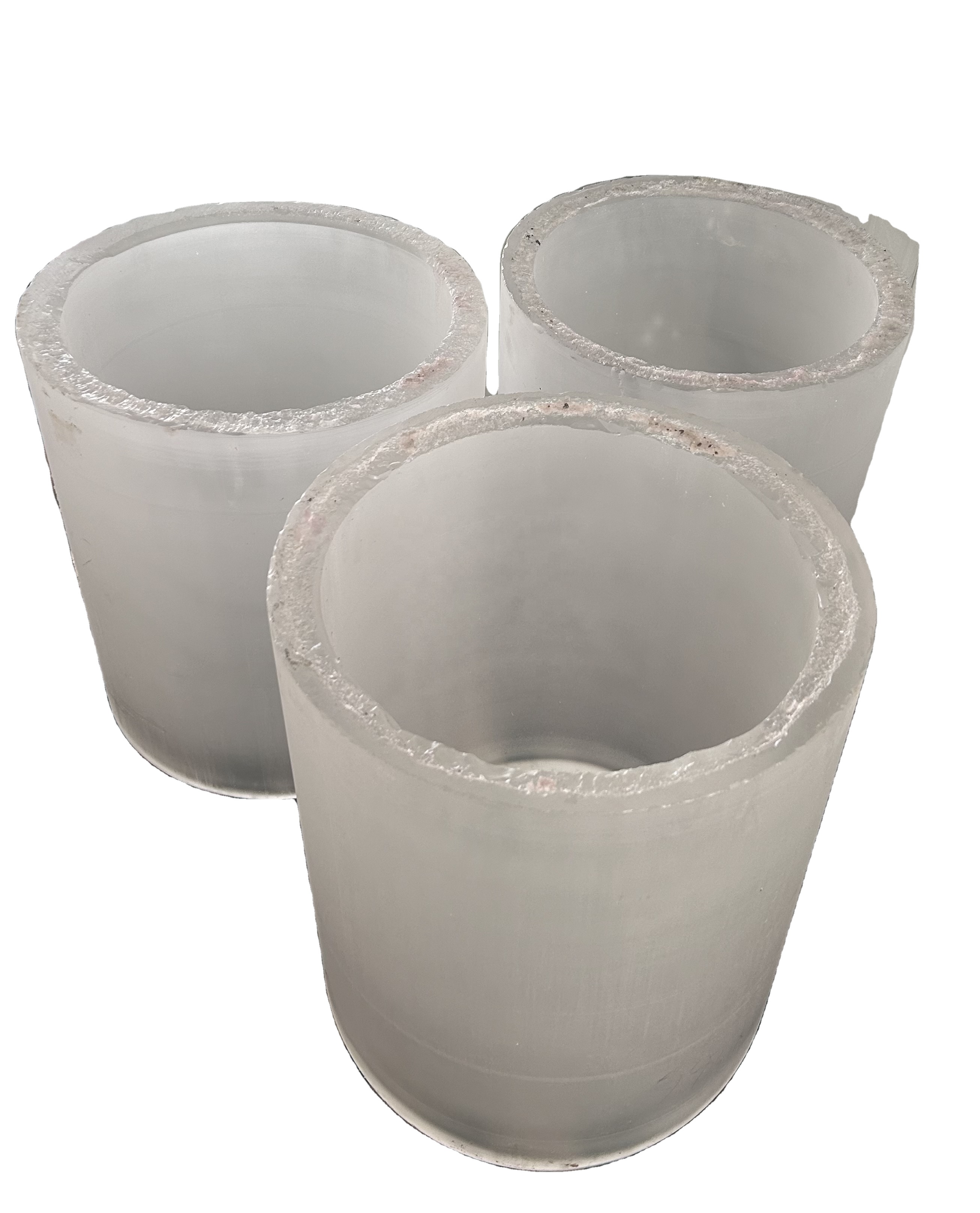
Open Ended Fused Quartz Frosted Glass Cylinder Ingot with Welding Cutting
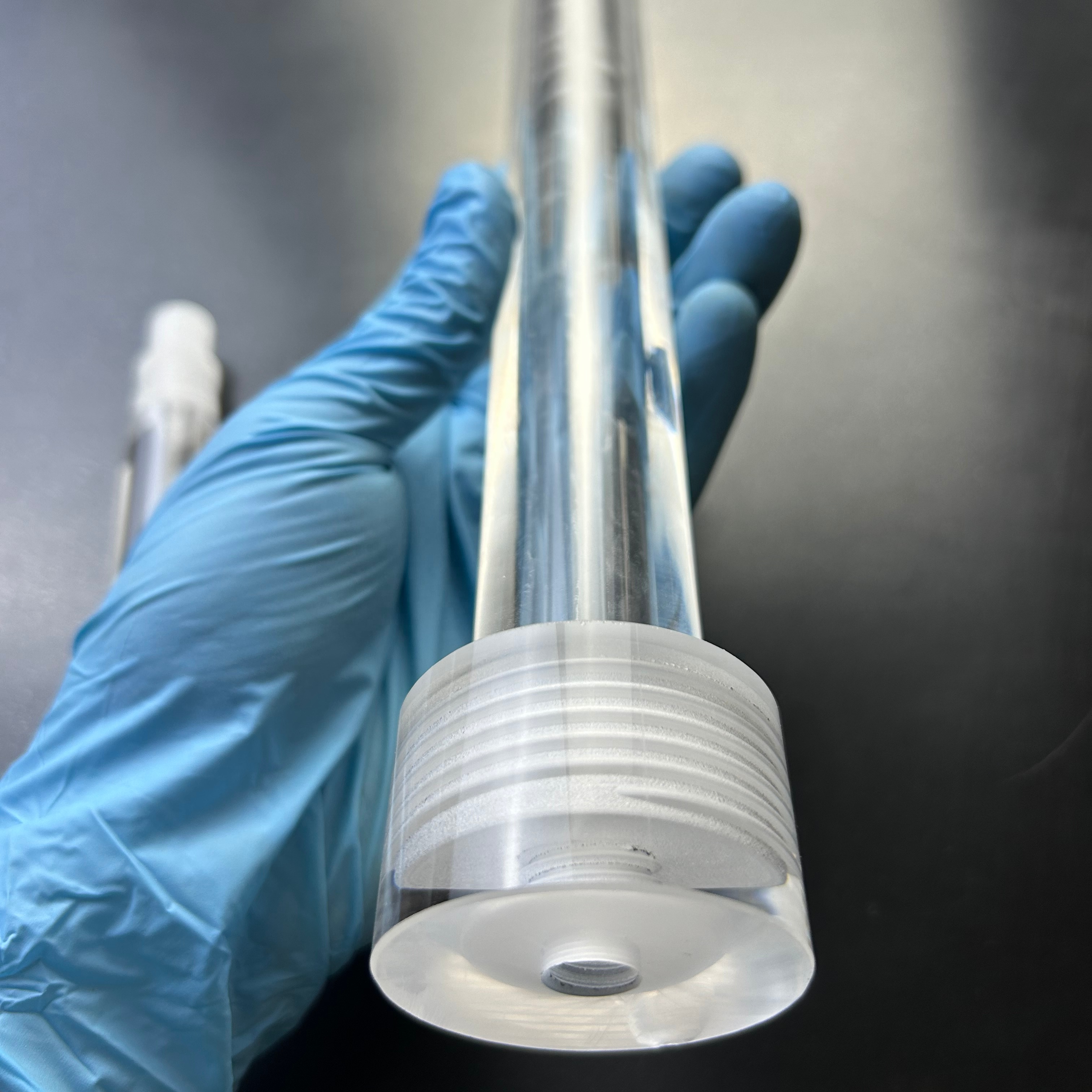
Customizable High-Pressure Polished Clear Quartz Twin Tube Bending/Welding
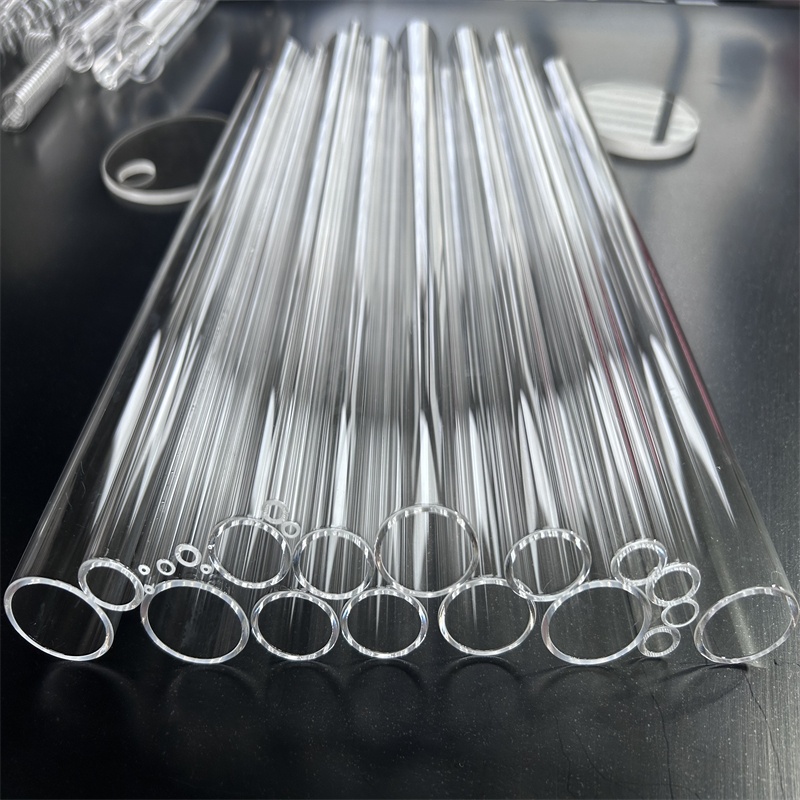
High-Temperature Heat-Resistant 99.99% Pure Fused Quartz Twin Tube
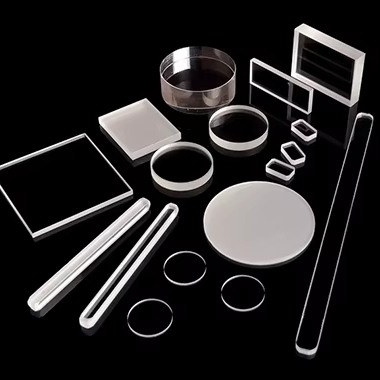
Custom Size Optical-Grade Fused Transparent Quartz Glass Sample Sheet
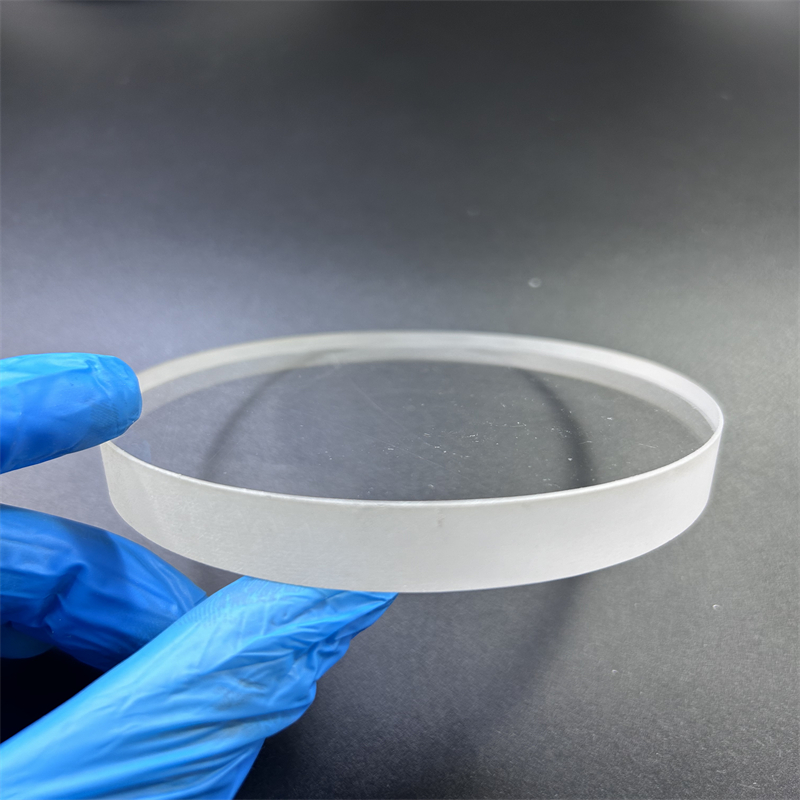
UV Fused Quartz Glass Plate Polished Circular Disc 1100°C Working
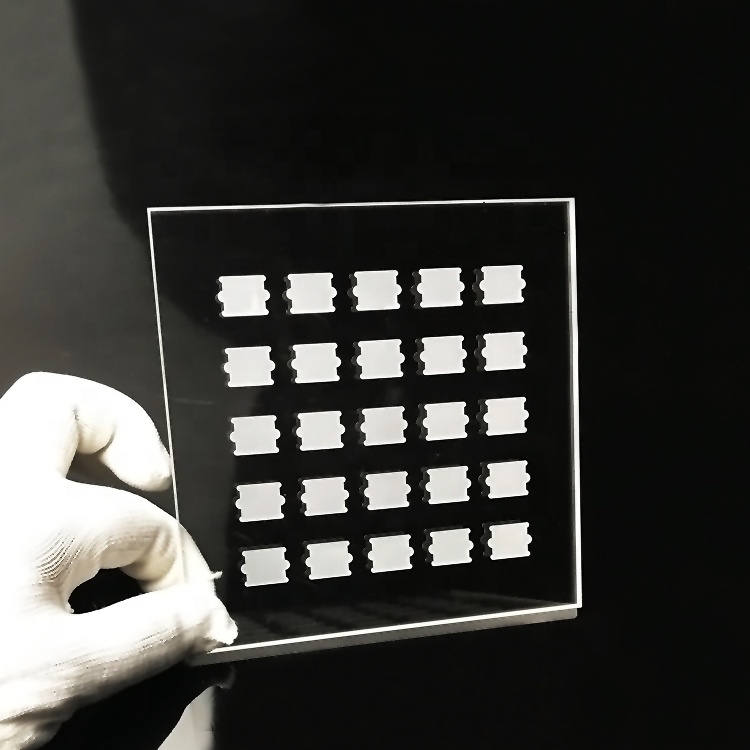
Circular Fused Quartz Glass XRD Sample Holder Zero Background Well
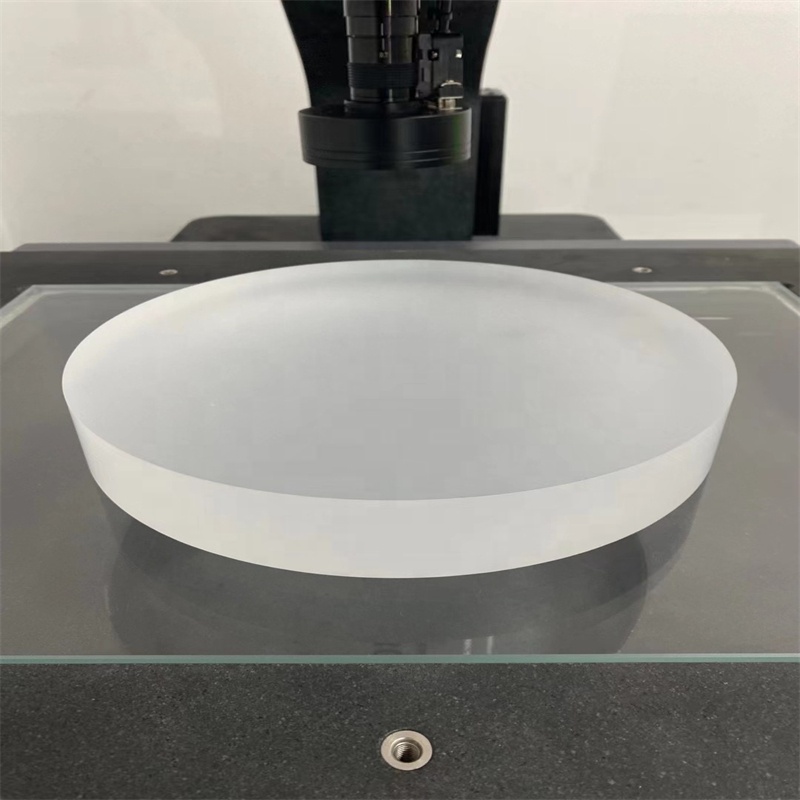
Custom Clear Fused Quartz Plate 1100°C Heat-Resistant Substrate Sheet
Synthetic Fused Silica vs. Natural Quartz Wafers: Structural Physics in Demanding Climates
In high-precision electronics, deep-ultraviolet (DUV) lithography, and marine biogeochemical sensing, the selection between synthetic fused silica (JGS1) and natural fused quartz (JGS2 / JGS3) represents a foundational architectural decision. For buyers in the Marigot market—spanning Saint Martin, Sint Maarten, and the broader Northern Leeward Islands—environmental stressors such as atmospheric salinity, extreme ultraviolet radiation indices, and cyclic tropical condensation require superior physical, optical, and dielectric stability.
Synthetic fused silica is produced via the chemical vapor deposition (CVD) or plasma hydrolysis of silicon tetrachloride (SiCl₄) within an oxygen-hydrogen flame. This manufacturing route ensures an ultra-pure amorphous silicon dioxide matrix with trace metallic impurities (Fe, Al, Ti, Na, K) maintained below 0.1 parts per million (ppm). As a result, JGS1 wafers exhibit virtually zero optical absorption bands across the deep UV spectrum from 185 nm to 2500 nm, rendering them immune to cosmic or high-energy radiation solarization. In contrast, electrically fused natural quartz (synthesized from natural quartz crystal granules found in the Donghai pegmatite veins) possesses exceptional structural rigidity, an extremely low coefficient of thermal expansion (α = 5.5 × 10⁻⁷ / K), and superior continuous thermal thresholds up to 1100 °C.
Information Gain Note for Engineers: When deploying optical wafers in Marigot's marine telemetry nodes, hydroxyl ion (OH⁻) content directly controls infrared transmission behavior. Water absorption peaks at 2.73 μm and 1.38 μm can be suppressed through vacuum thermal dehydroxylation, yielding "water-free" JGS3 fused quartz wafers with an OH content < 5 ppm.
At Zelvo Quartz, our cleanroom lapping and Chemical-Mechanical Planarization (CMP) facilities maintain surface roughness (Ra) down to < 0.5 nm (5 Å), with total thickness variation (TTV) under 2 μm across wafer diameters ranging from 25.4 mm (1 inch) to 300 mm (12 inches). This ultra-smooth morphology eliminates Rayleigh micro-scattering, which is vital for multi-spectral oceanic LIDAR, subsea fiber-optic transceivers, and chemical sensor substrates.
| Physical / Optical Property | Standard Fused Quartz (JGS2) | UV Synthetic Silica (JGS1) |
|---|---|---|
| Chemical Purity (SiO₂) | ≥ 99.99% | ≥ 99.9999% (Electronic Grade) |
| Density (ρ) | 2.20 g/cm³ | 2.201 g/cm³ |
| Thermal Expansion Coeff. (20–320°C) | 5.5 × 10⁻⁷ K⁻¹ | 5.2 × 10⁻⁷ K⁻¹ |
| Continuous Working Temperature | 1100 °C | 950 °C |
| Short-Term Softening Point | 1683 °C | 1585 °C |
| Dielectric Constant (ε at 1 MHz) | 3.78 | 3.80 |
| Loss Tangent (tan δ at 10 GHz) | < 1.0 × 10⁻⁴ | < 0.4 × 10⁻⁴ |
| UV Cutoff Wavelength | ≈ 260 nm | ≈ 185 nm |
| Surface Roughness (Polished Wafer Ra) | < 1.0 nm | < 0.5 nm (Super-polished) |
| Hydroxyl (OH⁻) Concentration | 150 – 200 ppm | 800 – 1200 ppm (Dry grade < 5 ppm) |
Machining & Dimensional Tolerances
Every quartz wafer manufactured for Caribbean clients undergoes strict metrological control utilizing Zygo Verifire optical interferometry and non-contact laser confocal thickness gauges:
- Diameter Tolerances: ±0.05 mm via CNC edge-grinding and optical beveling (semi-standard compliant flats or notches).
- Thickness Control: From 0.1 mm ultra-thin flex wafers to 15 mm monolithic viewports (±0.005 mm).
- Surface Quality: 10/5 to 40/20 Scratch-Dig under MIL-PRF-13830B inspection standards.
- Wavefront Distortion: Up to λ/10 per 25 mm aperture at 632.8 nm.
- Laser Micro-Drilling: Through-hole aspect ratios up to 1:10 with diameter tolerance down to ±0.01 mm without chipping.
Localized Application Scenarios in the Marigot Market
How engineering teams, marine research consortia, and environmental sensing labs across Marigot, Saint Martin, and neighboring Caribbean territories deploy fused quartz glass components.
Marine Spectrometry & Coral Reef Bio-Telemetry
Marigot's coastal research stations and marine conservation units monitor coral calcification, chlorophyll-a fluorescence, and ocean acidification using UV-Vis immersion spectrophotometers. Fused silica quartz windows and flow-through sample cells withstand severe bio-fouling and high hydrostatic pressure without optical degradation or chemical leaching.
Tropical Solar Photovoltaic & Microgrid Testing
With Saint Martin transitioning to distributed hybrid solar microgrids, specialized R&D testbeds utilize quartz plates and twin-tube infrared heating lamps to simulate extreme solar thermal cycling and UV weathering in high-humidity (90%+ RH), salt-fog Caribbean atmospheric chambers.
Subsea Telecommunications & Fiber Splicing
Serving as a critical transit hub for Caribbean trans-oceanic subsea fiber links, Marigot-based maintenance installations require zero-expansion fused quartz substrate chips, V-groove arrays, and hermetic laser transceiver windows resistant to marine galvanic electrolysis.
Desalination & High-Output UV Sanitization
Seawater Reverse Osmosis (SWRO) facilities and private utility installations throughout Saint Martin utilize heavy-wall clear fused quartz sleeves and twin tubes for germicidal UV-C photolysis reactors (254 nm), destroying marine pathogens without introducing halide leaching into potable supply lines.
Marigot Market Trends & Supply Chain Resilience
Analyzing procurement shifts, regulatory environmental directives, and air/sea freight logistics into the Northern Caribbean.
Regional Decentralization of High-Tech Labs
Historically dependent on metropolitan French and US mainland testing laboratories, marine bio-tech and clean-energy facilities in the French West Indies are establishing on-island diagnostic infrastructure. This shift increases the immediate demand for customizable, low-MOQ quartz glass apparatus, BET analysis sample tubes, and XRD zero-background holders.
Demand for High Hydrothermal Stability
Standard borosilicate glass fails prematurely in coastal Caribbean autoclaves and marine reactors due to alkaline corrosion and micro-crack expansion. Specifiers in Marigot increasingly mandate synthetic fused silica (SiO₂ ≥ 99.99%) to eliminate catastrophic thermal shock failures and maintain lifetime optical transmittance.
Direct Intermodal Air & Maritime Freight Logistics
Mitigating transit vulnerability across the Caribbean Sea is paramount. Zelvo Quartz bridges Chinese precision manufacturing with Marigot buyers through DDP / CIF delivery protocols via Grand Case-Espérance Airport (SFG), Princess Juliana International (SXM), and maritime container freight through the Port of Galisbay, fortified by shock-rated vacuum wooden crating.
Engineered by Zelvo Quartz: Donghai Crystal Capital Roots
Combining 10+ years of master glassworking expertise with automated CNC machining, high-temperature flame annealing, and strict cleanroom quality assurance.
Onsite-Verified Manufacturing
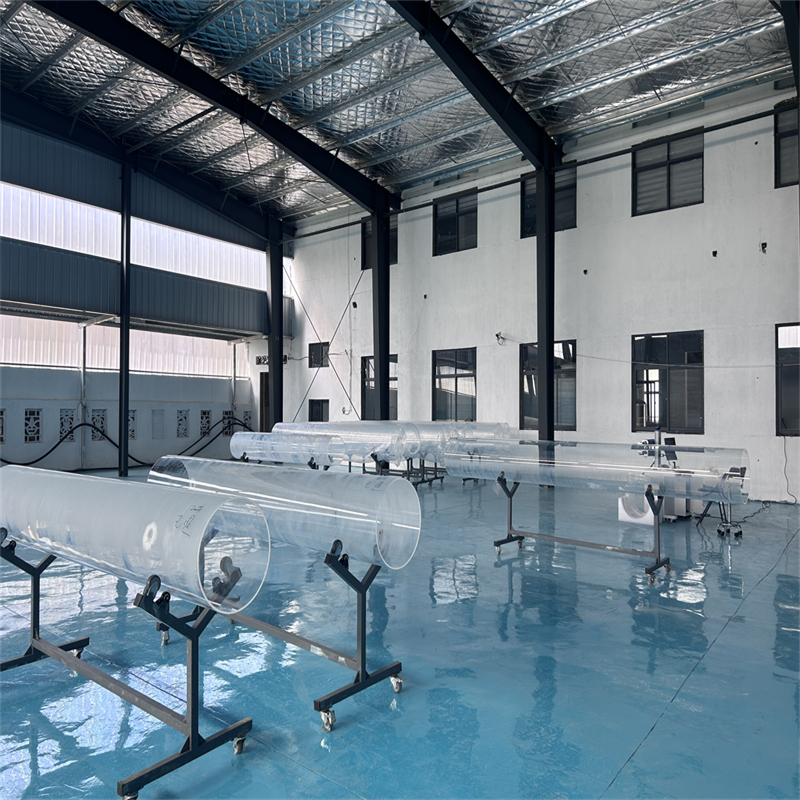
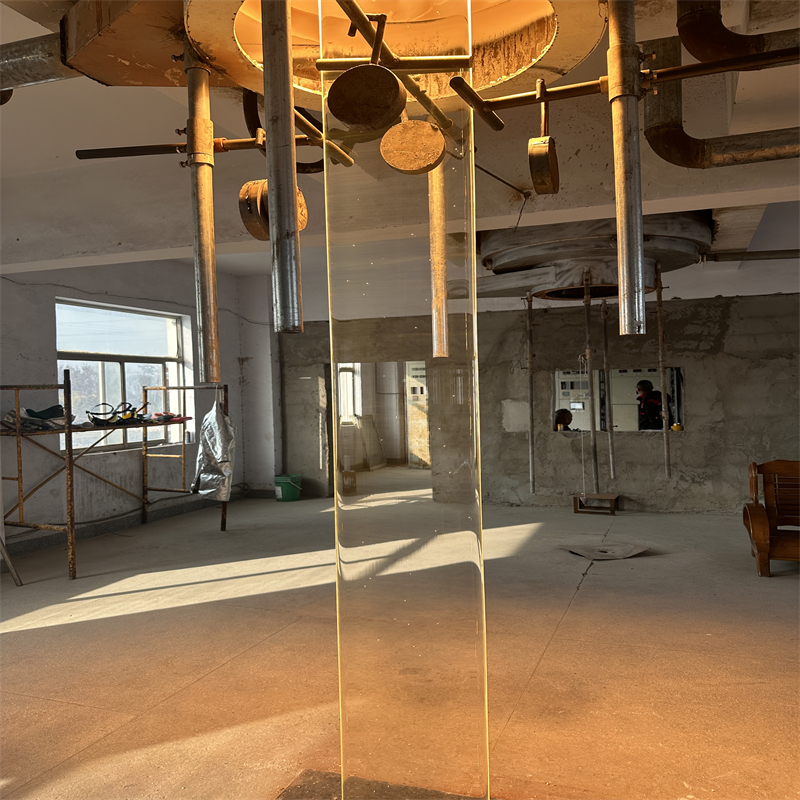
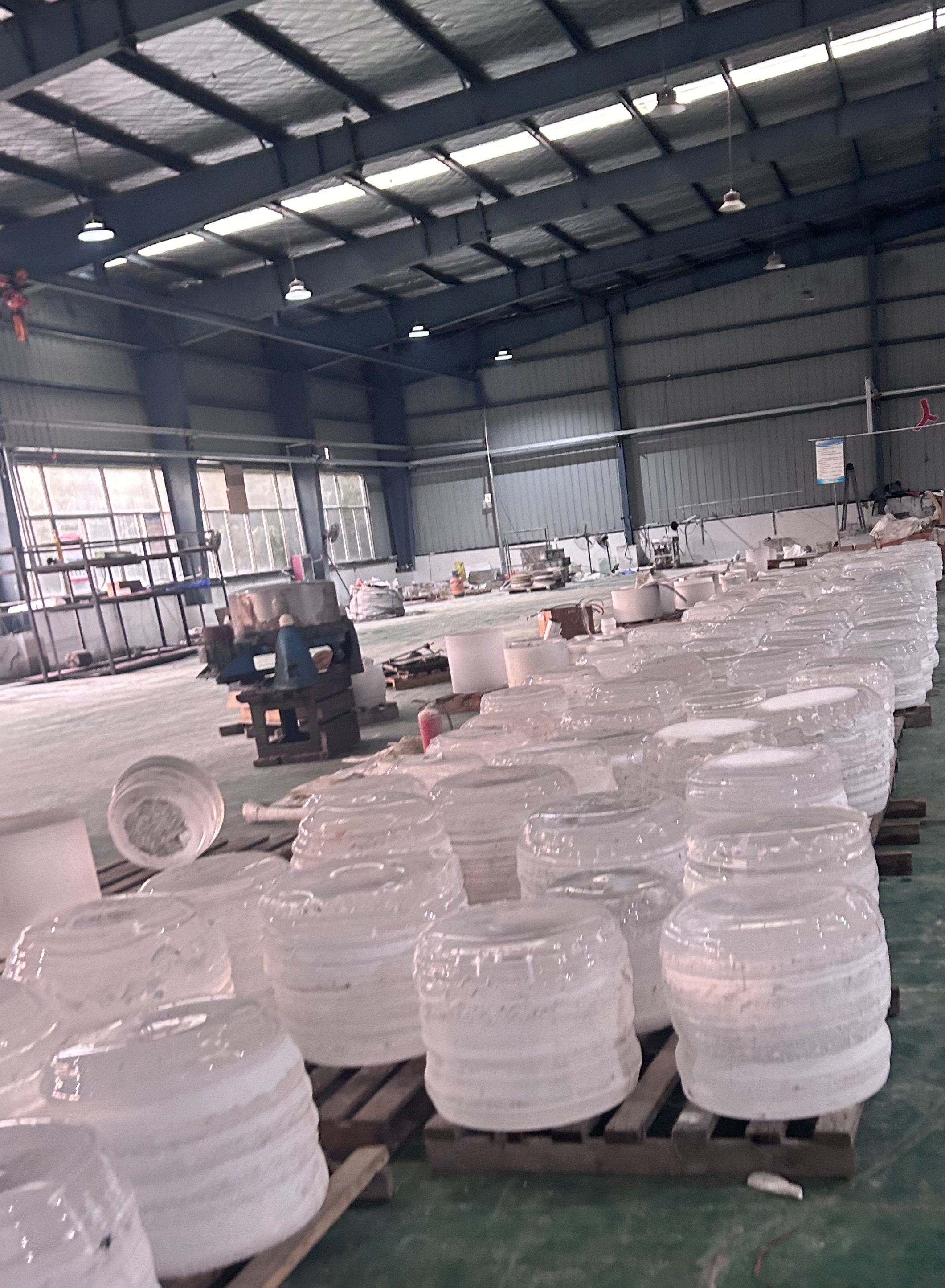
Operating from Donghai County, Jiangsu—the epicentre of global quartz refining—Zelvo Quartz is a verified manufacturer with US$2.5M–5M annual output, managing raw ore beneficiation, continuous fusion, and precision optical finishing under one unified quality management system.
≤ 2-Hour Rapid CAD Review
No intermediaries or outsourced sales reps. Inquiries from the Marigot market are handled directly by senior optical glass engineers. 2D/3D technical drawings (AutoCAD, SolidWorks, STEP) receive comprehensive geometric dimensioning and tolerancing (GD&T) feedback in ≤ 2 hours.
1-Piece Minimum Order Quantity
Accelerating Caribbean R&D through zero-barrier prototyping. Whether your project requires a single custom-drilled 200 mm fused silica wafer for university research or recurring production batches of 10,000 optical window discs, our production lines maintain identical ±0.02 mm standards.
Zero-Breakage Marine Logistics
Quartz shipments to Marigot undergo a rigorous three-tier packaging system: static-free vacuum packaging, high-density closed-cell EPE foam cushions, and reinforced multi-layer wooden crates equipped with ShockWatch impact and TiltWatch indicators, resulting in a 99.8% transit success rate.

Frequently Asked Questions for Marigot & Caribbean Buyers
Clear, definitive technical guidance on customs clearance, material selection, custom tolerances, and freight protection.
What is the standard lead time and shipping duration for quartz wafers delivered to Marigot (Saint Martin)?
How does synthetic fused silica perform in marine atmospheres with high salt fog and tropical humidity?
Can Zelvo Quartz produce custom geometries with notches, bevels, and micro-machined holes?
How do you guarantee that fragile quartz wafers will not crack or chip during intercontinental transport?
What are the differences between JGS1, JGS2, and JGS3 quartz grades for optical and sensor applications?
JGS2 (Standard Fused Quartz): Transmission range 220 nm – 2500 nm, manufactured from high-purity natural crystal; ideal for sight glasses, high-temperature viewport windows (1100 °C), and semiconductor furnace labware.
JGS3 (Infrared Optical Quartz): Transmission range 260 nm – 3500 nm, vacuum dehydroxylated to eliminate the 2.73 μm absorption band; ideal for infrared pyrometry, gas detection sensors, and thermal imaging viewports.
Which international payment currencies and incoterms are accepted for Caribbean accounts?
Request a Precision Fused Silica Wafer Quotation
Submit your CAD sketches, wafer dimensions, surface finish specifications, or thermal operating criteria. Our engineering team in Donghai will review your drawing and issue a detailed technical quote within 2 hours.