High-Purity Fused Quartz Components for Immediate Dispatch
Custom dimensioning, flame-polishing, ultrasonic micro-drilling, and high-pressure sealing compatible with offshore petroleum monitoring, coastal energy grids, and specialized scientific apparatus.
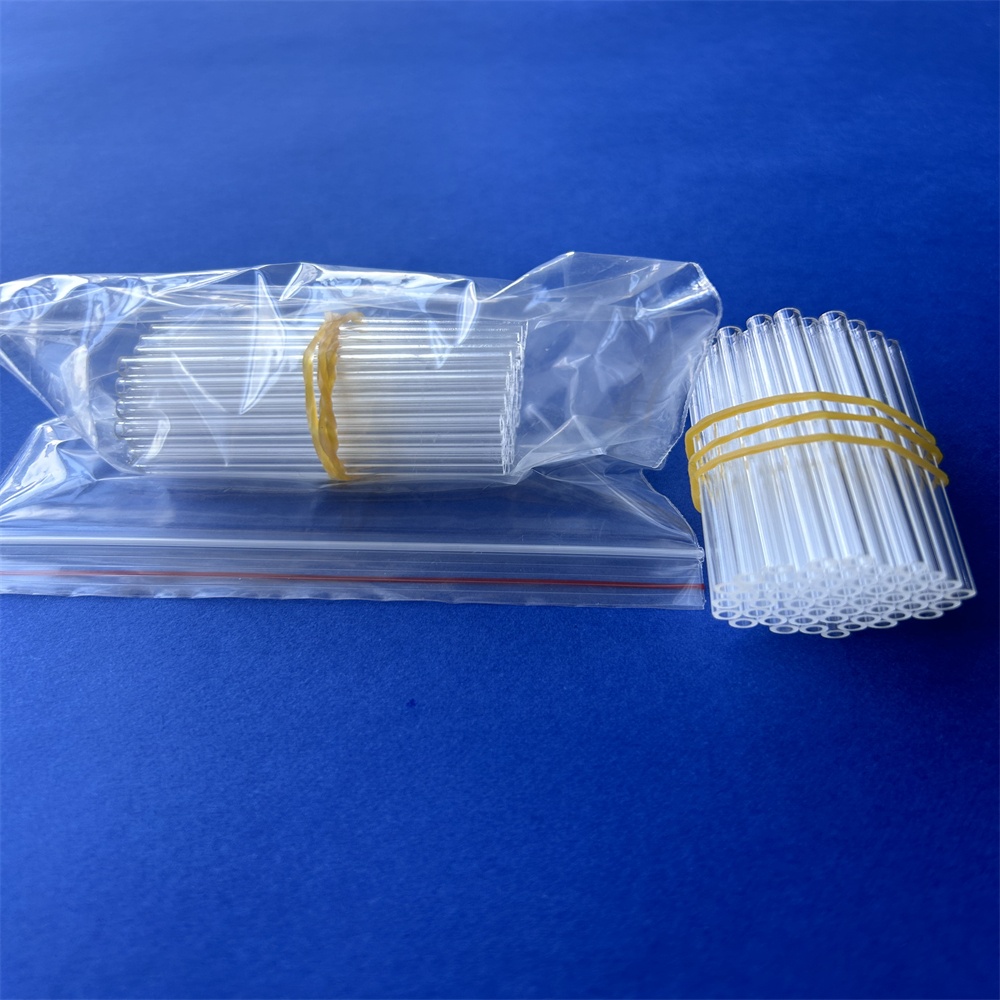
Small Diameter 0.1-20mm High Temperature Resistant 99.99% Pure Quartz Capillary Tube
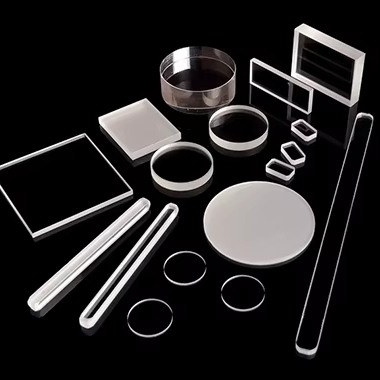
Custom Size High Temperature Fused Transparent Quartz Glass Optical Test Sheet
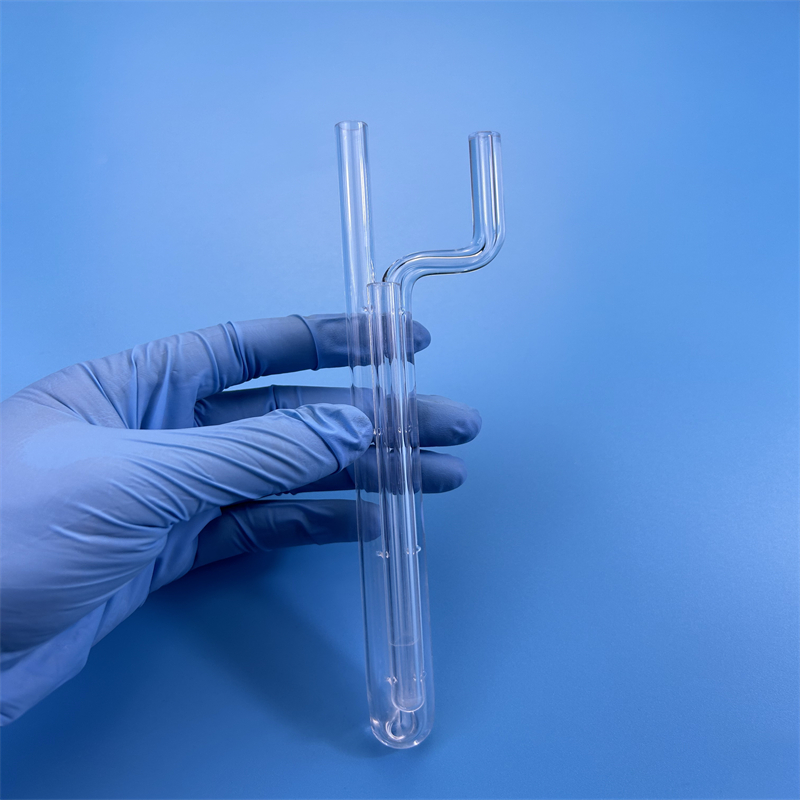
Chemisorption BET Test High Pressure 99.99% Pure Clear Quartz Glass Twin Tube
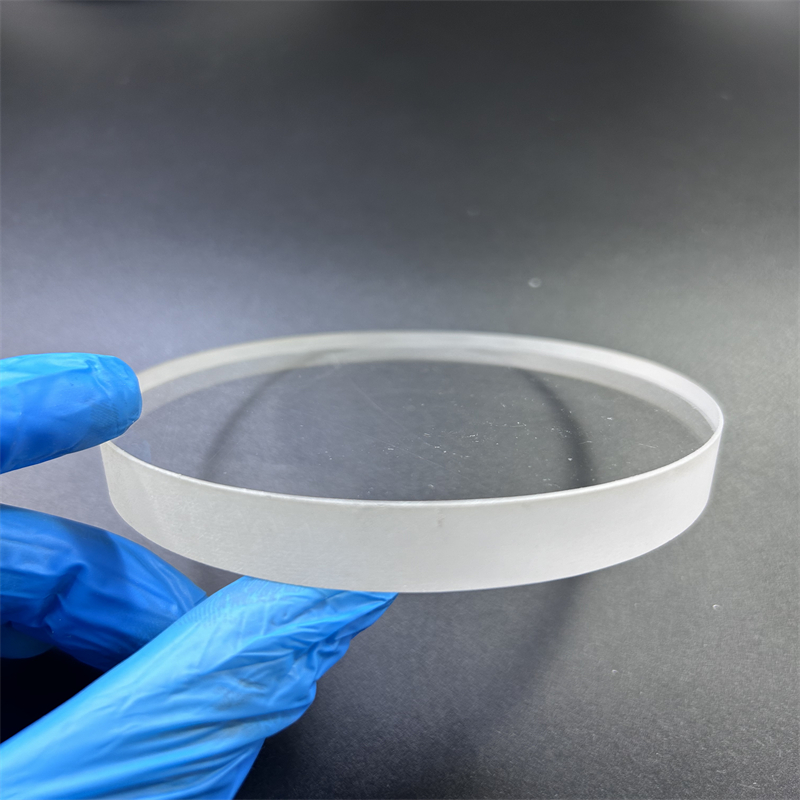
High Temperature Transparent UV Quartz Glass Plate Polished Fused Disc
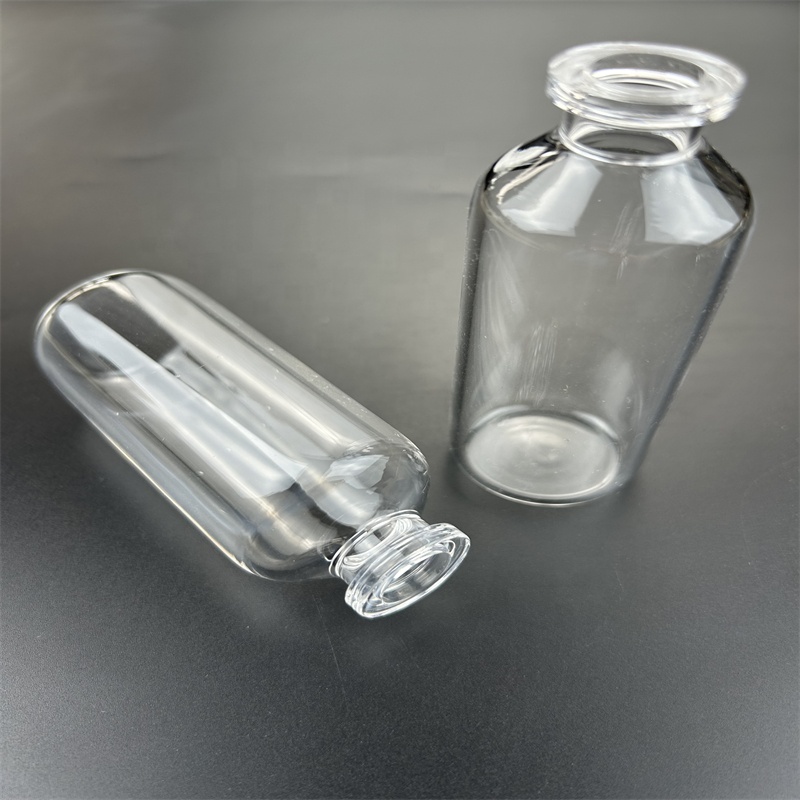
Custom High Pressure Corrosion Resistant Transparent Quartz Glass Ampoules
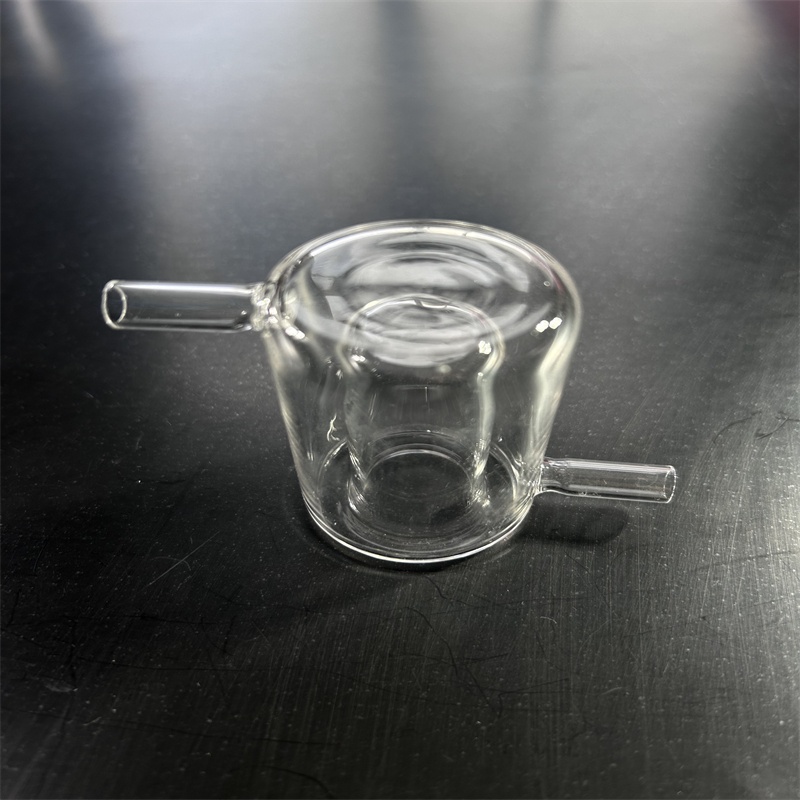
Custom 99.99% Pure Ozone Free High Temp Quartz Glass Reactor Twin Tube
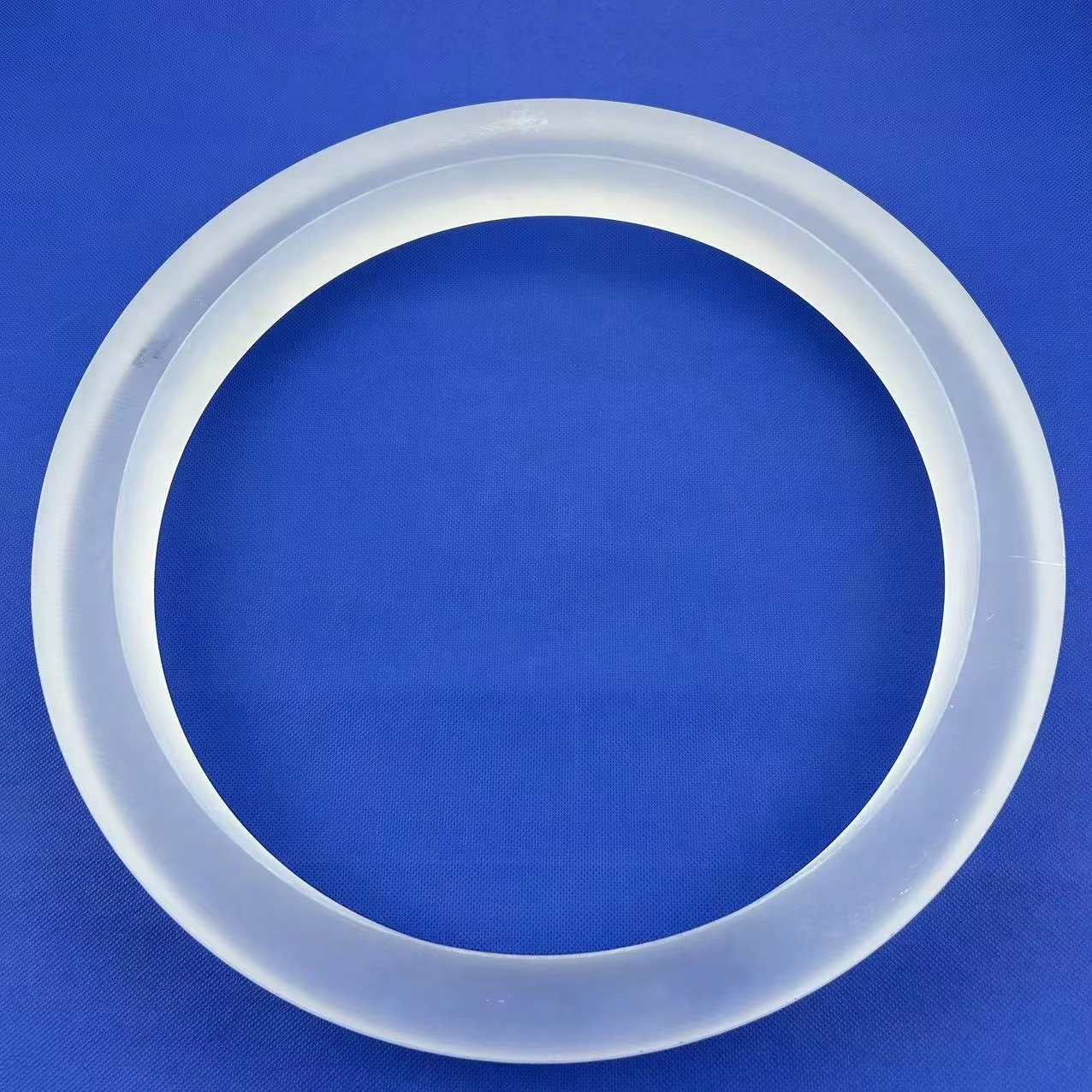
Custom Coated 99.99% Pure Quartz Rings for Semiconductor CVD Optics
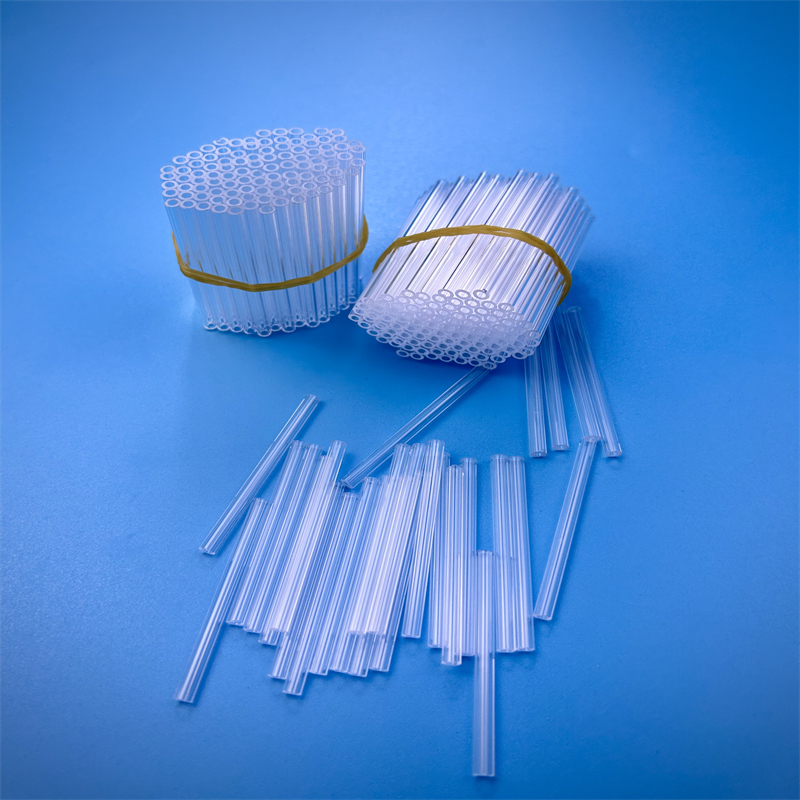
High Quality Transparent U-Bent Quartz Glass Tube Bending & Welding
Critical Material Specifications: Fused Silica Rods for Severe Operating Environments in Suai
In engineering applications across the southwest littoral zone of Timor-Leste—centered around the municipality of Cova Lima and the port terminal complex of Suai—industrial hardware is exposed to a formidable combination of extreme tropical marine salinity, continuous relative humidity exceeding 85%, and high thermal loads generated by downstream hydrocarbon testing and petrochemical energy infrastructure. Standard borosilicate glassware, common soda-lime rods, and inferior synthetic quartz fail prematurely in these operational theatres due to ionic leaching, devitrification under cycling temperatures, and mechanical fatigue caused by thermal shocks.
High-purity fused silica rods (synthesized via continuous electrical fusion of natural high-purity crystalline quartz or chemical vapor deposition yielding synthetic silica) represent the pinnacle of amorphous silicon dioxide (SiO₂) engineering. With an amorphous tetrahedral polymer network containing less than 15 parts per million (ppm) total metallic impurities and controllable hydroxyl (OH⁻) radicals, fused silica rods maintain exceptional structural integrity up to continuous operating limits of 1100°C and short-duration excursions to 1300°C. For project managers, EPC engineering consortia, and environmental laboratory directors operating in Suai, specifying the exact optical, mechanical, and thermal grade of fused silica rods is a prerequisite for system longevity and measurement precision.
Material Physical, Optical & Thermal Properties Benchmark
The table below establishes the baseline engineering criteria utilized by Zelvo Quartz for all solid fused silica rods and associated custom fabrications supplied to industrial accounts in Suai, Dili, and regional installations throughout the Timor Sea corridor:
| Physical / Engineering Property | Standard Testing Protocol | Typical Metric Value | Industrial Relevance for Suai Facilities |
|---|---|---|---|
| Silicon Dioxide (SiO₂) Purity | ICP-OES / GD-MS | ≥ 99.99% (Type II Electrically Fused) / 99.999% (Synthetic) | Prevents catalyst poisoning in petroleum cracking research. |
| Bulk Density | ASTM C693 | 2.20 ± 0.01 g/cm³ | Optimal strength-to-weight ratio for downhole sensor housings. |
| Coefficient of Thermal Expansion (CTE) | Dilatometry (20°C – 320°C) | 5.5 × 10⁻⁷ / K (0.55 × 10⁻⁶/°C) | Survives immediate liquid nitrogen to 1100°C quench cycles without shattering. |
| Continuous Working Temperature | Thermal Endurance Test | 1100 °C (1373 K) | Exceeds typical catalytic reform and combustion analysis thermal zones. |
| Softening Point / Annealing Point | ASTM C338 / ASTM C336 | Softening: ~1683 °C • Annealing: ~1215 °C | Zero structural slump under high-pressure gasification atmospheres. |
| Refractive Index ($n_d$ at 589.3 nm) | Abbe Refractometry | 1.45846 | High-fidelity optical transmission for marine fiber preforms and sight rods. |
| Spectral Transmission Window | UV-Vis-NIR Spectrophotometry | 190 nm (DUV) to 3500 nm (Near-IR) | Enables photochemical reactor monitoring and UV disinfection waveguides. |
| Dielectric Breakdown Strength | ASTM D149 (20°C, 1mm) | 25 – 40 kV/mm | Superb high-voltage electrical insulation inside coastal radar and power nodes. |
| Mohs Surface Hardness | Indentation Scratch Test | 5.5 – 6.5 (Knoop Hardness ~520 kg/mm²) | Resists abrasive airborne silica and coral sand erosion prevalent in Cova Lima. |
| Chemical Resistance (Acids & Brine) | ISO 1776 (Acid Resistance) | Grade 1 (Inert to HCl, H₂SO₄, HNO₃, Saline; Etched only by HF/Hot H₃PO₄) | Immune to extreme coastal saltwater fog and marine splash-zone degradation. |
Information Gain Directive for Timorese Engineering Procurement: Unlike common market quartz rods that utilize low-temperature gas-refined ingots prone to microscopic micro-bubble strings (seed inclusions) and high residual stress, Zelvo Quartz employs secondary vacuum-thermal stabilizing annealing cycles exceeding 1150°C. This eliminates internal birefringent stresses, ensuring that rods subjected to mechanical cutting, threading, or fire-polishing retain optical parallelism ($\le 3$ arc minutes) and zero micro-cleavage risk during marine vessel transport to Suai.
Critical Deployment Scenarios for Fused Silica Rods in Suai & Cova Lima
From the southern shores of the Timor Sea to the central onshore laboratory grids, high-purity quartz rods fulfill specialized mechanical, thermal, and dielectric functions where ordinary materials degrade.
1. Petroleum Refining & Offshore Supply Hub QA/QC
As the development of the Suai Supply Base (SSB) and related Tasi Mane downstream petrochemical hubs advances, testing facilities demand fused silica rods for high-pressure reactor stirring shafts, optical liquid-level sight indicators, and gas chromatograph inlet guides. Fused silica's inertness ensures zero catalytic poisoning during sulfur, nitrogen, and aromatic hydrocarbon analysis of crude extracts from offshore fields.
2. Oceanographic & Coastal Marine Monitoring
Cova Lima’s deepwater offshore zones require environmental probes that withstand intense hydrostatic pressure and saline corrosion. Solid optical-grade fused silica rods serve as robust light guides for subsea fluorometers, turbidity sensors, and marine spectrophotometers. Their ultra-low refractive index variation across ambient marine temperatures guarantees pristine sensor calibration in tropical waters.
3. Solar Photovoltaic & Clean Grid Thermal Inverters
Timor-Leste's national energy diversification targets include large-scale solar arrays in the high-insolation southern plains around Suai. Fused silica support rods, pyrometer probe sleeves, and dielectric isolators operate within power conversion units and high-temperature thermal dissipation equipment, completely unaffected by tropical damp-heat cycling and UV radiation deterioration.
4. High-Temperature Furnaces & Geothermal Research
Volcanic geology along the Timor trench spurs geothermal exploration and high-temperature mineralogical research. Fused silica rods act as structural push-rods in dilatometers, thermocouple protection guides, and specimen support bridges inside experimental tube furnaces operating continuously at temperatures exceeding 1000°C without mechanical sagging.
5. Potable Water & Wastewater UV Disinfection
Municipal infrastructure expansions in Nova Suai and regional sanitation facilities utilize high-intensity ultraviolet (UV) treatment. High-transmission ozone-free fused silica rods act as internal core light diffusers and quartz sensor monitoring windows, achieving over 90% internal transmittance at the germicidal 253.7 nm UV-C wavelength.
6. Specialized Industrial Glassblowing & OEM Tooling
Local technical repair shops and educational lab hubs in southern Timor utilize fused quartz solid rods as raw feedstock for custom apparatus repair, high-purity glass manifold welding, vacuum seals, and customized reaction cell handles that resist catastrophic thermal expansion shock during torch operations.
Emerging Trends Driving Fused Silica Demand in Cova Lima
The macroeconomic industrialization roadmap of Timor-Leste places Suai at the epicenter of energy logistics. Historically reliant on imported basic equipment routed erratically through intermediaries, engineering procurement inside Timor-Leste is maturing. Three distinct macro-trends are shaping the technical requirements for advanced silica materials:
A. Shift Toward In-Situ Petrochemical Quality Control
With the operational planning surrounding the Suai Supply Base (SSB) logistics complex, logistics contractors are transitioning from sending routine hydrocarbon samples to overseas labs (Darwin or Singapore) toward developing fully equipped, on-site analytical stations. This requires dedicated inventories of high-purity fused silica test tubes, quartz distillation rods, BET sorption accessories, and spectrophotometer cell blanks directly in Suai.
B. Strict ISO/IEC 17025 Laboratory Accreditations
National and international environmental standards mandate rigorous baseline air, soil, and sea monitoring for offshore concessions. Testing apparatus must eliminate trace element leaching. Laboratories in Cova Lima are replacing generic soda-lime and low-grade laboratory glass with certified 99.99% fused silica rods to prevent aluminum, sodium, and boron contamination in sensitive ppb-level ICP-MS analysis.
C. Demand for Direct OEM Drawing-Based Sourcing
Engineers managing custom skids and maritime monitoring packages increasingly reject standardized off-the-shelf parts that require clumsy on-site retrofitting. Sourcing channels that permit direct CAD-to-part production—specifying exact millimeter length, ground chamfers, flame-polished cylindrical bodies, and laser-drilled locator holes—now dominate procurement priorities across Timorese project offices.
Lianyungang Zelvo Quartz: The Direct-from-Source Industrial Advantage
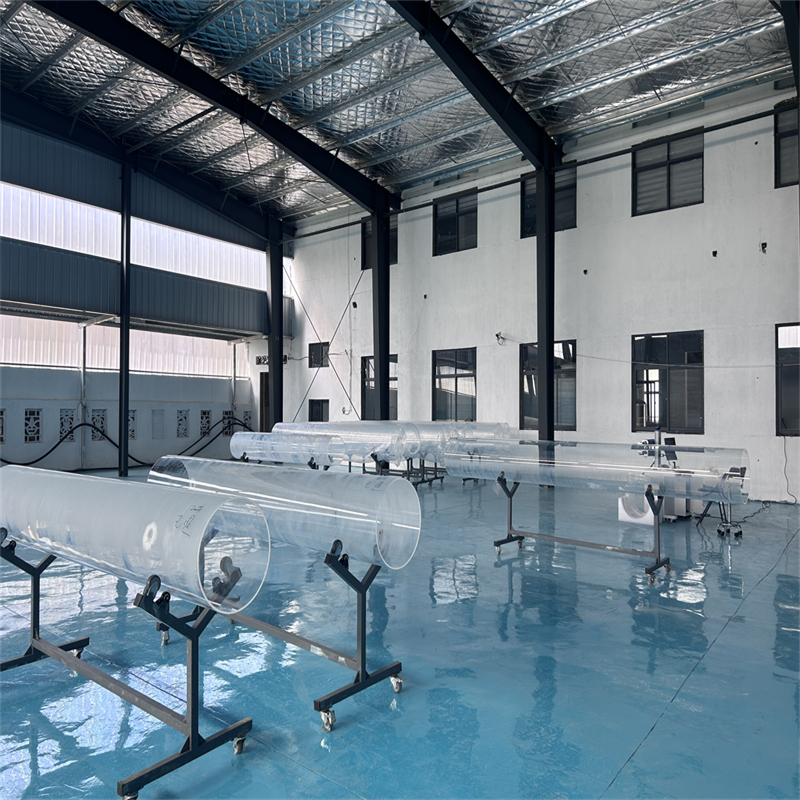
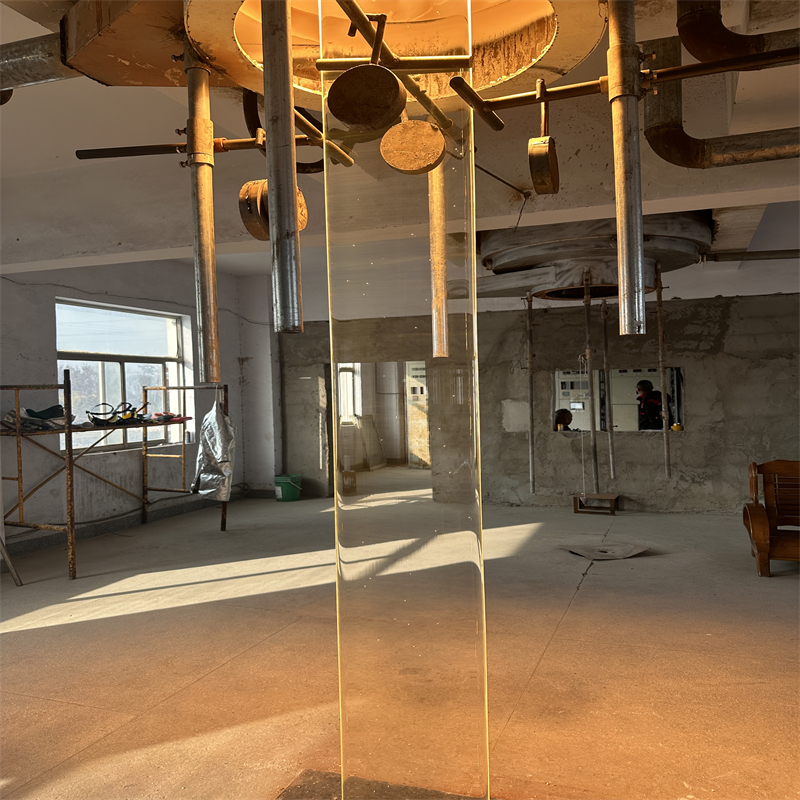
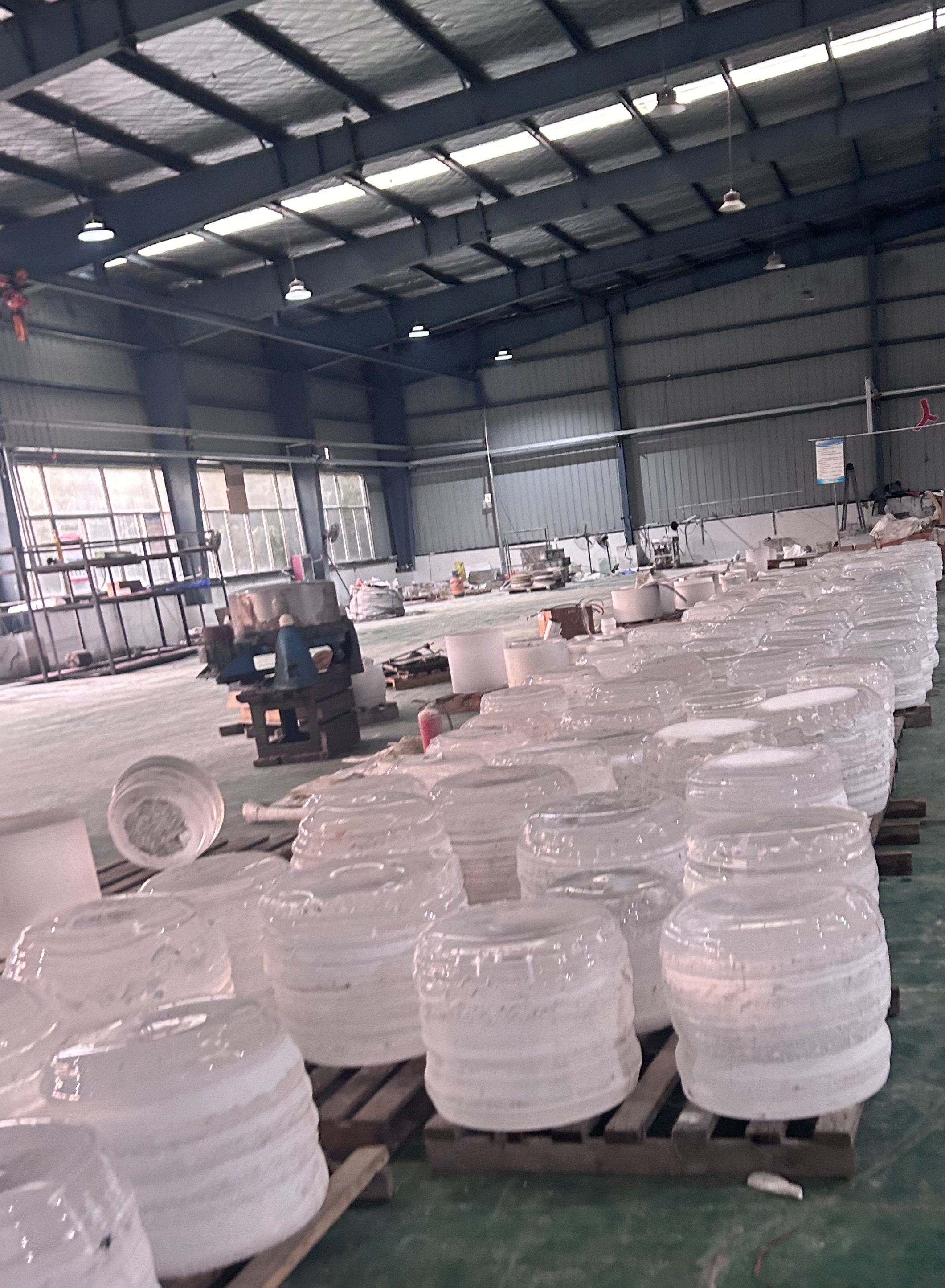
Located in Donghai County, Jiangsu Province—celebrated globally as China’s "Crystal Capital"—Zelvo Quartz bridges world-class quartz geology with advanced CNC diamond grinding, laser ablation, and cleanroom annealing.
Rapid Engineering Turnaround
Inquiries and complex CAD drawings sent from Suai receive complete engineering feasibility analysis, tolerance verification, and formal quotation within ≤ 2 hours on working days.
1-Piece Prototype MOQ
We eliminate punitive minimum order barriers. Whether your lab needs a single bespoke quartz rod for an urgent experimental rig or thousands of units for an EPC plant rollout, our production lines accommodate orders from 1 piece.
10+ Years Veteran Craftsmanship
Our master glassblowers and CNC technicians leverage over a decade of dedicated quartz machining experience, ensuring centerless grinding tolerances within ±0.02 mm and mirror flame finishes ($\text{Ra} < 0.05\,\mu\text{m}$).
Severe-Transit Tropical Packaging
Rods dispatched to Timor-Leste undergo multi-layer shock isolation: vacuum seal anti-moisture PE wrapping, internal high-density EPE foam cradles, and heavy plywood crates meeting international ISPM-15 ocean freight standards.
Frequently Asked Questions by Industrial Buyers in Suai & Timor-Leste
Practical engineering, customs, freight routing, and material handling guidelines for ordering quartz rods and laboratory hardware.
What is the typical shipping transit time and logistical route for quartz rods delivered to Suai?
How do fused silica rods perform under Cova Lima’s coastal tropical humidity and saline fog?
Can Zelvo Quartz machine fused silica rods to custom CAD drawings with tight mechanical tolerances?
How do I select between Natural Fused Quartz (Type II) and Synthetic Fused Silica (Type III/IV)?
What quality documentation and material certifications accompany shipments to Timor-Leste?
What is the recommended cleaning and maintenance protocol for quartz rods in petroleum labs?
Initiate Your Engineering Drawing Review for Suai Projects
Connect directly with our senior quartz fabrication engineers. Send your dimensional sketch, working thermal limits, and required tolerances. We provide comprehensive quotation, DDP/CIF logistics options, and material advice within 2 hours.