Precision Quartz Glass Tubes & Fabricated Components
Manufactured from high-purity natural and synthetic silicon dioxide, engineered to endure continuous thermal cycles up to 1100 °C and resist aggressive acid chemistry in industrial furnaces and chemical analysis systems.
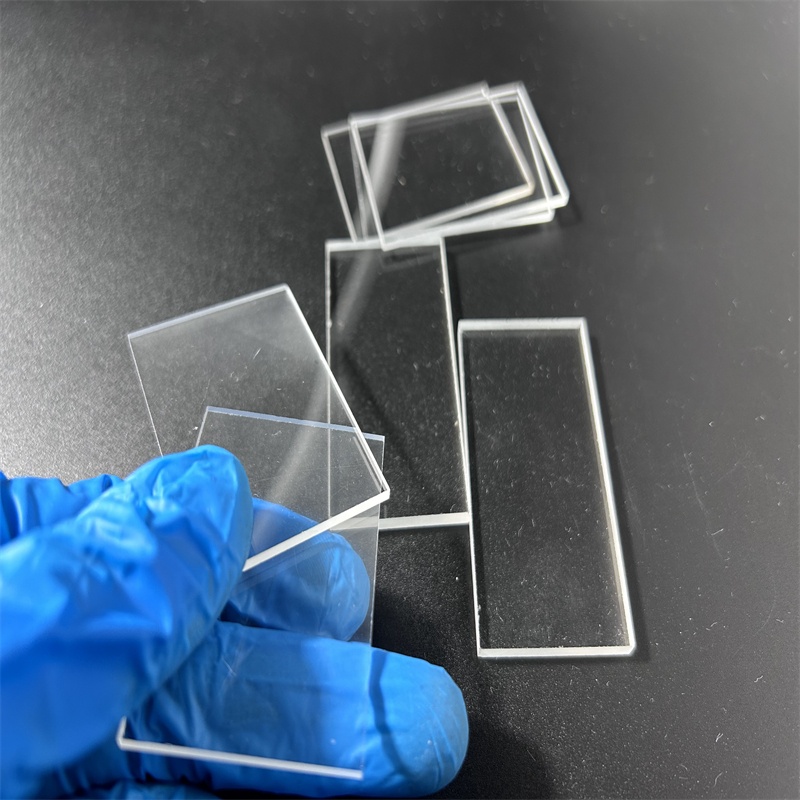
Customized High Temperature Transparent Fused Quartz Glass Sheet Welding Cutting Services Clear Plate Optics Grade
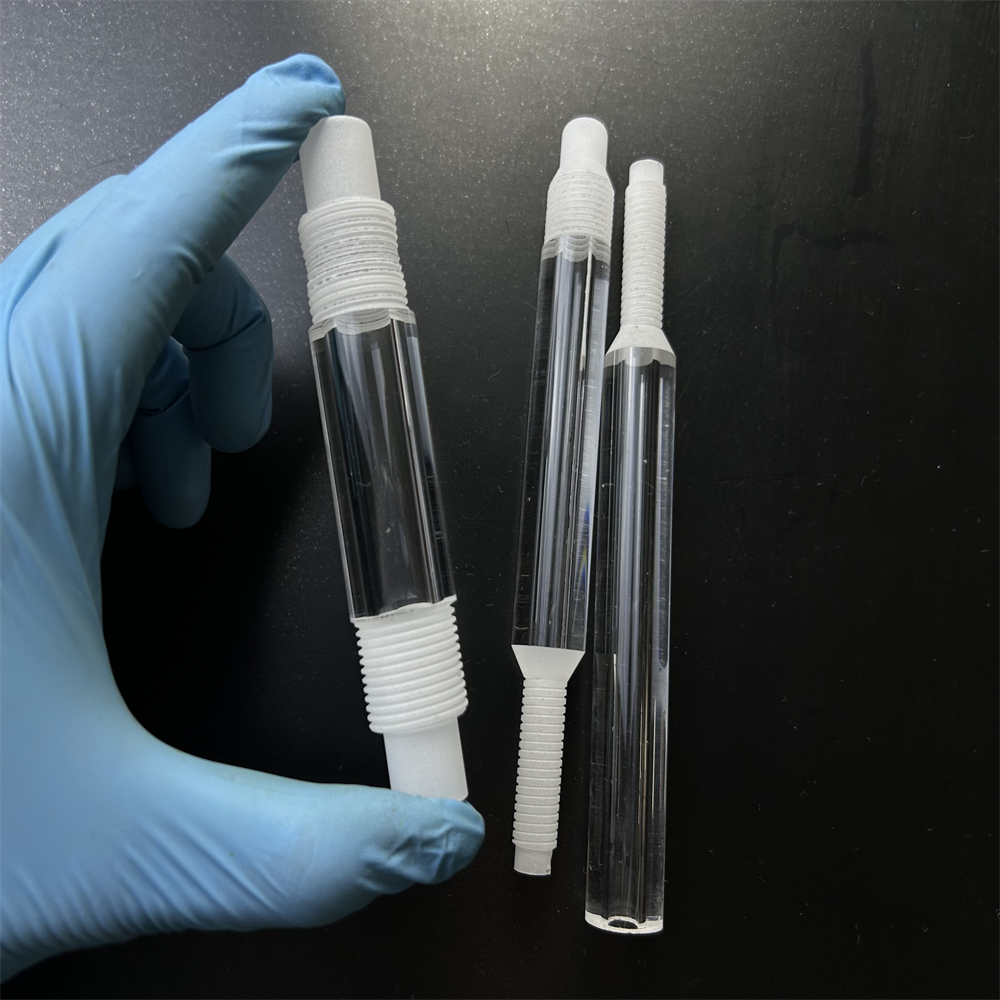
Customized High Purity Threaded Transparent UV Quartz Glass Tube with Bending Welding Cutting Moulding
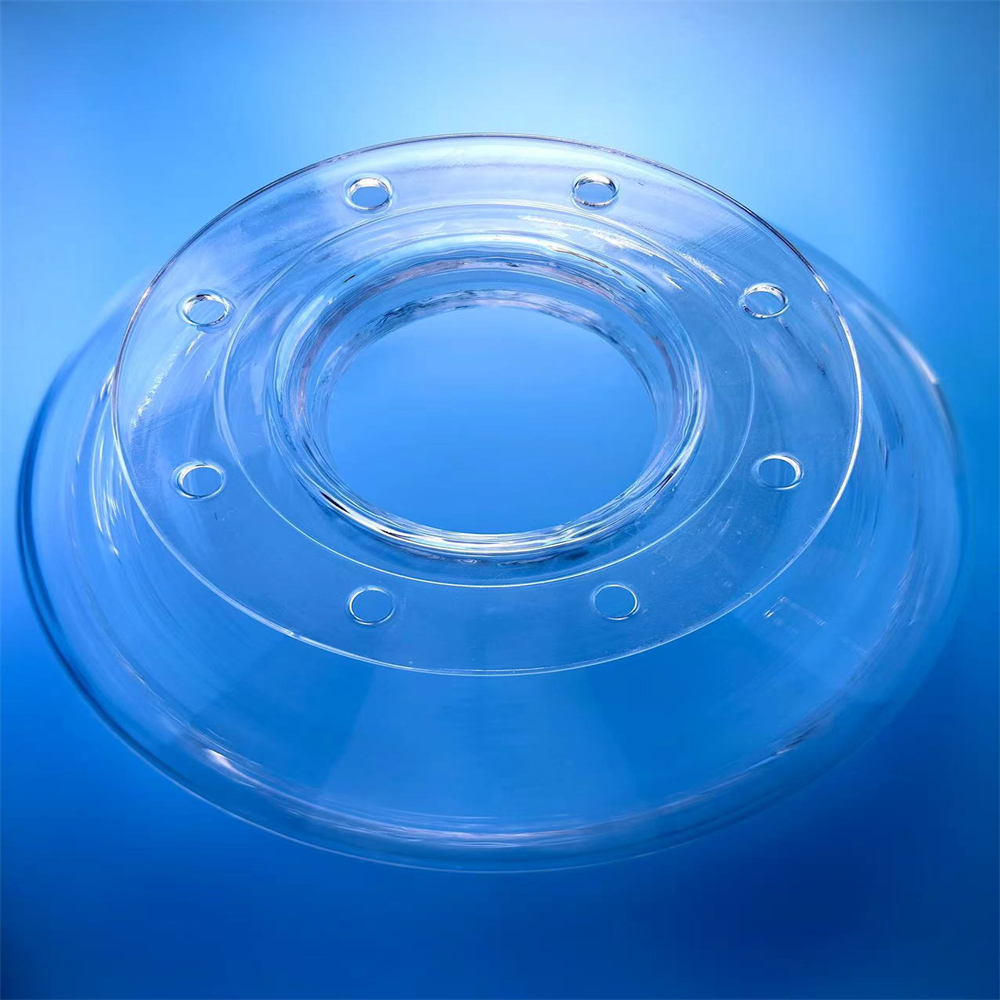
Customize Size Thickness Twin Tube Clear High Purity Flange Quartz Tube Fused Silica Polished Flange Ring
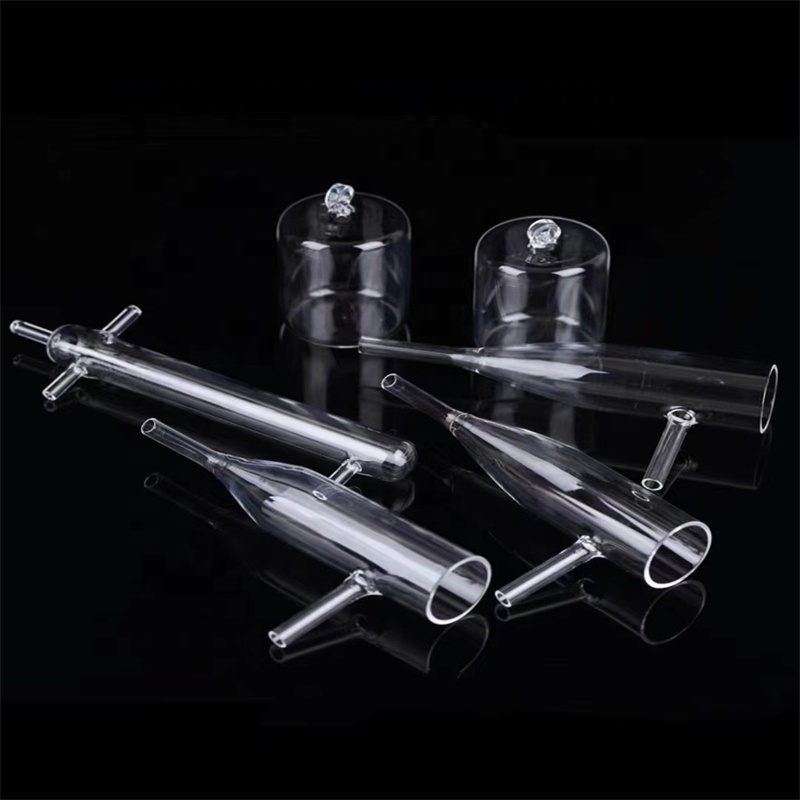
Custom Clear Laboratory High Temperature Twin Tube 99.99% Pure Quartz Glass Tube CVD Furnace
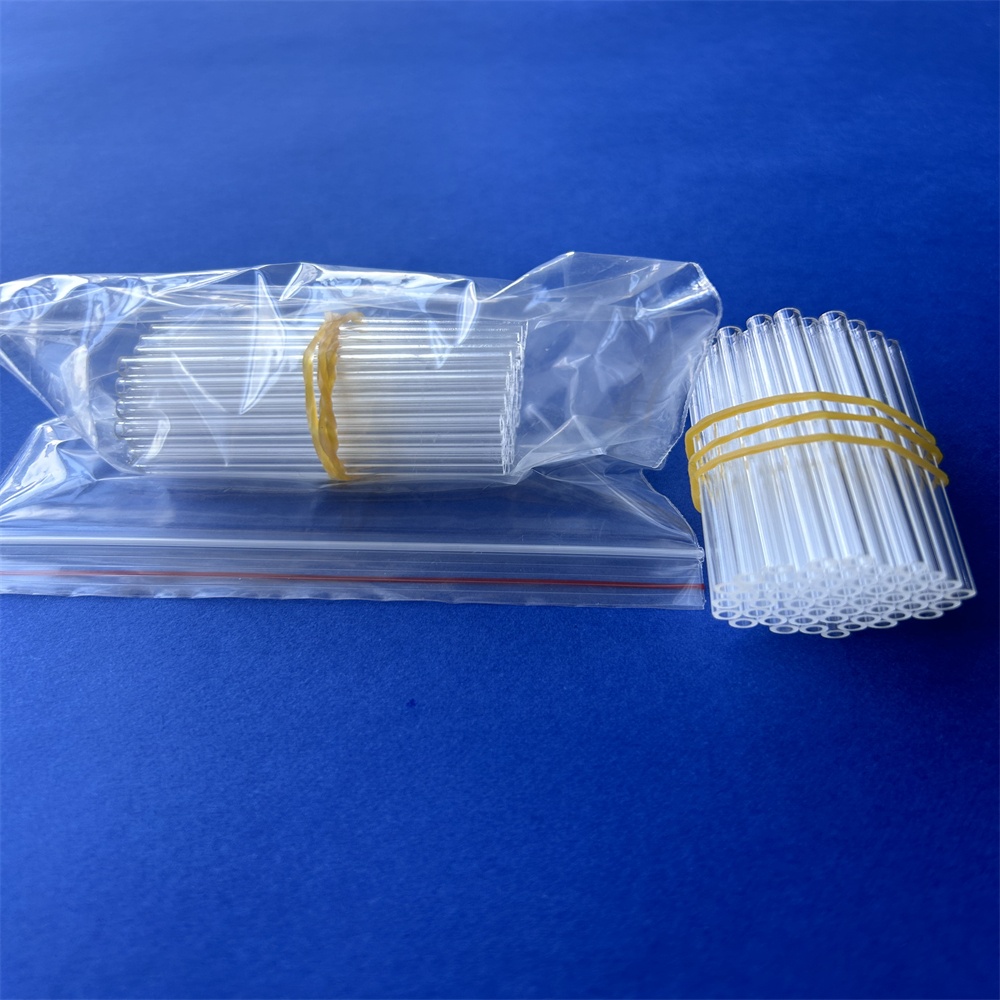
Small Diameter 0.1-20mm High Temperature Resistant Pure Quartz Capillary Tube Cutting Bending Welding
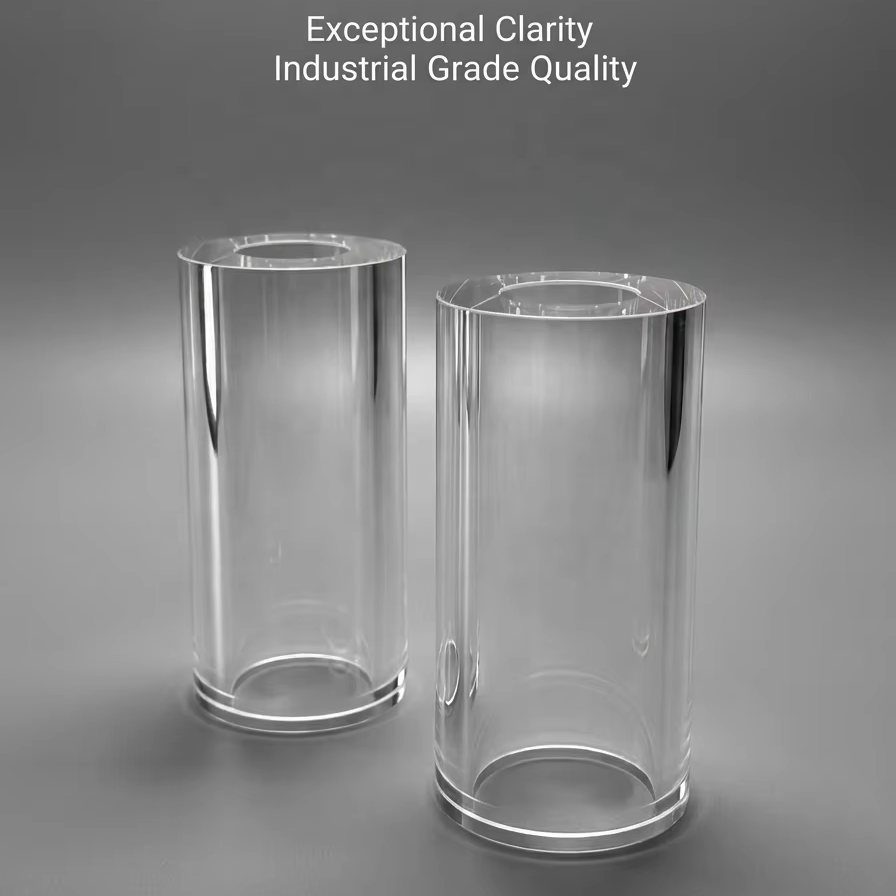
Factory Custom Both Ends Polished High Purity Transparent Quartz Twin Tube Bending Moulding Welding
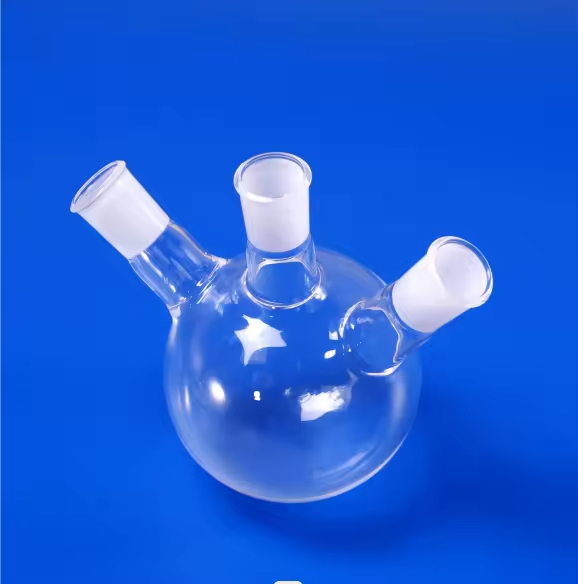
High Temperature Resistance Transparent Quartz Glass Twin Tube Bottom Flask Lab Use Bending Welding
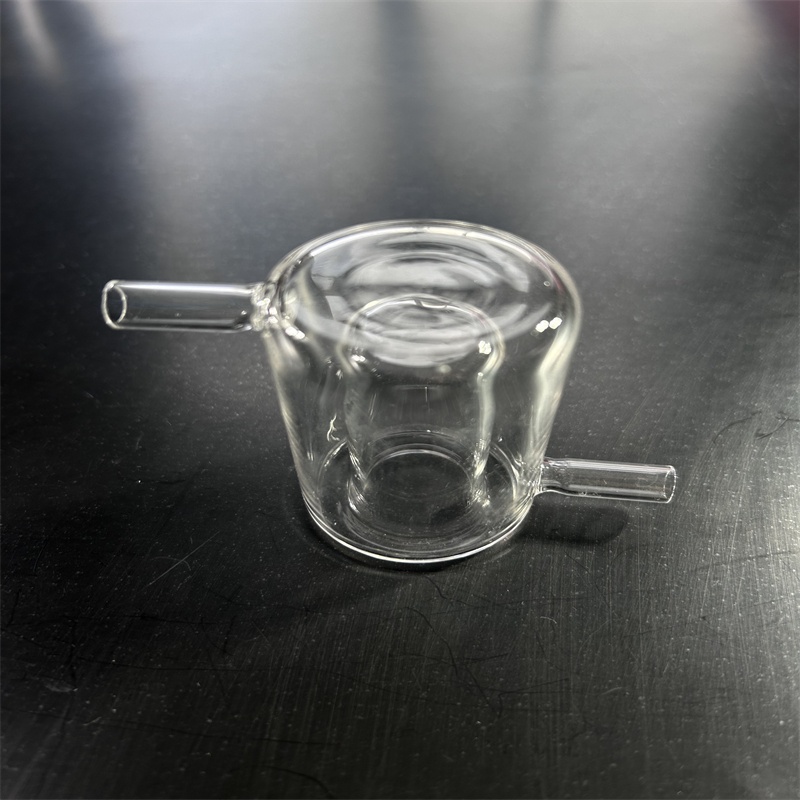
Custom 99.99% Pure Ozone Free High Temperature Resistant Quartz Glass Reactor Twin Tube Welding Services
Controlled Trace Metals
1300°C Short Peak Limit
Direct Feasibility Review
Full DDP Delivery to NRW
Engineering High-Purity Fused Silica for Rhine-Ruhr Industrial Infrastructure
As North Rhine-Westphalia’s primary capital and a strategic junction of the central European chemical and advanced manufacturing corridor, Düsseldorf demands uncompromising standards for vitreous silica components. From continuous chemical cracking columns along the Rhine to advanced vacuum deposition furnaces in university research centers, industrial glass components must maintain dimensional stability under extreme thermomechanical stress.
Lianyungang Zelvo Quartz Products Co., Ltd. serves apparatus engineers, furnace manufacturers, and chemical procurement departments across the greater Düsseldorf, Neuss, Leverkusen, and Krefeld areas. Sourcing raw high-purity natural silica from Donghai County—the globally recognized epicenter of quartz refining—we fuse, machine, bend, and weld tubular geometries with extreme geometric fidelity. Unlike commercial borosilicate or aluminosilicate glasses, our fused silica components possess an ultra-low linear thermal expansion coefficient of 5.5 × 10⁻⁷ /K, making them completely immune to catastrophic thermal shock caused by abrupt water quenching from 1100 °C.
Key Industry Application Scenarios Across the Düsseldorf Industrial Cluster
Tailored manufacturing configurations engineered to solve critical thermal, chemical, and optical bottlenecks in North Rhine-Westphalia's leading industrial sectors.
Chempark Chemical Processing & Micro-Reactors
Along the Dormagen-Leverkusen-Krefeld chemical triangle flanking Düsseldorf, plants handle extremely corrosive acid streams and halogenated vapors. Our flanged fused silica tubes and multi-port twin reactor tubes provide total chemical inertness against concentrated hydrochloric, sulfuric, and nitric acids at elevated temperatures, replacing fragile enameled steel or high-maintenance exotic alloys.
Semiconductor & Photovoltaic Thermal Processing
High-temperature horizontal and vertical LPCVD, PECVD, and oxidation tube furnaces operate continuously between 900 °C and 1150 °C. Zelvo manufactures heavy-wall process tubes up to 450 mm in outer diameter with precision-welded quartz flanges, gas inlet manifolds, and thermocouple wells that exhibit minimal devitrification and zero heavy-metal outgassing.
Municipal & Industrial UV Disinfection along the Rhine
With stringent water discharge regulations in the Rhine basin, UV-C photochemical reactors are indispensable for industrial wastewater disinfection and total organic carbon (TOC) reduction. Our ozone-free and synthetic UV-grade quartz protective sleeves provide superior 254 nm germicidal transmission (>90%) with threaded vacuum-sealed terminations.
Metallurgical Molten Metal Pyrometry & Sampling
Serving metallurgical testing facilities around Düsseldorf's steel industry and institutes like the Max-Planck-Institut für Eisenforschung, our precision-cut quartz capillary tubes and immersion pyrometer sheaths resist molten slag wetting while maintaining rapid thermal responsiveness during rapid immersion at 1550 °C.
High-Efficiency IR Heating & Drying Modules
For plastics thermoforming, paper finishing, and battery electrode slurry curing plants throughout NRW, twin-bore silica tubes serve as protective gold-reflector jackets for medium- and short-wave infrared emitters. Our twin-tube extrusions ensure tight dimensional geometry (e.g., 23×11 mm or 33×15 mm) with zero sagging under high filament wattage.
University & R&D BET Adsorption Glassware
Partnering with analytical research laboratories at Heinrich Heine University Düsseldorf and regional Fraunhofer research hubs, we supply precision-machined BET quartz sample tubes, sorption cells, and slotted XRD specimen holders calibrated for vacuum outgassing and cryogenic nitrogen isotherms.
Market Shifts: Decarbonization, Green Hydrogen & DIN Compliance in NRW
Understanding how European green directives and technological modernization are restructuring procurement priorities for German apparatus builders.
Industrial Decarbonization
NRW's mandate to achieve industrial climate neutrality by 2045 drives the conversion of gas-fired process furnaces to electrified infrared and induction heating systems, multiplying the demand for high-transmission fused silica twin tubes.