Featured High-Purity Fused Quartz Components
Precision-engineered fused quartz tubing, twin-bore process reactors, optical wafers, and custom laboratory instrumentation manufactured to ISO 9001:2015 and DIN 1259-1 standards for demanding thermal environments.
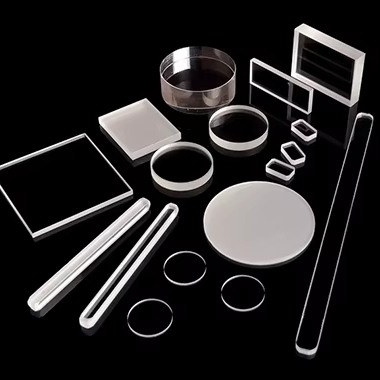
Custom Size High Temperature Fused Transparent Quartz Optical Test Sheet
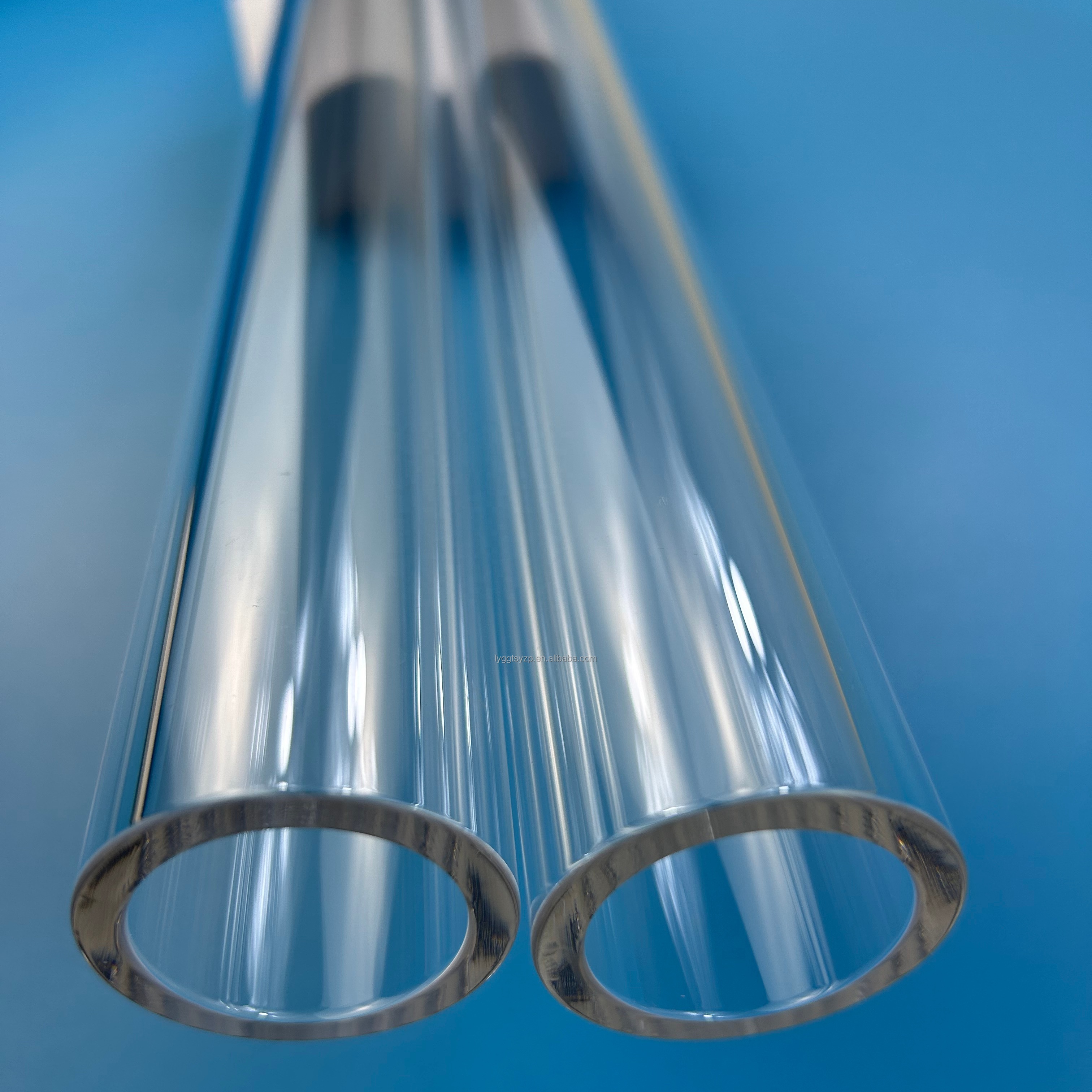
Polished Clear Quartz Twin Tube Ozone-Free Semiconductor Furnace Heater
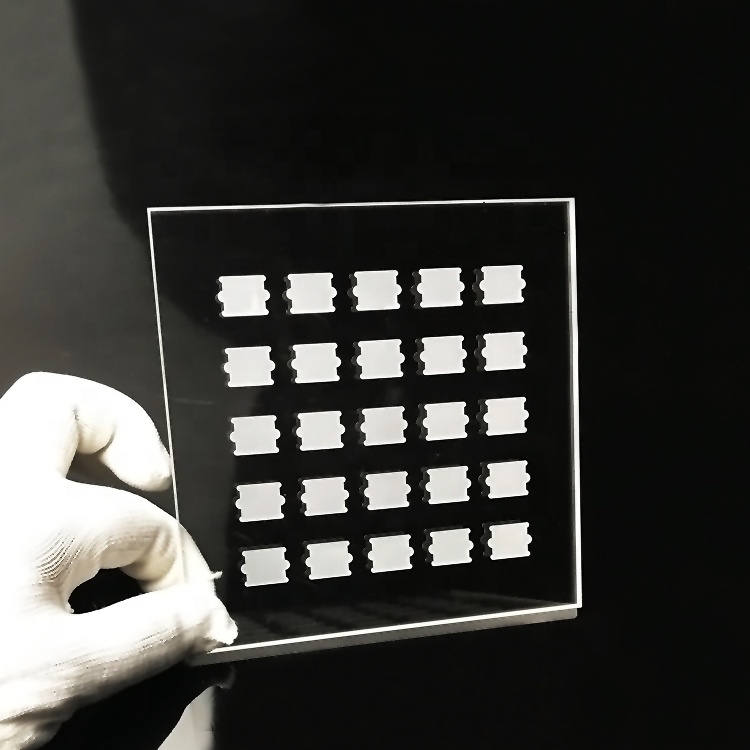
Circular Fused Quartz Glass XRD Sample Holder & Optical Zero-Background Disc
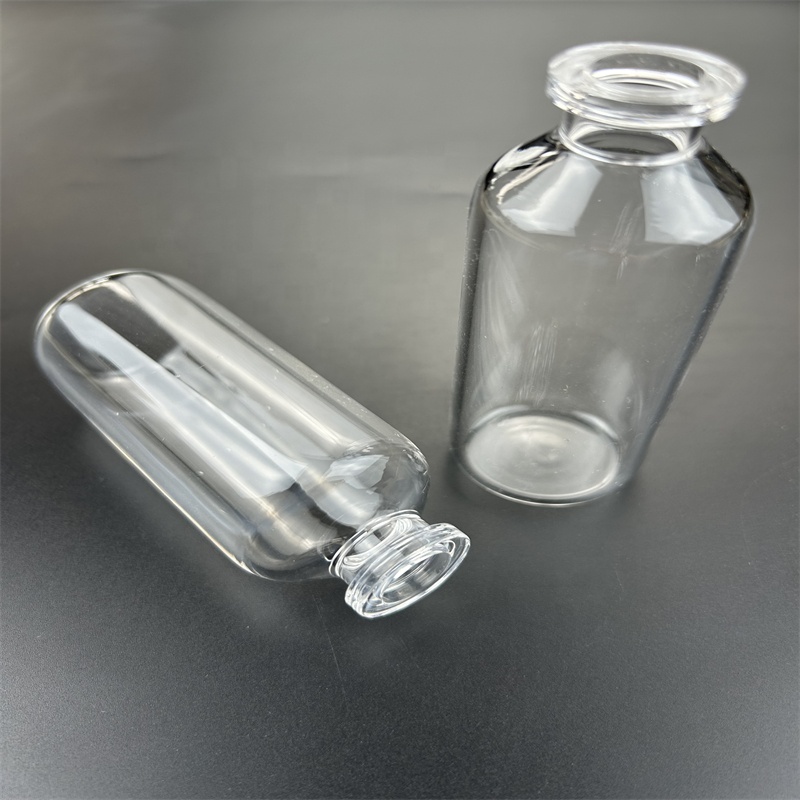
Custom High-Pressure Corrosion-Resistant Pure Quartz Glass Ampoules
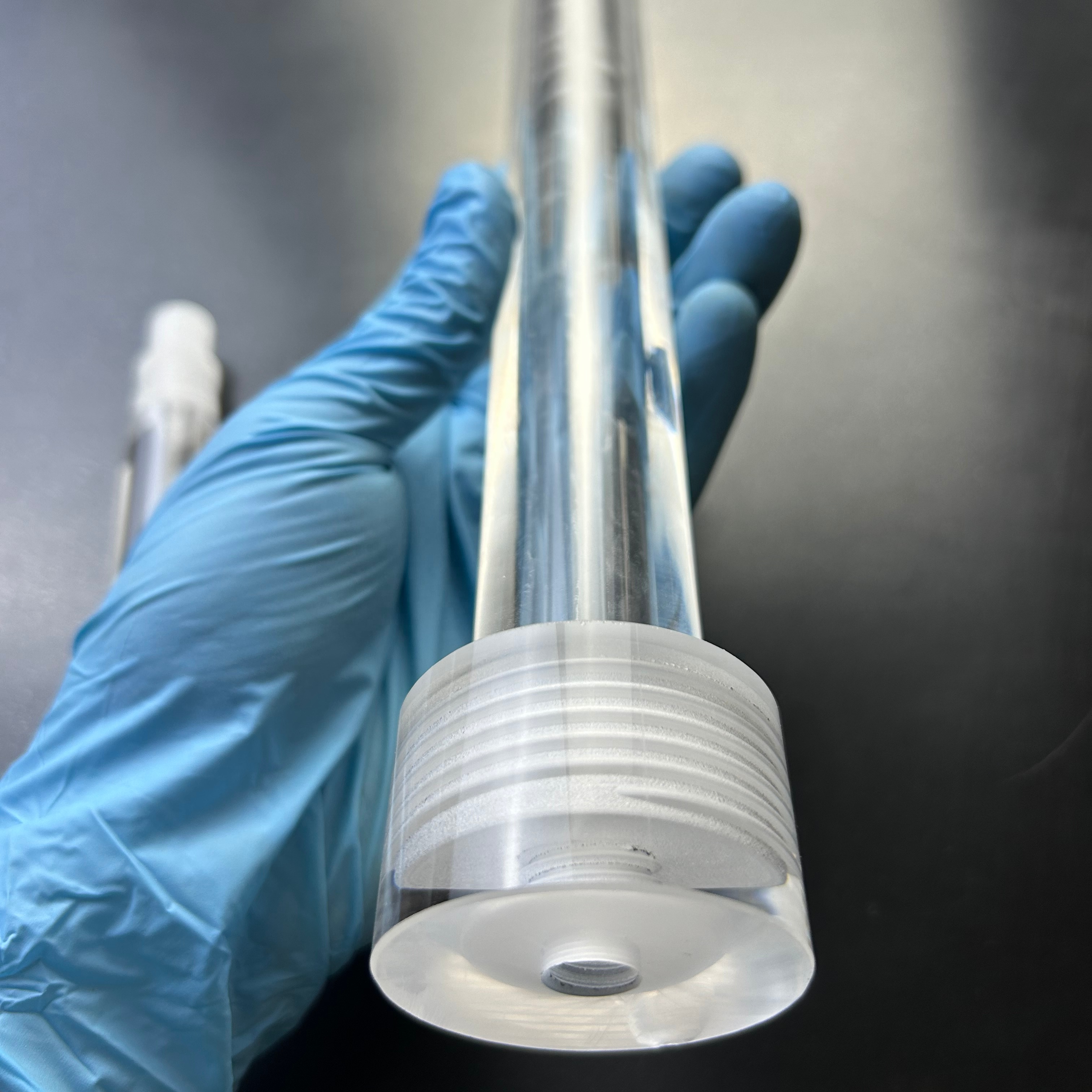
Customizable High-Pressure Polished Quartz Glass Twin Tube Emitter Sleeve
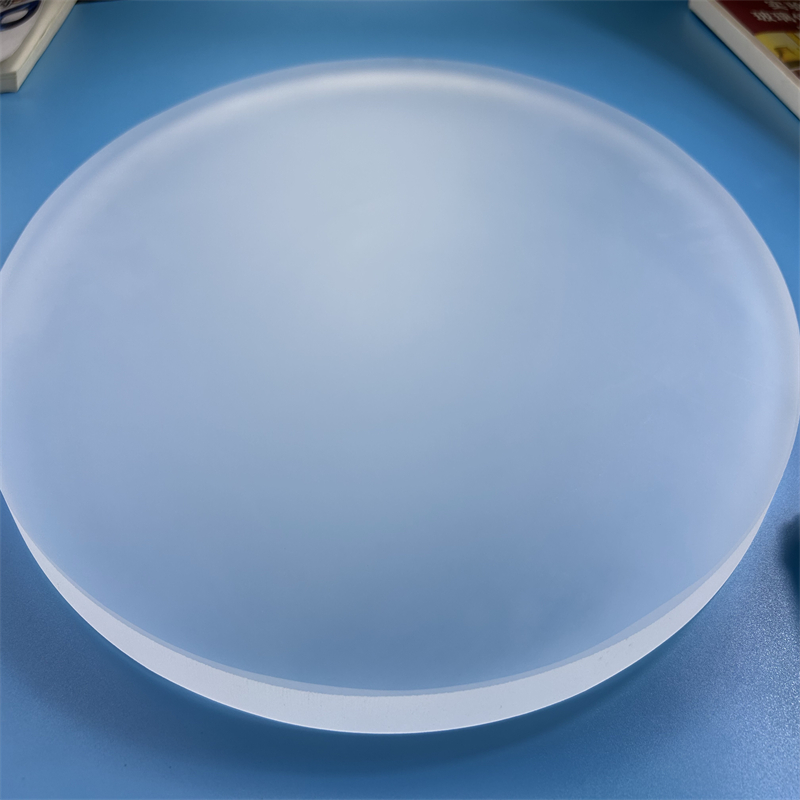
High-Temperature Resistance Frosted Quartz Diffuser Disc & Furnace Flange Plate
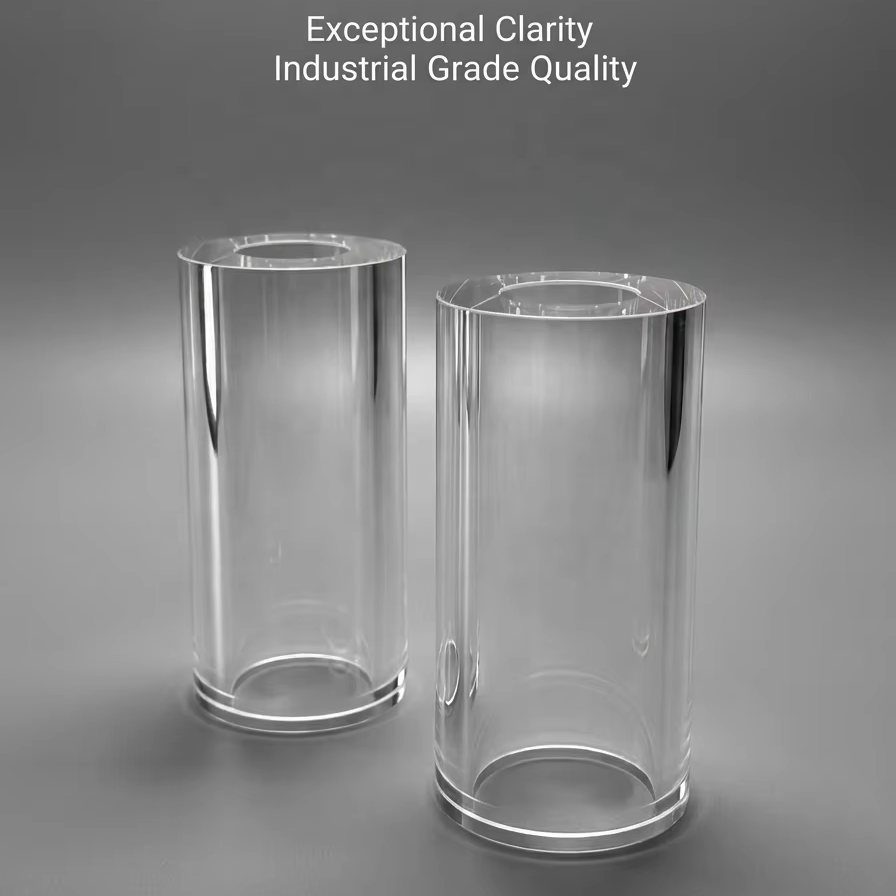
Factory Custom Both-Ends Polished High-Purity Transparent Quartz Twin Tube
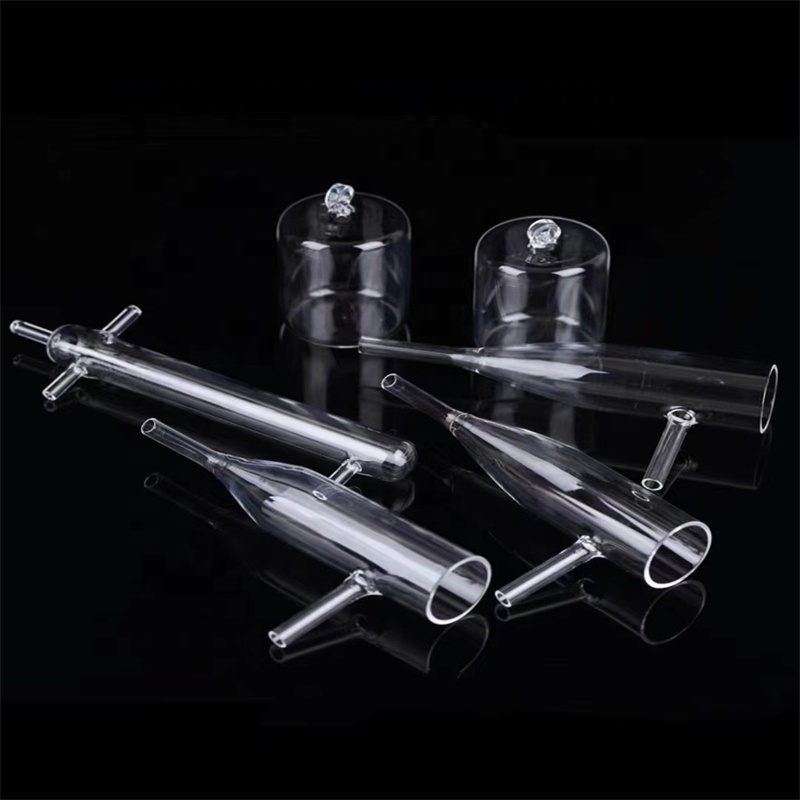
Clear Laboratory High-Temperature Quartz Process Tube for CVD & Vacuum Furnaces
Comprehensive Whitepaper: Thermodynamic Properties & Structural Performance of Fused Silica
Fused silica (amorphous silicon dioxide, SiO₂) stands as the quintessential high-performance glass material in extreme thermal, photochemical, and chemical engineering. Unlike standard borosilicate or soda-lime formulations, fused silica is synthesized either through the high-temperature fusion of naturally occurring pegmatitic quartz crystals (electrically fused quartz) or via the chemical vapor deposition (CVD) hydrolysis of volatile silicon precursors such as silicon tetrachloride (SiCl₄), known as synthetic fused silica.
For industrial manufacturing enterprises in Zaragoza, selecting between natural fused quartz and synthetic fused silica requires an understanding of interstitial trace impurities, specifically hydroxyl ion (OH⁻) concentrations and metallic trace inclusions (Fe, Al, Ti, Na, K, and Li). In high-temperature tube furnaces operating throughout the Ebro industrial corridor, natural fused quartz is primarily prized for its dimensional stability and resistance to sag. Fused quartz features an exceptionally high softening point of approximately 1683°C and an annealing point of 1215°C, allowing sustained continuous operation at 1100°C without mechanical creep or crystallization.
| Physical / Chemical Property | Electrically Fused Natural Quartz | Synthetic UV-Grade Fused Silica | Engineering Significance for Zaragoza Plants |
|---|---|---|---|
| Chemical Purity (SiO₂) | ≥ 99.99% (4N Grade) | ≥ 99.9999% (6N Ultra-Pure) | Eliminates heavy metal leaching into semiconductor wafers and chemical solutions. |
| Hydroxyl (OH⁻) Content | < 5 ppm to 30 ppm (Low-OH) | 800 ppm to 1200 ppm (High-OH) | Low OH prevents infrared absorption water-bands at 2.72 µm, ideal for radiant heaters. |
| Coefficient of Thermal Expansion (CTE) | 5.5 × 10⁻⁷ / K (20°C to 320°C) | 5.2 × 10⁻⁷ / K (20°C to 320°C) | Extreme thermal shock resistance; components survive instant quenching from 1100°C to cold water. |
| Continuous Operating Temp | 1100°C (Short excursion: 1300°C) | 1000°C (Short excursion: 1200°C) | Withstands vacuum tube furnace processing, pyrolytic carbon deposition, and gas calcination. |
| Devitrification Inception | > 1150°C in atmospheric air | > 1100°C in atmospheric air | Phase transition to β-cristobalite occurs slower in low-alkali, ultra-pure quartz matrices. |
| Dielectric Constant (ε_r) | 3.75 at 1 MHz (25°C) | 3.80 at 1 MHz (25°C) | Exceptional RF and microwave transparency for plasma chambers and RF sputtering reactors. |
| Chemical Attack Susceptibility | Resistant to all acids except HF & H₃PO₄ >150°C | Resistant to all acids except HF & H₃PO₄ >150°C | Impervious to neutral, oxidizing, and acidic liquid streams in Aragon's specialty chemical plants. |
Devitrification Mechanics and Crystallization Kinetics: When fused quartz tubes are exposed to temperatures exceeding 1150°C, the metastable vitreous matrix begins to nucleate into crystalline cristobalite. The velocity of this crystalline conversion is exponentially accelerated by superficial surface contamination, especially trace alkaline cations (Na⁺, K⁺) frequently present in industrial ambient dust. Zelvo Quartz mitigates high-temperature devitrification by executing a specialized hot-acid dealkalization leach followed by high-vacuum thermal bake-out. This delivers pristine quartz tubing and flanges ready for direct installation in high-vacuum diffusion furnaces and ozone synthesis generators.
Zaragoza & Aragón: Localized Application Scenarios
Tailored quartz supply chain integration powering automotive manufacturing, renewable green hydrogen clusters, university research, and specialty chemical corridors across the Ebro River Valley.
Automotive & Tier-1 Component Curing
In Zaragoza’s industrial parks (such as Figueruelas, Malpica, and Centrovía), automotive tier-1 suppliers utilize twin-bore quartz emitter tubes and precision short-wave infrared (SWIR) quartz sleeves for automotive paint flash-off, powder coating cure cycles, and hydroformed alloy thermoforming lines.
Solar Thermal & Green Hydrogen Pilot Plants
Aragón’s leadership in renewable energy demands high-temperature quartz containment. Fused silica reactor tubes are deployed in concentrated solar power (CSP) receivers, molten-salt thermal storage test rigs, and high-temperature solid oxide electrolyzers (SOEC) in green hydrogen production facilities.
Advanced Scientific R&D at UNIZAR & CSIC
Institutes like the Instituto de Nanociencia y Materiales de Aragón (INMA) and the University of Zaragoza (UNIZAR) require zero-background XRD sample holders, BET surface-area analysis quartz tubes, and custom vacuum ampoules for solid-state crystal synthesis and nanomaterial characterization.
Continuous-Flow Specialty Chemicals
Specialty chemical corridors along the Ebro utilize thick-wall fused silica pipes and corrosion-resistant quartz sight glass columns. These withstand concentrated mineral acids, volatile organic solvent synthesis, and high-energy photochemical halogenation reactions without chemical degradation.
Macro Trends Industrial Evolution & Advanced Ceramics Trends in Aragón (2025–2030)
The industrial ecosystem of Aragón is transitioning toward automated, low-carbon manufacturing. As Zaragoza establishes itself as Southern Europe’s preeminent logistics and data hub (anchored by PLAZA and major cloud infrastructure investments), industrial manufacturing is evolving in three distinct directions:
- Electrification of High-Temperature Thermal Furnaces: Traditional gas-fired kilns and annealing ovens in the metalworking sectors of Zaragoza are being systematically retrofitted with electric infrared and microwave-assisted heating chambers. Fused silica tubes, with their virtually non-existent coefficient of thermal expansion, serve as the crucial structural conduit for containing high-density infrared emitters while insulating vacuum or inert gas atmospheres.
- Semiconductor & Photonics Packaging Renaissance: Driven by the European Chips Act and national microelectronics roadmaps, Spain is scaling up domestic semiconductor test packaging and optical sensor assembly. This has led to a sharp increase in demand for ultra-flat fused silica wafers, slotted quartz carriers, and optical quartz inspection windows with low wavefront distortion (λ/4 or better).
- Circular Hydrogen Metallurgy & Synthetic Fuel Synthesis: The development of the Valle del Hidrógeno de Aragón (Aragón Hydrogen Valley) is accelerating research into high-temperature catalytic pyrolysis and synthetic aviation fuels. Quartz reactors, capable of sustaining 1050°C under corrosive syngas and fluctuating steam concentrations, are replacing nickel-alloy tubular reactors in pilot testing units due to their zero-catalytic-poisoning profile.
Why Zaragoza Sourcing Engineers Rely on Zelvo Quartz
From Donghai’s raw quartz pegmatite cluster directly to your manufacturing line in Spain: eliminating trading middlemen with verifiable quality assurance.
Raw Material Origin Sovereignty
Located in Donghai County (China's "Crystal Capital"), we source directly from high-purity crystalline quartz deposits. We maintain tight control over total trace metal impurities (< 20 ppm total Fe, Al, Ti, alkalis), ensuring thermal performance and optical uniformity.
Laser Micromachining & CNC Tolerances
Our workshop combines traditional hydrogen-oxygen flame lathe craftsmanship with modern CNC laser cutting, ultra-fine ultrasonic drilling, slotting, and optical double-side lapping. Outer diameter tolerances are consistently held within ±0.05 mm on custom process tubes.
Engineered Shockproof Logistics for Spain
Fragile quartz tubing requires specialized packaging. We employ customized high-density closed-cell EPE foam cradles, internal structural dampeners, and ISPM-15 export fumigated plywood crating. We deliver DDP directly to Zaragoza warehouses with zero transit damage.
1-Piece Prototype to Batch Scalability
Whether you require a single bespoke quartz glass reactor tube for a University of Zaragoza academic thesis trial or thousands of standardized heating sleeves for an OEM production line, we offer a 1-piece MOQ paired with an engineering response time under 2 hours.
Frequently Asked Questions: Sourcing Quartz Tubes in Zaragoza
Clear, direct answers regarding customs tariffs, European Union import compliance, logistics through PLAZA, thermal limits, and drawing specifications.
What is the standard European Union customs classification (HS / TARIC Code) for fused silica tubes imported into Spain?
How does Zelvo Quartz manage fragile air & multimodal freight transit into Zaragoza?
Can your fused silica tubes withstand rapid thermal cycling without thermal shock cracking?
What engineering drawing formats and dimensional tolerances do you require for custom machining?
Are your quartz glass components compliant with EU RoHS and REACH regulations?
Can you manufacture replacement quartz glass tubes for specialized industrial tube heaters and lab furnaces?
Accelerate Your Aragón High-Temperature Quartz Project
Consult directly with our engineering team today. Send your CAD drawings, dimensional specifications, or operational parameters. Receive a comprehensive feasibility evaluation, material grade recommendation, and transparent quotation within 2 hours.