Precision Quartz Components & Optical Products
Explore our standard and drawing-customized quartz solutions manufactured to ultra-tight optical tolerances for European industrial and laboratory demands.
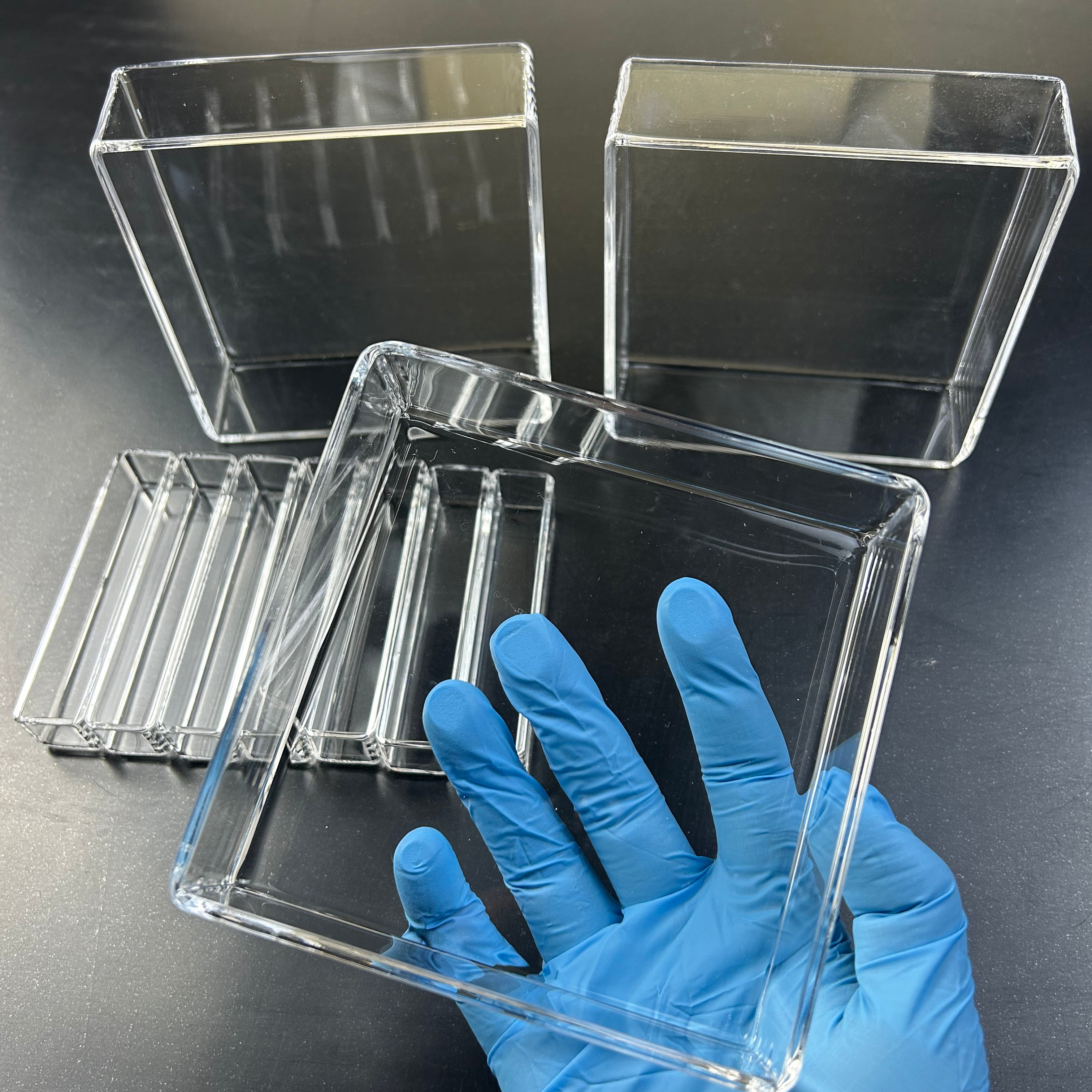
Manufacturers Customized Fused Quartz Glass High Temperature Resistant Circular Cylinder Crucible Tank Welding Cutting Custom
View Details →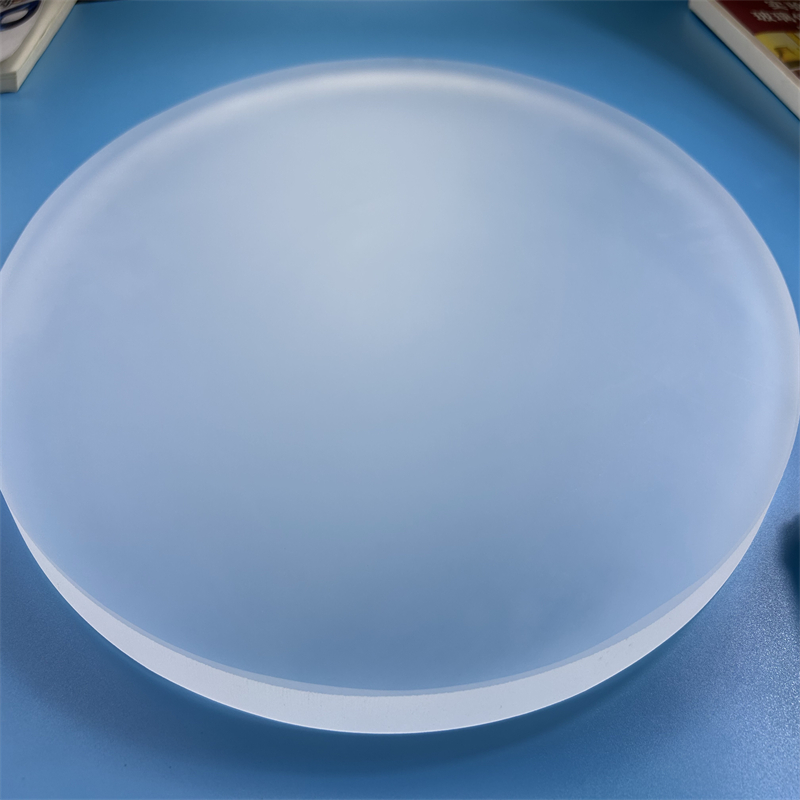
High Temperature Resistance Frosted Quartz Disc/Plate Semiconductor Applications Welding Cutting Custom Sizes Fused Quartz
View Details →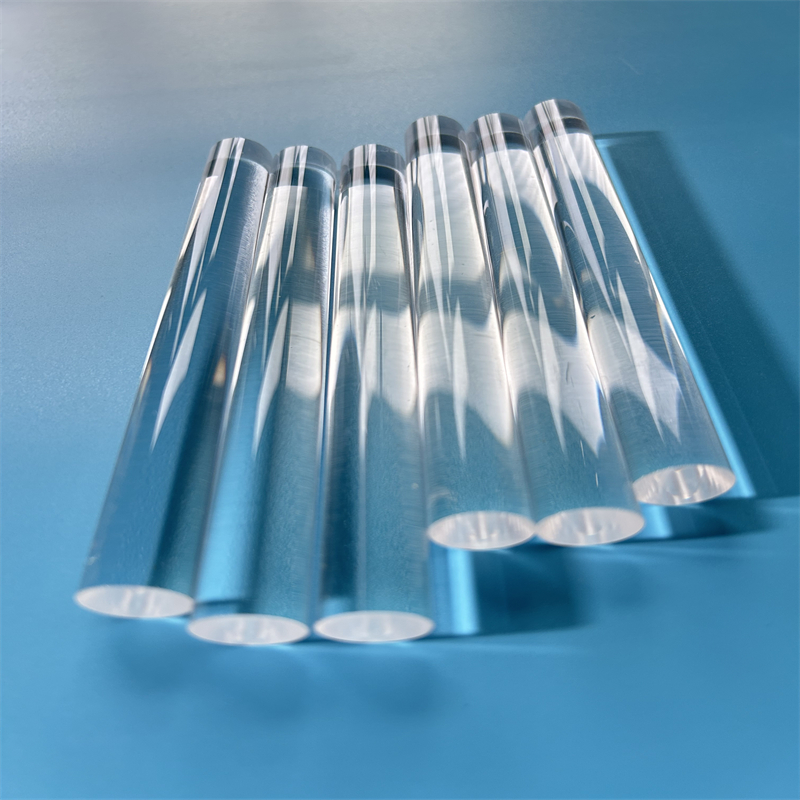
Custom Guitu Quartz GT Model High Purity Optical Quartz Light Guide Cylinder Rod 99.99% SiO2 for Optical/Semiconductor
View Details →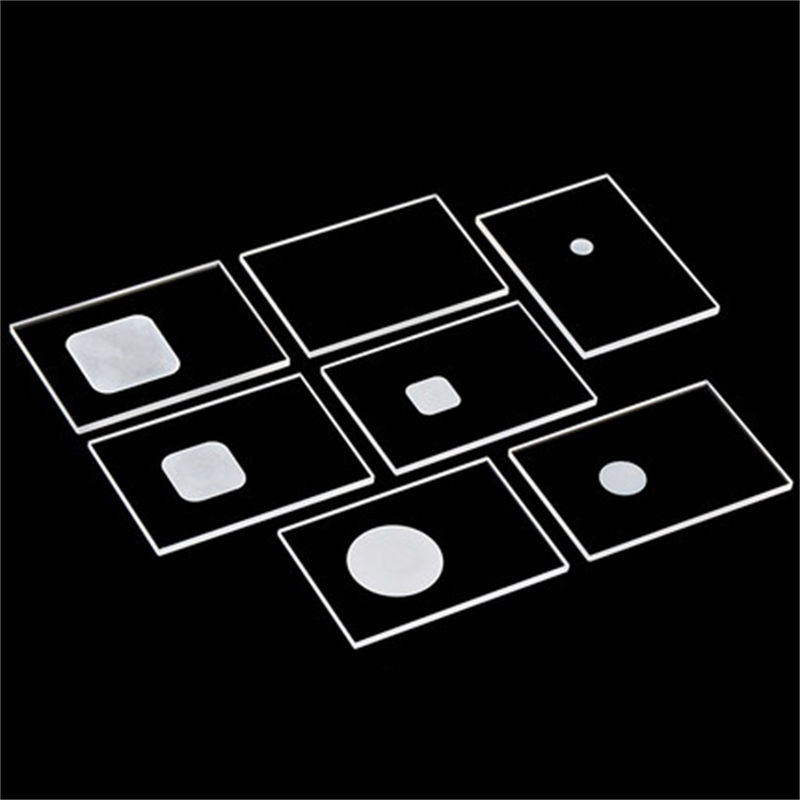
High Temperature Fused Quartz Glass Sheet for XRD Sample Tank Testing Chip Slotted Carrier Cutting Service Custom Sizes 1100C
View Details →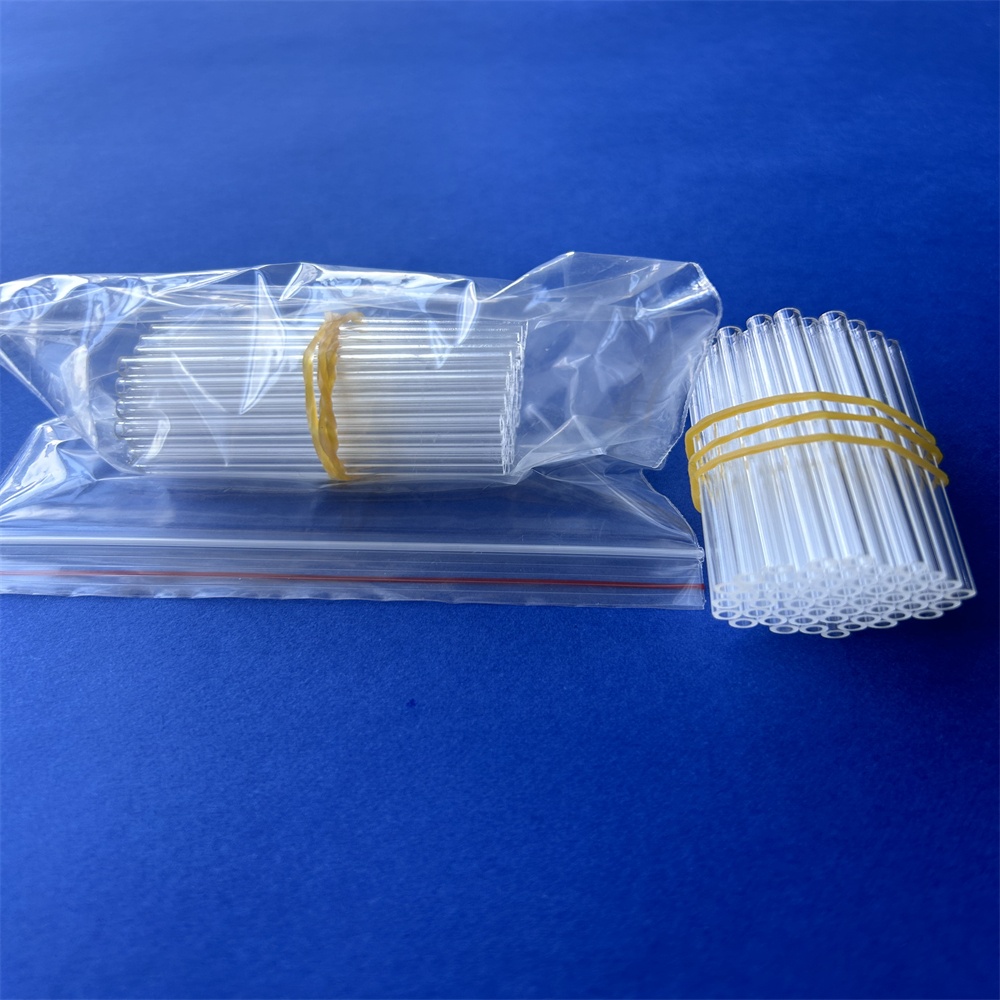
Small Diameter 0.1-20mm High Temperature Resistant 99.99% Pure Quartz Capillary Tube Cutting Bending Welding Services Ozone Free
View Details →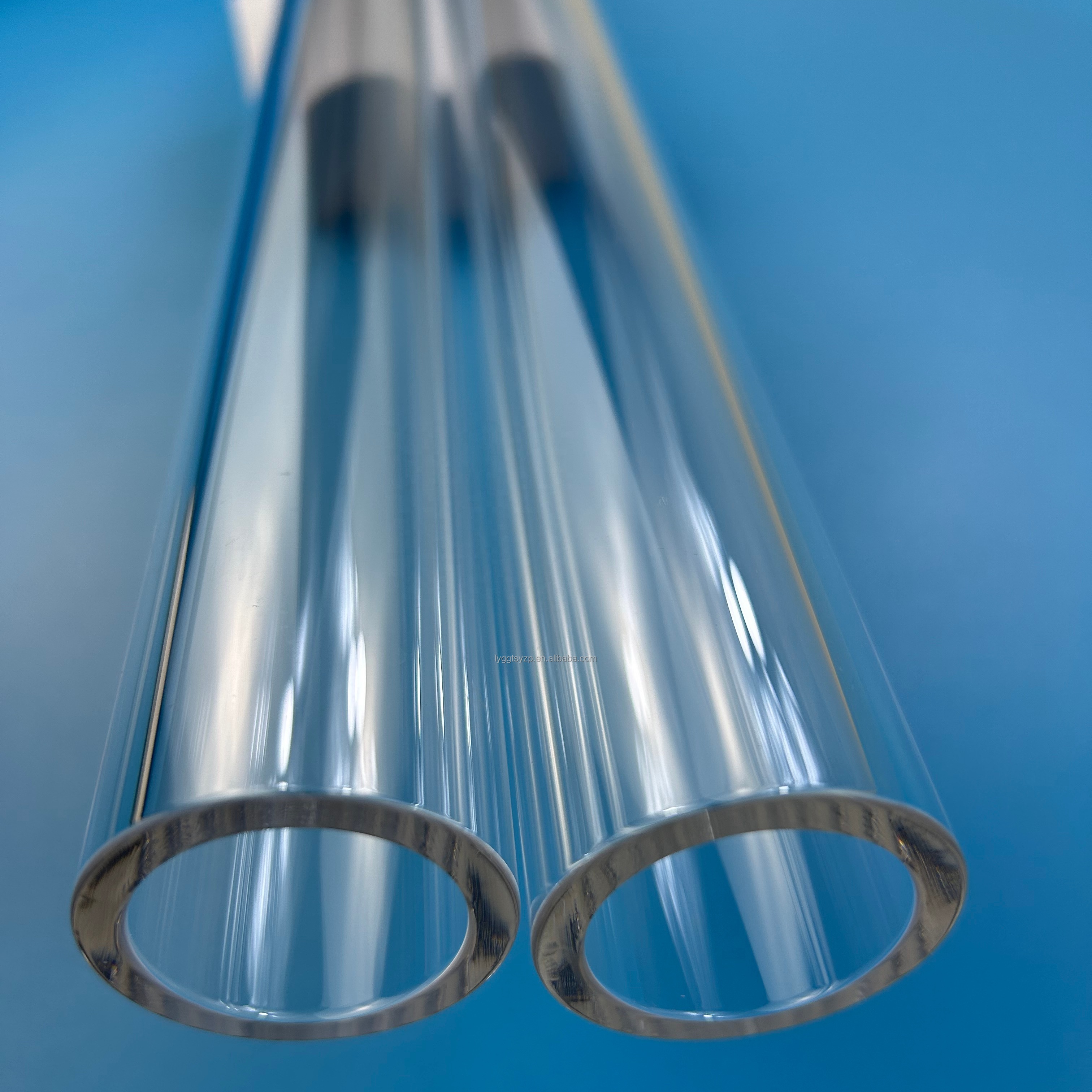
Polished Clear Quartz Twin Tube Ozone Free Heater Chemical Lab Equipment Semiconductor Furnace Tubes Welding Moulding Bending
View Details →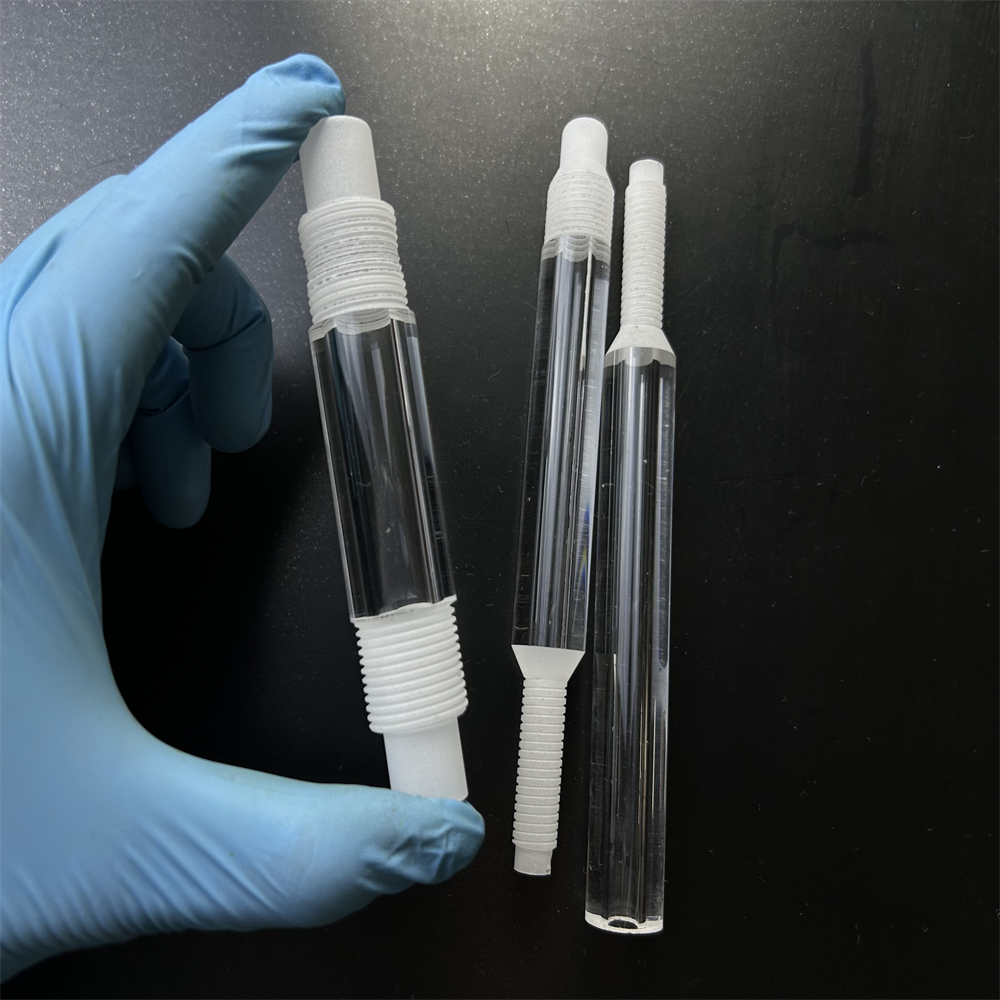
Customized High Purity Threaded Transparent UV Quartz Glass Tube with Bending Welding Cutting Moulding Services High Pressure
View Details →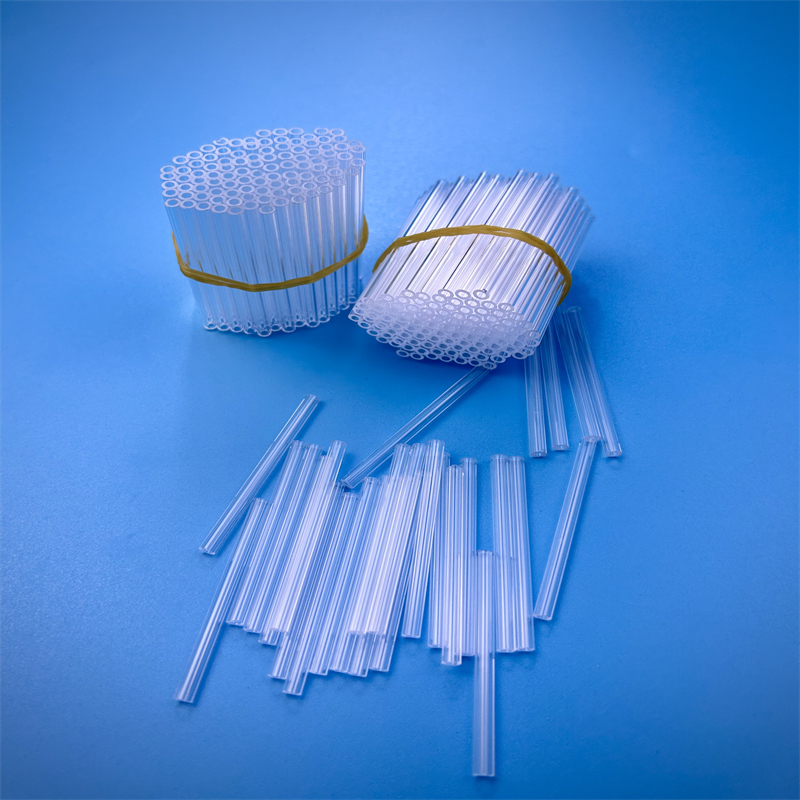
High Quality Transparent U-Bent Quartz Glass Tube Bending/Cutting/Welding Services 99.99% Pure Quartz Ozone Free Polished
View Details →Engineering High-Performance Optical Quartz Optics for the Basel Precision Ecosystem
As a global biopharmaceutical capital, research center, and industrial precision node located at the tri-border region of Switzerland, Germany, and France, Basel requires uncompromising optical standards. From high-throughput fluorescence screening in life science laboratories in the BioValley to ultra-violet (UV) laser spectroscopy in advanced research institutes, optical quartz optics serve as core enabling components.
Standard optical glasses like N-BK7 or crown glass fail to deliver necessary thermal stability, UV transmission, and chemical inertness under demanding conditions. Custom Synthetic Fused Silica Lenses (equivalent to JGS1) and high-purity natural fused quartz (JGS2/JGS3) provide the critical physics foundation needed by Basel-based instrument manufacturers and research centers.
Material Science & Optical Transmittance Dynamics
Understanding optical silica grades is vital when procuring custom lenses, windows, light guides, and cuvettes for precision instrumentation. The synthetic silica synthesis process eliminates trace metal impurities to less than 1 ppm, preventing solarization under intense DUV (Deep Ultraviolet) exposure.
- JGS1 (Synthetic Fused Silica): Optimized for UV and Deep-UV applications (185 nm to 2500 nm). Free of micro-bubbles, providing supreme internal transmittance (>90% at 193 nm) and ultra-low fluorescence. Essential for UV fluorescence imaging, flow cytometry, and microfluidic detection cells in Basel pharma R&D.
- JGS2 (Optical Grade Fused Quartz): Produced from high-purity natural quartz crystals. Excellent transmission across the visible and near-infrared spectra (220 nm to 2500 nm). Ideal for visual imaging optics, high-temperature inspection ports, and industrial sensor covers.
- JGS3 (Infrared Grade Fused Quartz): Formulated with extremely low hydroxyl content (<5 ppm OH⁻). Provides high transparency extending into the mid-infrared range up to 3500 nm, suited for FTIR spectroscopy and thermal imaging lenses.
| Optical Property | JGS1 (UV Synthetic) | JGS2 (Optical Quartz) | Borosilicate Glass |
|---|---|---|---|
| Transmission Range | 185 nm - 2500 nm | 220 nm - 2500 nm | 350 nm - 2000 nm |
| Deep UV Transmittance (254nm) | > 92% | > 85% | < 5% (Opaque) |
| Coefficient of Thermal Expansion | 5.5 × 10⁻⁷ /°C | 5.5 × 10⁻⁷ /°C | 33 × 10⁻⁷ /°C |
| Continuous Thermal Limit | 1100 °C | 1100 °C | 500 °C |
| Autofluorescence Level | Extremely Low / None | Moderate | High |
Localized Applications in Basel’s Key High-Tech Sectors
Providing precision optical components tailored to the specialized demands of Basel's leading industrial and scientific sectors.
Life Sciences & BioPharma Analytics
Basel hosts world-leading bio-pharmaceutical enterprises. Our JGS1 fused silica plano-convex lenses, double-convex lenses, and flow cells support laser-induced fluorescence (LIF) detection, capillary electrophoresis, and microplate readers requiring zero background autofluorescence.
Medical Laser & Surgical Devices
From dermatological light-guides to surgical laser delivery optics, our factory manufactures custom quartz rod lenses, sapphire windows, and focusing lenses capable of withstanding extreme power densities without thermal lensing or optical distortion.
Nanotechnology & Academic Physics
Serving university researchers in Basel with high-precision optical quartz windows, XRD sample substrate slides, vacuum viewports, and laser drilling micro-tubes engineered to sub-micron accuracy for quantum optical trials.
Local Market Trends Shaping Optics Procurement in Basel
The optical and precision instrumentation industry in Switzerland is undergoing significant transformations driven by miniaturization, digitalization, and stringent sustainability standards:
1. Shift Toward Deep-UV (DUV) Miniaturized Sensing
Modern analytical devices used in point-of-care testing and environmental monitoring in the Rhine basin require optical elements operating at shorter wavelengths (e.g., 214nm, 254nm, 280nm). This shift demands optical quartz lenses with polished surface scratch-dig ratings of 10-5 or 20-10 according to ISO 10110 specs to minimize UV scattering.
2. Hybrid OEM/ODM Supply Chains with Agile Prototyping
Swiss medical device and analytical tool builders face tightening time-to-market windows. They increasingly favor OEM/ODM optical partners who offer flexible 1-piece prototype production before committing to multi-thousand piece production runs. Zelvo Quartz bridges this gap by offering fast-turnaround drawing validation and rapid tooling.
3. Rigorous Regulatory Compliance & Traceability
In accordance with Swiss and European chemical compliance frameworks (REACH, RoHS 3), high-purity glass components must be 100% free from hazardous heavy metals like lead, cadmium, or arsenic. Every batch shipped to Basel comes with material certification and optical spectrum inspection reports.
Why Basel Procurement Managers Choose Zelvo Quartz
Located in Donghai, Jiangsu Province—known internationally as China’s "Crystal Capital"—Lianyungang Zelvo Quartz Products Co., Ltd. combines raw material access with high-precision optical cold processing and glass-blowing craftsmanship.
Raw Material Advantage
Direct sourcing of 99.99% pure silica natural crystal powder and premium synthetic quartz ingots ensures zero inclusions, minimal bubbles, and stable refractive indices.
Advanced Fabrication Capabilities
Equipped with sub-micron CNC grinding tools, laser drilling, precision grooving, flame polishing, and optical polishing machines capable of producing complex spherical, aspherical, cylindrical, and custom geometry lenses.
Dedicated Engineering Support
Our engineering team provides direct 1-on-1 drawing review and manufacturability feedback within 2 hours, lowering design risks for complex OEM optic builds.
Whether you require custom light guide cylinder rods, high-temperature frosted quartz plates, XRD slotted sample sheets, or ozone-free capillary tubes, our strict quality control ensures every component meets your exact specifications prior to packing in shock-resistant wooden crates.
Frequently Asked Questions by Basel Optical & Engineering Buyers
Clear technical answers to help you streamline your optical quartz sourcing process.
What optical tolerances can you achieve for custom optical quartz lenses?
For custom fused silica and quartz optical elements, we routinely achieve dimensional tolerances of ±0.05 mm (or ±0.01 mm upon request), surface quality down to 10-5 Scratch-Dig (ISO 10110), surface flatness of λ/10 per inch @ 632.8nm, and wave-front distortion < λ/4.
How do you ship fragile optical quartz components to Basel, Switzerland?
We utilize specialized export packaging including multi-layer protective PE foam, anti-static sealed vacuum bags, and heavy-duty reinforced wooden boxes. We ship under CIP, DDP, FOB, and express courier (DHL/FedEx/UPS) directly to your factory or laboratory in the Basel region with full transport insurance.
Can you manufacture custom quartz parts based on existing CAD or 2D technical drawings?
Yes. We accept standard engineering formats including DWG, DXF, STEP, IGES, and PDF. Our technical team evaluates material selection, laser drilling feasibility, radius tolerances, and flame polishing requirements, returning a detailed quote within 2 hours.
What is the typical lead time for custom prototype orders serving European clients?
Custom prototype orders (1–10 pieces) are typically manufactured within 7–12 working days depending on optical coating and polishing complexity. Express air freight to Basel EuroAirport (BSL) or nearby logistics hubs takes an additional 3–5 days.
Do you offer optical thin-film anti-reflective (AR) or high-reflective (HR) coatings?
Yes. We offer custom dielectric and metallic optical coatings tailored to your target wavelength bands, including UV-AR (193nm, 248nm, 355nm), Vis-AR (400–700nm), NIR coatings, and custom dichroic beamsplitter coatings.
Need Custom Optical Quartz Components for Your Project in Basel?
Send us your technical drawings, 3D CAD files, or performance requirements. Our senior optical engineers are ready to provide technical evaluation and a competitive price proposal.
Get a Quote