Featured High-Purity Fused Quartz Components
Directly supporting high-temperature diffusion tubes, low-pressure CVD furnaces, and plasma processes. Each item is strictly manufactured according to micron-level tolerance specifications.
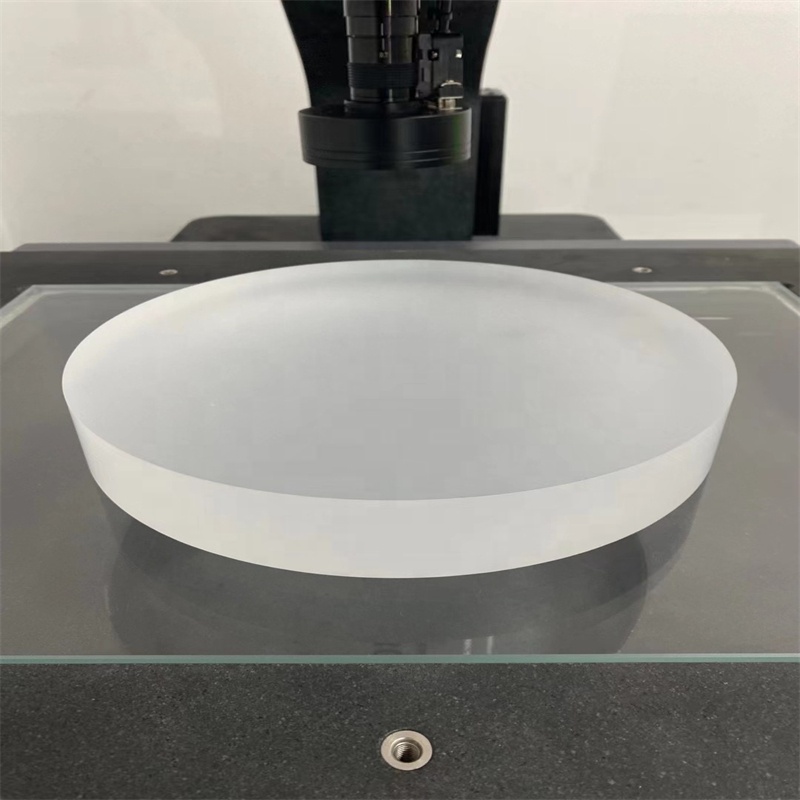
Clear Fused Quartz Plate (1100°C Thermal Window)
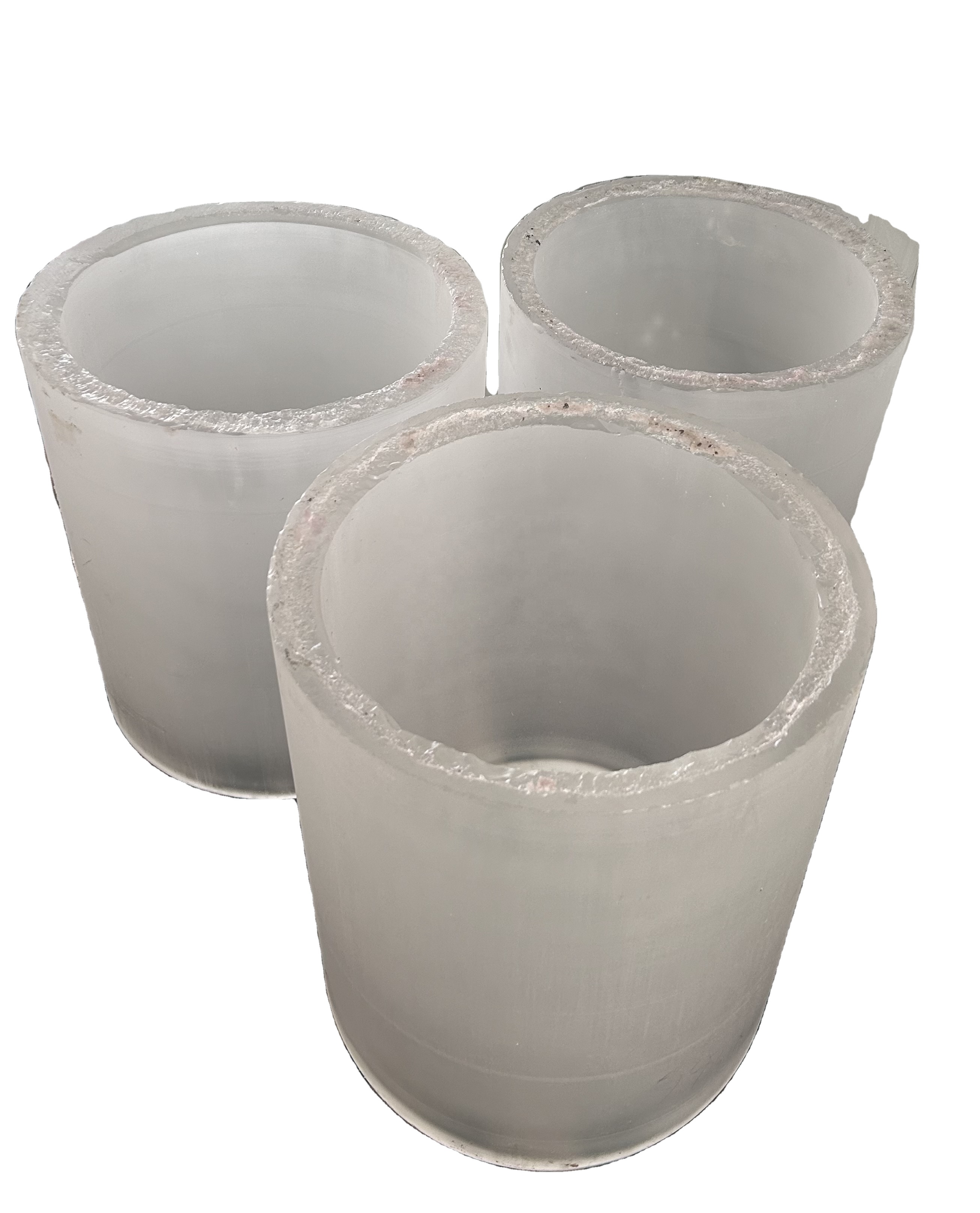
Open-Ended Frosted Quartz Glass Cylinder & Ingot
High-Pressure Clear Quartz Process Tube
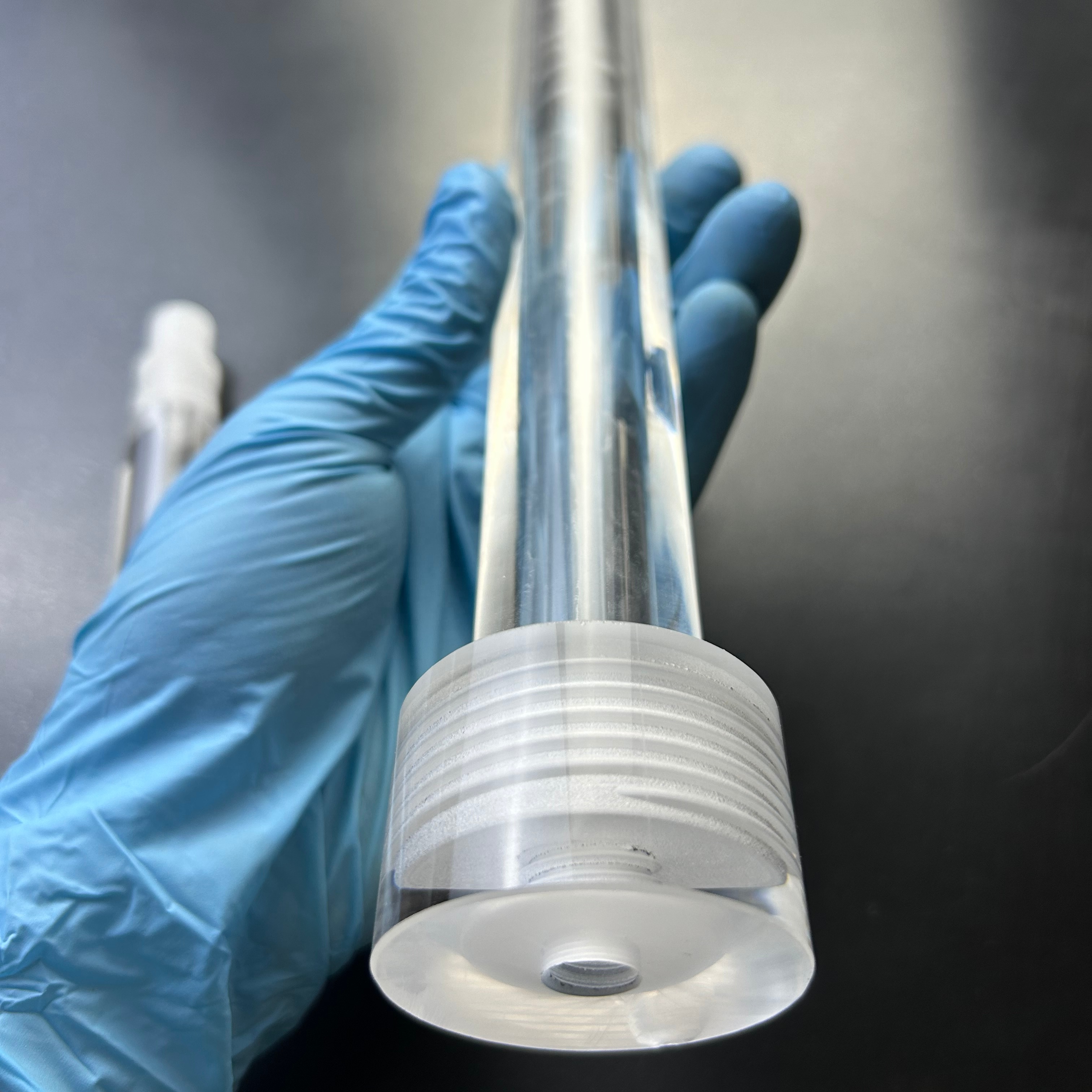
High-Purity Polished Clear Quartz Twin Tube
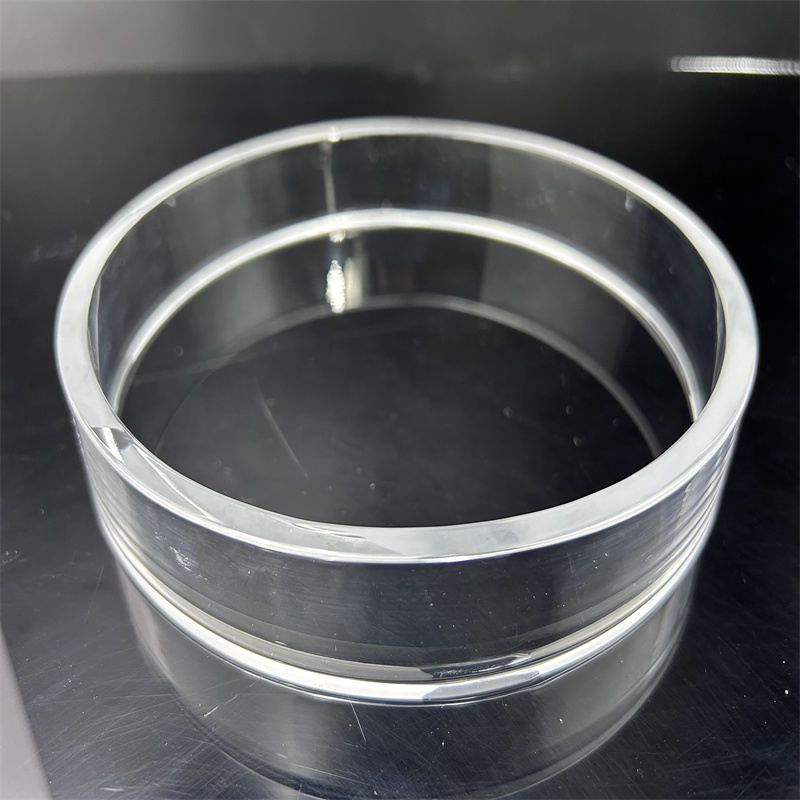
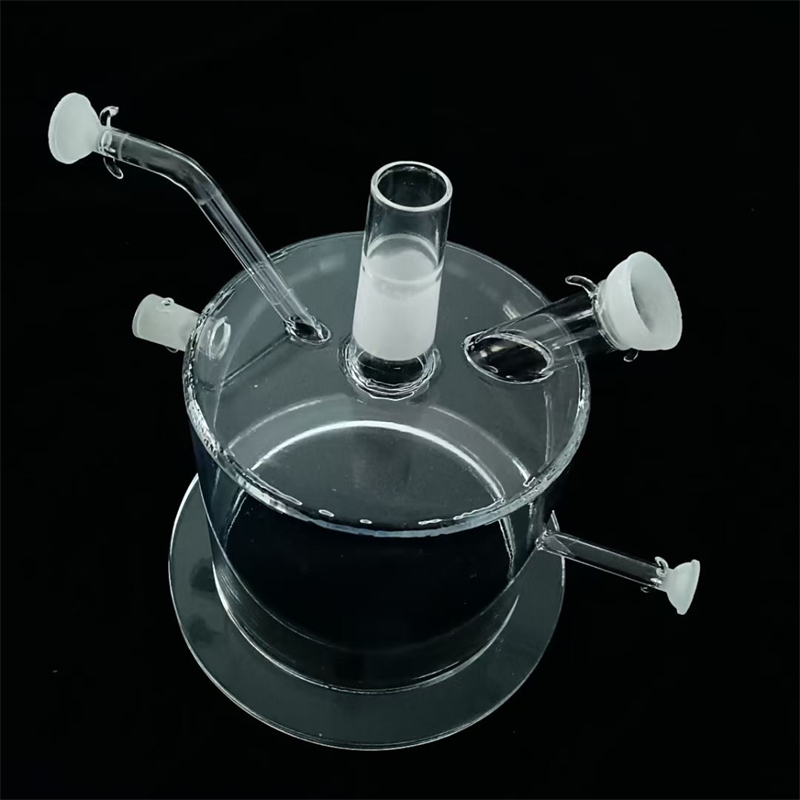
Corrosion-Resistant Semiconductor Quartz Bell Jar
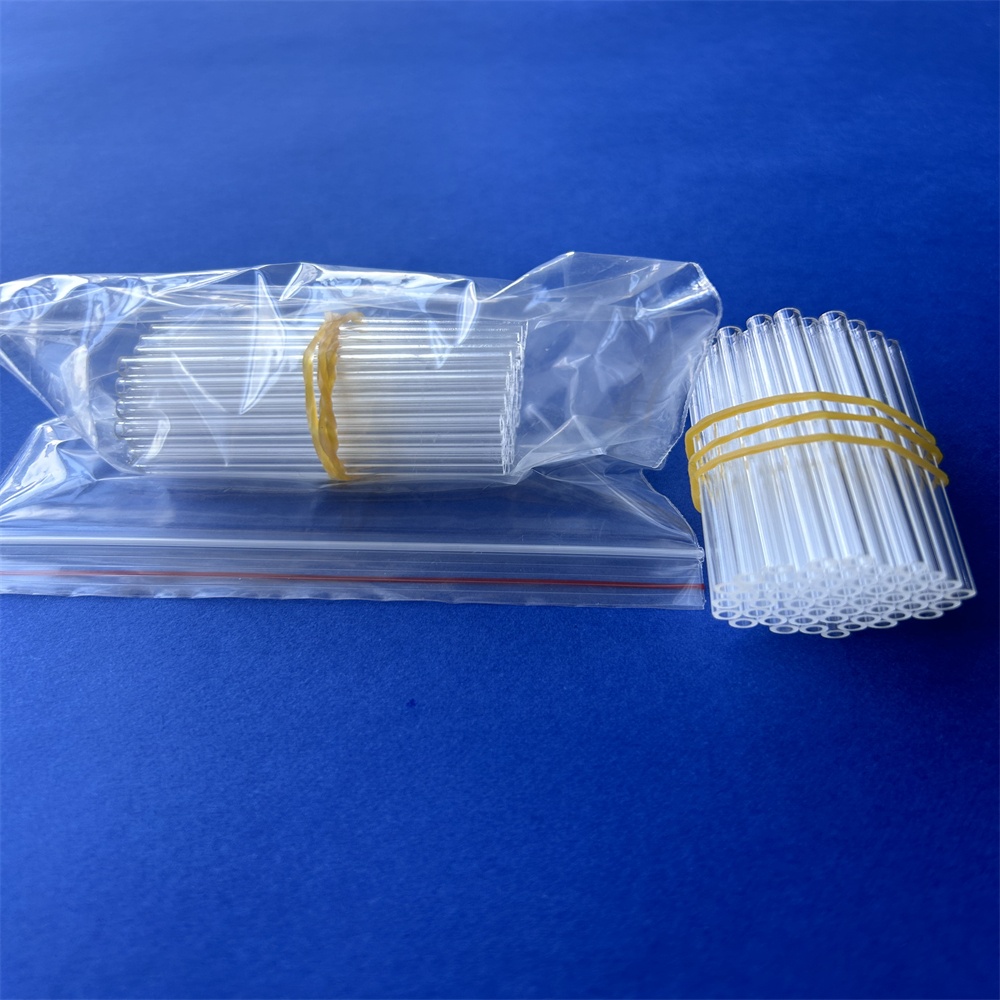
Precision Quartz Capillary Tube (0.1mm - 20mm)
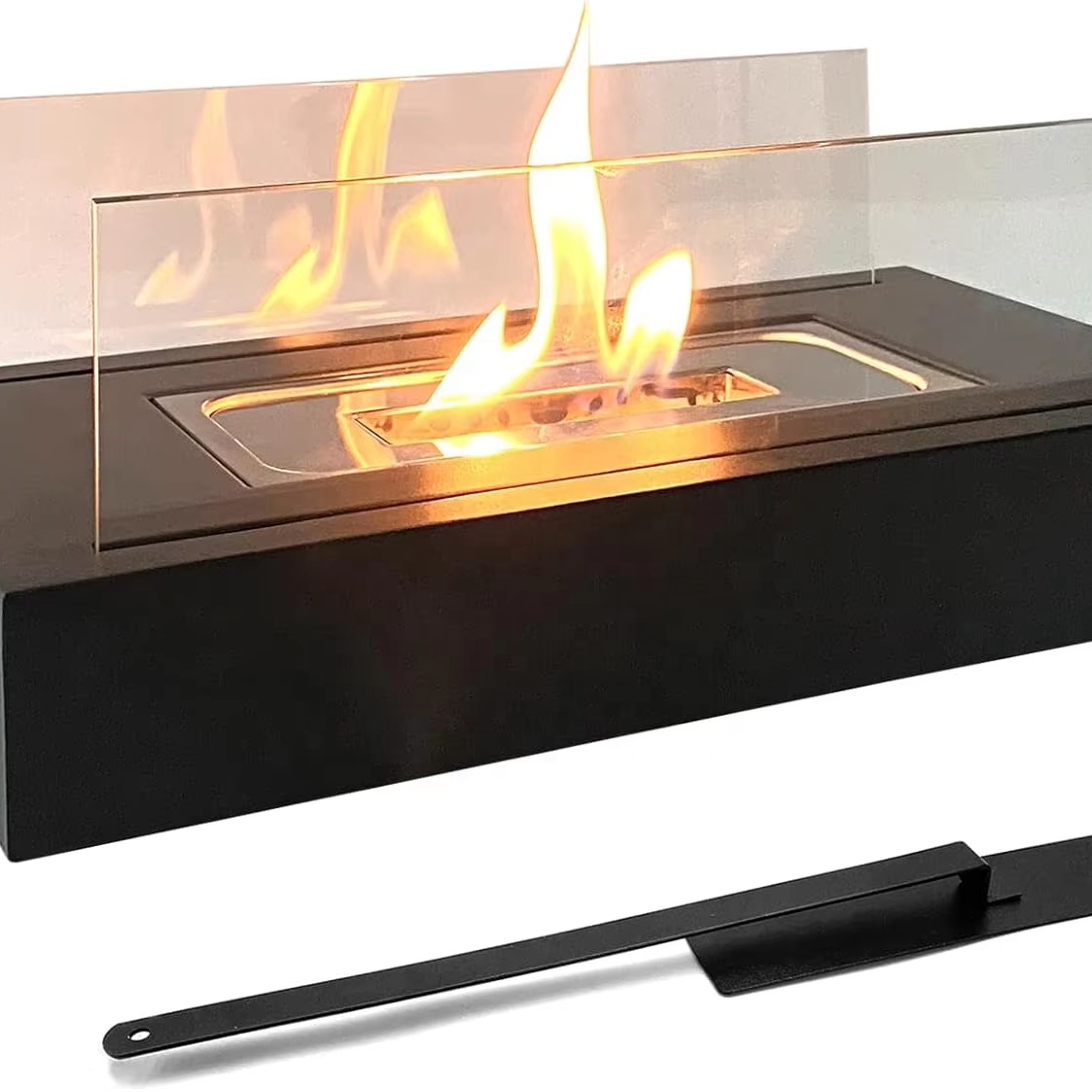
High-Precision Optical Grade Fused Quartz Glass
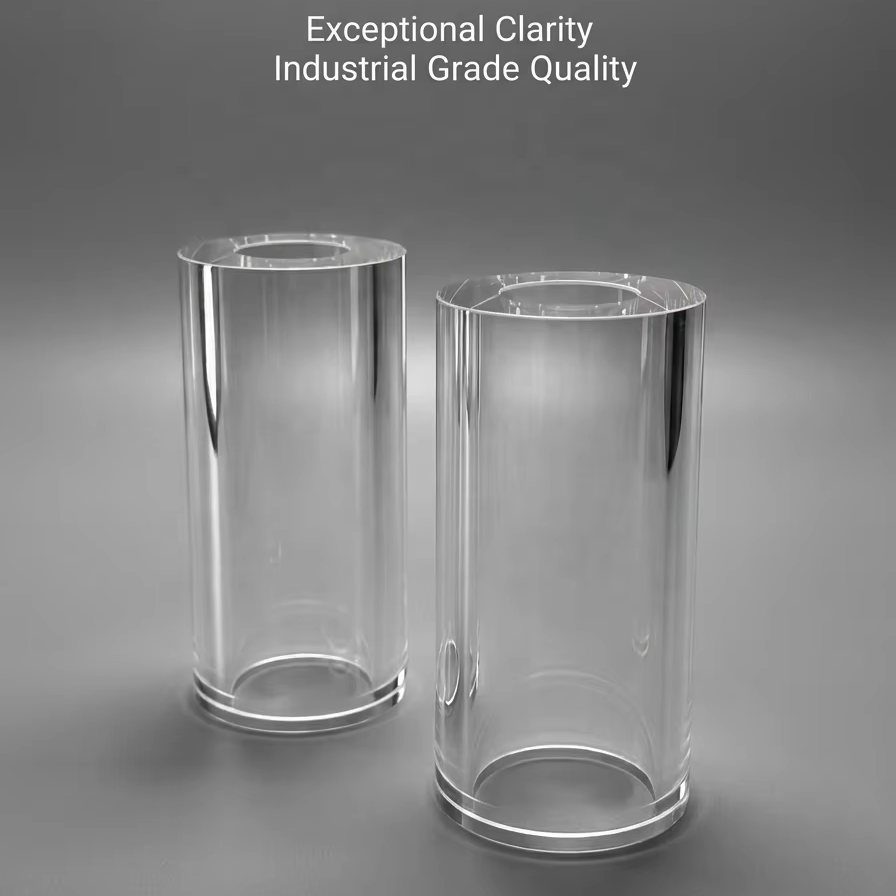
Double-End Polished Fused Quartz Twin Manifold
High-Purity Quartz Boat Dynamics in CVD & Thermal Diffusion Systems
In modern chemical vapor deposition (CVD), low-pressure CVD (LPCVD), plasma-enhanced CVD (PECVD), and atomic layer deposition (ALD), the quartz wafer carrier—commonly designated as the quartz boat—is not a passive mechanical container. It serves as an active thermal boundary and aerodynamic guide within high-temperature reaction zones exceeding 1100°C. For industrial process engineers and advanced laboratory researchers in Liberta and across international micro-fabrication sectors, selecting quartz ware manufactured to stringent structural, chemical, and dimensional tolerances is critical to achieving target sheet resistance homogeneity, eliminating slip dislocations, and preventing lethal transition-metal contamination.
Critical Engineering Principle: In wafer carriers operating near fused silica's transition limits, hydroxyl (OH⁻) concentration determines structural viscosity. Standard fused quartz exhibits an OH⁻ content between 20 and 30 ppm; our specialized low-hydroxyl semiconductor-grade quartz boats limit OH⁻ to under 5 ppm, dramatically raising the strain point (1075°C) and postponing high-temperature viscous sag during long-cycle polysilicon or silicon nitride deposition runs.
1. Material Purity, Lattice Chemistry & Devitrification Kinetics
Fused silica ($SiO_2$) is an amorphous, non-crystalline network of corner-sharing silicon-oxygen tetrahedra. Under sustained exposure to process temperatures exceeding 1000°C, the metastable glass network undergoes devitrification, converting into crystalline cristobalite. The rate of this transformation is accelerated exponentially by alkali metal impurities—predominantly Sodium (Na), Potassium (K), and Lithium (Li)—which act as network modifiers, breaking bridging Si-O-Si bonds and creating non-bridging oxygen atoms that lower the activation energy for crystal nucleation.
When cristobalite crystallizes on the boat surface, the subsequent cooldown through 200°C–270°C initiates an abrupt phase transformation from $\beta$-cristobalite to $\alpha$-cristobalite, accompanied by a volumetric contraction of approximately 5% to 7%. This localized density shift generates catastrophic micro-fissuring, shedding micro-particulates onto wafer surfaces and destroying patterned circuit yield. Lianyungang Zelvo Quartz Products Co., Ltd. mitigates this failure mechanism at the atomic level by using refined crystal feedstocks from Donghai County, achieving total trace metal impurity levels beneath 15 ppm, with alkali content strictly under 1.2 ppm.
2. Precision Slot Geometry, Wafer Tilt & Aerodynamic Laminar Flow
During low-pressure CVD processes, process gas mixtures (such as silane $SiH_4$, dichlorosilane $SiH_2Cl_2$, and ammonia $NH_3$) are transported across the wafer load via forced convection and boundary layer diffusion. The quartz boat structure must maintain micro-precise slot pitch (typically 2.38mm, 3.175mm, or 4.76mm) and uniform slot angles (often 1° to 3° backward incline) across dozens or hundreds of wafer slots.
Any dimensional deviation or thermal distortion within the boat slot induces aerodynamic turbulence and localized stagnation zones, skewing the precursor flux and creating substantial thin-film thickness non-uniformity across the wafer radius. Utilizing automated CNC diamond-wheel slotting and multi-axis pulsed laser profiling, our CVD quartz boats achieve slot pitch tolerances within ±0.03 mm and slot width tolerances within ±0.02 mm, ensuring strictly laminar reactant sweep across both 4-inch, 6-inch, 8-inch, and specialized large-format 12-inch substrates.
| Physical & Thermal Property | Standard Lab Glass (Borosilicate) | Commercial Fused Quartz | Zelvo High-Purity Semiconductor Quartz |
|---|---|---|---|
| $SiO_2$ Purity Content | ~81% | 99.9% | ≥ 99.99% – 99.999% |
| Continuous Operating Temp (°C) | ~450 °C | ~1050 °C | 1150 °C – 1200 °C |
| Maximum Short-Peak Temp (°C) | ~520 °C | ~1200 °C | 1300 °C |
| Coefficient of Thermal Expansion (CTE) | 33 × 10⁻⁷ /K | 5.5 × 10⁻⁷ /K | 5.4 × 10⁻⁷ /K (Near-Zero Shock) |
| Softening Point (°C) | 820 °C | 1665 °C | 1683 °C |
| Annealing Point (°C) | 560 °C | 1140 °C | 1215 °C |
| Trace Heavy Metals (Fe+Cu+Ni) | > 500 ppm | < 20 ppm | < 2.5 ppm |
3. Stress-Relief Annealing & Weld Hermeticity
Complex quartz boats—such as ladder boats, cage boats, compact vertical CVD boats, and cantilever-supported carriers—require extensive manual and automated oxy-hydrogen flame welding to join slotted rods to structural stabilizing rails. Manual flame welding inevitably concentrates significant residual thermal stresses at the heat-affected zones (HAZ). If left unaddressed, these residual internal stresses induce spontaneous brittle fracture under rapid furnace push/pull cycles when entering a hot furnace bore at 800°C.
Every single quartz boat fabricated for export to Liberta undergoes complete programmatic furnace annealing in our dedicated high-temperature vacuum/inert atmosphere ovens. By elevating the components past the annealing point (1215°C) and decreasing the temperature along an engineered linear gradient of <1.5°C/min through the transformation zone, internal optical birefringence stress is reduced to below 5 nm/cm, verified via polariscopic stress inspection before release.
Localized Application Scenarios in Liberta & Surrounding Tech Hubs
Addressing the technical demands of high-spec manufacturing, environmental durability, and industrial clean-tech evolution within Liberta and its affiliated special economic zones.
Solar PV & Next-Gen Perovskite / Tandem Cell Deposition
As regional initiatives demand high-efficiency renewable energy micro-grids, manufacturing clean-tech facilities in Liberta are upgrading tubular diffusion furnaces to process TOPCon and heterojunction (HJT) silicon wafers. Our low-sag quartz boats withstand continuous 1150°C Boron and Phosphorus liquid/gas dopant diffusion cycles without lattice embrittlement, ensuring maximal minority carrier lifetimes in solar cell substrates.
Corrosion-Proof CVD Protective Coatings for Maritime & Aviation
Liberta's proximity to coastal testing hubs and intense marine-saline atmospheres drives demand for specialized high-temperature CVD barrier coatings (such as titanium nitride TiN, alumina $Al_2O_3$, and diamond-like carbon DLC). Our customized quartz process boats and flanged reactor chambers resist aggressive halogens, chlorine gas, and volatile metallic precursors used in anti-corrosion deposition lines.
University & Institute Advanced Materials Crystallography
Regional advanced research laboratories and university material science centers require non-reactive sample holders for X-ray diffraction (XRD), BET surface area gas adsorption analysis, and solid-state crystal synthesis. Zelvo Quartz provides slotted low-background fused silica plates, zero-diffraction sample holders, and precision-blown quartz ampoules capable of withstanding extreme thermal shocks up to 1300°C.
Localized Industrial Trends: The Evolution of Thermal Processing in Liberta
Navigating the transition toward larger wafer formats, energy efficiency, and supply chain reshoring across Caribbean & regional high-tech manufacturing sectors.
Shift to Large-Format M10 / G12 Wafer Sizes
Legacy 156mm/166mm formats are rapidly phasing out. Facilities in Liberta are upgrading CVD lines to accommodate large-format 182mm (M10) and 210mm (G12) carriers, demanding optimized load-bearing crossbeams and high-moment-of-inertia quartz boat profiles that resist bending deformation under heavy multi-wafer stacks.
Thermal Hysteresis & Power Optimization
High industrial electricity tariffs necessitate rapid thermal annealing (RTA) and reduced thermal cycle times. Process engineers are requesting ultra-low thermal mass slotted quartz boats, engineered with thin-wall hollow cross-sections to minimize furnace ramp-up cycle times and slash kilowatt-hour consumption per furnace load.
Direct-to-Manufacturer Supply Resilience
Supply chain vulnerabilities have led procurement managers in Liberta to bypass fragmented intermediaries. Establishing direct OEM supply relationships with raw-material source fabricators ensures verifiable material origin, mill-test certifications, and direct access to glass-blowing engineers who can adapt CAD blueprints rapidly.
Stricter Cleanroom Standards (Class 100/1000)
As device feature sizes scale down, localized processes cannot tolerate volatile outgassing. All shipped quartz carriers must undergo secondary high-purity ultra-pure water (UPW) ultrasonic degreasing, cleanroom baking, and multi-layer vacuum bagging to prevent particle introduction during unpacking.
Why Global Buyers & Engineers Rely on Zelvo Quartz
Rooted in Donghai County—the crystal and quartz capital of China—we blend world-class high-purity natural quartz raw materials with cutting-edge laser processing and over a decade of precision glassworking craft.
Crystal Capital Raw Material
Located directly in Donghai, Jiangsu, we control raw fused silica purity from the source. Our refined quartz ingots achieve 99.99% SiO₂ standard, with synthetic optical grades reaching 99.999%, completely eliminating heavy metal contamination risks in semiconductor and optical furnaces.
Advanced Precision Processing
Equipped with ultra-fast pulsed laser drilling, 5-axis CNC ultrasonic milling, high-precision slotting wheels, and skilled manual oxy-hydrogen flame welding masters boasting over 10 years of hands-on expertise in complex laboratory and industrial apparatus.
Rapid Turnaround & 1-Piece MOQ
We support prototyping, academic R&D trials, and large-scale manufacturing runs with equal dedication. Blueprints and RFQs are reviewed with technical feedback within 2 hours, and custom custom-dimension prototypes ship from just 1 piece.
Engineered Shock-Safe Global Logistics
We manage frictionless global logistics directly to Liberta under FOB, CIF, CFR, EXW, and DDP terms. Utilizing custom suspension foam matrices and reinforced export crates, our documented transport breakage rate remains below 0.2% worldwide.
Frequently Asked Questions for Quartz Ware Sourcing in Liberta
Technical, logistical, and material inquiries frequently answered by our engineering and export account teams.
What purity level is used in Zelvo's CVD quartz boats, and can certificates be provided?
All our CVD quartz boats and process tubes are fabricated from semiconductor-grade fused quartz with a certified $SiO_2$ purity of ≥99.99%. For advanced thin-film applications requiring near-zero trace metals, synthetic fused silica options reaching 99.999% are available. Full Inductively Coupled Plasma Mass Spectrometry (ICP-MS) raw material test certificates and physical dimension reports accompany every shipment.
Can you fabricate replacement quartz boats matching legacy or non-standard furnace models?
Yes. We specialize in custom drawing-based fabrication. Whether you have 2D CAD files (DXF/DWG), 3D step models, or simply a hand-drawn sketch with target wafer dimensions, slot spacing, and furnace tube inner diameter, our sales engineers will review feasibility, calculate thermal load margins, and optimize design tolerances within 2 hours.
What is the maximum operating temperature before the quartz boat begins to deform or devitrify?
Our high-purity quartz boats operate continuously at temperatures up to 1150°C and can endure intermittent short excursions up to 1300°C without structural sagging, provided proper support crossbars are specified. The softening point occurs at approximately 1683°C. To avoid devitrification, the quartz must remain clean of alkaline fingerprints or metallic airborne dust before insertion into high-temperature thermal zones.
How are fragile quartz boats safely transported to Liberta without transit breakage?
We employ a specialized 3-tier shock-isolation packaging methodology. The quartz carrier is first heat-sealed in an antistatic vacuum bag, enclosed in custom high-density molded EPE polyethylene suspension cradles, and packed inside heavy-duty, double-corrugated inner boxes. This assembly is then secured within an export-standard ISPM-15 fumigated wooden crate with integrated shock-watch sensors, ensuring 100% arrival integrity.
What is the minimum order quantity (MOQ) and standard delivery lead time?
Our MOQ is strictly 1 piece for custom quartz boats, plates, bell jars, and process tubes. For standard drawing prototypes, our manufacturing turnaround typically spans 7 to 12 working days. Expedited express air shipping to Liberta typically arrives within 5 to 8 transit days via DHL, FedEx, or dedicated air cargo carriers.
What cleaning protocols are recommended to maximize CVD quartz boat lifespan?
Prior to initial installation and after deposition runs, immerse the quartz boat in a high-purity 5% to 10% hydrofluoric acid (HF) bath for 5 to 10 minutes to dissolve thin-film buildup and surface micro-fissures. Follow immediately with triple cascading deionized (DI) water ultrasonic rinsing until effluent resistivity surpasses 16 MΩ·cm, followed by dry nitrogen blowout in a cleanroom hood.