Factory-Fabricated Quartz Tubes & Critical Process Glassware
Direct manufacturer-level solutions manufactured under cleanroom-certified environments in Donghai and supplied to high-temperature processing facilities across the Łódź Voivodeship and Greater Poland.
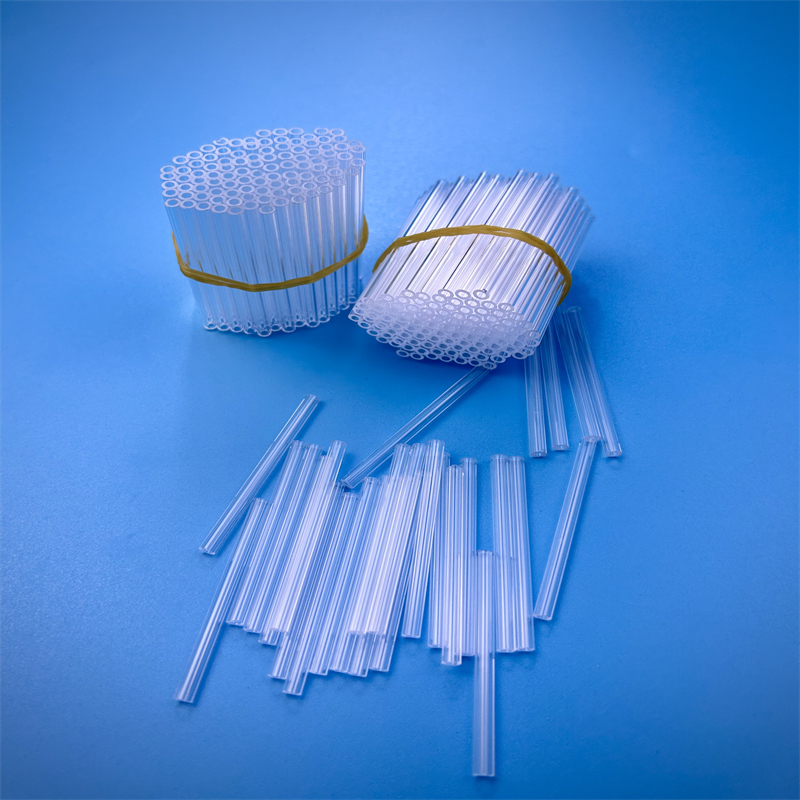
Transparent U-Bent Quartz Glass Tube
- 99.99% Purity Fused Quartz
- Custom Radius & Leg Lengths
- Flame Annealed Stress-Free
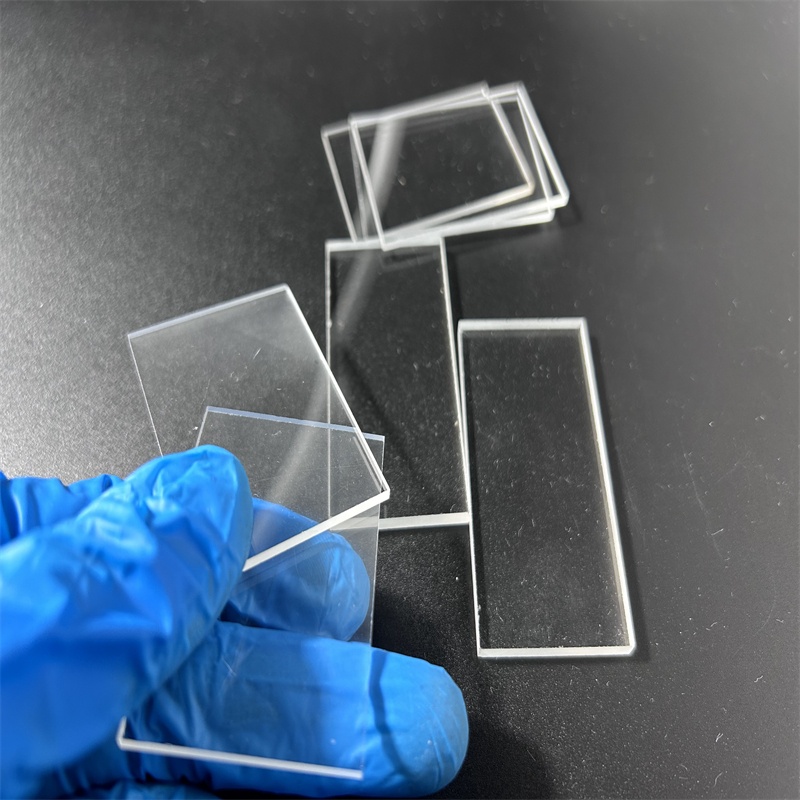
High-Temperature Fused Quartz Sheet
- Operating Temp Up to 1200°C
- CNC Edging & Laser Cutting
- Deep UV Transmission Window
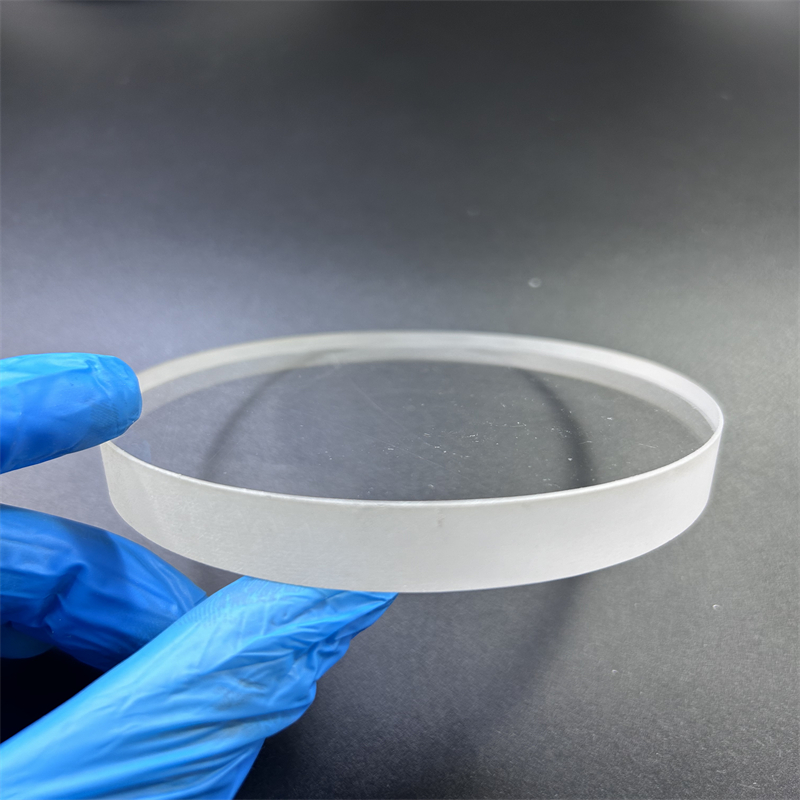
UV Fused Quartz Window Disc
- 1100°C Continuous Duty
- High Parallelism & Flatness
- Chemical Acid Immunity
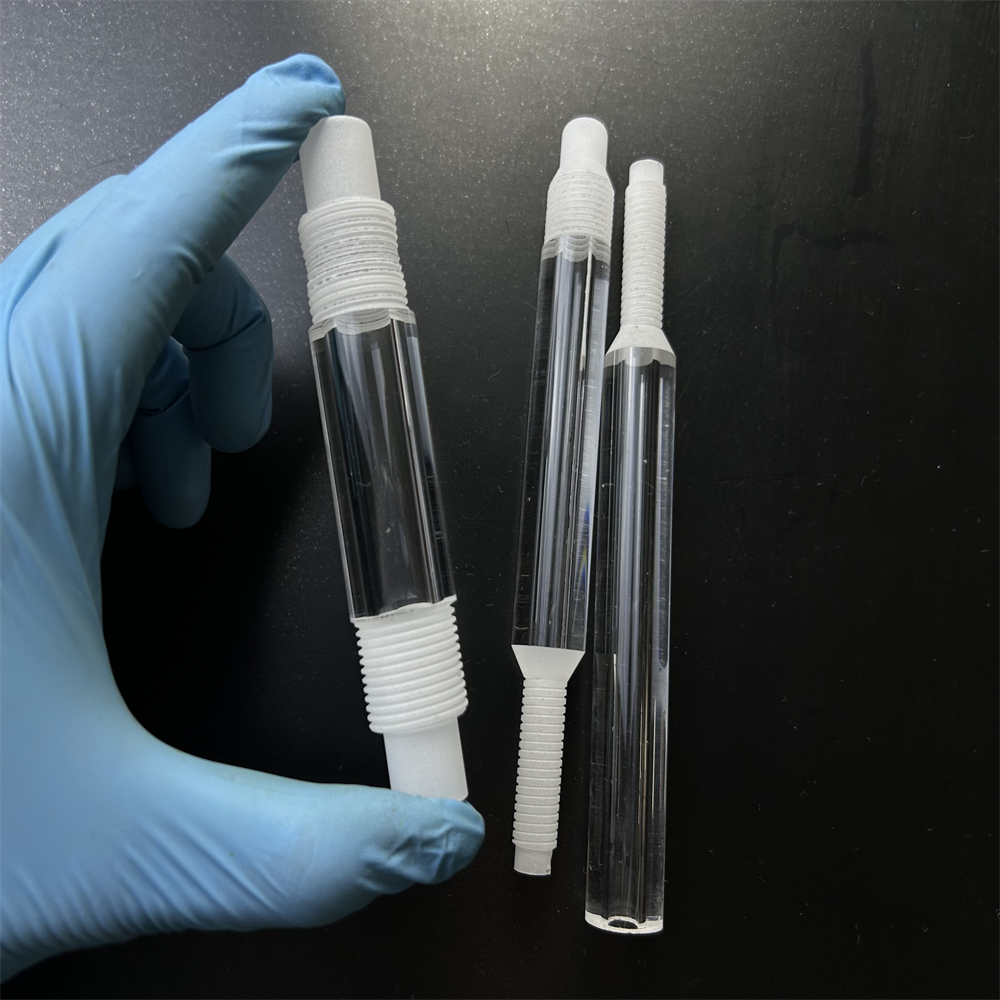
High-Purity Threaded Quartz Tube
- Precision Screw Ground Threads
- High-Pressure Resistance
- Custom Flange Integration
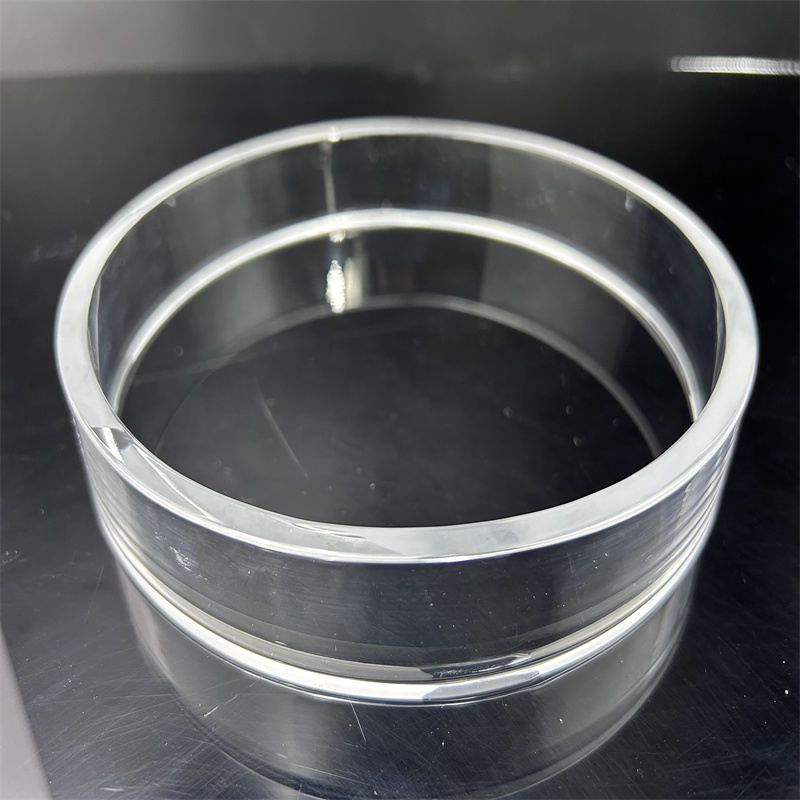
Corrosion-Resistant Quartz Bell Jar
- High Vacuum Leak Tightness
- Heavy Wall Stability
- Ground Flange Bottom
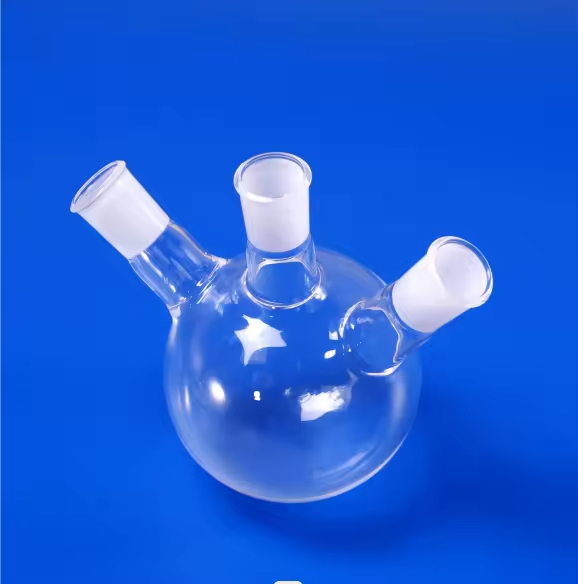
Twin-Tube Quartz Bottom Flask
- Dual-Bore Reaction Design
- Thermal Shock Resistance
- Handcrafted Glassblower Joint
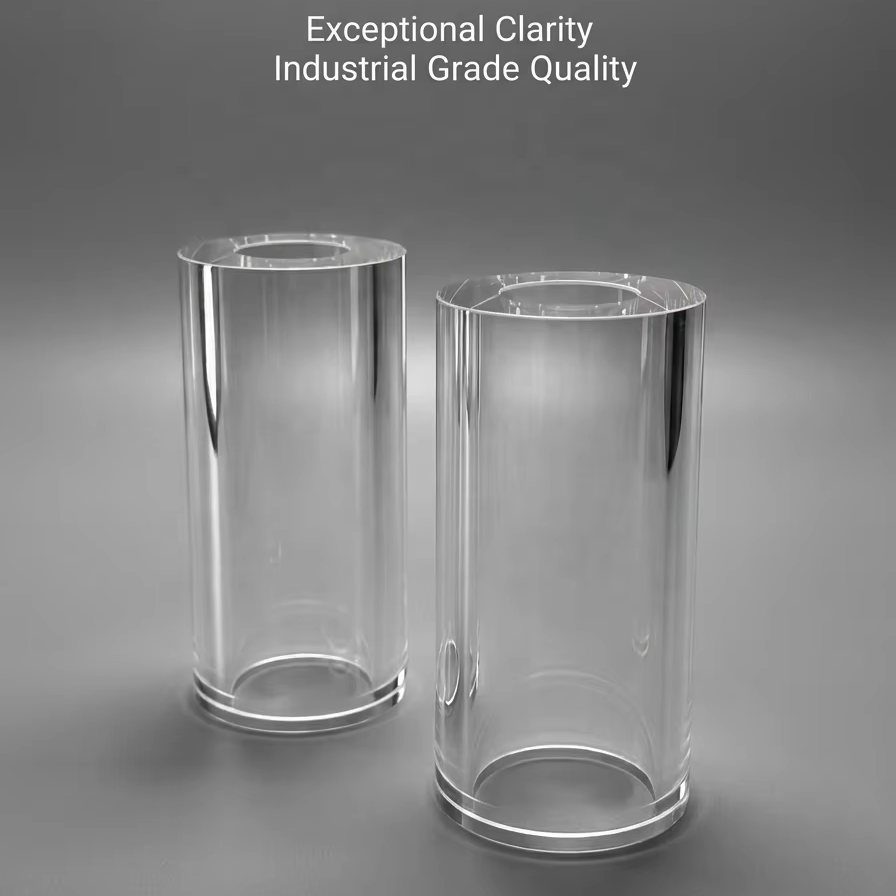
Polished Quartz Twin Tube
- Both Ends Fire Polished
- Infrared Emitter Optimized
- Exact Dimensional Tolerance
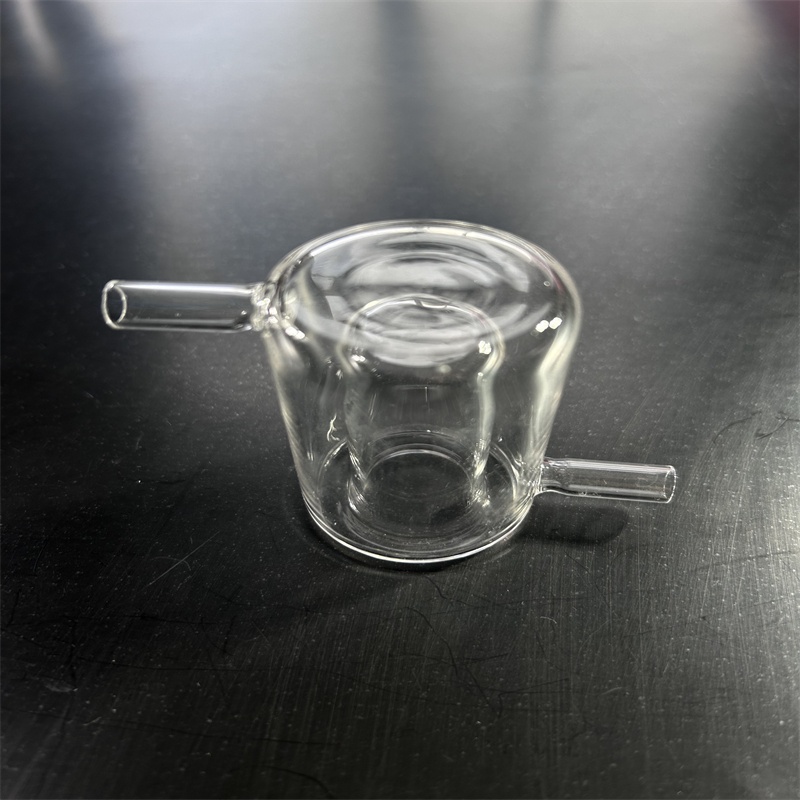
Quartz Glass Reactor Twin Tube
- Ultra-Low Devitrification
- High Chemical Purity SiO₂
- Precision Flanged Ports
Thermodynamics of Fused Quartz in Semiconductor Diffusion Environments
In microelectronics fabrication and next-generation photovoltaic emitter processing, the quartz diffusion tube functions not simply as an inert structural enclosure, but as a critical contamination barrier and thermal transfer interface. At operating temperatures spanning 1000°C to 1250°C—typical for thermal oxidation, boron trichloride (BCl₃) deposition, and phosphorus oxychloride (POCl₃) drive-in cycles—the physical and chemical integrity of silica glass becomes paramount.
Standard industrial borosilicate or low-grade glass alloys undergo severe mechanical deformation and catastrophic devitrification under these thermodynamic loads. Zelvo Quartz diffusion tubes are manufactured exclusively from pure natural quartz sand extracted from Donghai County, refined through continuous electrical fusion or hydrogen-oxygen gas fusion processes. This delivers an amorphous silicon dioxide (SiO₂) purity level exceeding 99.995%, driving total trace alkali metal contamination (Na, K, Li) well below 1.5 parts per million (ppm).
Engineering Insight: Trace alkalis act as nucleation catalysts. Under continuous heating above 1050°C, alkali ions accelerate the phase transformation from amorphous silica into crystalline cristobalite. This cristobalite phase transformation exhibits a volume shrinkage of approximately 5% upon cooling past 250°C, inevitably producing micro-cracks and thermal fracture. Our ultra-purified quartz matrices suppress nucleation sites, drastically extending furnace lifecycle in Polish fabrication facilities.
Furthermore, our hydroxyl ([OH⁻]) concentration is meticulously regulated. For dry thermal oxidation furnaces where hydroxyl outgassing induces gate oxide defects, we employ vacuum baking and nitrogen gas thermal annealing to stabilize hydroxyl contents under 20 ppm. For applications demanding structural rigidity at prolonged 1250°C exposures, low-OH fused silica prevents tube sagging, preserving tight inner diameter tolerances for wafer boat paddle clearance.
| Physical / Thermal Parameter | Standard Value | Operational Impact |
|---|---|---|
| SiO₂ Purity Ratio | ≥ 99.99% | Zero metal dopant cross-contamination |
| Density (ρ) | 2.20 ± 0.02 g/cm³ | Uniform structural mass distribution |
| Softening Point | 1683 °C | High margin against thermal collapse |
| Annealing Point | 1215 °C | Internal molecular stress equalization |
| Continuous Service Temp | 1100 °C – 1150 °C | Stable daily furnace cycle performance |
| Max Short-Term Temp | 1300 °C | Withstands rapid thermal ramp-ups |
| Thermal Expansion (CTE) | 5.5 × 10⁻⁷ /K | Extreme thermal shock resistance |
| Tensile Strength | 4.8 × 10⁷ Pa | High safety under internal gas pressure |
| Dielectric Constant | 3.75 (at 1 MHz) | RF, microwave & PECVD compatibility |
Quartz Applications Across the Łódź High-Tech Corridor
Łódź represents the central logistical and advanced industrial heartland of Poland. Positioned within the junction of the A1 and A2 motorways and anchored by the Łódź Special Economic Zone (ŁSSE), local research facilities and manufacturing cleanrooms require rigorous, drawing-specified quartz furnace vessels.
Semiconductor & MEMS Wafer Fabrication
Critical for horizontal and vertical furnace lines processing 100mm to 200mm silicon and silicon carbide (SiC) wafers. Our large-bore diffusion tubes, source bottles, and scavenger assemblies enable high-vacuum POCl₃ and boron diffusion within the electronics prototyping labs of Central Poland.
Photovoltaic Cell Doping (TOPCon & HJT)
Poland’s booming solar technology sector demands durable, non-sagging process tubes for high-throughput phosphorus emitter diffusion and chemical vapor deposition (CVD). Our flanged twin tubes and quartz boats resist prolonged chemical attacks from fluorine and chlorine cleaning gases.
Optoelectronics & Fiber Drawing Preforms
Photonics laboratories affiliated with regional academic institutes (including Lodz University of Technology / Politechnika Łódzka) leverage our custom ground optical-grade fused silica bell jars, CVD reactor tubes, and precision capillaries for fiber amplifier development and UV waveguide experiments.
Chemical Synthesis & Thermal Nanotechnology
Operating across modern research parks like Bionanopark Łódź, thermal synthesis reactors require transparent quartz flasks, slotted XRD substrates, and BET sample tubes that survive corrosive reagent boiling and sudden quenching from 1100°C without explosive catastrophic delamination.
Emerging Trends Shaping Quartz Procurement in Poland
Driven by pan-European semiconductor reshoring initiatives, renewable energy mandates, and modern laboratory infrastructure upgrades, buyers in Łódź are evolving their sourcing benchmarks.
Nearshoring & EU Chips Act Alignment
With billions of euros flowing into Central and Eastern European microchip fabrication ecosystems, tier-two suppliers and R&D pilots in Łódź are actively replacing legacy laboratory glassware with certified ultra-pure quartz components. Facilities are transitioning toward strict traceability protocols, demanding batch-level spectrometry reports (ICP-OES) to guarantee zero contamination of high-k gate dielectrics.
Shift to Large-Format, Heavy-Wall Tubes
Modern processing furnaces are pivoting toward larger tube diameters (exceeding 250mm to 350mm outer diameter) to accommodate expanded wafer batches and heavier wafer boats. Polish process engineers require optimized wall thickness tolerances (±0.15mm) and strict concentricity controls to avoid localized thermal hotspots, furnace baffle collisions, and premature stress cracking.
Resilient Supply Chains via Intermodal Hubs
Łódź sits at the crossroads of European rail and express logistics. With lead times from Western European glassware glassblowers frequently stretching past 18 to 26 weeks, procurement directors are partnering directly with integrated Chinese manufacturers like Zelvo Quartz. Rapid drawing approval, 1-piece custom prototyping, and DDP air/rail express delivery directly into Stryków logistics terminals solve critical supply chain bottlenecks.
Why Engineering Teams in Poland Partner with Zelvo Quartz
Headquartered in Donghai, the globally recognized "Crystal Capital of China", Lianyungang Zelvo Quartz Products Co., Ltd. combines geological raw material access with cutting-edge optical and mechanical processing equipment.
Raw Material Advantage in Donghai
Direct proximity to top-tier crystalline silica deposits ensures competitive pricing, continuous feedstock control, and low trace alkali metals without the markups of multi-tier brokerage.
Precision Machining & Glassblowing
Capabilities span CNC core drilling, laser cutting, slot grooving, ground taper joint milling, and hand-torch hydrogen-oxygen welding for intricate quartz reactor flanges and manifold branches.
Comprehensive QA & Clean Packaging
Every diffusion tube undergoes coordinate measuring machine (CMM) dimensional checks, bubble/inclusion sorting, ultrasonic HF acid etching, Class 10,000 cleanroom film sealing, and armored export wood crating.
Frequently Asked Questions by Technical Buyers in Łódź
Practical engineering guidance covering customs, logistics, material specs, and thermal operating parameters for importing quartz equipment into Poland.
How are quartz diffusion tubes protected against breakage during transit to Łódź?
Large-format quartz tubes and bell jars are extremely susceptible to resonance shock. We employ a customized multi-layer suspension packaging system: individual tubes are wrapped in cleanroom anti-static film, encased in high-density polyethylene (EPE) custom-molded foam sleeves, and isolated within reinforced OSB/plywood crates fitted with internal shock absorption dampers. Every crate includes external ShockWatch and Tip-N-Tell indicators to guarantee intact arrival via air cargo (WAW/LCJ) or Baltic sea freight (Gdańsk/Gdynia).
Can you manufacture customized diffusion tubes directly from CAD drawings?
Yes. We routinely fabricate from STEP, DWG, DXF, or PDF drawings provided by engineering departments. Our machining facilities handle specialized weldments including NW/KF vacuum flanges, ConFlat (CF) compatible quartz collars, gas inlet/exhaust side-arms, thermocouple wells, and ground flat seals. We provide a comprehensive Design for Manufacturability (DFM) review within 2 hours of drawing receipt.
What documentation and trade compliance certifications do you provide for EU import?
All shipments destined for Poland and the wider European Union are supplied with full commercial invoices, packing lists with accurate HS codes (typically 7002.31 or 7017.10), Certificates of Origin (CO), RoHS compliance declarations, and material purity test certificates (ICP-OES analysis). We support DDP (Delivered Duty Paid), DAP, CIF, and FOB terms, coordinating smooth customs clearance through Polish bonded ports.
What is the recommended cleaning and pre-bake procedure prior to furnace installation?
Prior to thermal cycling in semiconductor oxidation or diffusion stacks, our tubes should be rinsed in ultra-pure deionized (DI) water (18.2 MΩ·cm), followed by an ultrasonic bath in a 5%–10% high-purity hydrofluoric (HF) acid solution for 5–10 minutes to dissolve surface micro-contaminants. After thorough DI cascade rinsing and clean dry nitrogen blow-drying, the tube should undergo slow thermal ramping in an oxygen/nitrogen furnace environment up to 1050°C to complete superficial vitrification.
How does your quartz perform under corrosive halogen atmospheres like Cl₂ or HCl?
Fused silica displays exceptional thermodynamic stability in acidic and halogenated atmospheres. At temperatures up to 1200°C, anhydrous HCl and Cl₂ gases used for furnace in-situ tube cleaning do not degrade the quartz matrix. The only chemical media capable of attacking fused quartz are hydrofluoric acid (HF), boiling concentrated phosphoric acid (H₃PO₄ > 150°C), and strong basic alkaline solutions (KOH, NaOH).
What is the typical production and delivery lead time for custom quartz parts to Poland?
For standard dimensional tubes, stock blanks are flame cut, polished, and packed within 3 to 5 business days. Bespoke fabrications involving CNC laser drilling, precision flange grinding, or twin-tube welding typically require 10 to 18 business days. Air express shipments (via DHL/FedEx/UPS or dedicated air cargo) reach Łódź in 4 to 7 business days, while intermodal rail and sea container shipments typically require 28 to 35 calendar days.
Need a Custom Quartz Process Tube or Thermal Vessel in Łódź?
Upload your technical drawing, specify your thermal furnace limits, or consult our glassblowing engineering team regarding material grade selection. Receive an expert DFM review and formal quotation within 2 hours.