High-Purity Quartz Diffusion Components Serving Osaka
Manufactured under strict ISO9001 quality controls with low hydroxyl ([OH⁻]) concentrations, dimensional runout below 0.3%, and optical-grade flame polishing for high-temperature diffusion, oxidation, and chemical vapor deposition processes.
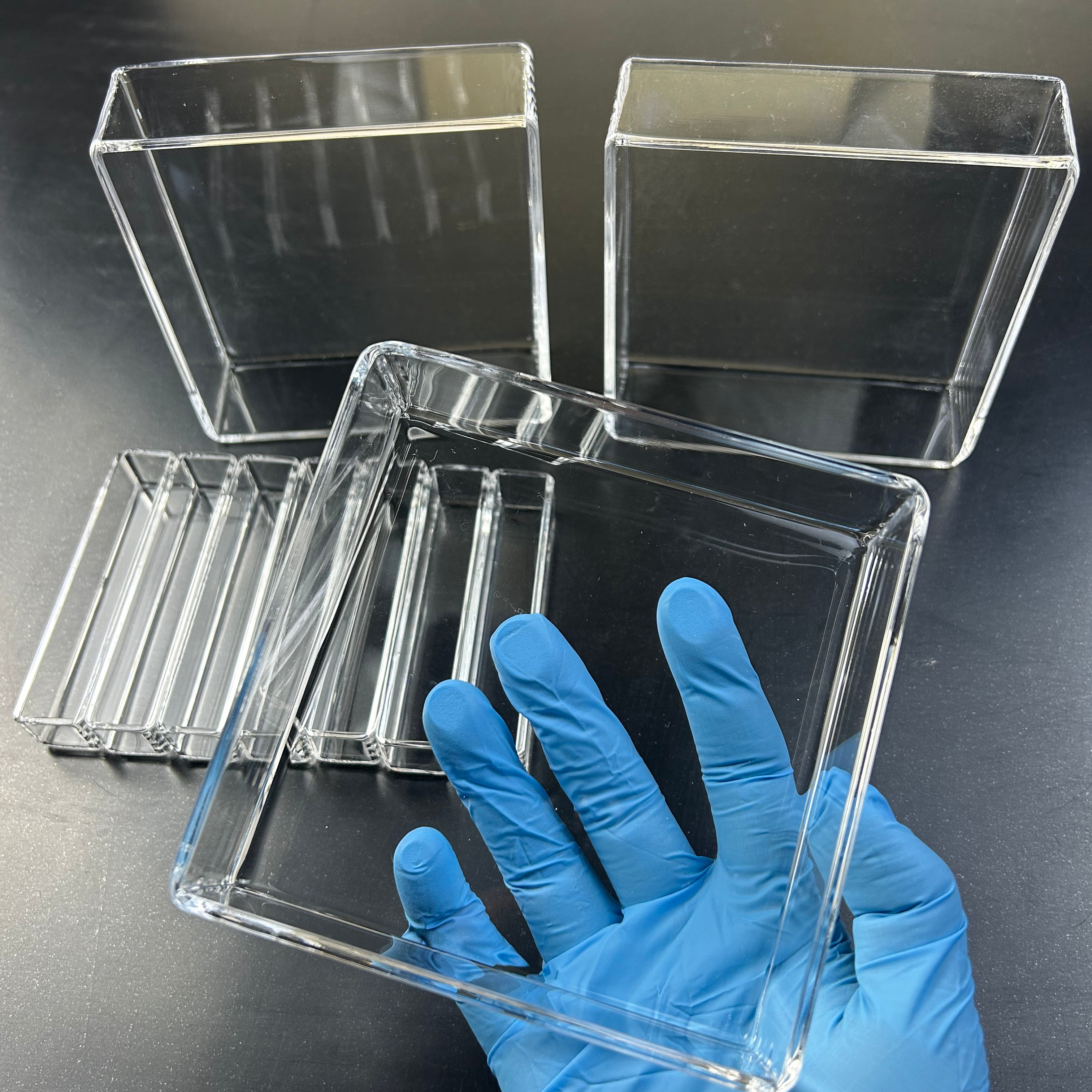
Customized Fused Quartz High-Temp Circular Cylinder Crucible Tank
- Purity: ≥99.99% SiO₂
- Max Temp: 1300°C Short-term
- Processing: Precision Welding / Cut
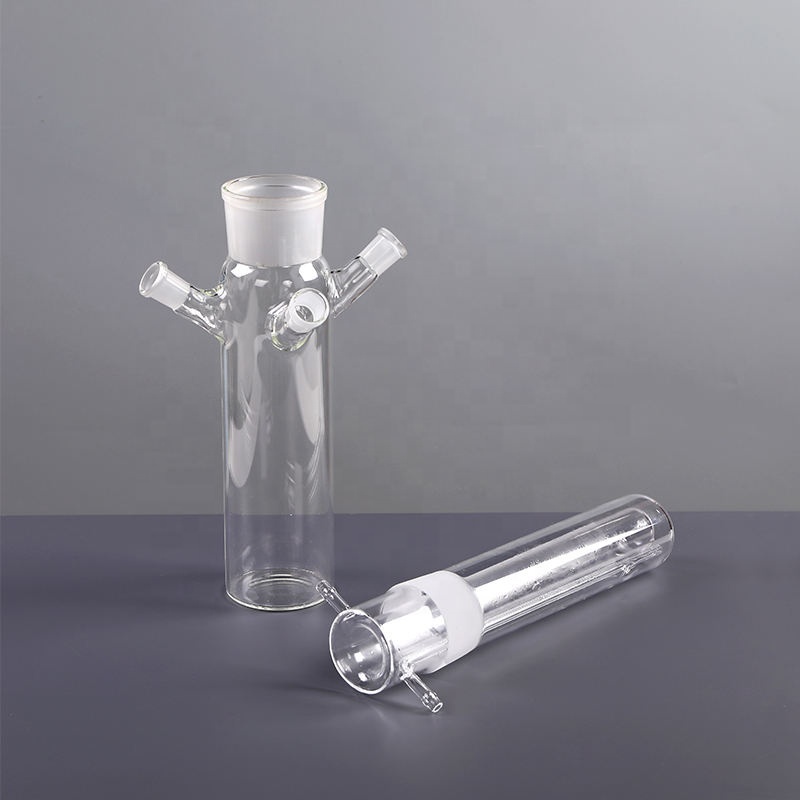
High-Purity Quartz Glass Internal Illumination Reactor Container
- UV Transmittance: >90% @ 254nm
- Feature: Bending & Moulding
- Tolerance: ±0.15mm Micro-gap
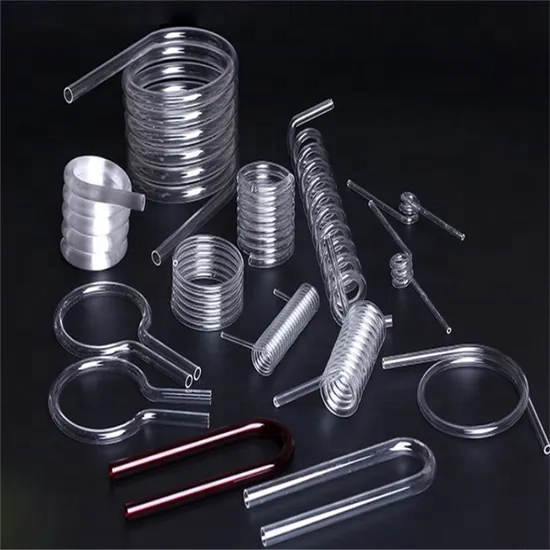
Custom Different Sizes U-Bent Quartz Glass Spiral Tubes
- Forming: CNC Mandrel Bending
- Thermal Shock: ΔT 1100°C to Ice Water
- Application: Furnace Cooling / Exchanger
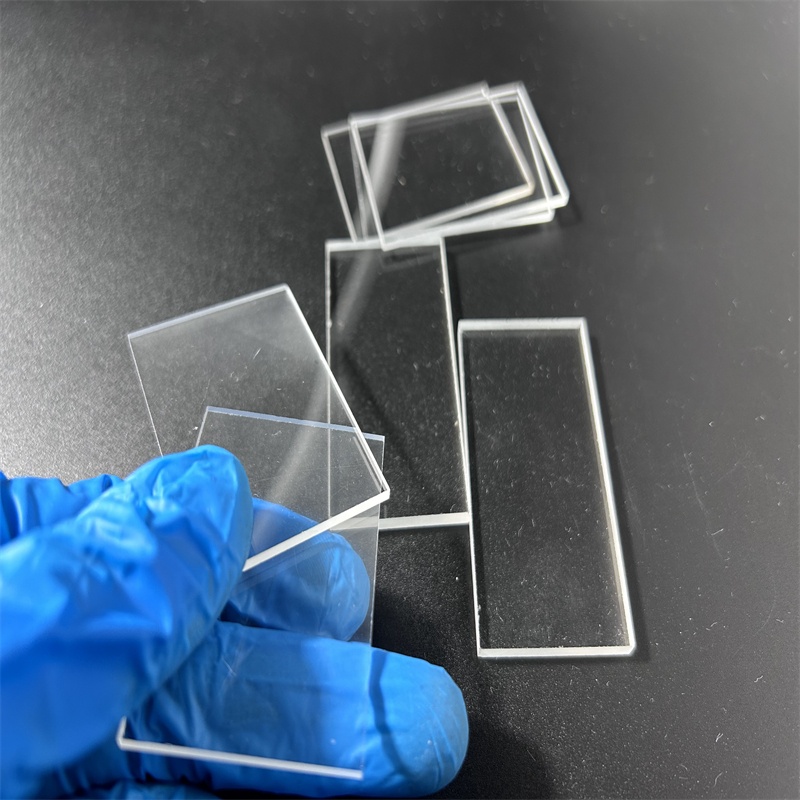
High-Temperature Transparent Optical Grade Fused Quartz Plate
- Surface Quality: 40/20 Scratch-Dig
- Flatness: λ/4 per 25mm
- Dimension: Bespoke Laser Cut
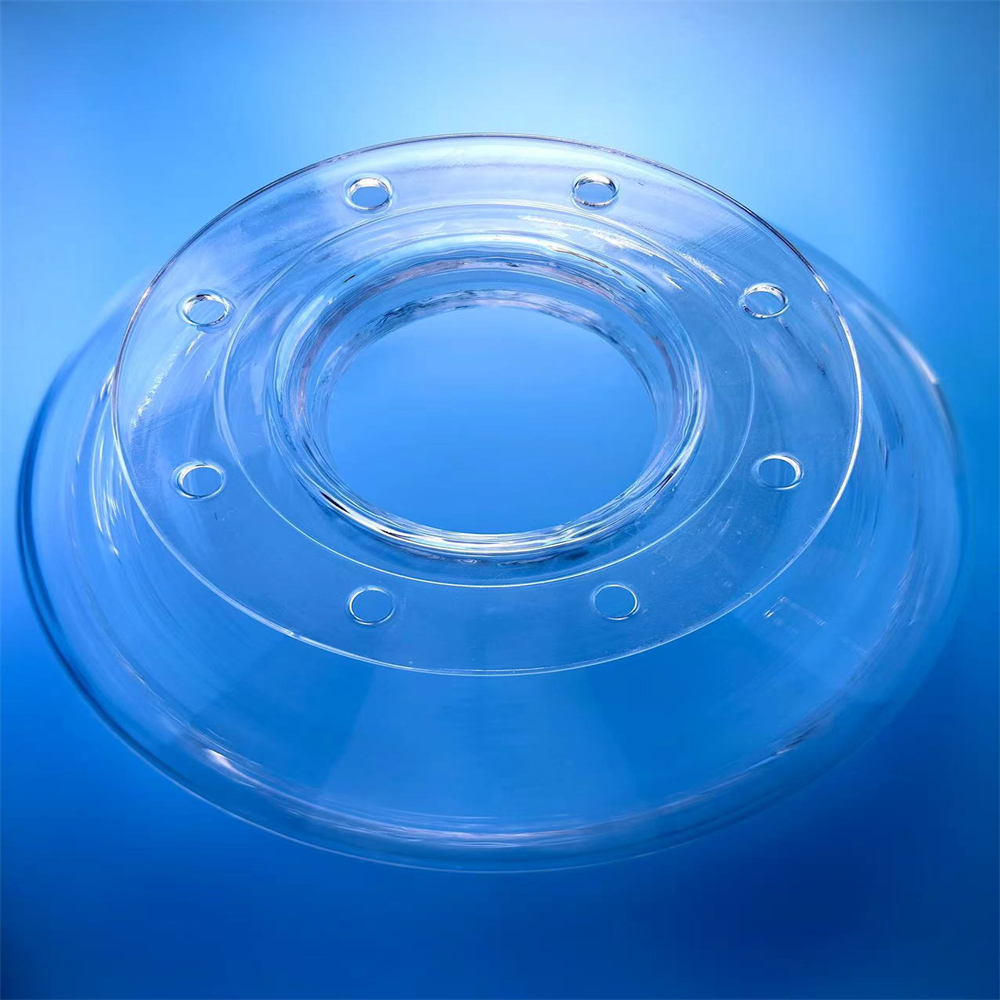
Twin-Tube Clear High-Purity Flanged Quartz Diffusion Pipe
- Flange: Ground Optical Flat Face
- Sealing: High-Vacuum KF/ISO/CF
- Material: Low [OH] Synthetic Silica
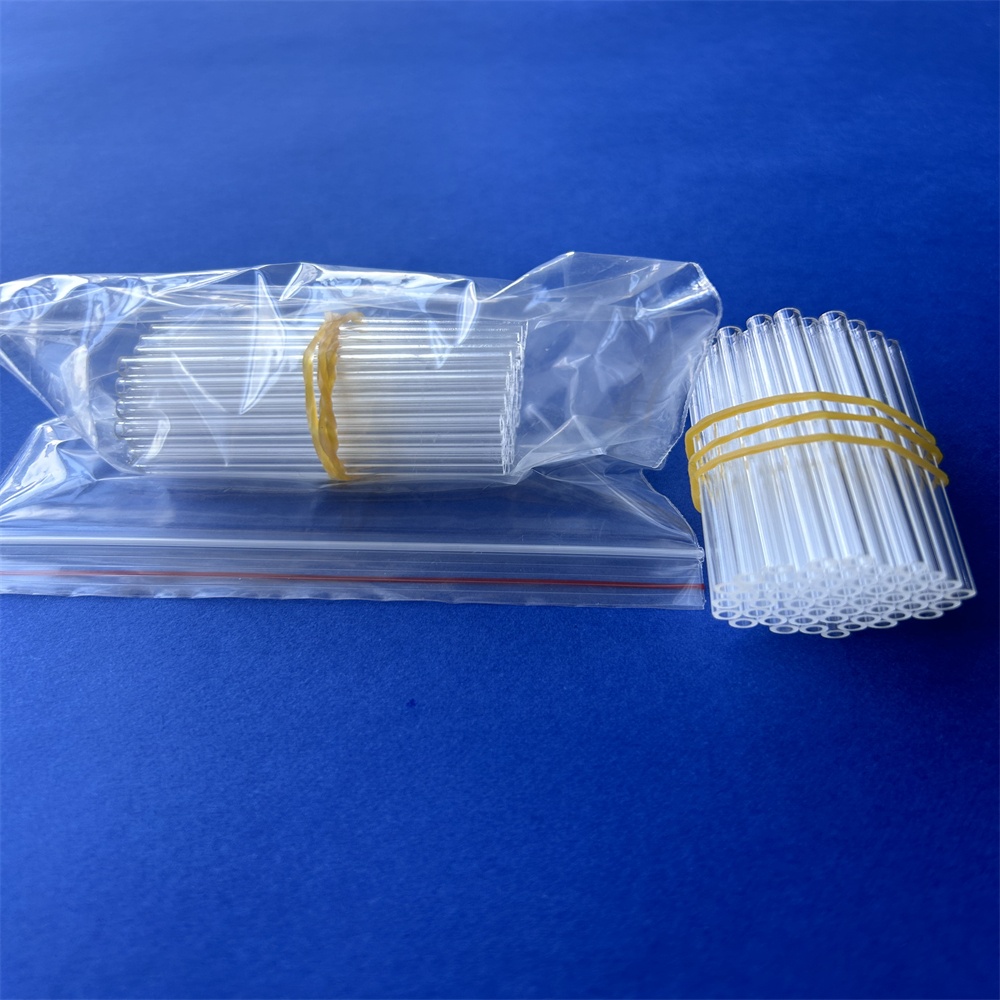
Micro-Bore 0.1-20mm Pure Quartz Capillary Process Tube
- Internal Diameter: ±0.02mm Precision
- Feature: Ozone Free / Hydrophobic
- Use: Gas Injector / Thermocouple
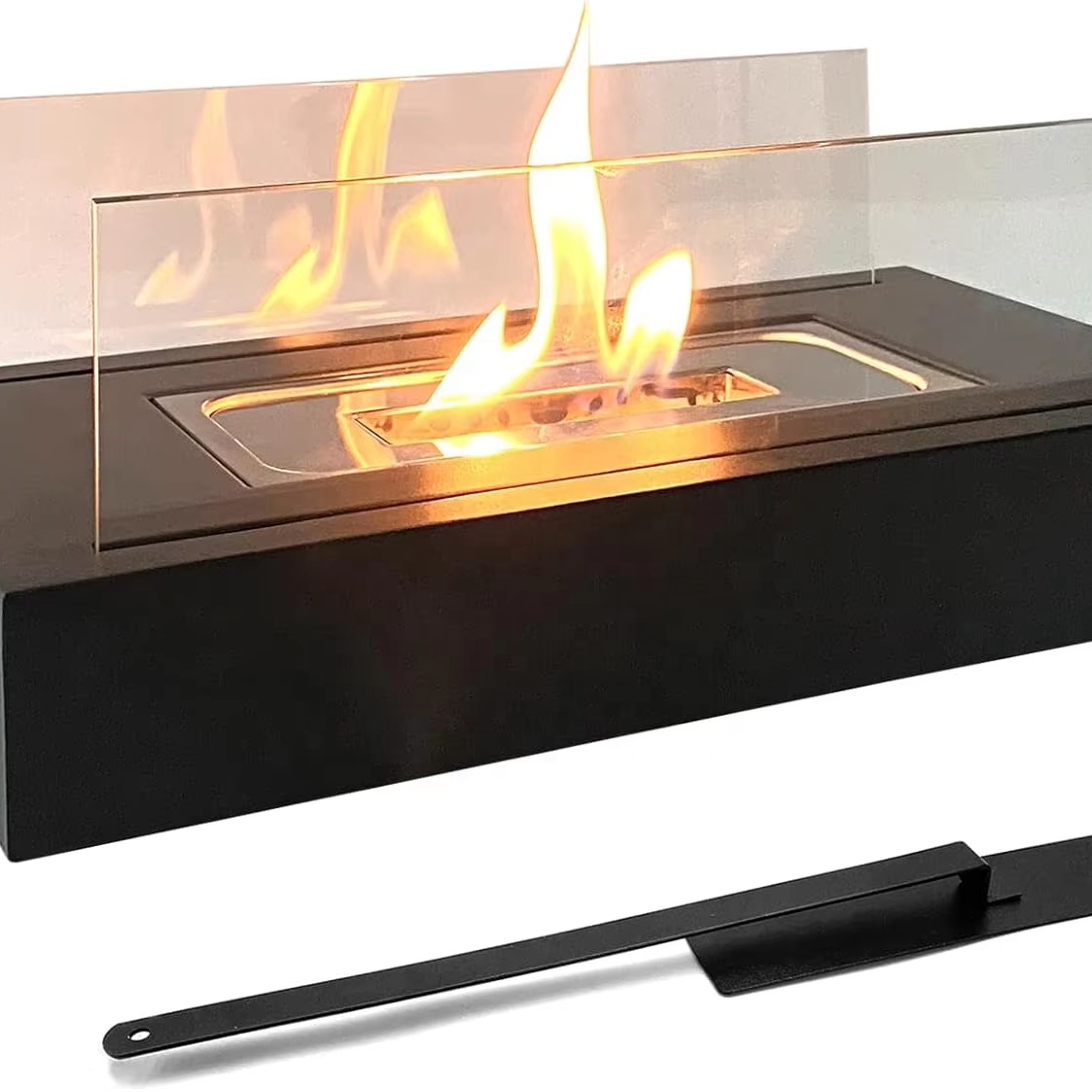
High-Precision Optical Grade Quartz Furnace Viewport Window
- Parallelism: <30 arc seconds
- Chemical Inertness: Acid/Alkali Resistant
- Coating: Custom AR / Dielectric
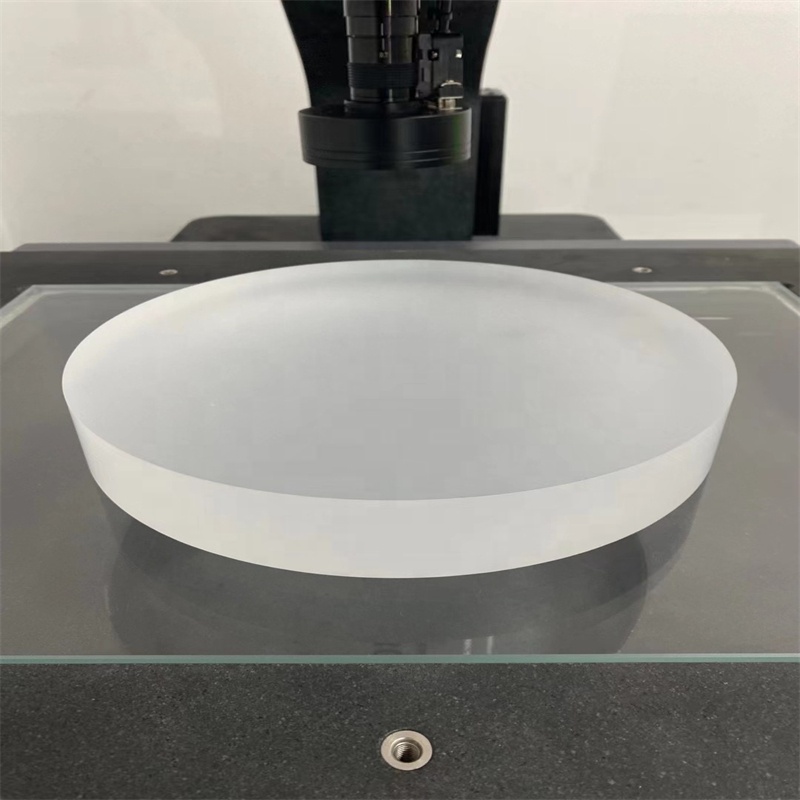
Clear Fused Quartz Substrate Plate for Optics & Semiconductor
- Thermal Rating: Continuous 1100°C
- Transmittance: >92% (UV-VIS-NIR)
- Customization: Laser Dicing / Chamfer
Engineering Specifications for High-Temperature Diffusion Environments
A comprehensive examination of thermodynamic stability, devitrification kinetics, and chemical purity criteria required for sub-micron silicon, silicon carbide (SiC), and gallium nitride (GaN) diffusion lines.
1. Devitrification Resistance & Structural Viscosity at Extended Temperatures
Thermal diffusion tubes installed in horizontal and vertical LPCVD, dry/wet oxidation, and dopant drive-in furnaces face continuous operation near the critical boundary of silica phase transformation. At operating regimes exceeding 1150°C to 1250°C, standard commercial silica experiences accelerated molecular reorganization into crystalline β-cristobalite. This devitrification triggers micro-cracking upon furnace thermal ramping due to the dramatic volume shift (2.8% to 4.9%) during phase shifts.
Our diffusion tubes utilize electric-fused synthetic and natural quartz feedstocks refined via proprietary vacuum purification in Donghai County. By constraining trace alkali metals (Li, Na, K combined < 0.4 ppm) which act as catalytic nucleation centers for cristobalite crystallization, our tubes exhibit a structural viscosity log₁₀ η of 13.0 poises at 1180°C (Annealing Point) and 14.5 poises at 1075°C (Strain Point). This ensures dimensional integrity and prevents sag, ovality distortion, or wafer-boat jamming over 2,000+ hour continuous thermal campaigns.
2. Hydroxyl ([OH⁻]) Concentration Control and Tube Sag Mitigation
The hydroxyl content within fused quartz directly governs the structural network bonding of the tetrahedral silicon-oxygen lattice ($\equiv\text{Si}-\text{O}-\text{Si}\equiv$). High [OH⁻] concentrations weaken lattice rigidity by forming terminal silanol bonds ($\equiv\text{Si}-\text{OH}$), dramatically accelerating high-temperature deflection (sagging) in horizontal furnace bores under the mechanical load of silicon wafer carriers.
For semiconductor and solar diffusion furnaces serving Osaka fabricators, we enforce dual-stage thermal dehydroxylation. By vacuum-baking under negative pressures (<10⁻³ Pa) at elevated temperatures, hydroxyl content is routinely stabilized between <5 ppm and <20 ppm depending on grade selection. This delivers fourfold higher resistance against bending moments compared to unrefined flame-drawn quartz tubing.
3. Ultra-Low Trace Metal Contamination (ICP-MS Validated)
In advanced CMOS, discrete power device (IGBT / MOSFET), and RF photonic manufacturing, metallic contamination across the diffusion tube inner wall acts as deep-level recombination traps, catastrophic gate-oxide breakdown drivers, and minority carrier lifetime killers. Our cleanroom flame working lines utilize spectroscopic purity certified H₂/O₂ burner gases and automated post-fabrication chemical etching in semiconductor-grade 20% hydrofluoric (HF) acid, ensuring pristine contact surfaces ready for baseline furnace calibration.
| Element | Standard Grade | Semiconductor UHP |
|---|---|---|
| Aluminum (Al) | 12.00 ppm | < 5.00 ppm |
| Iron (Fe) | 0.18 ppm | < 0.05 ppm |
| Sodium (Na) | 0.70 ppm | < 0.10 ppm |
| Potassium (K) | 0.50 ppm | < 0.08 ppm |
| Lithium (Li) | 0.30 ppm | < 0.05 ppm |
| Copper (Cu) | < 0.02 ppm | < 0.005 ppm |
| Calcium (Ca) | 0.60 ppm | < 0.20 ppm |
| Chromium (Cr) | < 0.03 ppm | < 0.01 ppm |
| Hydroxyl [OH⁻] | < 30 ppm | < 5 - 15 ppm |
Localized Applications Across Osaka Industrial Clusters
From the power semiconductor fabs of the Keihanshin corridor to the pilot laboratories of Osaka University, our precision quartz processware satisfies rigorous regional operational parameters.
SiC & GaN Power Devices
The Kansai ecosystem is a global vanguard in Wide Bandgap (WBG) power semiconductors. Our low-bubble quartz diffusion tubes handle high-temperature gate oxidation (>1200°C) and phosphorus/boron drive-in cycles for railway inverters, hybrid EV power trains, and high-voltage grid switches.
Osaka Bay Chemical & Photocatalysis
Osaka Bay's heavy chemical complexes (Sakai-Senboku industrial area) rely on our corrosion-resistant quartz reactors and internal illumination tubes for continuous photochemical synthesis, toxic waste flow-gas mineralization, and catalytic chlorination pipelines immune to hot acid vapor.
Keihanshin Academic & R&D Clusters
Collaborating with university researchers at Osaka University (Suita/Toyonaka campuses), Kyoto University, and AIST Kansai, we supply custom 1-piece prototype quartz boats, BET adsorption sample bulb tubes, and microfluidic fused silica chips with tolerances down to ±0.05 mm.
Next-Gen PV & Display Photonics
In TOPCon, HJT, and tandem perovskite-silicon clean energy processing, our ultra-large diameter fused quartz diffusion process tubes (up to Ø450mm OD) ensure absolute thermal field uniformity and zero metallization leaching during liquid dopant (POCl₃) vapor processing.
Kansai Semiconductor Resurgence & Sourcing Optimization
Strategic structural shifts shaping how procurement specialists and production engineers in Osaka secure vital thermal quartz infrastructure.
METI Semiconductor Revitalization
Under Japan's Ministry of Economy, Trade and Industry (METI) revitalization strategy, Kansai semiconductor fab operators are retrofitting legacy 150mm and 200mm fabrication equipment for specialized automotive and industrial analog chipsets. This shift demands rapid replacement of obsolete furnace quartzware, where OEM drawing lead-times frequently exceed 24–36 weeks.
Direct-from-Source Dual Sourcing
Supply chain security mandates have led leading Osaka cleanroom managers to implement secondary manufacturer qualification programs. By partnering directly with specialized primary processing facilities in Donghai (China's quartz heartland), buyers bypass multiple regional distribution markups, compressing procurement costs by 30% to 45% while maintaining exact material certificates.
Decarbonization & Extended Tube Life
Under Japan's Green Growth Strategy, fabs prioritize thermal efficiency and carbon reduction across continuous heating furnaces. Our engineered low-[OH⁻] diffusion tubes provide prolonged resistance against devitrification sagging, extending maintenance intervals, reducing scheduled quartz replacement downtime, and shrinking the fab's embodied energy footprint.
Why Leading Japanese Cleanrooms Partner with Zelvo Quartz
Combining Donghai County's unmatched raw quartz purity reserves with over a decade of master cold-working machining and hot-flame scientific glassblowing expertise.
Bespoke Drawing-Based Production
Full CAD/CAM ingestion for DXF, STEP, DWG, and hand-sketched engineering prints. Sub-millimeter tolerances on ground sealing flanges, laser-perforated gas injector holes, and complex spiral tube geometries.
Rigid Quality Assurance & Metrology
Comprehensive pre-dispatch testing including He-Ne laser polariscope stress analysis, ultrasonic wall thickness mapping, optical surface interferometry, and high-purity chemical degreasing before cleanroom poly-bagging.
Rapid Technical Support (≤2h Turnaround)
Direct communication with bilingual sales engineers who understand quartz material physics. Feasibility assessments, quote generation, and manufacturing DFM feedback completed within two hours of drawing submission.
Zero-Breakage Logistics to Kansai
Engineered multi-tier packaging with custom shock-absorption foam, internal floating supports, and reinforced wooden crates. Direct air-freight to Kansai International Airport (KIX) or sea-freight to Port of Osaka with DDP delivery options.
Frequently Asked Questions by Japanese Procurement Teams
Practical answers addressing regulatory standards, technical testing, logistics, and localized purchasing workflows for buyers in Osaka and greater Japan.
Our high-purity quartz products strictly satisfy Japanese Industrial Standards (JIS R3216 for fused quartz glass properties) and relevant SEMI standards for semiconductor furnace hardware. We execute dimensional metrology and spectrophotometric transmittance evaluations against identical tolerance bands utilized by major Japanese semiconductor equipment manufacturers.
We operate with a flexible MOQ of 1 piece for custom quartz tubes, furnace liners, bell jars, and crucibles. Customers can send 2D PDFs or 3D STEP files. Our engineering staff provides a complete DFM review and quotation within 2 hours, with rapid CNC/flame prototype manufacturing completed within 5–8 working days.
Diffusion tubes are sealed in antistatic cleanroom bags, placed within customized EPE shock-isolation cradles, and secured inside heavy-duty, fumigated plywood crates featuring shock-tilt indicators. Crate interiors are vibration-isolated to withstand turbulence and handling. In the rare event of transit damage, replacement manufacturing is prioritized at zero cost.
Yes. Every production run is issued an official Certificate of Analysis (COA) confirming raw material lot traceability, ICP-MS trace metal impurity limits (ppm/ppb), structural hydroxyl concentration ([OH⁻]), and full coordinate-measuring machine (CMM) dimensional verification sheets.
For urgent maintenance and pilot fab batches, express air-cargo to Kansai International Airport (KIX) delivers within 3 to 5 business days from shipment. Bulk containerized consignments entering the Port of Osaka require approximately 7 to 10 days ocean transit. We fully support DDP (Delivered Duty Paid), CIF, and FOB incoterms with direct JPY currency settlement.
Yes. Our workshop houses specialized glass lathe machinery and flame-welding artisans capable of re-flanging, adding side gas inlet nozzles, attaching quartz thermocouples wells, or altering tube lengths according to modified furnace chamber requirements.
Initiate Your Engineering Drawing Review for Osaka Delivery
Accelerate your high-temperature process requirements with factory-direct quartz manufacturing. Submit your specifications, CAD files, or replacement requirements today for comprehensive technical evaluation and pricing within 2 hours.