Featured Precision Quartz & Optical Glass Assemblies
Directly manufactured from ultra-pure fused quartz (99.99% SiO₂) in Donghai County, China. Ready for project integration and laboratory distribution in the Baucau market.
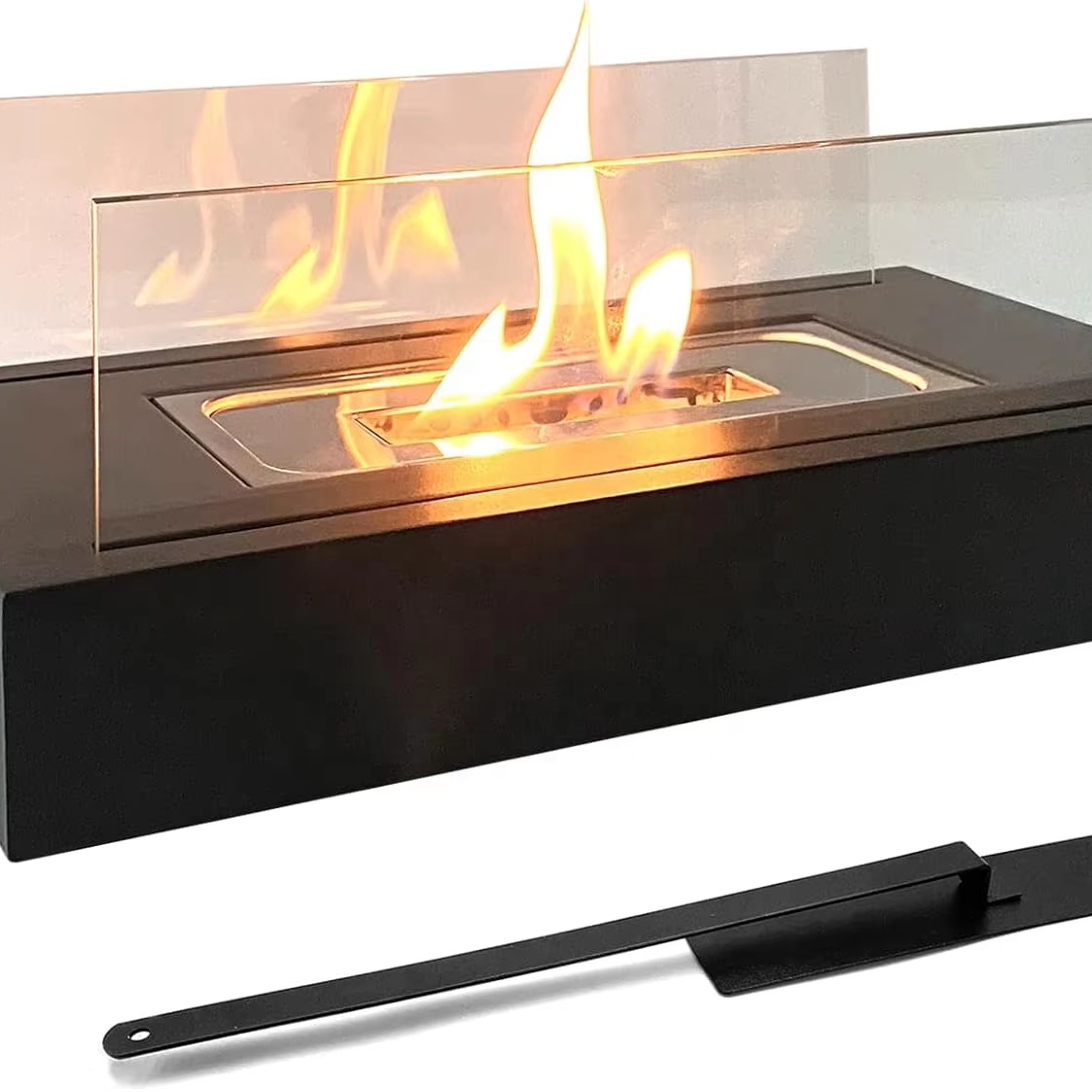
Factory Customization Outdoor Camping Portable High Temperature Clear Transparent High Precision Optical Grade Quartz Glass
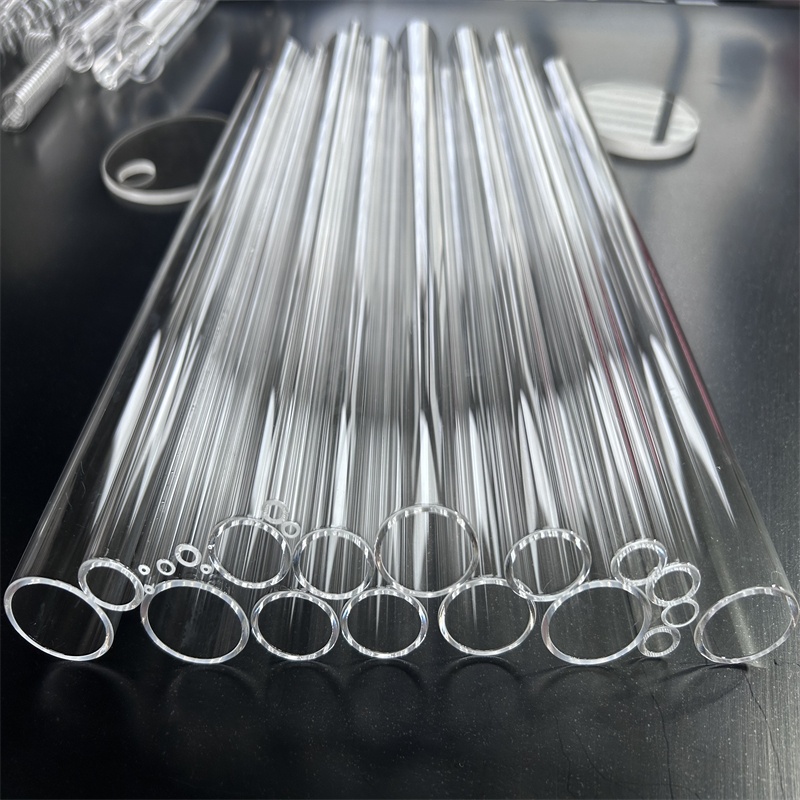
High Temperature Heat Resistant Clear 99.99% Pure Fused Quartz Twin Tube with Ozone Free Welding & Bending Services Custom Sizes
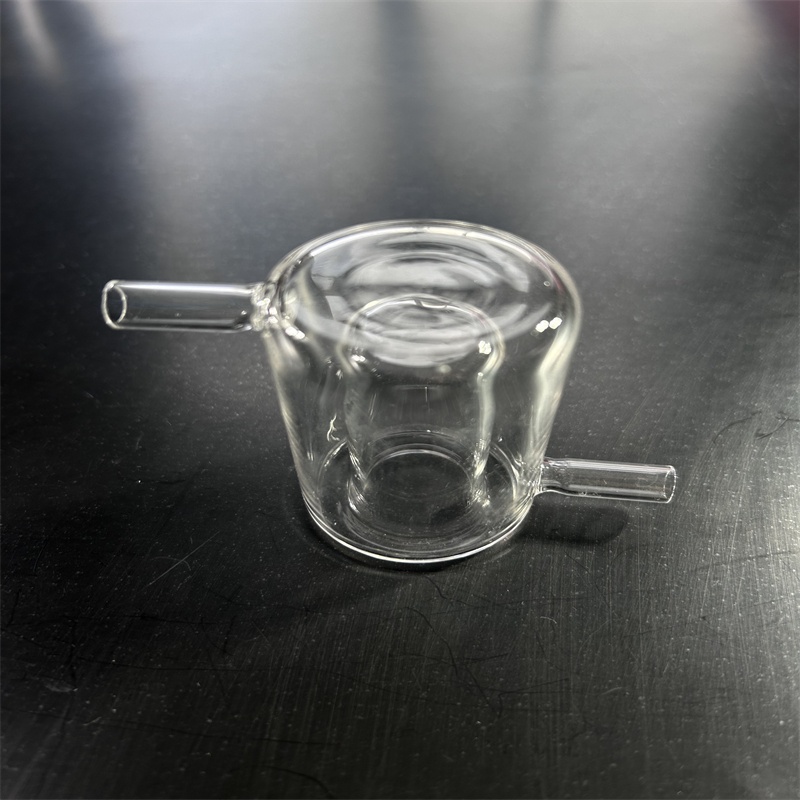
Custom 99.99% Pure Ozone Free High Temperature Resistant Quartz Glass Reactor Twin Tube Bending Welding Services for Laboratory
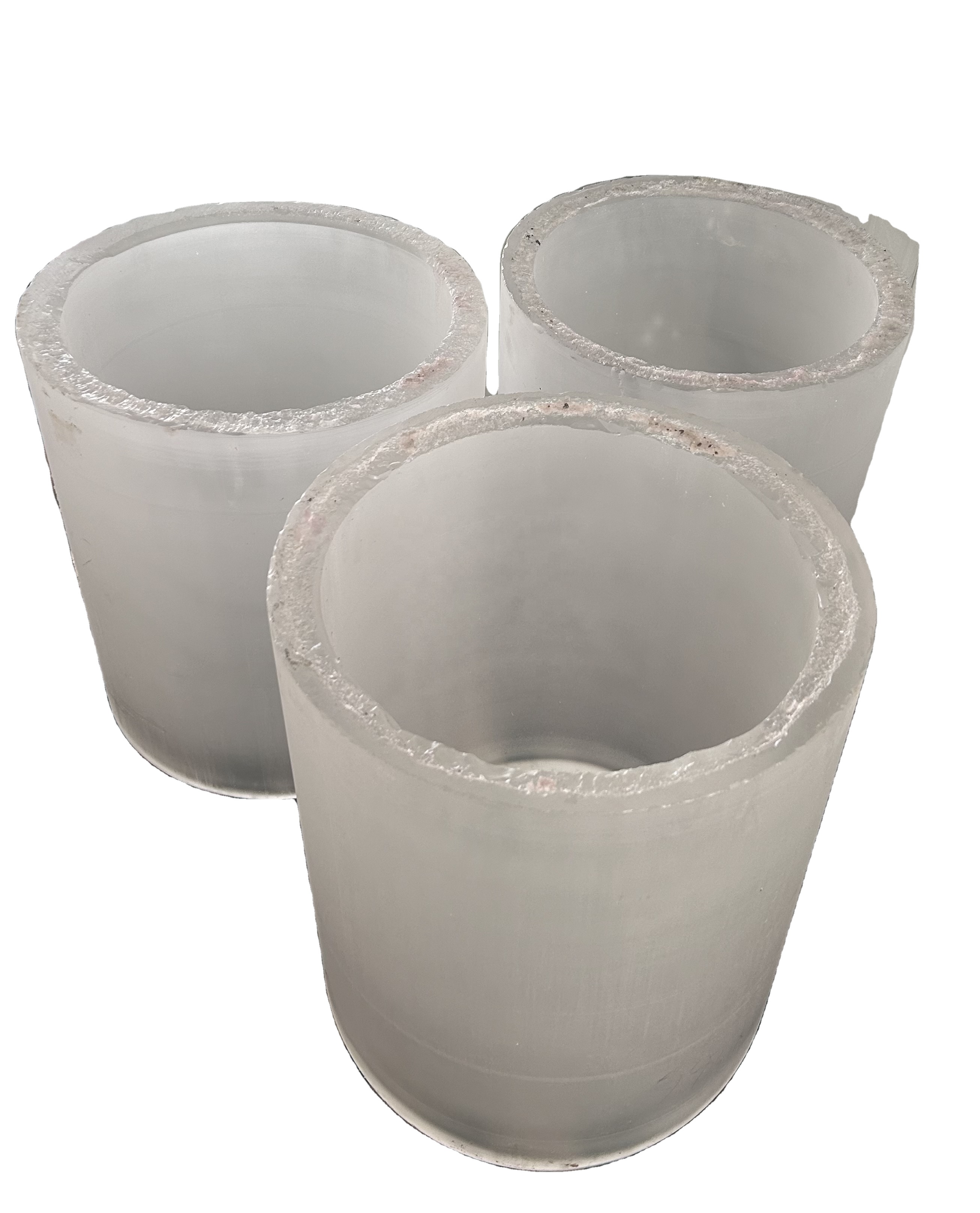
Open Ended Fused Quartz Frosted Glass Cylinder Ingot with Moulding Welding Cutting Services Custom Sizes for Optics Applications
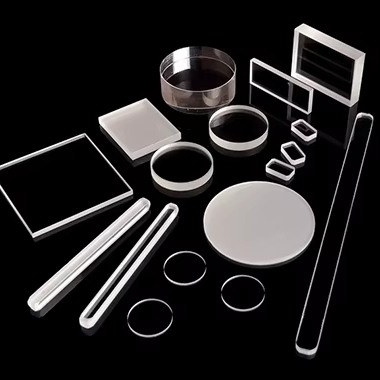
Custom Size High Temperature Fused Transparent Quartz Glass Optical Grade Test Sample Sheet Welding Cutting Processing Service
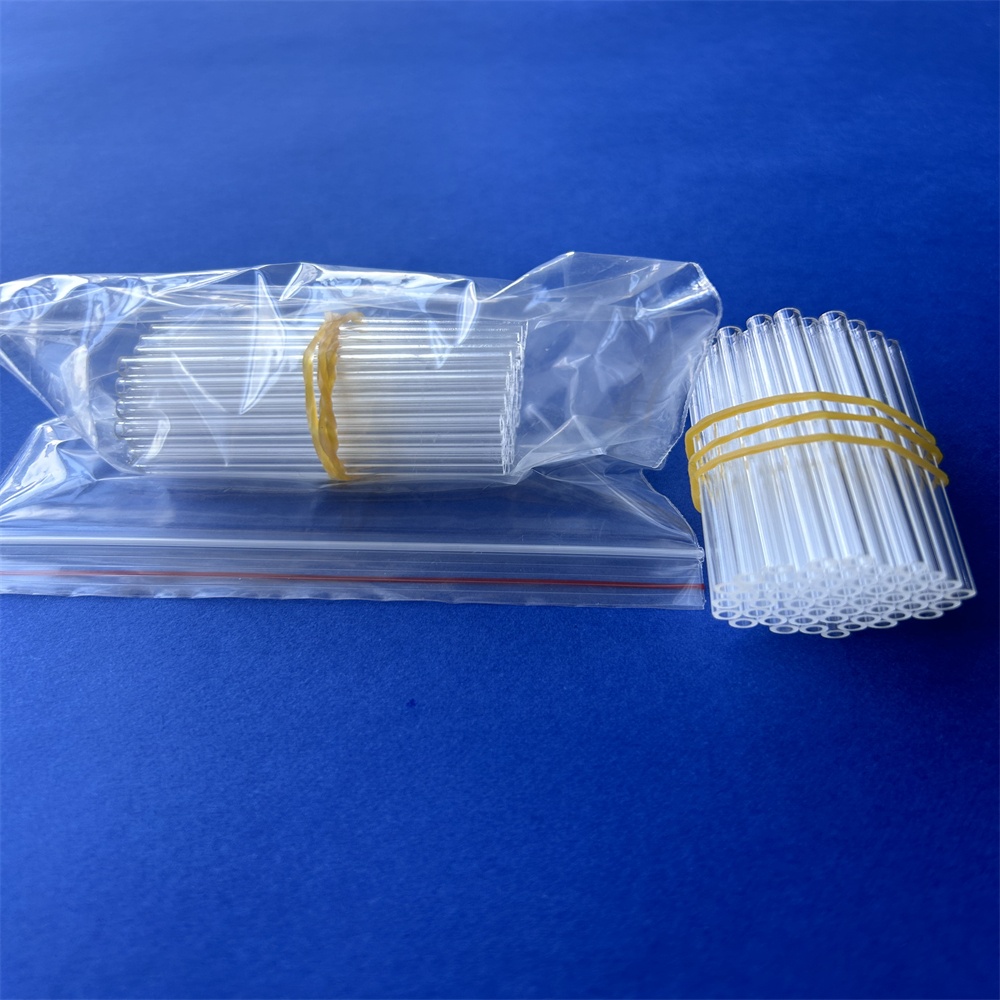
Small Diameter 0.1-20mm High Temperature Resistant 99.99% Pure Quartz Capillary Tube Cutting Bending Welding Services Ozone Free
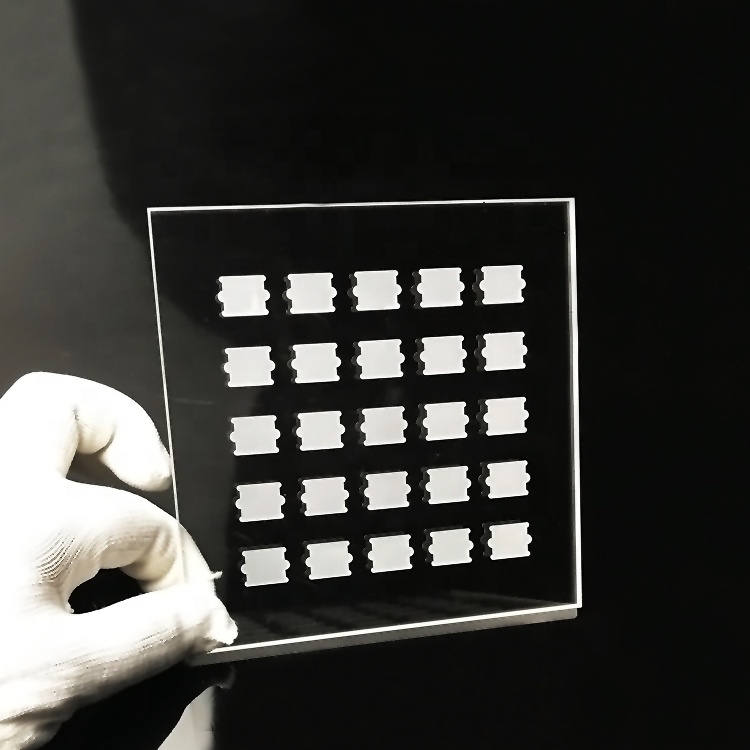
Factory Custom Fused Quartz Glass Circular High Quality High Temperature Welding Cutting XRD Sample Holder Optics Clear
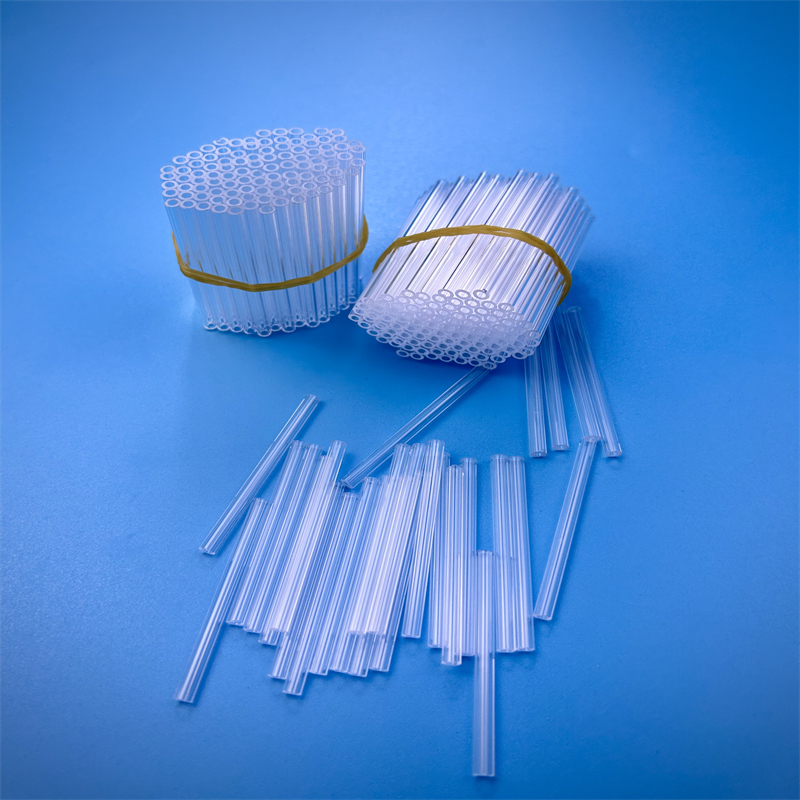
High Quality Transparent U-Bent Quartz Glass Tube Bending/Cutting/Welding Services 99.99% Pure Quartz Ozone Free Polished
Optical Flow Cell Engineering & High-Purity Fused Quartz Synthesis
An authoritative technical analysis of molecular diffusion bonding, spectral transmittance, and microfluidic hydrodynamic optimization for analytical spectrometry.
In modern analytical chemistry, inline process spectrometry, and automated clinical profiling, the quartz optical flow cell represents the critical physical boundary between fluid dynamics and photonics. Unlike standard static absorption cuvettes, a flow-through quartz cell continuously circulates liquid samples through an optically interrogated microchannel or capillary chamber under steady laminar flow conditions. Achieving reproducible absorbance, fluorescence, or chemiluminescence measurements requires structural integrity, uncompromising chemical inertness, and flawless transmission across the deep ultraviolet (DUV 190 nm), visible (Vis), and near-infrared (NIR up to 2500 nm) spectra.
Standard commercial glassware—such as low-borosilicate or multi-component crown glass—suffers from severe intrinsic UV cutoff thresholds (typically absorbing heavily below 320 nm), significant background autofluorescence, and progressive devitrification or leaching when exposed to aggressive organic solvents or strong mineral acids. For municipal environmental agencies, medical facilities, and coastal monitoring operations in the Baucau municipality of Timor-Leste, deploying instrumentation fitted with sub-standard optical cells introduces baseline drift, refractive aberrations, and rapid optical window fogging.
At Lianyungang Zelvo Quartz Products Co., Ltd., located at the heart of Donghai County (China’s globally renowned Crystal Capital), our flow cells are manufactured exclusively from ultra-pure synthetic fused silica (JGS1) and high-purity natural fused quartz (JGS2). By eliminating metal impurities (Fe, Al, Ti, and alkali ions) down to fractional parts-per-million (<1.0 ppm), we eliminate solarization and phase transformations, providing researchers and engineers in Timor-Leste with analytical optics that endure continuous photothermal exposure and intense chemical cycling.
Diffusion Molecular Fusion
Constructed without organic epoxies, glues, or low-melting frits. Optical windows undergo high-temperature molecular boundary bonding at >1100°C, preventing solvent dissolution and chemical leaching.
Deep UV Transmission (190nm)
JGS1 synthetic fused silica guarantees optical transmission exceeding 82% at 200 nm and over 92% throughout the 250–1100 nm band, vital for high-precision UV spectrophotometry and HPLC detection.
Sub-Micron Channel Geometry
Laser-drilled and CNC-machined micro-bores from 0.1 mm to 10 mm internal diameters. Flame-polished channel walls reduce fluid wall friction, vortex generation, and bubble entrapment.
Ultra-Low Dead Volume
Engineered z-pattern, u-pattern, and cross-flow architectures reduce internal clearance volume down to sub-microliter scales, maximizing resolution and eliminating cross-sample carryover.
Localized Application Scenarios in Baucau & Timor-Leste
Adapting high-purity optical flow cell technology to Eastern Timor’s municipal infrastructure, marine biodiversity preservation, agricultural modernization, and clinical centers.
Baucau, as the second commercial and administrative center of Timor-Leste, is undergoing substantial infrastructure modernization. Bordered by the ecologically rich Wetar Strait to the north and the expansive agricultural limestone plateau to the south, Baucau faces distinct geographical, environmental, and infrastructural conditions. The tropical maritime climate brings average coastal temperatures between 26°C and 34°C accompanied by high relative humidity (often exceeding 85%) and airborne marine salinity. In these challenging environments, standard analytical optical assemblies deteriorate rapidly due to biofouling, atmospheric corrosion of metallic mounts, and thermal expansion mismatch.
Below are the targeted localized technical scenarios where high-purity fused quartz flow cells provide indispensable analytical reliability for municipal contractors, public health authorities, regional research institutions, and international development initiatives operating across the Baucau municipality.
Continuous Inline Disinfection & TOC Analysis
Water supply systems sourced from the natural limestone springs of upper Baucau and coastal aquifers require continuous quality monitoring. Our UV-transparent flow cells serve in automated inline Total Organic Carbon (TOC), turbidity, and residual dissolved ozone analyzers. High optical transparency ensures precise photometric calibration without interference from tropical ambient temperature fluctuations.
Wetar Strait Marine Spectroscopy & Algae Detection
The waters between Baucau, Lautém, and Ataúro Island are global marine biodiversity corridors. Coastal research laboratories utilize our micro-flow quartz cells in continuous-flow fluorometers for detecting chlorophyll-a, dissolved organic matter (CDOM), and microplastic contaminants. Fused quartz stands immune to seawater salt corrosion and high-salinity crystalline encrustation.
Regional Hospital Automated Hematology & Biochemistry
Clinical pathology departments—such as the Baucau Regional Referral Hospital (Hospital Regional de Baucau)—rely on flow cytometry and automated biochemistry analyzers. High-precision 10 mm pathlength quartz flow cells eliminate refractive artifacts, ensuring rapid and precise blood panel testing, enzymatic kinetic assays, and infectious disease screening across eastern districts.
Technical Specifications: Fused Quartz vs. Alternate Substrates
Comprehensive engineering benchmarks detailing thermal, optical, and mechanical performance metrics for instrumentation engineers and procurement officers.
| Physical / Optical Parameter | JGS1 Synthetic Fused Silica (UV) | JGS2 Fused Quartz (Optical) | Borosilicate Glass (Pyrex 3.3) |
|---|---|---|---|
| SiO₂ Chemical Purity | ≥ 99.999% (< 0.5 ppm impurities) | ≥ 99.99% (< 10 ppm impurities) | Approx. 80.5% (+ B₂O₃, Na₂O, Al₂O₃) |
| Optical Spectral Transmission Range | 185 nm – 2500 nm (DUV to NIR) | 220 nm – 2500 nm (UV to NIR) | 320 nm – 2000 nm (Visible only) |
| UV Transmission @ 200 nm (10mm path) | ≥ 85.0% | ≥ 65.0% | 0.0% (Complete UV Cutoff) |
| Optical Window Flatness & Surface Quality | λ/4 @ 632.8 nm | 20/10 Scratch-Dig | λ/2 @ 632.8 nm | 40/20 Scratch-Dig | λ @ 632.8 nm | 60/40 Scratch-Dig |
| Coefficient of Thermal Expansion (CTE) | 5.5 × 10⁻⁷ /K (0–300°C) | 5.5 × 10⁻⁷ /K (0–300°C) | 33 × 10⁻⁷ /K (6x higher thermal drift) |
| Continuous Working Temperature | 1100 °C | 1100 °C | 450 °C |
| Chemical Resistance (Acids & Solvents) | Total Inertness (Except HF, Boiling H₃PO₄) | Total Inertness (Except HF, Boiling H₃PO₄) | Surface ion exchange & etching over time |
| Autofluorescence Under 254 nm Excitation | Extremely Low / Undetectable | Low | Noticeable greenish fluorescence |
For high-sensitivity liquid chromatography (HPLC) UV detectors and fluorometric flow cytometers installed in Baucau’s academic or diagnostic laboratories, optical window flatness and parallelism are crucial. Our CNC double-sided lapping processes ensure a window parallelism of less than 30 arc-seconds and transmitted wavefront distortion of less than λ/4. This eliminates optical ray deflection across fluid interfaces, ensuring reliable baseline stability even under pulsating pump conditions.
Localized Development Trends & Laboratory Transformation in Baucau
Forecasting the trajectory of scientific instrumentation, municipal testing decentralization, and procurement dynamics across Timor-Leste (2025–2030).
Historically, scientific testing and chemical analysis within Timor-Leste have been concentrated in the capital city of Dili. Analytical samples collected in the eastern regions—including Baucau, Viqueque, and Lautém—frequently endured multi-day transport across regional highway corridors (Estrada Nacional 1), leading to specimen degradation, thermal spoilage, and delayed municipal decision-making. Over the past three years, this centralized model has evolved significantly, driven by national infrastructure strategies and international technical cooperation.
1. Decentralization of Regional Water Quality Testing: The Ministry of Public Works, through the National Directorate of Water and Sanitation Services (DNSA) and municipal entities like SMASA Baucau, is establishing permanent regional testing stations. Upgrading from manual batch titrations to automated flow injection analysis (FIA) and inline UV-Vis spectrophotometry requires dependable access to modular optical flow cells capable of operating continuously in tropical environments.
2. Expansion of Agricultural & Soil Spectroscopic Analysis: The agricultural expanse of the Baucau plateau (notably around Venilale and Vemasse) is central to domestic food security programs focusing on rice, corn, and legume productivity. Soil research laboratories increasingly utilize automated flow-through colorimetric analyzers for rapid determination of dissolved nitrates, phosphates, and potassium levels, minimizing chemical reagent waste while maximizing daily sample throughput.
3. Resilience Against Supply Chain Disruptions: In past procurement cycles, local Timorese institutions relied on third-party trading intermediaries in Singapore, Darwin, or Surabaya. This intermediary model frequently led to 12-to-20 week lead times, marked-up pricing, and vulnerability during shipping interruptions. Today, procurement directors in Baucau are actively establishing direct manufacturer partnerships. Zelvo Quartz provides an optimal solution: direct factory pricing, rapid digital technical support (≤2h response), and custom CAD fabrication with low minimum order quantities (MOQ from 1 piece).
Adoption of Microfluidic Chips
Transitioning from conventional 10 mm macro flow cells to fused silica microfluidic flow channels (internal diameter < 0.5 mm), significantly conserving expensive reagent volumes in remote district clinics.
Decentralized Clinical Diagnostics
Establishing autonomous clinical pathology nodes across eastern referral hospitals, requiring plug-and-play quartz replacement cuvettes for European and Japanese hematology instruments.
Direct China-Timor Logistics
Direct air freight routing from Shanghai/Zhengzhou/Guangzhou via Dili Port (Tibar Bay) into Baucau via specialized courier, cutting procurement lead times from 90 days down to 10-15 business days.
Drawing-to-Delivery Custom Quartz Fabrication
How Zelvo Quartz transforms custom client CAD drawings into precision-machined, optically certified quartz flow cells.
CAD & Fluidics Review
Our engineering team evaluates your 2D/3D technical schematics, verifying hydraulic channel clearances, optical apertures, and connector thread tolerances (e.g., 1/4-28 UNF, M6).
Substrate Selection
We match the optimal raw silica ingots (JGS1 for deep UV transmission down to 190 nm, or JGS2/JGS3 for standard visible/IR applications) based on your operating wavelength parameters.
Laser Drilling & Bonding
Using diamond CNC ultrasonic milling and laser micro-drilling, flow paths are shaped to micron precision before molecular diffusion fusion in cleanroom vacuum furnaces.
Optical Inspection
Every component undergoes dual-sided optical spectrophotometer transmission tests, helium leak verification, and polarized strain checks to ensure zero internal birefringence.
Export Packaging
Sealed in lint-free anti-static membranes, suspended in customized shock-absorbent multi-layer EVA foam enclosures, and crated for international courier or sea transit to Timor-Leste.
Lianyungang Zelvo Quartz Products Co., Ltd.
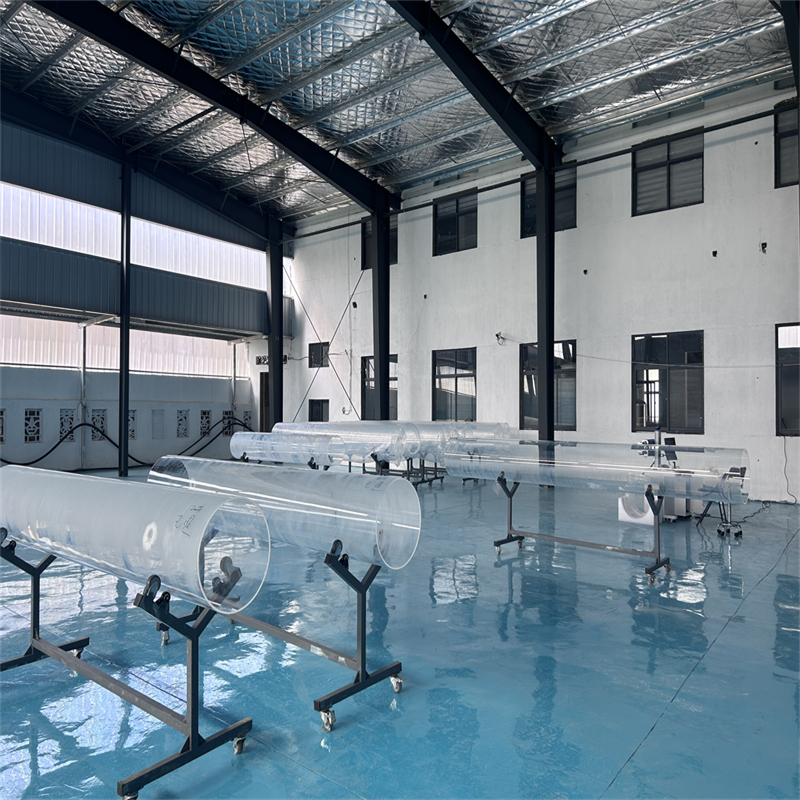
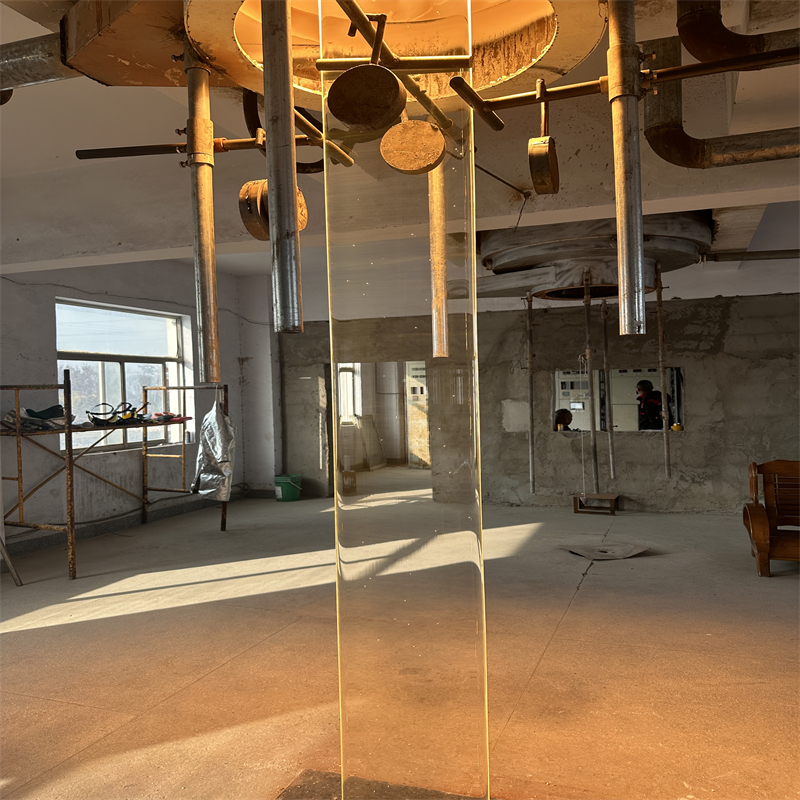
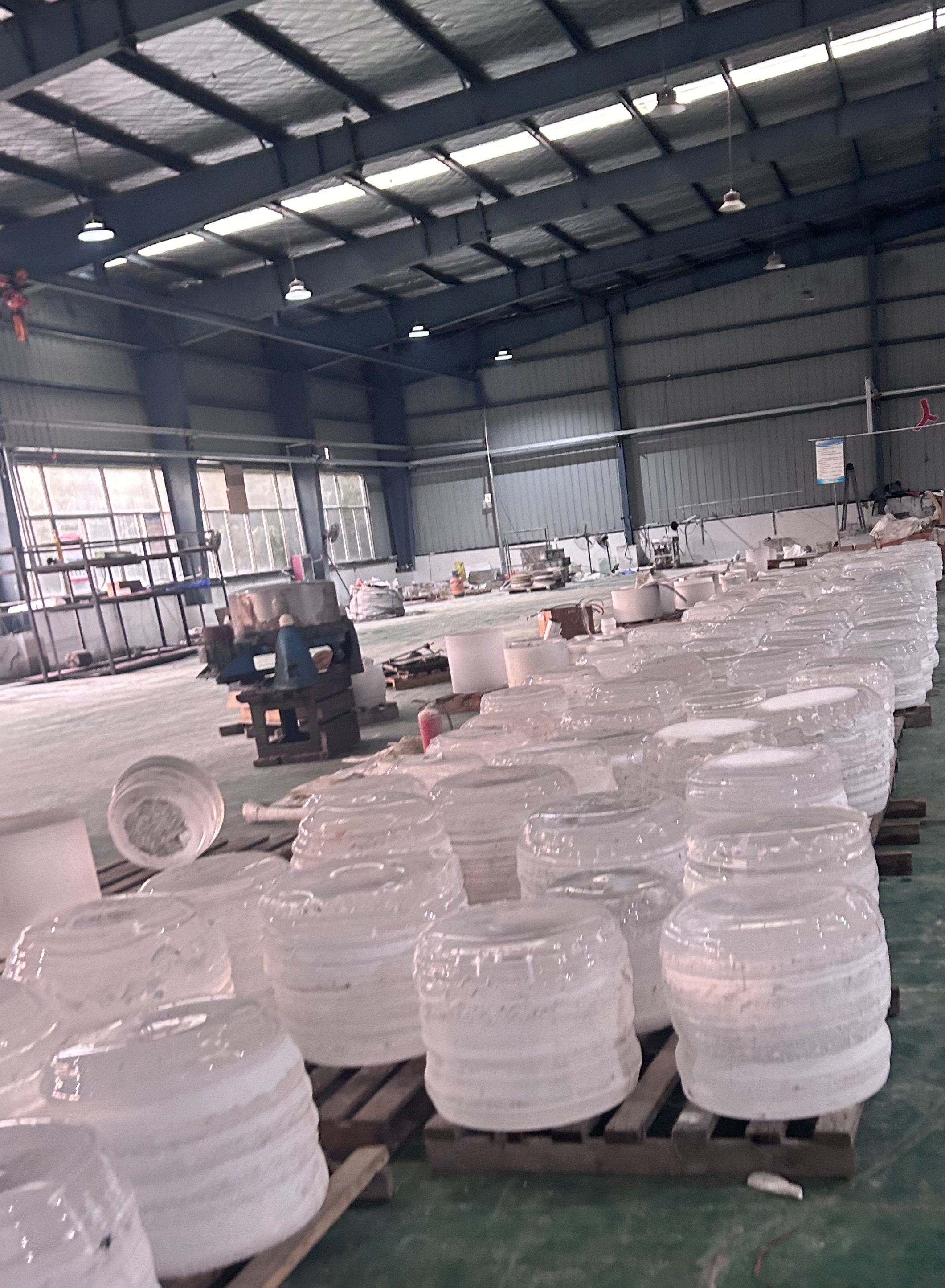
Based in Donghai County, Jiangsu—the epicentre of China's high-purity quartz raw material reserves—Zelvo Quartz is a verified manufacturer and global exporter combining traditional glassworking artistry with computer-controlled laser micro-machining. With an engineering team possessing over a decade of hands-on experience in thermal silica processing, we deliver custom-engineered components to universities, medical manufacturers, and research centers in over 30 countries.
- 99.99% SiO₂ Purity: Certified high-purity fused silica
- 1-Piece MOQ: Full prototyping support for research labs
- ≤2-Hour Response: Rapid engineering drawing reviews
- Full Trade Terms: FOB, CIF, DDP, Express delivery options

Frequently Asked Questions for Baucau Buyers
Practical technical, operational, and commercial insights for lab supervisors, procurement specialists, and municipal contractors in Timor-Leste.
What are the key optical differences between standard cuvettes and quartz flow cells?
Standard laboratory cuvettes are static containers designed for manual batch insertion into spectrophotometer sample holders. By contrast, a quartz flow cell features continuous internal flow micro-channels with dedicated fluidic inlet/outlet ports (often using 1/4-28 UNF or M6 fittings). Flow cells enable uninterrupted automated sampling, kinetic reaction monitoring, and inline chromatographic detection without moving the optical cell, which eliminates positioning errors and external sample contamination.
How do you protect fragile optical quartz components during transit to Baucau, Timor-Leste?
Shipping precision optics to Timor-Leste requires rigorous shockproof engineering. Each optical flow cell is individually encased in a sealed anti-static membrane, cushioned inside custom-cut high-density EVA memory foam enclosures, and packed in reinforced, double-walled corrugated cartons or export-grade non-fumigation plywood crates. We maintain a breakage rate of under 0.1% across international shipments, backed by full replacement guarantees if damage occurs during freight.
Can Zelvo Quartz fabricate custom flow cells from our own engineering CAD drawings?
Yes. Custom drawing-based OEM fabrication is our primary manufacturing specialty. You can submit hand sketches, 2D PDF blueprints, or 3D STEP/DWG files specifying pathlength, aperture size, window thickness, and connector styles. Our technical team completes engineering reviews within two hours on business days, providing recommendations on thermal stability, optical clearances, and fabrication tolerances.
What minimum order quantity (MOQ) applies to custom quartz flow cells?
We support an MOQ starting from a single piece (1 unit) for custom prototypes, scientific research setups, and replacement units. We understand that academic researchers, hospital engineering departments, and pilot municipal facilities in Baucau often require individual proof-of-concept parts before approving volume batch production.
How does tropical humidity and coastal salinity in Baucau affect fused quartz optics?
Unlike soft optical glasses or plastic polymers that absorb ambient moisture and suffer fungal micro-etching in humid conditions, fused silica (99.99% SiO₂) is chemically non-porous and hygroscopically inert. High-purity quartz surfaces resist airborne saltwater spray and atmospheric humidity, maintaining optical clarity when cleaned according to standard protocols.
What are the recommended cleaning and maintenance procedures for micro-flow channels?
To avoid scratching the optical aperture, never use metallic wire or abrasive scrapers inside micro-flow channels. Flush the cell with high-purity HPLC-grade deionized water immediately after sample runs. For protein residues or biological fouling common in clinical and environmental analysis, flush with 1M nitric acid or specialized neutral optical laboratory detergents, followed by an isopropanol rinse and clean dry nitrogen blow-drying.
What shipping routes and international trade terms do you offer for Timor-Leste?
We support EXW, FOB (Shanghai/Qingdao), CFR, CIF (Dili Port/Tibar Bay), and international express (DHL, FedEx, UPS) directly to designated consignees in Dili and Baucau. Air express transit times generally average 7 to 12 business days, while standard ocean container shipments average 25 to 35 days.
What international payment methods are accepted for institutional and corporate buyers?
We accept Telegraphic Wire Transfers (T/T), formal Letters of Credit (L/C) for institutional contracts, PayPal, international credit cards, and Western Union. Transactions can be invoiced in US Dollars (USD), the official legal tender of Timor-Leste, eliminating foreign exchange conversion complications for local buyers.
Request a Technical Quote or Custom Drawing Evaluation
Submit your CAD blueprints, fluidic specifications, or target instrument model numbers. Our optical quartz engineering specialists provide feasibility assessments and factory quotations within 2 hours.