High-Purity Quartz Cylinders & Process Tubes
Engineered to exact dimensional tolerances from Donghai crystal feedstock, serving semiconductor, vacuum, thermal CVD, and analytical spectroscopy applications throughout the greater DC metropolitan area.
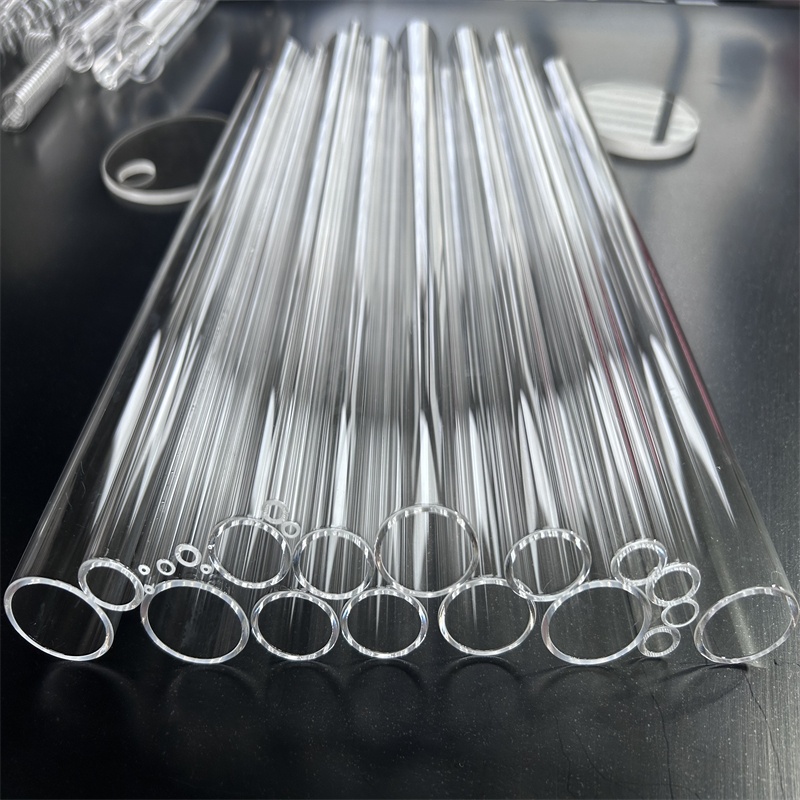
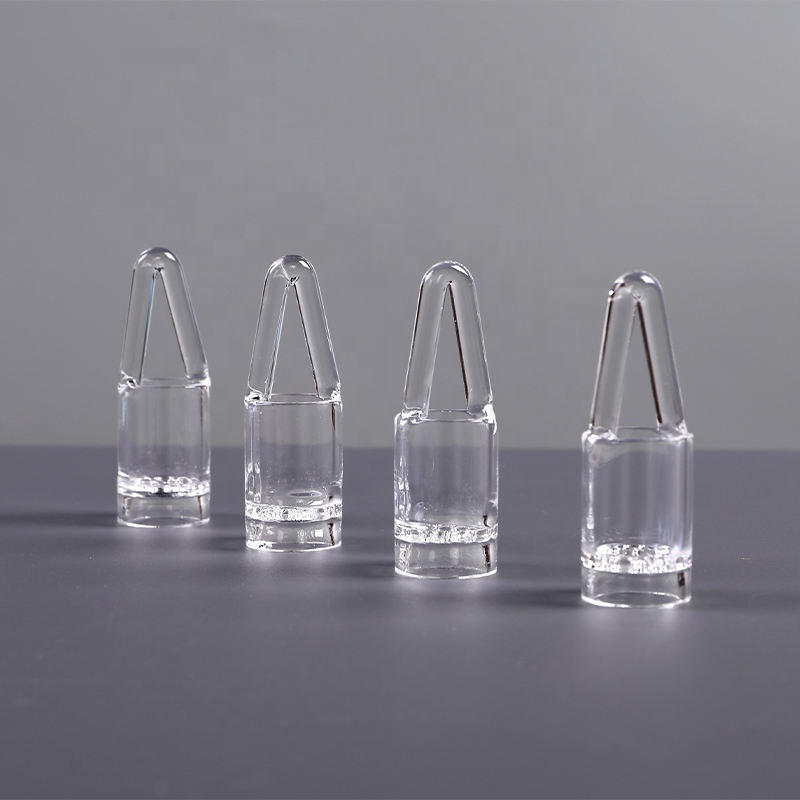
Factory Custom High Pressure 99.99% Pure Quartz Glass Tube Bending/Welding Ozone Free Polished Surface
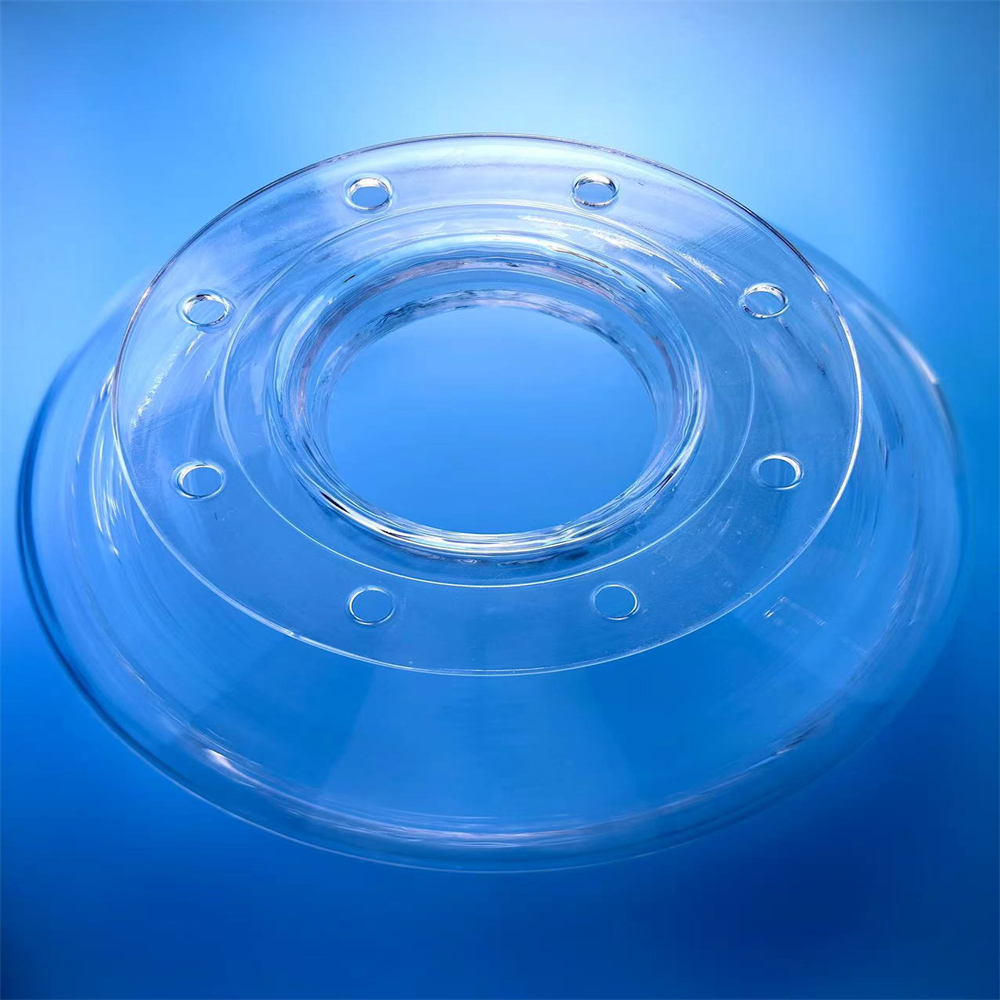
Customize Size Thickness Twin Tube Clear High Purity Flange Quartz Tube Fused Silica Polished Flange Ring Bending Welding
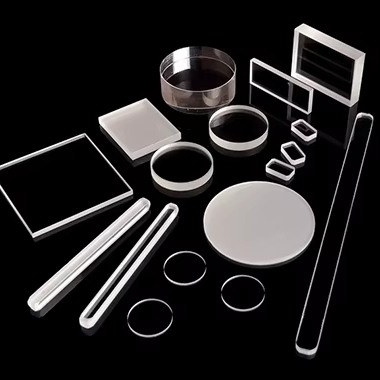
Custom Size High Temperature Fused Transparent Quartz Glass Optical Grade Test Sample Sheet Welding Cutting Processing Service
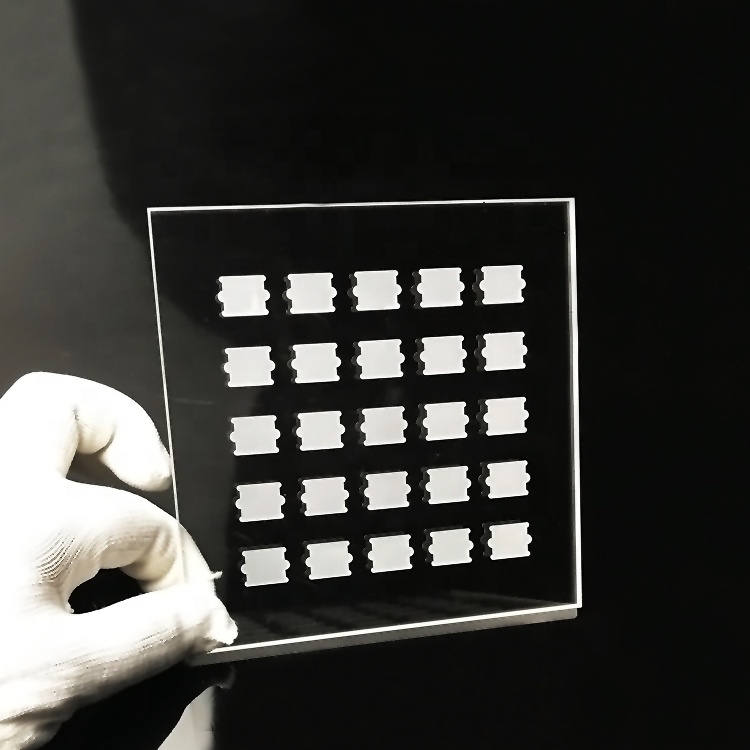
Factory Custom Fused Quartz Glass Circular High Quality High Temperature Welding Cutting XRD Sample Holder Optics Clear
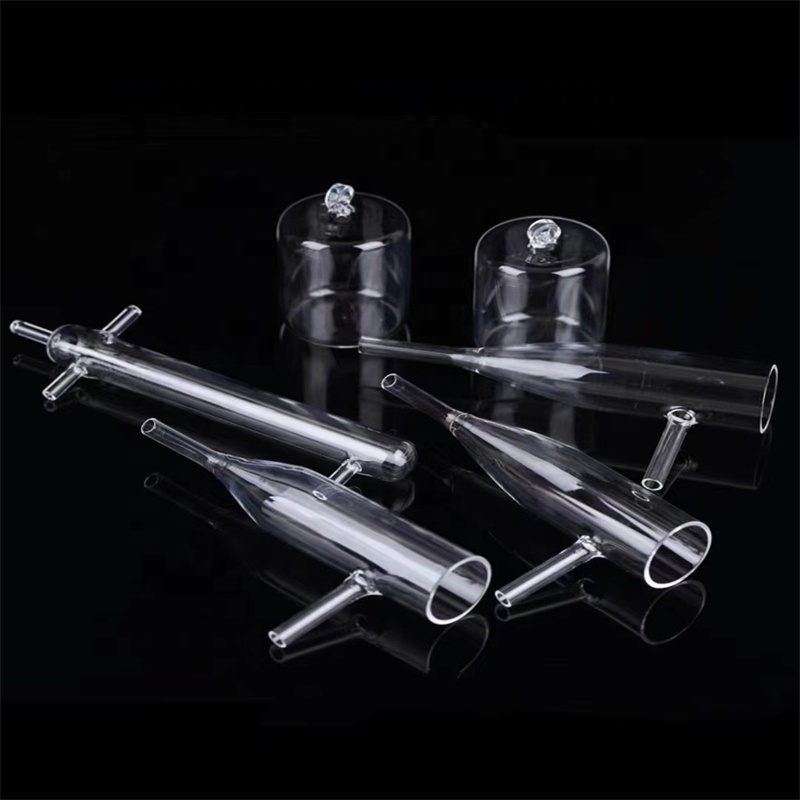
Custom Clear Laboratory High Temperature Twin Tube 99.99% Pure Quartz Glass Tube CVD Furnace Vacuum Bending Welding Services
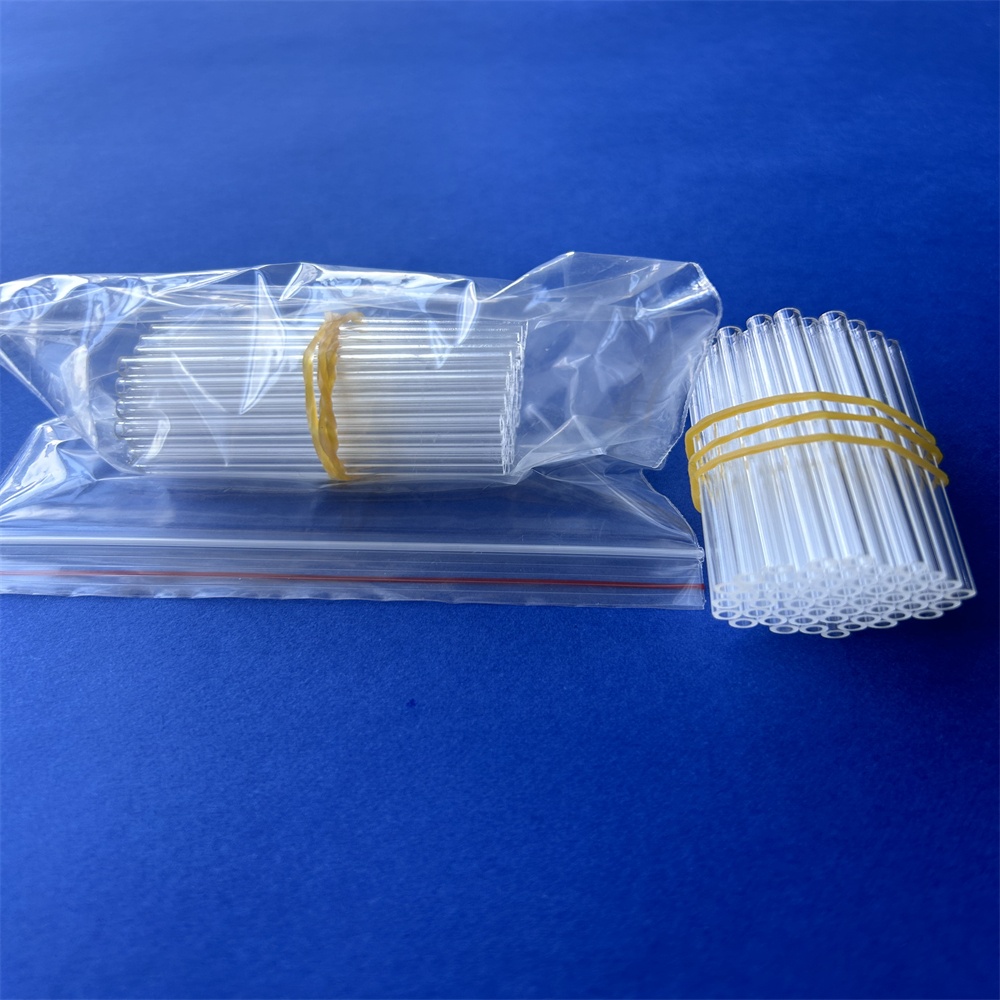
Small Diameter 0.1-20mm High Temperature Resistant 99.99% Pure Quartz Capillary Tube Cutting Bending Welding Services Ozone Free
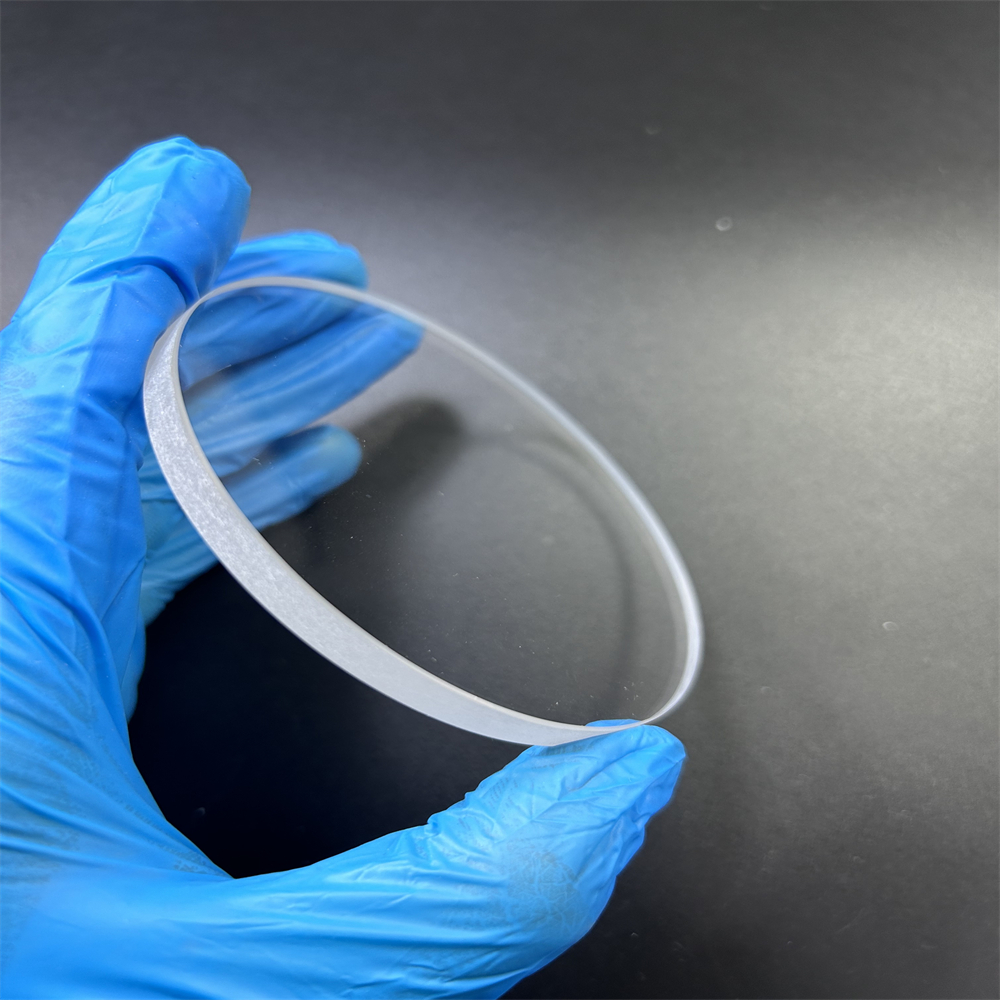
High Pressure Fused Silica Quartz Wafer Transparent UV Sheet High Precision Cutting Custom Sizes Optical Welding
Fused Quartz Cylinders: Material Thermodynamics, Morphology & Optical Integrity
In advanced scientific experimentation and industrial vacuum engineering, quartz glass cylinders (fused silica cylinders) represent a cornerstone class of envelope and reactor materials. Unlike standard borosilicate or soda-lime glass formulations, fused quartz is manufactured through the high-temperature fusion of ultra-pure natural quartz crystal sand (originating from Donghai, the recognized crystal center of China) or via synthetic chemical vapor deposition (producing synthetic fused silica). The structural composition consists almost exclusively of amorphous silicon dioxide (SiO₂) arranged in a three-dimensional tetrahedral lattice with negligible network modifiers.
For scientific laboratories and federal prime contractors across the Washington DC metropolitan area—including researchers affiliated with the National Institute of Standards and Technology (NIST), the Naval Research Laboratory (NRL), and defense photonics clusters along the Northern Virginia I-495/Route 28 tech corridors—the thermal stability and extreme chemical inertness of fused quartz are indispensable. Fused quartz exhibits an extraordinarily low coefficient of thermal expansion (CTE) of approximately 5.5 × 10⁻⁷ /K between 20°C and 320°C. This near-zero expansion coefficient permits red-hot quartz cylinders operating above 1100°C to be instantaneously quenched into cold water without experiencing catastrophic mechanical failure or micro-fracturing from thermal shock.
Information Gain Note for DC Engineering Procurement: When specifying quartz cylinders for high-vacuum, low-outgassing chamber assemblies, attention must be paid to the hydroxyl (OH⁻) content and bubble classification. Standard electrically fused quartz cylinders feature typical OH concentrations below 20–30 ppm, maximizing mechanical integrity and thermal resistance up to 1300°C short-term. Synthetic fused silica (such as JGS1 grade) offers virtually zero bubble inclusion and deep ultraviolet transmission down to 190 nm, critical for excimer laser guidance, lithography mask substrates, and synchrotron radiation beamlines.
Furthermore, our manufacturing protocol incorporates tight precision mechanical finishing. Using diamond CNC grinding, ultrasonic boring, precision CO₂ laser cutting, and hydrogen-oxygen lathe flame polishing, we fabricate quartz cylinders with outer diameters ranging from 1.0 mm capillary sizes up to large-bore reaction chambers exceeding 450 mm OD. Each cylinder undergoes comprehensive annealing at approximately 1215°C to systematically eliminate internal residual strain birefringence, ensuring flawless optical transmission and dimensional stability under deep vacuum or high-pressure containment.
| Material / Physical Parameter | Natural Clear Fused Quartz (Tubes & Cylinders) | Synthetic Optical Fused Silica (JGS1 / Wafer Grade) | Standard Laboratory Borosilicate 3.3 Glass |
|---|---|---|---|
| SiO₂ Purity Level | ≥ 99.99% (Trace Fe, Al, Ti < 20 ppm) | ≥ 99.9999% (Virtually free of trace metals) | ≈ 81% SiO₂ (Contains B₂O₃, Na₂O, Al₂O₃) |
| Continuous Working Temperature | 1100 °C (1300 °C Short-term peak) | 1150 °C (1350 °C Short-term peak) | ≈ 500 °C (Devitrification above 520 °C) |
| Coefficient of Thermal Expansion (CTE) | 5.5 × 10⁻⁷ /K (20°C – 320°C) | 5.2 × 10⁻⁷ /K (20°C – 320°C) | 33 × 10⁻⁷ /K (6x higher thermal expansion) |
| Spectral Transmission Range | 260 nm – 2500 nm (Near-UV to Mid-IR) | 185 nm – 2500 nm (Deep-UV / DUV VUV optimized) | 310 nm – 2200 nm (Poor UV transmission) |
| Dielectric Strength (20°C, 1MHz) | 25 – 40 kV/mm | 40 – 50 kV/mm | 15 – 20 kV/mm |
| Chemical Attack Resistance | Impervious to all acids except HF & hot H₃PO₄ | Maximum resistance to corrosive plasma & acids | Degrades rapidly in severe acidic/alkali vapors |
Quartz Glass Cylinders in the Washington DC Metropolitan Corridor
From national metrology standards and quantum physics laboratories to aerospace surveillance and Maryland's biotechnology hub, discover how our custom quartz fabrication directly empowers DMV-area facilities.
Federal Metrology & Quantum Physics
Precision-drilled quartz cylinders serve as ultra-stable optical reference cavities, atomic vapor cell envelopes, and laser cooling chambers where zero mechanical drift and extreme optical uniformity are mandated.
- NIST (Gaithersburg, MD Campus)
- Naval Research Laboratory (NRL DC)
- Joint Quantum Institute (College Park, MD)
CVD, Graphene & Microelectronics
Heavy-wall clear quartz cylinders and twin-bore process tubes provide cleanroom-grade containment for thermal oxidation, atomic layer deposition (ALD), and chemical vapor deposition furnace operations.
- DoD Defense Microelectronics R&D
- University of Maryland FabLab
- George Washington Univ. Cleanroom
Aerospace & Defense Photonics
Optical-grade fused silica cylindrical fairings, sensor envelopes, and laser flashlamp jackets fabricated to survive severe mechanical acceleration, cryogenic shocks, and intense radiative flux in outer space or defense systems.
- NASA Goddard Space Flight Center
- Johns Hopkins Applied Physics Lab (APL)
- Lockheed Martin & Northrop Grumman NoVA
Biopharma & Diagnostic Reactors
High-transparency quartz cylinders utilized in photochemical batch synthesis, continuous-flow bio-reactors, spectrophotometer cells, and UV sterilization tubes requiring complete freedom from plasticizer leaching or chemical reactivity.
- NIH Main Campus (Bethesda, MD)
- I-270 Tech Corridor Pharmaceutical Labs
- FDA White Oak Research Complex
Emerging Trends Shaping Quartz Demand in the DC-MD-VA Region
Federal policy mandates, regional capital investments, and clean energy initiatives are continuously elevating performance requirements for technical quartz glass manufacturing.
1. CHIPS and Science Act R&D Mobilization
The injection of federal capital into Mid-Atlantic semiconductor and microelectronics incubation hubs has catalyzed localized demand for custom high-purity quartz furnace tubes, flange-welded cylinders, and wafer carriers capable of supporting next-generation 3nm pilot nodes and wide-bandgap SiC/GaN substrate crystal growth.
2. Quantum Computing & Neutral Atom Arrays
Across the Washington-Baltimore quantum corridor, experimental physicists require ultra-high vacuum (UHV) quartz glass cell envelopes with anti-reflective (AR) coated cylinder windows and zero bubble inclusions to trap and manipulate neutral rubidium and ytterbium atoms with tight magnetic field transparency.
3. Decoupled, Resilient Lab Supply Chains
Federal lab managers and prime contractors are actively transitioning from rigid multi-tier distributor markups toward direct manufacturer relationships that offer 1-piece rapid prototyping (MOQ 1 pc), verified raw material traceability, and immediate engineering consultation under strict non-disclosure protections.
Direct Manufacturer Strengths for Government & Enterprise Procurement
Headquartered in Donghai—the Crystal Capital—Lianyungang Zelvo Quartz Products Co., Ltd. combines raw material supremacy with master glassworking craftsmanship to supply international scientific hubs.
Crystal Capital Feedstock
Unmatched access to premier Donghai natural crystal reserves guarantees continuous supply of SiO₂ sand graded ≥ 99.99% purity with sub-ppm transition metals.
Master Glassworking & CNC
Over 10 years of engineer hands-on expertise spanning hydrogen-oxygen flame lathe forming, laser slotting, precision grinding, and flange fusion welding.
MOQ: 1 Piece Prototyping
We eliminate punishing minimum order volumes. Academic researchers and advanced project labs can order 1 bespoke custom cylinder without paying exorbitant set-up penalties.
Zero-Breakage Global Logistics
High-density foam nesting and engineered wooden crate encasements ensure 100% damage-free airfreight delivery to Dulles (IAD) and Baltimore/Washington (BWI).
Frequently Asked Questions for Washington DC Buyers
Key technical, contractual, and logistical answers tailored for laboratory managers, university researchers, and federal purchasing agents.
What material certifications and purity analytical reports are supplied with custom quartz cylinders?
Every shipment of Zelvo quartz glass cylinders can be accompanied by comprehensive Mill Test Reports (MTR) and Certificates of Analysis (COA). We provide Inductively Coupled Plasma Mass Spectrometry (ICP-MS) trace metal reports showing ppm/ppb levels of iron (Fe), aluminum (Al), titanium (Ti), calcium (Ca), and sodium (Na). For optical and UV cylinders, we offer spectrophotometer UV-Vis transmission verification curves confirming transmission percentages down to 190 nm.
How does your team accommodate custom CAD/2D technical drawings from DC defense and research teams?
We review technical drawings in all standard engineering formats, including DWG, DXF, STEP, IGES, and dimensioned PDF sketches. Our sales engineering team delivers feasibility feedback and formal quotes within 2 hours during active business cycles. All proprietary customer blueprints, experimental schematics, and project specifications are treated under strict commercial confidentiality and Non-Disclosure Agreements (NDAs).
Can you machine custom vacuum flanges (KF, ISO, CF) directly onto quartz cylinder envelopes?
Yes. We routinely fabricate flanged quartz reaction cylinders for high-vacuum and ultra-high-vacuum (UHV) systems. We produce standard NW/KF flanges (KF16, KF25, KF40, KF50) in fused quartz, as well as custom ground-glass ball-and-socket joints, ConFlat-compatible fused quartz rings, and bolt-circle flange discs with precision-drilled clearance holes. We also engineer specialized quartz-to-metal transitions and O-ring sealing grooves with mirror flame-polished finishes.
What is the standard lead time for prototyping and delivery to Washington DC or Northern Virginia?
For custom prototype cylinders (1 to 5 pieces) requiring cutting, flame polishing, or basic drilling, fabrication is typically completed within 5 to 8 working days. Expedited air express delivery (via DHL, FedEx, or UPS Priority) to facilities in Washington DC, Bethesda, Gaithersburg, or Reston generally takes 3 to 5 business days from our factory floor. In total, local researchers often receive custom prototypes within 10 to 14 calendar days from drawing approval.
How do you guarantee fragile scientific quartz cylinders do not break during international air transit?
We deploy industrial-grade packaging protocols engineered specifically for high-aspect-ratio optical glassware. Each quartz cylinder is wrapped in non-scratch protective film, sealed in shock-absorbing polyethylene foam liners, suspended within double-wall corrugated intermediate cartons, and packed into reinforced wooden crates with interior foam suspension. Our shipping procedures maintain a 99.8% safe arrival record across North America, backed by full transit insurance replacement guarantees.
What international commercial trade and payment terms are supported for institutional buyers?
We accommodate diverse procurement frameworks required by universities, corporate labs, and government contracting primes. Supported Incoterms include DDP (Delivered Duty Paid directly to your lab door), DAP, CIP, CIF, and FOB. Payment methods include wire transfer (T/T), Letter of Credit (L/C), institutional credit cards, and PayPal for rapid prototype clearance in USD, CAD, or EUR currencies.
Ready to Engineer Your Custom Quartz Cylinder?
Send your CAD drawings, dimensional specifications, or operating parameters today. Our senior glass engineers provide full feasibility reviews and quotation breakdowns within 2 hours.