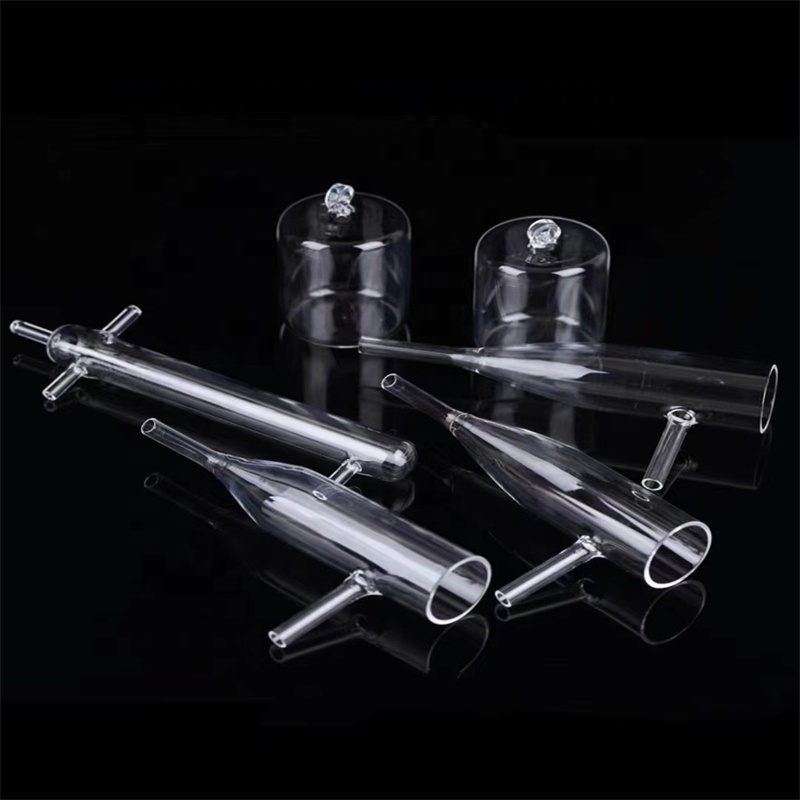
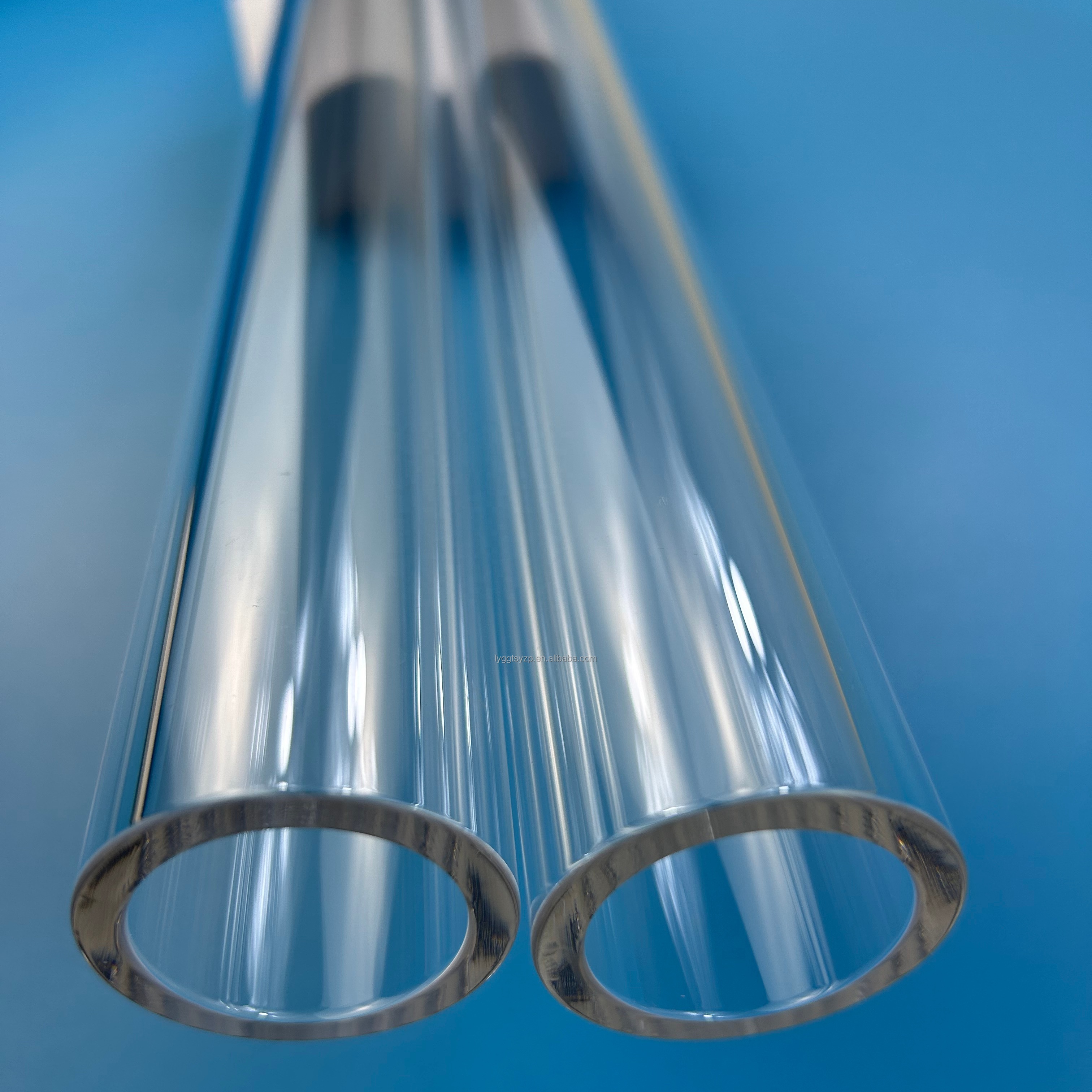
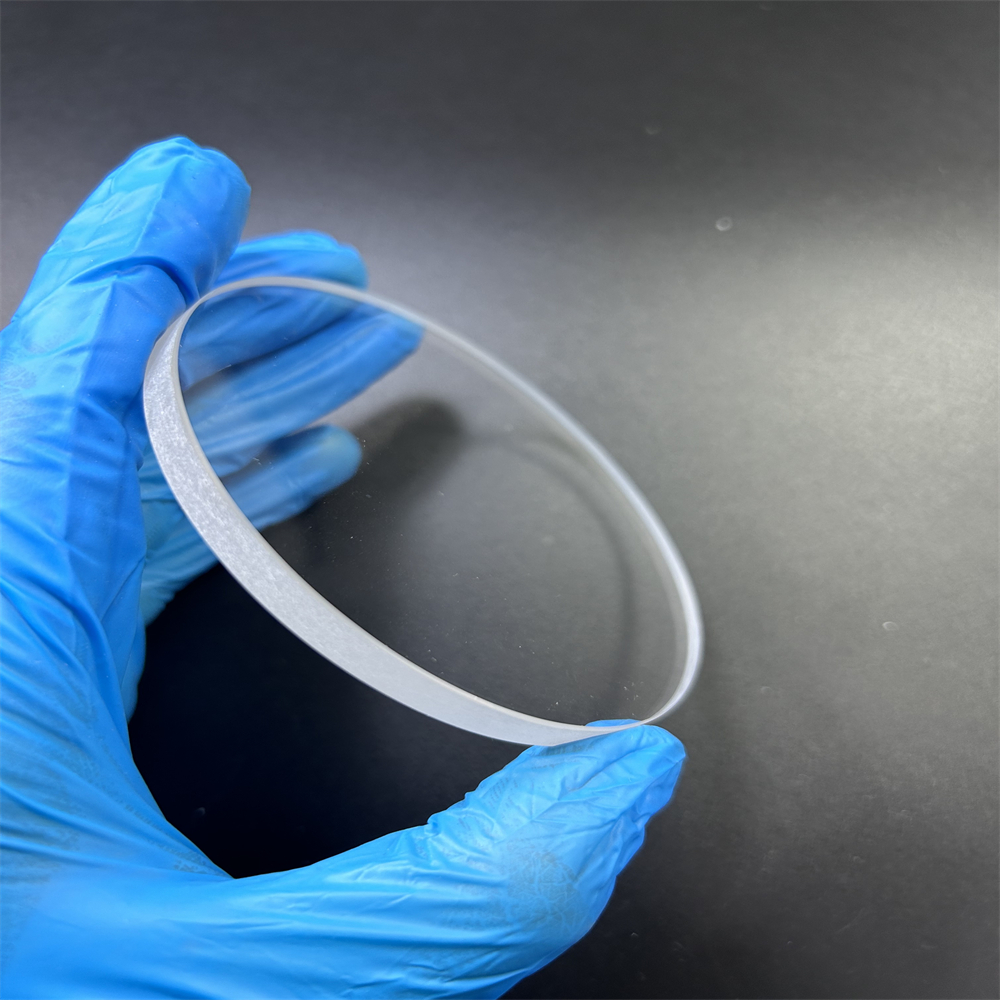
Manufactured from ultra-pure natural quartz silica (≥ 99.99% SiO2), our calibrated catalog supports extreme operating temperatures up to 1300°C, vacuum integrity, laser optical transmission, and severe chemical inertness.
In high-precision manufacturing, microelectronics, deep-sea marine telemetry, and semiconductor processing, raw quartz glass ingots (also known within optical foundries as boules, blocks, or synthetic vitreous silica preforms) represent the elemental foundation of modern physics and mechanical infrastructure. A quartz glass ingot is an amorphous bulk solid comprised almost purely of silicon dioxide (SiO2). Unlike commercial borosilicate or soda-lime formulations, high-purity fused quartz retains an extremely tight three-dimensional tetrahedral lattice with negligible network modifiers (such as sodium, calcium, or boron). This non-crystalline, vitreous structure yields extraordinary physical performance: zero thermal shock vulnerability across broad operational ranges, an extremely low coefficient of thermal expansion (CTE ∼ 5.5 × 10⁻⁷ /K), ultra-high optical transmission spanning deep ultraviolet (DUV ∼ 185 nm) through near-infrared (NIR ∼ 3500 nm), and dielectric insulation integrity under multi-kilovolt stresses.
For scientific instrumentation builders, defense sub-contractors, and university cleanroom operators across Valletta and the Republic of Malta, sourcing high-purity quartz ingots and drawing-fabricated sub-components poses distinct challenges. As a Mediterranean maritime node with an expanding microelectronics, pharmaceutical analysis, and marine research sector, Maltese engineering teams require dependable international supply chains linked directly to premier raw material extraction and melting facilities. Zelvo Quartz bridges this geographic demand by producing ingots and downstream parts straight from Donghai County, Jiangsu Province—globally acknowledged as the premier hub for quartz processing and mineral refinement.
The manufacturing process begins with natural pegmatite quartz crystals, which undergo beneficiation: magnetic separation, acid scrubbing (hydrofluoric and hydrochloric acid leaching), and thermal cavitation to purge interstitial mineral impurities. The resulting high-purity silica sand (purity ≥ 99.995%) is then fed into vacuum-induction electric fusion furnaces operating above 2000°C. In this continuous or batch casting method, the quartz is transformed into a dense, bubble-free cylindrical ingot or rectangular boule. Strict thermal annealing ramps prevent residual frozen-in stress (birefringence ≤ 5 nm/cm), ensuring the resulting stock can be cleanly sliced, ground, core-drilled, or CNC profiled without micro-fracturing.
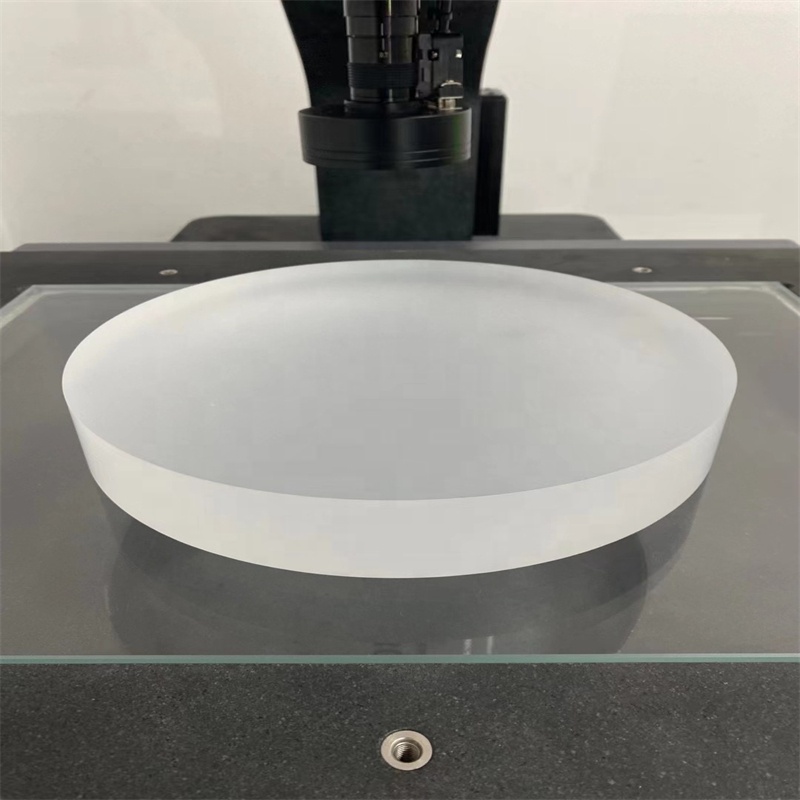
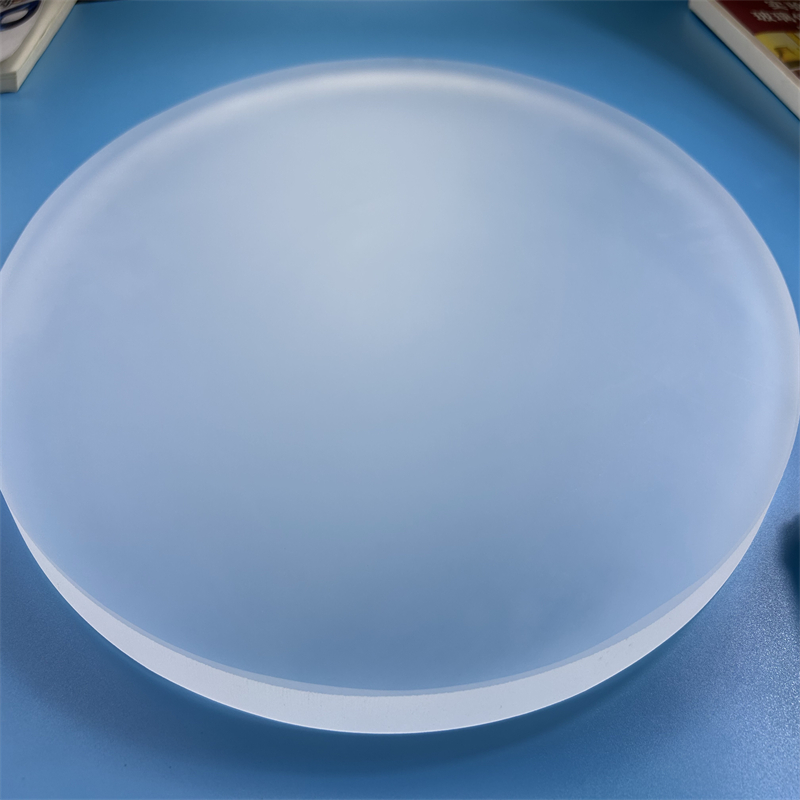
For semiconductor and optical wafer manufacturing, ingots undergo multi-wire saw slicing, followed by double-sided planetary lapping using cerium oxide or colloidal silica slurries. This converts raw ingots into polished optical windows, frosted diffusion discs, or semiconductor reactor bell jars that meet DIN ISO 10110 surface roughness requirements (Ra ≤ 0.5 nm).
| Physical / Chemical Property | Natural Fused Quartz Ingot (JGS2 / Electric) | Synthetic Fused Silica Boule (JGS1 / CVD) | Test Standard / Engineering Context |
|---|---|---|---|
| SiO₂ Purity Level | ≥ 99.99% (≤ 20 ppm total metallic impurities) | ≥ 99.9999% (≤ 1 ppm total metallic impurities) | ICP-MS Chemical Spectrometry |
| Hydroxyl (OH⁻) Concentration | < 5 ppm to 30 ppm (Water-free) | 800 ppm – 1200 ppm (High OH) | FTIR Absorption @ 2720 nm |
| Continuous Service Temperature | 1100 °C | 950 °C – 1000 °C | ASTM C380 Thermal Sag Test |
| Maximum Short-Term Peak Temp | 1300 °C (Softening point ∼ 1683 °C) | 1200 °C (Softening point ∼ 1600 °C) | Thermal Dilatometry Analysis |
| Thermal Expansion (CTE) | 5.5 × 10⁻⁷ / K (20°C to 320°C) | 5.2 × 10⁻⁷ / K (20°C to 320°C) | Extreme Thermal Shock Proof |
| Optimal Optical Spectral Band | 260 nm – 3500 nm (Vis to Mid-IR) | 185 nm – 2500 nm (Deep UV to Vis) | PerkinElmer Lambda UV/Vis/NIR |
| Refractive Index (nd @ 589.3 nm) | 1.4585 | 1.4584 | Abbe Refractometry |
| Dielectric Constant (1 MHz) | 3.75 – 3.80 | 3.80 – 3.82 | High Frequency Waveguide Isolation |
Valletta serves as the administrative, research, and financial nucleus of the Maltese archipelago. Supported by key industrial ecosystems across Marsa, Kirkop, San Ġwann, and the Grand Harbour, engineered quartz components are mission-critical across several distinct domains.
Malta hosts leading European semiconductor assembly, packaging, and sensor test operations located just minutes from Valletta. Semiconductor test jigs, burn-in sockets, diffusion wafer carriers, and quartz bell jars manufactured from our 99.99% SiO2 ingots provide contamination-free high-temperature resistance and zero particulate degassing during silicon processing.
Valletta's maritime cluster relies heavily on high-pressure subsea inspection sensors, autonomous underwater vehicles (AUVs), and acoustic Doppler current profilers (ADCPs). Optical quartz windows sliced from vacuum-melted ingots withstand deep Mediterranean hydrostatic pressures (> 300 bar) while offering high clarity for underwater laser imaging and salinity monitoring.
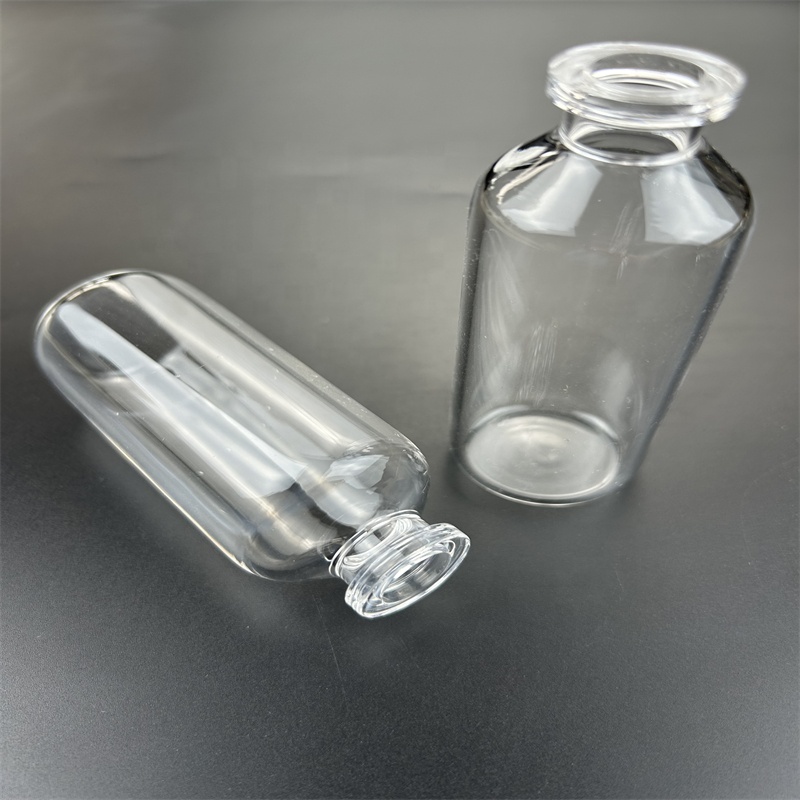
The biomedical park in San Ġwann and pharmaceutical testing labs throughout Valletta utilize custom fused quartz spectrophotometer flow cells, BET surface area sample tubes, and medical-grade quartz ampoules. The chemical inertness of 99.99% pure silica guarantees that aggressive reagents, concentrated acids, and high-temperature digestion processes remain non-contaminated.
Under Malta's national renewable energy mandates, desalination plants (such as Pembroke and Ċirkewwa) and university solar thermal research teams integrate heavy-wall quartz tubes and transparent quartz plates. These elements act as high-intensity UV sterilization sleeves and concentrated solar radiation concentrators capable of enduring aggressive brine atmospheres without corrosion.
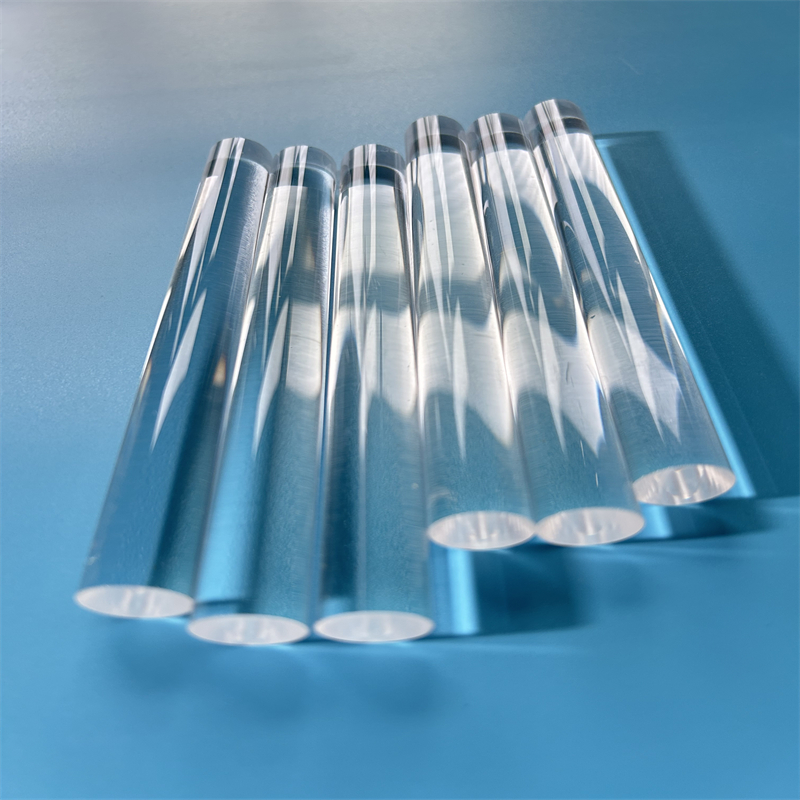
Aircraft maintenance, repair, and overhaul (MRO) facilities clustered around Malta International Airport utilize high-precision optical quartz light-guide rods, collimating lenses, and UV-grade sensor covers for specialized avionics testing and optoelectronic calibration rigs where zero thermal drift is mandated.
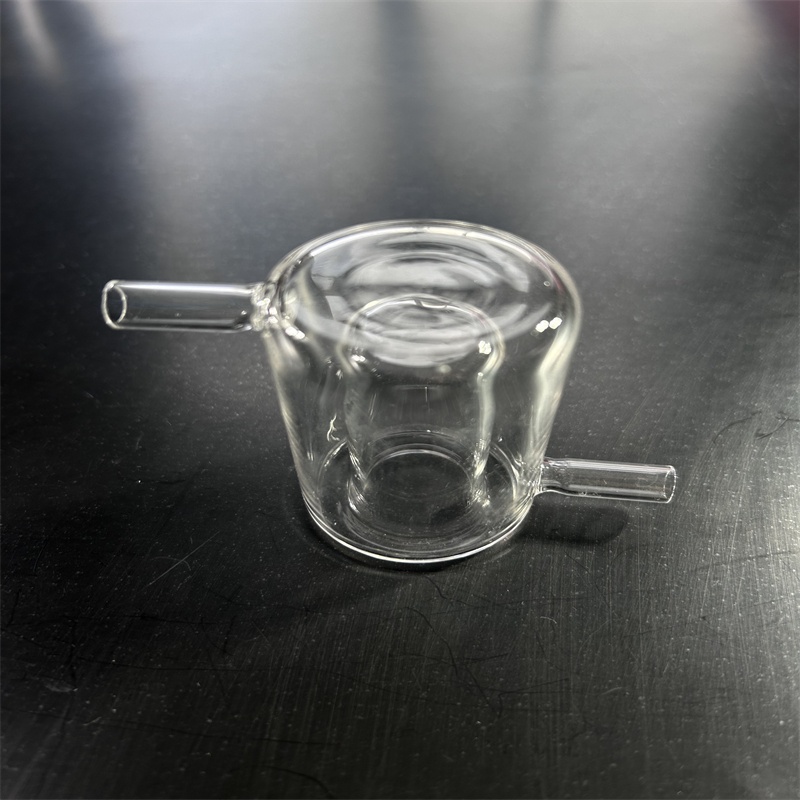
Academics in Msida and Valletta conduct cutting-edge materials science involving chemical vapor deposition (CVD), tube furnace annealing, and X-ray diffraction (XRD). Our custom-slotted quartz sample plates and vacuum twin-tubes ensure background-free spectra and clean thermal profiles up to 1300°C.
Valletta's strategic positioning within the Central Mediterranean aligns with dynamic European industrial shifts. Multiple regulatory and technological drivers are creating long-term structural demand for high-purity silica products.
As the European Union executes its €43 billion European Chips Act to double semiconductor production capacity, peripheral manufacturing bases like Malta are expanding advanced packaging and wafer probing. This fuels demand for ultra-flat fused silica wafer substrates, quartz carrier discs, and laser-drilled inspection fixtures.
Valletta's Grand Harbour Clean Air Project and regional water stewardship initiatives require industrial-grade UV photochemical purification reactors. Quartz sleeves used inside municipal UV systems require 90%+ UV-C (254 nm) transmission and zero solarization degradation over tens of thousands of operating hours.
Maltese tech startups, spin-offs, and testing centers are shifting away from rigid multi-hundred-piece minimum order constraints. Engineering teams demand agile, drawing-based manufacturing where bespoke quartz reactors and optical plates can be ordered in quantities of 1 to 10 pieces with fast delivery via express air logistics.
Turning raw fused quartz ingots and boules into complex geometrical instruments requires specialized machinery and master glassblowing craftsmanship. Zelvo Quartz provides an integrated suite of fabrication capabilities.
Micro-hole laser drilling down to Ø 0.2 mm without edge micro-cracking or sub-surface flaking. Perfect for multi-hole sensor mounts, gas purge heads, and precision XRD sample slots.
Precision multi-axis grinding, contouring, chamfering, and milling of quartz blocks, flanges, and round disks. Tight dimensional tolerances maintained within ± 0.02 mm.
Specialized oxy-hydrogen torch welding for twin-bore tubing, U-bends, ground quartz joints, bell jars, and custom manifolds, followed by electric oven annealing to eliminate residual stress.
Double-sided optical lapping reaching scratch/dig 40/20 or 20/10, alongside sandblasted or chemical frosted finishes for even light diffusion and thermal dispersion applications.
Headquartered in Donghai County, Jiangsu—China's recognized Crystal Capital—Lianyungang Zelvo Quartz Products Co., Ltd. blends geographic raw material advantages with mature engineering precision.
Located directly within the Donghai quartz mineral cluster, ensuring direct access to the highest-grade raw silica pegmatite and ingot ingots with verified 99.99% SiO2 purity.
Our sales engineering team provides instant feasibility reviews of 2D/3D CAD drawings (STEP, DWG, PDF) within 2 hours, offering material selection and tolerance optimization advice.
Our team brings over a decade of dedicated quartz fabrication expertise, personally overseeing diamond grinding, gas welding, and pre-shipment polariscope stress checks.
Comprehensive export packaging featuring custom-cut EPE shock foam and wooden crating. Seamless CIF, DDP, and Express Air delivery directly to Malta Freeport or Luqa Airport.
Submit your CAD blueprints, operational temperatures, and dimensional specifications. Our senior quartz glass engineers will evaluate your requirements and deliver a detailed quotation within 2 hours.
In-depth technical and logistical clarity for procurement directors, cleanroom managers, and optical engineers sourcing quartz materials into the Republic of Malta.
Our standard quartz ingots are synthesized to a purity level of ≥ 99.99% silicon dioxide (SiO2), with total cumulative trace metal impurities (Al, Fe, Na, Ca, K, Li, Mg) strictly controlled below 20 parts per million (ppm). For ultra-sensitive semiconductor wafer substrates and deep UV optical boules, our JGS1 synthetic fused silica reaches ≥ 99.9999% purity (< 1 ppm metals).
In contrast to borosilicate (e.g., Pyrex) or soda-lime glass, which contain significant amounts of boron and sodium network modifiers, our fused quartz ingots maintain an almost zero coefficient of thermal expansion (5.5 × 10⁻⁷ /K), preventing cracking when subjected to violent thermal shock (such as heating to 1100°C and instantly plunging into cold water).
We routinely support international trade terms including FOB, CFR, CIF, EXW, and full DDP (Delivered Duty Paid) directly to company facilities across Valletta, Kirkop, Marsa, and San Ġwann. For rapid prototyping orders and low-volume laboratory ware (1 to 50 pieces), we coordinate express courier flights (DHL, FedEx, UPS) arriving at Malta International Airport (Luqa) within 5 to 7 business days.
For larger production shipments of heavy quartz ingots, furnace tubes, and bell jars, ocean cargo is dispatched to the Malta Freeport Terminal in Marsaxlokk. Every shipment is crated in compliance with ISPM-15 heat-treated export wood packaging and lined with multi-layer high-density polyethylene foam to prevent mechanical shock during transit.
Our minimum order quantity for drawing-based custom quartz parts (including sliced plates, drilled wafer carriers, reactor tubes, and bell jars) is just 1 piece. We understand that European university research departments, medical startups, and semiconductor pilot lines frequently require one-off bespoke fixtures or feasibility test samples before committing to high-volume manufacturing runs.
Standard consumable laboratory products such as BET quartz sample bulbs typically start at 10 pieces per batch to optimize shipping logistics and setup economics.
The choice between natural fused quartz and synthetic fused silica depends on your operating wavelength and thermal envelope:
1. Natural Fused Quartz (JGS2 / JGS3): Electric arc melted from high-purity natural quartz sand. It features extremely low hydroxyl (OH < 5–30 ppm), eliminating water absorption in the infrared spectrum (useful up to 3500 nm) and offering higher viscosity and sag resistance at extreme temperatures (continuous use up to 1100°C, short-term to 1300°C). Ideal for tube furnaces, CVD reactors, and general high-heat components.
2. Synthetic Fused Silica (JGS1): Chemical vapor deposition (CVD) synthesized from silicon tetrachloride (SiCl4). It provides deep ultraviolet transmission down to 185 nm without solarization, zero bubble inclusions, and superior refractive index homogeneity. Ideal for UV excimer laser optics, semiconductor photolithography masks, and optical spectroscopy windows.
Fused quartz exhibits one of the highest working temperature thresholds among all commercial glasses. It can operate continuously at approximately 1100°C, and withstand short-duration thermal excursions up to 1300°C. Its transformation annealing point is approximately 1215°C, and its softening point occurs at 1683°C.
To avoid devitrification (where the amorphous silica transitions into crystalline cristobalite, resulting in surface hazing and structural embrittlement), the quartz surface must remain strictly clean and free of alkali ions (such as sodium from fingerprints). We recommend washing quartz components with high-purity deionized water or diluted acid prior to high-temperature thermal cycles above 900°C.
Yes. Over 75% of our production output consists of build-to-print custom quartz components. Our engineering department works with standard 2D and 3D file formats, including PDF, DWG, DXF, STEP, and IGES. We assist clients in verifying mechanical wall thickness tolerances, flame welding radii, laser micro-drilling limits, and flame-polishing allowances.
Before launching batch production, we can supply full dimensional inspection reports, material certificates, and photographic verification of the prototype part to guarantee total compliance with your engineering drawing.