High-Purity Quartz Solutions for Thermal Decomposition
Manufactured from 99.99% pure SiO₂ crystal feedstock. Precision-machined, flame-polished, and custom-welded to withstand extreme thermal gradients and corrosive pyrolysis gases.
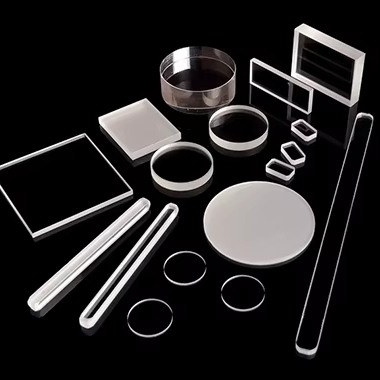
Fused Quartz Optical Grade Test Sample Sheet
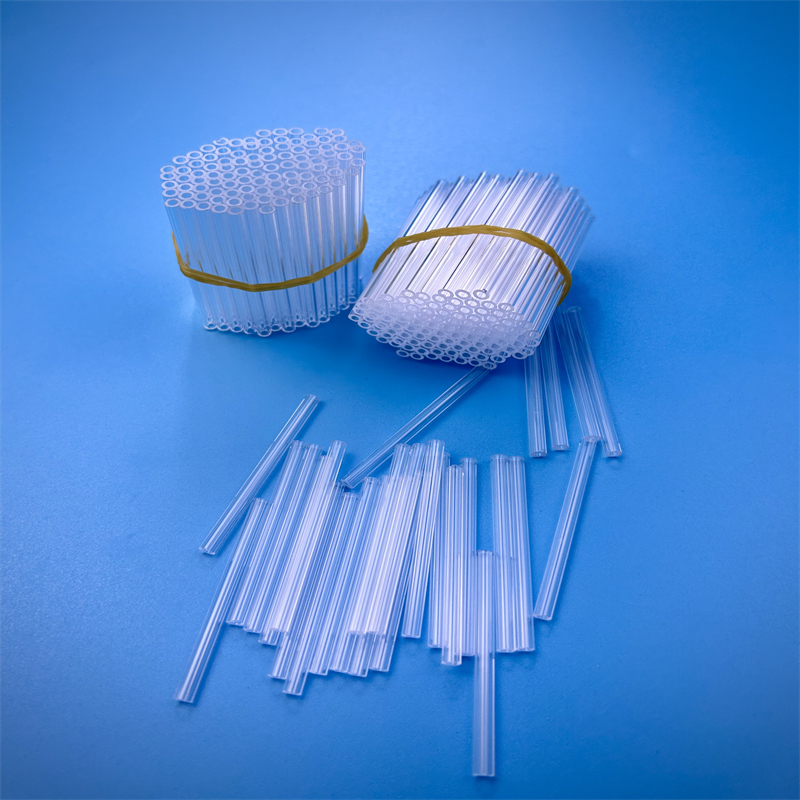
Transparent U-Bent Quartz Reactor Tube
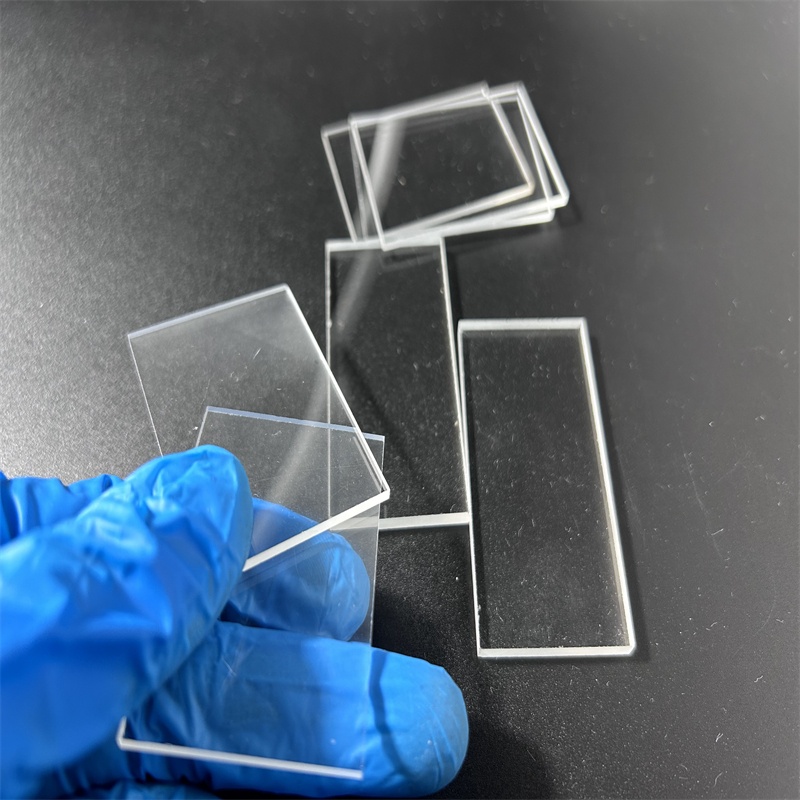
High-Temp Clear Quartz Sight Glass Plate
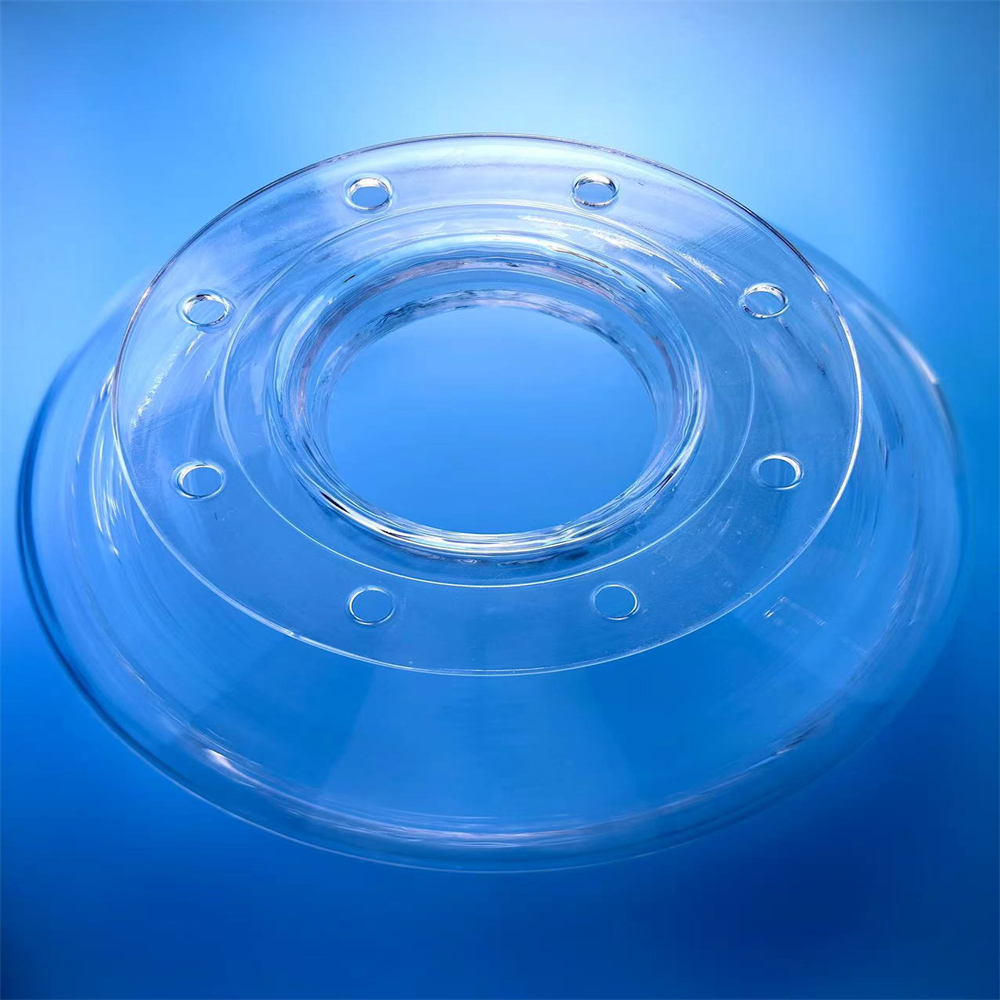
Twin-Bore Flanged Quartz Pyrolysis Tube
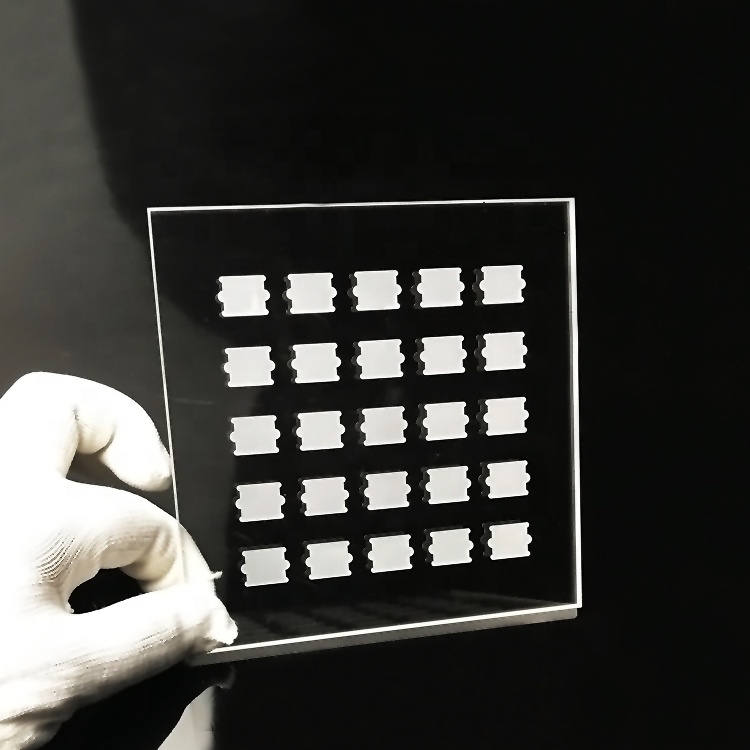
Zero-Background XRD Quartz Sample Holder
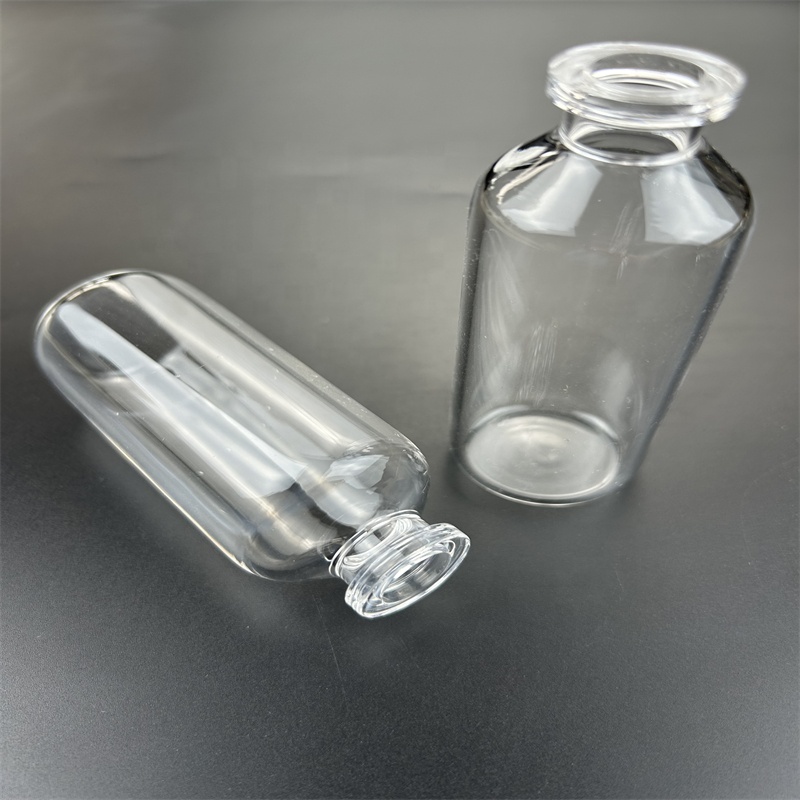
High-Pressure Sealed Quartz Ampoules
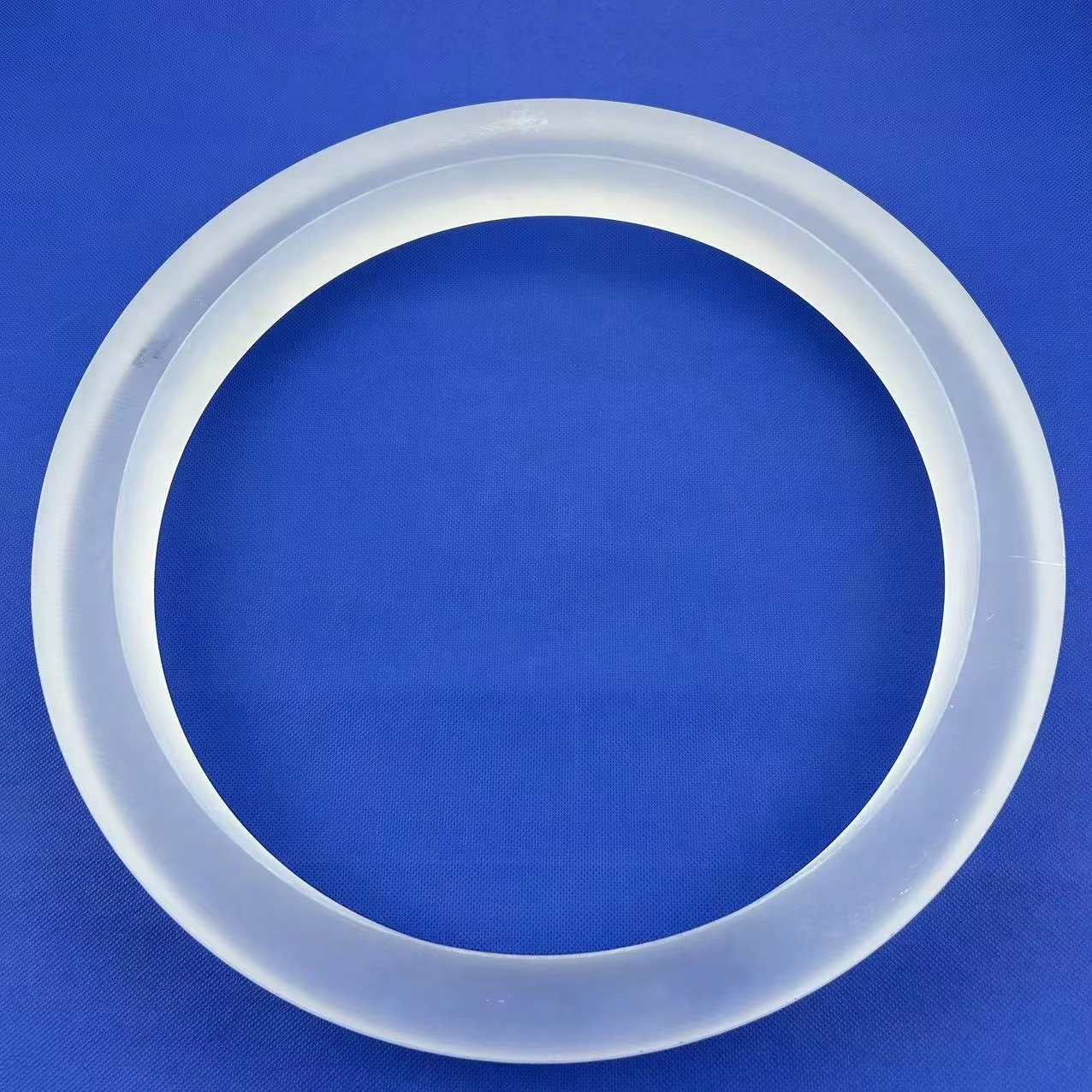
Precision Quartz Sealing Rings for Reactors
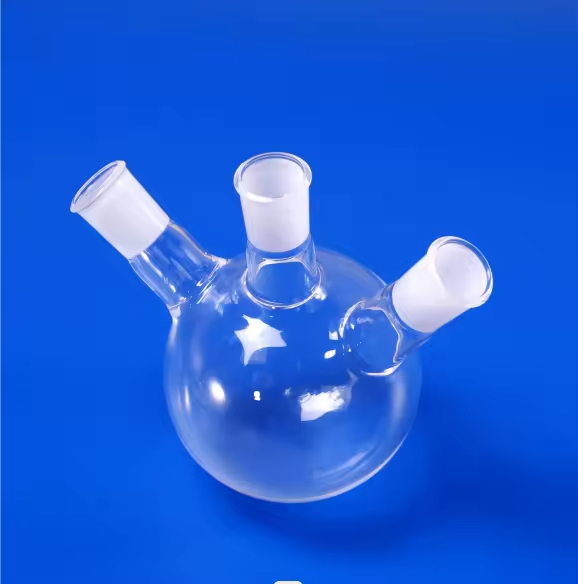
Fused Silica Twin-Neck Pyrolysis Flask
Thermodynamic Integrity & Structural Purity of Fused Quartz in Pyrolysis
A rigorous material analysis for university researchers, chemical process engineers, and thermal plant operators evaluating fused silica reactor cores.
Thermal Shock Resistance & Near-Zero CTE
Pyrolysis reactors operate under steep thermal ramps, often moving from ambient to 1000°C within minutes, followed by rapid quenching. Fused quartz exhibits an exceptionally low coefficient of thermal expansion (5.5 × 10⁻⁷ /K), which virtually eliminates localized shear strain and brittle mechanical failure during violent thermal transients.
- Survives immediate water quenching from 1100°C
- Softening point exceeds 1683°C
- Zero micro-cracking under repetitive heating cycles
Inertness to Corrosive Syngas & Tars
The catalytic cracking of biomass, municipal plastics, and heavy hydrocarbons releases aggressive volatile organic compounds, hydrogen sulfide, carbon monoxide, and organic acids. Fused silica displays absolute inertness to acidic and halogenated species, preserving reactor tube walls without catalytic poisoning or cross-contamination.
- Unaffected by volatile sulfuric & nitric condensates
- Impermeable to hydrogen and light alkanes at <900°C
- Negligible baseline background in kinetic TGA
Devitrification Control & Hydroxyl Dynamics
Long-term exposure above 1150°C risks surface devitrification—the polymorphic transformation of amorphous vitreous silica into crystalline cristobalite. By rigorously controlling the bulk OH⁻ content (<15 ppm) and utilizing high-purity natural silica sand from Donghai, our tubes extend continuous operational lifespans by up to 300% over commercial-grade glass.
- Low alkali content (Na, K, Li < 1.5 ppm total)
- Resistance to crystalline phase boundary migration
- Smooth fire-polished internal surface mitigates soot coking
Localized Applications: Supporting Patras' Research & Industrial Ecosystem
From the laboratories of the University of Patras (UPatras) to the cutting-edge facilities of FORTH/ICE-HT and Patras Science Park, our fused quartz solutions power Western Greece's scientific innovation.
Biomass & Agro-Industrial Waste Valorization
Western Greece and the Peloponnese region generate substantial agricultural residues, including olive pomace (pyrene), grape marc, and citrus pulp. Research institutions in Patras leverage our quartz pyrolysis tubes inside horizontal and fluid-bed tube furnaces to convert these bio-residues into high-calorific syngas, bio-oil, and activated biochar for soil remediation and supercapacitors.
Our custom flange-sealed quartz tubes provide the absolute gas tightness required for zero-oxygen thermochemical degradation, ensuring accurate mass-balance calculation without ambient oxygen intrusion.
Waste Polymer Catalytic Cracking & Circular Economy
In alignment with EU Green Deal directives, chemical engineering clusters in Patras focus heavily on plastic upcycling. Polyolefin waste (LDPE, HDPE, PP) is subjected to catalytic fast pyrolysis inside our transparent quartz combustion reactors. The pristine optical clarity enables direct camera observation of polymer liquefaction, droplet vaporization, and tar formation mechanisms in real time.
Our tubes tolerate rapid cycling between 450°C and 850°C, remaining immune to aromatic hydrocarbons, corrosive additives, and chlorinated species commonly evolved from municipal plastics.
Advanced CVD, Carbon Nanotubes & Graphene Growth
The materials science laboratories at FORTH/ICE-HT and the University of Patras are globally recognized for pioneering work in 2D nanomaterials and graphene synthesis. In low-pressure chemical vapor deposition (LPCVD) setups, trace metal contamination from reactor walls degrades carbon lattice quality.
With total trace heavy metals (Fe, Cu, Ni, Cr) below 0.5 ppm, our ultra-high purity quartz tubes prevent unseeded nucleation, ensuring uniform monolayer growth of graphene and vertically aligned carbon nanotube carpets.
In-situ Pyrolysis Diagnostics & Synchrotron Interfaces
Modern kinetic modeling requires simultaneous structural and spectral characterization. We engineer specialized quartz tubes integrated with optical-grade fused silica observation windows, slotted XRD zero-background sample stages, and laser-drilled capillary inlets for real-time Mass Spectrometry (MS) and Fourier-Transform Infrared (FTIR) gas sampling.
These configurations allow Patras research groups to correlate volatile emission sequences with solid-phase crystallographic changes under variable pressure envelopes.
Emerging Trends in Pyrolysis & Thermal Processing (2025–2030)
Analyzing key structural shifts shaping the demand for high-performance refractory silica apparatus in Greece and the wider Southern European corridor.
Decarbonization of Greek Shipping & Port Infrastructure
As the Port of Patras acts as Greece's western logistics gateway to the European mainland, pilot projects are exploring the pyrolysis of shipboard solid wastes and marine bio-waste into drop-in synthetic maritime fuels. High-capacity, corrosion-resistant quartz reactor liners are increasingly specified to handle marine fuel desulfurization testing and catalyst rejuvenation cycles.
Scale-up from Micro-TGA to Pilot Rotary Pyrolyzers
Greek industrial innovators are transitioning from micro-gram thermogravimetric analysis to continuous pilot-scale rotary quartz reactors. This evolution requires thicker walls (up to 8 mm), ground flanged connections, and precision internal baffles that sustain uniform heat dispersion while preventing mechanical abrasion from abrasive solid feedstocks.
Electrified & Microwave-Assisted Pyrolysis Systems
Western Greece's aggressive expansion into solar and wind power is accelerating the electrification of chemical processing. Next-generation microwave-assisted pyrolysis (MAP) requires reactor tubes with exceptionally low dielectric loss tangents. High-purity fused quartz exhibits virtually zero microwave absorption, directing 99.8% of electromagnetic energy straight into the biochar carbon bed.
Material Performance Benchmark for Pyrolysis Tube Reactors
Review the empirical differences between Fused Quartz, High-Alumina Ceramics, and Borosilicate 3.3 Glass under elevated temperature and aggressive chemical atmospheres.
| Performance Characteristic | Zelvo Fused Quartz (SiO₂ ≥99.99%) | High-Alumina Ceramic (Al₂O₃ ≥99.5%) | Borosilicate Glass 3.3 (Pyrex Type) |
|---|---|---|---|
| Max. Continuous Operating Temp. | 1100 °C (1300 °C Short-term) | 1600 °C | 450 °C (Devitrifies above 500°C) |
| Coefficient of Thermal Expansion (CTE) | 5.5 × 10⁻⁷ /K (Extreme shock immunity) | 8.0 × 10⁻⁶ /K (Vulnerable to shock) | 3.3 × 10⁻⁶ /K (Moderate) |
| Optical Transparency (UV to Near-IR) | Superior (>90% from 200nm to 2200nm) | Zero (Completely Opaque) | Good (Cuts off at UV <310nm) |
| Thermal Shock Resilience | Instant Quench from 1100°C into Water | Poor (Cracks under >200°C delta) | Moderate (Withstands ~150°C delta) |
| Acid & Halogen Resistance | Impermeable (Except HF & Hot H₃PO₄) | Excellent, but porous to some tars | Leaches alkali ions into reaction bed |
| Machinability & Custom Geometry | High (Laser drill, flame weld, flanged) | Difficult (Diamond grinding only) | High (Standard glassblowing) |
| Baseline Inertness for Kinetics / TGA | Zero catalytic background interference | Surface acidity may catalyze side reactions | Boron/Sodium migration alters kinetics |
Why Patras Engineers & Exporters Source Directly From Zelvo Quartz
Combining the mineral advantages of Donghai—the Crystal Capital of China—with advanced CNC cold-machining, cleanroom annealing, and rapid global logistics.
Geographic Source Advantage
Headquartered in Donghai County, Jiangsu, we tap directly into the world’s largest high-purity natural silica reserves. Our raw quartz sands undergo rigorous acid pickling, thermal beneficiation, and vacuum plasma melting, yielding glass with SiO₂ purities exceeding 99.99% and zero visual bubbling.
Advanced Micro-Fabrication
Our workshop houses multi-axis laser drilling centers, sub-millimeter water-jet cutting beds, and ultrasonic surface polishing machines. Whether you require internal quartz frits, multi-bore thermocouple sleeves, or polished flat ground-joints, our master glassblowers achieve dimensional tolerances within ±0.05 mm.
Rapid Prototype Support (1-Piece MOQ)
We believe groundbreaking university research should not be constrained by industrial order volumes. We offer drawing-based prototyping starting from a single piece (MOQ 1 pc). Send your 2D CAD sketch or 3D STEP file, and our sales engineering team delivers a full technical validation review within 2 hours.
Frequently Asked Questions for Patras Buyers
Practical answers addressing transport, customs clearance into Greece, material verification, and maintenance protocols for quartz reactor components.
How are quartz pyrolysis tubes protected during transit to Patras, Greece?
What Incoterms and payment currencies do you support for Greek university procurement?
How do we prevent devitrification when running pyrolysis above 1000°C?
Can you manufacture custom vacuum flanges, O-ring grooves, and ground joints?
What is the typical lead time for custom-engineered prototype tubes?
Do you supply elemental analysis and material compliance documentation?
Ready to Engineer Your Pyrolysis Reactor Hardware?
Download our complete technical catalog covering standard tube dimensions, vacuum flanges, optical plates, and drawing customization options. Connect immediately with our sales engineering desk for design feasibility feedback and instant pricing.