Engineered Quartz Glass Components for Porto Procurement
Direct-from-factory fabricated synthetic quartz and 99.99% high-purity fused silica items. Available with precision CNC machining, custom laser slotted cuts, and flame-polished optical finishes starting from single-piece prototypes.
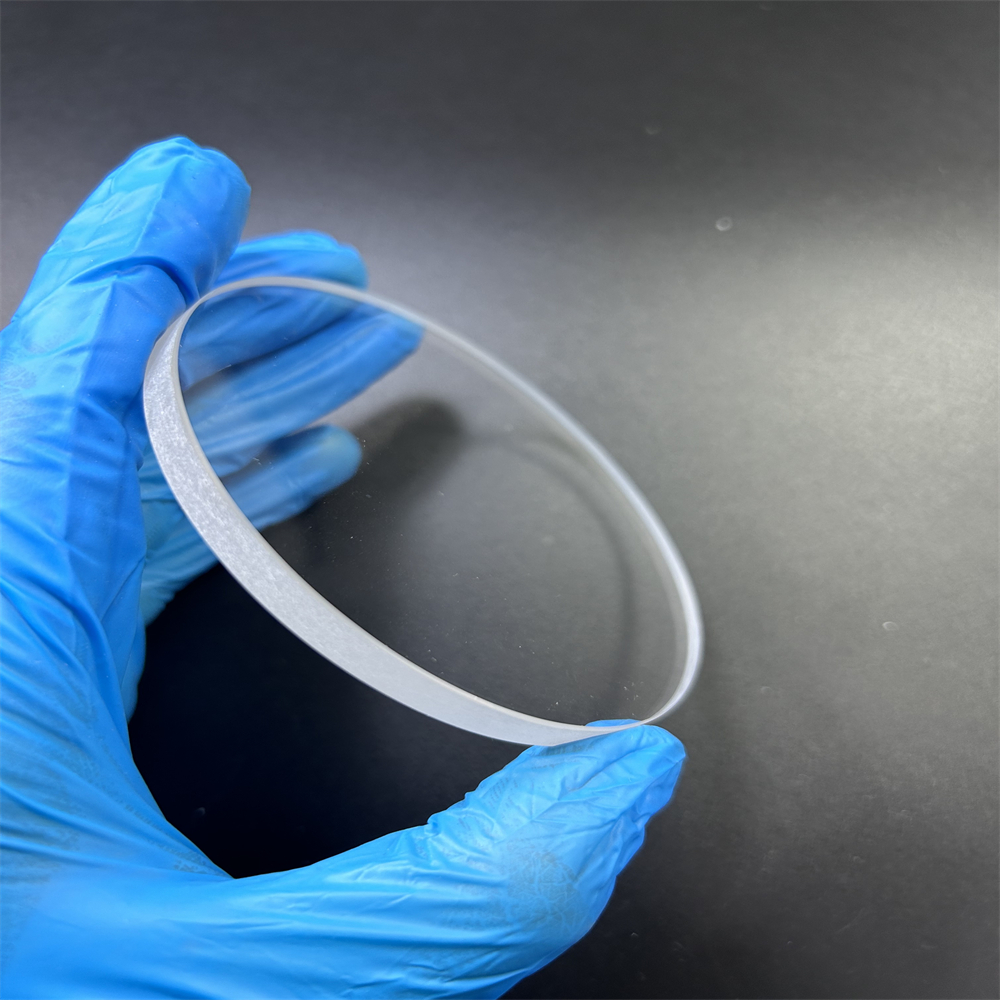
High Pressure Fused Silica Quartz Glass Wafer Transparent UV Sheet High Precision Cutting Custom Sizes Optical Welding
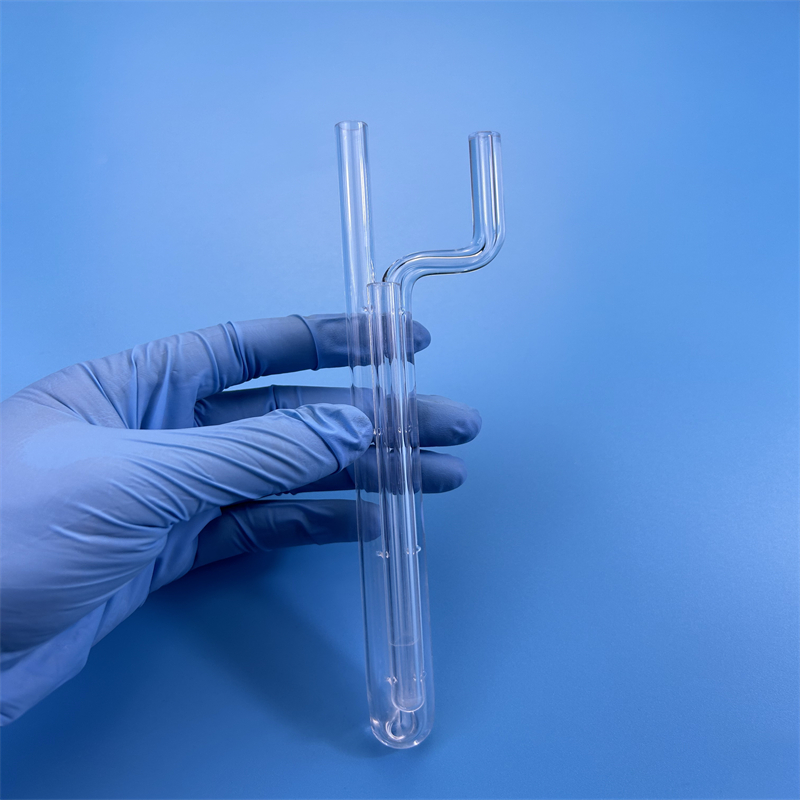
Chemisorption BET Test High Pressure 99.99% Pure Ozone Free Clear Quartz Glass Twin Tube Bending Welding Services Quantachrome
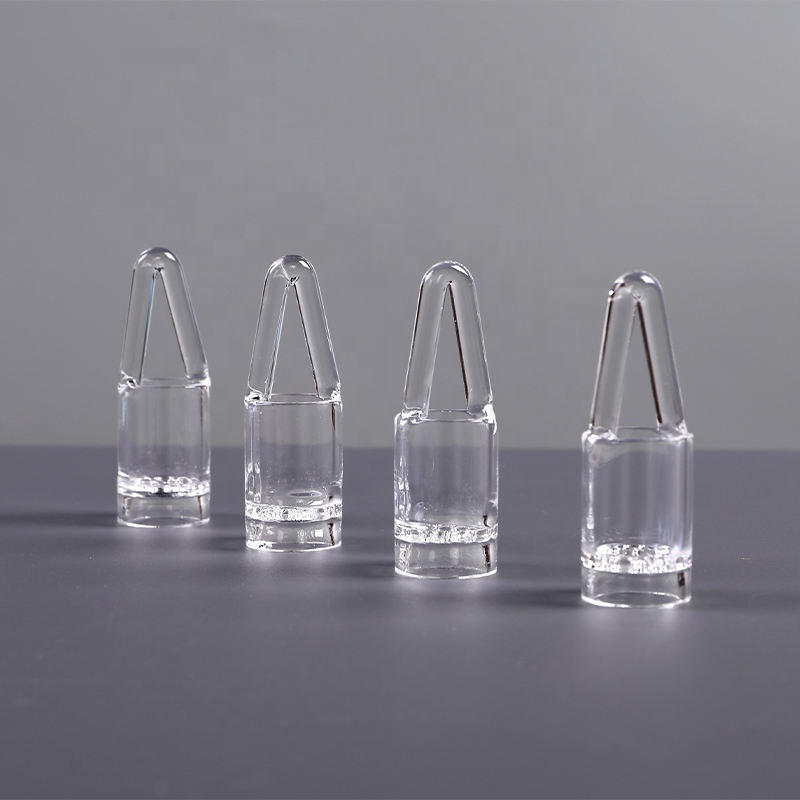
Factory Custom High Pressure 99.99% Pure Quartz Glass Tube Bending/Welding Ozone Free Polished Surface
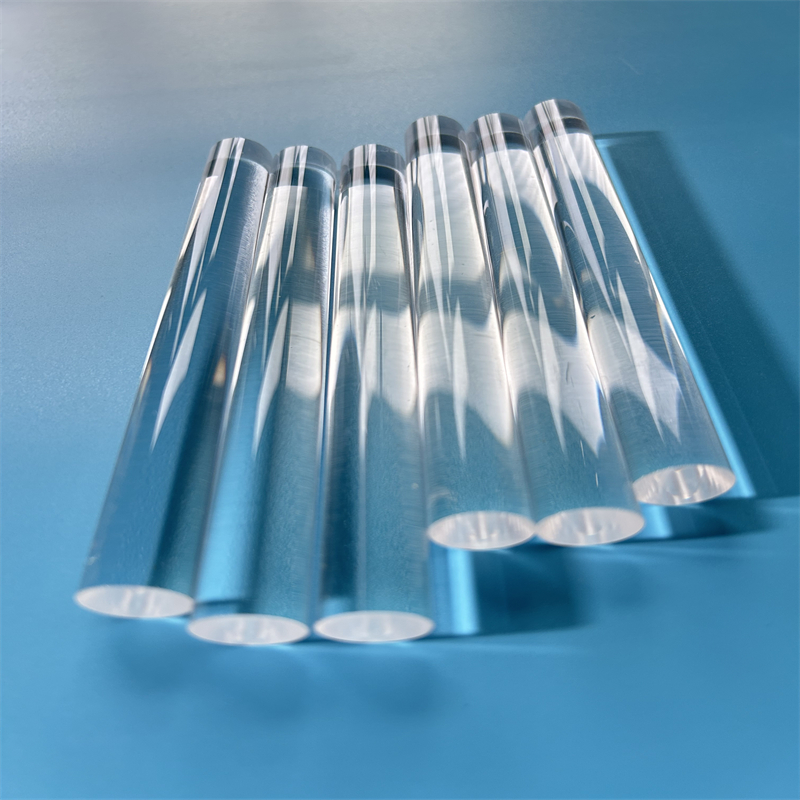
Custom Guitu Quartz GT Model High Purity Optical Quartz Light Guide Cylinder Rod 99.99% SiO2 for Optical/Semiconductor
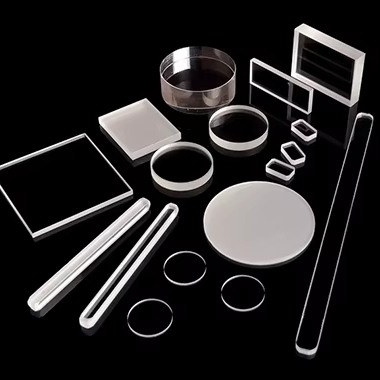
Custom Size High Temperature Fused Transparent Quartz Glass Optical Grade Test Sample Sheet Welding Cutting Processing Service
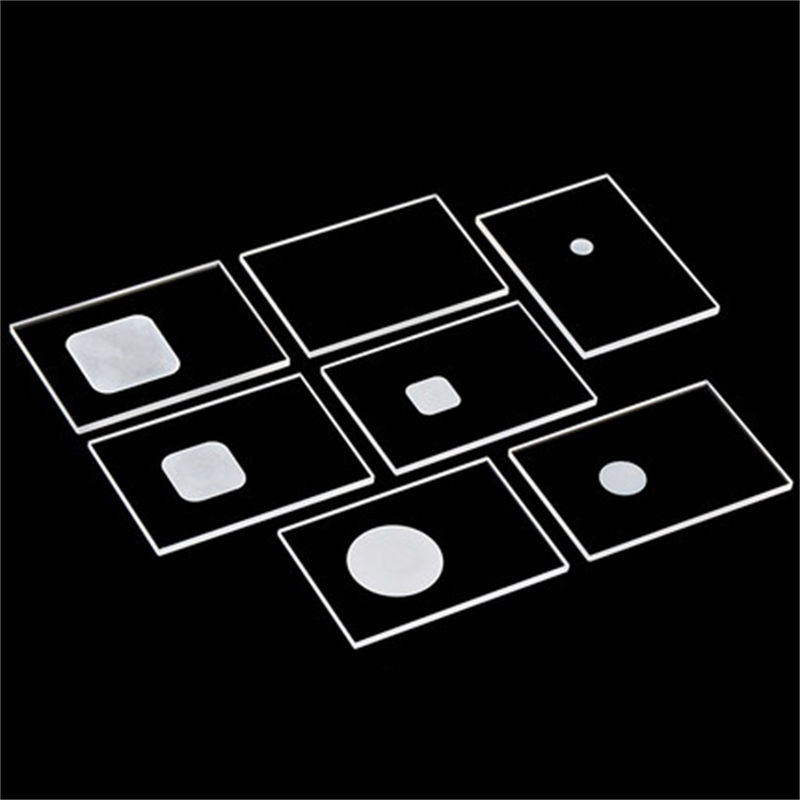
High Temperature Fused Quartz Glass Sheet for XRD Sample Tank Testing Chip Slotted Carrier Cutting Service Custom Sizes 1100C
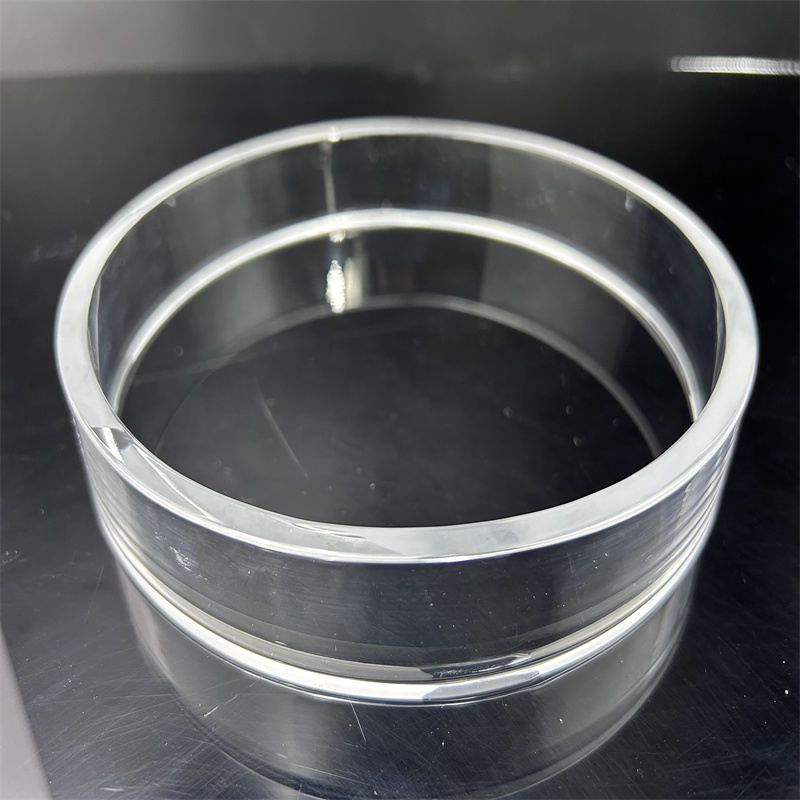
Customizable High Transparent Corrosion-resistant High Purity Fused Quartz Glass Bell Jar Semiconductor Applications Cutting
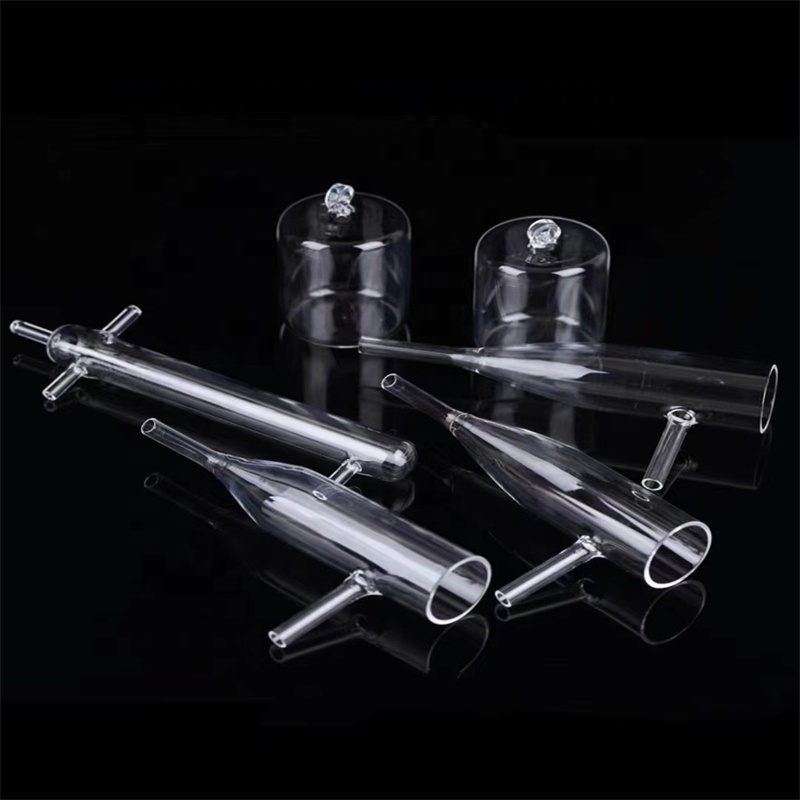
Custom Clear Laboratory High Temperature Twin Tube 99.99% Pure Quartz Glass Tube CVD Furnace Vacuum Bending Welding Services
High-Purity Synthetic Fused Silica vs. Electrically Fused Natural Quartz: Material Science for Porto Engineers
In the procurement landscape of the Greater Porto Metropolitan Area (Área Metropolitana do Porto) and the broader Norte Region of Portugal, distinguishing between naturally derived fused quartz and synthetic fused silica is critical for project success. Natural quartz glass is derived from high-purity natural silica sand mined and refined through electric fusion or gas flame fusion—yielding typical $SiO_2$ purity of 99.99% (4N) to 99.998%. While exceptional for high-temperature resistance up to 1100°C continuous working thresholds, natural quartz inherently carries trace metallic impurities such as Aluminum (Al), Titanium (Ti), Iron (Fe), and Alkali metals (Na, K, Li) ranging between 10 to 30 ppm.
Conversely, Synthetic Fused Silica—frequently categorized under European optical designations equivalent to JGS1 or synthetic grade Corning 7980/Suprasil—is manufactured via the vapor-phase chemical hydrolysis of pure silicon tetrachloride ($SiCl_4$) in an oxy-hydrogen flame. This vapor-phase oxidation eliminates metallic contaminants down to parts-per-billion (ppb) levels, yielding purity benchmarks exceeding 99.9999% (6N). For Porto’s photonic developers, nanotechnology centers, and advanced biomedical labs, synthetic silica delivers near-zero bubble content (conforming to DIN 58927 / ISO 10110 inclusion classes), remarkable deep ultraviolet (DUV) spectral transmission down to 185 nm, and virtually zero fluorescence under ultraviolet excitation.
| Physical & Chemical Parameter | Electrically Fused Natural Quartz | Flame-Hydrolyzed Synthetic Fused Silica | Analytical Relevance for Porto Buyers |
|---|---|---|---|
| $SiO_2$ Purity Level | ≥ 99.99% (4N) | ≥ 99.9999% (6N) | Prevents trace leaching during microfluidic & wafer etch processes. |
| Trace Metal Content (Total) | ≤ 20 - 30 ppm ($Al \approx 14$, $Ti \approx 1.5$, $Fe \approx 0.8$) | ≤ 0.1 - 0.5 ppm total metals | Zero metallic cross-contamination in semiconductor & catalytic syntheses. |
| UV Cutoff Wavelength ($T_{50\%}$) | ~ 220 nm - 260 nm | ~ 180 nm - 185 nm (Deep UV Grade) | Essential for 193nm ArF excimer and 254nm germicidal/spectroscopic systems. |
| Hydroxyl ($OH^-$) Content | Low-OH (< 5 ppm) or High-OH (~150 ppm) | Standard: 800 - 1200 ppm (or < 1 ppm in Dehydroxylated) | Governs NIR absorption bands (absence of 2.73 μm absorption peak in low-OH). |
| Coefficient of Thermal Expansion | $5.5 \times 10^{-7} \text{ K}^{-1}$ ($20^\circ\text{C} - 320^\circ\text{C}$) | $5.2 \times 10^{-7} \text{ K}^{-1}$ ($20^\circ\text{C} - 320^\circ\text{C}$) | Immunity to thermal shock when quenched from 1100°C into cold water. |
| Softening Point / Annealing Point | $1683^\circ\text{C}$ / $1215^\circ\text{C}$ | $1600^\circ\text{C}$ / $1140^\circ\text{C}$ | Crucial for high-temperature CVD tube furnace zone mapping. |
Engineering Insight: Selecting the Correct Grade for Porto Research & Industry
If your application involves furnace process tubes, heating fixtures, or high-vacuum bell jars operating continuously between 1000°C and 1150°C, our electrically fused 99.99% natural quartz tubes provide superior dimensional viscosity and high-temperature sag resistance. However, if your specifications require deep UV laser transmission (e.g., excimer laser optics, semiconductor photolithography, fluorometer cuvettes, or low-background Raman sample windows), specify Zelvo Synthetic Quartz Glass to eliminate autofluorescence and refractive index inhomogeneities.
Comprehensive Thermomechanical and Dielectric Characterization
Synthetic quartz glass features one of the lowest coefficients of thermal expansion among all known industrial materials ($5.5 \times 10^{-7}/\text{K}$ between 0°C and 300°C). This ultra-low CTE endows our quartz glass plates, tubes, and furnace vessels with extraordinary resistance to acute thermal shock. A standard 3.0 mm thick Zelvo quartz window can be heated uniformly to 1150°C in an induction furnace and rapidly plunged into an ambient water bath without structural micro-fracturing, thermal spalling, or crystalline phase transformation (cristobalite devitrification).
From an electrical perspective, fused silica serves as a premier dielectric barrier in radio-frequency (RF) plasma generators, semiconductor etching chambers, and high-frequency microwave reactors found across European university cleanrooms. At 1 MHz and 25°C, the dielectric constant ($\kappa$) remains stable at 3.75 to 3.80, with an extraordinarily low dielectric loss factor ($\tan \delta < 1.0 \times 10^{-4}$). This ensures near-zero electromagnetic energy dissipation, eliminating localized thermal hotspotting during high-power wafer processing.
Precision Quartz Applications Across Porto’s Industrial & Scientific Corridor
Connecting specialized quartz component fabrication to the specific technical demands of Porto, Maia, Matosinhos, Vila Nova de Gaia, and adjacent Northern Portuguese high-tech hubs.
University & Nanotechnology R&D
Supplying the University of Porto (FEUP, FCUP), i3S (Instituto de Investigação e Inovação em Saúde), and INESC TEC with custom micro-machined fused silica wafers, microfluidic chips, and ultra-flat optical windows (λ/4 to λ/10 surface accuracy) for nanophotonics, biosensing, and laser ablation experiments.
Porto & Asprela ClusterBET Surface Area & Catalysis Testing
Analytical chemistry and materials characterization laboratories across Northern Portugal utilize our precision twin-bore quartz sample tubes and chemisorption cells. Fully compatible with Quantachrome, Micromeritics, and BELSORP surface analyzers testing activated carbon, MOFs, and battery electrodes.
Analytical Chemistry & EnergyCVD & Tube Furnace Thermal Processing
Advanced metallurgy, ceramics, and semiconductor thin-film fabrication facilities in the Maia and Vila Nova de Gaia industrial zones rely on our thermal-shock-proof quartz furnace tubes, carrier boats, and custom flanged reactor manifolds operating under vacuum down to $10^{-5}\text{ mbar}$.
Industrial Furnace OEMsGreen Hydrogen & Clean Energy Pilots
With Portugal’s National Hydrogen Strategy focusing major pilot developments around Leixões and Northern industrial corridors, high-pressure synthetic quartz sight glasses, ozone-free reaction tubes, and plasma tubes are engineered for high-temperature electrolysis and photocatalysis rigs.
Matosinhos Energy TransitionXRD & Synchrotron Sample Handling
Supplying zero-background fused silica sample plates with precise laser-cut wells and micro-slots for X-ray diffraction (XRD) of pharmaceutical powders, crystalline thin films, and nanomaterials, avoiding broad amorphous interference rings in rigorous structural diagnostics.
Materials AnalysisSpecialty Lighting & UV Curing Lines
High-speed packaging, furniture manufacturing, and automotive tier-suppliers in Greater Porto utilize our ozone-free clear quartz twin-tubes and high-transmittance sleeve jackets for industrial UV printing, photopolymerization curing, and infrared rapid thermoforming lines.
Automated ManufacturingEmerging High-Tech Trends Reshaping Porto’s Quartz Glass Demand
The industrial landscape of Northern Portugal, centered around Porto, is undergoing a profound structural transition. Historically recognized for textiles, cork, wine production, and mechanical manufacturing, the region is now rapidly maturing into one of Southern Europe’s vibrant innovation clusters. Three dominant market dynamics are actively driving the regional surge for synthetic quartz glass and optical-grade fused silica products:
1. Semiconductor & Advanced Photonics Acceleration (EU Chips Act Alignment)
With Portugal positioning itself strategically within the European Chips Act framework and the neighboring Iberian International Nanotechnology Laboratory (INL in Braga) interfacing closely with University of Porto engineering departments, microelectronics prototyping has expanded. Research laboratories require custom fused silica wafers, quartz mask blanks, and ultra-pure quartz furnace tubes for chemical vapor deposition (CVD), atomic layer deposition (ALD), and diffusion processes. Standard borosilicate glassware fails at these process temperatures and introduces unacceptable sodium contamination, making 99.999% synthetic quartz the mandatory material standard.
2. Decarbonization, Green Hydrogen & The Matosinhos Clean Energy Transition
The Porto industrial region, especially adjacent to the Port of Leixões and the industrial zones of Matosinhos and Maia, is prioritizing renewable energy transition. Ongoing investments in high-temperature steam electrolysis (SOEC), biomass gasification, and solar photocatalysis necessitate process reactors that can sustain 1000°C+ thermal stresses while transmitting full-spectrum simulated sunlight. Zelvo’s high-transmittance synthetic quartz tubes and bell jars serve as the primary inert envelopes for these catalytic chemical reactions.
3. Precision Prototyping & On-Demand Research Consumables
Unlike massive commodity semiconductor fabs that purchase tens of thousands of identical tubes annually, Porto’s R&D ecosystem requires agile, highly customized batch procurement: 1 to 5 pieces of bespoke geometry, specialized laser-drilled side ports, or custom welded ISO/KF vacuum flanges. Zelvo Quartz bridges this exact gap by maintaining a 1-piece MOQ coupled with rapid CAD drawing reviews, eliminating the prohibitive lead times and minimum order quantities typical of European legacy distributors.
Direct Manufacturing Strengths From China's Crystal Capital
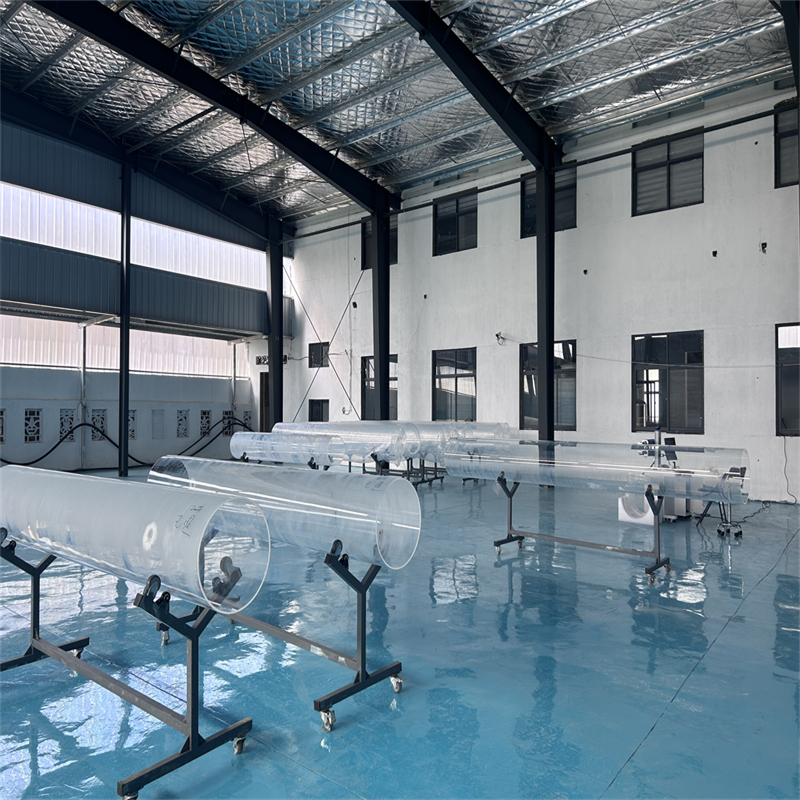
Rooted in Donghai County, Jiangsu—the global epicentre of raw quartz refinement—Lianyungang Zelvo Quartz Products Co., Ltd. combines raw material sovereignty with world-class secondary machining precision.
Donghai Raw Material Purity
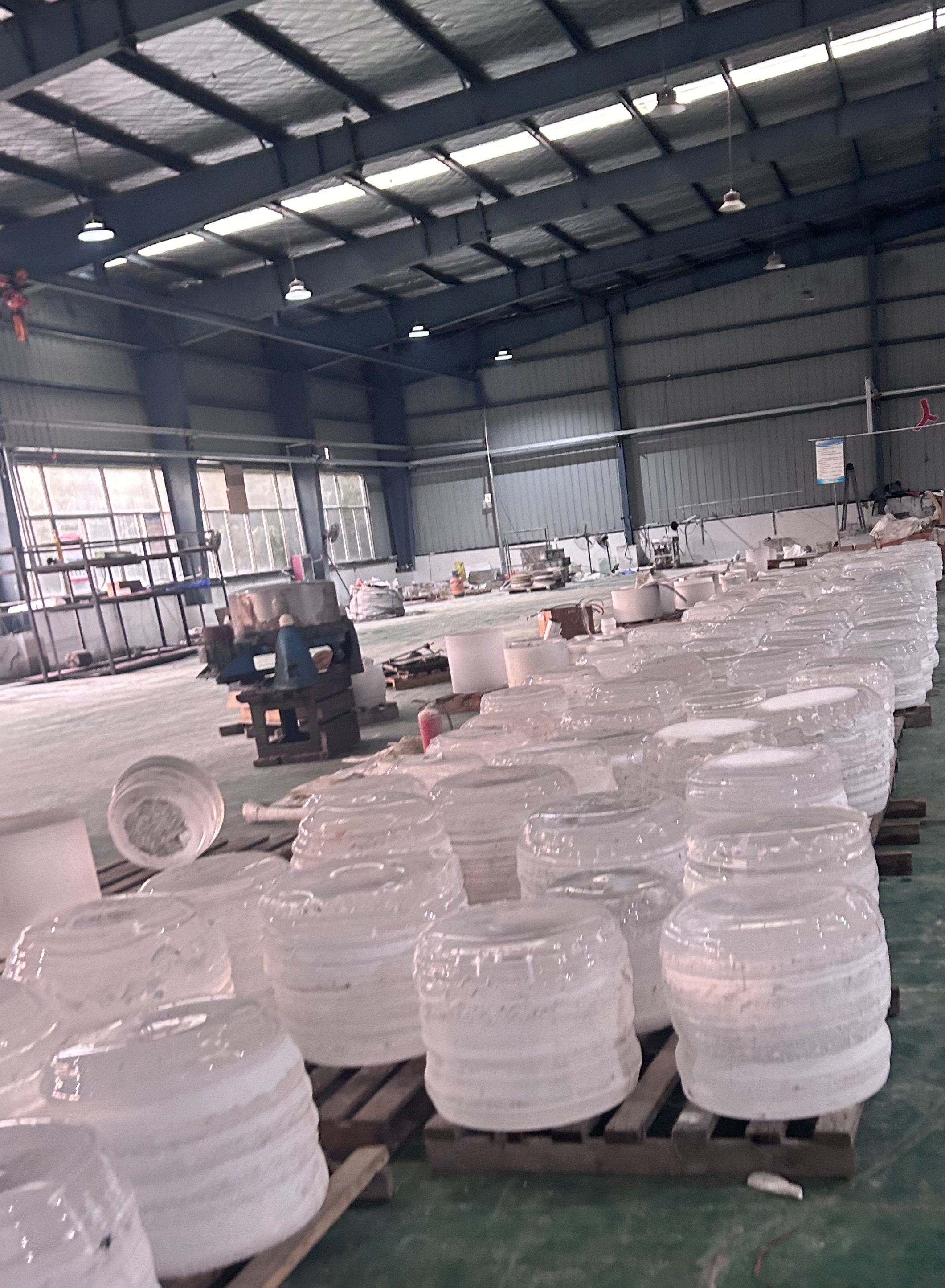
Direct access to world-renowned natural crystal reserves and automated silicon tetrachloride gas synthesis, guaranteeing SiO₂ purity from 99.99% to 99.9999% with verified low bubble inclusion rates.
Multi-Axis CNC & Laser Cutting
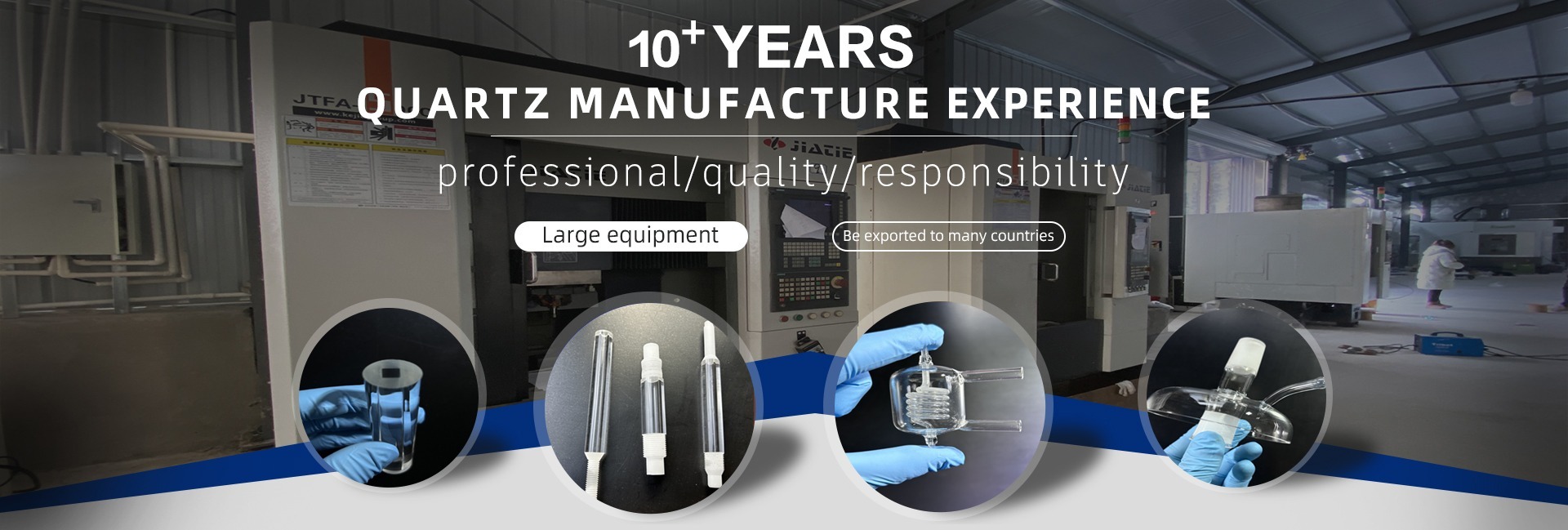
Equipped with state-of-the-art CO2 and ultra-short pulse laser machining, ultrasonic drilling, wire EDM cutting, and flame polishing lathes capable of micro-hole arrays down to 0.2mm diameter.
1-Piece MOQ Prototyping
We respect academic grants and custom engineering trial cycles. No arbitrary container-quantity minimums—order a single specialized BET twin-tube or XRD carrier sheet built precisely to your CAD print.
Safe Export Packaging & DDP
Zero-breakage guarantee utilizing multi-layered pearl cotton shock-absorbing foam, vacuum sealed anti-scratch bags, and fumigated reinforced wooden crates with direct air express to Porto (OPO).
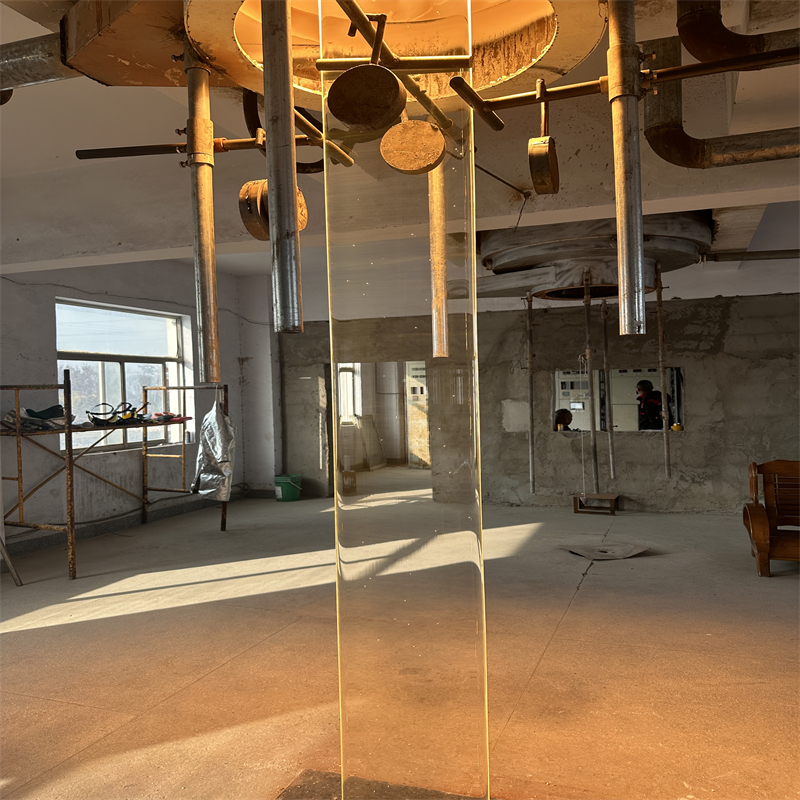
Onsite Production & Workshop Verification
Frequently Asked Questions for Porto Buyers
Clear answers addressing customs duties, freight logistics to Francisco Sá Carneiro Airport / Port of Leixões, dimensional tolerances, and technical material selection.
What is the standard transit time and customs clearance process for shipments arriving in Porto?
Can you manufacture custom quartz parts directly from technical CAD drawings provided by our engineering team?
How do you guarantee that fragile quartz tubes and bell jars arrive in Porto without transit breakage?
Can your BET quartz sample tubes withstand acute thermal cycling in Quantachrome and Micromeritics analyzers?
What dimensional tolerances can your CNC laser cutting and optical grinding maintain?
Which payment terms, currencies, and Incoterms are supported for Portuguese corporate and university buyers?
Request an Engineering Review & Quotation for Porto Delivery
Send us your CAD sketch, target dimensions, operating temperature thresholds, or equipment model numbers. Our quartz technical engineering team will review feasibility and provide a factory-direct quote within 2 hours.