High-Purity Fused Silica & Quartz Solutions
Engineered for thermal resilience up to 1300°C, extreme UV-NIR spectral transmission, and dimensional stability. Designed to meet the stringent specifications of Daugavpils precision toolmakers, thermal laboratories, and European OEMs.
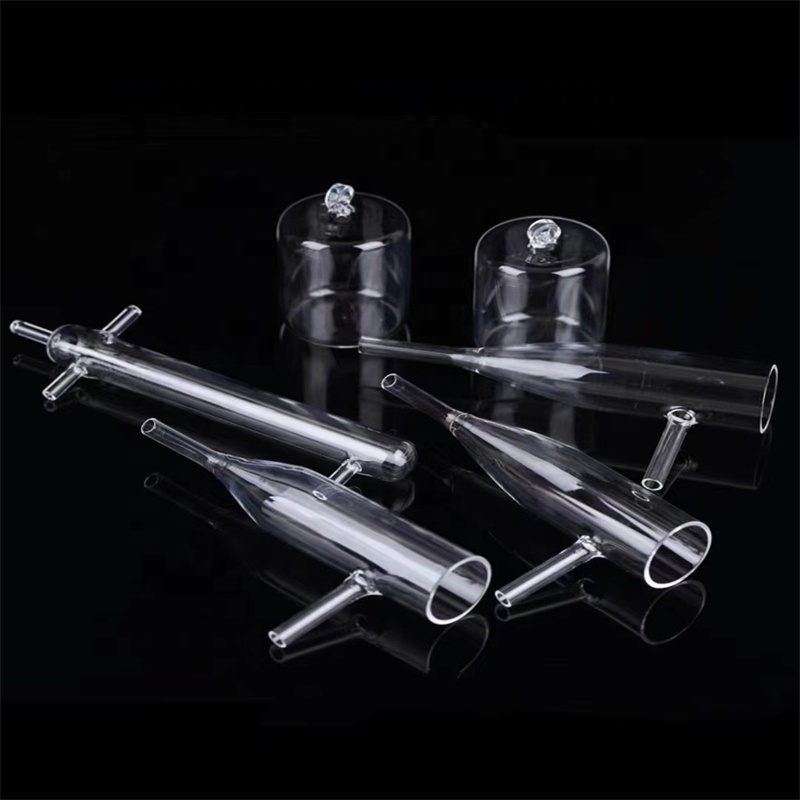
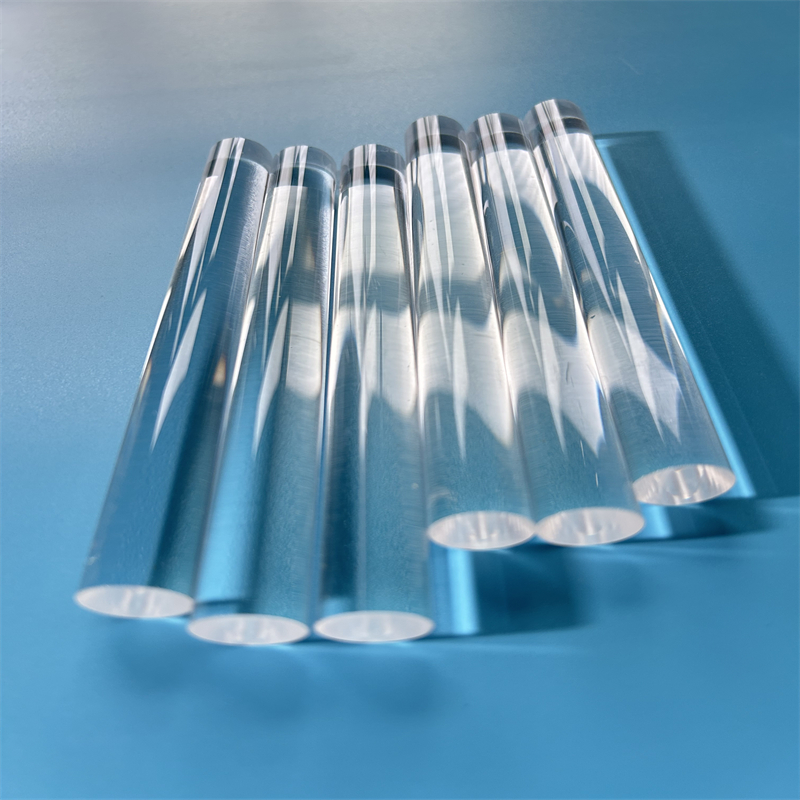
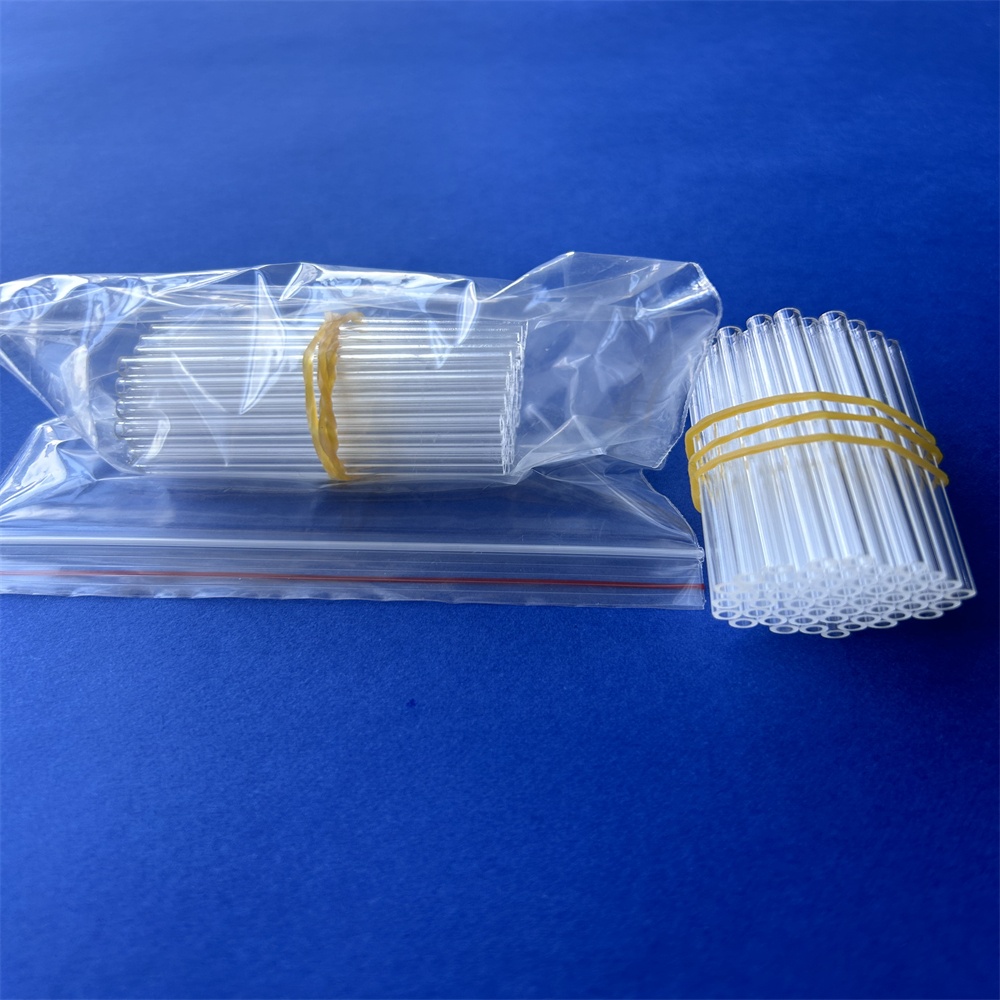
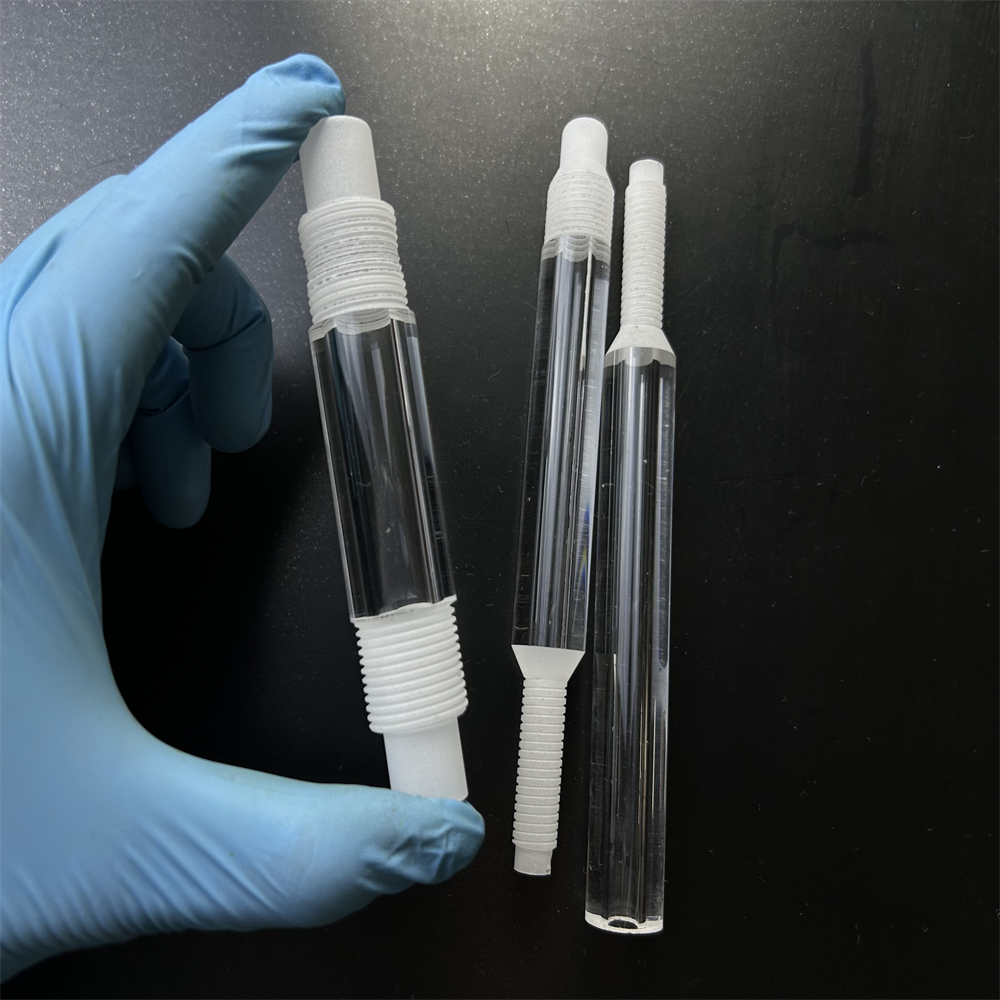
Whitepaper: Engineering Fused Silica Blocks for Harsh Baltic Industrial Environments
Synthetic and natural fused silica blocks constitute an indispensable baseline material for high-technology optical setups, heavy industrial metallurgy, continuous thermal processing furnaces, and ultraviolet lithography systems. In the city of Daugavpils—recognized as the pivotal industrial, mechanical, and transport engineering metropolis of eastern Latvia—the demand for precision-machined refractory silica blocks and optical-grade quartz components has accelerated significantly. Modernization initiatives across railway maintenance clusters, instrumentation manufacturing lines, laser metal cutting facilities, and regional university laboratories require high-temperature materials that eliminate thermal distortion and chemical leeching.
Unlike standard borosilicate or soda-lime glass formulations, fused silica is produced via the chemical vapor deposition (CVD) synthesis of silicon tetrachloride (SiCl₄) or through high-temperature fusion of ultra-pure natural quartz crystal sand. The absence of traditional glass network modifiers ensures that fused silica blocks maintain an exceptionally low coefficient of thermal expansion (CTE of 5.5 × 10⁻⁷ /K between 20°C and 320°C). This allows the block to withstand instantaneous thermal shock from ambient temperature up to 1100°C without risk of micro-fracture or structural spalling.
Thermomechanical and Physical Material Specifications
Before specifying fused silica blocks for installation in Daugavpils manufacturing lines, engineering departments must evaluate the critical physical constants that differentiate synthetic fused silica (Type III and Type IV) from natural fused quartz blocks (Type I and Type II). Below are the verified operational parameters:
| Property / Specification | Natural Fused Quartz Block | Synthetic Fused Silica Block | Engineering Significance for Buyers |
|---|---|---|---|
| Purity (SiO₂ Mass Fraction) | ≥ 99.99% (4N Grade) | ≥ 99.9999% (6N Ultra-Purity) | Prevents metal ion leaching in semiconductor & high-temp reactors |
| Hydroxyl (OH⁻) Concentration | < 5 ppm to 30 ppm (Low-OH) | Up to 1200 ppm (High-OH) or < 1 ppm (Dry) | Determines infrared transmission cutoff vs. deep UV solarization |
| Coefficient of Thermal Expansion (CTE) | 5.5 × 10⁻⁷ /K (20°C to 300°C) | 5.2 × 10⁻⁷ /K (20°C to 300°C) | Near-zero thermal drift in high-power laser beam steering blocks |
| Continuous Service Temperature | 1100 °C | 1050 °C – 1150 °C | Resists sagging and devitrification under long furnace runs |
| Short-Term Peak Temperature | 1300 °C | 1250 °C – 1300 °C | Handles thermal spikes during molten metal handling & combustion |
| Annealing Point | 1215 °C | 1140 °C – 1180 °C | Governs thermal stress relief protocols during post-CNC processing |
| Dielectric Strength (20°C) | 25–40 kV/mm | 30–45 kV/mm | Critical electrical isolation in vacuum arc remelting & RF plasma |
| Spectral Transmission Range | 260 nm – 2500 nm (Optical/VIS) | 185 nm – 2100 nm (Deep UV Grade) | Transmissive window for optical sensors and UV curing blocks |
Hydroxyl (OH) Content Dynamics and Spectral Performance
For optical and sensor engineers operating in Daugavpils and the wider Latgale innovation corridor, the choice between "wet" and "dry" fused silica blocks determines system efficacy. Synthetic fused silica produced by direct flame hydrolysis features a high hydroxyl content (typically 800 to 1000 ppm), which provides outstanding transmission down to 185 nm in the deep ultraviolet (DUV) band, resisting excimer laser-induced color centers. Conversely, low-OH fused quartz blocks, which are fused under vacuum or electrically in inert atmospheres, preserve transmission in the near-infrared spectrum (NIR) without the debilitating 1.38 µm, 2.22 µm, and 2.73 µm absorption bands caused by bonded moisture. When choosing blocks for industrial infrared heaters, combustion observation ports, or pyrometry, low-OH fused quartz blocks represent the technically optimal choice.
Top 10 Fused Silica Block Manufacturers Serving Daugavpils
A rigorous comparative analysis of the premier global fused silica fabricators, evaluating their production capabilities, purity baselines, lead times to the Baltic region, and custom machining agility.
1. Lianyungang Zelvo Quartz (Zelvo Quartz)
Top Agility PartnerLocated in Donghai County, Jiangsu—the global capital of quartz raw materials—Zelvo Quartz combines pristine 99.99% SiO₂ domestic feedstock with world-class precision processing. Zelvo is uniquely configured for European engineering buyers who require drawing-based custom fused silica blocks, fast prototype turnarounds, laser micro-drilling, and 1-piece minimum order quantities without corporate overhead surcharges.
- Lead Time to Daugavpils: 7–12 days by air express, shockproof certified
- Machining Capabilities: 5-axis CNC block slicing, optical polishing, laser grooving
- Commercial Flexibility: 1-piece MOQ, DDP / CIF Riga delivery, ≤ 2h quotation speed
2. Heraeus Conamic (Germany)
Global Optical BenchmarkA premier global titan in fused silica and synthetic quartz glass manufacture. Heraeus produces Suprasil® and Spectrosil® grades known for ultra-low trace element contamination, extreme refractive index homogeneity, and total absence of bubbles in optical grades. Best suited for high-budget semiconductor lithography optical components.
- Core Strength: Industry standard Suprasil synthetic raw ingots
- Consideration: High batch minimums and standard 12–20 week order lead times
3. Corning Incorporated (USA)
HPFS® Industry PioneerCorning’s High Purity Fused Silica (HPFS® 7980, 7979, and ULE® 7972) defines aerospace and precision astronomy mirror substrate benchmarks. The vapor deposition synthesis guarantees virtually zero metallic impurities and remarkable radiation resistance under extreme operating regimens.
- Core Strength: Outstanding excimer laser damage resistance at 193 nm
- Consideration: Substantial shipping overheads and rigid procurement channels
4. Shin-Etsu Quartz Products (Japan)
Semiconductor Tier-1A joint venture between Shin-Etsu Chemical and Heraeus, focusing on massive synthetic fused silica ingots, photomask substrates, and semiconductor manufacturing blocks. Their proprietary plasma combustion methods create silica blocks with extreme structural density and minimal internal striation.
- Core Strength: Photomask grade optical flats and high-index uniformity
- Consideration: Focuses primarily on high-volume Asian and North American wafer fabs
5. Tosoh Quartz (Japan/USA)
Thermal Tooling LeaderTosoh supplies critical quartz blocks, diffusion furnace rings, and custom machined chambers for the semiconductor industry. Their engineering capacity handles large-format quartz fabrications requiring precision flatness and high chemical inertness against hydrofluoric acid etching phases.
- Core Strength: Massive thermal capacity blocks for vacuum chambers
- Consideration: Restrictive catalog specs with high bespoke engineering charges
6. Momentive Technologies (USA)
Crucible & Ingot SpecialistFormerly GE Quartz, Momentive possesses historical leadership in electric arc fusion of fused quartz blocks and crucibles. Their materials are extensively deployed in the Czochralski silicon pulling process and high-temperature optical furnace viewing assemblies across global facilities.
- Core Strength: Large cross-section structural quartz blocks and billets
- Consideration: Long supply pipelines when shipping custom cuts into the Baltics
7. Schott AG (Germany)
European Optical IconA distinguished German specialty glass manufacturer with deep expertise in lithography optics, astronomy mirror blanks, and custom prism blocks. Schott’s catalog of optical quartz and zero-expansion glass ceramics provides exceptional geometric accuracy and detailed quality documentation.
- Core Strength: Rigorous interferometric surface qualification and test reports
- Consideration: Premium European pricing tiered primarily for defense and large enterprises
8. Saint-Gobain Quartz (France)
Refractory & Wool SpecialistSaint-Gobain manufactures high-performance fused silica refractory blocks, quartz wool, and cast silica shapes under the Quartzel® brand. They specialize in high-temperature chemical barriers, radomes, and specialized insulation blocks capable of sustaining severe structural stress.
- Core Strength: Severe thermal shock resistance in metallurgical installations
- Consideration: Limited capacity for fine precision optical micro-machining
9. QSIL Group (Germany/Netherlands)
European Hollowware SpecialistQSIL is one of Europe’s primary suppliers of fused quartz tubing, solid cylinders, and blocks. Having integrated key production divisions across Germany and the UK, QSIL serves high-temperature semiconductor lamp processing and furnace builders throughout Western and Central Europe.
- Core Strength: Local EU warehouse infrastructure and rapid cross-border road logistics
- Consideration: Capacity constraints lead to elevated factory queues during peak periods
10. Nikon Corporation Glass (Japan)
Extreme DUV Laser GlassNikon’s specialized synthetic silica glass division develops premium synthetic silica blocks specifically targeted at deep UV steppers and ArF excimer laser projection optics. Their material offers the highest degree of refractive index consistency (Δn down to 1 × 10⁻⁶) commercially available.
- Core Strength: Extremely high damage threshold under high-power laser irradiation
- Consideration: Extremely high cost prohibitive for general industrial and furnace tooling
Fused Silica Applications Across Daugavpils Manufacturing
Examining how high-purity quartz blocks, windows, and custom refractory shapes solve practical operational bottlenecks across the key economic and manufacturing sectors of Daugavpils and Latgale.
Railway & Heavy Metallurgy
Daugavpils boasts the largest locomotive engineering and rail repair clusters in the Baltic region. Fused silica blocks serve as thermal insulation spacers, observation ports in induction remelting furnaces, and thermal shock shields during heavy alloy heat-treatment operations exceeding 1100°C.
Fiber Optics & Laser Tooling
The regional high-tech manufacturing sector relies on high-power fiber laser cutting and precision welding. Custom optical silica blocks are machined into collimation prism blocks, protective debris shields, and beam splitters that withstand continuous multi-kilowatt laser exposure without thermal lensing.
Daugavpils University Research
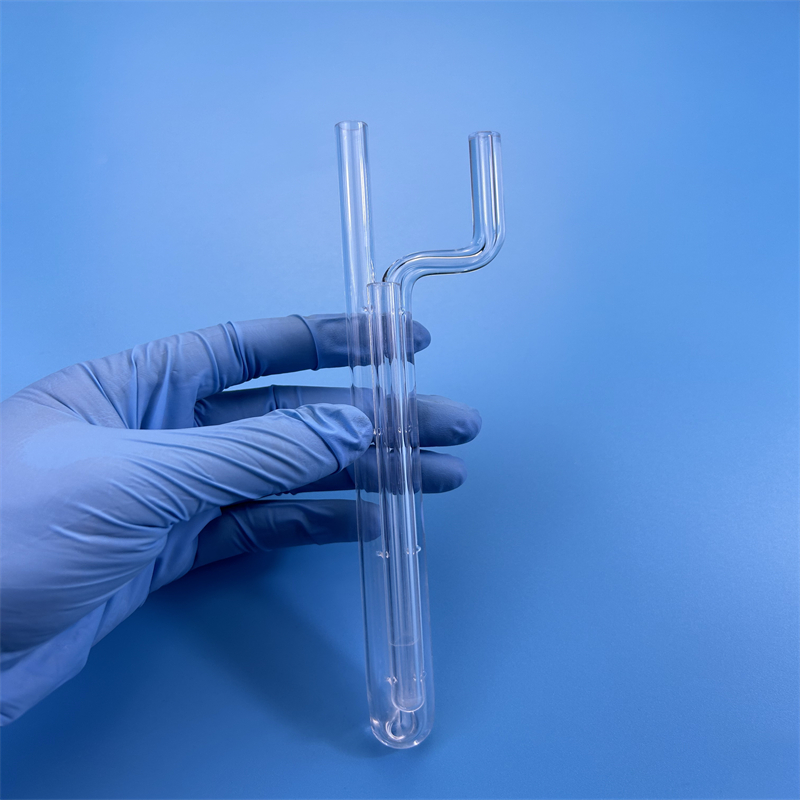
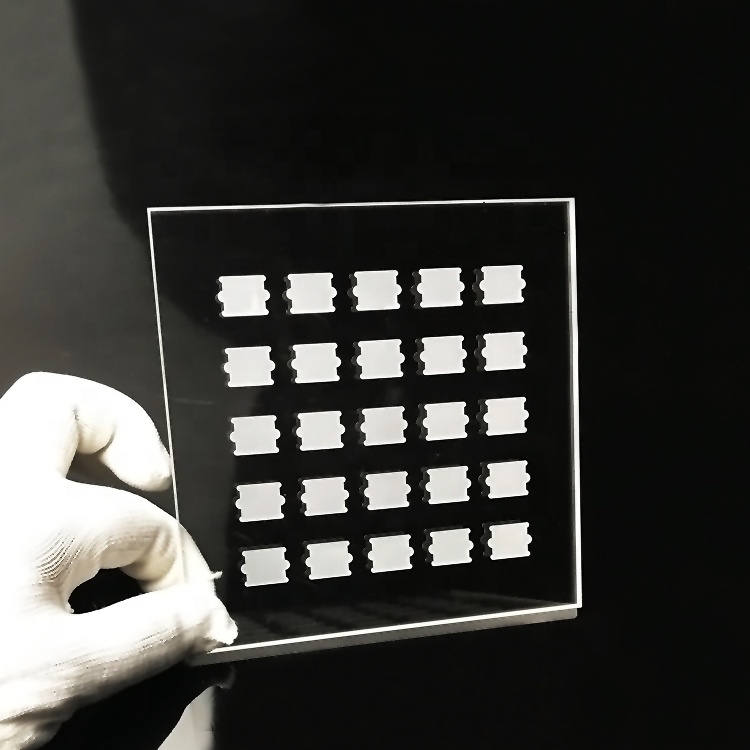
Institutes and academic testing laboratories—such as the Institute of Life Sciences and Technologies at Daugavpils University—require precision-ground BET chemisorption quartz tubes, XRD zero-diffraction sample plates, and customized vacuum glassware for advanced physical-chemical research.
Electronics & Cleanroom Sensors
Precision electronics assembly lines require non-conductive, chemically inert fixture blocks. Fused silica blocks provide exceptional dielectric strength (>25 kV/mm) and zero trace metal outgassing, ensuring vacuum chucks and sensor windows operate with uncompromising reliability.
Baltic Procurement Trends: Strategic Shift Toward Agile Quartz Supply Chains
Over the past five years, industrial buyers in Latvia, Estonia, and Lithuania have adjusted their procurement methodologies for high-temperature and optical glass consumables. Traditionally, procurement managers in Daugavpils maintained single-source agreements with Western European distributors. However, compounding supply-chain vulnerabilities—most notably lead times extending beyond 20 weeks for customized quartz blocks, high minimum order values, and inflated distribution markups—have driven Baltic procurement directors toward a dual-sourcing model.
Key procurement trends characterizing the Daugavpils market include:
- On-Demand Prototyping Without Minimum Order Penalties: R&D engineers working on customized furnace chambers or specialty laser nozzles frequently require 1 to 5 prototype blocks rather than standardized industrial palettes. Direct-to-factory fabricators like Zelvo Quartz, supporting 1-piece MOQ, allow local firms to validate designs without tying up working capital.
- Integration of Comprehensive Inspection Documentation: Baltic industrial quality teams enforce strict compliance with European quality directives. Every incoming fused silica consignment must include 3D CMM dimensional verification, material purity spectrometry (GDMS verifying < 20 ppm total impurity elements), and bubble class validation according to DIN ISO 10110 standards.
- DDP (Delivered Duty Paid) Express Air Logistics: With Daugavpils conveniently connected to Riga International Airport (RIX) via modern highway corridors, manufacturers prioritize suppliers capable of coordinating rapid air freight with full EU customs clearance handled upfront, reducing factory downtime from months to days.
Why Daugavpils Engineers Source From Zelvo Quartz
Situated in Donghai County—China's definitive quartz raw material center—Lianyungang Zelvo Quartz Products Co., Ltd. blends vertically integrated raw crystal supply with state-of-the-art precision glass engineering.
99.99% SiO₂ Feedstock
Direct access to Donghai high-purity natural silica sand guarantees high thermal stability, zero color centers, and resistance to devitrification up to 1300°C.
Precision CNC & Laser Drilling
5-axis CNC diamond contouring, ultrasonic milling, precision beveling, slotting, and laser micro-hole drilling down to 0.1 mm diameter with ±0.02 mm tolerances.
≤ 2-Hour Response Time
Direct technical communication with experienced glass-machining engineers. Send your STEP, DXF, or PDF engineering drawings for rapid feasibility confirmation.
Zero-Breakage Packaging
Custom-molded multi-layer high-density EPE shock absorption and vacuum-sealed anti-scratch film encased in reinforced export plywood crates.
Frequently Asked Questions for Daugavpils Buyers
Technical, logistical, and commercial inquiries answered directly by our senior quartz glass engineers.