Export-Grade Precision Quartz & Optical Components
Precision-engineered fused quartz and silica fabrications manufactured from 99.99% SiO₂ crystals, tested under strict laser interferometry and thermal cycling standards for Vietnamese laboratory, optical, and marine engineering applications.
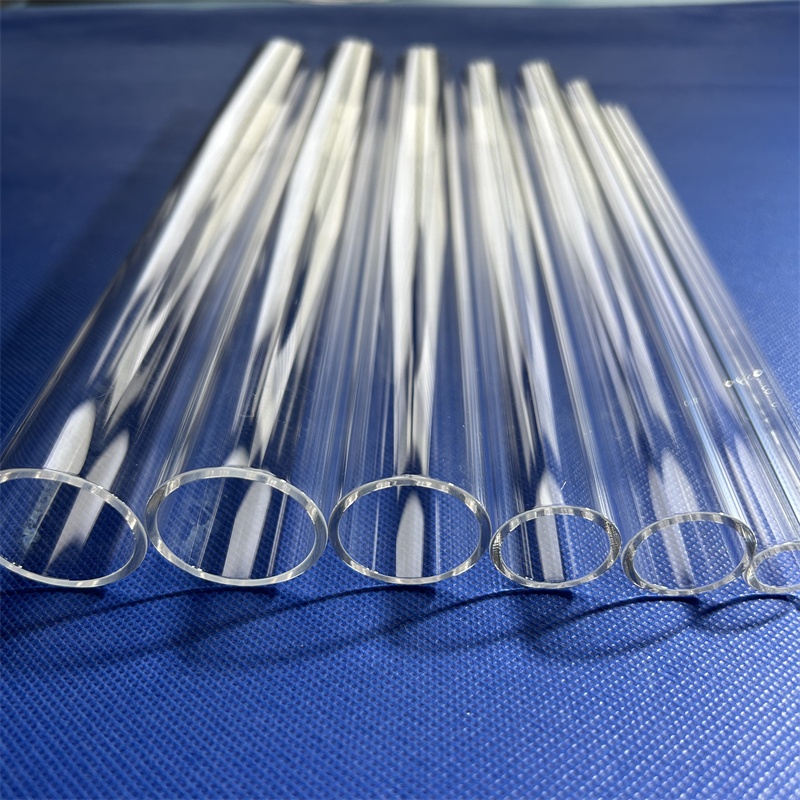
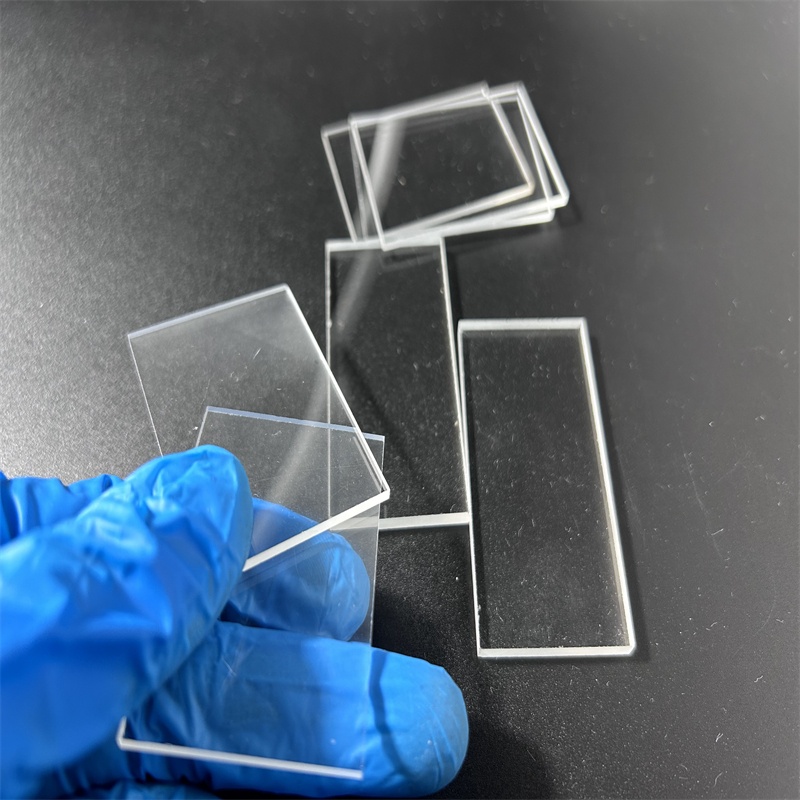
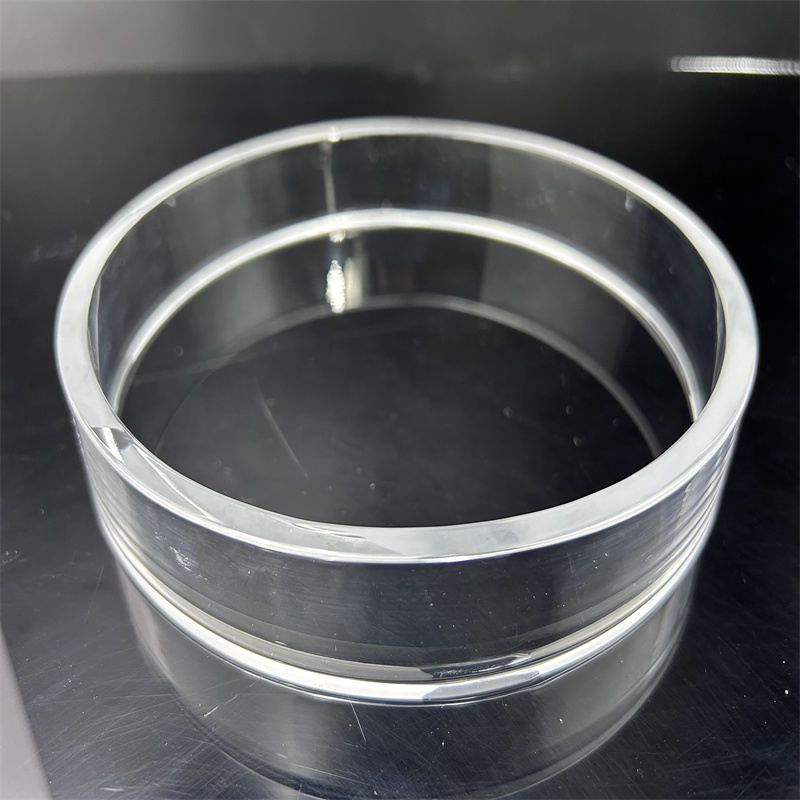
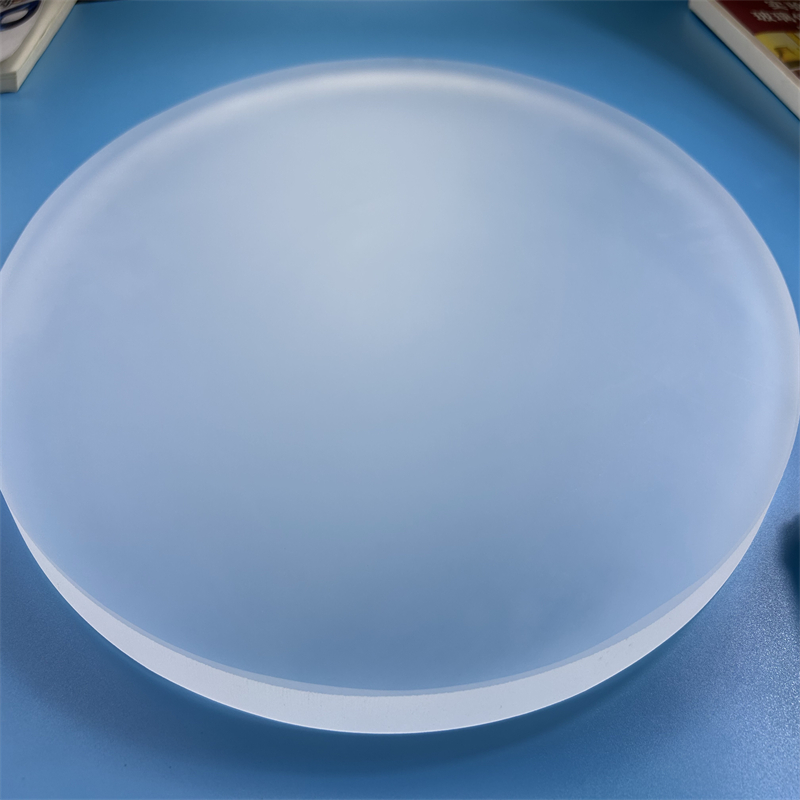
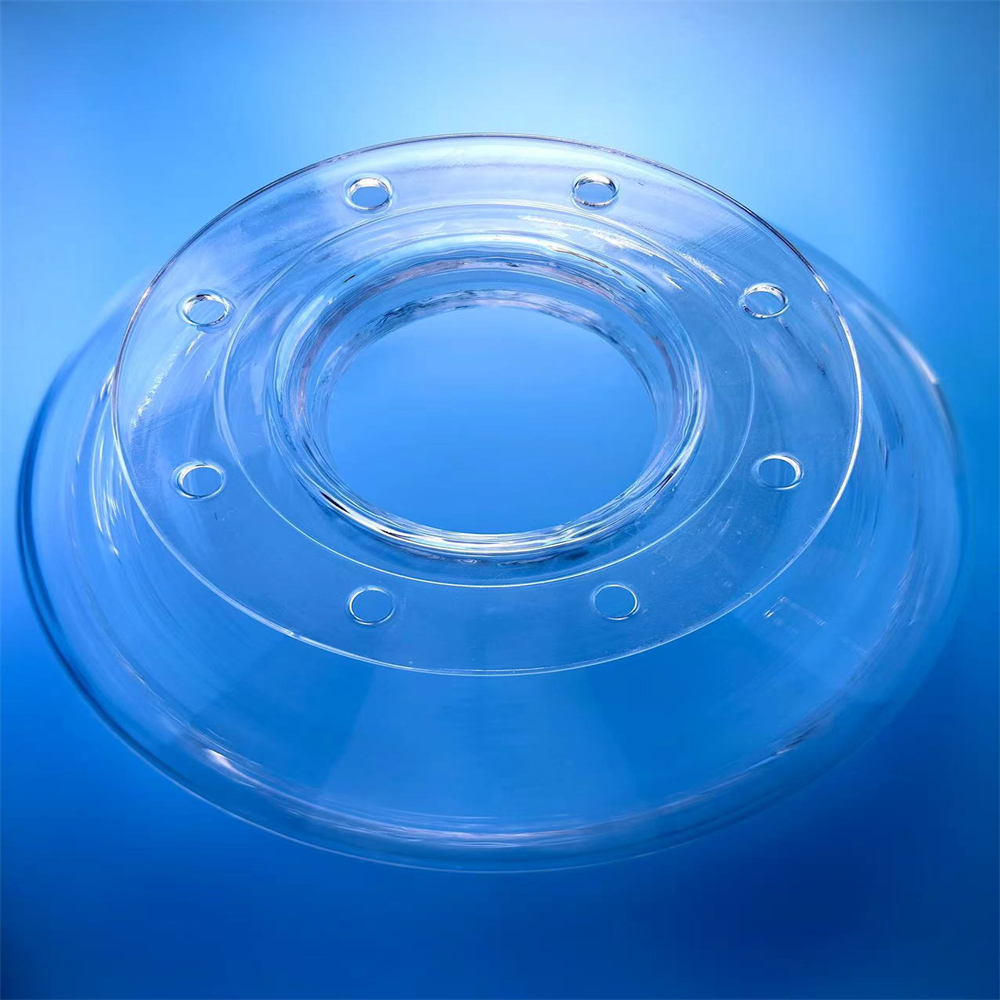
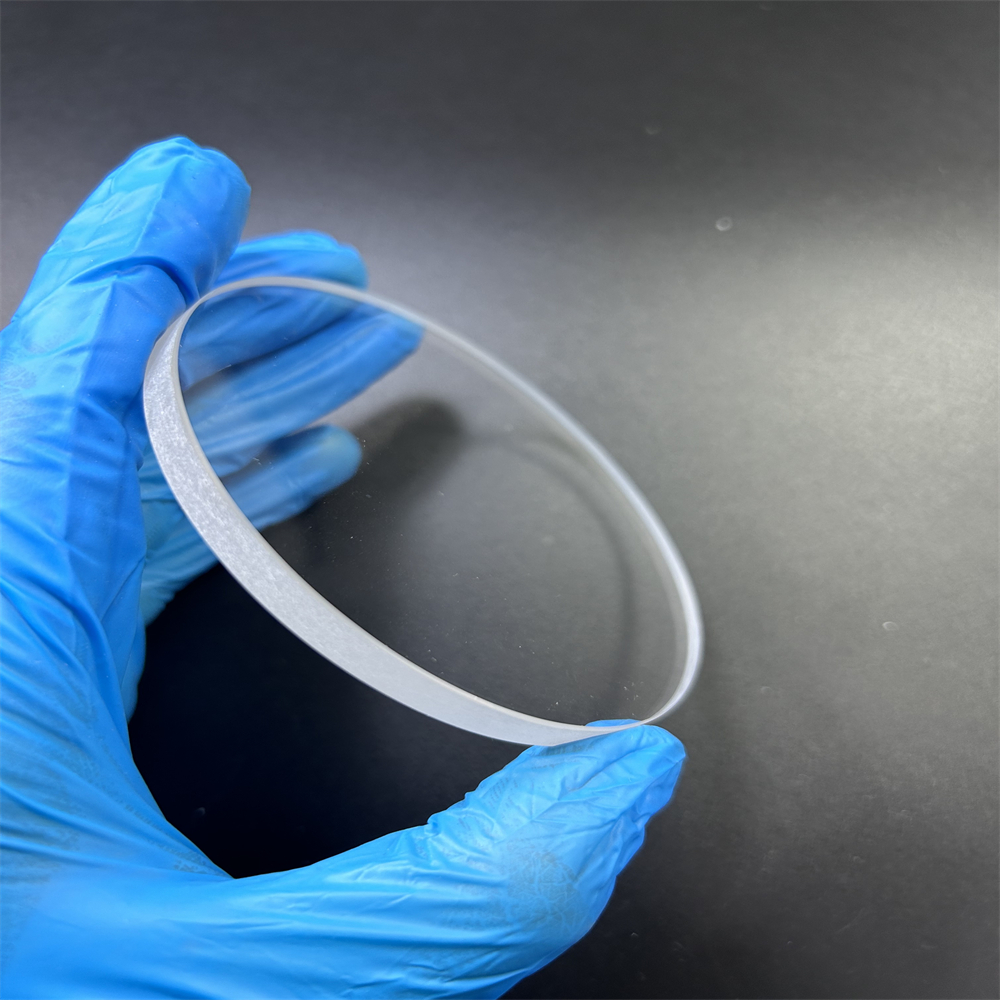
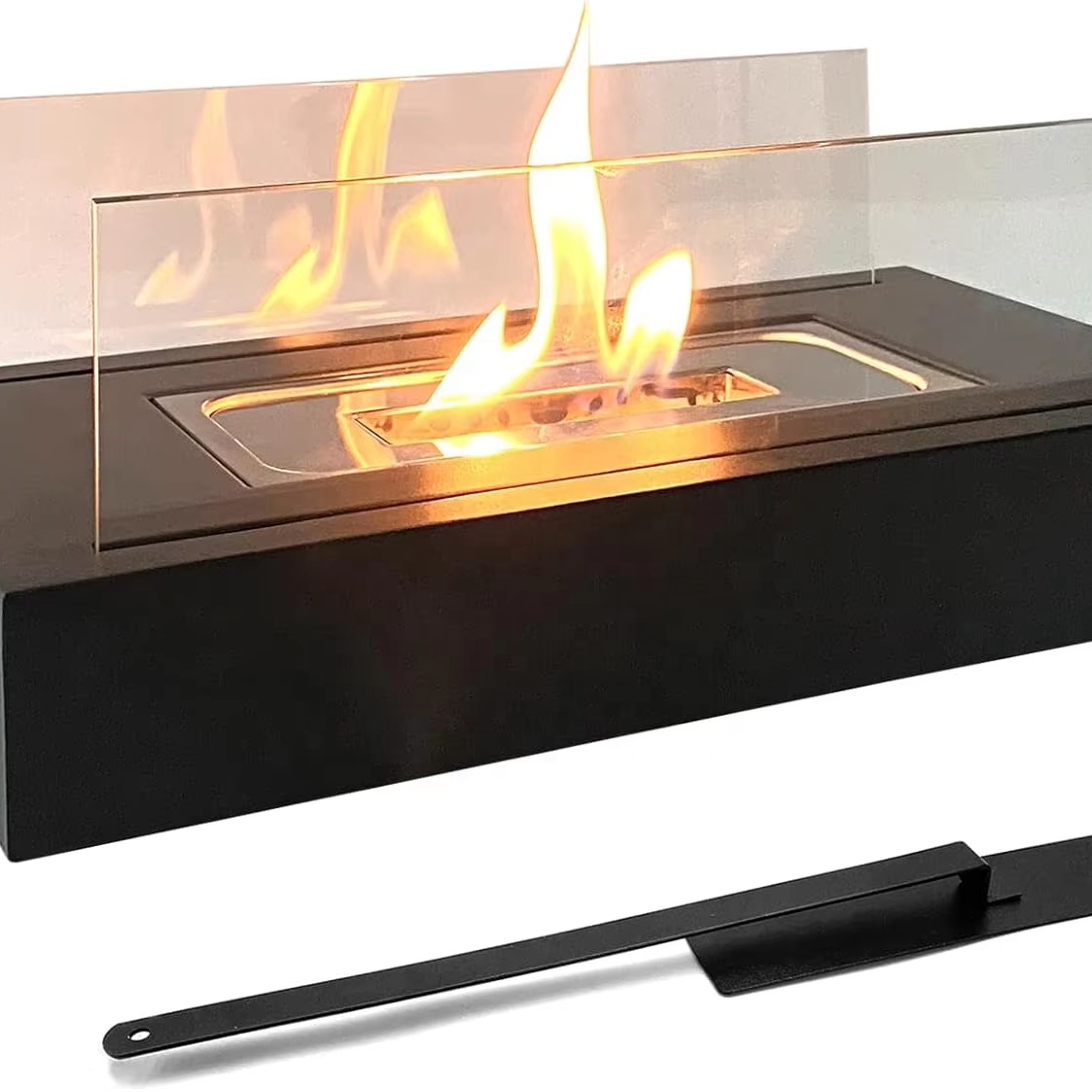
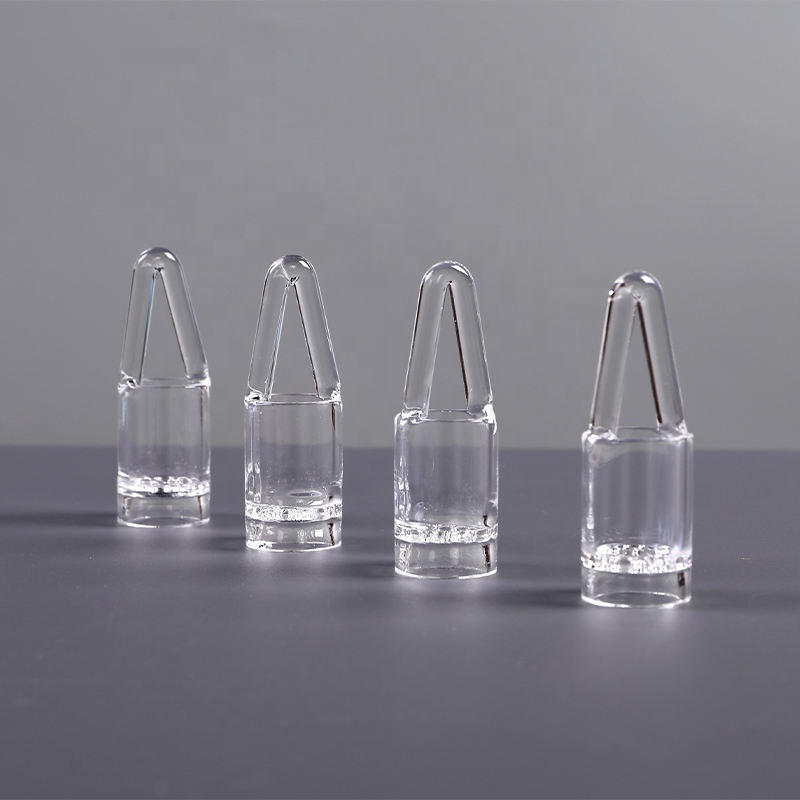
Precision Quartz Prisms & Fused Silica in Coastal High-Precision Applications
Optical quartz prisms serve as fundamental components in advanced beam manipulation, wavefront splitting, dispersion analysis, and total internal reflection (TIR) assemblies. Unlike conventional optical crown glasses such as N-BK7 or soda-lime formulations, optical-grade fused quartz (amorphous silicon dioxide, SiO₂) provides exceptional transmission across an ultrawide spectral spectrum ranging from the deep ultraviolet (185 nm) through the visible spectrum into the short-wave infrared (SWIR up to 2500 nm).
For municipal buyers, university laboratories, and maritime telemetry contractors in Nha Trang and throughout the wider South-Central Coast of Vietnam, optical instrumentation operates under acute environmental stresses. These include high relative humidity (>80%), atmospheric saline fog, intense solar ultraviolet irradiance, and dramatic fluctuations in oceanic ambient pressure. In such environments, traditional optical components suffer from hygroscopic surface haze, solarization-induced browning, and thermal defocusing caused by thermal gradient expansion.
Our manufacturing partner, Lianyungang Zelvo Quartz Products Co., Ltd., stationed at the epicenter of China's quartz heartland in Donghai County, leverages ultra-pure natural quartz crystals and high-purity synthetic silicon tetrachloride precursors (yielding grades JGS1, JGS2, and JGS3). Through advanced 5-axis CNC ultrasonic milling, high-precision lap-polishing, and controlled annealing schedules, we deliver prism configurations—such as Right-Angle, Porro, Dove, Penta, Amici roof, and Retroreflecting Corner-Cube geometries—that preserve absolute phase uniformity and dimensional integrity.
Key Material Grades for Vietnam’s Industrial and Scientific Sectors
Precision procurement requires precise differentiation between fused quartz types. Sourcing engineers operating across Nha Trang, Cam Ranh, and the Van Phong Economic Zone must align optical grades with specific application requirements:
1. JGS1 Synthetic Fused Silica (Far UV / Excimer Grade): Manufactured via synthetic vapor-phase hydrolysis of SiCl₄. Completely free of micro-bubbles, crystalline inclusions, and striations. It maintains an ultra-low hydroxyl (OH⁻) content or optimized uniform OH⁻ distribution, providing virtually 100% transmission across the 185 nm – 2000 nm spectral window without fluorescence under 254 nm excitation. Essential for oceanic water-column UV spectrophotometers, marine LIDAR transmitters, and laser-induced breakdown spectroscopy (LIBS).
2. JGS2 Optical Fused Quartz (Standard Transmittance Grade): Synthesized by high-temperature electro-fused melting of premium Donghai quartz rock. Characterized by excellent mechanical toughness, high thermal shock tolerance (withstanding rapid drops from 1100°C into ambient cold water), and consistent transmission across 220 nm to 2500 nm. Preferred for high-temperature furnace sight glasses, industrial flow meters, and maritime viewport reflectors.
3. JGS3 Infrared Fused Quartz (Low Hydroxyl IR Grade): Vacuum-fused natural quartz engineered to eliminate the characteristic OH⁻ absorption band at 2730 nm (2.73 μm). This provides high infrared transparency reaching out to 3500 nm, making it indispensable for thermal imaging periscopes, marine gas-flare IR sensors, and subsea petroleum leak detection.
| Optical / Physical Parameter | Synthetic Fused Silica (JGS1) | Optical Fused Quartz (JGS2) | Infrared Fused Quartz (JGS3) | Standard Optical Crown (N-BK7) |
|---|---|---|---|---|
| SiO₂ Purity Level | ≥ 99.999% | ≥ 99.99% | ≥ 99.99% | Multi-component Glass |
| Usable Transmission Range | 185 nm – 2100 nm | 220 nm – 2500 nm | 260 nm – 3500 nm | 350 nm – 2000 nm |
| Refractive Index (nd @ 589.3 nm) | 1.4585 | 1.4585 | 1.4585 | 1.5168 |
| Thermal Expansion (0–300°C) | 5.5 × 10⁻⁷ /K | 5.5 × 10⁻⁷ /K | 5.5 × 10⁻⁷ /K | 71 × 10⁻⁷ /K (13x Higher) |
| Thermal Shock Resistance | 1100°C to 20°C Quench | 1100°C to 20°C Quench | 1100°C to 20°C Quench | Fails at >120°C Thermal Shock |
| Marine Salt-Mist Hydrolysis | Impervious (Zero Etch) | Impervious (Zero Etch) | Impervious (Zero Etch) | Surface Leaching / Staining |
| LIDT (@ 1064 nm, 10 ns pulse) | > 15 J/cm² | > 10 J/cm² | > 8 J/cm² | < 5 J/cm² |
Strategic Optical Quartz Applications Across the Nha Trang & Khanh Hoa Economy
Nha Trang is universally recognized as Vietnam's premier maritime research cradle and a pivotal hub for marine aquaculture, deep-sea hydrography, and coastal eco-industrialization. Over the past decade, rapid industrialization along Khanh Hoa's coastal belt has spurred distinct demands for high-precision fused quartz prisms and optical assemblies.
1. Marine Oceanographic Telemetry
Scientific entities such as the Institute of Oceanography in Nha Trang require non-degrading UV fused quartz prisms inside deep-sea spectrophotometers, bathymetric fluorometers, and chlorophyll-a tracking instruments deployed at depths down to 3,000 meters.
2. Coastal Solar Photovoltaic & Energy
With Khanh Hoa enjoying among the highest solar irradiation levels in Southeast Asia, local solar panel manufacturing and industrial testbeds utilize quartz beam-homogenizing prisms and solar simulator UV windows that tolerate intense, continuous flux without optical degradation.
3. Maritime Navigation & Port Logistics
The deep-water port operations across Cam Ranh Bay and Van Phong rely on robust LiDAR-based vessel guidance, dock-monitoring interferometers, and maritime rangefinder retroreflecting prisms that remain immune to constant sea-spray salinity and solar heat baking.
4. High-Precision Aquaculture Diagnostics
Khanh Hoa's extensive shrimp breeding and marine fish hatcheries depend on automated photometric water analyzers. Quartz transmission micro-prisms ensure zero optical distortion during spectroscopic nitrate, dissolved oxygen, and microbial pathogen assays.
5. Van Phong Petrochemical & Gas Flaring
Industrial refineries and storage terminals require infrared-grade fused quartz (JGS3) Dove prisms and inspection sight-ports capable of withstanding corrosive hydrogen sulfide atmospheres, sudden temperature spikes, and high internal pressure.
6. University Precision Instrumentation
Physics, chemistry, and environmental faculties at Nha Trang University integrate custom quartz dispersing prisms, hollow liquid cell prisms, and optical flats into academic spectroscopy, Raman scattering benches, and optics research curricula.
Why Direct Sourcing from Donghai via Zelvo Delivers Real Commercial Advantage
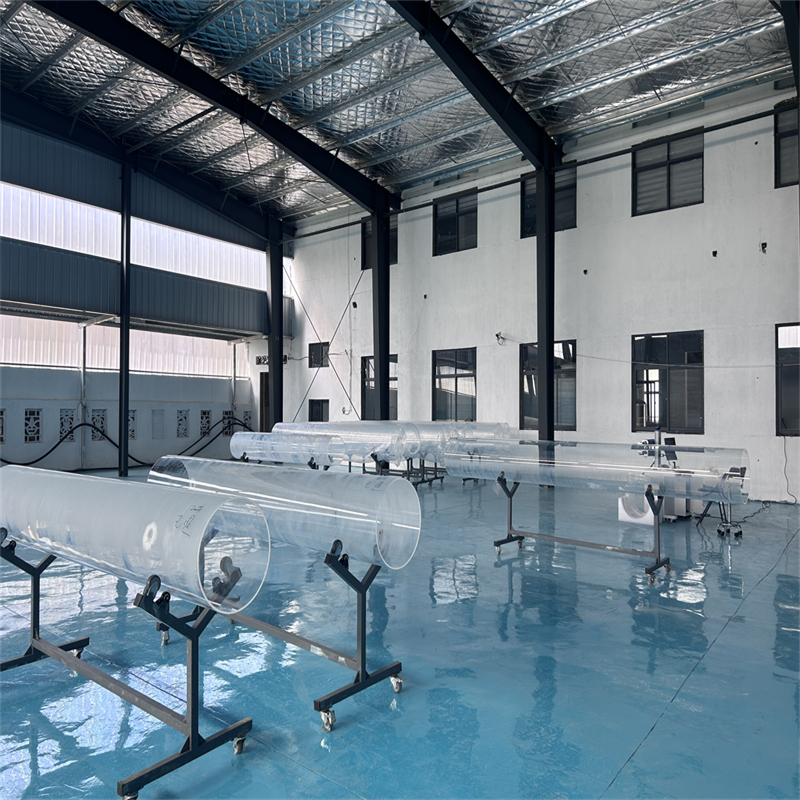
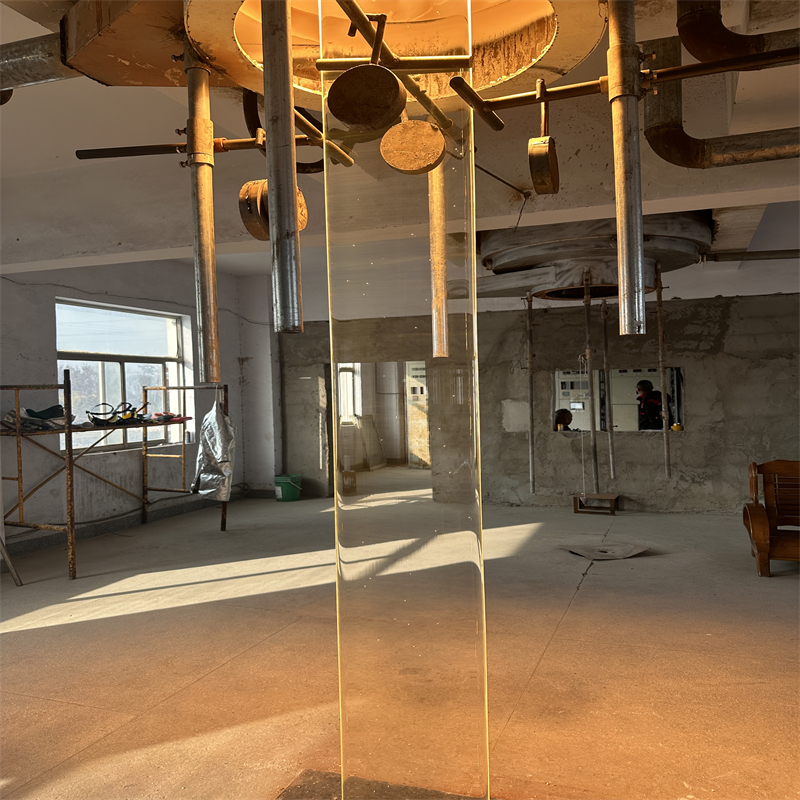
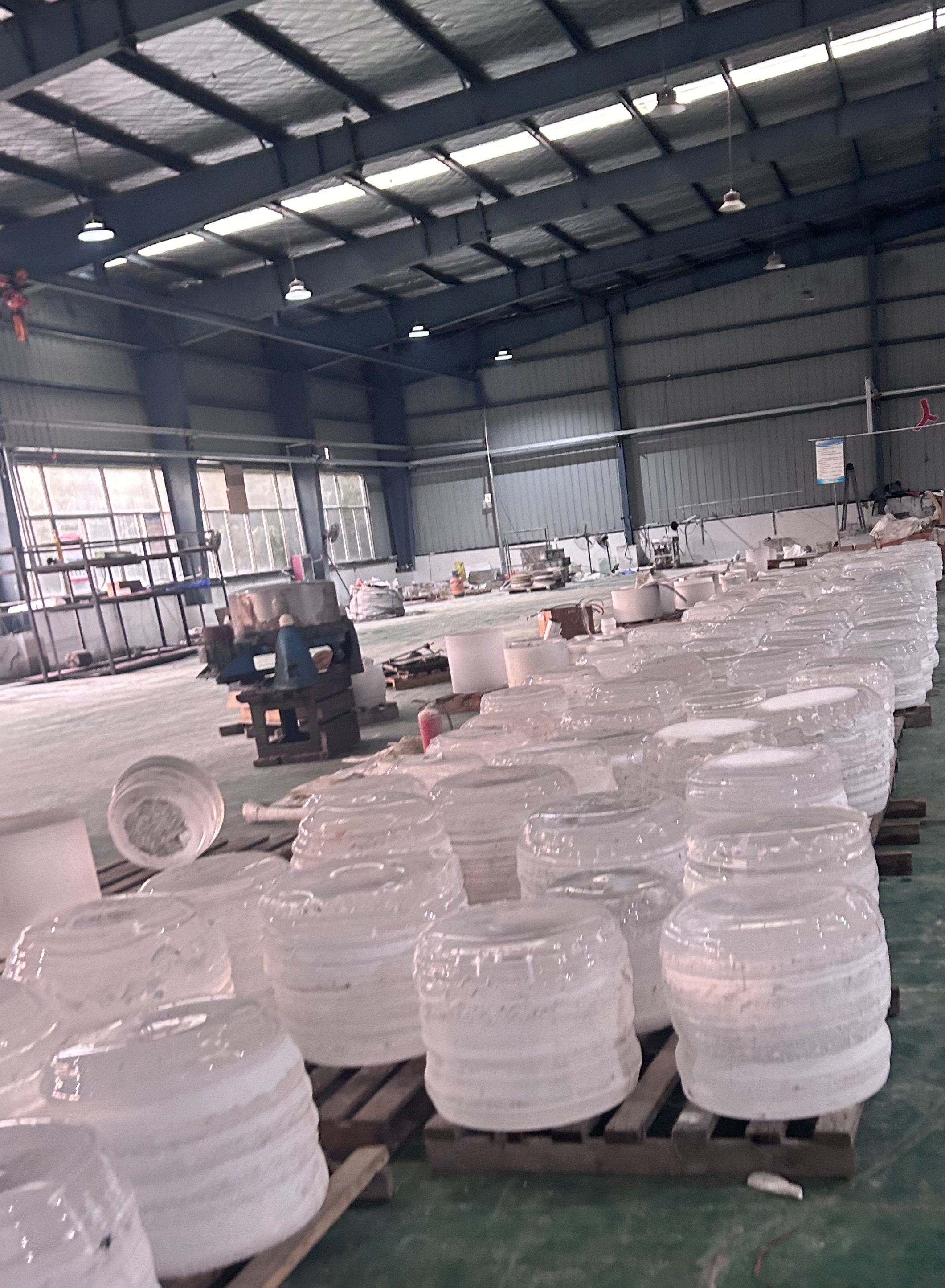
Located in Donghai, Jiangsu—China’s historically renowned "Crystal Capital"—Lianyungang Zelvo Quartz Products Co., Ltd. controls the entire quartz processing chain from raw SiO₂ refinement to final micro-optical machining. Unlike conventional trading brokers, our manufacturing facility merges heavy industrial quartz processing with micron-scale optical fabrication.
Our engineering workshop utilizes diamond wheel CNC profiling, high-vacuum optical coating chambers, precision flame polishing benches, and certified Zygo phase-shifting laser interferometers. Every optical prism and quartz plate destined for Nha Trang undergoes strict verification for:
- Wavefront Distortion: λ/4 to λ/10 @ 632.8 nm helium-neon laser reference.
- Surface Finish Standard: MIL-PRF-13830B standard scratch-dig ratings of 40-20 or 20-10 laser-grade.
- Angular Accuracy: Precision pyramid tolerances down to < 3 arcseconds.
- Full Custom Geometry: Drawing-based fabrication from 1-piece prototypes to volume production runs.
Emerging Optics Trends in South-Central Vietnam & Khanh Hoa
The industrial landscape in Nha Trang and Khanh Hoa Province is transforming under Vietnam’s National Master Plan. Sourcing patterns for precision optics are shifting in response to key technological developments:
1. Blue-Green Subsea Optical Wireless Communication (UWOC): High-frequency radio waves cannot penetrate seawater effectively, driving oceanographic research teams in Nha Trang toward underwater laser communications within the blue-green transmission window (450 nm – 532 nm). Optical transmitter arrays require custom-faceted fused silica dispersing prisms and right-angle steering prisms capable of high beam collimation and low internal scatter under high hydrostatic pressure.
2. Decentralized UV-C Disinfection in Aquaculture: To comply with stringent seafood export hygiene benchmarks for the US, EU, and Japan, Khanh Hoa shrimp hatcheries are shifting from chemical antimicrobial agents to high-output deep-UV (254 nm / 222 nm excimer) disinfection systems. This has increased demand for ozone-free fused quartz sleeves, twin-bore excimer lamp jackets, and UV quartz right-angle total reflection prisms.
3. Automated Optical Inspection (AOI) in Electronics Manufacturing: As industrial clusters expand along the North-South economic corridor, regional electronics sub-assembly plants are adopting automated vision systems. Precision fused silica beam-splitter prisms, telecentric lens windows, and zero-distortion quartz reference plates are replacing standard optical glass components to maintain high throughput in humid coastal environments.
Frequently Asked Questions: Sourcing Quartz Prisms for Nha Trang Buyers
Detailed technical, logistical, and material answers addressing the practical procurement challenges faced by engineers and purchasing managers in Vietnam.
Accelerate Your Optical Engineering Projects in Nha Trang
Whether you require a custom JGS1 far-UV dispersion prism, precision retroreflectors for marine bathymetry, or robust 99.99% SiO₂ quartz furnace viewports, our engineering team will evaluate your CAD drawings and provide a competitive quotation within 2 hours.